Last updated November 4, 2026
Mountain Statistics.
Sources Included.
A citable index of mountaineering deaths, summit-success outcomes, major disasters, and searchable mountain, trail and pilgrimage datasets. The numbers reporters quote—paired with the source and definition behind each one.
Independent editorial research. Historical statistics are not predictions of individual climbing risk. Data vintages and denominators differ; every link opens the underlying analysis.
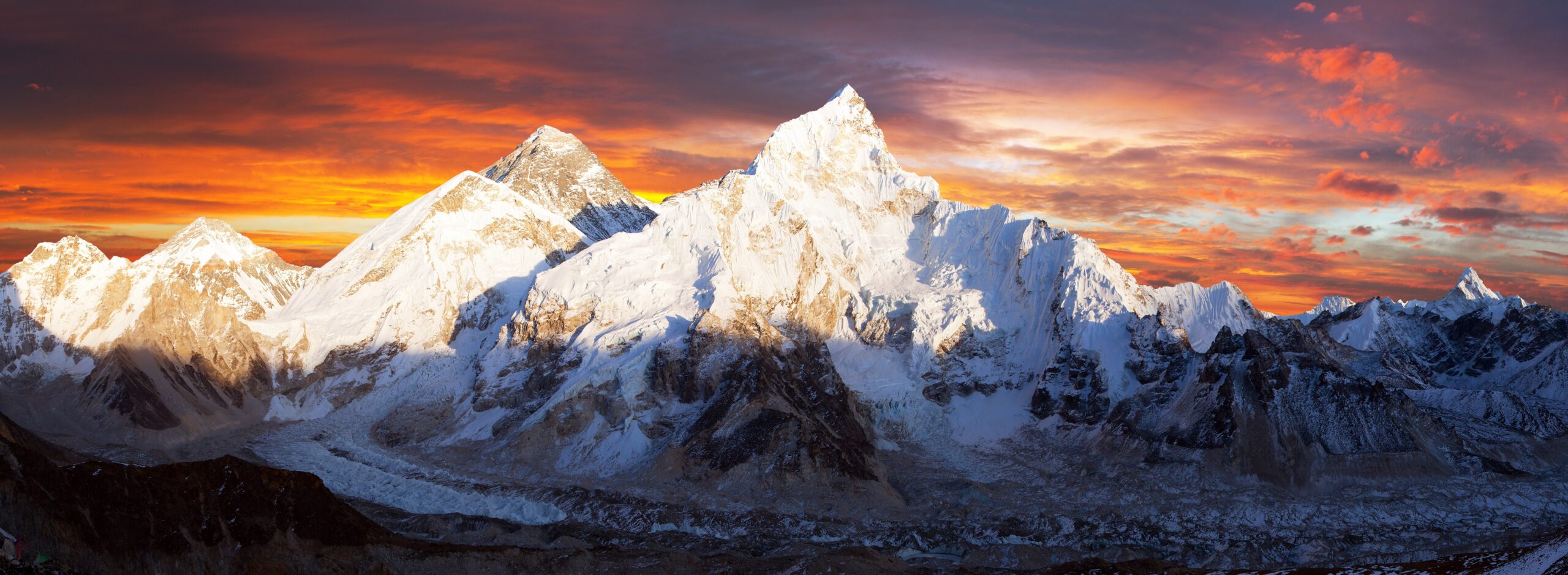
Four numbers worth quoting carefully.
These are source-specific historical or seasonal snapshots, not universal risk estimates. Use the linked research for the underlying cohort, source and reporting period.
Annapurna I · 75 deaths / 557 summit records
HDB Nepal series · through 2025Recorded Everest deaths in the Nepal peaks HDB summary
HDB source · through 2025How a defensible comparison looks.
The bars compare recorded fatalities divided by recorded successful summits for four Nepal eight-thousanders in the Himalayan Database’s through-2025 series. This is a historical deaths-to-summits ratio—not the probability that an individual climber will die.
Search by peak or subject, or filter the collection. Every card opens a published GSG research page.
Death rates, hazard rankings and the Everest death map.
The statistics require special care: a fatality count, deaths-to-summits ratio and editorial hazard ranking are three different measurements.
Death Rates by Mountain
The core comparison of eight principal Nepal eight-thousanders. Read deaths per summit and deaths per expedition member separately.
Annapurna I: 75 deaths ÷ 557 summit records = 13.46%.
Everest Death Map & Fatalities
Explore Everest fatality geography by route family and role, with 2026 incident reports kept separate from the closed historical series.
339 route-classified fatalities through December 2025 in this map series.
Most Dangerous Mountains Ranked
A broader risk assessment combining historical mortality, technical terrain, weather, rescue limitations and data caveats.
10 editorially selected peaks; eight Nepal 8,000ers share a comparable HDB table.
K2 Death Rate Explained
K2 is outside the Nepal-specific HDB ranking. This separate historical compilation explains why the old 25% shorthand is outdated.
92 recorded deaths ÷ 964 successful summits = 9.54%.
Summit success and historic disaster records.
Same mountain, different denominators. Peak-level analyses separate all-history summit records, season-specific results and official registered-climber data.
Summit Success Rates: 24 Peaks Compared
Compares clearly defined success measures without presenting mixed climber, client and permit-holder cohorts as one ranking.
24 mountains reviewed; Everest HDB member-record rate: 51.5%.
Deadliest Days on the 8,000ers
A documented event chronology that separates one-day fatality events from multi-day disasters and full-season totals.
12 benchmark single-day disasters; Everest Base Camp 2015: 19 reported deaths.
Denali Summit Success
Annual climbing results and a historical NPS baseline; the preliminary 2026 figure is clearly marked pending final accounting.
582 summits ÷ 976 registered climbers = 59.6% in preliminary 2026 data.
Everest Summit Success
Distinguishes all-history member records from current permit-holders and operator-specific client outcomes.
13,550 summit records ÷ 26,316 member records = 51.5% through 2025.
Annapurna Summit Success
Defines the success-rate denominator and explains why it must not be confused with the 13.46% deaths-to-summits ratio.
557 summits ÷ 2,059 expedition-member records = 27.1% through 2025.
Aconcagua Summit Success
A season-specific official figure, not a permanent probability; older and operator-reported rates are identified separately.
More than 35% of recorded ascent participants summited in 2024–25.
Explore the mountains, trails and pilgrimage records.
A growing research index is not the same as a fully researched guide for every entry. The source pages identify which records have published detail.
Peak Database
Search and compare altitude, technical difficulty, seasonal considerations, costs and links to underlying mountain research.
500 mountain objectives across 44 regions and collections.
Hiking Database
Find hiking and trekking routes by region while distinguishing named entries from researched, published planning guides.
448 named trails indexed; 500 planned trail records.
Pilgrimage Database
Find sacred walking journeys by region and tradition, with publication status and respectful planning guidance.
250 pilgrimage-route records in 11 regions.
No datasets match that search. Try a mountain name, a different topic, or clear the filter.
Four checks before a number becomes a headline.
Which population?
Successful summits, expedition members, permit-holders and operator clients are not interchangeable.
Which reporting period?
Close the historical series explicitly. Treat newer incidents and preliminary seasons as separate updates.
Which geography?
The Nepal-focused Himalayan Database cannot be silently combined with separately compiled Karakoram records.
Which calculation?
Deaths per successful summit is not an individual chance of death; verify the numerator and denominator.
Behind every row is a real mountain.
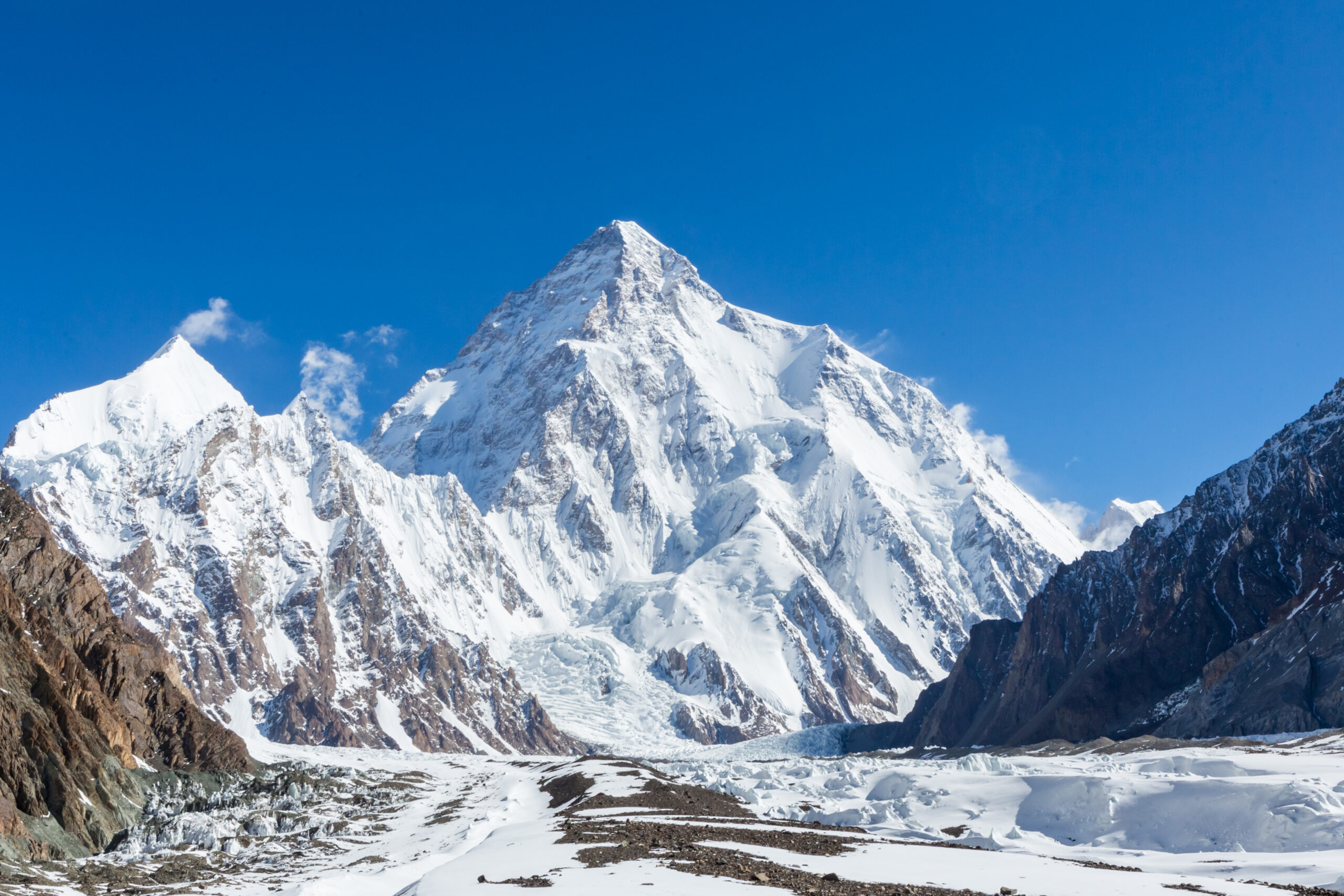
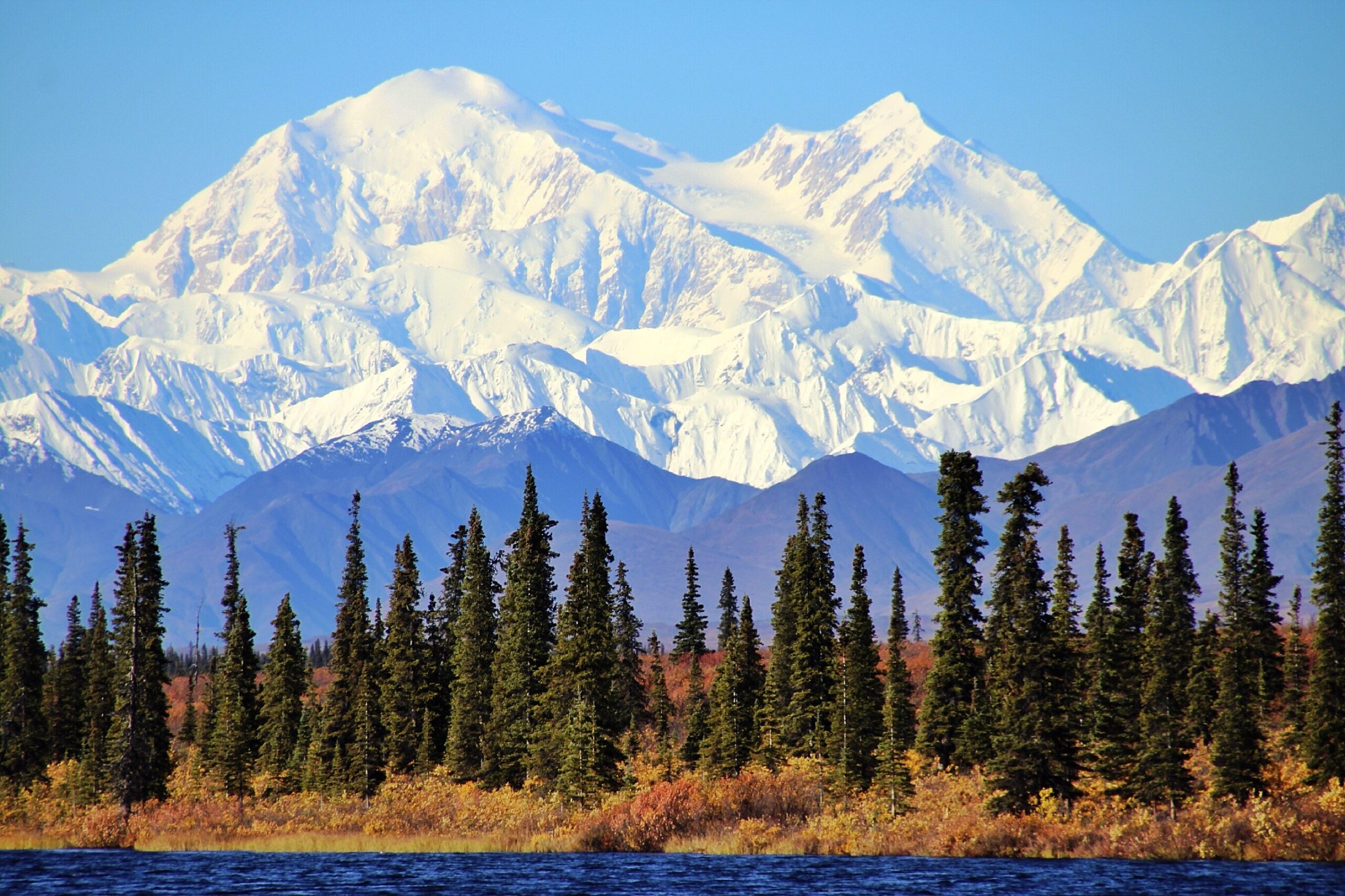
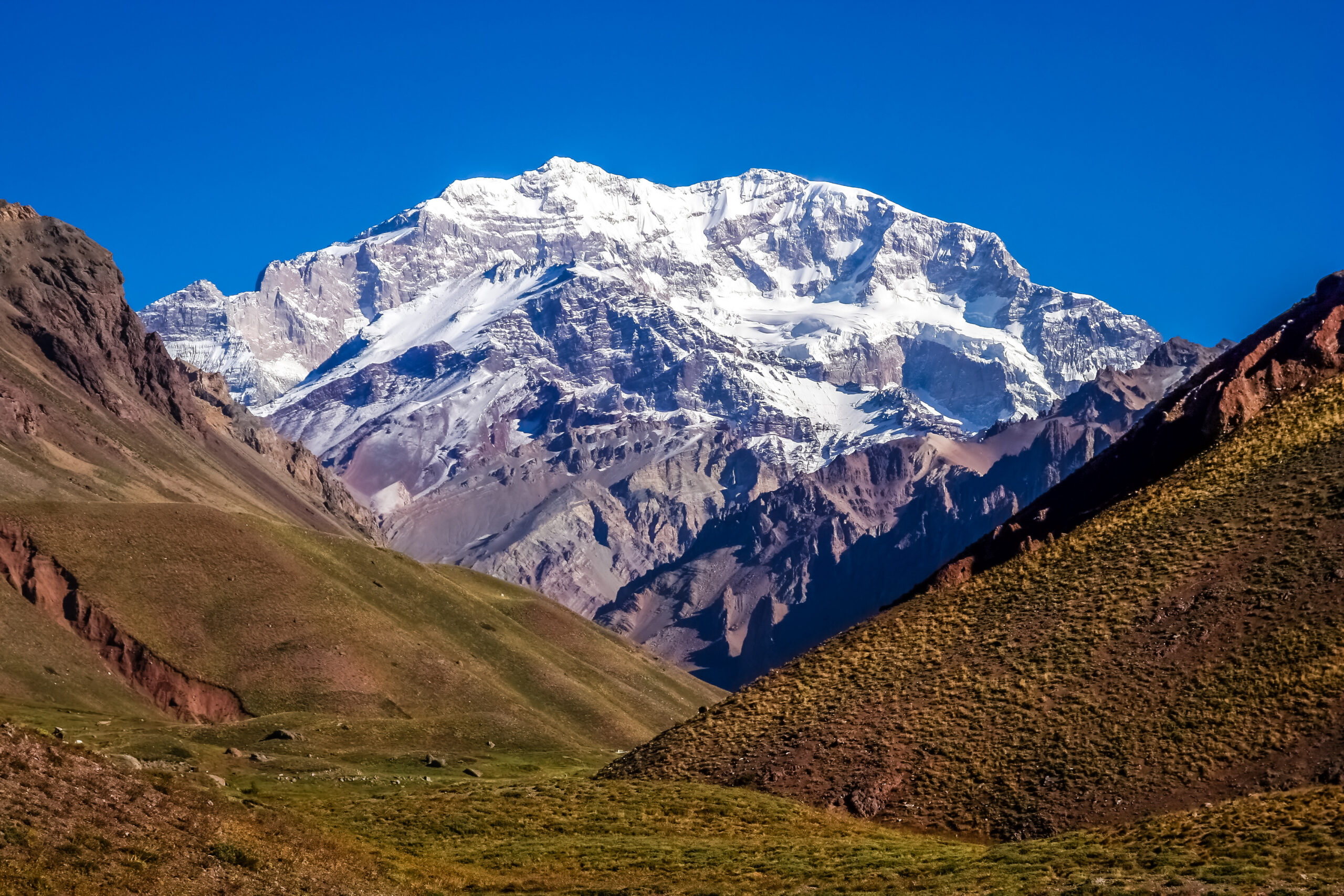
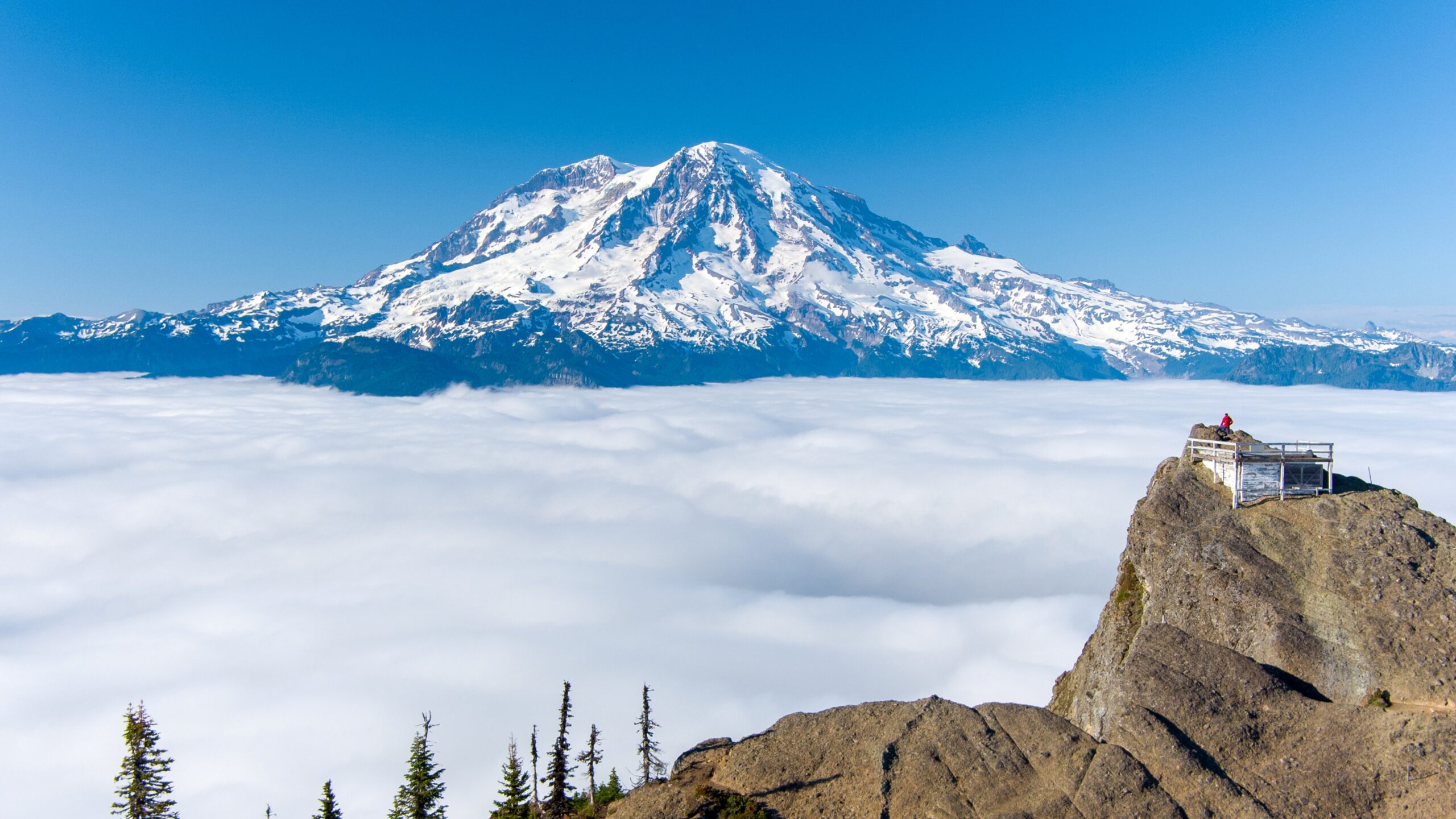
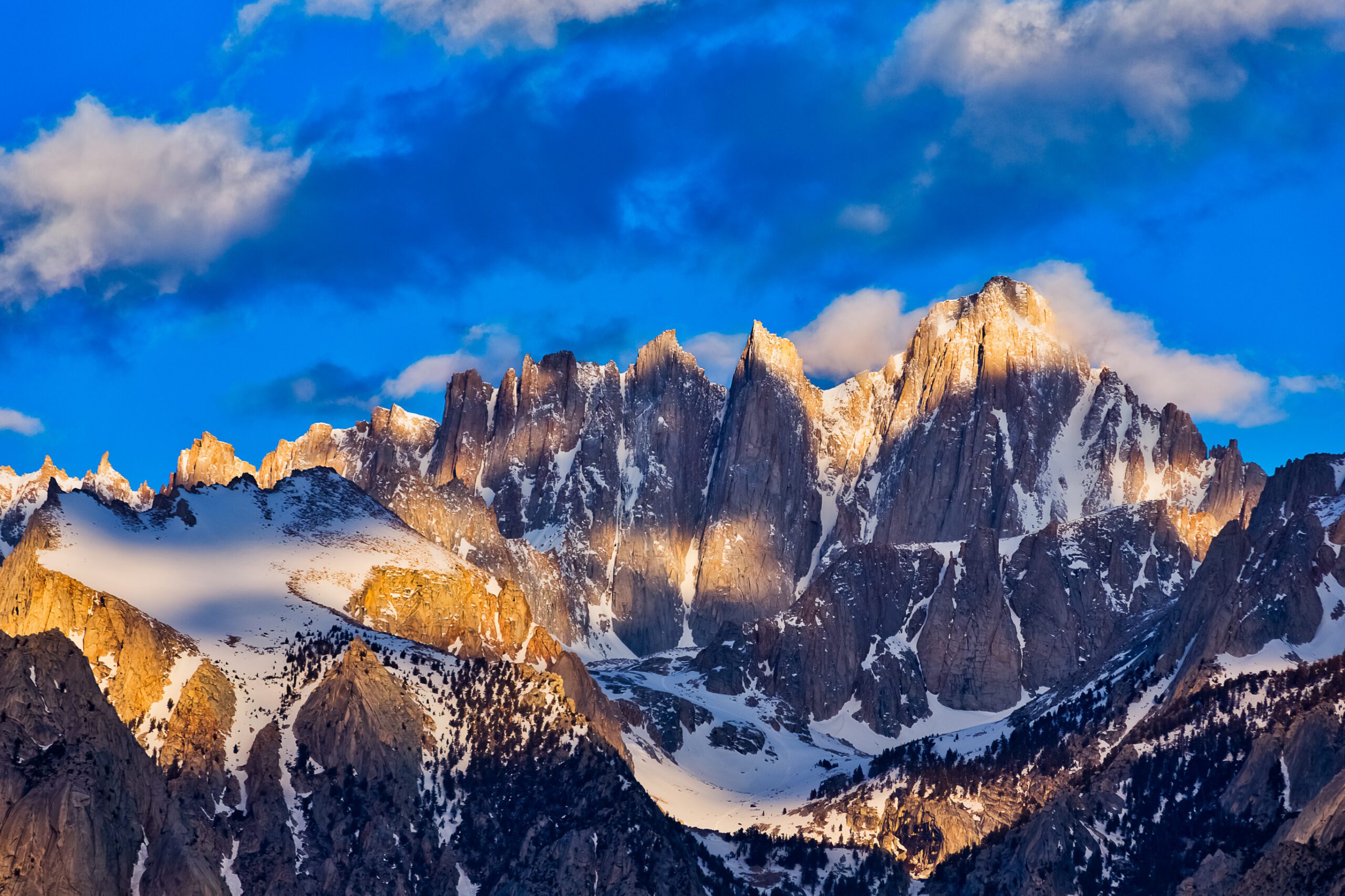
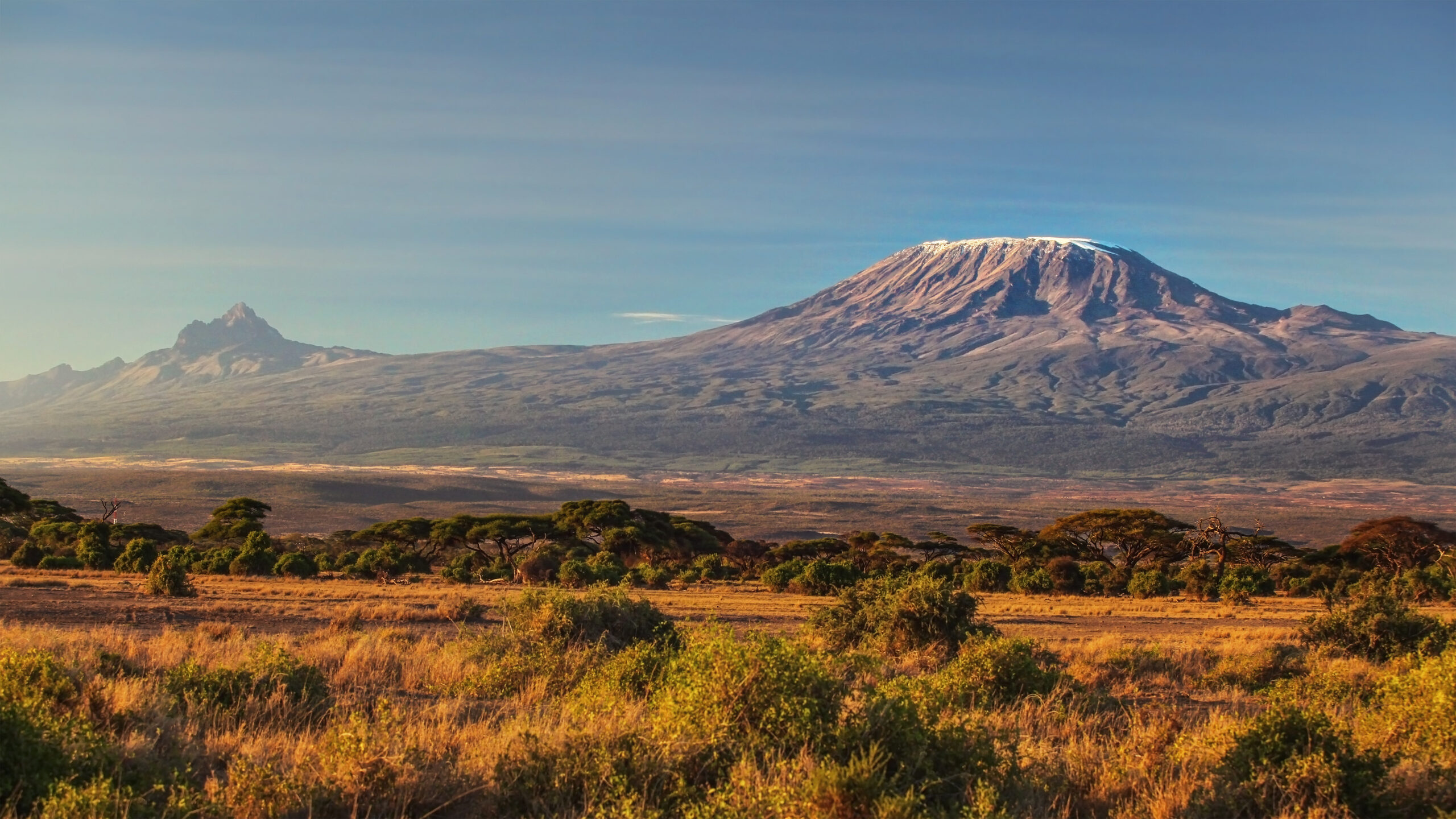
From the Karakoram and Alaska Range to the Andes and Sierra Nevada, explore the actual peaks represented throughout the GSG research network.
Cite the source. Keep the context.
GSG research pages are free to reference with attribution. When a headline figure comes from a third-party primary database, cite that underlying source too. Reuse of complete tables, photos or graphics may require separate permission or compliance with their original licenses.
Use the Copy citation buttons next to the datasets above for a starting reference. Check the publication date and last-updated notes on the linked article before publication.
Copy a complete reference.
Source and denominator: Himalayan Database report covering Nepal expedition records through 2025. The GSG article explains and links to the primary data.
Need a source, interview or deeper breakdown?
For a deadline, lead with the specific dataset, requested comparison, intended publication and the date you need the information. Our public contact page is available while the dedicated press desk is being developed.
Data index reviewed November 3, 2026. The figures shown here are dated historical/seasonal snapshots, not live safety, trail, or incident alerts. Flat WordPress slug: media-data. Future Media Hub sections use /media-reports/, /media-widgets/, /media-cite/, /media-contact/, and other single-segment paths.
Was this helpful?
Global Summit Guide is an independent mountaineering resource founded in 2026. The team combines first-hand trekking and climbing experience with in-depth research and professional health and nutrition review to help climbers choose objectives, prepare properly, and stay safe.
Health, altitude, and nutrition content is reviewed by Taylor Ludlow (Registered Nurse) and Brigg Hoopes (Nutritionist).
What We Don't Know Yet
Mountain information changes quickly. This box explains the limits of what this page can responsibly promise.
- Visa, passport, vaccination, border, insurance, and local transportation rules may change before your trip.
- Route conditions, snowpack, closures, and weather can change quickly after this page is updated.
- Permit rules, fees, quotas, and reservation windows may change between review cycles.
- Operator availability, pricing, guide ratios, and cancellation terms can change by season.
- Your fitness, altitude response, risk tolerance, and experience level may change what is safe or realistic.
Verify current conditions with official land managers, guide services, local forecasts, and current route reports before booking or climbing.
Mountaineering, rock and ice climbing, glacier travel, and high-altitude activity are inherently dangerous and can result in serious injury or death. The information on Global Summit Guide is provided for general informational and educational purposes only and is not a substitute for professional instruction, qualified guiding, proper equipment, or your own judgment and experience.
Route conditions, weather, snowpack, permits, regulations, and hazards change constantly and may differ from what is described here. Details may be incomplete, out of date, or contain errors. Always verify current information with local authorities, certified guides, and official sources before making any decision in the mountains.
Nothing on this site is medical, legal, or financial advice. Our fitness, acclimatization, altitude, and nutrition content is general in nature; consult a qualified physician before beginning any strenuous exercise program or exposing yourself to high altitude.
You are solely responsible for your own safety and decisions. To the fullest extent permitted by law, Global Summit Guide and its team accept no liability for any loss, injury, damage, or expense arising from use of, or reliance on, this information. By using this site you acknowledge these risks and accept these terms.
Some links on this site may be affiliate links. If you buy through them we may earn a small commission at no extra cost to you; this never affects our recommendations.
Global Summit Guide recommendation path
Next Best Mountain to Research
Use these recommendations to continue the right planning path instead of stopping on one page.
Use current permit, weather, route, and operator information before booking or climbing.