
Last updated September 9, 2026
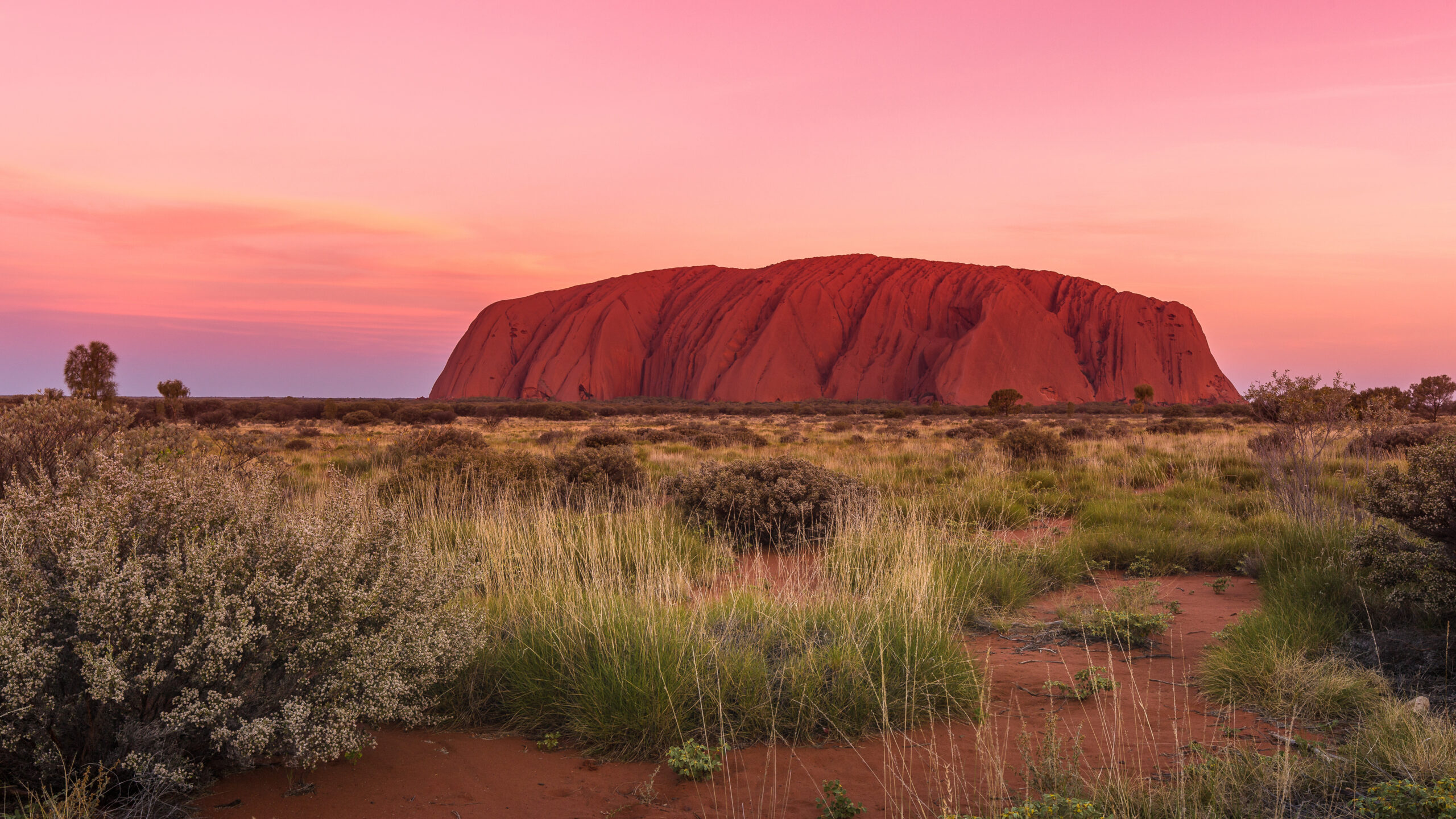
Uluru: A Sacred Site, Not a Summit
One of the sacred mountains of the world, Uluru is not a peak to be conquered but a living heart of Anangu country. You cannot climb it – the climb closed for good in 2019 – and understanding why is the beginning of visiting it well.
Can You Climb Uluru?
No. The climb is permanently closed. On 26 October 2019, at the request of Uluru’s Anangu traditional owners, the climb was closed for good. This is not a temporary restriction or a technicality – it is a settled decision, welcomed by the people whose sacred country this is.
And that is exactly as it should be. Uluru was never meant to be a summit. It is a sacred place at the heart of Anangu law and story, and the respectful thing – the thing the traditional owners ask of you – is to experience it from the ground.
You lose nothing by not climbing. The base walk, the sunrise, the caves and waterholes and the Cultural Centre offer something far richer than a view from the top: an understanding of the place.
Why You Don’t Climb Uluru
Not a rule imposed from outside, but a request from the people whose sacred place this is.
Permanently, Since October 2019
You cannot climb Uluru. On 26 October 2019 – the anniversary of the land’s return to its traditional owners – the climb was closed for good. Where a chain once marked a route up the rock, there is now simply the request that you experience Uluru from the ground.
The Climb Crossed a Dreaming Track
The old climbing route followed a path of deep spiritual significance – tied in Anangu tradition to the journey of ancestral Mala beings. To walk it as a tourist was, to the traditional owners, to walk over something sacred.
‘Please Don’t Climb’
For decades the Anangu asked visitors not to climb, out of respect for Tjukurpa and out of care – they felt responsible when climbers were hurt or died on the steep, exposed rock. In 2019 that long request became permanent, with the support of the joint park board.
Come to Listen, Not to Conquer
Closing the climb was not a loss but a homecoming. Uluru asks a different kind of visit – one that walks around rather than over, and comes to understand a place rather than to stand on top of it.
Why Uluru Is Sacred
To the Anangu, Uluru is not a landmark but the record and the living heart of their law and story.
The Law, the Creation, the Living Story
Uluru is central to Tjukurpa – the Anangu foundation of law, knowledge and the creation of the land. Its every crevice, cave and waterhole holds meaning, recording the actions of ancestral beings and the rules for living rightly.
The Traditional Owners
The Anangu – the Pitjantjatjara and Yankunytjatjara peoples – have cared for this country for tens of thousands of years. Uluru is not a monument to them but a living presence, and they remain its custodians today.
More Than a Geological Wonder
Rising 348 m from the desert and glowing deep red at dawn and dusk, Uluru is one of the natural wonders of the world. But to the Anangu its wonder is inseparable from its meaning – the two cannot be pulled apart.
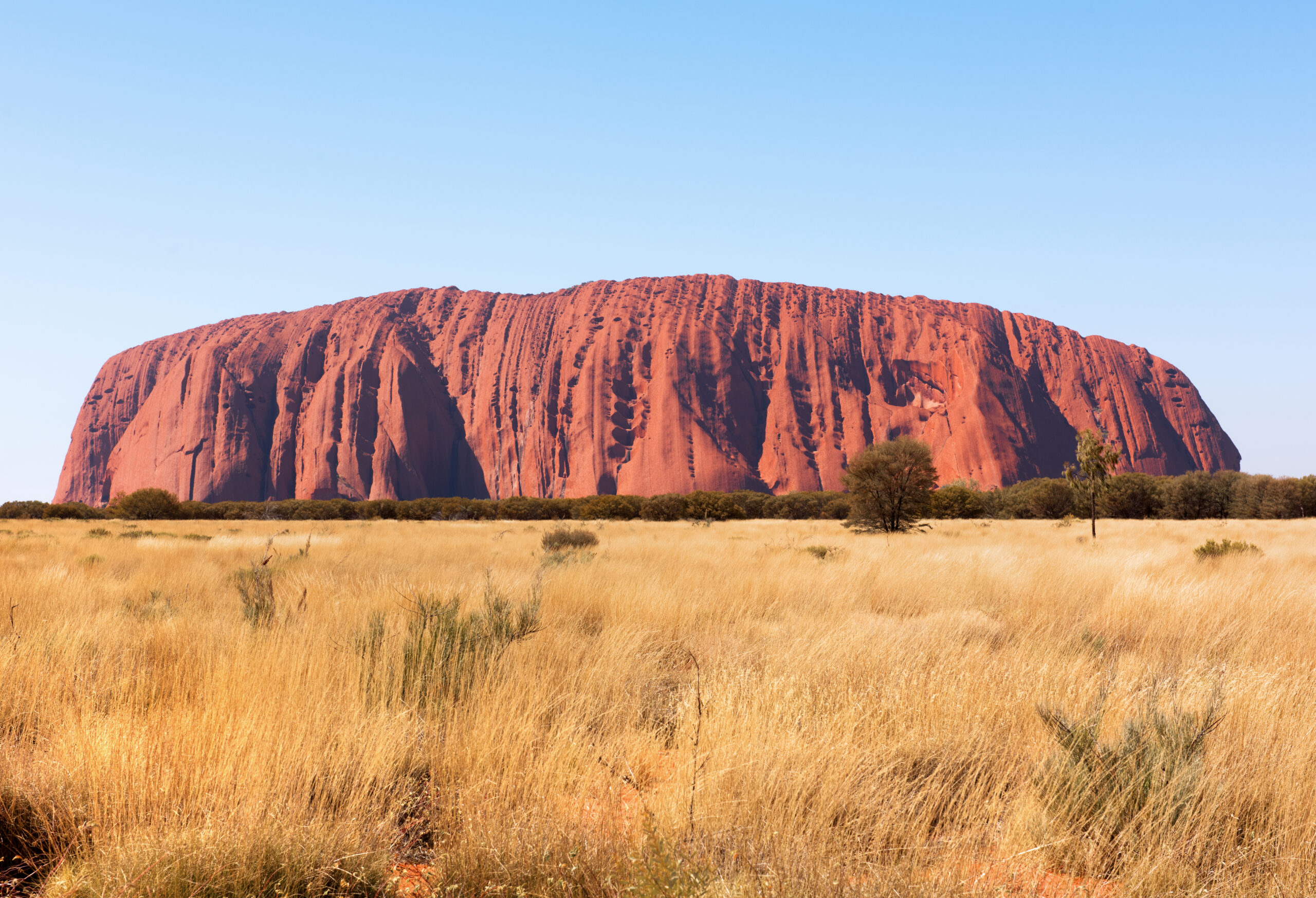
The Base Walk Reveals What the Climb Never Could.
Caves, rock art, waterholes and the ancestral stories they hold – meeting Uluru at its foot is a walk of understanding, and the truest way to know the place.
How to Experience Uluru Respectfully
Everything the mountain offers when you come to understand it rather than to stand on it.
Circle the Rock, Around 10 km
The finest way to meet Uluru is the full base walk – roughly 10 km around its foot, past waterholes, caves and rock art, changing character with every turn. Flat and non-technical, it is a walk of understanding rather than achievement.
Watch the Rock Change Colour
At dawn and dusk Uluru burns through ochre, rust and deep crimson. Designated viewing areas let you watch the light move across the rock – the moment most visitors remember above all others.
Learn Tjukurpa First
Begin at the Cultural Centre, where the Anangu share what they choose of Tjukurpa, the handback story and the meaning of the place. Understanding first turns sightseeing into something deeper.
The Olgas and the Field of Light
Nearby Kata Tjuta – the great domes, also sacred – offers the Valley of the Winds walk, while the Field of Light art installation lights the desert at night. Together they make Uluru a destination of days, not hours.
The Handback & the Closing of the Climb
From tourist attraction back to sacred site, on the Anangu’s own terms.
The Handback
On 26 October 1985 the title to Uluru was returned to the Anangu, who leased it back to be jointly managed as a national park. It was a landmark moment in the recognition of Aboriginal land rights in Australia.
Cared For Together
The park is managed jointly by the Anangu and Parks Australia, blending traditional knowledge with national-park stewardship – a model watched around the world.
The Climb Closes
Exactly 34 years after the handback, on 26 October 2019, the climb closed permanently – completing the long journey from tourist attraction back to sacred site on the Anangu’s own terms.
Recognized Twice Over
Uluru-Kata Tjuta is a UNESCO World Heritage site listed for both its natural wonder and its living Aboriginal cultural landscape – one of the few places honored for both at once.
Uluru Rewards Those Who Come to Listen.
A sunrise, a base walk, an hour at the Cultural Centre, a visit to Kata Tjuta – the more slowly you meet Uluru, the more it gives.
When to Go, Getting There & Respecting the Place
Season, access and the etiquette that makes for a good visit.
The Cooler Months, May to September
Desert winter brings comfortable days for walking; summer is dangerously hot, with temperatures that can close the longer walks by mid-morning. Aim for the cooler half of the year.
Via Yulara & Ayers Rock Airport
Most visitors fly into Ayers Rock (Connellan) Airport and stay at the resort town of Yulara, just outside the park; Alice Springs lies around 450 km away by road.
Some Places Are Not to Be Photographed
Certain sites around the base are sacred and marked as no-photography areas; please honor those requests. And never remove rock or sand – it belongs to the place and its people.
Uluru Rewards Slowness
Give Uluru more than a single sunset. A base walk, a sunrise, the Cultural Centre and a visit to Kata Tjuta together make a far richer experience than a quick photo stop. Pair it with our best hiking regions for a wider Australian trip.
Sources & Further Reading
Information drawn from Parks Australia, the Northern Territory tourism authority and UNESCO, and told with respect for the Anangu traditional owners.
Official Uluru-Kata Tjuta Information
The national park’s own guidance on visiting, walks, culture and the closure of the climb. parksaustralia.gov.au →
Northern Territory Travel Information
Official Northern Territory tourism resource for planning a visit to Uluru and its surrounds. northernterritory.com →
The Uluru-Kata Tjuta Listing
The World Heritage inscription recognizing both the natural and cultural values of the park. whc.unesco.org →
Told With Respect
This guide centers the wishes of the Anangu traditional owners. Tjukurpa is theirs to share; we describe only what is openly shared, and encourage every visitor to learn directly at the Cultural Centre.
Uluru FAQ
Can you climb Uluru?
No. The climb was permanently closed on 26 October 2019, at the request of Uluru’s Anangu traditional owners and with the support of the joint park board. Visitors now experience Uluru from the ground, most memorably on the base walk and at sunrise and sunset.
Why is Uluru sacred?
Uluru is central to Tjukurpa, the Anangu foundation of law, knowledge and creation. Its caves, waterholes and features record the actions of ancestral beings, and the Anangu – the Pitjantjatjara and Yankunytjatjara peoples – have cared for it for tens of thousands of years as its traditional owners.
Why was the Uluru climb closed?
The old climbing route crossed a sacred ancestral path, and the Anangu had long asked visitors not to climb – out of respect for Tjukurpa and out of care, as they felt responsible when climbers were hurt or died. In 2019 that request became permanent, on the anniversary of the land’s return to its owners.
How do you experience Uluru now?
By walking around it rather than over it. The full base walk is around 10 km past waterholes, caves and rock art; sunrise and sunset viewing shows the rock changing colour; and the Cultural Centre shares Tjukurpa and the handback story. Nearby Kata Tjuta and the Field of Light round out a visit.
When is the best time to visit Uluru?
The cooler months from May to September are best for walking. Summer in the central desert is dangerously hot, and the longer walks can close by mid-morning, so aim for the cooler half of the year and start early.
Is Uluru the same as Ayers Rock?
Yes. Uluru is the Anangu name and the one now generally used and preferred; Ayers Rock was the colonial-era name given in 1873. The site is officially known by the dual name Uluru / Ayers Rock.
Some Places Are Honored Best by Not Climbing Them.
Uluru joins the sacred peaks of the world that are revered rather than conquered – like Kailash and Machapuchare, held holy and left untouched. Explore the full collection, and the reflection behind it.
More Sacred Peaks of the World
Return to the collection hub and the reflection behind it, or explore the other holy mountains – including the peaks left unclimbed out of reverence.
Was this helpful?
Global Summit Guide is an independent mountaineering resource founded in 2026. The team combines first-hand trekking and climbing experience with in-depth research and professional health and nutrition review to help climbers choose objectives, prepare properly, and stay safe.
Health, altitude, and nutrition content is reviewed by Taylor Ludlow (Registered Nurse) and Brigg Hoopes (Nutritionist).
What We Don't Know Yet
Mountain information changes quickly. This box explains the limits of what this page can responsibly promise.
- Visa, passport, vaccination, border, insurance, and local transportation rules may change before your trip.
- Route conditions, snowpack, closures, and weather can change quickly after this page is updated.
- Permit rules, fees, quotas, and reservation windows may change between review cycles.
- Operator availability, pricing, guide ratios, and cancellation terms can change by season.
- Your fitness, altitude response, risk tolerance, and experience level may change what is safe or realistic.
Verify current conditions with official land managers, guide services, local forecasts, and current route reports before booking or climbing.
Mountaineering, rock and ice climbing, glacier travel, and high-altitude activity are inherently dangerous and can result in serious injury or death. The information on Global Summit Guide is provided for general informational and educational purposes only and is not a substitute for professional instruction, qualified guiding, proper equipment, or your own judgment and experience.
Route conditions, weather, snowpack, permits, regulations, and hazards change constantly and may differ from what is described here. Details may be incomplete, out of date, or contain errors. Always verify current information with local authorities, certified guides, and official sources before making any decision in the mountains.
Nothing on this site is medical, legal, or financial advice. Our fitness, acclimatization, altitude, and nutrition content is general in nature; consult a qualified physician before beginning any strenuous exercise program or exposing yourself to high altitude.
You are solely responsible for your own safety and decisions. To the fullest extent permitted by law, Global Summit Guide and its team accept no liability for any loss, injury, damage, or expense arising from use of, or reliance on, this information. By using this site you acknowledge these risks and accept these terms.
Some links on this site may be affiliate links. If you buy through them we may earn a small commission at no extra cost to you; this never affects our recommendations.
Global Summit Guide recommendation path
Next Best Mountain to Research
Use these recommendations to continue the right planning path instead of stopping on one page.
Use current permit, weather, route, and operator information before booking or climbing.