
Best Expedition Base Camp Tents: How to Choose the Right Shelter
For most independent expedition teams, the best base camp tent is a strong self-supporting 3–5 person dome with multiple pole crossings, two vestibules and enough volume to live in for weeks. Larger commercial teams should step up to group domes such as the Hilleberg Atlas, The North Face Dome 5 or 2-Meter Dome. Do not choose a base camp tent using the same logic as a high-camp tent: weight matters less than storm strength, livability and repairability.
What Is the Best Base Camp Tent for an Expedition?
Choose by team size and how the tent will be used. For two to four climbers, strong self-supporting expedition domes such as the Hilleberg Saivo/Saitaris class offer the best balance of storm strength, storage and living space. For a full expedition, large group domes such as the Hilleberg Atlas, The North Face Dome 5 or 2-Meter Dome are better for shared sleeping, dining or operations.
High-camp tents solve a different problem. They are smaller and lighter because climbers or porters move them higher on the mountain. A base-camp shelter can justify more weight if that weight buys structural strength, interior volume, ventilation, spare-parts availability and weeks of comfort.
Expedition Base Camp Tent Recommendation Matrix
Use the shelter role first, brand second.
| Use case | Best format | Capacity target | Weight importance | Top priority |
|---|---|---|---|---|
| Independent 2-person expedition | Self-supporting expedition dome | 3-person tent for 2 + gear | Medium | Storm strength + vestibule space |
| 3–4 person remote team | Large expedition dome | 4–5 person | Medium-low | Living volume + repairability |
| Commercial / supported base camp | Group geodesic dome | 6–8+ person | Low | Interior volume + durability |
| Dining / comms / medical tent | Modular group shelter | 8+ person or linked modules | Very low | Standing / working space |
| High camp | Compact 4-season mountaineering tent | 2–3 person | High | Carry weight + small footprint |
Base Camp Tent vs High Camp Tent
| Factor | Base camp | High camp |
|---|---|---|
| Primary goal | Live safely and comfortably for weeks | Survive with minimum carry weight |
| Weight | Secondary if porter/vehicle/animal supported | Critical |
| Interior | More volume, storage and vestibules | Minimal footprint |
| Structure | Repeated storm durability | High strength at lower mass |
| Repair | Field-serviceable for long stays | Repairability still important, but fewer days |
| Use | Sleeping, gear, recovery, operations | Sleeping / shelter between carries and summit push |
Strong Expedition Base Camp Tent Options
These are examples of useful design classes, not a claim that one model fits every mountain.
Hilleberg Saivo 3 / 4
Self-supporting dome, multiple pole crossings, two vestibules and high snow-load strength. The current Saivo 4 is explicitly positioned by Hilleberg as an expedition base camp dome.
Hilleberg Saitaris
Strong self-supporting dome with dual vestibules, including one extended vestibule, aimed at severe conditions and long-duration gear storage.
Hilleberg Atlas
Large expedition shelter that can be configured with inner tents, floors, vestibules and connectors, making it useful for group sleeping or operations.
The North Face Dome 5
Geodesic 4-season structure designed for smaller expedition teams, with approximately 136 square feet of floor area and a removable floor.
The North Face 2-Meter Dome
Eight-person geodesic shelter with roughly 167 square feet of floor area and nearly 50 pounds of total weight—appropriate when transport is supported.
Black Diamond Mission 3P
Double-wall four-season expedition tent with dual vestibules and a removable inner. Better suited to compact teams than communal base-camp living.
A Tent That Survives One Storm Is Not Automatically a Good Tent to Live in for Three Weeks.
Base camp success comes from the combination of structure, ventilation, storage, repairability and enough interior room to recover between rotations.
Seven Features to Prioritize
Multiple Pole Crossings
More structural intersections generally improve wind and snow-load performance.
Self-Supporting Geometry
Useful on moraine, frozen ground and sites where perfect staking is impossible.
Vestibule / Gear Volume
Boots, packs and wet gear should not consume sleeping space for weeks.
Ventilation
Long-duration cold camps create condensation; controllable vents matter.
Fabric / Pole Strength
Base camp tents see repeated wind, snow, UV and abrasion instead of one storm cycle.
Repairability
Spare poles, sleeves, patches and simple field repairs can save an expedition.
Transport Reality
A 20–50 lb dome is rational with porter, yak or vehicle support and absurd for an unsupported carry.
Should You Buy, Rent or Use the Operator’s Tent?
| Situation | Best choice | Why |
|---|---|---|
| One guided expedition | Operator-provided | Transport, spares and local setup are already integrated |
| One independent international trip | Rent / borrow if available | Avoid buying and flying a large shelter for one use |
| Repeated expeditions | Buy | Known repair history and familiar setup become valuable |
| Remote private team | Buy + carry spares | You control condition, parts and field-repair strategy |
| Large supported expedition | Operator / team infrastructure | Group domes become logistics equipment, not personal gear |
Expedition Tent Repair Checklist
| Carry | What it solves |
|---|---|
| Spare pole section / repair sleeve | Bent or cracked pole |
| Fabric patches | Fly, canopy or floor tears |
| Seam / adhesive repair | Small leaks and fabric damage |
| Spare guyline + cord locks | Wind-damaged rigging |
| Extra stakes / snow anchors | Lost or failed anchors |
| Needle, thread, tape | Temporary fabric / zipper stabilization |
| Model-specific spare parts | Critical hardware that cannot be improvised |
What Shelter Format Fits the Mountain?
| Expedition | Base camp direction | Why |
|---|---|---|
| Everest / Manaslu commercial | Large group domes + personal sleeping tents | Long stays, dining, comms, medical and gear storage |
| Denali team | Strong 3–4P personal tents + separate cook / communal system | Everything moves, so weight matters more than Himalayan base camp |
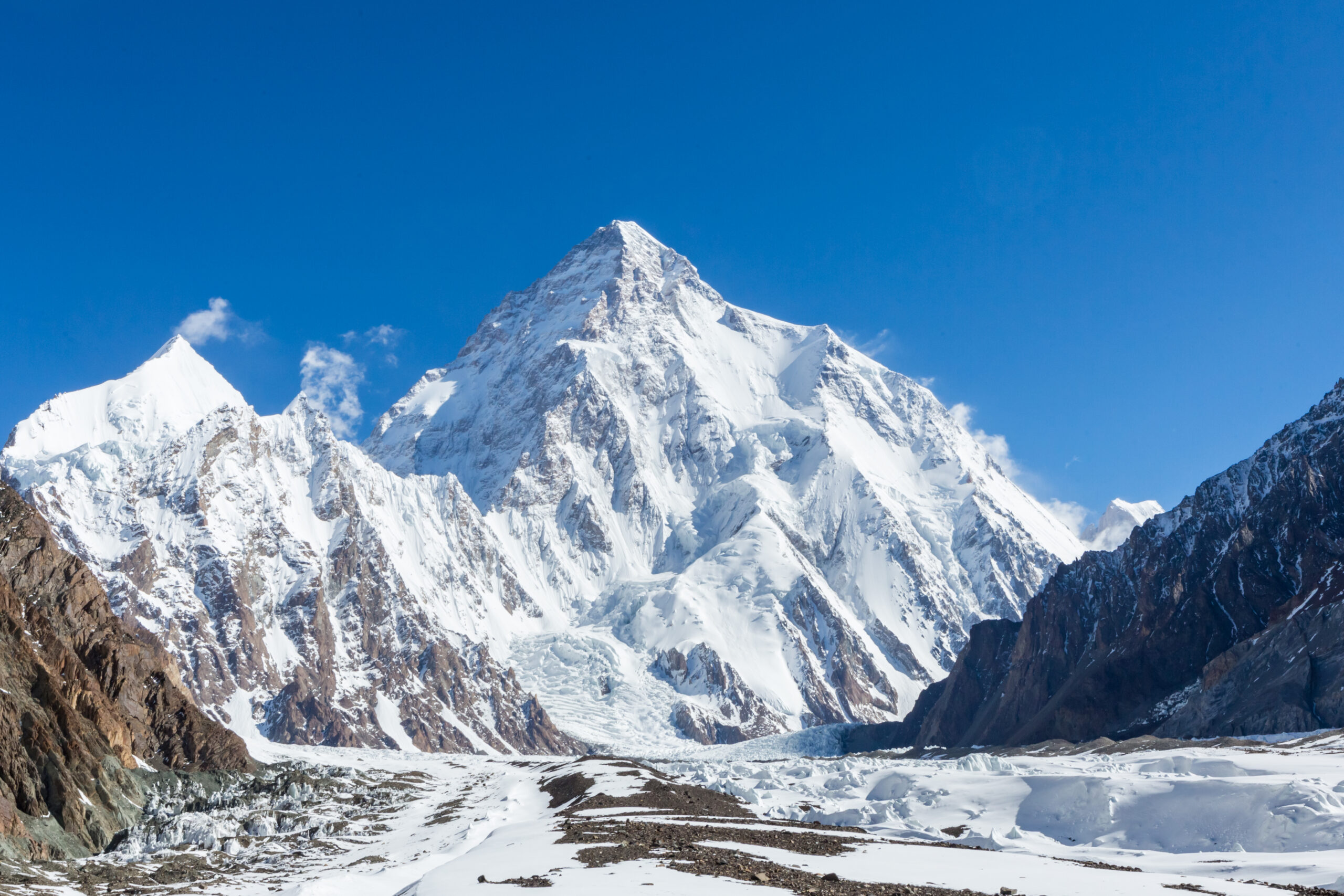
| K2 / Karakoram private team | Strong self-supporting 3–5P sleeping tents + group shelter | Severe weather and long moraine-based stay |
| Aconcagua normal route | Strong 3–4P base tent; operator infrastructure if guided | Wind resistance matters more than snow-loading alone |
| Remote ski / Arctic expedition | Strong all-season dome / tunnel selected for transport system | Storm strength + repairability + sled/transport reality |
Current product evidence checked
- Hilleberg Saivo 3 / 4 specifications
- Hilleberg Saitaris specifications
- Hilleberg Atlas group-shelter system
- The North Face Dome 5 current specs
- The North Face 2-Meter Dome current specs
- Black Diamond Mission 3P current positioning
What to recheck before buying
- Current model availability
- Manufacturer repair-part availability
- Exact packed weight
- Current pole / fabric specification
- Transport limits for expedition logistics
- Operator-provided shelter inclusions
Expedition Base Camp Tent FAQ
What is the best tent for expedition base camp?
For small independent teams, a strong 3–5 person self-supporting dome is usually the best balance. Larger supported expeditions benefit from group domes such as the Hilleberg Atlas, The North Face Dome 5 or 2-Meter Dome.
What is the difference between a base camp tent and a high camp tent?
Base camp prioritizes storm strength, living space, storage and long-duration durability. High camp prioritizes lower carry weight and a smaller footprint.
Do expedition tents need to be geodesic?
Not always, but multiple crossing poles and self-supporting geometry generally improve wind and snow-load performance.
How many people should sleep in a base camp tent?
For long trips, comfort improves when the tent is not filled to maximum capacity. A three-person tent is often better for two climbers plus gear.
Should I buy or rent?
Buy for repeated independent expeditions. Rent or use operator infrastructure for one-off guided trips where transport and repair logistics are already handled.
What matters most?
Storm structure, pole crossings, fabric strength, vestibule space, ventilation, repairability and spare-parts availability.
Is a normal 4-season tent enough?
It can be strong enough, but long base-camp living requires more space, storage and ventilation than a short alpine bivouac.
What repair items should I carry?
Spare pole sections or splints, fabric patches, seam repair, spare guyline, cord locks and extra anchors.
Choose for the Camp You Will Live In—not the Summit You Hope to Reach.
The best base camp tent is not the lightest shelter or the most expensive one. It is the shelter that survives repeated weather, stores the team’s gear, can be repaired in the field and remains livable after the novelty of expedition life wears off.
mmit Guide.