

How to Plan a Thru-Hike: The Complete Beginner’s Guide
A thru-hike is not one gigantic backpacking trip that you plan mile by mile. It is a chain of manageable trail sections connected by food, water, permits, transportation, recovery and thousands of small daily decisions. Get those systems right and the trail becomes much easier to understand.
Plan the Trail in This Order: Route, Time, Rules, Food, Gear, Body, Logistics.
Start by choosing a trail that actually fits your available time and experience. Next establish the realistic season, direction and pace. Only then should you lock down permits, resupply, gear, transportation and training.
The classic beginner mistake is starting with products. A lighter tent does not solve an impossible work schedule, a permit problem, the wrong seasonal window or a route that requires skills you have never practiced.
1. Pick the right trail.
2. Choose direction and season.
3. Build a realistic time window.
4. Verify permits and regulations.
5. Design resupply and water systems.
6. Build and test gear.
7. Train for repeated days.
8. Solve transportation and home logistics.
9. Build contingency margin.
10. Recheck live conditions before departure.
The 10 Steps to Planning Your First Thru-Hike
Do them roughly in this order. Later decisions become much easier once the earlier ones are settled.
Choose the Trail
Match distance, terrain, remoteness, climate, skills and total calendar time to your real experience.
Choose the Direction
Northbound, southbound or a flip-flop can change weather exposure, crowding, permits and finish timing.
Set the Time Window
Work backward from weather, snow, seasonal closures, available leave and a conservative daily pace.
Verify Permits
Check the official trail organization and relevant land managers before making non-refundable plans.
Build the Money Plan
Budget trail expenses and the life you are leaving behind: bills, insurance, transportation and emergency margin.
Build the Gear System
Choose shelter, sleep, clothing, cooking, water and navigation systems only after you understand the trail.
Plan Resupply
Identify towns and long carries, then decide where buying locally works and where mailing food makes sense.
Train the Body
Progress toward repeated walking days, hills, a loaded pack and footwear you have already tested.
Solve Real-Life Logistics
Transport, mail, home, work, bills, insurance, communication and emergency contacts are part of the hike.
Recheck the Trail
Closures, snow, wildfire, storms, water availability and transportation can change after the original plan.
Your First Thru-Hike Should Fit Your Life Before It Tests Your Legs.
The trail name matters less than whether its actual demands fit your time, competence and tolerance for uncertainty.
Start With the Calendar
If you have three weeks, do not build a plan that only works if you suddenly become twice as fast. A complete shorter route can be a better first objective than racing a famous long trail.
Know What the Trail Can Require
Snow travel, river crossings, navigation, heat, wildlife, exposed terrain and long water carries are skills problems—not simply fitness problems.
Remote Is a Logistics Choice
A trail with regular towns lets beginners correct food and gear mistakes more easily. Long isolated sections require stronger planning before you arrive.
Some Trails Have Narrow Seasons
Snowpack, monsoon, wildfire, desert heat or winter conditions may determine the trip more than your preferred vacation dates.
Border Logistics Add a Layer
Passport rules, visas, insurance, local transportation, currency and baggage restrictions can make a shorter overseas trail more complicated than a longer domestic one.
Your First Long Trail Can Be a Progression
You do not need to begin with one of the world’s longest trails. A week, then two weeks, then a month builds the systems that matter later.

A Thru-Hike Is a Moving Window Through Different Seasons.
You are not planning one weather forecast. On a months-long route, desert heat, lingering snow, thunderstorms, wildfire smoke, rain and early autumn cold can all belong to the same journey.
Do Not Build the Schedule Around Your Best Training Day.
A sustainable thru-hike pace has to survive fatigue, resupply, weather, recovery and the occasional day when everything takes longer.
| Planning factor | Beginner mistake | Better planning rule |
|---|---|---|
| Daily mileage | Using the biggest pre-trip day as the normal trail pace. | Start conservatively and allow pace to rise after the body adapts. |
| Rest days | Planning every calendar day as a full hiking day. | Expect town time, weather, recovery, laundry, repairs and schedule disruption. |
| Terrain | Treating 20 flat miles and 20 mountain miles as equivalent. | Account for elevation, footing, snow, heat and water availability. |
| Direction | Choosing northbound only because most other hikers do. | Compare seasonal windows, start difficulty, permits and the experience you want. |
| Finish date | Planning to finish on the last theoretically possible day. | Protect margin for weather, injury, transportation and seasonal change. |
Three Famous Thru-Hikes, Three Very Different Planning Problems
The Triple Crown shows why there is no universal thru-hike plan. Climate, water, trail infrastructure, navigation and permits change dramatically from one corridor to another.
Desert, Sierra snow, long water carries, wildfire exposure and a major long-distance permit system.
Remote terrain, route choices, high elevation, navigation, snow and multiple permit jurisdictions.
Frequent resupply and strong infrastructure combined with sustained climbing, rocks, roots, humidity and rain.
Never Assume “It Is a Trail” Means You Can Simply Start Walking.
Long trails cross different jurisdictions. One journey can involve national parks, forests, wilderness areas, state land, tribal lands and private property.
One Long-Distance Permit Can Simplify Many Areas
The Pacific Crest Trail Association administers an interagency long-distance permit for eligible continuous trips of 500 miles or more. Local restrictions and permit terms still matter.
Some Trails Require a Permit Patchwork
The Continental Divide Trail does not have one long-distance permit covering the entire route. Long-distance hikers must identify and obtain required permits for the jurisdictions they enter.
Registration and Permits Are Different
Appalachian Trail hikers can voluntarily register their trip with ATCamp, but registration does not replace permits required in specific parks or regulated areas.

A Trail With Frequent Towns Can Still Be Physically Hard.
The Appalachian Trail demonstrates the difference between logistical difficulty and hiking difficulty. Frequent road crossings and trail towns simplify many resupplies, but they do not remove steep terrain, weather, cumulative fatigue or thousands of miles of repeated impact.
Build the Budget in Categories, Not With One Cost-Per-Mile Number.
Two hikers can walk the same trail and spend very different amounts. Town behavior, transportation and existing gear often create more variation than trail mileage alone.
Getting There
Flights, fuel, buses, shuttles, trailhead transport and transportation home from the far terminus.
Trail Food
Normal resupplies plus the additional calories many hikers begin buying as appetite increases during a long trip.
Town Spending
Restaurants, lodging, laundry, showers, charging, transportation and additional rest days.
Gear
Initial equipment plus realistic replacement for shoes, socks, filters, electronics and items that wear out or fail.
Home Expenses
Rent or mortgage, insurance, subscriptions, vehicle costs, phone service and bills that continue while you hike.
Contingency
An emergency reserve protects the trip when weather, medical needs, transportation or equipment failure forces an expensive change.
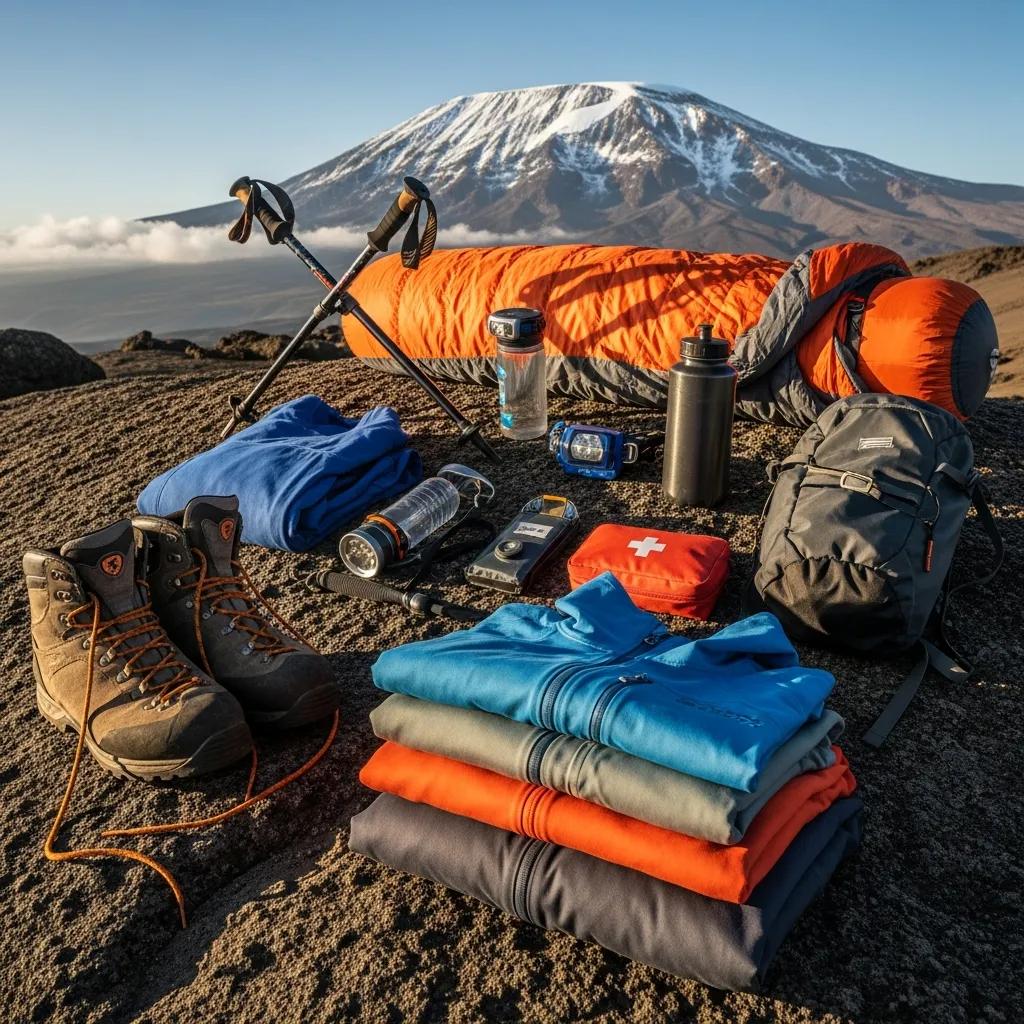
Build Around Function Before Weight.
Thru-hikers talk constantly about base weight because carrying less can make thousands of repeated steps easier. But weight is useful only when the equipment still performs its job.
Build the system from six questions: Where will you sleep? How cold can nights become? How will you stay dry? How much water must you carry? How will you navigate and communicate? What equipment does the season or route require?
After those are answered, remove duplication and luxuries you do not value. Do not reverse the process by choosing a target pack weight first and then cutting safety margin until the number looks impressive.
Open the Gear PlannerKnow Where You Will Sleep
Tent, tarp, hammock or shelter-based system should match terrain, bugs, rain, wind, campsite availability and your tolerance for compromise.
Warmth Is a System
Sleeping bag or quilt, pad insulation, clothing, shelter and actual overnight temperatures work together. One temperature number does not describe the whole system.
Capacity Changes by Section
A wet forest section and a dry desert carry should not automatically use the same water capacity. Plan around the longest reliable gap.
Fit Matters More Than Trail Fashion
Use footwear that works for your feet under repeated mileage. Test it with your real socks, pack weight and terrain before departure.
Protect Against the Actual Climate
Build around sun, rain, wind and overnight temperature rather than copying a gear list from a trail with different conditions.
Power Has a Logistics Cost
Phones, satellite communicators and battery banks are useful only if your resupply schedule and charging strategy keep them working.
Do Not Plan Every Meal for a Five-Month Hike Before You Start.
A resupply strategy should provide structure without locking you into food preferences, pace and town stops that may change after the first few weeks.
Flexible and Simple
Buying in trail towns reduces pre-trip packing and lets your food preferences evolve. The tradeoff is variable selection and price.
Useful When There Is a Reason
Mail drops can help with dietary restrictions, medication, specialized items or locations with limited resupply.
Usually the Most Adaptable
Buy food through normal trail towns and mail selected boxes only where the route or your personal needs justify them.

Thru-Hiking Fitness Is the Ability to Do It Again Tomorrow.
A single long hike proves that you can have one long day. A thru-hike asks whether your feet, legs, connective tissue, fueling and recovery can absorb repeated days without requiring a full reset.
Train for Repetition, Not One Heroic Weekend.
The goal is not to arrive capable of doing your biggest trail day. It is to arrive durable enough to let fitness build instead of immediately breaking down.
Walk Frequently
Establish a repeatable walking and hiking habit before chasing distance. Consistency gives feet and connective tissue time to adapt.
Add Vertical Gradually
Hills, stairs and inclined treadmill work help prepare the climbing muscles and descending tolerance that flat mileage misses.
Introduce Realistic Load
Carry the pack progressively rather than jumping from unloaded walks directly to full food-and-water weight.
Practice Consecutive Days
Back-to-back hikes reveal footwear, fueling, recovery and pack-fit problems that one-day workouts can hide.
Your Phone Is Useful. It Should Not Be Your Only Plan.
Modern trail apps can combine mapping, mileage, water notes, campsites, town information and user updates. That convenience makes them extremely useful on a long trail.
It also creates dependence on one device. Battery failure, damage, software problems, lost phones and outdated information are all reasons to understand the route beyond a single screen.
Download maps before leaving service, know how to identify your position, carry appropriate power capacity and use a backup that matches the remoteness and navigational complexity of the trail.

Current Trail Navigation
Use a current trail map or app that reflects the route you are actually walking rather than an old screenshot or cached social post.
Redundancy Matches Consequence
The more remote and complex the route, the stronger the case for offline backups, independent mapping and navigation competence.
Closures Override the Original Plan
Wildfire, storms, bridge damage, snow and land-management closures can make yesterday’s itinerary obsolete. Check official notices.
The Thru-Hike Begins Before the First Blaze.
Terminus transportation, home obligations and the return trip deserve the same attention as backpack weight and resupply.
Reach the Trailhead
Airports, buses, trains, shuttle schedules, seasonal roads and remote termini can turn the first day into its own logistics project.
Make Absence Sustainable
Automate recurring bills, decide what happens to your vehicle, protect important documents and make sure someone can respond if a home problem develops.
Do Not Book the Return Too Tightly
A rigid flight immediately after a theoretical finish date can turn normal trail delays into a bad decision. Build practical margin.
Set Expectations Before Leaving
Tell family what communication will look like, how often you expect to check in and what silence should—or should not—mean.
Leave Useful Information
A trusted contact should know the trail, general direction, likely pace, important accounts and what to do if genuine concern develops.
Protect What You Cannot Easily Replace
Store secure copies of permits, identification, insurance details and key travel information separately from the originals.
A Beginner’s Thru-Hike Planning Timeline
This is a framework rather than a universal deadline. Permit release dates, international travel and highly competitive routes can require earlier action.
Choose the trail family, confirm the available time window, research direction and identify major permit deadlines.
Commit to the route, begin systematic training, build the initial budget and research start and finish transportation.
Finalize the core gear system, complete overnight shakedowns, identify resupply structure and solve major home obligations.
Increase hiking specificity, confirm transportation, organize permits, test electronics and check seasonal conditions.
Reduce panic training. Check closures, weather patterns, transportation, water information and first-section resupply.
Recheck official trail alerts, charge devices, verify documents and permits, review the first section and start with a manageable load and pace.

The First Week Is Part of the Training Plan.
You do not need to prove the whole hike during the first three days. Give your feet, appetite, sleep system and daily routine time to settle before treating maximum mileage as the goal.
Seven Mistakes That Make a Thru-Hike Harder Than It Needs to Be
Most are not dramatic wilderness mistakes. They are ordinary planning decisions that remove flexibility before the hike has even begun.
Overplanning Every Day
Plan sections and constraints. Do not force a five-month trail to obey a daily spreadsheet created before you know your real pace.
Starting Too Fast
Early enthusiasm can create foot, tendon and overuse problems before the body has adapted to repeated loaded walking.
Buying Before Researching
The correct shelter, sleeping insulation, water capacity and clothing depend on the trail and season.
Ignoring Town Costs
Restaurants, rooms, transportation and extra zero days can change the budget far faster than trail food alone.
Assuming Water Is Static
Seasonal sources can change. Water planning should use current official and reliable trail information.
Depending on One Device
Navigation, permits, transportation and communication should not become impossible because one phone fails.
No Schedule Margin
Weather, injury, closures and transportation changes happen. A plan with no flexibility makes every delay feel like a crisis.
Use the Same Planning Framework—Then Change the Variables.
The sequence remains useful whether you are walking two weeks or five months. What changes is the trail’s dominant problem.
| Trail style | Planning priority | What deserves extra attention |
|---|---|---|
| AT-style corridor | Repeated mountain mileage | Wet weather, town frequency, shelter rules, rocks, roots, cumulative climbing and early-season crowding. |
| PCT-style corridor | Seasonal progression | Desert water, Sierra snow, long-distance permits, wildfire and reaching northern terrain before late-season weather. |
| CDT-style corridor | Navigation and flexibility | Route choices, water, snow, remoteness, multiple permit systems and greater logistical independence. |
| European long trail | Accommodation and route format | Hut or town reservations, public transport, border crossings, seasonal services and whether camping is allowed. |
| High-altitude trek | Altitude and daily vertical | Acclimatization, recovery, remote medical planning and weather rather than raw mileage alone. |
Bookmark the Organizations That Maintain the Rules.
Trail blogs and hiker reports are useful for experience. Permits, closures and official trail rules should be verified at the source.
Thru-Hike Planning FAQ
The answers below are deliberately planning-focused. Trail-specific rules should always be checked against current official information.
How far in advance should you plan a thru-hike?
For a major multi-month trail, six to twelve months gives many hikers enough time to choose a route, watch permit deadlines, build fitness, test equipment and solve work and home logistics. A shorter route can often be planned much faster.
How much money should you save for a thru-hike?
Build a personal budget rather than using one universal per-mile number. Include transport, permits, food, town lodging and meals, gear replacement, insurance, home expenses and emergency reserve.
How do thru-hikers get food?
Most combine normal grocery or convenience-store resupply with selected mailed boxes. Mail drops are most useful where store selection is limited or where dietary or medical needs justify them.
Do you need permits for a thru-hike?
It depends on the trail and jurisdictions crossed. The PCT offers an interagency long-distance permit for qualifying trips, while the CDT requires hikers to obtain permits for individual regulated areas. The A.T. also crosses locations with their own permit rules.
How many miles should a beginner thru-hiker walk each day?
There is no universal number. Terrain, elevation, heat, pack weight, snow, water and fitness all change realistic mileage. Starting conservatively gives the body a chance to adapt before mileage rises.
Do you need ultralight gear to thru-hike?
No. Lower weight can improve comfort and efficiency, but reliability and protection matter first. Reduce unnecessary duplication after the shelter, sleep, weather, water and safety systems are sound.
How should you train for a thru-hike?
Build frequent walking first, then add hills, longer hikes, pack weight and eventually back-to-back hiking days. Training should also test footwear, fueling and the equipment you will actually use.
What is the most important part of planning a thru-hike?
Match the objective to your life and experience. A realistic trail, seasonal window and schedule make permits, food, gear, training and transportation much easier to solve.
Choose the Trail, Understand the Style, Then Build the Trip.
This page owns the planning process. Use the main long-distance trail hub for discovery, then use the supporting guides and planning tools for the question that comes next.

Build Enough Structure to Start. Keep Enough Flexibility to Continue.
A strong thru-hike plan tells you where you are going, when the season works, which rules matter, how you will eat, what you will carry and how you will get home. It does not try to predict every campsite months before your first step.