

The Best Long-Distance Trails for Beginners
Your first long-distance trail does not need to be easy. It needs to be forgiving enough to learn on. Look for clear waymarking, manageable stages, regular food and lodging, straightforward transportation and enough exit points that one bad day does not become a major expedition problem.
Start With a Trail Measured in Days—Not Months.
For a first long-distance hike, the strongest choices are usually routes where you can spend roughly five to eight consecutive days walking without needing advanced navigation, remote resupply strategy or expedition-scale self-sufficiency.
Scotland’s Great Glen Way, England’s Hadrian’s Wall Path and Cotswold Way, Austria and Germany’s Lechweg, and New Zealand’s Queen Charlotte Track all reduce different pieces of the logistical burden while still teaching the habits that matter on a longer trail.
Long days still create blisters, fatigue and weather exposure. Even a highly supported trail can become difficult after several consecutive days.
What makes these routes useful is that mistakes are easier to correct: shorten a stage, buy food, replace gear, take transportation or sleep indoors without abandoning an entire season-long objective.
Six Things Matter More Than the Trail’s Fame
A famous route is not automatically a sensible first route. Look at the consequences of mistakes, not just the scenery.
Clear Waymarking
A first multi-day trail is a better place to learn pacing and systems when route-finding is not the main challenge.
About One Week
Five to eight days is long enough for cumulative fatigue and foot problems to appear without requiring a month away from normal life.
Regular Resupply
Villages, cafes and shops reduce food weight and make a poor menu plan much easier to fix.
Lodging Options
An inn-to-inn route lets you learn long-distance walking before learning every part of long-distance backpacking.
Exit Options
Roads, buses, trains or water taxis can turn an injury or weather problem into a change of plan rather than a rescue problem.
Moderate Consequences
Avoid making your first multi-day walk simultaneously your first exposed, pathless, snow-covered or remote wilderness route.
The Best Long-Distance Trails for Beginners
This order prioritizes learnability and logistics rather than scenery, prestige or technical difficulty alone.
Great Glen Way
The Great Glen Way connects Fort William and Inverness through one of Scotland’s most recognizable landscapes. Scotland’s Great Trails describes the recommended direction as giving walkers a gentle introduction, with the first sections largely low-level and easy-going.
The route has enough distance to expose pacing mistakes, sore feet and recovery problems while still moving between communities. Accommodation allows a first-timer to walk with a light pack before deciding whether wilderness camping should be the next step.
Watch for: Scottish rain, wind, longer stages and optional higher route sections.
Hadrian’s Wall Path
Hadrian’s Wall Path crosses northern England from Wallsend to Bowness-on-Solway. The official National Trail material describes it as an unbroken, signposted 84-mile footpath.
It works particularly well for a first full trail because the objective is clear, the historical landmarks keep the days interesting and accommodation-based itineraries are straightforward.
Watch for: repeated short climbs in the central section, exposed wind and wet ground.
Cotswold Way
The Cotswold Way follows the escarpment from Chipping Campden to Bath. It combines open hills, woodland, historic villages and one of the easiest destination cities on this list to leave by public transportation.
For a new long-distance walker, its greatest strength is the ability to build the itinerary around accommodation rather than a backcountry campsite schedule.
Watch for: cumulative hills, mud, road crossings and accommodation availability in popular periods.
West Highland Way
The West Highland Way runs from Milngavie to Fort William, moving from lowland Scotland toward increasingly dramatic Highland terrain. The official route notes that most walkers travel south to north because the southern stages create an easier introduction before the more demanding northern sections.
This is a useful bridge between an inn-to-inn walking holiday and a genuine thru-hike mindset. Consecutive long days, rougher terrain and Scottish weather make preparation matter.
Lechweg
Lechweg follows the River Lech from the mountains near Formarinsee toward Füssen. Its current trail information describes it as a moderate long-distance route whose majority follows gentle gradients, with steeper sections mixed in.
The trail publishes classic, leisurely and slow-paced stage structures, and accommodation exists at the stage destinations. That makes it unusually adaptable for someone who wants an Alpine setting without immediately choosing a high-route style trek.
Watch for: mountain weather, seasonal opening dates and several steeper sections.
Queen Charlotte Track
The Queen Charlotte Track crosses the Marlborough Sounds from Meretoto/Ship Cove to Anakiwa. New Zealand’s Department of Conservation gives three to five days for walkers and notes that accommodation, campsites, boat access and gear transport are available.
This is especially useful for someone who wants a genuine point-to-point journey but is not ready to carry every overnight item every day.
Watch for: slippery clay after rain, longer ridge sections and the private-land pass required on parts of the route.
Camino Francés: Sarria to Santiago
The full Camino Francés is a much larger journey, but the final section from Sarria to Santiago is one of the clearest introductions to consecutive-day walking anywhere. Food, lodging and baggage transfer are widely available.
It belongs in a slightly different category because the Camino is a pilgrimage network rather than a wilderness thru-hike. That is exactly why it can work so well as a first long walking experience.
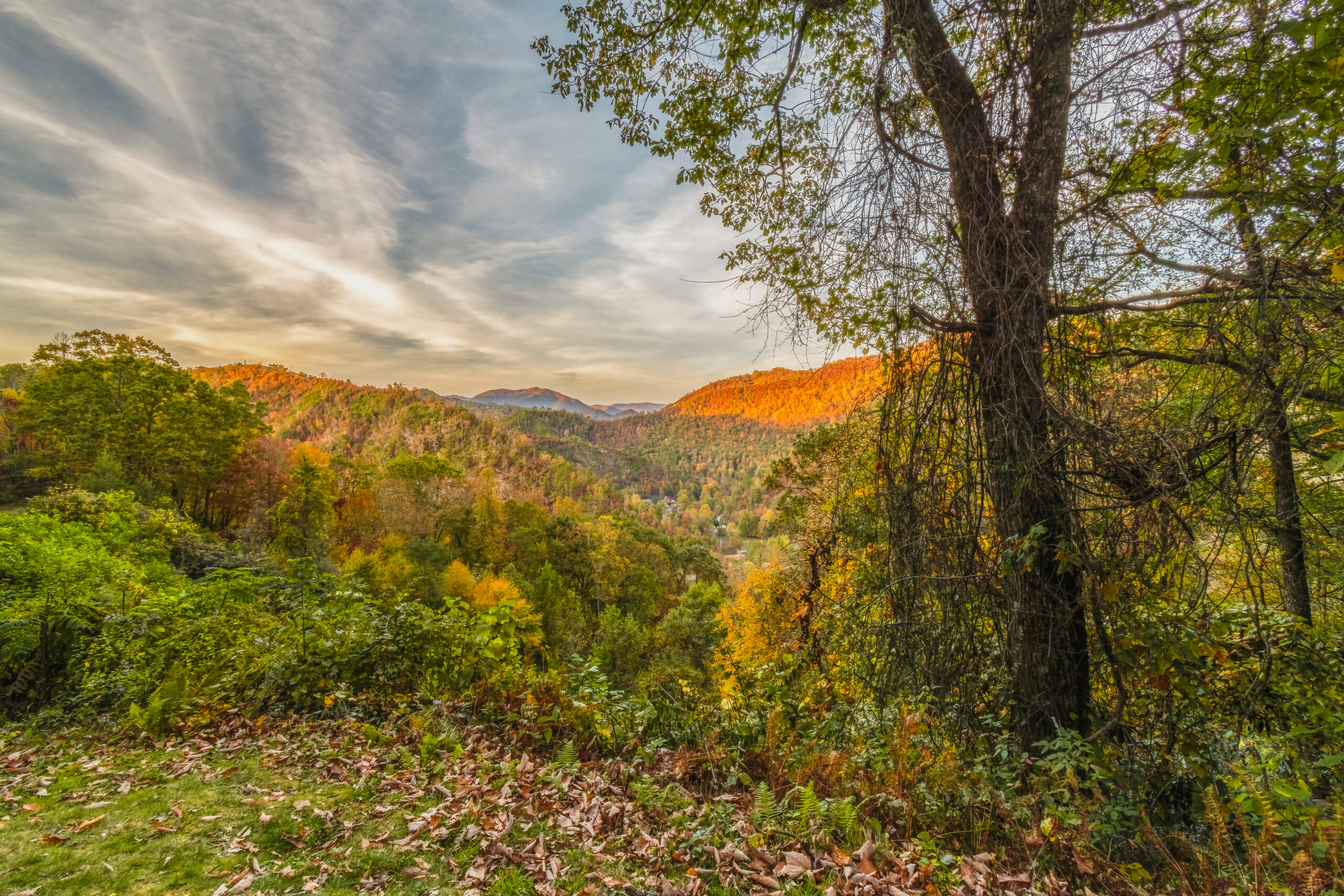
A Long-Distance Hike Is Not a String of Day Hikes.
Day three begins with the fatigue from days one and two. Your feet are no longer fresh. Wet equipment may still be wet. Small packing problems become irritating. That cumulative effect is exactly what makes a one-week trail such a valuable teacher.
Beginner Long-Distance Trail Comparison
Choose the type of support and terrain first. Distance alone is a weak measure of how demanding the trip will feel.
| Trail | Distance | Typical trip | Sleeping style | Navigation | Main challenge |
|---|---|---|---|---|---|
| Great Glen Way | 125 km / 78 mi | 5–7 days | Lodging or mixed | Waymarked | Weather + consecutive days |
| Hadrian’s Wall Path | 84 mi / 135 km | About 7 days | Lodging or mixed | Signposted | Rolling terrain + exposure |
| Cotswold Way | 102 mi / 164 km | 7–10 days | Mostly lodging-friendly | Waymarked | Cumulative hills + mud |
| West Highland Way | 96 mi / 154 km | 5–8 days | Lodging, camping or mixed | Established route | Weather + rougher northern stages |
| Lechweg | 125 km / 78 mi | 7–10 days | Lodging | Well signed | Alpine weather + some steep sections |
| Queen Charlotte Track | 73.5 km / 46 mi | 3–5 days | Lodging or camping | Established track | Ridge days + slippery conditions |
| Camino Francés: Sarria section | 100+ km | 5–7 walking days | Extensive lodging | Highly established | Daily mileage + feet |
What Kind of First Long-Distance Walk Do You Want?
Your first route should teach the skill you want next without requiring five other unfamiliar skills at the same time.
Camino Francés
Frequent accommodation, food and services let you focus on walking, recovery and managing your feet.
Great Glen Way
Start with the gentler Scottish long-distance option before stepping toward the West Highland Way or a wilderness route.
Hadrian’s Wall Path
A coast-to-coast objective, strong historical identity and a roughly one-week itinerary make the goal easy to understand.
Cotswold Way
Long enough to feel substantial but closely tied to English towns, inns and transportation.
Lechweg
Get a mountain setting without beginning with a high, technical or hut-to-hut route that requires advanced Alpine experience.
West Highland Way
Use camping for some or all nights and begin moving toward a more self-supported thru-hiking system.

You Do Not Need to Learn Everything on Trip One.
An inn-to-inn trail removes the shelter, sleep and cooking systems from the first trip. That lets you learn daily mileage, clothing, weather decisions, blister prevention and recovery first.
A second trip can add camping. A third can add longer food carries or more remote terrain. That progression often builds competence faster than immediately choosing a route where navigation, camping, resupply, weather and remoteness are all new.
Train for Consecutive Days, Not One Heroic Day
The defining physical difference between a day hike and a long-distance trail is recovery. You have to walk again tomorrow.
Walk Often
Build consistency before mileage. Several ordinary walking days each week are more useful than one occasional huge outing.
Add Hills
Introduce climbing and descending gradually, especially for routes such as West Highland Way and Lechweg.
Carry the Pack
Train with the weight you will actually carry rather than discovering pack-fit problems on day one.
Back-to-Back Days
Two moderate days in succession teach more about recovery than one enormous training hike.

Your First Trail Should Make the Second Trail Easier to Plan.
Finish knowing how far you comfortably walk, what happens to your feet after four days, which clothing actually gets used and how much recovery you need overnight. That information is more valuable than simply checking a famous route off a list.
Gear Changes Dramatically With Sleeping Style
A lodge-based long walk and a self-supported thru-hike should not use the same packing list.
| System | Inn-to-inn route | Camping route |
|---|---|---|
| Backpack | Small hiking pack for layers, water and daily essentials. | Larger backpack sized around shelter, sleep system and food. |
| Shelter | Not normally required when accommodation is confirmed. | Tent, tarp, hammock or other route-appropriate shelter. |
| Sleep system | Usually unnecessary beyond personal sleep items. | Sleeping bag or quilt plus insulated pad. |
| Food | Snacks and enough food between services. | Full meals, food storage and possibly stove/fuel. |
| Rain protection | Still essential. | Still essential. |
| Navigation | Route map/app plus backup appropriate to the trail. | Same, with greater consequences if camps or water are missed. |
Europe Has an Exceptional Concentration of First Long-Distance Trails
Scotland, England, Spain and the Alps combine established walking culture with public transportation, accommodation and compact trail distances.
Two useful progression steps from a gentler Scottish route toward a more demanding Highland thru-hike.
Strong transport, lodging and waymarking make both useful first complete trails.
Alpine scenery without beginning with a technical high route.
Extensive pilgrim infrastructure makes consecutive-day walking unusually approachable.
New Zealand adds a short coastal-forest option with boats, lodging, campsites and pack transport.
What Makes a Poor First Long-Distance Trail?
A beginner can eventually complete very demanding routes. The question is whether the first trip needs to contain every possible difficulty.
Unmarked Routes
Pathless travel and complex route-finding are better added after your basic multi-day systems already work.
Long Exit Distances
A small injury becomes a much larger problem when the nearest road is days away.
Technical Travel
Snow, scrambling, glacier travel or major river crossings add separate skills that should not be assumed from hiking fitness.
Multi-Month Commitment
The PCT, A.T. and CDT are not impossible first thru-hikes, but they make every mistake more expensive in time, money and logistics.
Build From a Weekend to a Season
There is no requirement to follow this exact sequence. The idea is to increase only one or two variables at a time.
Two Nights
Learn pack fit, clothing, hydration, sleeping and basic recovery.
Five to Eight Days
Complete a route such as Great Glen, Hadrian’s Wall or Queen Charlotte.
One to Three Weeks
Add resupply, more weather exposure and greater cumulative fatigue.
Multi-Month Thru-Hike
Move toward the PCT, Appalachian Trail, CDT or another expedition-scale long route once the smaller systems are familiar.

The Right First Trail Is the One That Leaves You Wanting a Second.
A successful first long-distance walk should build confidence without hiding the real work: waking up tired, caring for your feet, walking in rain, managing appetite and repeating the routine the next morning.
Check Current Trail Information Before Booking
Accommodation, access, track closures, seasonal openings and transportation can change. Use official route information when the trip becomes real.
Beginner Long-Distance Hiking FAQ
The best first trail is not necessarily the shortest. It is the route whose difficulty matches the skills you already have.
What is the best long-distance trail for a beginner?
The Great Glen Way is one of the strongest all-around first choices. It is long enough to create a genuine multi-day rhythm, normally takes about five to seven days, is waymarked and passes communities where accommodation and services are available.
How long should my first long-distance hike be?
Roughly four to eight walking days is a useful target for many people. It allows cumulative fatigue, foot issues, weather and packing decisions to become real without requiring an entire month or season.
Do I need backpacking experience first?
Not necessarily if you choose an accommodation-based route. You still need enough walking fitness and weather preparation for the daily stages. A camping-based trail should be preceded by at least a few overnight backpacking trips using the actual equipment.
Is the West Highland Way good for beginners?
Yes for a fit walker who is prepared for Scottish weather and consecutive long days. It is well established and supported by lodging and baggage-transfer options, but the route still covers 96 miles and becomes rougher in places toward the Highlands.
Is the Camino de Santiago good for beginners?
Yes. The Camino Francés has extensive accommodation, food and transport infrastructure. Starting in Sarria for the final section to Santiago is a common way to experience several consecutive walking days without carrying camping equipment.
Should my first long-distance hike involve camping?
Only if learning camping systems is one of your goals and you have already tested the equipment. An inn-to-inn first trail can teach pacing, clothing, recovery and foot care while keeping the overnight system simple.
Should the Appalachian Trail or PCT be my first thru-hike?
Some hikers successfully make them their first thru-hikes, but both are multi-month commitments where mistakes in gear, budget, pacing and planning become expensive. A shorter complete trail is a useful way to test your systems first.
From Your First Trail to a True Thru-Hike.
Once you know how you respond to several consecutive walking days, use that experience to choose the next trail, refine your equipment and build a realistic budget.

Your First Long Trail Does Not Need to Be Your Biggest Trail.
Walk for a week. Learn what happens to your feet. Find out whether you prefer inns or tents, solitude or trail towns, ten-mile days or fifteen-mile days. Then choose the next trail with something far more useful than a beginner’s guess: your own experience.