
Last updated September 1, 2026
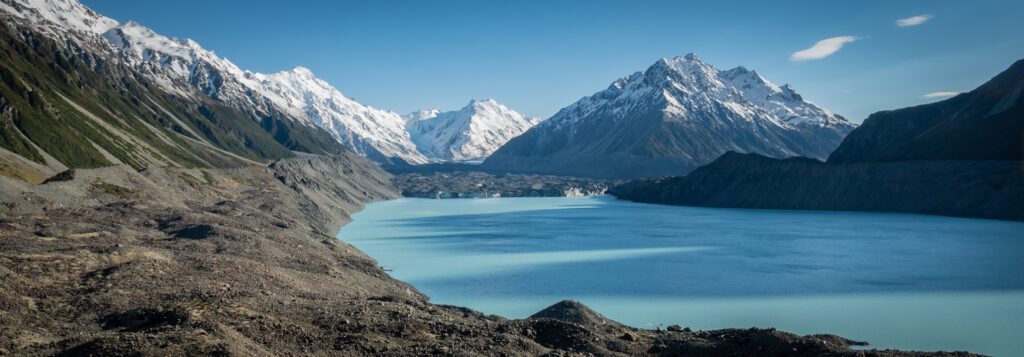
Best Aoraki / Mount Cook Guides: 5 Operators Compared for 2026
Start with the fit, not the price. Aoraki / Mount Cook is a serious 3,724 m technical alpine objective, and the strongest guide services screen climbers aggressively. For a Mount Cook Village-based specialist, Alpine Guides Aoraki is the clearest fit; for returning clients who want international operator continuity, Adventure Consultants stands out; for a clearly published 6- or 7-day 1:1 package, compare Aspiring Guides; and for the lowest currently verified published price in this shortlist, look at Alpine Recreation.
Which Aoraki / Mount Cook Guide Should You Choose?
Choose Alpine Guides Aoraki if you want a guide service based directly in Mount Cook Village and already qualify as a returning guest. Choose Adventure Consultants if you have climbed with AC before and want to keep one operator relationship across major international objectives. Choose Aspiring Guides if you want a current, clearly priced 6- or 7-day 1:1 program. Choose Alpine Recreation if you want a private 1:1 program with the lowest currently verified published price in this comparison. Ask Wanaka Mountain Guides directly if you prefer a smaller Wānaka-based guide team and want a custom progression relationship.
The key point: Aoraki is not a mountain where the cheapest quote should decide the booking. The operator’s willingness to accept you, the guide-client relationship, recent experience, speed on technical terrain, aircraft logistics and current Linda Glacier conditions matter more than small price differences.
Aoraki / Mount Cook Guide Prices & Booking Models
Published information checked September 1, 2026. Prices are NZD and can change. “Included” is summarized only where the operator currently publishes it clearly.
| Operator | Current published price | Duration | Booking model | Key inclusion / support | Best fit |
|---|---|---|---|---|---|
| Alpine Guides Aoraki Mount Cook Village | NZ$11,995 | 6 days | Returning guests only; on request | 1:1 guide, meals, aircraft in/out of Plateau Hut, huts/park fees, local transport, technical equipment | Climbers wanting the most direct Mount Cook Village operating base |
| Adventure Consultants Wānaka / international | NZ$11,500 | 6 days | Returning guests; request basis; no set departures | Integrated AC guiding framework and Southern Alps program continuity | Existing AC clients and international expedition climbers |
| Aspiring Guides Wānaka | NZ$11,250 / 6 days NZ$12,550 / 7 days | 6 or 7 days | Book / enquire; advanced–expert | Operator states trips are generally highly inclusive; verify trip-specific exclusions | Climbers who value a published duration choice and transparent current price |
| Alpine Recreation Lake Tekapo | NZ$8,900 / 4 days NZ$9,150 / 6 days | 4 or 6 days | Private 1:1 | Fly-in / fly-out program; public-hut based | Experienced climbers comparing private 1:1 value |
| Wanaka Mountain Guides Wānaka boutique | Enquire | Custom | Personalized / experience reviewed | Small local guide team and custom alpine progression | Climbers wanting a boutique relationship and bespoke planning |
Best Aoraki / Mount Cook Guide Services for 2026
This is a fit ranking, not a claim that one company produces safer weather or guarantees a summit. Guide assignment, conditions and your own competence remain decisive.
Alpine Guides Aoraki
Alpine Guides has the clearest “home mountain” position in this group because it operates from Mount Cook Village itself. Its current package explicitly includes the professional NZMGA/IFMGA guide, aircraft flights in and out of Plateau Hut, hut and National Park fees, meals and snacks during the program, local transport, technical equipment and Mount Cook Village accommodation if required.
The screening framework is unusually transparent. The company lists at least 14 days on crampons in the prior two years, two-tool climbing on 45–50° snow and ice, several recent 12+ hour alpine days, glacier travel and crevasse rescue competence, rock climbing around Australian 14 / US 5.7, and the ability to climb 1,000 vertical metres with an 8 kg pack in 3.5 hours.
Adventure Consultants
Adventure Consultants is the most natural comparison for climbers already inside a larger international expedition progression. Its Aoraki program is currently listed at NZ$11,500 for October–December 2026, with no fixed departures. Every reservation is handled on request after the operator reviews previous climbing experience.
The significant point is not brand size; it is relationship continuity. A climber who has already been evaluated by Adventure Consultants on another technical or expedition objective may prefer to keep training history, guide feedback and booking systems inside one operator network.
Aspiring Guides
Aspiring Guides currently publishes two easy-to-compare formats: six days for NZ$11,250 and seven days for NZ$12,550. The program is graded Advanced–Expert, guided 1:1 and offered from late October to mid-December.
Aspiring Guides says its trips are generally designed to be highly inclusive, commonly covering the guide, meals and snacks, terrain and hut fees, communications, technical equipment, ground transport and helicopter or jet-boat transport. Because inclusions can vary by trip, confirm the Aoraki-specific list in writing before comparing its price against another operator.
Alpine Recreation
Alpine Recreation currently has the lowest verified public Aoraki price in this five-operator comparison: NZ$8,900 for the four-day private option and NZ$9,150 for six days. Both are structured around one climber per guide. The company lists October–January as the season and describes the program as fly in / fly out.
The lower price should not automatically make it the “best value.” Compare exact aircraft treatment, food, hut costs, extra weather days, equipment, cancellation terms and what happens if conditions prevent an Aoraki attempt. A lower headline price can be excellent value only when the support model matches the climber’s needs.
Wanaka Mountain Guides
Wanaka Mountain Guides is listed by New Zealand’s official tourism platform as a locally owned operation offering ascents of classic New Zealand peaks including Aoraki / Mount Cook. Its appeal is the smaller-team model: local certified guides, personalized guiding, and the possibility of building a relationship across Southern Alps objectives rather than buying a one-off expedition product.
We did not verify a current Aoraki-specific public 2026 price during this September review. That is a reason to contact the operator, not to carry an old estimate forward. Ask for the exact Aoraki program duration, guide ratio, aircraft costs, contingency policy and what prior climb the guide wants to see first.
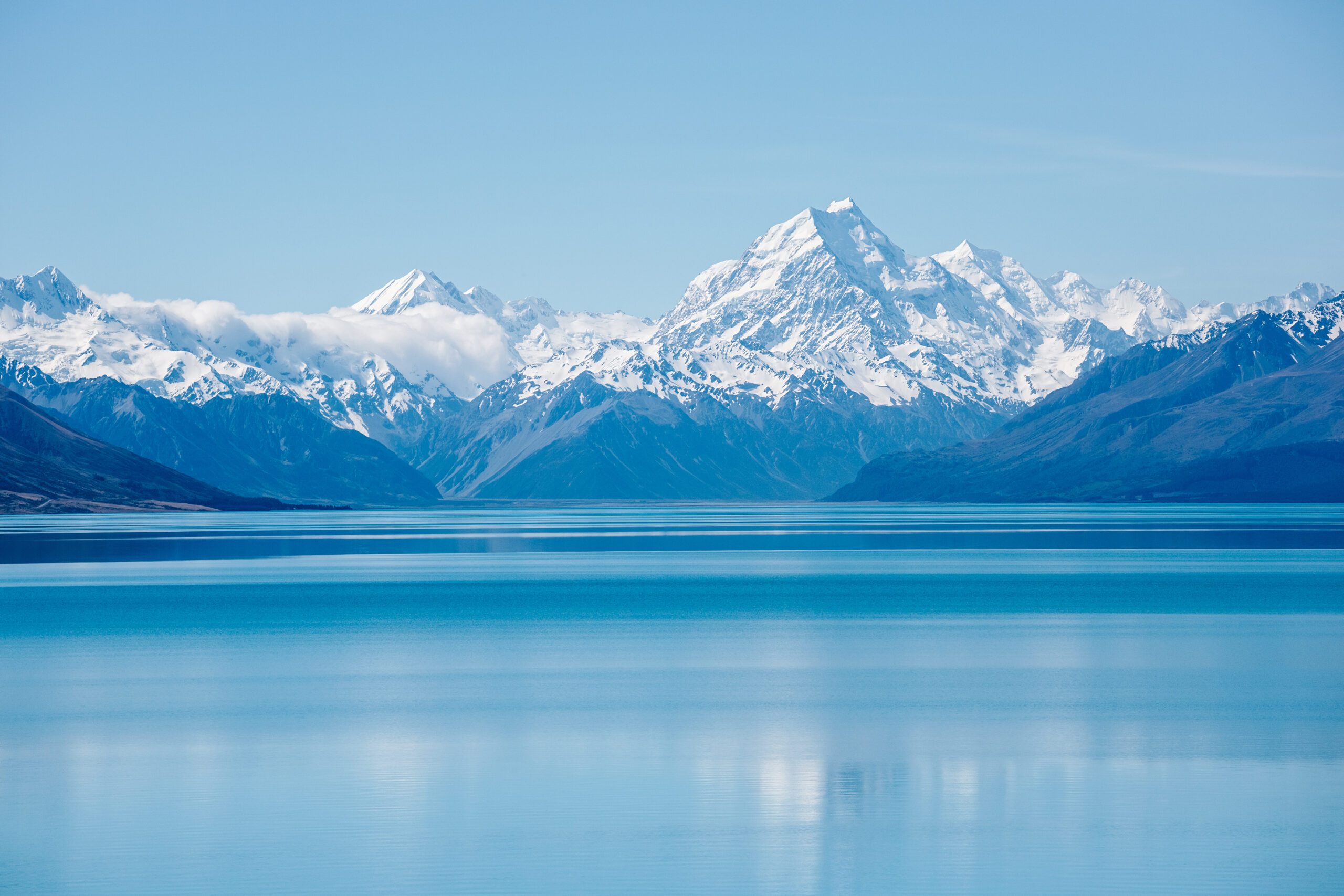
On Aoraki, Operator Fit Starts with Whether the Guide Wants to Climb with You.
Returning-client rules are not merely a sales barrier. On a route where speed through avalanche, rockfall, icefall and crevassed terrain can matter, a guide benefits from having already seen how a client moves, manages systems and performs on a long alpine day.
Who Each Aoraki Operator Fits Best
| If your priority is… | Start with | Why |
|---|---|---|
| A guide service physically based in Mount Cook Village | Alpine Guides Aoraki | Direct local base, Plateau Hut logistics and an explicit Aoraki-specific screening framework. |
| Keeping one operator across international expeditions | Adventure Consultants | Strong fit for existing AC clients moving from other major objectives into Aoraki. |
| Choosing between 6 and 7 days with transparent current pricing | Aspiring Guides | Both durations and prices are publicly listed. |
| Lowest verified current headline price | Alpine Recreation | NZ$8,900 four-day and NZ$9,150 six-day private options are currently published. |
| A smaller boutique local guide relationship | Wanaka Mountain Guides | Personalized Wānaka-based guiding and broader Southern Alps progression. |
What Does an Aoraki Guide Price Actually Include?
Headline prices are misleading when one package includes aircraft, huts, meals and technical equipment while another separates part of that bill.
Plateau Hut access
Alpine Guides explicitly includes aircraft flights in and out of Plateau Hut. Aspiring Guides says transport on its programs generally includes helicopter or jet-boat transfers, subject to the trip-specific description. Confirm this line item with every operator.
Huts, fees & food
Ask whether hut fees, National Park or terrain fees, meals, snacks and communications are inside the published price. These costs can materially change the real comparison.
Technical gear
Some operators include a selection of technical equipment. Your personal boots, clothing and specialty gear may still be your responsibility. Get a written gear/inclusion list before paying a deposit.
Contingency days
A longer booking does not create good weather, but it can create more options. Ask exactly what happens if aircraft cannot fly, the Linda Glacier is not acceptable, or Aoraki is ruled out early in the program.
Aoraki / Mount Cook Prerequisites
Use Alpine Guides’ published criteria as a useful reality check, even if you eventually climb with another company.
| Capability | Published benchmark / planning standard | Why it matters |
|---|---|---|
| Recent crampon time | Alpine Guides: at least 14 days within the last 2 years | Efficient movement on firm snow and ice must be current, not remembered from years ago. |
| Steep snow / ice | Proven two-tool climbing on 45–50° terrain | Summit terrain can require confident technical movement under fatigue. |
| Long alpine days | Several recent 12+ hour alpine ascents | Aoraki summit day can be extremely long and demands sustained decision quality. |
| Glacier systems | Glacier travel + competent crevasse rescue | The approach and route are heavily glaciated and objective hazard is significant. |
| Rock competence | About Australian 14 / US 5.7 | Mixed and rock sections need efficiency, not first-time instruction. |
| Aerobic fitness | 1,000 vertical metres with 8 kg in about 3.5 hours | Speed can be part of hazard management through exposed zones. |
When Do Aoraki Guides Operate?
Current operator windows cluster around New Zealand spring and early summer. Alpine Guides describes late October to late December as its guiding season and states that climate-driven deterioration has shortened the useful Linda Glacier window. Adventure Consultants currently lists October–December 2026. Aspiring Guides lists late October to mid-December. Alpine Recreation lists October–January.
October–mid November
More snow can mean slower travel and higher avalanche concerns. Alpine Guides notes that early-season competence on snowshoes or skis can sometimes be useful.
Mid November–December
This is where the major operators’ published windows overlap most strongly. It still does not guarantee acceptable Linda Glacier conditions or a summit weather window.
Late December–January
Crevassing and ice-cliff activity can increase as summer progresses. Operators may have different risk thresholds and may stop guiding the route before a calendar season ends.
Conditions override dates
The guide decides whether conditions, your movement and the objective hazards make an attempt reasonable. A purchased six-day package is not a summit reservation.
For the mountain itself—not the operator comparison—use the Aoraki / Mount Cook climbing and hiking guide.
10 Questions to Ask an Aoraki Guide Service
Experience & program
- What prior climbs do you want to see before accepting me?
- Do I need to be a returning client?
- Who makes the final decision that I am ready?
- What is the exact guide ratio?
- What alternative climb do we do if Aoraki is not reasonable?
Price & logistics
- Are aircraft flights included both ways?
- Are hut fees, meals and National Park fees included?
- What technical equipment is included?
- What happens financially if weather prevents flying or climbing?
- Can the trip be extended, and what does each extra day cost?
Aoraki Should Be the End of a Progression, Not the Beginning.
The best operator choice may be the company you are willing to climb with before Aoraki. A prior Mount Aspiring, Dixon, Tasman or technical Southern Alps climb lets the guide evaluate your real pace, systems, communication and judgment.

Aoraki Is Sacred to Ngāi Tahu—and Conditions Can End the Climb Before the Summit.
Alpine Guides explicitly states that it stops a few steps below the absolute summit in respect of Ngāi Tahu cultural wishes and because that point is also the highest safe point. Ask your operator how it handles the summit protocol before the climb so expectations are aligned.
Aoraki & Operator Resources
Aoraki / Mount Cook Guide
Routes, hiking, access, season and the distinction between valley experiences and the summit climb.
Open mountain guide → Cluster hubExpedition Operators
Browse guide-company comparisons and operator research across major mountains.
Browse operators → Comparison frameworkHow to Compare Operators
Separate safety systems, logistics, guide ratios, inclusions and client fit.
Use the framework → PlanningGuided vs Independent
Understand what a professional guide relationship does—and does not—replace.
Compare approaches → Deep recovery 1Crevasse Rescue Basics
Review a core glacier competency that Aoraki operators expect climbers to possess.
Review glacier systems → Deep recovery 2Mountain Weather for Climbers
Understand why a six-day booking still depends on a narrow acceptable weather window.
Read weather framework → Deep recovery 3Mountaineering Fitness Standards
Benchmark the sustained output needed before talking to a guide about Aoraki.
Check standards → JourneySave Aoraki to My Climb
Keep operator contacts, readiness, budget, dates and final-prep decisions in one place.
Open My Climb →How We Compared Aoraki Operators
What we verified
- Whether the company currently markets an Aoraki / Mount Cook ascent.
- Current published 2026 price where available.
- Program duration and guide ratio where stated.
- Published booking model and prerequisites.
- Important inclusions such as aircraft access where clearly stated.
- Operator base and the climber profile each model best serves.
What we do not pretend to know
- Which individual guide you will be assigned.
- What Linda Glacier conditions will be on your dates.
- Whether an operator will accept your experience résumé.
- Future price or aircraft-cost changes.
- Your personal summit probability.
- Whether weather will provide an acceptable attempt window.
That uncertainty is why this page ranks fit and transparency—not “summit success promises.”
Aoraki / Mount Cook Operator FAQ
What is the best Aoraki / Mount Cook guide company?
There is no universal winner. Alpine Guides is strongest for a Mount Cook Village base and explicit returning-client screening; Adventure Consultants fits returning AC clients; Aspiring Guides offers clear 6- and 7-day published choices; Alpine Recreation currently has the lowest verified published price in this comparison; Wanaka Mountain Guides is worth contacting for a boutique custom relationship.
How much does a guided Aoraki climb cost in 2026?
Among current prices verified for this rebuild, published programs range from NZ$8,900 for Alpine Recreation’s four-day option to NZ$12,550 for Aspiring Guides’ seven-day option. Alpine Guides currently lists NZ$11,995 for six days, while Adventure Consultants lists NZ$11,500.
Which company includes the helicopter or aircraft flights?
Alpine Guides explicitly includes aircraft flights in and out of Plateau Hut in its NZ$11,995 package. Aspiring Guides says transport on its trips generally includes helicopter or jet-boat transport, subject to trip-specific exclusions. Confirm the exact Aoraki inclusion list with every company.
Can I book Aoraki if I have never climbed with the operator before?
It depends on the company. Alpine Guides and Adventure Consultants explicitly describe Aoraki as a returning-guest objective. Other operators review experience differently. Do not assume a strong résumé automatically guarantees acceptance.
Is Aoraki a good first guided mountaineering climb?
No. Even guided, Aoraki requires substantial technical experience, glacier competence, long-day fitness and efficient movement. A guide is not a substitute for the prerequisite base.
What guide ratio should I expect?
The summit programs verified in this comparison are private or 1:1. Confirm the exact ratio on your written booking documentation.
What happens if weather prevents a summit attempt?
Policies vary. Ask whether the program switches to an alternate summit, whether unused days remain with the guide, what additional days cost, and how aircraft delays are handled. Do this before paying the deposit.
Should I choose the cheapest operator?
Not automatically. Compare screening quality, guide relationship, aircraft access, hut and meal inclusions, weather-day policy, alternate objectives, technical equipment and the operator’s knowledge of your ability. Small price differences matter less than the fit of the guiding relationship.
Choose the Guide Relationship Before You Choose the Price.
Aoraki / Mount Cook is serious enough that the best operator may be the company willing to climb with you first, evaluate you honestly, and tell you when you are—or are not—ready for the Linda Glacier.
Was this helpful?
🏔Related operators
🧭Explore & compare
Global Summit Guide is an independent mountaineering resource founded in 2026. The team combines first-hand trekking and climbing experience with in-depth research and professional health and nutrition review to help climbers choose objectives, prepare properly, and stay safe.
Health, altitude, and nutrition content is reviewed by Taylor Ludlow (Registered Nurse) and Brigg Hoopes (Nutritionist).
What We Don't Know Yet
Mountain information changes quickly. This box explains the limits of what this page can responsibly promise.
- Guide-company prices, departure dates, guide ratios, included services, and cancellation rules can change without notice.
- Comparisons simplify complex decisions; the better mountain depends on current conditions, skills, timing, budget, and risk tolerance.
- Route conditions, snowpack, closures, and weather can change quickly after this page is updated.
- Permit rules, fees, quotas, and reservation windows may change between review cycles.
- Operator availability, pricing, guide ratios, and cancellation terms can change by season.
Verify current conditions with official land managers, guide services, local forecasts, and current route reports before booking or climbing.
Mountaineering, rock and ice climbing, glacier travel, and high-altitude activity are inherently dangerous and can result in serious injury or death. The information on Global Summit Guide is provided for general informational and educational purposes only and is not a substitute for professional instruction, qualified guiding, proper equipment, or your own judgment and experience.
Route conditions, weather, snowpack, permits, regulations, and hazards change constantly and may differ from what is described here. Details may be incomplete, out of date, or contain errors. Always verify current information with local authorities, certified guides, and official sources before making any decision in the mountains.
Nothing on this site is medical, legal, or financial advice. Our fitness, acclimatization, altitude, and nutrition content is general in nature; consult a qualified physician before beginning any strenuous exercise program or exposing yourself to high altitude.
You are solely responsible for your own safety and decisions. To the fullest extent permitted by law, Global Summit Guide and its team accept no liability for any loss, injury, damage, or expense arising from use of, or reliance on, this information. By using this site you acknowledge these risks and accept these terms.
Some links on this site may be affiliate links. If you buy through them we may earn a small commission at no extra cost to you; this never affects our recommendations.
Global Summit Guide recommendation path
Next Best Mountain to Research
Use these recommendations to continue the right planning path instead of stopping on one page.
Use current permit, weather, route, and operator information before booking or climbing.
Search Flights, Hotels & Rental Cars
Have the mountain or destination picked? Use Expedia to compare the flights, lodging and rental cars that fit your actual trip dates. For mountain travel, consider arriving early enough for delays and adding a buffer night after the climb before a fixed flight home.
Compare current flight, hotel and car options.
Affiliate disclosure: Global Summit Guide may earn a commission if you book through this link, at no additional cost to you.