
Last updated October 4, 2026
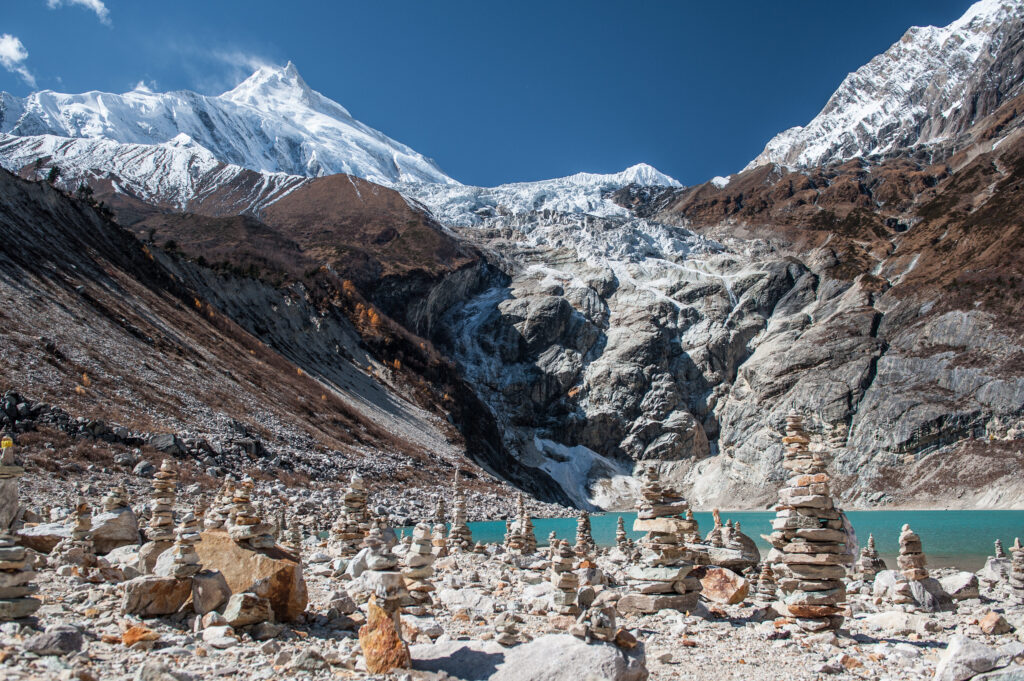
Autumn Himalayan Climbing 2026: Manaslu Ends Early, Dhaulagiri Waits & Ama Dablam Is Next
Nepal’s autumn season changed dramatically after its August opening. Manaslu went from a record commercial season to an early shutdown; Dhaulagiri is still being judged after heavy snowfall and avalanches; Himlung suffered a catastrophic base-camp avalanche; and the seasonal center of gravity is beginning to shift toward Ama Dablam and the later Khumbu climbing cycle.
What Is Happening in the Himalaya This Autumn?
The 2026 autumn season is no longer one simple Manaslu story. September’s severe weather changed the shape of the climbing season.
Manaslu’s main commercial cycle is finished. Dhaulagiri has remained in play, but only after teams allow the post-storm snowpack to settle and reassess the route. Himlung’s planned season was overshadowed by the deadly base-camp avalanche.
The next major commercial focus is the October–November Ama Dablam cycle, alongside trekking peaks, 6,000m and 7,000m objectives and smaller expedition-style projects elsewhere in Nepal.
The Four Mountains Are Now in Four Very Different Places
The original August article treated these expeditions as a single upcoming Nepal season. That is no longer accurate.
Commercial Season Over
Record demand gave way to unstable snow, avalanches and a major storm. Operators dismantled camps, and the remaining holdouts ultimately abandoned the season.
Still Being Assessed
Remaining climbers have waited for heavy snow to settle before attempting to inspect or reopen the route above Base Camp.
Season Changed by Tragedy
A late-September avalanche buried Base Camp, killing 16 local staff members and guides. Recovery operations continued into October.
October Focus
Ama Dablam typically becomes one of Nepal’s busiest technical autumn peaks after the September Manaslu cycle ends.
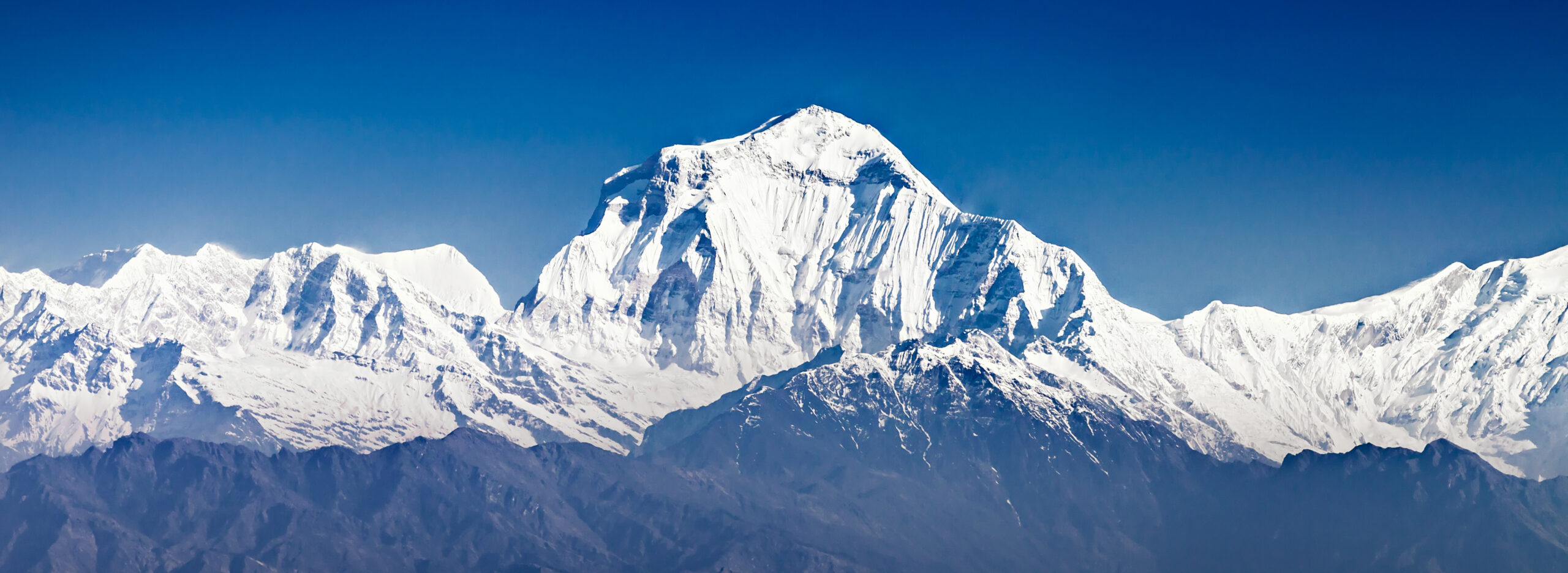
Manaslu Went From Record Crowds to an Abrupt Shutdown
It is the defining reversal of Nepal’s 2026 autumn season.
Before the main summit cycle, Nepal tourism reporting cited 493 foreign clients on Manaslu—far above the roughly 300 climbers expected when this page first went live in August.
Rope fixers reached the summit in mid-September, but the summit rush unfolded under unstable conditions. Avalanches repeatedly damaged or buried sections of the route, and a slab avalanche at Camp 3 killed two people while teams were trying to position for summit attempts.
With a major storm approaching and avalanche risk remaining high, the largest operators sent clients and staff down and dismantled much of Base Camp. A few climbers initially hoped conditions might improve, but by the end of September those remaining summit hopes were also abandoned.
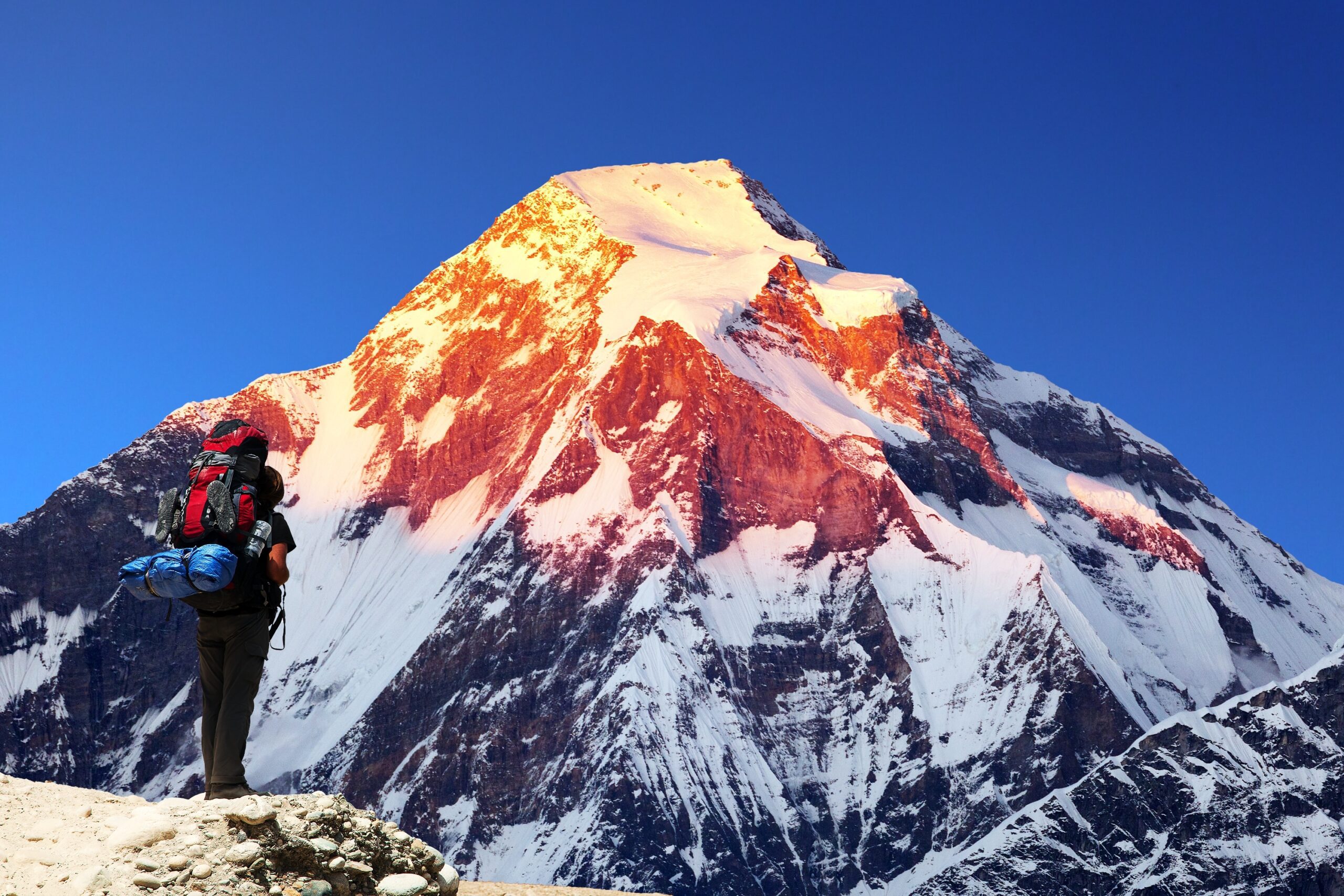
Dhaulagiri Climbers Chose to Wait Rather Than Declare the Season Finished
This is the sharpest contrast with Manaslu.
Late-September reporting listed 34 foreign climbers with Dhaulagiri permits, although only a smaller group was physically established on the mountain when the storm arrived.
The route had been fixed toward Camp 2 when the weather deteriorated. Teams then faced heavy snowfall and large avalanches around Base Camp. Rather than immediately dismantling the expedition, remaining climbers elected to wait for the snow to settle and inspect the mountain again.
That distinction matters. “Still in play” does not mean the mountain is currently safe or that a summit push is imminent. It means climbers have not yet ruled out another attempt after a fresh assessment of the route.

Himlung’s Autumn Season Was Overtaken by a Base-Camp Disaster
This section is intentionally factual and restrained because the event involved a large loss of local staff.
During the major late-September storm, an avalanche reached Himlung Base Camp and buried tents beneath several metres of snow.
Subsequent recovery reporting established that 16 local staff members and guides died. Eleven people whose tents were positioned away from the main avalanche path survived.
The event was notable because the base-camp site had generally been regarded as relatively safe terrain. Recovery operations continued after the storm, with teams digging deeply through consolidated avalanche debris.

Ama Dablam Is the Next Major Commercial Focus—but Do Not Call the Season Before It Starts
Autumn activity in Nepal does not stop when Manaslu closes.
Ama Dablam’s main commercial climbing cycle typically builds in October, after many Nepali guides and expedition staff finish their September commitments on Manaslu and other 8,000m peaks.
That seasonal shift is one reason Ama Dablam has become primarily an autumn mountain. Historical Himalayan Database reporting has shown dramatically more Ama Dablam summits in autumn than spring.
As of this update, the useful signals are no longer simply whether the season “will happen.” Watch for fresh permit activity, Base Camp setup, rope-fixing progress, post-storm snow conditions and the arrival of the main October teams.
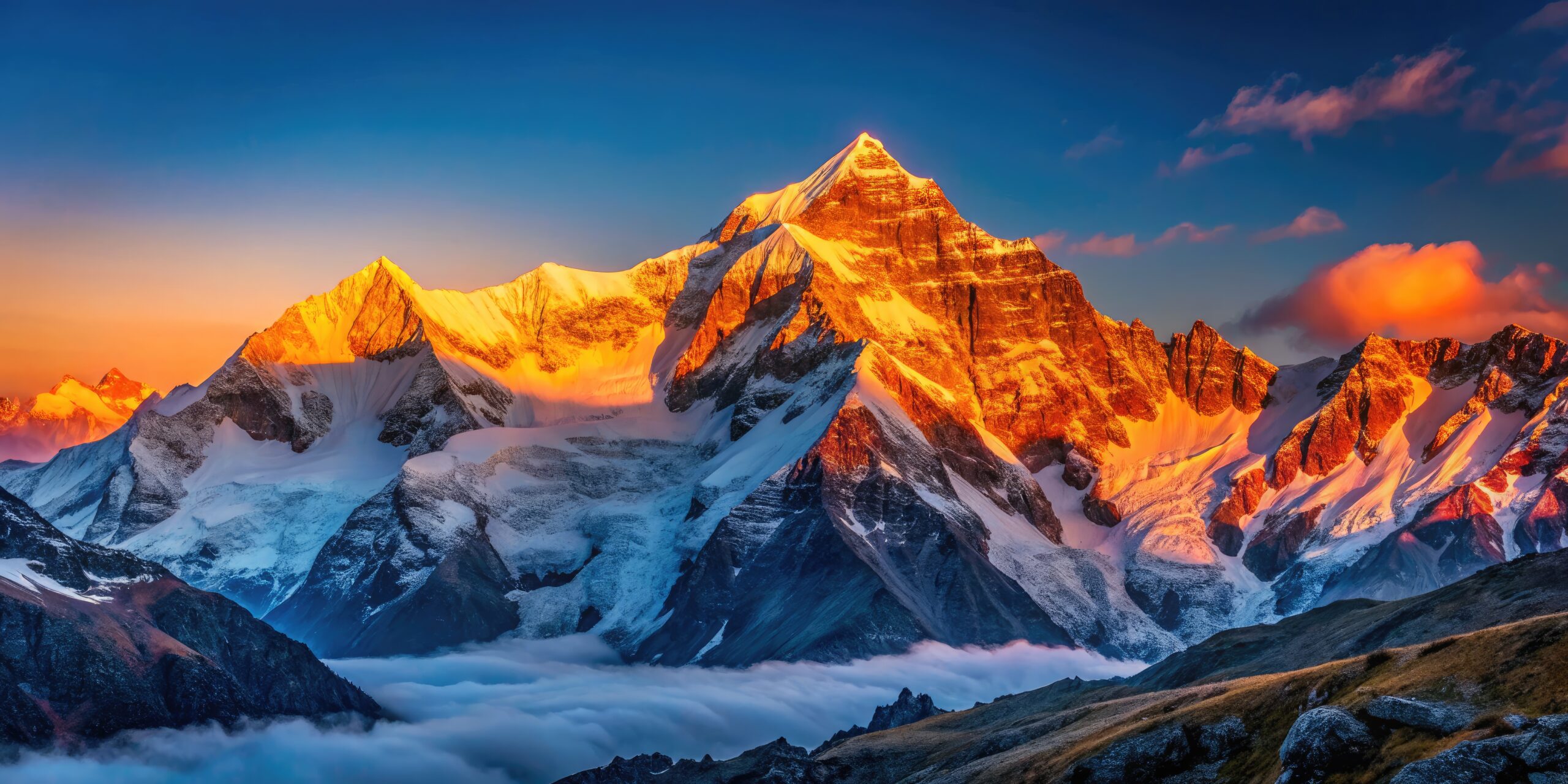
Autumn Himalaya 2026 Timeline
The useful story is the sequence—not one static “season status.”
Manaslu Base Camp Builds
Commercial teams and rope-fixing crews begin moving toward the mountain. Early estimates suggest roughly 300 foreign clients.
Permit Numbers Surge
Manaslu grows toward a record year while persistent rain and unstable weather complicate the approach and mountain conditions.
Rope Fixers Reach Manaslu Summit
The route is opened to the summit, creating pressure for hundreds of clients to move upward during a limited forecast window.
Avalanche Conditions End the Main Manaslu Push
Fatal avalanche incidents and unstable snow lead operators to pull teams back and dismantle the commercial season.
Major Storm Loads the Mountains
Heavy precipitation buries camps and routes. Dhaulagiri teams wait. Himlung Base Camp is struck by a catastrophic avalanche.
The Season Shifts
Dhaulagiri remains a wait-and-assess story while the broader commercial season begins moving toward Ama Dablam and later-autumn Khumbu objectives.

Five Signals That Matter More Than Headlines
A live expedition page should tell readers what evidence will change the status next.
Post-Storm Avalanche Conditions
Fresh snow totals alone do not determine whether climbing can resume. The key question is whether loaded slopes stabilize enough to reopen established routes.
Route Inspection Above Base Camp
Meaningful upward movement toward Camp 1 and Camp 2 would be stronger evidence than social-media statements about “waiting for a window.”
Rope Fixing and Permits
The arrival of fixed-line teams, larger permit numbers and operator Base Camps will mark the real start of the main autumn cycle.
6,000m and 7,000m Peaks
Autumn Nepal includes much more than the headline 8,000ers. Smaller technical and expedition peaks often continue well into October and November.
Another Storm Can Reset Everything
Calendar expectations matter less than the combination of forecast, snowpack, wind and route-specific conditions.
Autumn Himalayan Climbing 2026 FAQ
Is the 2026 Manaslu autumn climbing season over?
Yes for the main commercial expedition cycle. After unstable snow, avalanche incidents and the major storm, the large operators dismantled camps and the remaining teams eventually abandoned their summit plans.
How many foreign climbers were on Manaslu in autumn 2026?
Late-season reporting based on Nepal Department of Tourism figures listed 493 foreign clients—well above the roughly 300 expected when this page first went live.
Is Dhaulagiri still being climbed this autumn?
The expedition had not been formally declared over in the latest reporting reviewed for this update. Remaining climbers were waiting for post-storm snow to settle before attempting to inspect the route and decide whether another summit push was realistic.
What happened on Himlung Himal?
A large avalanche reached Himlung Base Camp during the late-September storm. Sixteen local staff members and guides died. Eleven people whose tents were outside the principal slide path survived.
When does the main Ama Dablam season begin?
Commercial activity normally accelerates in October and continues into November, after many Nepal expedition staff move from the September Manaslu cycle toward the Khumbu.
Does Nepal’s autumn climbing season end with Manaslu?
No. The season changes character. October and November bring Ama Dablam, trekking peaks, 6,000m and 7,000m objectives and selected expedition-style climbs across Nepal.
What should readers watch next?
Watch Dhaulagiri route reassessment, post-storm avalanche stability, Ama Dablam rope fixing and permits, fresh weather windows and official expedition updates from Nepal.
Follow the Season Here. Plan the Mountain on Its Dedicated Guide.
This page owns the 2026 autumn expedition story. Route, permit, training, operator and long-term mountain questions belong on the evergreen guides.
How This Page Is Updated
This is a dated expedition-news page rather than an evergreen mountain guide. Current-season claims are updated from recent expedition reporting and should be replaced when later events materially change the status.
- ExplorersWeb — Manaslu Definitely Over, But Everest, Dhaulagiri and Makalu Remain in Play
- ExplorersWeb — Game Over on Manaslu
- ExplorersWeb — Dhaulagiri Climb Paused But Not Finished
- ExplorersWeb — There Were Survivors of the Himlung Avalanche
Next recheck: update this page when Dhaulagiri climbers make a definitive route decision, when the main Ama Dablam autumn cycle begins, or when new official Nepal permit data materially changes the season picture.
Follow the Autumn Story—Then Plan the Mountain That Comes Next.
Manaslu’s commercial season has ended, but Nepal’s autumn climbing calendar has not. Dhaulagiri still has decisions ahead, Ama Dablam is moving toward its main window, and smaller Himalayan objectives will continue long after September’s headlines fade.
The 2026 Autumn Himalayan Climbing Season
The autumn season spans several 8000ers at once. See the live trackers and season wraps across the range below.
Was this helpful?
🏔Related peaks nearby
🧭Explore & compare
Global Summit Guide is an independent mountaineering resource founded in 2026. The team combines first-hand trekking and climbing experience with in-depth research and professional health and nutrition review to help climbers choose objectives, prepare properly, and stay safe.
Health, altitude, and nutrition content is reviewed by Taylor Ludlow (Registered Nurse) and Brigg Hoopes (Nutritionist).
What We Don't Know Yet
Mountain information changes quickly. This box explains the limits of what this page can responsibly promise.
- Weather, snowpack, avalanche risk, road access, and route conditions can change quickly and may be different on your climbing dates.
- Visa, passport, vaccination, border, insurance, and local transportation rules may change before your trip.
- Route conditions, snowpack, closures, and weather can change quickly after this page is updated.
- Permit rules, fees, quotas, and reservation windows may change between review cycles.
- Operator availability, pricing, guide ratios, and cancellation terms can change by season.
Verify current conditions with official land managers, guide services, local forecasts, and current route reports before booking or climbing.
Mountaineering, rock and ice climbing, glacier travel, and high-altitude activity are inherently dangerous and can result in serious injury or death. The information on Global Summit Guide is provided for general informational and educational purposes only and is not a substitute for professional instruction, qualified guiding, proper equipment, or your own judgment and experience.
Route conditions, weather, snowpack, permits, regulations, and hazards change constantly and may differ from what is described here. Details may be incomplete, out of date, or contain errors. Always verify current information with local authorities, certified guides, and official sources before making any decision in the mountains.
Nothing on this site is medical, legal, or financial advice. Our fitness, acclimatization, altitude, and nutrition content is general in nature; consult a qualified physician before beginning any strenuous exercise program or exposing yourself to high altitude.
You are solely responsible for your own safety and decisions. To the fullest extent permitted by law, Global Summit Guide and its team accept no liability for any loss, injury, damage, or expense arising from use of, or reliance on, this information. By using this site you acknowledge these risks and accept these terms.
Some links on this site may be affiliate links. If you buy through them we may earn a small commission at no extra cost to you; this never affects our recommendations.
Global Summit Guide recommendation path
Next Best Mountain to Research
Use these recommendations to continue the right planning path instead of stopping on one page.
Use current permit, weather, route, and operator information before booking or climbing.