web analytics

Tag: Manaslu 2026

  • Who’s Chasing the 14 Eight-Thousanders in 2026? Tibet Changes the Race

    Himalayan 8000 meter peaks representing the 2026 race to complete all fourteen eight-thousanders
    14×8,000ers · Record Watch · Tibet Closures · Autumn 2026

    Who’s Chasing the 14 Eight-Thousanders in 2026? The Race Is Now Blocked by Tibet

    The biggest 2026 development in the 14×8,000er race is not a summit—it is a closure. Cho Oyu and Shishapangma will remain closed to foreign expeditions this fall, blocking climbers who need one or both Tibetan peaks and freezing some record pursuits until at least 2027.

    14 recognized 8,000m peaksTibet closure confirmedSanu Sherpa record watchEvergreen 14 Peaks owner
    14Recognized 8,000m peaks
    2Tibetan peaks closed
    12/14 ×3Sanu Sherpa third-round status
    2027Next realistic Tibet hope
    8,188 mCho Oyu
    The short answer

    Who Is Still in the 14×8,000er Race in 2026?

    The clearest active record pursuit is Sanu Sherpa’s attempt to become the first person to summit all 14 eight-thousanders three times. After Lhotse in May, reporting placed him at 12 of 14 on his third round, with Cho Oyu and Shishapangma remaining.

    That pursuit is now blocked for fall 2026 because both Tibetan peaks are closed to foreign climbers. The same problem affects any aspirant—first completion, repeat completion or no-oxygen project—who still needs either mountain.

    Biggest obstacleTibet access
    Key record pursuitSanu Sherpa
    ClosedCho Oyu
    ClosedShishapangma
    Open alternativeManaslu
    Next window2027
    Freshness note: This story changes whenever Tibet access changes or a climber publicly updates a record pursuit. Do not treat commercial operator calendars as proof that a Tibetan expedition is actually permitted.
    Current status

    The 2026 Race Has Become an Access Problem

    For climbers missing Cho Oyu or Shishapangma, fitness and funding are no longer the immediate bottleneck.

    Sanu Sherpa

    Third 14×8,000er Round

    Sanu Sherpa has already completed all 14 twice and is pursuing an unprecedented third round. Current reporting leaves only Cho Oyu and Shishapangma on that third cycle.

    Cho Oyu

    Closed to Foreign Teams

    Despite operators advertising autumn programs, current reporting says the China-Tibet Mountaineering Association will not open the normal Tibet side to foreign expeditions this fall.

    Shishapangma

    Also Closed

    Shishapangma lies entirely in Tibet. For climbers who still need it, there is no equivalent normal-route Nepal alternative.

    Manaslu

    The Available Autumn Pivot

    Manaslu is the obvious accessible Nepal 8,000er and may absorb climbers displaced from Tibet, but it cannot solve a 14-peak list that specifically lacks Cho Oyu or Shishapangma.

    Key dates and signals

    How the 2026 Record Race Changed

    SignalWhat happenedWhy it matters
    Apr.–MaySanu Sherpa climbed Dhaulagiri and then Lhotse in his third 14×8,000er round.Left Cho Oyu and Shishapangma as the two remaining peaks in that record pursuit.
    Aug. 19–24Nepal and ExplorersWeb reporting confirmed foreign climbers would not get Cho Oyu or Shishapangma access this fall.Turned an autumn summit race into a permit/access stalemate.
    Aug. 2026Phur Galjen Sherpa completed his first 14×8,000er set on Gasherbrum I.Shows the list continues to grow even while Tibet access blocks others.
    NextAttention shifts to 2027 Tibet openings and any Nepal-side experimental Cho Oyu attempts.The race now depends as much on geopolitics and permits as climbing readiness.
    The bottleneck

    Why Cho Oyu and Shishapangma Matter So Much

    Two of the fourteen peaks sit behind a permit system climbers do not control.

    Completing all 14 is not simply a matter of choosing fourteen expeditions. Ten of the peaks are in the Himalaya and four in the Karakoram, and the routes cross Nepal, Pakistan and Tibet/China. When Tibet closes to foreign teams, two specific checkboxes become impossible to complete by their normal commercial routes.

    Cho Oyu is especially important because its standard Northwest Ridge from Tibet is the mountain’s commercially established route. The Nepal side is considerably harder and is not a routine substitute. Shishapangma is entirely in Tibet, so a foreign-climber closure removes the normal autumn option altogether.

    SEO/editorial point: this means a “who will finish all 14 this autumn?” article can become inaccurate overnight. The more durable 2026 story is who remains blocked, what peak they need and why access—not climbing ability—is deciding the timeline.
    What to watch next

    The 2027 Questions Already Matter

    The next decisive news may arrive before anyone sets foot on the mountain.

    QuestionWhy it matters
    Will Tibet reopen Cho Oyu?It is the normal commercial route and the most important missing peak for many aspirants.
    Will Shishapangma reopen?There is no normal foreign-access alternative outside Tibet.
    Will fees or quotas change?Reopening may come with higher costs or tighter team limits.
    Will Nepal-side Cho Oyu develop?A viable route could reduce dependence on Tibet, but it remains far more technical than the normal north side.
    Which record pursuits continue?Repeat rounds, no-oxygen rounds and speed projects create different definitions of “the race.”
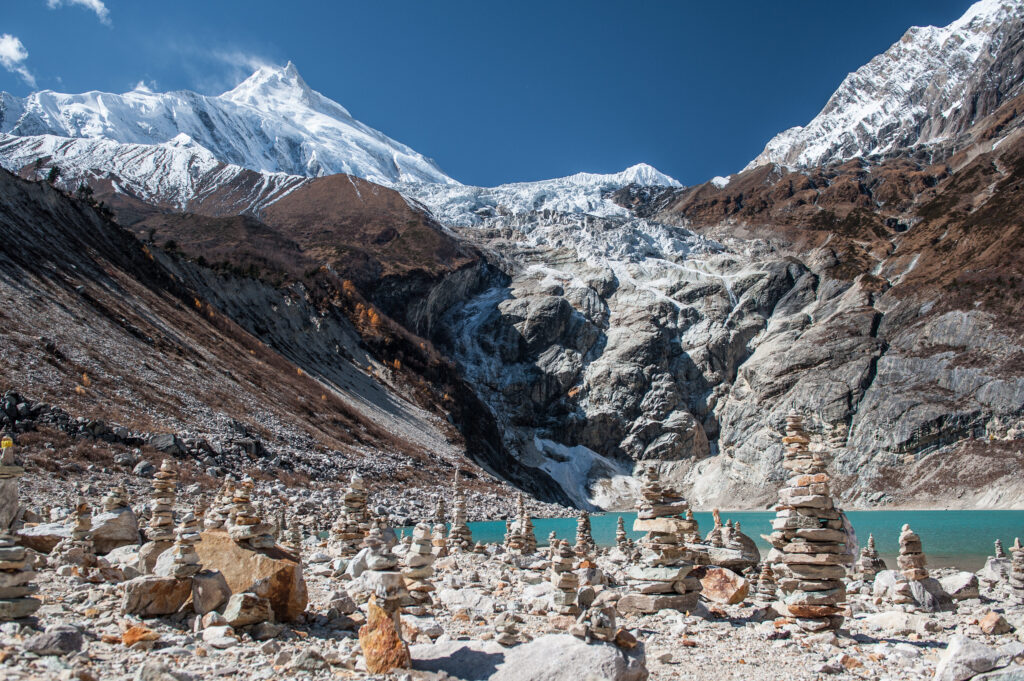
    Manaslu landscape representing an accessible Nepal 8000m alternative during the 2026 autumn season
    Manaslu · The available pivot

    You Can Change Mountains. You Cannot Change the 14-Peak List.

    Manaslu can absorb displaced autumn climbers, but anyone missing Cho Oyu or Shishapangma remains stuck until those specific mountains become accessible.

    Editorial boundary

    • This is a dated 2026 news/season explainer.
    • Current conditions, permits, access and race status can change after publication.
    • GSG links readers into evergreen mountain pages for route and planning depth.
    • We distinguish confirmed reporting from interpretation and avoid claiming unverified outcomes.
    Direct search answers

    14 Eight-Thousanders 2026 FAQ

    How many eight-thousanders are there?

    There are 14 universally recognized mountains above 8,000 metres.

    Are Cho Oyu and Shishapangma open to foreign climbers in autumn 2026?

    Current reporting says no. Both Tibetan peaks are closed to foreign expeditions for the fall 2026 season.

    Who is pursuing a major 14×8,000er record in 2026?

    Sanu Sherpa is pursuing an unprecedented third complete round of all 14 and has been reported with Cho Oyu and Shishapangma remaining on that third cycle.

    Can climbers substitute another peak if Cho Oyu is closed?

    No. The 14-peak achievement requires those exact fourteen mountains. Manaslu can be an expedition alternative but does not replace Cho Oyu on the list.

    Can Cho Oyu be climbed from Nepal?

    Yes, but the Nepal side is significantly more technical and is not the established commercial equivalent of the Tibet-side Northwest Ridge.

    Why is Shishapangma especially difficult for the race?

    Shishapangma lies entirely in Tibet, so foreign-climber access depends directly on Chinese/Tibetan authorities.

    Did anyone complete all 14 in 2026?

    Yes. Phur Galjen Sherpa was reported to have completed the 14 eight-thousanders on Gasherbrum I in August 2026.

    When might the blocked climbers try again?

    The next realistic opportunity depends on Tibet reopening to foreign expeditions, with attention now shifting toward 2027.

    14×8,000ers · 2026

    The Hardest Peak May Be the One You Cannot Get a Permit For.

    The 2026 record race is a reminder that modern high-altitude mountaineering depends on access, politics and permits as much as weather, money and physical capability.

    The 14 Eight-Thousanders · The chase

    The 2026 Race to Climb All 14 Eight-Thousanders

    The 14x8000er chase runs through every 8000er season. See who has completed it and the live season trackers below.
    Was this helpful?

    Yes
    No
    Thanks for your feedback!
  • Autumn Himalayan Climbing 2026: Manaslu, Dhaulagiri & Ama Dablam

    Manaslu and Himalayan terrain in Nepal as the autumn 2026 climbing season begins
    Nepal · Autumn 2026 · Manaslu + Dhaulagiri + Himlung Himal + Ama Dablam

    The 2026 Autumn Himalayan Season Has Begun: Manaslu, Dhaulagiri & Ama Dablam

    Nepal’s autumn Himalayan climbing season is now moving from bookings into base-camp operations. Manaslu is the center of gravity, with operators expecting roughly 300 foreign climbers, while commercial teams are also preparing Dhaulagiri, Himlung Himal and Ama Dablam. Rope fixing, base-camp logistics and permit activity are now the signals to watch.

    Current operator reportingManaslu rope fixing300+ foreign clients expectedEvergreen peak links
    ~300Foreign Manaslu climbers expected
    8,163 mManaslu
    4 peaksMajor autumn programs highlighted
    $3,000Reported Manaslu fall permit fee
    Sep–OctCore Manaslu commercial season
    The short answer

    What Is Climbing in Nepal This Autumn?

    Manaslu is the biggest commercial story. Nepal’s expedition operators have already moved staff and supplies toward base camp, and the Expedition Operators Association has organized the team that will fix the route. Dhaulagiri, Himlung Himal and Ama Dablam are also part of the autumn operator calendar.

    This is the transition point between planning season and active expedition season: permits, rope fixing, base-camp setup, acclimatization rotations and the first usable weather windows now matter more than brochure dates.

    Main mountainManaslu
    Also activeDhaulagiri
    Technical classicAma Dablam
    Other programHimlung Himal
    Key signalRope fixing
    Watch nextFirst summits
    Freshness note: The exact climber counts, rope-fixing progress and summit activity can change daily once September begins.
    Current status

    Manaslu Is the Center of the Autumn Season

    Operators are already building the infrastructure that turns an announced expedition into an active mountain.

    Manaslu

    Base Camp Is Being Built

    EOAN and operators report logistics arriving, staff establishing base camp and a seven-member Sherpa rope-fixing team preparing to work toward the summit.

    Dhaulagiri

    Smaller, More Serious Autumn Program

    Operators including 8K Expeditions are also running Dhaulagiri programs. Compared with Manaslu, expect fewer commercial clients and a more committing 8,000m environment.

    Ama Dablam

    The Technical Autumn Classic

    Ama Dablam’s post-monsoon season attracts experienced climbers looking for a technical Himalayan objective below 8,000 m, with the Southwest Ridge as the commercial standard.

    Himlung Himal

    A Lower-Profile Alternative

    Himlung offers a quieter high-altitude expedition option and appears in the same autumn operator planning cycle, though it receives far less mainstream search attention than Manaslu.

    Key dates and signals

    What Has Already Happened

    SignalWhat happenedWhy it matters
    Aug. 19Tourism Times reported more than 300 foreign Manaslu clients expected and operators supplying base camp.Confirms large commercial demand before September.
    Aug. 25ExplorersWeb reported Nepal’s fall season underway and EOAN rope-fixing team organized.Rope fixing marks the shift from booking to active mountain operations.
    NextCamp 1 construction, acclimatization rotations and rope progress.These are the first operational indicators of how quickly the season is developing.
    SeptemberFirst summit waves become possible if rope fixing and weather align.Search demand shifts from booking to summit updates and conditions.
    Why Manaslu dominates

    Why Manaslu Owns the Autumn 8,000m Market

    Accessibility, commercial infrastructure and Tibet closures all push demand toward Nepal.

    Manaslu has become the most dependable autumn commercial 8,000er for foreign climbers in Nepal. It offers a mature operator ecosystem, a normal route that is heavily supported with fixed lines, and a September–October commercial rhythm that now functions almost like a separate annual season.

    That concentration is even stronger in 2026 because foreign access to Cho Oyu and Shishapangma in Tibet has again been closed for the fall. Climbers who had hoped to use the Tibetan 8,000ers are being pushed toward Nepalese objectives instead. That does not make Manaslu “easy”; it makes it available, and availability is shaping the market.

    Planning implication: crowding should be treated as part of the Manaslu risk model. Fixed-line queues, camp congestion, weather-window compression and the final summit ridge all matter more when hundreds of climbers converge on the same route.
    What to watch next

    The Five Signals That Will Define September

    Once the season is live, operational signals are more useful than marketing claims.

    SignalWhy it matters
    Rope fixingDetermines how high commercial teams can safely move and when summit pushes become realistic.
    Permit totalsShows how crowded Manaslu will actually be versus pre-season estimates.
    Camp 1–4 setupConfirms route infrastructure and operator readiness.
    Weather windowsControls whether rotations spread out or compress climbers into the same summit period.
    First summitsMarks the transition from preparation to the main summit cycle.
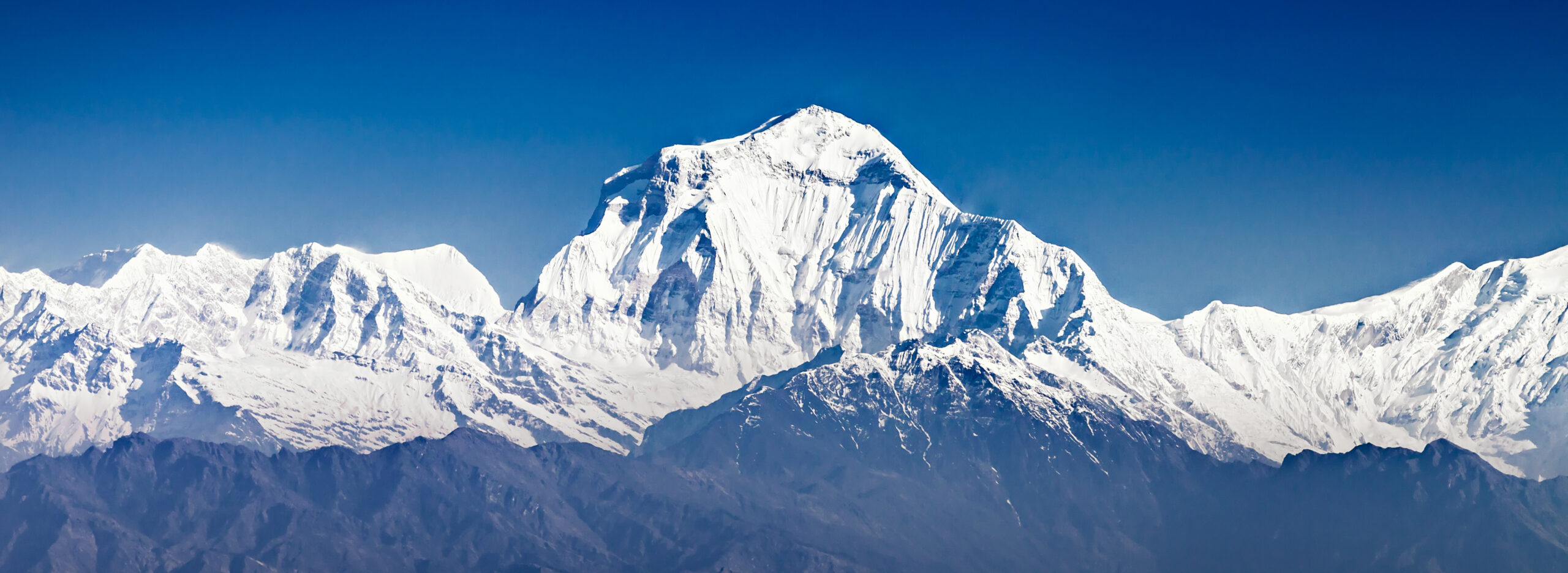
    Dhaulagiri at sunset with a trekker looking toward the mountain
    Dhaulagiri · Autumn 2026

    Not Every Autumn Expedition Is Manaslu.

    Dhaulagiri, Himlung Himal and Ama Dablam create very different autumn objectives—less crowded in some cases, but often more technically or logistically demanding.

    Editorial boundary

    • This is a dated 2026 news/season explainer.
    • Current conditions, permits, access and race status can change after publication.
    • GSG links readers into evergreen mountain pages for route and planning depth.
    • We distinguish confirmed reporting from interpretation and avoid claiming unverified outcomes.
    Direct search answers

    Autumn Himalayan Climbing 2026 FAQ

    Has the autumn 2026 Himalayan climbing season started?

    Yes. Operators are setting up Manaslu base camp, moving logistics and organizing rope fixing, while other Nepal autumn expeditions are also being prepared.

    How many foreign climbers are expected on Manaslu in autumn 2026?

    Current Nepal operator reporting estimates roughly 300 foreign climbers, though final permit totals can still change.

    What other mountains are being climbed in Nepal this autumn?

    Operators have reported programs on Dhaulagiri, Himlung Himal and Ama Dablam in addition to Manaslu.

    When do Manaslu summit attempts usually happen?

    Commercial Manaslu summit activity is concentrated in September and early October after the route is fixed and climbers complete acclimatization rotations.

    Why is Manaslu so popular in autumn?

    It has dependable Nepal access, mature commercial support and a well-established fall expedition cycle. Tibet-side closures on Cho Oyu and Shishapangma can further increase demand.

    Is Ama Dablam an 8,000-meter peak?

    No. Ama Dablam is 6,812 m, but it is a more technical alpine objective than many heavily commercialized 8,000m normal routes.

    Should climbers book a 2026 autumn expedition now?

    For departures that are already imminent, most established programs are well into logistics and permit preparation. Availability, experience requirements and operator fit should be verified directly.

    What should readers watch next?

    Rope-fixing progress, final permit totals, camp setup, weather windows and the first summit reports are the most useful next signals.

    Autumn 2026

    The Season Has Moved From Brochures to Base Camp.

    Manaslu is now the headline, but the real story will be written by rope progress, weather and how hundreds of climbers move through the same narrow summit windows.

    Was this helpful?

    Yes
    No
    Thanks for your feedback!
  • Manaslu 2026: Autumn’s Busiest 8,000er – Routes, Permits & Season

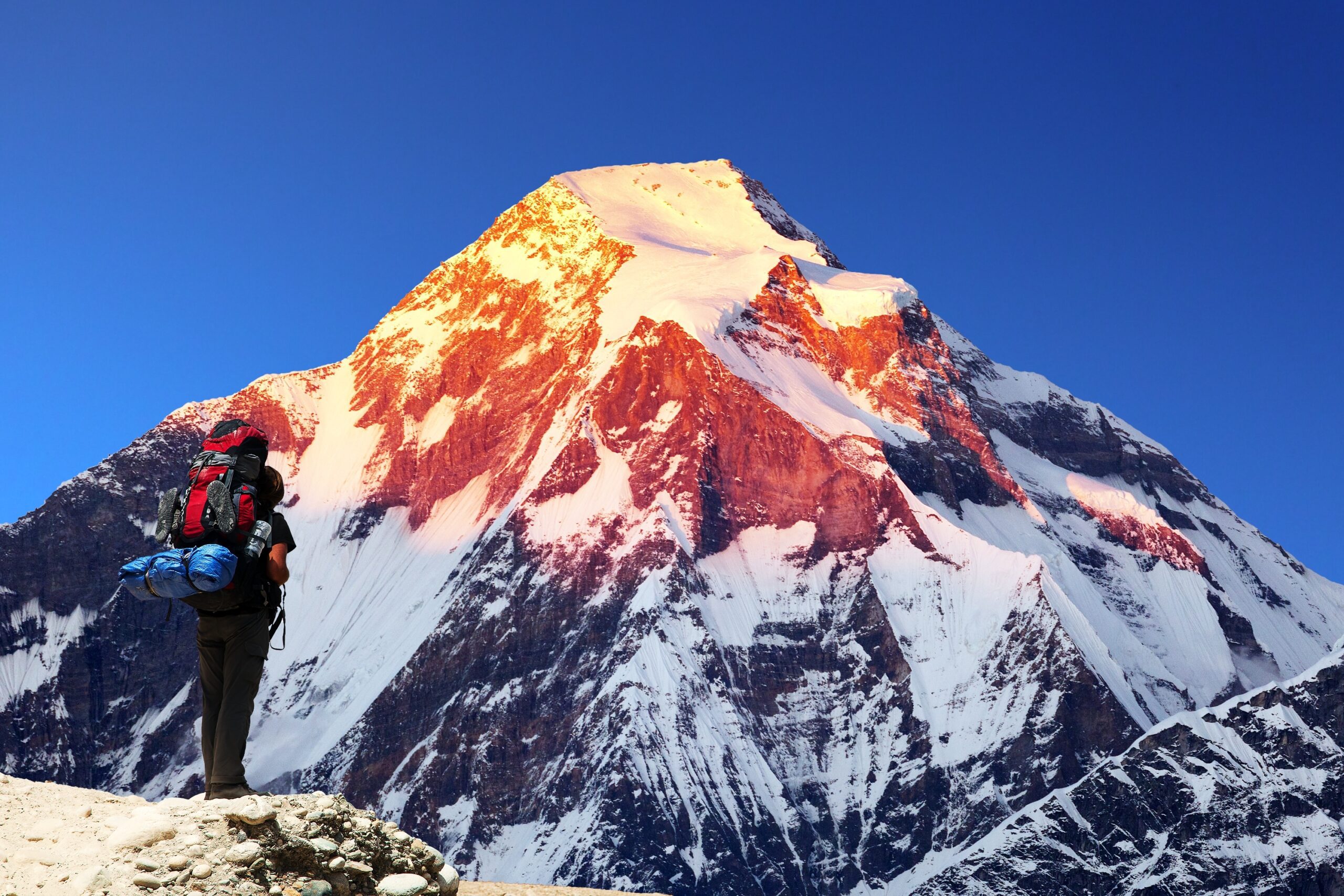
    A high Himalayan 8,000-metre peak under snow, representing Manaslu in the autumn climbing season
    8,163 m · 8th-highest on Earth · Autumn season update · August 27, 2026

    Manaslu 2026: Inside Autumn’s Busiest 8,000er

    The 2026 autumn Himalayan season is under way, and Manaslu is its center of gravity. More than 300 foreign climbers are expected on the world’s eighth-highest peak this season, drawn by a straightforward reputation, easy access, and its role as a first 8,000er and an Everest rehearsal. This is a live season briefing, not a first-hand account. Our team has not climbed Manaslu.

    Research-based season updateSourced from current 2026 reportsSafety & medical reviewNot a first-hand ascent
    8,163 mSummit (26,781 ft)
    8thHighest on Earth
    300+Climbers this autumn
    AutumnPrime season
    1956First ascent
    By Travis Ludlow · Safety review: Dawson Ludlow · Medical review: Taylor Ludlow, RN
    Published August 27, 2026 · Season data checked August 27, 2026
    The direct answer

    Why Manaslu Owns the Autumn Season

    Manaslu is the most-climbed 8,000er of the Nepali autumn because it offers a real 8,000-metre summit with a relatively forgiving route and strong commercial support. Post-monsoon autumn brings its most stable weather, and the mountain has become the standard stepping stone for climbers building toward Everest.

    That popularity does not make it safe. Manaslu is only slightly more technical than Cho Oyu, but it carries serious avalanche danger, a long climb from a low base camp, and a genuine summit that is far harder and more exposed than the fore-summit many climbers once settled for. It rewards preparation and punishes the assumption that busy means benign.

    Best forA first 8,000er / Everest prep
    Route styleGlacier + steep snow, fixed lines
    Main challengeObjective avalanche risk
    Prime seasonAutumn (late Aug-Oct)
    The catchFore-summit vs true summit
    AccessEasy heli access to base camp
    Avalanche is the defining risk. Manaslu is known locally as a killer mountain, with more than seventy deaths recorded. Avalanche and serac fall between Camps 2 and 3 has caused its worst disasters, including deadly slides in 1972, 2011 and 2022. Treat objective hazard, not just fitness, as the core planning problem.
    High-altitude climbers moving on a snow slope of a Himalayan 8,000-metre peak
    Live 2026 season status

    The Autumn Season Has Begun

    Nepal’s fall season opened in late August, and Manaslu is again the marquee objective. Expedition operators report bookings finalized and support teams already at base camp, with a joint rope-fixing team flagged off to establish the line up the 8,163-metre peak.

    300+Foreign climbers expected
    FixingRoute being established
    $3,000Autumn permit / person

    Manaslu is not the only peak in play. Operators are also running expeditions on Dhaulagiri, Himlung Himal and Ama Dablam this autumn, but Manaslu draws by far the largest crowd. For the full ecosystem of live climbs, see our Expedition Updates dashboard.

    How we report this: the figures above come from current 2026 season reporting and Department of Tourism releases, not from a Global Summit Guide ascent. We separate what is reported from what we have personally verified, and the only first-hand summit anyone on our team claims is Kilimanjaro.

    The route

    The Northeast Face, Camp by Camp

    The standard commercial line follows the 1956 first-ascent route up the Northeast Face, on glacier and steep snow with fixed ropes.

    1 . Base camp

    Samagaun to ~4,700 m

    Trek in through the Manaslu Restricted Area to base camp above Samagaun. The low base camp makes for a long overall climb and matters for acclimatization.

    2 . Camp 1 ~5,500 m

    Onto the glacier

    A steep, crevassed glacier gains Camp 1. Roped travel and crevasse awareness start here; the terrain is glaciated all the way up.

    3 . Camp 2 ~6,300 m

    The Japanese Cwm

    Between Camps 1 and 2 the route crosses the exposed basin some call the Japanese Cwm, with crevasse and serac hazard.

    4 . Camp 3 ~6,800-7,300 m

    The avalanche zone

    The stretch around and above Camp 3 carries the most serious avalanche and serac danger on the mountain, and it is where the worst disasters have happened.

    5 . Camp 4 ~7,450 m

    The launch camp

    High camp is the springboard for the summit push, on steep snow with fixed lines and thinning air well into the death zone.

    6 . Summit ridge 8,163 m

    Fore-summit to true summit

    The route reaches the fore-summit, then a sharp, corniced knife-edge leads to the genuine main summit. This final ridge is the real, and most dangerous, top.

    For the full route, itinerary, gear and cost, see our Manaslu Climb Guide →

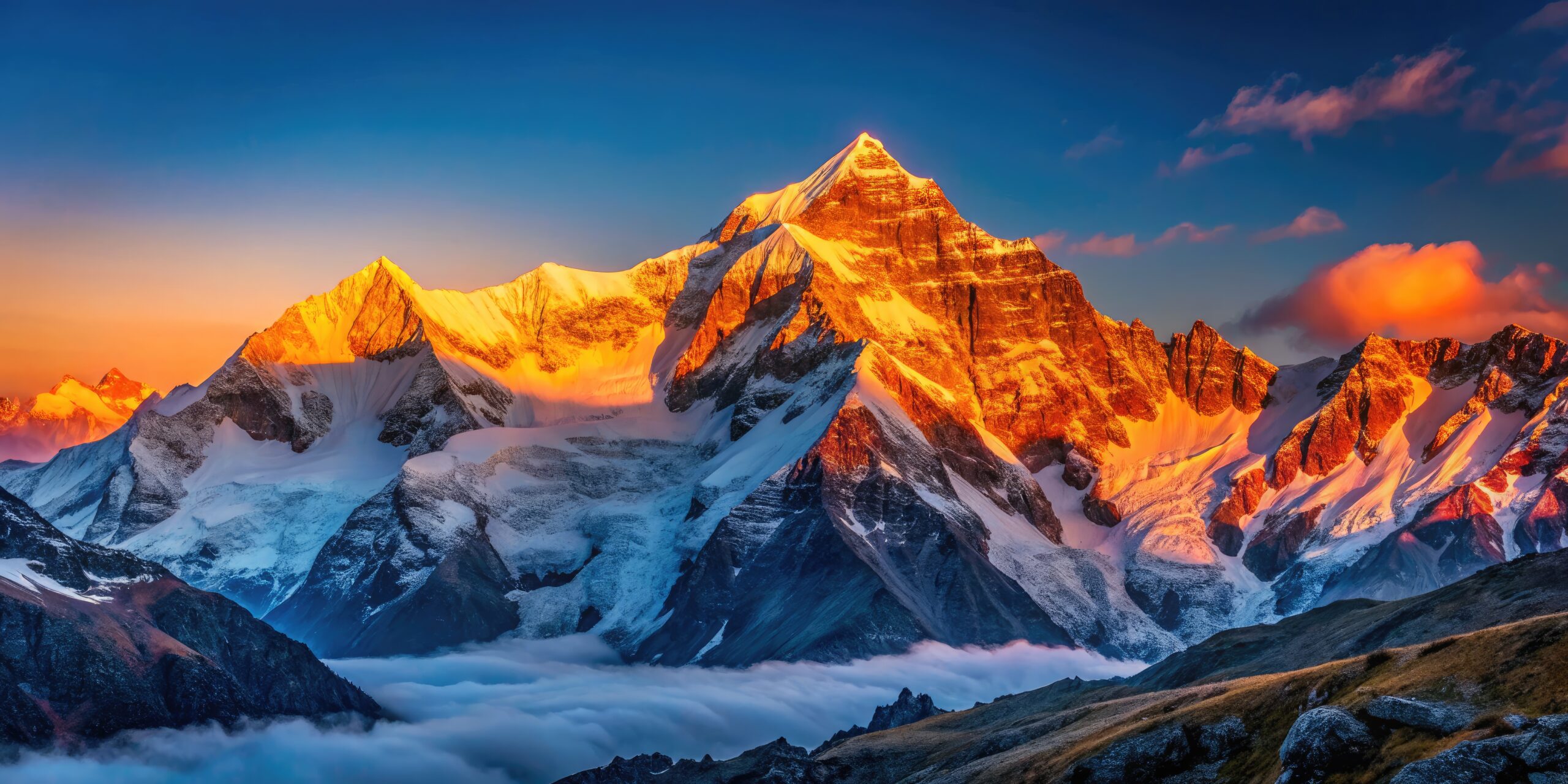
    A wide panorama of high Himalayan peaks under snow at sunrise
    What makes Manaslu Manaslu

    Moderate to Climb. Serious to Survive.

    The paradox of Manaslu is that its climbing is forgiving while its hazards are not. The route asks for competence rather than brilliance, but the snow that makes it accessible is the same snow that slides. Respect for the mountain, not just fitness for it, is what gets people home.

    The distinctive story

    The Fore-Summit and the True Summit

    No feature defines modern Manaslu more than the argument over where the mountain actually ends.

    For decades, many climbers stopped at Manaslu’s fore-summit, a rounded high point a short distance below the actual top, and recorded a successful ascent. The genuine main summit lies beyond, along a sharp, corniced knife-edge that Mingma G has described as daunting and dangerous, which is exactly why so many parties turned back short of it.

    In autumn 2021, a team led by Mingma G pushed to the real summit and forced a reckoning: analysts began scrutinizing old summit photos, and reaching the true top became the standard serious climbers now hold themselves to. For anyone climbing in 2026, this is a planning question, not a trivia point. Ask your operator whether the objective is the true summit, understand that the final ridge is the most exposed ground on the route, and treat a genuine Manaslu ascent as harder than the mountain’s easy reputation suggests.

    Ask the true-summit question early. If summiting the real top matters to you, confirm it with your operator before you book. The fore-summit is a common turnaround, and the corniced ridge beyond it is a serious, committing finish.
    Permits & season

    What a 2026 Manaslu Climb Requires

    Manaslu is a permitted, guided, restricted-area climb. Plan the paperwork and the season as carefully as the mountain.

    Planning questionWhat to knowDetail
    What does the climbing permit cost?Autumn is Manaslu’s official high season.About 3,000 USD per person since the September 2025 change (spring is around 1,500). Confirm current fees with the Department of Tourism.
    What other permits do I need?Manaslu sits in a restricted, protected zone.A Manaslu Restricted Area permit and conservation-area permits, all arranged through a registered Nepali operator.
    Do I need a guide and operator?Climbing is not a solo, independent affair here.Yes. Climbing must go through a registered operator with a licensed guide, even though solo trekking in the restricted zone was allowed from March 2026.
    When is the season?Post-monsoon autumn is the window.Roughly late August into October, when weather is most stable. Autumn success rates are typically the highest of the year.
    Is supplementary oxygen normal?Most commercial climbers use it.Bottled oxygen and a personal Sherpa are standard on commercial ascents; oxygen-free attempts are the exception, not the rule.

    Build the base with our altitude acclimatization guide, sharpen rope skills with fixed lines and jumars explained, and study the hazard in avalanche awareness for climbers. Compare cover in our mountaineering insurance guide.

    Difficulty

    An Approachable 8,000er, Not an Easy One

    Manaslu’s reputation as a beginner-friendly 8,000er is fair on the climbing and misleading on the risk.

    Altitude

    A full 8,000er

    At 8,163 m the summit is deep in the death zone. Weeks of acclimatization and, for most, supplementary oxygen are needed.

    Objective hazard

    Avalanche, not just effort

    The climbing is moderate for an 8,000er, but avalanche and serac risk between Camps 2 and 3 is the real danger and is largely outside a climber’s control.

    Technical demand

    Moderate, with skills required

    Only slightly harder than Cho Oyu, but climbers still need fixed-line technique, glacier travel, and the fitness for a long climb from a low base camp.

    The summit ridge

    Do not stop short

    The corniced knife-edge to the true summit is the crux and the most exposed ground on the route. Reaching the real top is a serious undertaking.

    Measure yourself against our mountaineering fitness standards →

    History

    The Japanese Mountain

    Manaslu’s climbing story is bound up with Japan, and with the beliefs of the people who live beneath it.

    Manaslu was first climbed on May 9, 1956, by Toshio Imanishi and the Sherpa Gyalzen Norbu, members of a Japanese expedition, via the Northeast Face that is still the standard route. So central was Japan to its early history that the mountain became known as the Japanese peak. The relationship was not simple: local villagers, who hold the mountain sacred, resisted early expeditions, and after an avalanche was blamed for damage to a monastery and local deaths, hostility ran high enough that no Japanese team returned until 1971.

    That history matters on the ground today. Manaslu is a working, sacred landscape as well as a commercial objective, and the same monsoon-fed snow that grants a stable autumn window is what has made the mountain deadly. The 1972, 2011 and 2022 avalanche disasters are not ancient history; they are the reason avalanche judgement sits at the center of any honest Manaslu plan.

    Sources & methodology

    What Is Reported, and What We Verify

    We separate live season reporting from established route facts, and we do not present either as a first-hand ascent.

    2026 season reporting

    Current-Season Figures

    • Foreign-climber estimates from Nepal expedition-operator reporting
    • Route-fixing status from autumn 2026 season coverage
    • Permit royalty from the 2025 Department of Tourism fee change
    • Peaks in season from current fall-season releases

    These are reported figures for a season in progress and will change as the season develops.

    Established facts

    Route, History & Hazard

    • Elevation, first ascent and route from mountaineering records
    • Camp elevations and the Northeast Face line from operator route descriptions
    • Avalanche disasters of 1972, 2011 and 2022 from reporting at the time
    • The true-summit history from published accounts of the 2021 ascent
    Editorial limit: a live season changes daily, and permit rules, fixing progress and conditions can shift after publication. Confirm current figures with the Department of Tourism and your operator. This page is a research-based briefing and Global Summit Guide has not climbed Manaslu.
    Climber Journey · Choose → Prepare → Plan → Climb → Remember

    Treat Manaslu as the On-Ramp, Not the Destination.

    If Manaslu is part of a bigger 8,000-metre ambition, use this season to plan deliberately: pick an operator committed to the true summit, build acclimatization and rope skills, and respect the avalanche hazard that defines the mountain. Save the objective and track your preparation rather than chasing the crowd up the fixed lines.

    ChoosePreparePlanClimbRemember
    Quick answers

    Manaslu 2026 FAQ

    Use these for planning, then confirm live details with the Department of Tourism and your operator.

    How high is Manaslu, and where is it?

    Manaslu is 8,163 m (26,781 ft), the world’s eighth-highest mountain, in the Mansiri Himal of the Gorkha district in west-central Nepal. Its name comes from a Sanskrit word often translated as Mountain of the Spirit. Base camp sits above the village of Samagaun at roughly 4,700 m.

    Why is Manaslu the busiest 8,000er in autumn?

    Autumn, from late August into October, is Manaslu’s prime season, and the mountain is the most popular autumn 8,000er in Nepal. It is relatively straightforward for an 8,000-metre peak, well supported by commercial operators, and easy to reach, so many climbers use it as a first 8,000er or as preparation for Everest. In 2026, more than 300 foreign climbers are expected on the mountain.

    How dangerous is Manaslu?

    Manaslu is often called a killer mountain locally, with more than seventy deaths recorded and a fatality rate around two to three percent in some years. The defining hazard is avalanche and serac fall, especially between Camps 2 and 3. Major avalanche disasters struck in 1972, 2011 and 2022, the last of which also claimed the ski mountaineer Hilaree Nelson.

    What is the Manaslu true-summit controversy?

    For decades many climbers stopped at the fore-summit, a rounded high point just below the actual top, and claimed a Manaslu ascent. The true summit is a sharp, corniced knife-edge that is exposed and dangerous. In autumn 2021 a team led by Mingma G pushed to the genuine main summit and reframed what counts as a real Manaslu ascent, and reaching the true summit is now the standard many climbers hold themselves to.

    What is the standard route and how hard is it?

    The standard commercial line follows the Northeast Face, the route of the 1956 first ascent, from base camp through Camps 1 to 4 (roughly 5,500 m, 6,300 m, 6,800 to 7,300 m and 7,450 m). It is only slightly more technical than Cho Oyu or Shishapangma, on glacier and steep snow, but it is a long climb from a low base camp with serious objective avalanche danger. Climbers need solid fixed-line skill, glacier travel and high-altitude fitness.

    What does a Manaslu permit cost in 2026, and what else is required?

    Since a September 2025 change, autumn is Manaslu’s official high season, with a climbing royalty of about 3,000 US dollars per person, while spring was reduced to about 1,500. You also need a Manaslu Restricted Area permit and conservation-area permits, and climbing must be arranged through a registered Nepali operator with a licensed guide. Confirm current fees and rules with the Department of Tourism before booking.

    The GSG verdict

    The Busiest 8,000er – For Good Reason, and With Real Risk.

    Manaslu earns its autumn crowds: a genuine 8,000-metre summit, an approachable route, and the perfect rehearsal for Everest. But the crowd should not lull anyone. The avalanche hazard is real, the true summit is harder than the reputation, and a smart 2026 climb starts with the right operator, honest acclimatization, and respect for a mountain that has earned its harder name. Trips stage through Kathmandu, so for flights and lodging you can browse travel on Expedia.

    Disclosure: the Expedia link is a sponsored affiliate link and we may earn a commission at no extra cost to you. It is the only affiliate link on this page; our route, permit and safety guidance is independent.

    The 14 Eight-Thousanders · Nepal

    Manaslu 2026: The Full 8000er Picture

    This live season update is one snapshot. See the full guide, the cost breakdown and the wider 8000er set below.

    Was this helpful?

    Yes
    No
    Thanks for your feedback!
Language »