Global Summit Guide logo featuring mountain imagery, symbolizing hiking and mountaineering resources for trip planning and safety.

Tag: eiger

  • The Eiger Expedition Update 2026: The North Face, the West Flank & the Mordwand

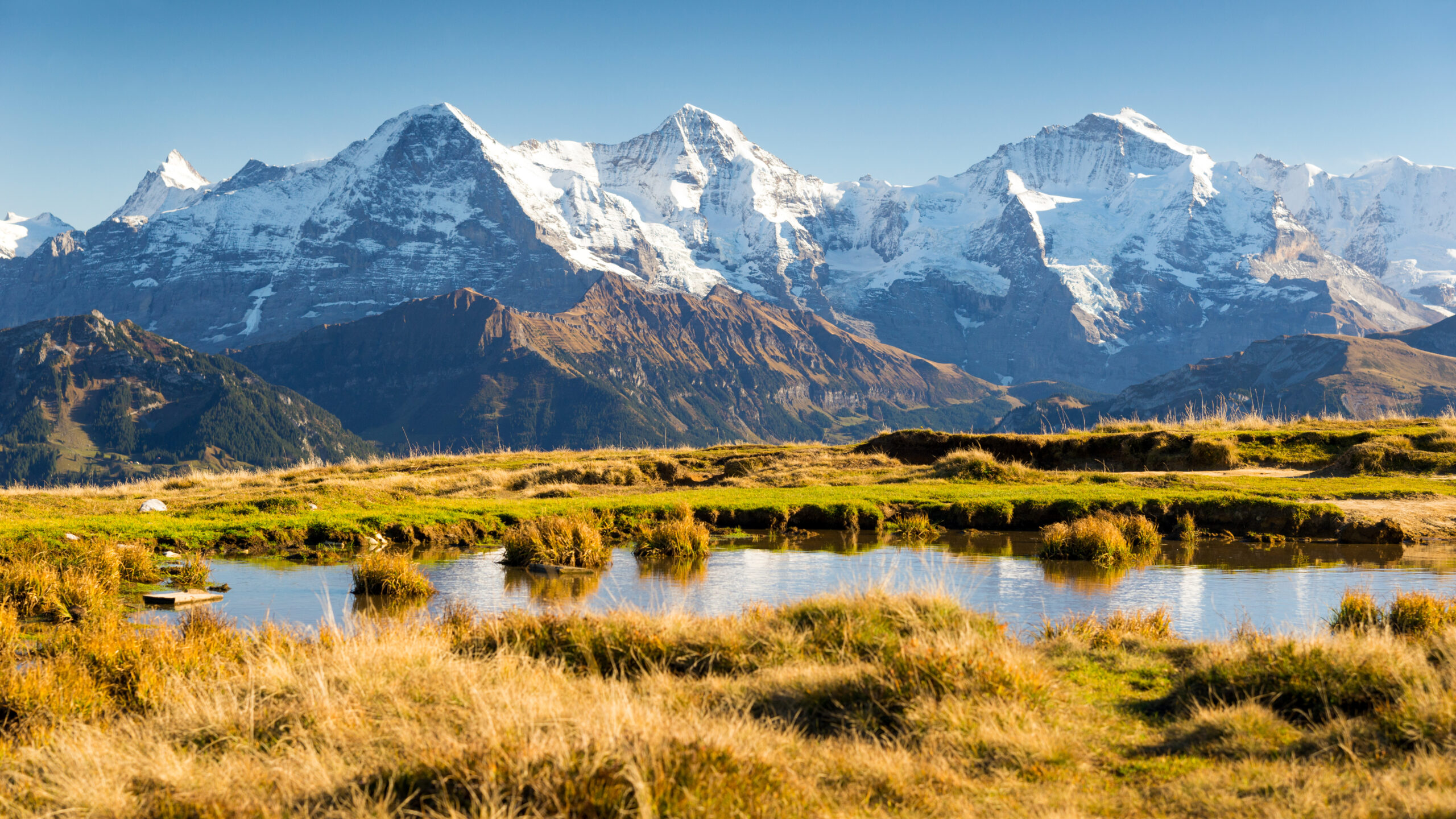
    The Eiger and its North Face rising above Grindelwald in the Bernese Alps
    3,967 m (13,015 ft) · Bernese Oberland · Switzerland

    The Eiger: the Nordwand, and the most storied wall in the Alps

    At 3,967 m the Eiger is not a tall peak by Alpine standards. Its fame is its North Face, the Eigerwand, the Mordwand, the most storied wall in mountaineering. This expedition update covers the 1938 Heckmair route, the far-less-technical West Flank, the death toll and speed records, and an honest readiness view. Heights in metres (feet).

    Research-based updateSafety and medical reviewReviewed each Alpine seasonOur team has not climbed the Eiger

    Updated 27 July 2026 · Compiled by Travis Ludlow · Safety review by Dawson Ludlow · Medical review by Taylor Ludlow, RN

    3,967 mSummit (13,015 ft)
    1,800 mNorth Face height
    1938First ascent of the face
    64+Deaths on the Nordwand
    ED2Heckmair route grade
    GrindelwaldGateway

    Single-mountain expedition update, compiled from published alpine records, guide and operator route information, and mountaineering history. Our team has not climbed the Eiger; the only first-hand summit anyone on our team claims is Kilimanjaro. This is a planning briefing for experienced alpinists, not a how-to and not a substitute for training or a guide.

    Famous for its face, not its height.

    At 3,967 m the Eiger is dwarfed by the Alps’ 4,000-metre giants, but the North Face, the Eigerwand and Mordwand, is the most storied wall in mountaineering. The 1938 Heckmair route is a serious, conditions-dependent ED2 climb of 1,800 m. The West Flank is the far-less-technical normal route to the summit. Most climbers who stand on top never touch the face.

    • The face: the 1938 Heckmair route, ED2.
    • The normal route: the West Flank.
    • One of the three great north faces of the Alps.
    • A conditions game: climbed frozen to limit rockfall.
    • Solo speed record: 2:22:50, Ueli Steck, 2015.
    The mountain

    What the Eiger involves

    One mountain, two utterly different climbs: an elite wall that made history, and a serious normal route to the same summit.

    The Eiger rises above Grindelwald in the Bernese Oberland, one of a famous trio with the Moench and the Jungfrau. Its summit is 3,967 m, modest for the Alps, but its North Face is anything but. The Eigerwand is a 1,800-metre wall of rock, snow and ice that killed a string of climbers through the 1930s, watched by spectators and the press from the valley, until Anderl Heckmair’s four-man team finally climbed it in 1938. The wall earned a grim nickname, the Mordwand, the murder wall.

    Two very different routes matter to a planner. The North Face, by the 1938 Heckmair line, is an ED2 mixed climb and one of the three great north faces of the Alps, an objective for elite alpinists, almost always with a guide. The West Flank is the normal route, a serious but far-less-technical snow and scramble line that most climbers use to reach the summit, and to descend. Knowing which mountain you intend to climb is the first honest question. For the full route detail, see our Eiger climb guide.

    Honest self-assessment

    Are you ready for the Eiger?

    The answer depends entirely on the route. The North Face is elite terrain; the West Flank is a real climb in its own right.

    Technical ability

    Elite Mixed Ground

    The North Face is an ED2 mixed climb on rock, snow and ice, with sections near 80 degrees. It is far beyond a first serious alpine route.

    Evidence: prior hard mixed alpine faces.
    Speed and efficiency

    Fast, Or Exposed

    The wall rewards speed. Slow parties get caught by afternoon rockfall or a storm high on the face, with no easy escape.

    Evidence: efficient movement over long days.
    Conditions judgment

    Read the Wall

    The face is climbed frozen to limit rockfall. Reading conditions and turning back is a core skill, not a footnote.

    Evidence: sound go and no-go calls.
    Right route, right skills

    Know Your Objective

    The West Flank and the North Face are different mountains. Match the route to your real record, and hire a guide.

    Evidence: an honest self-assessment.
    RequirementBaselineWhy it matters
    North Face gradeED2, sustained mixed to ~80 degreesWell beyond a first alpine face; elite terrain.
    SpeedFast movement over 1,800 m of wallSlow parties meet rockfall, storms and forced bivouacs.
    Conditions judgmentComfortable calling off in poor conditionsThe face is a rockfall and weather game, not a date on a calendar.
    West Flank fitnessSolid alpine fitness and glacier skillsEven the normal route is a real mountaineering climb.
    GuidingA guide who knows the wallRoute-finding on the Nordwand is intricate and consequential.
    Retreat skillAble to reverse or escape mid-faceRescue is limited high on the wall; self-reliance is essential.

    Two mountains, one summit

    The single most useful thing a planner can do is separate the North Face from the West Flank. They share a summit and nothing else. Booking the wall when your record fits the normal route is how ambition outruns skill on the Eiger.

    The North Face of the Eiger, the Nordwand, in cold conditions

    The Nordwand rewards cold, and punishes delay

    The face is climbed frozen, because warmth turns its loose rock into a firing range. Parties start in the dark to pass the ice fields before the sun, and a slow day or a changing forecast can trap a team high on the wall. On the Eiger, conditions and speed are not details. They are the climb.

    The two climbs

    The face and the normal route

    An elite wall and a serious summit route share the mountain. Choose honestly.

    The face

    North Face – the 1938 Heckmair Route

    The classic and most-climbed line up the North Face, first climbed over three days in 1938 by Heckmair, Harrer, Voerg, and Kasparek. It is a 1,800-metre ED2 mixed climb through a sequence of famous features, and one of the three great north faces of the Alps.

    • ED2, sustained mixed to around 80 degrees
    • 1,800 m of rock, snow and ice
    • Named features: the Hinterstoisser, the ice fields, the White Spider
    • Climbed frozen to limit rockfall; elite objective
    Best fit: elite alpinists, almost always with a guide.
    The normal route

    West Flank and Mittellegi Ridge

    The West Flank is the normal route to the summit and the standard descent, a serious but far-less-technical snow and scramble line. The Mittellegi Ridge, from the east, is a classic exposed ridge with a famous hut. These are how most climbers reach the top.

    • West Flank: the standard ascent and descent
    • Mittellegi: a classic, exposed east ridge
    • Real alpine routes, but not the North Face
    • A guide is standard for most climbers
    Best fit: competent alpinists seeking the summit, not the wall.
    FactorNorth Face (Heckmair)West Flank (normal)
    Character1,800 m ED2 mixed wallSnow and scramble to the summit
    DifficultyElite; sustained to ~80 degreesSerious, but far less technical
    Main hazardRockfall, storms, exposureStandard alpine hazards
    First ascent1938: Heckmair, Harrer, Voerg, KasparekThe historic normal route and descent
    Who it suitsElite alpinists, with a guideCompetent alpinists seeking the summit
    RoleThe famous objectiveHow most climbers reach the top
    Route profile

    The North Face, feature by feature

    The Heckmair route climbs a sequence of named features, each a landmark in mountaineering history. An overview, not a topo.

    The base

    Eigergletscher

    Reached by the Jungfrau Railway; many parties bivvy near here the night before.

    The key unlock

    Hinterstoisser Traverse

    The rising traverse that unlocks the lower face, named for the 1936 tragedy.

    The ice

    First, Second and Third Ice Fields

    Long ice slopes that set the pace and expose climbers to what falls from above.

    The grim marker

    Death Bivouac

    A ledge named for an early tragedy, a landmark on the upper wall.

    The line up

    The Ramp

    A weakness that leads climbers up through the steep central wall.

    The exposure

    Traverse of the Gods

    An exposed traverse leading toward the wall’s most famous feature.

    The crux feature

    The White Spider

    The Weisse Spinne, an ice field of radiating gullies near the top of the face.

    The finish

    Exit Cracks to the summit

    Mixed cracks lead to the summit ice field and the top at 3,967 m.

    A wall written into the language

    The Hinterstoisser Traverse, the White Spider, the Death Bivouac, the Traverse of the Gods: the Eiger’s features are named for tragedy and triumph, and they read like a history of alpinism. Heinrich Harrer’s book The White Spider took its title from one of them.

    How a climb runs

    A North Face timeline

    A fast, competent party climbs the wall in a long single push of roughly 10 to 20 hours, weather and conditions permitting.

    1

    Grindelwald and the forecast

    Base in Grindelwald, watch the conditions, and wait for a cold, settled window.

    2

    Train to Eigergletscher

    Ride the Jungfrau Railway to the foot of the wall and bivouac nearby, not at the station.

    3

    Very early start

    Begin in the dark to climb the lower face and ice fields before the day warms.

    4

    The Hinterstoisser and ice fields

    Cross the key traverse and climb the long ice fields that set the rhythm of the day.

    5

    The Ramp and the Gods

    Work up the Ramp and the exposed Traverse of the Gods toward the White Spider.

    6

    The White Spider and Exit Cracks

    Climb the famous ice field and the mixed cracks to the summit slopes.

    7

    Summit, then descend the West Flank

    Top out at 3,967 m and descend the far-less-technical West Flank, the normal route.

    8

    Back to the valley

    Return by the West Flank and the railway to Grindelwald.

    Money and access

    Cost and access

    The Eiger is unusually accessible for a great wall: a railway reaches its foot. The barrier is skill, not logistics.

    ComponentFigureNote
    Guided North FacePremium, privateAn elite, high-ratio objective; a serious personal commitment with a top guide.
    Guided West Flank / MittellegiMore accessibleThe usual guided way to the summit, at standard Alpine guiding rates.
    Train accessJungfrau Railway faresThe railway reaches Eigergletscher and Kleine Scheidegg at the foot of the wall.
    Personal gearFull alpine kitTechnical mixed rack, boots and clothing for a cold, committing wall.
    InsurancePolicy-dependentVerify activity, altitude, evacuation and repatriation cover.

    A railway to the foot of the wall

    The Jungfrau Railway tunnels through the Eiger and stops at Eigergletscher and Kleine Scheidegg, at the base of the face. That access made the Eiger a public spectacle in the 1930s, and it still lets climbers reach the start quickly and retreat to the valley fast when the weather turns.

    Choosing a guide

    Choosing an Eiger guide

    For the North Face especially, the guide is the single most important decision. The right questions reveal who truly knows the wall.

    Eiger experience

    Knows This Wall

    Ask how many times the guide has climbed the North Face, not just the Alps.

    Honest route match

    Right Line For You

    A good guide steers you to the West Flank if the face is beyond your record.

    Ratio

    One To One On The Face

    The North Face needs a tight ratio; be wary of anything else.

    Conditions

    Waits For The Window

    The best guides wait for cold, settled conditions rather than force a date.

    Escape plan

    Retreat And Rescue

    Ask how they handle a mid-face storm, a slow day, or an injury.

    Screening

    Willing To Say No

    A serious guide assesses you honestly before agreeing to the face.

    How to choose an expedition operator covers the vetting in full, and the operator directory is a place to start.
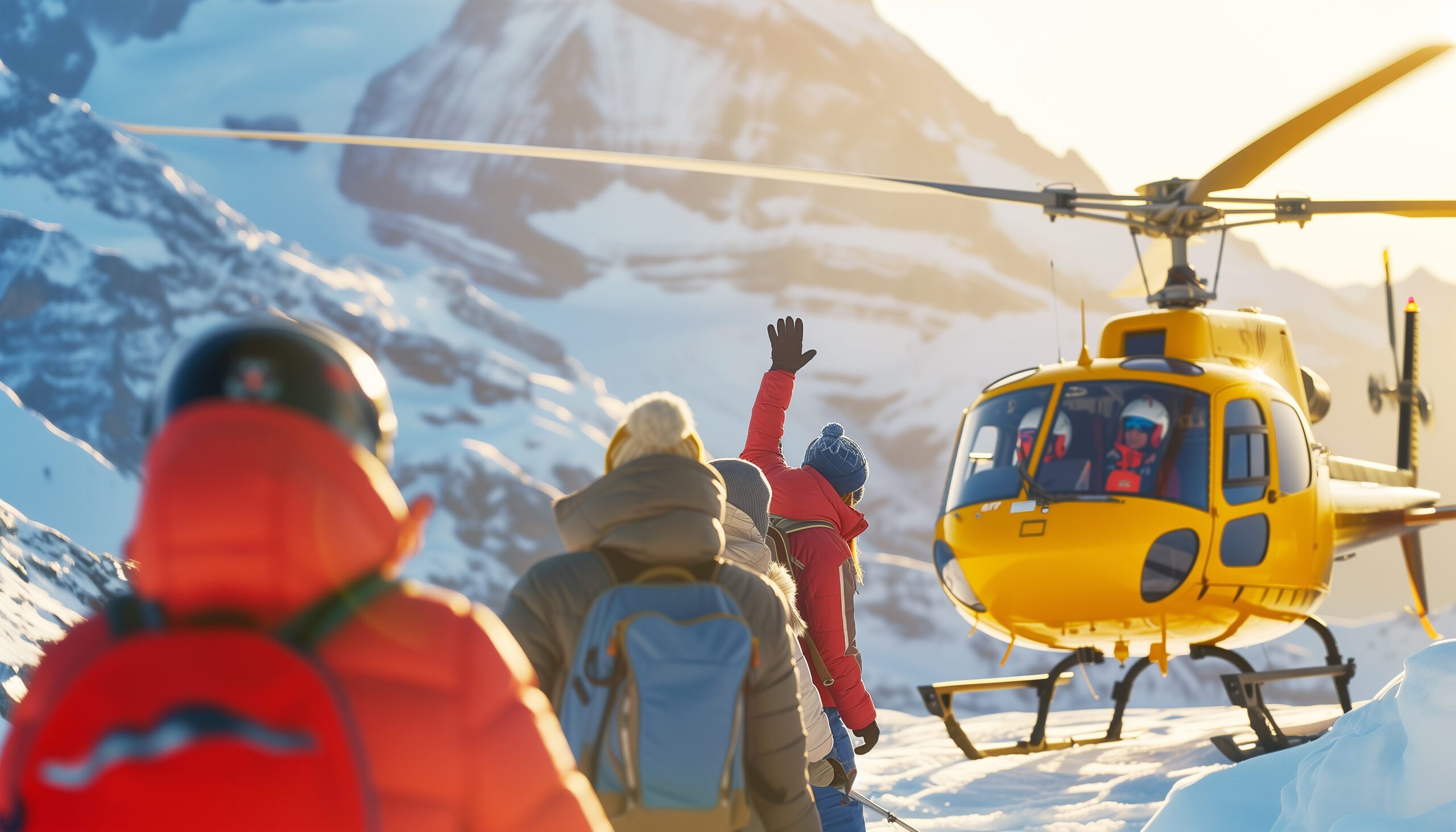
    A mountain rescue helicopter against a cold alpine sky

    Rescue is possible, but never a plan

    The Alps are well served by rescue, and a helicopter can reach parts of the Eiger fast. But high on the North Face, in storm or cloud, no aircraft can help, and a team must be able to reverse the wall or wait it out. Plan to rescue yourself, and treat outside help as the exception.

    Danger and the record

    The toll, and the speed

    The North Face is both a graveyard and a stage: the deadliest of the classic walls, and the arena for the sport’s fastest ascents.

    FactWhat it measuresHow to use it
    64+ deaths since 1935The North Face tollAmong the deadliest classic climbs in the Alps; treat it as elite.
    RockfallThe defining hazardWhy the wall is climbed frozen; warmth loosens the face.
    Sudden stormsThe historic killerWeather can trap a party high with no easy way down.
    Steck 2:22:50The solo speed recordWorld-class alpinists move in hours; most parties need many more.
    Timing

    Season and conditions

    The face wants cold; the ridges want summer. In every season the deciding factor is settled weather, not the date.

    Late winter

    Prime For The Face

    Cold and frozen, with the least rockfall on the North Face.

    Early spring

    Still Good

    Often the best mix of frozen rock and manageable daylight.

    Summer

    West Flank Season

    Warmer, more rockfall on the face; the normal route and ridges come in.

    Conditions

    The Real Calendar

    Settled cold weather matters more than the month.

    Storms

    The Deciding Risk

    A forecast change can turn the wall lethal within hours.

    Live wind and weather for the Eiger. Source: Windy.com. For how to read a mountain forecast, see our weather guide.
    The Eiger, above Grindelwald in the Bernese Oberland, with the Moench and Jungfrau nearby. Map: OpenStreetMap contributors.
    Context

    The three great north faces of the Alps

    The Eiger belongs to a trio that defined a generation of alpinism.

    In the 1930s, three unclimbed north faces stood as the great problems of the Alps: the Eiger, the Matterhorn, and the Grandes Jorasses. The Matterhorn north face fell in 1931 and the Grandes Jorasses in the mid-1930s, leaving the Eiger as the last and most feared. When Heckmair’s team climbed it in 1938, the trilogy was complete, and the idea of the three great north faces entered mountaineering language. We cover its companion in our Matterhorn update.

    The three faces still draw the world’s best alpinists, and the same names recur across them: Ueli Steck and Dani Arnold each set speed records on more than one. To place the Eiger among the classic peaks of the range, see our Mont Blanc update and the wider Alps cluster below.

    History

    A short history of the North Face

    From the tragedies of the 1930s to the first ascent and the modern era of records.

    The North Face drew climbers, and killed them, through the 1930s. The 1936 attempt ended in disaster: all four climbers of two roped parties died, among them Toni Kurz, whose slow death within reach of rescuers became one of the sport’s most haunting stories, and Andreas Hinterstoisser, whose name marks the key traverse low on the wall. The face was cast as a suicide mission by a press that could watch it from the valley.

    On 24 July 1938, after three days on the wall, Anderl Heckmair, Heinrich Harrer, Ludwig Voerg, and Fritz Kasparek reached the summit and completed the first ascent. Harrer’s later book, The White Spider, made the climb famous. In 1992 Catherine Destivelle made the first solo ascent by a woman. The modern era belongs to speed: Ueli Steck soloed the Heckmair route in 2 hours 22 minutes 50 seconds in 2015, on a wall that once took days, though the face remains deadly for anyone who mistakes those feats for the ordinary climb.

    Questions

    The Eiger FAQ

    The questions climbers ask most about the face, the normal route, the danger, and the season.

    How high is the Eiger, and where is it?

    The Eiger is 3,967 m (13,015 ft), in the Bernese Oberland of Switzerland, southwest of Grindelwald. It forms a famous trio with its neighbours the Moench and the Jungfrau. By Alpine standards it is not tall: the range’s 4,000-metre giants are all higher. The Eiger’s fame comes from its north wall, not its altitude.

    Why is the Eiger so famous?

    Because of its North Face, the Eigerwand, a 1,800-metre wall that is the most storied and feared in mountaineering. Through the 1930s a string of climbers died trying to force it, watched by spectators and the press from the valley at Kleine Scheidegg, until a four-man team finally climbed it in 1938. It is one of the three great north faces of the Alps, alongside the Matterhorn and the Grandes Jorasses.

    What does Mordwand mean?

    Mordwand means murder wall in German, a grim play on Nordwand, the north wall. The nickname stuck during the deadly attempts of the 1930s, when the media cast the face as a suicide mission. At least 64 climbers have died on the North Face since 1935. The name endures, though modern climbers approach the wall with far better equipment, forecasting, and technique.

    Who made the first ascent of the North Face?

    On 24 July 1938, after a three-day climb, Anderl Heckmair, Heinrich Harrer, Ludwig Voerg, and Fritz Kasparek reached the summit by the North Face. Two roped parties, one Austrian and one German, joined forces on the wall. Their line, the Heckmair route, remains the classic and most-climbed way up the face. Heinrich Harrer later wrote a famous account of the wall, The White Spider.

    What is the difference between the West Flank and the North Face?

    They are two very different climbs on the same mountain. The West Flank is the normal route, a serious but far less technical snow and scramble line that is also the standard descent, and the way most climbers reach the summit. The North Face is the Heckmair route, an elite ED2 alpine climb of 1,800 m. Most people who stand on the Eiger’s summit never touch the face.

    How dangerous is the Eiger North Face?

    It is one of the most dangerous classic climbs in the Alps. At least 64 climbers have died on it since 1935, from rockfall, ice fall, avalanches, and sudden storms that can trap a party high on the wall. Rockfall is the defining hazard, which is why the face is usually climbed in cold, frozen conditions. It should be attempted only by very experienced alpinists, ideally with a guide who knows the wall.

    What is the speed record on the North Face?

    The standing solo record on the Heckmair route is 2 hours 22 minutes 50 seconds, set by the Swiss alpinist Ueli Steck on 16 November 2015, on a wall that took its first-ascent team three days. Dani Arnold soloed it in 2 hours 28 minutes in 2011. These are extraordinary feats by the world’s leading alpinists; a typical fast, competent party takes something more like 10 to 20 hours.

    When is the Eiger climbed?

    The North Face is usually climbed in cold conditions, often late winter and early spring, when the wall is frozen and rockfall is reduced; summer ascents face more loose rock. The West Flank and the Mittellegi Ridge are summer objectives. In every season the Eiger is a conditions game, and settled cold weather matters more than the calendar.

    What experience do you need for the Eiger?

    It depends entirely on the route. The North Face demands elite mixed-climbing skill, speed, and conditions judgment, well beyond a first serious alpine climb, and even strong alpinists hire a guide. The West Flank and the Mittellegi Ridge are real mountaineering routes that still require solid alpine skills, fitness, and a guide for most climbers. None of the routes is a walk-up.

    Transparency

    How we built this update

    What this page is based on, who reviewed it, and what we do not claim to know.

    Sources

    • Published alpine records for the 1938 first ascent, the death toll, and the speed records.
    • Guide and operator route information for the North Face, West Flank, and Mittellegi Ridge.
    • Mountaineering history, including Heinrich Harrer’s account of the wall.
    • Guidebook grades and conditions guidance for the Bernese Oberland.
    • Our own Eiger climb guide for the detailed route and cost.

    Review and standards

    Compiled by Travis Ludlow and reviewed for safety by Dawson Ludlow, our Climbing and Mountaineering Lead (Wilderness First Aid), whose highest first-hand summit is Kilimanjaro. Health and medical points were reviewed by Taylor Ludlow, RN. We do not fabricate summit experience, quotes, or credentials, and we say plainly when we are reporting rather than recounting.

    What we do not claim to know

    The Eiger is a conditions climb, and no web page can substitute for a current forecast, a route report, and a guide’s judgment. In particular:

    • Conditions on the North Face change quickly; rockfall and storm risk vary by the day.
    • Death-toll and record figures come from published sources and are updated over time.
    • Guided pricing and availability shift with guides, dates, and conditions.
    • Our team has not climbed the Eiger, so we report published records, not personal experience.
    Global Summit Guide research team

    Global Summit Guide research

    We compile mountain updates from published records and current route and conditions information, review them for safety and medical accuracy, and refresh them each season. We are transparent about what we have and have not climbed, and the Eiger is a research-based briefing, not a personal account.

    About our team and standards ->
    Plan your Alpine season

    The Eiger rewards the prepared, and only them.

    Start with the full route in our Eiger climb guide, weigh yourself against our fitness standards, and read the companion faces in the Matterhorn and Mont Blanc updates. Trips base in Grindelwald and Interlaken, so for lodging and travel there, browse travel on Expedia.

    Disclosure: the Expedia link above is a sponsored affiliate link, and we may earn a commission at no extra cost to you. It is the only affiliate link on this page; our route, conditions, and safety guidance is independent.

    Was this helpful?

    Yes
    No
    Thanks for your feedback!
  • 15 Greatest Mountains in the Alps, Ranked for Climbers (2026)

    Vast view of Monte Civetta's Northwest Face and the Italian Dolomites, showcasing the "Wall of Walls" climbing area.
    The greatest Alpine peaks are not simply the highest. This page ranks mountains by climbing quality, history, visual identity, route diversity, technical significance, progression value, seriousness, access and cultural importance.
    15-peak ranking · progression engine · route reality index · 82-peak passport · no-car planner

    The 15 Greatest Peaks of the Alps: Build Your Climbing Lifetime List

    Rank the Matterhorn, Mont Blanc, Eiger, Tre Cime, Großglockner and ten more defining Alpine mountains—then use the Summit Lab to identify your next objective, plan a rail-based trip and track all 82 UIAA-recognized 4,000ers.

    The Matterhorn ranks first overall; Mont Blanc wins elevation and history; the Eiger wins north-face stature.

    Matterhorn has the strongest combined case for number one. Mont Blanc remains the Alpine high point and historical foundation. Eiger represents the range’s psychological and north-face identity. A true pan-Alpine ranking must also include Tre Cime, Großglockner, Piz Bernina, Ortler and Triglav—not only Swiss 4,000ers.

    Why the Alps matter to us

    Our family has traveled through Switzerland, Austria and Germany and experienced how completely the Alps shape the towns, railways, valleys and cultures around them. What separates the Alps from many other great ranges is not only the mountains—it is the way trains, cable cars, huts and historic villages bring visitors directly into the alpine environment.

    We have not climbed every mountain in this ranking, and this page does not imply that we have. The list combines our travel experience with route research, climbing history, official Alpine data and the progression questions climbers face when deciding where to begin.

    15Pan-Alpine ranked peaks
    82Official UIAA 4,000ers
    9 factorsTransparent peak score
    4 toolsOne Alps Summit Lab
    4,807.3m2025 Mont Blanc survey
    Greatest overall

    Matterhorn

    The strongest combined case across visual identity, climbing history and classic route stature.

    Highest mountain

    Mont Blanc

    The Alpine high point and the mountain most associated with the birth of modern mountaineering.

    Greatest north face

    Eiger

    The defining psychological and historical wall of the range.

    Greatest Alpine wall

    Grandes Jorasses

    The Walker Spur and related routes represent sustained elite Alpine climbing.

    Greatest granite mountain

    Piz Badile

    Cassin history and exceptional Bregaglia granite outweigh its modest elevation.

    Greatest Dolomite formation

    Tre Cime

    Hiking, history, via ferrata and elite wall climbing in one unmistakable group.

    Best first 4,000er

    Breithorn

    The shortest lift-assisted introduction to rope-team glacier travel.

    Best complete first climb

    Gran Paradiso

    A two-day hut and glacier experience that teaches the complete Alpine rhythm.

    Build Your Alps Lifetime List

    Move the sliders to change what “greatest” means. The ranking recalculates all 15 peaks using your priorities.

    A subjective ranking made transparentThe default weights produce the editorial ranking. A technical climber, historian and developing mountaineer will receive different lists.

    Your top five Alpine peaks

    The Alps Peak Score

    20%Climbing quality
    15%History
    15%Visual identity
    15%Route diversity
    10%Technical significance
    10%Progression value
    5%Seriousness
    5%Huts and access
    5%Cultural importance

    The score measures why a mountain matters to climbers. It is not an official grade, safety score or prediction that a route is appropriate for a particular person.

    The 15 Greatest Peaks of the Alps

    #PeakCountryElevationCategoryClimber levelSeasonScore
    1MatterhornPennine AlpsSwitzerland / Italy4,478mGreatest mountain overallAdvanced classic ridgeJuly–September98
    2Mont BlancMont Blanc MassifFrance / Italyabout 4,807mHighest and most historically importantMajor glaciated Alpine peakJune–September97
    3EigerBernese AlpsSwitzerland3,967mGreatest north-face mountainAdvanced ridge to elite north faceRoute-dependent96
    4Grandes JorassesMont Blanc MassifFrance / Italy4,208mGreatest Alpine wallElite technical alpinismConditions-dependent94
    5Piz BadileBregaglia AlpsSwitzerland / Italy3,308mGreatest granite route mountainAdvanced technical rockJuly–September92
    6Dufourspitze — Monte RosaMonte Rosa MassifSwitzerland / Italy4,634mGreatest high-glacier massifIntermediate to advanced glacier climbJuly–September91
    7WeisshornValais AlpsSwitzerland4,505mGreatest pure pyramid for alpinistsAdvanced Alpine ridgeJuly–September90
    8Tre Cime di LavaredoDolomitesItaly2,999mGreatest Dolomite formationHiking to elite technical rockJune–September89
    9GroßglocknerHohe TauernAustria3,798mGreatest Austrian mountainIntermediate Alpine summitJuly–September88
    10Piz BerninaBernina RangeSwitzerland / Italy4,049mGreatest Eastern Alps 4,000erAdvanced snow ridgeJuly–September87
    11FinsteraarhornBernese AlpsSwitzerland4,274mGreatest remote Bernese giantAdvanced glaciated ridgeJuly–September85
    12OrtlerOrtler AlpsItaly3,905mGreatest Tyrolean ice mountainIntermediate to advancedJune–September84
    13JungfrauBernese AlpsSwitzerland4,158mGreatest Bernese skyline peakIntermediate glacier climbJuly–September83
    14Gran ParadisoGraian AlpsItaly4,061mBest complete first Alpine 4,000erIntroductory glacier climbJune–September82
    15TriglavJulian AlpsSlovenia2,864mGreatest national-symbol mountainExposed hiking / via ferrataJune–September81
    01
    Greatest mountain overall

    Matterhorn

    Switzerland / Italy · Pennine Alps · 4,478m

    98/100

    The Alps’ strongest combination of visual identity, climbing history, technical commitment and cultural reach.

    Climber levelAdvanced classic ridge
    Best seasonJuly–September
    Typical trip4–7 days with acclimatization
    Budget band$$$$
    Strongest qualityIconic form, classic ridge climbing and unmatched recognition
    Main limitationThe Hörnli Ridge is crowded, loose and far more serious on descent than its moderate grade suggests.
    Climb beforeBreithorn, Pollux/Castor, rock scrambling and fast AD ridge movement
    Logical next stepWeisshorn, Zmutt Ridge or harder Alpine traverses
    02
    Highest and most historically important

    Mont Blanc

    France / Italy · Mont Blanc Massif · about 4,807m

    97/100

    The highest summit in the Alps and the mountain most closely linked to the birth of modern mountaineering.

    Climber levelMajor glaciated Alpine peak
    Best seasonJune–September
    Typical trip4–6 days with acclimatization
    Budget band$$$
    Strongest qualityElevation, history, route diversity and complete Alpine operating experience
    Main limitationThe popular Goûter Route carries rockfall, crowding and long-descent exposure that a simple PD label cannot express.
    Climb beforeGran Paradiso, Monte Rosa or another multi-day glacier objective
    Logical next stepMatterhorn, Piz Bernina or harder Mont Blanc routes
    03
    Greatest north-face mountain

    Eiger

    Switzerland · Bernese Alps · 3,967m

    96/100

    A mountain whose west flank, Mittellegi Ridge and North Face represent completely different levels of Alpine climbing.

    Climber levelAdvanced ridge to elite north face
    Best seasonRoute-dependent
    Typical trip4–14 days including weather reserve
    Budget band$$$$
    Strongest qualityNorth-face history, psychological stature and route contrast
    Main limitationCalling the Eiger one grade is meaningless; route choice changes everything.
    Climb beforeAD ridges for Mittellegi; extensive mixed climbing for the North Face
    Logical next stepGrandes Jorasses, Matterhorn variants or elite north faces
    04
    Greatest Alpine wall

    Grandes Jorasses

    France / Italy · Mont Blanc Massif · 4,208m

    94/100

    A multi-summit wall whose Walker Spur is one of the defining technical routes of the Alps.

    Climber levelElite technical alpinism
    Best seasonConditions-dependent
    Typical trip7–14 day weather window
    Budget band$$$$
    Strongest qualitySustained technical climbing, commitment and historical status
    Main limitationConditions, stonefall and retreat complexity sharply limit realistic opportunities.
    Climb beforeMajor north faces, long mixed routes and proven bivouac competence
    Logical next stepCutting-edge Alpine or Himalayan alpine-style routes
    05
    Greatest granite route mountain

    Piz Badile

    Switzerland / Italy · Bregaglia Alps · 3,308m

    92/100

    A lower mountain whose North Ridge and Cassin Route prove that Alpine greatness has little to do with elevation.

    Climber levelAdvanced technical rock
    Best seasonJuly–September
    Typical trip4–7 days
    Budget band$$$
    Strongest qualityGranite quality, Cassin history and clean technical identity
    Main limitationLong approaches, route-finding and descent commitment make it unsuitable as a first Alpine rock objective.
    Climb beforeLong multipitch rock, alpine rappels and efficient route-finding
    Logical next stepDolomite walls, Fitz Roy preparation or harder Bregaglia objectives
    06
    Greatest high-glacier massif

    Dufourspitze — Monte Rosa

    Switzerland / Italy · Monte Rosa Massif · 4,634m

    91/100

    The second-highest summit in the Alps and the centerpiece of the range’s densest 4,000-metre massif.

    Climber levelIntermediate to advanced glacier climb
    Best seasonJuly–September
    Typical trip3–6 days
    Budget band$$$
    Strongest qualityAltitude, glacier scale and multi-summit possibilities
    Main limitationThe normal route includes more mixed ridge difficulty than many visitors expect from a Monte Rosa traverse.
    Climb beforeBreithorn, Allalinhorn or Gran Paradiso
    Logical next stepLiskamm Traverse, Matterhorn or Mont Blanc
    07
    Greatest pure pyramid for alpinists

    Weisshorn

    Switzerland · Valais Alps · 4,505m

    90/100

    A beautifully isolated pyramid whose standard East Ridge is longer, quieter and often considered harder than the Matterhorn.

    Climber levelAdvanced Alpine ridge
    Best seasonJuly–September
    Typical trip4–7 days
    Budget band$$$$
    Strongest qualityAesthetic ridges, solitude and complete technical character
    Main limitationLong summit days and a committing descent demand speed and reserve fitness.
    Climb beforeMatterhorn-level ridge movement and long AD routes
    Logical next stepSchreckhorn, Grandes Jorasses or harder ridges
    08
    Greatest Dolomite formation

    Tre Cime di Lavaredo

    Italy · Dolomites · 2,999m

    89/100

    Three towers that connect hiking, World War I history, classic Dolomite climbing and one of the Six Great North Faces.

    Climber levelHiking to elite technical rock
    Best seasonJune–September
    Typical trip1–7 days
    Budget band$$–$$$$
    Strongest qualityVisual identity, route range and cultural history
    Main limitationThe visitor loop and the Comici North Face serve completely different audiences.
    Climb beforeVia ferrata and Dolomite multipitch progression
    Logical next stepCivetta, Marmolada walls or Piz Badile
    09
    Greatest Austrian mountain

    Großglockner

    Austria · Hohe Tauern · 3,798m

    88/100

    Austria’s defining summit, combining glacier travel with an exposed summit ridge and deep national importance.

    Climber levelIntermediate Alpine summit
    Best seasonJuly–September
    Typical trip3–5 days
    Budget band$$$
    Strongest qualityCountry-highpoint stature, history and balanced Alpine skills
    Main limitationThe final Kleinglockner–Großglockner ridge can be congested and more exposed than the approach suggests.
    Climb beforeGran Paradiso, Grossvenediger or another glacier course
    Logical next stepPiz Bernina, Mont Blanc or technical Austrian ridges
    10
    Greatest Eastern Alps 4,000er

    Piz Bernina

    Switzerland / Italy · Bernina Range · 4,049m

    87/100

    The only UIAA-recognized 4,000er in the Eastern Alps and home to the Biancograt ‘sky ladder.’

    Climber levelAdvanced snow ridge
    Best seasonJuly–September
    Typical trip3–5 days
    Budget band$$$$
    Strongest qualityBeautiful ridge climbing, regional uniqueness and complete traverse character
    Main limitationThe Biancograt’s descent and hut-to-hut logistics make it more serious than the photogenic ridge alone suggests.
    Climb beforeAD ridges, glacier competence and efficient rappels
    Logical next stepMatterhorn, Weisshorn or advanced Bernina traverses
    11
    Greatest remote Bernese giant

    Finsteraarhorn

    Switzerland · Bernese Alps · 4,274m

    85/100

    The highest summit in the Bernese Alps and a remote objective reached through the great Aletsch–Fiescher glacier system.

    Climber levelAdvanced glaciated ridge
    Best seasonJuly–September
    Typical trip4–7 days
    Budget band$$$
    Strongest qualityRemoteness, mountain stature and expedition feel within Switzerland
    Main limitationLong approaches and glacier travel reduce accessibility despite strong hut infrastructure.
    Climb beforeJungfrau, Monte Rosa or multi-day glacier traverses
    Logical next stepSchreckhorn, Weisshorn or remote Alpine traverses
    12
    Greatest Tyrolean ice mountain

    Ortler

    Italy · Ortler Alps · 3,905m

    84/100

    A massive glaciated mountain with Tyrolean history and a serious normal route that deserves broader international recognition.

    Climber levelIntermediate to advanced
    Best seasonJune–September
    Typical trip3–5 days
    Budget band$$$
    Strongest qualityRegional stature, glacier character and historic identity
    Main limitationChanging ice conditions and objective hazard make route details season-specific.
    Climb beforeGran Paradiso or Grossglockner
    Logical next stepPiz Bernina, Mont Blanc or technical Ortler routes
    13
    Greatest Bernese skyline peak

    Jungfrau

    Switzerland · Bernese Alps · 4,158m

    83/100

    The southern anchor of the Eiger–Mönch–Jungfrau skyline and one of the most culturally visible mountains in Switzerland.

    Climber levelIntermediate glacier climb
    Best seasonJuly–September
    Typical trip3–5 days
    Budget band$$$
    Strongest qualitySkyline identity, railway access and high-Alpine context
    Main limitationTourist access to Jungfraujoch can obscure the seriousness of the summit route.
    Climb beforeBreithorn, Mönch or Gran Paradiso
    Logical next stepFinsteraarhorn, Monte Rosa or Mont Blanc
    14
    Best complete first Alpine 4,000er

    Gran Paradiso

    Italy · Graian Alps · 4,061m

    82/100

    A hut-based glacier climb that teaches more complete Alpine systems than a lift-assisted first summit.

    Climber levelIntroductory glacier climb
    Best seasonJune–September
    Typical trip2–3 days
    Budget band$$–$$$
    Strongest qualityProgression value, hut experience and approachable technical barrier
    Main limitationThe short rocky summit finish can become congested and polished.
    Climb beforeStrong mountain hiking and a glacier-skills day
    Logical next stepMonte Rosa, Jungfrau or Mont Blanc
    15
    Greatest national-symbol mountain

    Triglav

    Slovenia · Julian Alps · 2,864m

    81/100

    A mountain woven into Slovenian identity, with a hut-based ascent and exposed protected climbing near the summit.

    Climber levelExposed hiking / via ferrata
    Best seasonJune–September
    Typical trip2–3 days
    Budget band$–$$
    Strongest qualityCultural identity, accessibility and a non-glaciated Alpine progression path
    Main limitationStorms, crowds and exposure make the standard route more consequential than its elevation suggests.
    Climb beforeLong mountain hiking and introductory via ferrata
    Logical next stepGrossglockner, Dolomite routes or Gran Paradiso

    Alps Progression Engine

    Enter the experience you already possess. The result returns a best match, alternative and stretch objective—not simply the most famous mountain.

    Completed comfortably mattersChoose skills and grades you can repeat with reserve capacity, not the hardest route you barely survived.

    Your progression matches

    The Alps Route Reality Index

    A mountain does not have one universal difficulty. The Reality Index compares named routes across six demands on a 1–5 scale. The composite score is an editorial planning aid—not an official Alpine grade.

    RoutePublished gradeTechnicalPhysicalHazardDescentRoute-findingCrowdingReality scoreBest for
    Gran Paradiso Normal RouteF+ / route-dependent2/53/52/52/52/53/548First complete hut-and-glacier climb
    Monte Rosa — Dufourspitze NormalPD–AD by line and conditions3/54/53/53/53/53/568Developing glacier climbers
    Mont Blanc — Goûter RoutePD2/55/54/54/53/55/576Fit climbers with prior glacier systems
    Großglockner Normal RoutePD+ / route-dependent3/53/53/54/53/54/568Intermediate Alpine climbers
    Piz Bernina — BiancogratAD / AD+4/54/53/54/54/52/580Experienced snow-ridge climbers
    Matterhorn — Hörnli RidgeAD4/54/54/55/54/55/588Fast, experienced ridge climbers
    Eiger — Mittellegi RidgeAD / AD+4/54/54/55/54/52/582Advanced guided or independent alpinists
    Piz Badile — North RidgeD / route-dependent4/54/53/54/54/52/579Advanced Alpine rock climbers
    Eiger — North FaceED range5/55/55/55/55/51/596Elite mixed alpinists
    Grandes Jorasses — Walker SpurED range5/55/55/55/55/51/598Elite alpinists with major-wall experience
    Why this mattersThe Eiger west flank, Mittellegi Ridge and North Face belong to different climbing worlds. Route name, conditions, descent and retreat complexity should appear beside every mountain comparison.

    The 82 Alpine 4,000ers Passport

    The UIAA officially recognizes 82 Alpine summits above 4,000 metres using topographic, morphological and mountaineering criteria. Use the passport to filter the list and save completed summits in this browser.

    0 of 82
    0%

    No-Car Alps Trip Planner

    Choose an arrival gateway and skill level. The planner builds a practical rail, coach and hut-based outline without pretending exact schedules never change.

    The Alps’ unique advantageZermatt is car-free, and many of the range’s strongest climbing bases are built around trains, lifts, buses and huts.

    The Alps by Country

    CountryDefining characterRepresentative peaksPrimary basesBest use
    FranceMont Blanc Massif, historic north faces and modern guidingMont Blanc, Aiguille Verte, Grandes Jorasses, Barre des ÉcrinsChamonix, Saint-Gervais, La GraveGlacier progression and technical alpinism
    ItalyGran Paradiso, Dolomites, Ortler and Italian sides of major border peaksGran Paradiso, Tre Cime, Ortler, Mont Blanc routesAosta, Courmayeur, Cortina, SuldenFirst 4,000ers, hut trips and Alpine rock
    SwitzerlandThe greatest concentration of famous 4,000ers and rail-based accessMatterhorn, Eiger, Dufourspitze, Weisshorn, Jungfrau, Piz BerninaZermatt, Grindelwald, Pontresina, Saas-FeeComplete Alpine progression
    AustriaHohe Tauern, Ötztal and a deep hut-and-glacier cultureGroßglockner, Grossvenediger, WildspitzeKals, Matrei, VentIntermediate glacier and ski mountaineering
    SloveniaJulian Alps, via ferrata and national mountain cultureTriglav, Škrlatica, JalovecBohinj, Mojstrana, Kranjska GoraNon-glaciated progression and hut travel
    GermanyNorthern limestone Alps and accessible ridge hikingZugspitze, Watzmann, HochwannerGarmisch-Partenkirchen, BerchtesgadenHiking, via ferrata and rock progression
    LiechtensteinCompact Rätikon access and mountain hikingGrauspitz and surrounding ridgesMalbun, VaduzHiking and regional peakbagging
    MonacoAlpine Convention gateway rather than a high-mountain climbing centerMaritime Alps access nearbyMonaco / Nice corridorAccess to the southwestern Alps

    Greatest Alps Mountains FAQ

    What is the greatest mountain in the Alps?

    Matterhorn ranks first in this composite system because it combines visual identity, historic importance, route stature and cultural recognition. Mont Blanc ranks first for elevation and mountaineering history, while the Eiger ranks first for north-face significance.

    What is the highest mountain in the Alps?

    Mont Blanc is the highest mountain in the Alps. Its snow-and-ice summit changes height; a 2025 scientific mission reported a maximum elevation of 4,807.3 metres. The UIAA’s historic 4,000er classification table lists 4,808.73 metres.

    How many official 4,000-metre peaks are in the Alps?

    The UIAA officially recognizes 82 Alpine summits above 4,000 metres. The classification was published with the Club Alpino Italiano and uses topographic, morphological and mountaineering criteria.

    What is the best first Alpine 4,000er?

    Breithorn is the shortest lift-assisted first 4,000er. Gran Paradiso is the stronger complete first Alpine climb because it adds a hut approach, glacier travel, an alpine start and a full descent.

    Which Alpine peak should I climb before the Matterhorn?

    A common progression includes Breithorn or Gran Paradiso, then a longer glacier peak such as Monte Rosa, followed by sustained AD-grade ridge practice and fast rock movement before the Hörnli Ridge.

    What is the hardest mountain in the Alps?

    Mountains do not have one universal difficulty. The Eiger west flank, Mittellegi Ridge and North Face are different objectives. The Eiger North Face and Grandes Jorasses Walker Spur are among the most serious classic routes, but conditions and chosen line determine the real difficulty.

    Can the Alps be climbed without renting a car?

    Yes. Zermatt is car-free, and Chamonix, Grindelwald, Wengen, Pontresina, Cortina and many Alpine valleys are reachable through rail, coach and regional bus systems. The no-car planner on this page suggests practical bases by airport and skill level.

    What are the most important Alps mountains outside Switzerland?

    Mont Blanc and Grandes Jorasses represent France and Italy; Tre Cime, Ortler and Gran Paradiso represent Italy; Großglockner represents Austria; and Triglav represents Slovenia. A pan-Alpine ranking should not be limited to Swiss 4,000ers.

    Key data sources

    Turn the Alps into a progression—not a collection of famous names

    Build the lifetime list, choose a next peak that matches your actual experience, protect the weather reserve and use the 82-peak passport as a long-term climbing project.

    Build my lifetime listFind my next peakOpen the 82-peak passport

    Was this helpful?

    Yes
    No
    Thanks for your feedback!
Language »