Causes of Mountaineering Deaths: What Actually Kills Climbers?
Falls, avalanches, altitude illness, exposure, and exhaustion all appear in fatal climbing reports. But the biggest cause depends on where you climb, whom the records include, and whether a database counts the final mechanism or the event that triggered it.
Updated November 2026 · Source-specific statistics, not a prediction of an individual climber’s risk

What is the leading cause of mountaineering deaths?
There is no reliable single global ranking. In the Himalayan Database’s currently published cause-of-death report, avalanche (383 deaths, 32.3%) and falls (346, 29.1%) are the two largest coded categories among 1,187 recorded fatalities in its covered expedition data. A separate Swiss high-altitude mountaineering study found that falls accounted for 245 of 303 fatal emergencies (80.9%) during 2009–2021. These results apply to different populations and must not be averaged together.
383 deaths in the Himalayan Database cause report.
346 deaths in the same Himalayan report.
245 of 303 fatal alpine-mountaineering emergencies, 2009–2021.
Chart: Causes of death in the Himalayan Database
This ranking uses the published Himalayan Database “Causes of Death” report. Its 12 categories total 1,187 fatalities. The chart keeps the database’s original classifications; it does not merge avalanche with icefall, or AMS with other illness.
Source: Himalayan Database: Causes of Death, accessed November 2026. Data scope and totals are those shown on the source page. Bars show relative counts; percentages are of recorded fatalities, not exposure-adjusted mortality risk.
| Recorded cause | Total deaths | Members | Hired staff | Share of deaths |
|---|---|---|---|---|
| Avalanche | 383 | 219 | 164 | 32.3% |
| Fall | 346 | 296 | 50 | 29.1% |
| AMS / altitude illness | 123 | 96 | 27 | 10.4% |
| Other illness | 69 | 39 | 30 | 5.8% |
| Disappearance | 54 | 49 | 5 | 4.5% |
| Exhaustion | 52 | 49 | 3 | 4.4% |
| Exposure / frostbite | 42 | 39 | 3 | 3.5% |
| Falling rock / ice | 31 | 18 | 13 | 2.6% |
| Other | 30 | 17 | 13 | 2.5% |
| Crevasse | 26 | 17 | 9 | 2.2% |
| Icefall collapse | 20 | 3 | 17 | 1.7% |
| Unknown | 11 | 3 | 8 | 0.9% |
| Total | 1,187 | 845 | 342 | 100% (rounded) |
The report’s rounded category percentages may not sum to exactly 100. Death counts are descriptive; they do not show whether hired staff or expedition members have higher risk without comparable exposure counts.
Why Alpine falls and Himalayan avalanches can both lead
The Swiss study counted fatal high-altitude mountaineering emergencies in the Alps. In that setting, a fall often becomes the recorded fatal mechanism, even if fatigue, weather, navigation or rockfall helped trigger it.
The Himalayan Database records expedition deaths across its covered Himalayan mountains. Avalanche exposure can affect multiple people simultaneously, including hired staff working to establish routes. Different terrain, time periods and populations produce different distributions.
Do not present 80.9% or 32.3% as a worldwide fatality rate. Each is a share of deaths within a particular dataset.
Explore death rates by mountain →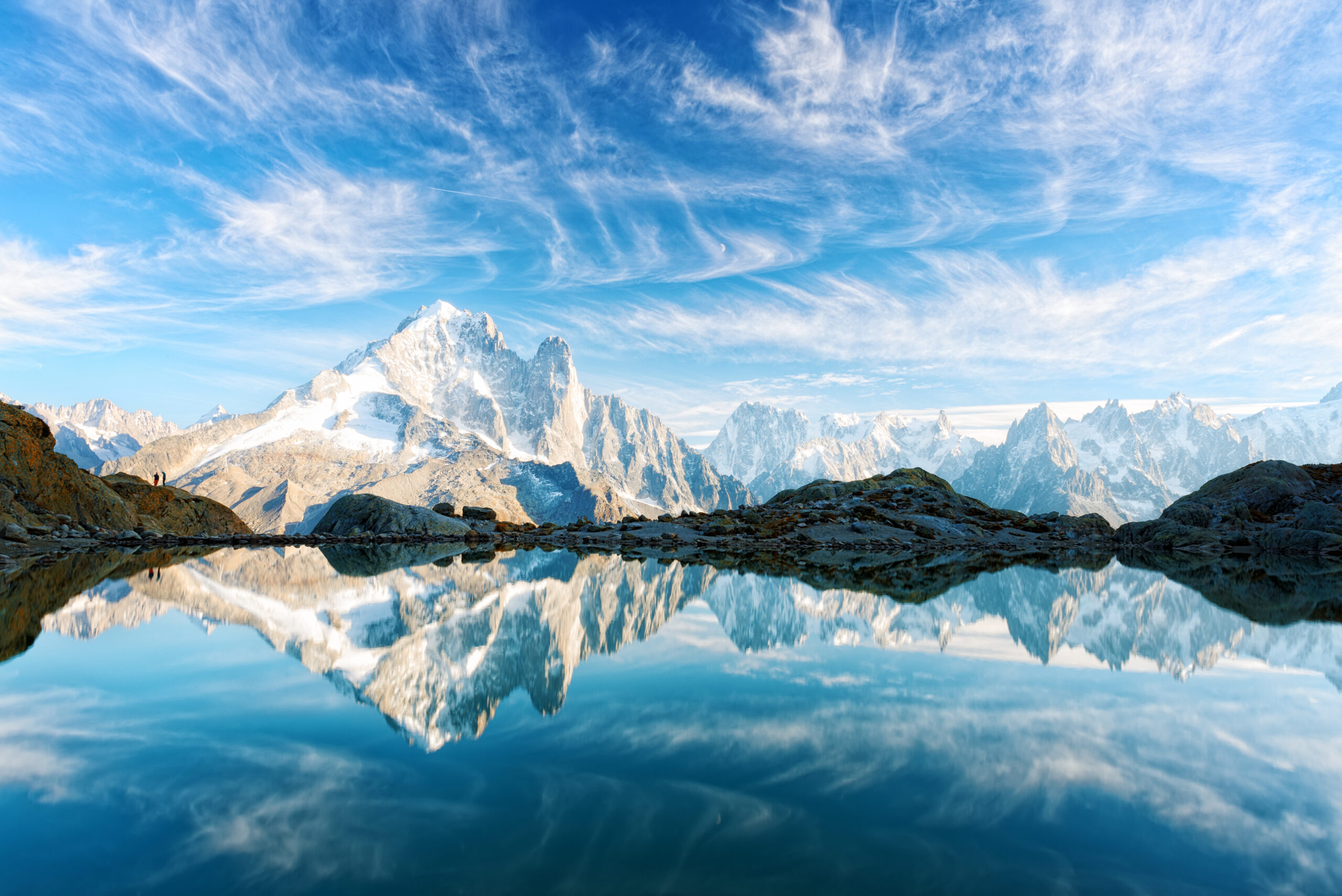
Why the final cause is not always the first problem
A death coded as a fall can follow fatigue, hypoxia, poor visibility or equipment trouble. An exposure death may follow injury or an unplanned bivouac. Avalanche and serac incidents can happen even when teams prepare carefully, because objective hazards cannot be eliminated.
Reading the case narrative, terrain, weather and ascent/descent phase gives more useful prevention context than a single pie chart.
Seven mechanisms behind fatal mountaineering incidents
These factors are frequently linked, and their relevance changes across alpine routes, glaciers, rock faces, Himalayan expeditions and mountain hikes.
Falls and trauma
Slips on hard snow, route-finding errors, rock or hold failure, belay problems and exhaustion can culminate in a fatal fall. The final mechanism is not necessarily the original trigger.
Avalanche, serac and icefall
Avalanches and ice collapse can affect entire camps or route corridors. Timing and route choice can lower exposure, but cannot remove objective hazard.
Altitude illness and hypoxia
Acute mountain sickness can progress to HACE or HAPE. Severe hypoxia can impair judgment, balance and ability to descend. Fitness alone does not confer immunity.
Exhaustion and descent
Late summit bids, oxygen shortages, weather deterioration and fatigue can combine to make descent hazardous; published figures are highly population-specific.
Cold and exposure
Hypothermia and cold injury often compound other events such as delay, loss of mobility, storms or an unplanned night outside.
Rockfall and crevasses
Moving rocks and ice may cause direct trauma or precipitate falls. Crevasse accidents demand appropriate glacier-travel skills, not just fitness.
Medical events
Cardiac events matter especially in mountain-hiking cohorts; those figures should not be transplanted to younger or technical-climbing populations.
Where the risk changes
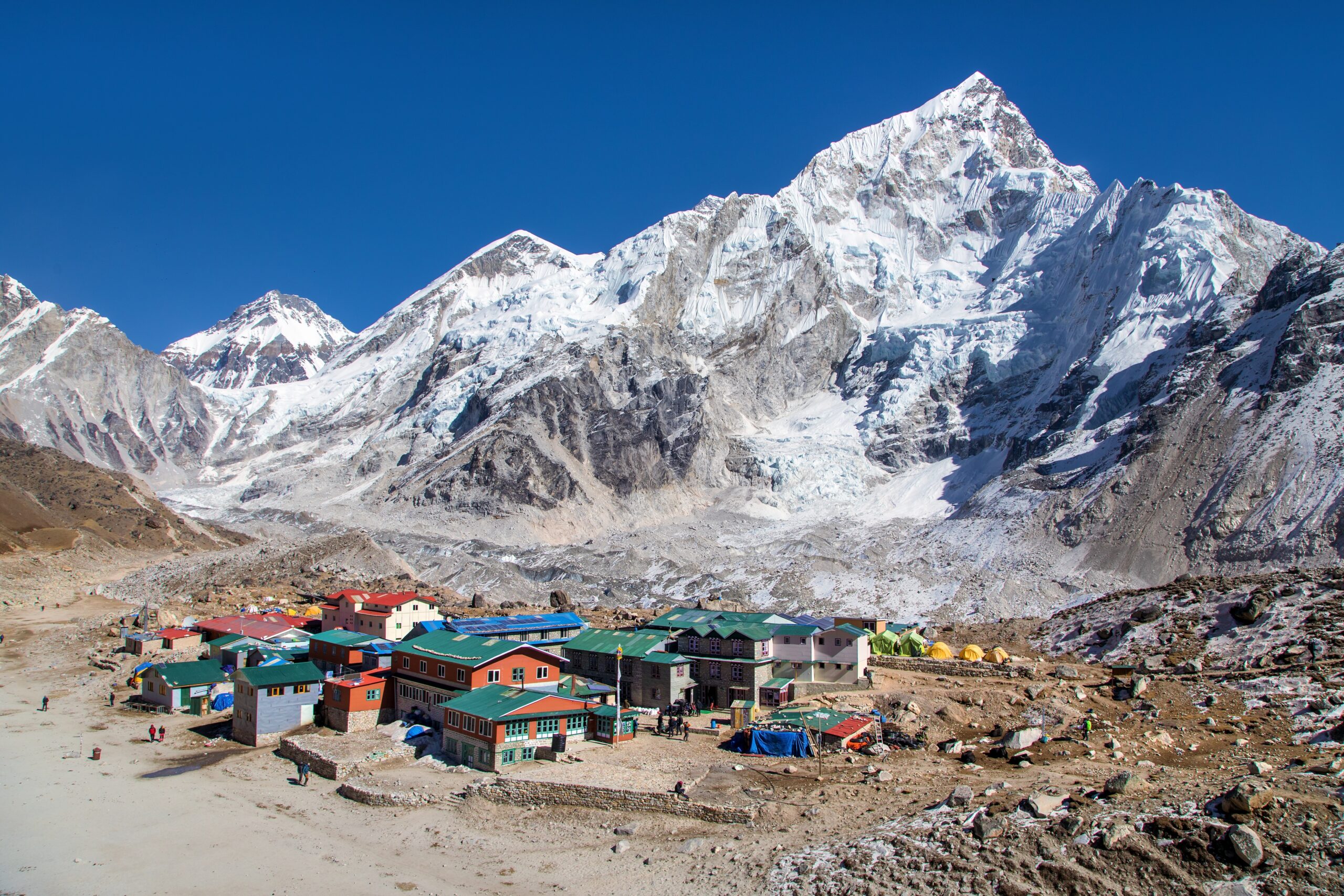
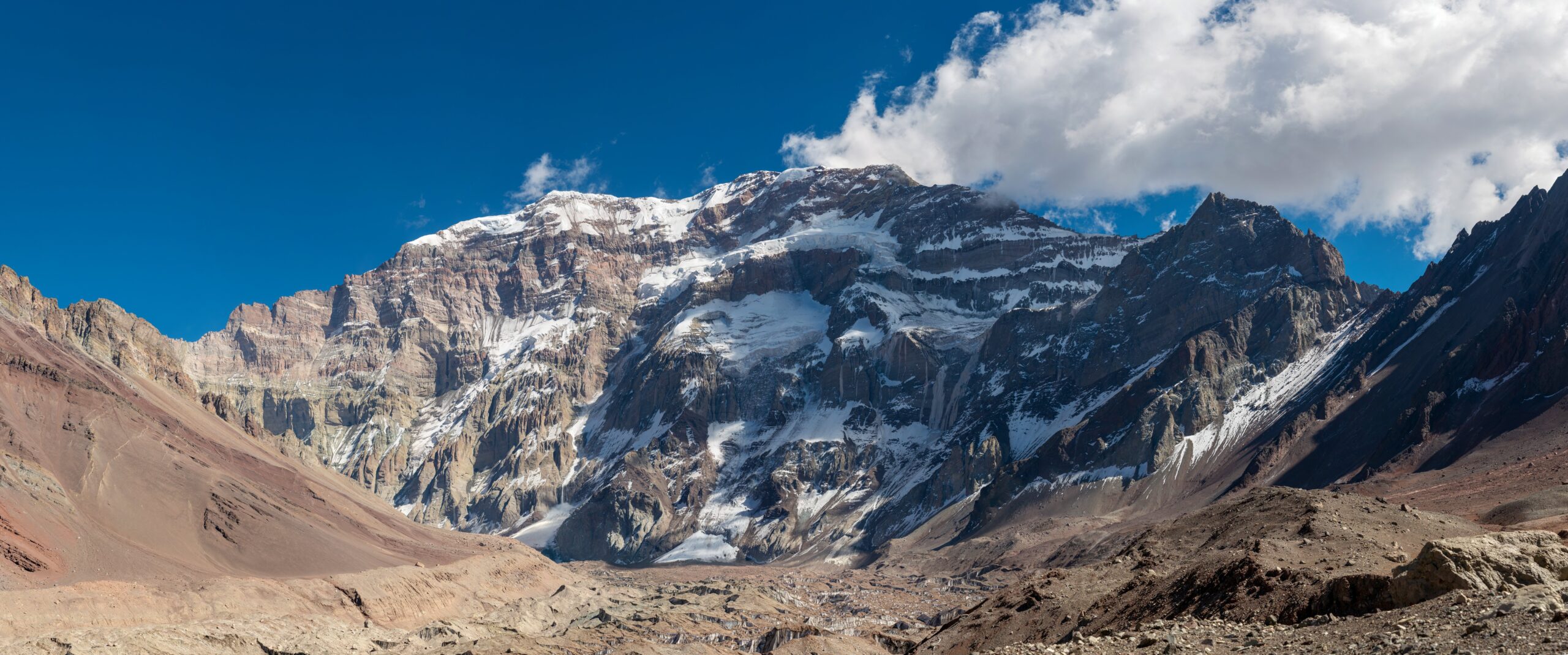
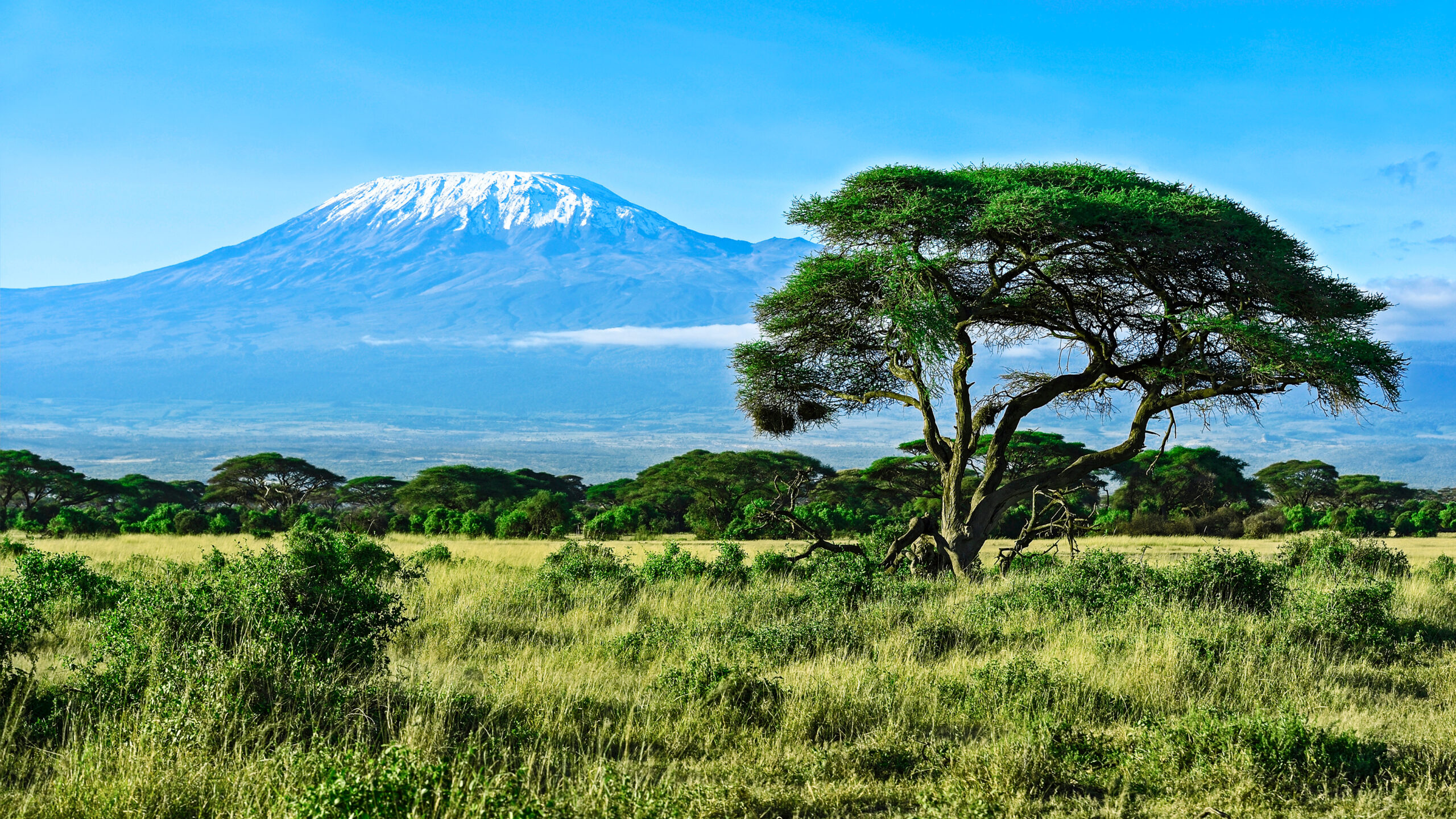
Different environments bring different mechanisms to the foreground. These images are illustrative mountain landscapes, not scenes of documented fatal incidents.

Why the way down deserves as much planning as the summit
In the Swiss Alpine high-altitude study, nearly two-thirds of fatal falls took place during descent. A 2026 analysis of Everest mortality from 1921–2024 reported that, for 2007–2024, 76.5% of climbers who died did so on summit day, while most deaths involving Sherpas (82.2%) occurred during route preparation. Neither figure means that 76.5% of all Everest climbers die on summit day.
The studies reinforce a practical point: time, turnaround decisions, declining reserves and task-specific exposure matter. They do not supply a simple universal risk probability for your descent.
Occurred on descent in one 2009–2021 alpine study.
Occurred on summit day in the 2007–2024 Everest study subgroup.
Occurred during route preparation in that study subgroup.
Sources: Swiss alpine emergency study discussed in the existing GSG article; Firth et al., Updates to mortality on Mount Everest: 1921–2024 (2026). Distinct denominators; do not compare as direct personal probabilities.
Turn the evidence into a safer planning process
- Match terrain to training. Assess glacier travel, movement on snow and ice, rock protection and navigation separately.
- Reserve time and energy for descent. Agree on turnaround criteria before an ascent and allow for weather delays.
- Acclimatize appropriately. Follow current professional guidance on sleeping altitude and response to symptoms; descend for worsening severe altitude illness.
- Understand objective hazards. Avalanche, icefall and rockfall exposure cannot be fully controlled through personal skill.
- Verify rescue plans. Account for location, communications, evacuation feasibility, and insurance limitations above 6,000m.
- Use current local judgment. Qualified guides, route reports and real-time conditions outweigh a historical average.
Educational planning only; not technical instruction, medical advice or a substitute for qualified guides and current forecasts.

Frequently asked questions
What causes the most deaths in mountaineering?
It depends on the dataset. In the Himalayan Database’s published cause report, avalanche and fall are the largest categories. In a separate Swiss high-altitude mountaineering study, falls accounted for 80.9% of fatal emergencies.
Are avalanches the number-one cause worldwide?
No trustworthy unified worldwide dataset establishes that. Avalanche is the largest coded category in the Himalayan Database report used here, not a global all-activity conclusion.
Why do so many climbing deaths happen on descent?
Fatigue, timing, deteriorating conditions and diminished attention can converge on descent. The proportion varies by study, population and altitude.
Does altitude sickness cause more deaths than falls?
Not in the Himalayan Database distribution shown here: AMS is coded separately at 10.4%, versus 29.1% for falls. But illness and hypoxia can contribute to incidents coded under other causes.
Are Sherpas exposed to different hazards?
Yes. Research on Everest identifies different exposure phases for hired high-altitude workers and clients, including significant route-preparation exposure for Sherpas.
Can percentages here predict my risk on a mountain?
No. These percentages describe types of recorded deaths, not deaths per attempt, day or person. Your risk depends on route, conditions, experience, support and other factors.
Methodology and sources
This guide separates numerical cause distributions from narrative accident mechanisms and never combines the Swiss alpine population with the Himalayan expedition population. Statistics reflect source-specific cutoffs, inclusion rules and the coding limitations of accident records.
- Himalayan Database — Causes of Death. Primary source for the 1,187-death chart and member/hired counts.
- Himalayan Database — Himalaya by the Numbers (1950–2024). Methodology and broader expedition statistics, published 2025.
- Firth et al., Updates to mortality on Mount Everest: 1921–2024, published April 2026. Distinct mortality and exposure phases for climbers and Sherpas.
- Existing Global Summit Guide review (October 2026) summarized a Swiss Alpine Club registry analysis of 303 fatal emergencies. Verify the underlying academic citation before modifying the Swiss percentages.
- CDC Yellow Book — High-Altitude Travel and Altitude Illness. Current medical context for altitude illness and descent.
Photo note: seven GSG-hosted mountain photographs are used as illustrative landscapes. They are not representations of specific fatal incidents. Publication checklist: confirm each media-library image loads in preview and has the indicated subject matter; check current database totals before periodic updates.
Understand the cause. Understand the context.
Climbing safety begins with honest evidence and decisions grounded in real conditions—not a single sensational statistic.