Last updated September 16, 2026

Climbing Mountains After 50: Training, Recovery & Safer Progression
Fifty is not a medical cutoff and it is not a climbing category. The useful shift is practical: keep your aerobic engine, defend strength, pay closer attention to recovery, choose objectives with margin, and make health decisions from symptoms and individual risk—not from age alone.
Can You Keep Climbing After 50?
Yes. Chronological age by itself does not tell you whether you are ready for a mountain. The variables that matter are current fitness, health status, technical skill, prior altitude response, training consistency, route difficulty, recovery and the margin built into the itinerary.
For most climbers after 50, the training priorities are familiar: aerobic endurance, strength, balance, mobility and mountain-specific uphill work. What changes is how deliberately you manage fatigue and how carefully you separate normal aging from symptoms that deserve medical evaluation.
After 50, the Fundamentals Stay the Same—but the Margin Matters More
Age-related changes are real, but individuals vary enormously. Training status can matter as much as the birthday on the calendar.
Protect the Engine
Maximal aerobic capacity tends to decline with age, but regular endurance training preserves far more capacity than inactivity. Keep a year-round aerobic base instead of trying to rebuild it only before a trip.
Defend What Mountains Use
Leg strength, hip stability, posterior-chain strength and the ability to control a tired descent all matter. Resistance training becomes increasingly valuable because muscle and power are easier to lose when they are not trained.
Measure It—Do Not Guess It From Age
Hard efforts may take longer to absorb, but there is no universal “over-50 recovery number.” Sleep, soreness, training history, altitude, illness and trip duration all change the answer.

The Five Training Priorities After 50
These are broad training principles. Your exact volume should reflect the objective, baseline fitness and how well you recover.
Aerobic Endurance
Use hiking, incline walking, cycling, rowing or running to build sustainable output. Public-health guidance for adults supports regular aerobic activity across the week; mountain preparation usually adds objective-specific uphill duration on top of that base.
Strength
Train major muscle groups at least twice weekly as a general baseline. For mountaineering, emphasize legs, hips, posterior chain, calves, trunk stability and upper-body pulling/pushing appropriate to the route.
Balance & Movement Quality
Balance work becomes increasingly useful as you age. Single-leg strength, controlled step-downs, uneven terrain and careful foot placement all transfer directly to mountain descents.
Mountain-Specific Load
Add uphill hiking with the footwear and pack appropriate to the objective. Progress pack weight gradually rather than turning every training hike into a heavy carry.
Recovery Capacity
Build enough spacing between hard sessions to absorb them. The goal is consistency across months, not proving you can survive one brutal week.
Train the Mountain, Not Your Age
A 53-year-old preparing for a long hiking peak needs a different plan from a 53-year-old preparing for Rainier, Aconcagua or Denali. Route demands should set the training emphasis.
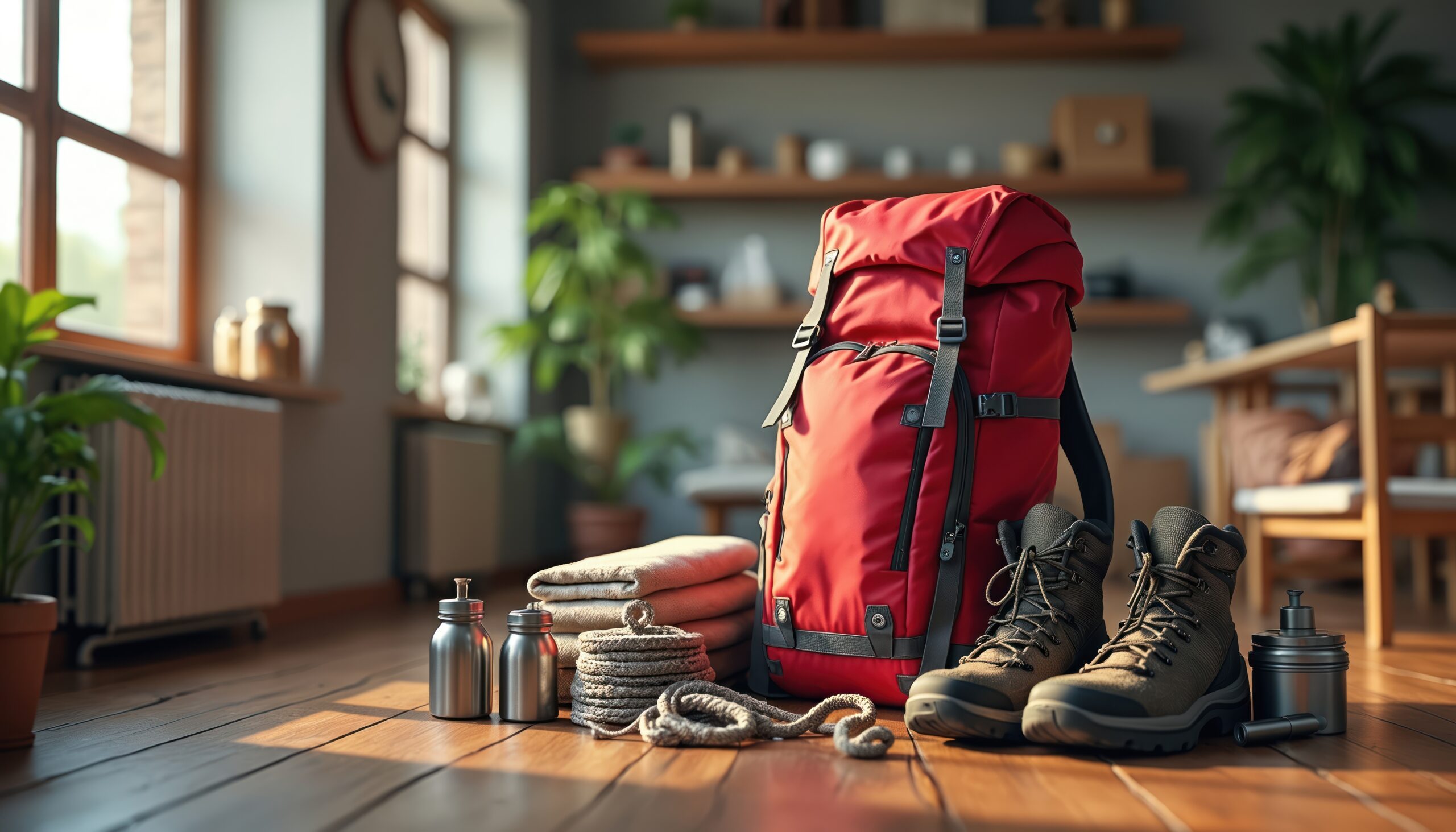
Do Not Replace Years of Consistency With One Heroic Training Block.
Mountain fitness after 50 benefits from the same thing that protects it at every age: repeatable weeks. Build volume gradually, keep strength in the plan year-round, and arrive healthy enough to use the fitness you built.
How Much Recovery Do You Need After 50?
There is no evidence-based rule that every climber over 50 needs 10–14 days after a big summit.
Look for Return to Normal Function
- Normal sleep and resting energy.
- Ordinary stairs and walking feel normal again.
- Muscle soreness has substantially resolved.
- Motivation and mood have returned to baseline.
- Easy training no longer feels unusually hard.
The Trip Matters More Than the Birthday
- Multi-day altitude exposure.
- Large eccentric load from long descents.
- Sleep loss and jet lag.
- Illness, dehydration or poor fueling.
- Back-to-back heavy carries or summit attempts.
Do You Need a Doctor or Stress Test Before a Big Mountain?
Age alone is not a universal indication for cardiac testing. The decision should be individualized.
Routine Testing Is Not Automatically Required
The American Heart Association states that healthy adults generally do not need to consult a healthcare professional before becoming physically active. Age by itself does not create a blanket stress-test rule.
Get Individualized Medical Advice
Chest discomfort, fainting, unexplained breathlessness, unusual palpitations, known cardiovascular disease, or significant medical conditions change the conversation. A clinician may recommend further evaluation or exercise testing.
Discuss the Actual Mountain
A sea-level gym program and a multi-week expedition at 6,000 meters are not the same exposure. Bring the route, altitude, cold, duration, medication list and expected exertion to the medical discussion.
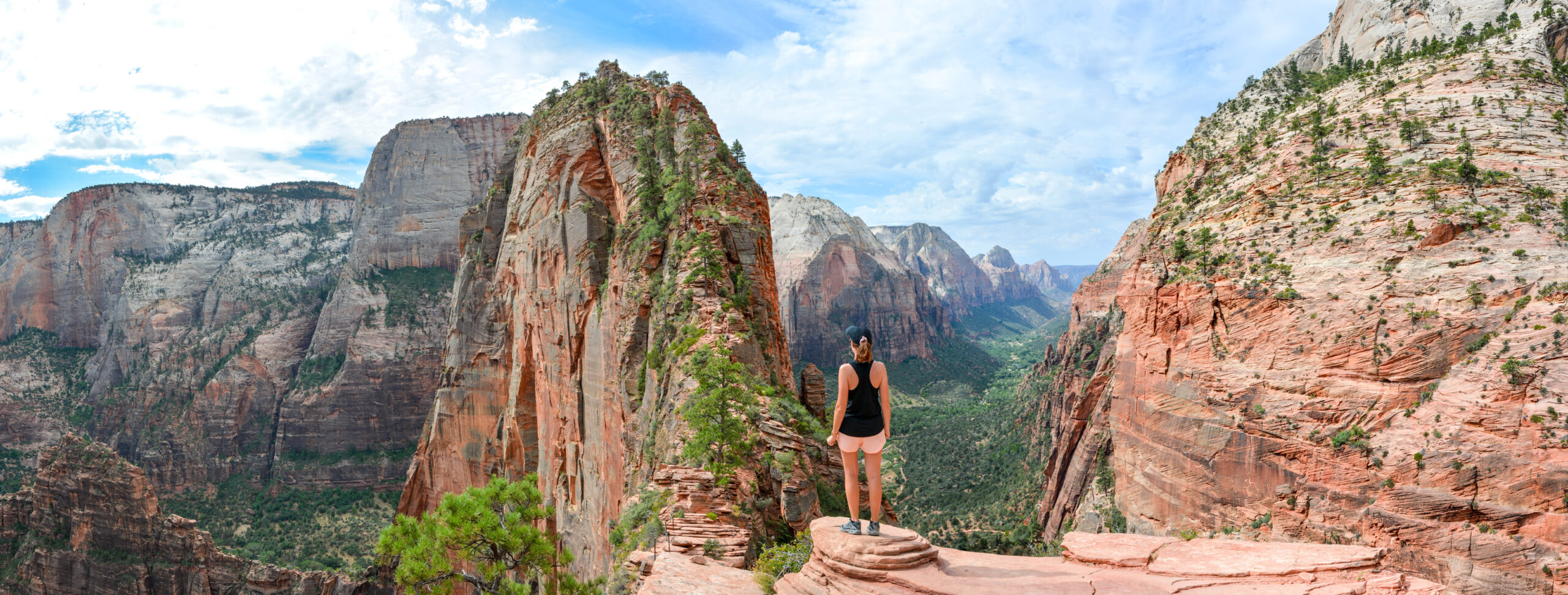
Do Older Climbers Need a Different Acclimatization Schedule?
Not simply because they are over 50. The best-supported variables are the ascent profile and the individual’s response.
Control the Sleeping-Altitude Gain
For travel above 3,000 m, Wilderness Medical Society guidance recommends limiting increases in sleeping elevation to no more than about 500 m per day and adding a rest day every 3–4 days. Gradual ascent remains the core prevention strategy.
Do Not Use Fitness or Age as a Shortcut
WMS teaching material emphasizes that acute mountain sickness is difficult to predict and that demographic features do not provide a reliable shortcut. Being very fit does not immunize you against altitude illness.
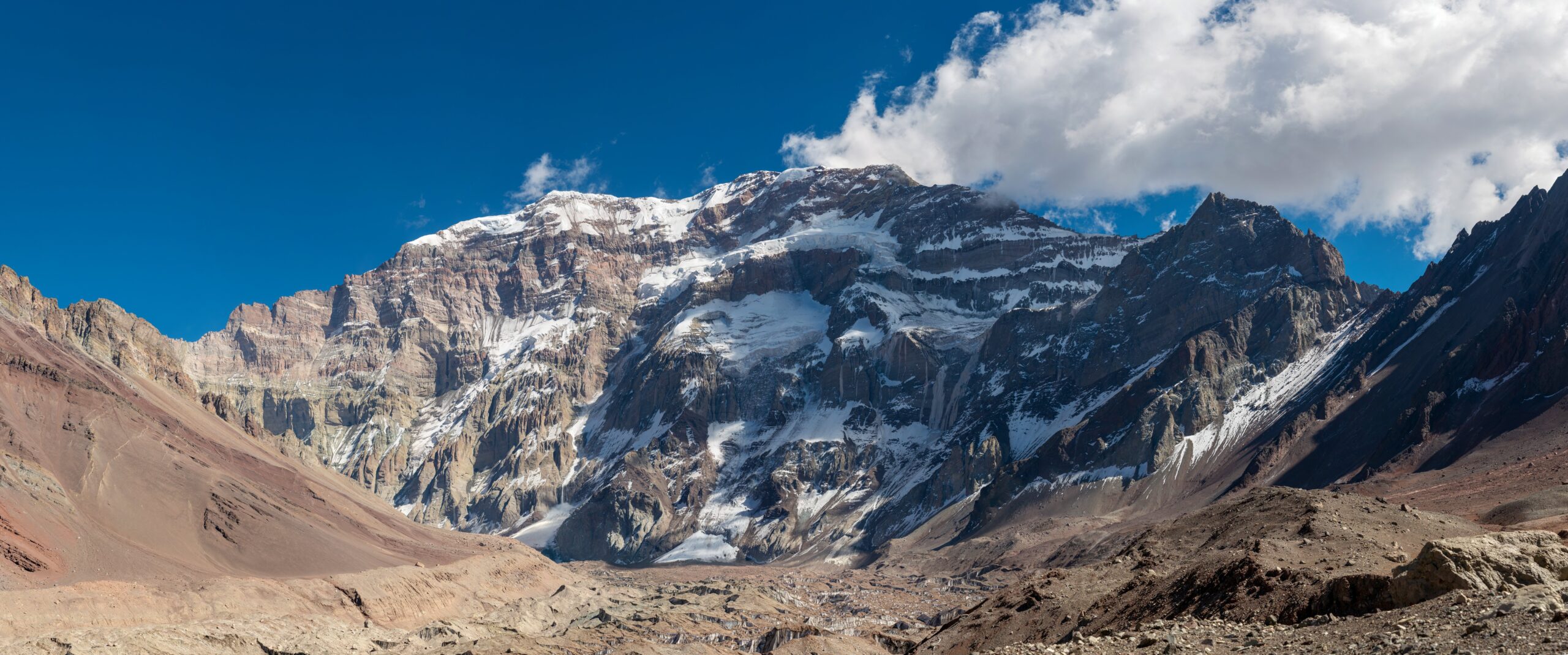
Sample Training Week for a Healthy, Experienced Hiker Over 50
This is an example structure, not a medical or individualized training prescription. Adjust volume and intensity to your objective and recovery.
Recovery / Easy Movement
Easy walk, mobility or complete rest depending on the weekend workload.
Strength
Major movement patterns: squat/step, hinge, calf, pull, push and trunk stability at an appropriate training load.
Aerobic Base
Comfortable sustained aerobic work such as incline walking, hiking, cycling or rowing.
Strength + Balance
Second strength session with single-leg work, controlled step-downs and balance/mobility appropriate to your needs.
Easy / Off
Protect the long mountain-specific session rather than carrying unnecessary fatigue into it.
Long Mountain-Specific Session
Hills, stairs or trail with gradually progressing duration, vertical gain, footwear and pack load.
Easy Aerobic or Rest
Use how you actually recovered from Saturday to decide whether light movement or full rest is the better training choice.
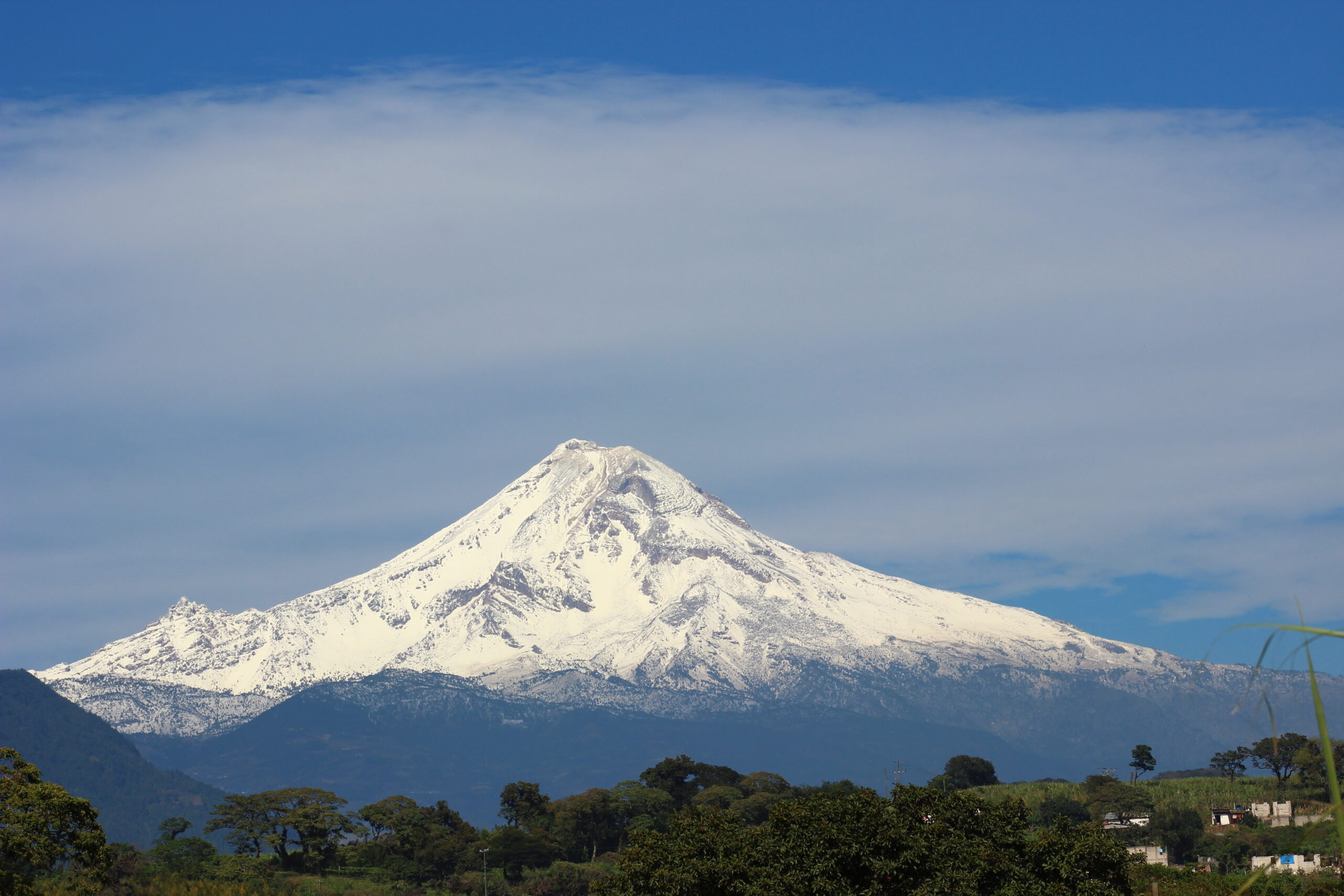
Your Next Mountain Should Be the One Your Current Skills Support.
A 50-year-old with years of glacier experience and strong fitness may be ready for a more technical objective than a 30-year-old beginner. Age changes the planning conversation; it does not replace the readiness conversation.
A Better Mountain Progression After 50
Progress by demonstrated capability: hiking endurance, altitude response, technical skills and recovery.
| Stage | What you are proving | Example objective type | Move up when… |
|---|---|---|---|
| 1 · Long hiking days | Durability, descent control, fueling and pacing | Local peaks, long day hikes, non-technical summits | You finish with enough margin to descend well and recover normally. |
| 2 · Bigger vertical / altitude | Longer duration and moderate altitude response | Whitney, Fuji, Toubkal or similar objectives | You can handle long uphill days without technical systems becoming the limiting factor. |
| 3 · High-altitude trekking peak | Multi-day pacing, altitude and repeated effort | Kilimanjaro or equivalent expedition-style trek | You tolerate multi-day effort and follow a conservative ascent schedule well. |
| 4 · Glacier mountaineering | Boots, crampons, rope-team movement and cold | Rainier, Baker, Cotopaxi with appropriate training/guiding | You have formal instruction and can execute systems under fatigue. |
| 5 · Expedition altitude | Weeks of accumulated fatigue, heavy loads and high camps | Aconcagua, Denali progression, higher expeditions | Your prior climbs prove the specific capability the next mountain will demand. |
Use the Right Guide for the Next Decision
This page owns the after-50 planning framework. Detailed fitness, altitude and mountain-specific decisions belong in their deeper guides.
Evidence & Safety Method
- CDC physical-activity guidance: regular aerobic activity plus muscle-strengthening activity at least two days per week; for adults 65+, balance/multicomponent activity becomes an explicit part of the weekly recommendation.
- American Heart Association: healthy adults generally do not need routine medical consultation before becoming physically active; stress testing is used for specific clinical questions and may be appropriate when symptoms, disease or risk justify it.
- Wilderness Medical Society 2024 altitude guidance: gradual ascent is the primary prevention strategy; above 3,000 m, sleeping elevation should generally increase no more than about 500 m/day with a rest day every 3–4 days.
- Global Summit Guide editorial approach: age-specific claims are kept conservative. Where evidence does not support a universal recovery interval, stress-test age cutoff or special acclimatization rule, this page does not invent one.
This material is educational and does not diagnose disease, prescribe an exercise program, or provide individual clearance for high altitude or strenuous activity.
Climbing Mountains After 50
The central rule is simple: use age as context, not as the readiness test.
Is 50 too old to start climbing mountains?
No. Current fitness, health, technical skills and route demands matter more than age alone. Start with an objective that matches your present capability and build from there.
How should training change after 50?
Keep aerobic endurance, strength and mountain-specific work. Give strength and recovery more deliberate attention, and add balance work as useful. Progress according to adaptation rather than forcing a fixed age-based volume.
Do I need a cardiac stress test because I am over 50?
Not automatically. Healthy asymptomatic adults generally do not need routine testing merely because of age. Symptoms, known disease, risk factors and the demands of the planned objective should guide a discussion with a qualified clinician.
How much longer should I recover after a summit?
There is no universal number. A hard local summit and a three-week high-altitude expedition create very different fatigue. Resume hard training when normal function and easy training have returned to baseline rather than following an arbitrary age cutoff.
Do older climbers get altitude sickness more easily?
Age alone is not a reliable predictor. WMS guidance emphasizes the ascent profile and individual variability. Prior altitude response can be informative, but no demographic feature guarantees who will or will not develop AMS.
What mountains are best after 50?
The best mountain is the one that matches your current evidence. Long non-technical peaks may be appropriate for strong hikers; glacier peaks require formal technical skills; high expeditions require proven altitude and multi-day durability. Choose by capability rather than a list labeled for a particular age.
Train So You Can Still Want the Mountains Ten Years From Now.
The goal after 50 is not to prove that age does not matter. It is to use experience well: train consistently, recover intelligently, evaluate health questions individually, and choose mountains that leave enough margin to keep building.
Was this helpful?
Global Summit Guide is an independent mountaineering resource founded in 2026. The team combines first-hand trekking and climbing experience with in-depth research and professional health and nutrition review to help climbers choose objectives, prepare properly, and stay safe.
Health, altitude, and nutrition content is reviewed by Taylor Ludlow (Registered Nurse) and Brigg Hoopes (Nutritionist).
What We Don't Know Yet
Mountain information changes quickly. This box explains the limits of what this page can responsibly promise.
- Fitness and altitude response vary by person; no guide, itinerary, or training plan can guarantee acclimatization or summit success.
- Visa, passport, vaccination, border, insurance, and local transportation rules may change before your trip.
- Route conditions, snowpack, closures, and weather can change quickly after this page is updated.
- Permit rules, fees, quotas, and reservation windows may change between review cycles.
- Operator availability, pricing, guide ratios, and cancellation terms can change by season.
Verify current conditions with official land managers, guide services, local forecasts, and current route reports before booking or climbing.
Mountaineering, rock and ice climbing, glacier travel, and high-altitude activity are inherently dangerous and can result in serious injury or death. The information on Global Summit Guide is provided for general informational and educational purposes only and is not a substitute for professional instruction, qualified guiding, proper equipment, or your own judgment and experience.
Route conditions, weather, snowpack, permits, regulations, and hazards change constantly and may differ from what is described here. Details may be incomplete, out of date, or contain errors. Always verify current information with local authorities, certified guides, and official sources before making any decision in the mountains.
Nothing on this site is medical, legal, or financial advice. Our fitness, acclimatization, altitude, and nutrition content is general in nature; consult a qualified physician before beginning any strenuous exercise program or exposing yourself to high altitude.
You are solely responsible for your own safety and decisions. To the fullest extent permitted by law, Global Summit Guide and its team accept no liability for any loss, injury, damage, or expense arising from use of, or reliance on, this information. By using this site you acknowledge these risks and accept these terms.
Some links on this site may be affiliate links. If you buy through them we may earn a small commission at no extra cost to you; this never affects our recommendations.
Global Summit Guide recommendation path
Next Best Mountain to Research
Use these recommendations to continue the right planning path instead of stopping on one page.
Use current permit, weather, route, and operator information before booking or climbing.