web analytics

Tag: climbing deaths

  • Why Are Bodies Left on Everest? Recovery, Risk & Cost

    Mount Everest above the Khumbu region in Nepal
    HomeEverest Disasters › Why Bodies Are Left on Everest
    Everest fatalities · recovery · Death Zone · respect

    Why Are Bodies Left on Everest? Recovery Can Risk More Lives

    Bodies are sometimes left on Mount Everest because recovering someone from extreme altitude can require another team to spend hours or days in the same lethal terrain. Remains may be frozen into the mountain, weather may make movement impossible, helicopters cannot simply collect someone from the upper route, and every recovery decision must weigh dignity against the risk of causing another death.

    Everest · Vyacheslav Argenberg / Wikimedia Commons · CC BY 4.0
    339 Deaths through 2025
    +5 Reported in 2026
    200+ Widely reported remains*
    8,000 m Death Zone threshold
    Days Possible recovery time
    Risk first Recovery decision
    The direct answer

    Bodies remain on Everest because a recovery can endanger the people sent to bring them home.

    Above 8,000 metres, a recovery worker is operating in the Death Zone: severe hypoxia, cold, wind and exhaustion are already degrading physical strength and judgment. Moving a frozen human body through steep fixed-rope terrain can turn a difficult climb into a prolonged technical operation.

    Some remains are buried in snow or glacier ice. Others lie well away from a practical route. Weather may close the window before a team can reach them. A recovery may require additional Sherpa climbers, bottled oxygen, ropes, hauling equipment and several days of coordinated work.

    The decision not to retrieve someone is therefore not evidence that the person has been forgotten. Sometimes leaving the remains in place is the decision that exposes the fewest additional people to fatal risk.

    • Altitude: rescuers may be working above 8,000 m.
    • Weight: frozen remains and equipment are extremely difficult to move.
    • Terrain: steep snow, rock, ice and fixed ropes complicate lowering.
    • Weather: wind and cold can stop a recovery completely.
    • Access: the upper mountain is not routinely helicopter-accessible.
    • Decision: family wishes matter, but safety and feasibility can override intent.

    This page does not treat human remains as Everest attractions.

    Some Everest remains have historically acquired nicknames or been described as route landmarks. Global Summit Guide does not publish a sightseeing catalogue or pretend there is a reliable current map of bodies. Positions change, remains are buried or exposed, some are moved, and some are recovered. The people who died deserve more than becoming navigation trivia.

    Start with the number carefully

    How Many Bodies Are Still on Mount Everest?

    The familiar “200+” answer is useful only when it is presented as an estimate rather than an audited current inventory.

    Widely reported estimate 200+ Not an exact verified count.

    There is no trustworthy live body count.

    Global Summit Guide’s closed historical series records 339 Everest fatalities through December 2025, with five additional deaths reported in spring 2026. That tells us how many people died—not how many remains are currently visible or unrecovered.

    The widely reported estimate that more than 200 bodies remain on Everest has been repeated for years, but no expedition physically inventories the entire mountain.

    Snow can bury remains. Wind can uncover them. Glacier movement can carry them far from the original accident site. Teams sometimes move remains away from the climbing line, and organized recovery missions periodically remove others.

    That is why our Everest Death Map maps verified fatality zones rather than pretending to know the exact present-day location of every person’s remains.

    Mount Everest and the north-side base camp
    Everest Base Camp illustrates the enormous vertical distance between normal transport infrastructure and the upper mountain / Wikimedia Commons .
    The real reasons

    Why Everest Recovery Is So Difficult

    Cost matters, but money is only one part of the answer. The limiting factors are often physiological and operational.

    01 · Hypoxia

    The Recovery Team Is Also in the Death Zone

    Above 8,000 m, oxygen availability is so limited that strength, judgment, coordination and the body’s ability to recover are all compromised. Recovery workers do not become immune to that environment because they are there to help someone else.

    02 · Frozen remains

    A Person May Be Fixed Into the Mountain

    Remains can freeze into snow or ice together with clothing and equipment. Before anything can be lowered, a recovery team may first have to spend hours excavating and freeing the person.

    03 · Movement

    Descending Is Harder Than Carrying a Pack

    A rigid load cannot climb, balance, clip through anchors or assist with rope changes. Every steep section must be managed by other climbers using ropes, sleds, lowering systems or coordinated manual movement.

    04 · Weather

    A Recovery Needs Its Own Weather Window

    Wind, snow and extreme cold that might already challenge an ordinary descent can make prolonged stationary recovery work unacceptable. Teams sometimes have to wait—or abandon the operation.

    05 · Aircraft

    The Upper Route Is Not a Helicopter Pickup Zone

    Helicopters are enormously useful around the lower Everest system, but the upper route cannot be treated as routinely accessible by aircraft. High recoveries still require climbers to move remains down to terrain from which onward evacuation becomes practical.

    06 · Exposure

    Every Extra Hour Creates New Risk

    A summit climber tries to minimize time high on Everest. A recovery may require workers to stop, dig, secure ropes, reposition a load and make repeated carries—the opposite of reducing Death Zone exposure.

    Climbers crossing crevasse ladders in the Khumbu Icefall on Everest
    Even far below the Death Zone, Everest’s route can require crevasse crossings and complex fixed-rope movement. AngeliSherpa / Wikimedia Commons · CC BY-SA 4.0.
    Location changes everything

    Not Every Everest Recovery Is the Same

    “Recovering a body from Everest” can mean very different operations depending on whether the person is near Base Camp or close to the summit.

    Approximate ZoneTypical ProblemRecovery DifficultyAircraft RoleMain Risk to TeamPlanning Reality
    Base Camp / lower approach Altitude remains serious, but access is comparatively organized. Lower relative to the climbing route. Helicopter evacuation is much more realistic when weather permits. Altitude, weather and landing conditions. Recovery may be achievable without exposing a specialist team to the upper mountain.
    Khumbu Icefall / Camp I Crevasses, seracs, ladders and constantly moving glacier terrain. High. Aircraft cannot replace the difficult Icefall extraction itself. Ice collapse, crevasse fall and repeated route exposure. A recovery team may have to perform the same technical movements as an expedition while controlling an immobile load.
    Camp II / Western Cwm Long glacier travel and altitude. High, but substantially different from the Death Zone. Specialized helicopter operations have supported rescues in this general altitude system, depending heavily on conditions and capability. Altitude, glacier hazards and aircraft limitations. Location and weather determine whether air support can shorten part of the operation.
    Lhotse Face / Camp III Steep fixed ropes and hard snow/ice. Very high. Do not plan on direct upper-face helicopter retrieval. Falls, altitude, fixed-line congestion and load control. The team must first lower the person through steep terrain.
    South Col / Camp IV Approximately 8,000 m, high wind and extreme hypoxia. Extreme. Manual lowering is the practical starting point. Death Zone exposure, frostbite, exhaustion and weather. Even apparently open terrain can require a major specialist operation.
    Upper summit route Narrow ridge, fixed ropes, steep traverses and maximal altitude. Extreme to potentially unjustifiable. Not routine helicopter-accessible terrain. Every member of the recovery team is exposed to severe hypoxia and the consequences of a mistake. Safety may make leaving the remains in place the only responsible option.
    Mount Everest and the South Col from the Nepal side
    The South Col sits at roughly the threshold of the Death Zone / Wikimedia Commons .
    Close view of Mount Everest showing the South Summit and upper route
    Everest’s upper southeast route includes the Yellow Band, South Summit and exposed summit ridge. Goutam1962 / Wikimedia Commons · CC BY-SA 4.0.
    Recovery is another expedition

    What Does It Take to Bring Someone Down?

    There is no universal procedure, but a difficult high-altitude recovery can require many of the same resources as a summit expedition—plus a complex lowering operation.

    01

    Confirm location and feasibility.

    Teams need the best possible description of where the person is, the terrain surrounding them, current route condition and whether reaching the site is realistic.

    02

    Choose an experienced recovery team.

    This is high-altitude technical work. It may require multiple strong Sherpa climbers or other specialist mountaineers who are already acclimatized and capable of operating efficiently at extreme altitude.

    03

    Build oxygen and weather margin.

    Extra oxygen, regulators, masks and contingency supplies are required for the workers—not only for the person being recovered. The operation must fit inside a defensible weather window.

    04

    Free and package the remains.

    If frozen into snow or ice, excavation may be the longest part of the operation. The team must then secure the person so the load can be lowered without creating an uncontrolled fall.

    05

    Lower through technical terrain.

    Anchors, fixed ropes, snow slopes, rock steps and crevasses all become more complicated when the load cannot move independently.

    06

    Transfer to lower-mountain transport.

    Only after the recovery team reaches suitable lower terrain can helicopters or other transport potentially remove the remaining burden from the climbing team.

    07

    Complete legal and family procedures.

    Identification, jurisdiction, operator coordination and the family’s wishes all become part of what happens after the person has been safely brought off the mountain.

    Cost is a consequence of complexity

    How Much Does an Everest Body Recovery Cost?

    There is no fixed Everest recovery price. Location, labor, weather, oxygen, technical difficulty and transport can move the cost dramatically.

    Use estimates carefully

    Tens of thousands of dollars—and sometimes much more.

    Reporting from the Nepal government’s 2024 high-altitude recovery work cited estimates around $75,000–$80,000 for a difficult upper-mountain recovery. Other operations can cost less or more.

    The number is not a tariff. It reflects the fact that a recovery may need a specialist team, supplemental oxygen, extra Sherpa days, ropes, hauling equipment, expedition logistics, permits, communications and helicopter transport once lower terrain is reached.

    The higher and more technically difficult the location, the less useful a generic price estimate becomes.

    • Specialist high-altitude labor
    • Supplemental oxygen
    • Additional expedition days
    • Ropes and lowering systems
    • Weather delays
    • Helicopter / lower transport
    • Permit and coordination costs
    • Contingency for a failed first attempt
    What a real recovery campaign looks like

    The 2024 Nepal Cleanup & Recovery Operation

    Nepal’s government-funded mountain-cleaning campaign provides one of the clearest modern examples of how much work is involved. Soldiers and Sherpa climbers worked in the Everest-Lhotse-Nuptse area during the spring season, combining environmental cleanup with recovery of human remains.

    Waste removed 11 metric tons

    Frozen tents, equipment, packaging, oxygen containers and other debris were removed from the high mountain system.

    Human remains 4 bodies + 1 skeleton

    Remains were recovered during the broader government campaign.

    Duration 55-day campaign

    The operation illustrates why mountain recovery is not a quick detour during a normal summit expedition.

    After recovery Legal processing

    Nepalese reporting says the recovered remains were transferred to Tribhuvan University Teaching Hospital after required procedures.

    Recovery should never create the next fatality.

    That is the central principle. There may be strong emotional, cultural and family reasons to bring someone home. But no recovery target justifies turning an unsafe operation into another casualty event. Conditions can force even a well-funded, carefully planned team to stop.

    Climber standing on the summit of Mount Everest
    The summit is the destination, but most teams still face hours of dangerous descent afterward. Alfonso.mnr / Wikimedia Commons .
    An important distinction

    Rescue and Recovery Are Not the Same Decision

    Internet discussions about Everest often treat them as the same problem. Operationally and ethically, they are very different.

    SituationPrimary GoalTime PressureRisk DecisionWhat May Happen
    Climber alive and able to move Assisted descent. Immediate. Balance urgency against rescuer exposure. Guides, teammates and rescue resources work to get the person to progressively safer terrain.
    Climber alive but incapacitated Rescue if reasonably possible. Extreme. Rescuers may face enormous physical demands moving someone who cannot assist. Oxygen, lowering, carrying and helicopter support at lower altitude may all be considered.
    Death confirmed Recovery rather than life-saving rescue. Different; no longer a medical race against time. The acceptable risk threshold changes because another life cannot be saved by rushing. The body may be secured, moved away from traffic, recovered later or left where it is.
    Location currently unsafe Protect living team members. Wait for better conditions if recovery remains desirable. Safety overrides schedule. A later-season or future-year operation may be considered—or recovery may never become defensible.
    Who makes the decision?

    Families Matter—but They Do Not Control the Mountain

    A family’s preference is central to the human side of recovery, but it cannot guarantee that an operation will be physically possible.

    Family

    What Would Their Loved Ones Want?

    Some families desperately want a recovery. Others may accept the mountain as the person’s resting place. Neither choice should be reduced to a simple assumption about what all climbing families want.

    Recovery team

    Can It Be Done Without Unreasonable Risk?

    The climbers who would conduct the recovery need the ability to say that conditions, terrain or exposure make the operation unacceptable.

    Operator

    What Resources Exist?

    Logistics, staffing, oxygen, communications, insurance and route access can determine whether an operator is even capable of organizing recovery.

    Authorities

    Which Side of Everest?

    Everest spans Nepal and Tibet, so permits, jurisdiction and access differ depending on where the death occurred.

    Weather

    What Does the Mountain Allow?

    A family’s request and a fully funded team still cannot make dangerous wind, avalanche exposure or unstable terrain disappear.

    Time

    Recovery May Be Delayed for Years

    Snow, ice or access may prevent immediate recovery. Later changes can expose remains that were previously unreachable or hidden.

    Scott Fischer memorial near Dughla on the Everest Base Camp trail
    Scott Fischer memorial near Dughla, below Everest Base Camp. Samuel Saidel Goley / Wikimedia Commons · CC BY-SA 4.0.
    Remember people, not landmarks

    A Body on Everest Is Still Someone’s Family Member

    Online fascination with Everest sometimes turns remains into part of the mountain’s mythology. Famous nicknames, photographs and supposed body maps can erase the person behind the story.

    Each death involves a family, teammates, guides, high-altitude workers and people who may have tried to save or recover that climber.

    Everest memorial culture below the mountain tells the story differently. Chortens, plaques and prayer flags remember individual lives without requiring visitors to view the place where someone died.

    That is the approach this site follows: use fatality data to understand risk, routes and history—not to turn human remains into spectacle.

    Two sides, different logistics

    Do Bodies Remain on Both Sides of Everest?

    Yes. Fatalities have occurred on both the Nepal Southeast Ridge and Tibet Northeast Ridge systems, but recovery access differs.

    The route matters

    Nepal and Tibet create different recovery problems.

    Nepal’s South Col route has the larger historical raw fatality total because it has also carried much more climbing traffic. Its support chain includes the Khumbu Icefall, Western Cwm, Lhotse Face and South Col.

    Tibet’s Northeast Ridge avoids the Khumbu Icefall but places climbers on a colder, highly exposed upper ridge with the First, Second and Third Steps. Political access and permits can also determine whether a specialist recovery mission is possible at all.

    There is therefore no single Everest recovery formula. Exact location can matter as much as altitude.

    • Nepal: Khumbu Icefall → Cwm → Lhotse Face → South Col.
    • Tibet: East Rongbuk → North Col → Northeast Ridge.
    • Both: Death Zone recovery can be extraordinarily difficult.
    • Jurisdiction: permits and access are side-specific.
    North Face of Mount Everest from Tibet
    Everest’s North Face and Northeast Ridge illustrate why Tibet-side recoveries have their own terrain and access constraints / Wikimedia Commons .
    Common misconceptions

    What People Get Wrong About Bodies on Everest

    Search results often repeat dramatic claims long after the underlying situation has changed.

    ClaimBetter AnswerWhy
    “There are exactly 200 bodies on Everest.” 200+ is a widely reported estimate, not a verified current inventory. Bodies may be buried, exposed, moved by glacier ice, relocated or recovered.
    “Nobody bothers recovering people because it costs too much.” Cost matters, but risk and feasibility are often the decisive limits. Spending more money cannot remove hypoxia, weather or dangerous terrain.
    “A helicopter can just fly up and get them.” Upper Everest cannot be treated as a routine helicopter pickup zone. Extreme altitude sharply limits practical aircraft operations, so climbers must usually move remains to lower terrain first.
    “All bodies are visible beside the route.” No. Many are buried, remote, hidden, relocated or no longer present. Everest is dynamic snow, ice and rock terrain—not a static museum.
    “Bodies never decompose on Everest.” Extreme cold can slow decomposition but does not freeze time permanently. Solar radiation, freeze-thaw cycles, wind, snow, ice and glacier movement continually alter remains and equipment.
    “Every family wants the body brought home.” Families make different choices. Culture, cost, wishes of the deceased and concern for recovery-team safety all influence decisions.
    “Bodies are intentionally left as trail markers.” That framing reverses cause and effect. Some visible remains historically became reference points because recovery was difficult—not because someone deliberately placed a person there for navigation.
    Source hierarchy

    How We Verify Everest Death & Recovery Claims

    We separate documented fatalities from estimates of unrecovered remains. Historical death totals come from the Himalayan Database-derived Global Summit Guide dataset. Recovery logistics are cross-checked against government campaigns and reporting from teams that actually performed high-altitude recoveries.

    Himalayan Database

    Expedition, accident and fatality records covering Everest and other major Nepal Himalayan peaks.

    Open Himalayan Database →

    Everest Death Map

    Global Summit Guide’s closed 1922–2025 dataset, provisional 2026 deaths, route geography and explanation of the 200+ body estimate.

    Open the Death Map →

    Associated Press · 2024 Cleanup

    Reporting from Nepal’s government-funded Everest cleanup operation: 11 tons of waste, four bodies and a skeleton removed during the campaign.

    Read AP via PBS →

    Outside · Recovery Teams

    Interviews with specialist high-altitude recovery workers describing weather limits, manpower, frozen remains and multi-day lowering operations.

    Read recovery reporting →

    Everest Master Guide

    Current South Col and North Ridge route structure, 2026 access, camps and expedition logistics.

    Open Everest Guide →

    Editorial Standard

    We do not assign exact current body coordinates without authoritative evidence and do not republish graphic images merely because they generate clicks.

    Everest deaths, disasters & safety cluster

    Understand the People, Places and Risks Behind the Question

    This page explains why recovery may not happen. The pages below own the broader fatality data, disaster history, routes and modern expedition decisions.

    Direct answers

    Bodies on Everest FAQ

    Straight answers without sensationalizing the people who died.
    Why are bodies left on Mount Everest?
    Recovering someone from high on Everest can put additional climbers at severe risk. Above 8,000 metres, recovery teams face extreme hypoxia, cold, wind and exhaustion while trying to free and lower an immobile, often frozen load through technical terrain. Some recoveries are therefore delayed or judged too dangerous to attempt.
    How many bodies are left on Everest?
    More than 200 is the widely reported estimate, but there is no verified live inventory. Global Summit Guide records 339 historical Everest fatalities through 2025 plus five reported deaths in spring 2026. Bodies may be recovered, relocated, buried in snow, hidden by glacier movement or exposed years later, so the number remaining cannot be audited precisely.
    Why can’t helicopters simply recover bodies from Everest?
    Helicopters are crucial in the lower Everest rescue system, but thin air, wind, terrain and aircraft-performance limits mean the upper mountain cannot be treated as a routine helicopter pickup zone. High-altitude remains generally have to be moved manually to considerably lower terrain before air transport becomes a practical part of the operation.
    How much does it cost to bring a body down from Everest?
    There is no fixed price. Recent specialist reporting has cited difficult upper-mountain recoveries in roughly the $75,000–$80,000 range, while other operations can be lower or substantially higher. Altitude, exact location, weather, oxygen, manpower, days required and transport determine the actual cost.
    Are bodies on Everest frozen permanently?
    Extreme cold can preserve remains for long periods, but “permanently frozen” is too simple. Sun, wind, snowfall, ice movement, freeze-thaw cycles and glacier flow can bury, expose, move and alter remains over time.
    Do climbers really pass bodies on Everest?
    Some remains have historically been visible near climbing routes, particularly high on the mountain, so climbers have sometimes passed them. But there is no reliable current body map. Some formerly visible remains have been moved, covered by snow or ice, or recovered.
    Are dead climbers intentionally used as trail markers?
    No one should interpret the history that way. Certain visible remains became informal reference points because they happened to lie near a climbing route and were difficult to recover. They were not deliberately placed there to mark the trail.
    Who decides whether a body is recovered?
    There is no single universal process. Family wishes, expedition operators, high-altitude recovery specialists, insurance arrangements, local authorities, permits, route access, weather and the safety of the recovery team can all affect the decision. A family’s desire for recovery cannot make an unsafe mission safe.
    Can a body be recovered years later?
    Yes. Conditions can change. Snow and glacier movement may expose remains that were previously buried or inaccessible, and governments or specialist teams sometimes organize later recoveries. Other remains may never become safely recoverable.
    What happens when a climber dies in the Death Zone?
    The immediate priority is the safety of the living. If death is confirmed, the situation changes from rescue to recovery. Teammates may secure or move the person if doing so is reasonably safe, but a full recovery can require a separate specialist operation after the summit period or during a later weather window.
    Why doesn’t Everest remove every body?
    Because Everest is not a normal workplace where retrieval equipment can simply be driven or flown to the scene. Some remains are in terrain where the number of additional people, hours of Death Zone exposure and technical difficulty required to recover them would create an unacceptable new risk. Nepal has nevertheless supported organized recovery campaigns when the location and conditions make them feasible.

    Was this helpful?

    Yes
    No
    Thanks for your feedback!
  • Most Dangerous Mountain in the World? Annapurna Leads Top 10

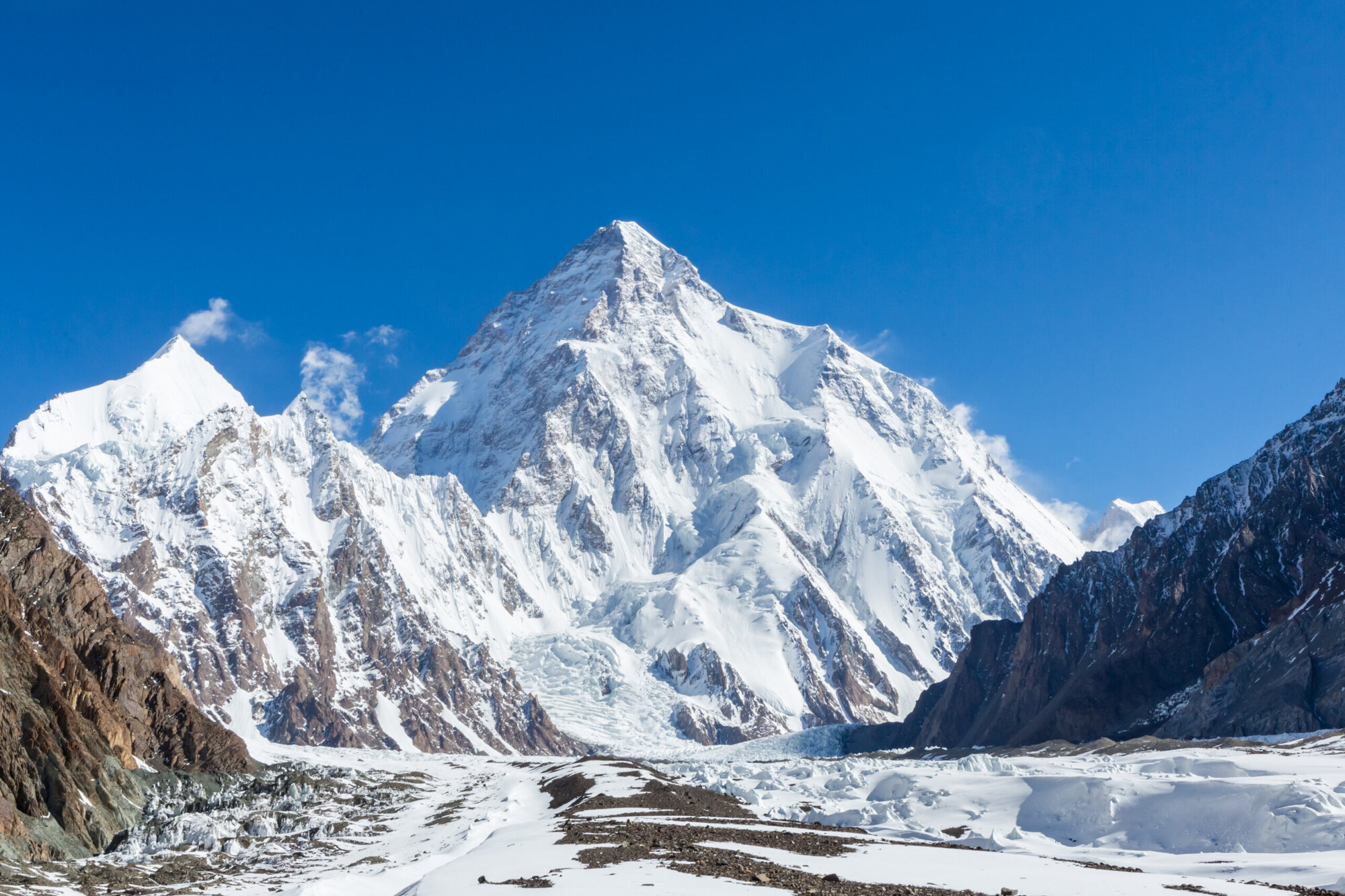
    K2 in the Karakoram representing the world's most dangerous mountains and high-altitude climbing risk
    Danger ranking · current ratios · historical risk · total toll · objective hazard

    Most Dangerous Mountains in the World: Annapurna, K2 & the Top 10 Ranked

    Annapurna I is the clearest answer when “most dangerous” means a high published death-to-ascent ratio among major Himalayan peaks. Guinness World Records currently lists Annapurna at 13.42%, narrowly ahead of Dhaulagiri at 13.01%. K2 remains the strongest overlap of extreme technical difficulty and severe objective hazard, with Global Summit Guide’s closed-through-2025 death-to-summit ratio at 9.54%.

    Current & historic figures separated Same-source Nepal table included Death rate ≠ personal odds Danger ≠ technical difficulty

    Reviewed August 15, 2026 · Annapurna/Dhaulagiri current comparison anchored to Guinness/Himalayan Database · K2 dataset closed through 2025

    13.42%Annapurna published ratio
    13.01%Dhaulagiri published ratio
    9.54%K2 GSG 2025 ratio
    K2Hardest + dangerous overlap
    4 metricsDefine “most dangerous”
    By Travis Ludlow · Founder & Head of Research
    Safety/data ranking · Percentages are descriptive ratios, not personal probabilities
    Snippet-ready answer

    What is the most dangerous mountain in the world?

    If “most dangerous” means the highest newer published death-to-ascent ratio among the major Nepal Himalayan 8,000ers, Annapurna I leads at 13.42%: 75 fatalities from 559 recorded ascents in the current Guinness World Records entry. Dhaulagiri is almost tied at 13.01%.

    If “most dangerous” means the mountain that best combines technical difficulty, extreme altitude, objective hazard, weak rescue margin and a high cumulative fatality ratio, K2 is the stronger answer. Global Summit Guide’s closed-through-2025 K2 compilation gives 92 deaths / 964 summits = 9.54%.

    • Highest newer published Nepal-Himalaya ratio: Annapurna I — 13.42%.
    • Very close second in same dataset: Dhaulagiri I — 13.01%.
    • Danger + technical difficulty: K2.
    • Largest broad historical toll: Mont Blanc is frequently cited, but exact all-history counts are uncertain.
    • Highest traffic among 8,000ers: Everest, which changes the meaning of absolute deaths vs percentage risk.
    Do not read these percentages as “your chance of dying.” Death-to-ascent and death-to-summit ratios divide recorded fatalities by recorded successful ascents or summits. They do not include every climber who turned around or failed to summit, so they are not per-attempt probabilities.
    One phrase, four different rankings

    What Does “Most Dangerous Mountain” Mean?

    A mountain can lead one metric and rank far lower on another. The definition has to come before the ranking.

    01

    Death-to-Ascent / Summit Ratio

    Fatalities divided by recorded successful ascents or summits. Useful for historical severity relative to summit volume, but not personal attempt probability.

    02

    Absolute Death Toll

    Total recorded fatalities. High-volume mountains can accumulate a large toll despite a lower percentage ratio.

    03

    Objective Hazard

    Avalanche, serac collapse, rockfall, storms and terrain exposure that climbers cannot completely control.

    04

    Technical + Rescue Severity

    Steep climbing, altitude, commitment, difficult retreat, weak rescue capacity and thin infrastructure stacked together.

    This page owns the ranking question—not the complete database.

    For the full cross-mountain statistical framework, denominators, methods and larger comparison table, use Death Rates by Mountain.

    Editorial ranking using risk history + present context

    Top 10 Most Dangerous Mountains in the World

    This ranking is not a single mathematical league table. It combines defensible fatality evidence with objective hazard, technical seriousness, altitude, retreat and rescue margin.

    #MountainWhy it ranks hereCurrent / historical contextPrimary hazard
    1Annapurna IHighest newer published Nepal-Himalaya ratio plus major avalanche exposure13.42% published; historic shorthand ~27–32%Avalanche, serac, altitude
    2K2Strongest combination of technical difficulty, objective hazard and weak rescue margin9.54% GSG closed-through-2025; historic shorthand ~22–25%Bottleneck serac, falls, storms, descent
    3Dhaulagiri INearly tied with Annapurna in the current Guinness Nepal-Himalaya ratio13.01% in the same published datasetAvalanche, weather, exposed upper mountain
    4Nanga ParbatHistorically lethal early expeditions, huge relief and committing retreatHigh historical risk band; current figures vary by sourceAvalanche, storms, large faces
    5KangchenjungaRemote 8,000er with severe weather and limited rescue margin7.83% in current Guinness Nepal-Himalaya tableWeather, falls, remoteness
    6MakaluTechnical summit pyramid, extreme altitude and thinner support system5.72% in current Guinness Nepal-Himalaya tableTechnical terrain, altitude, weather
    7DenaliArctic cold, storms, crevasses and self-supported logistics amplify consequenceOfficial NPS incident reporting is more useful than one frozen global ratioCold, storms, crevasses, falls
    8MatterhornModerate technical grade can become lethal through speed, route-finding, congestion and descentLarge cumulative Alpine toll; ratio depends heavily on denominatorFalls, rockfall, descent, storms
    9Mount EverestExtreme altitude, icefall and huge exposure volume produce a large absolute death count2.50% in current Guinness Nepal-Himalaya comparisonAltitude, icefall, exhaustion, weather
    10Cerro TorreElite technical difficulty and severe Patagonian weather despite weak statistical denominatorNot assigned a false precise fatality percentageWeather, rime ice, technical retreat

    Why Dhaulagiri moves up in this rebuild

    The current Guinness/Himalayan Database comparison lists Dhaulagiri at 13.01%, almost tied with Annapurna’s 13.42%. A ranking that uses newer data cannot keep Dhaulagiri buried beneath several mountains simply because older historical shorthand is more famous.

    Annapurna massif in Nepal representing the current published deadliest Himalayan mountain ratio
    Current published Nepal-Himalaya comparison

    Annapurna is #1—but Dhaulagiri is nearly tied.

    Guinness World Records, citing Himalayan Database figures, lists Annapurna I at 13.42% and Dhaulagiri I at 13.01%. That is a much more useful current comparison than repeating decades-old 30% and 20% shorthand without a date.

    Use one source system where possible

    Current Published Ratios for the Nepal Himalayan 8,000ers

    These eight rows come from the same Guinness/Himalayan Database comparison, making them more directly comparable with one another.

    MountainDeathsRecorded climbs / ascentsPublished ratioInterpretation
    Annapurna I7555913.42%Highest in current Guinness Nepal-Himalaya comparison
    Dhaulagiri I9270713.01%Nearly tied with Annapurna
    Kangchenjunga546907.83%Still a very high published ratio
    Makalu518915.72%Technical upper mountain with less summit volume
    Everest34413,7522.50%Huge traffic creates a large absolute toll but much lower ratio
    Manaslu903,7502.40%Commercial growth dramatically expanded summit volume
    Lhotse251,4731.70%Shared Everest infrastructure changes exposure context
    Cho Oyu524,0811.27%Lowest ratio in the cited eight-peak comparison

    Source: Guinness World Records — Deadliest Himalayan Mountain. The record page is dated February 7, 2026 and states its underlying Himalayan Database figures are as of February 7, 2025.

    K2 is not in this same-source table. K2 is in Pakistan, outside the Nepal-Himalaya Guinness comparison. Global Summit Guide therefore labels K2’s separate 92 deaths / 964 summits = 9.54% figure rather than pretending every number comes from one synchronized database.
    Why famous old numbers persist

    Historical Reputation vs Current Data

    The mountain does not need to become easy for the cumulative ratio to fall. The denominator can change dramatically.

    Annapurna: ~27–32% → 13.42%

    Annapurna’s historic ratio was built during an era of very few successful ascents. The newer published ratio is materially lower because the ascent denominator expanded. Avalanche and serac exposure remain central hazards.

    Read the Annapurna Death Rate analysis →

    K2: ~22–25% → 9.54% GSG 2025

    K2’s famous “one death for every four summits” description is historical. Global Summit Guide’s reconciled closed-through-2025 figure is 92 deaths / 964 successful summits = 9.54%. The technical and objective-hazard profile remains severe.

    Read the K2 Death Rate analysis →

    Historical numbers are not useless—they are just historical.

    They explain why Annapurna, K2, Nanga Parbat and Dhaulagiri developed their reputations. They should not be presented as if the climbing population froze decades ago.

    The mechanism matters more than the headline

    Why the Most Dangerous Mountains Kill Climbers

    High fatality ratios can come from very different risk systems.

    01

    Annapurna I

    Avalanche and serac exposure dominate the danger profile. Guinness identifies a major fatality concentration around 5,900 m between Camps II and III.

    02

    K2

    Steep mixed climbing, the Bottleneck beneath hanging ice, extreme altitude, unstable weather and a committing descent stack together.

    03

    Dhaulagiri I

    Avalanche exposure, storms and a less forgiving expedition ecosystem create a current ratio almost identical to Annapurna in the cited dataset.

    04

    Nanga Parbat

    Huge faces, avalanche terrain, western-Himalaya storms and difficult retreat shaped one of mountaineering’s most lethal early histories.

    05

    Kangchenjunga

    Extreme altitude, remote terrain, poor rescue margin and less commercial redundancy than Everest increase consequence.

    06

    Matterhorn

    The technical grade is moderate by elite alpine standards, but speed, route-finding, congestion, rockfall and descent fatigue magnify mistakes.

    Mount Everest illustrating the difference between absolute deaths and fatality rate on high-traffic mountains
    A large death toll does not automatically mean the highest ratio

    Everest has far more climbing traffic than Annapurna or K2.

    That is why Everest can accumulate a very large historical death count while its published deaths-to-ascents ratio remains far lower. Exposure volume and percentage risk answer different questions.

    Two rankings can both be correct

    Fatality Rate vs Total Deaths

    “Which mountain has the highest death rate?” and “Which mountain has killed the most people?” are not the same search intent.

    MetricLikely leader / exampleWhyBest use
    Newer published Nepal-Himalaya ratioAnnapurna I13.42% in current Guinness comparisonSame-source modern comparison
    Danger + technical severityK2Technical climbing + altitude + objective hazard + weak rescue marginOverall expedition seriousness
    Broad historical absolute tollMont Blanc often citedCenturies of climbing and enormous participationUnderstanding cumulative human toll
    8,000er absolute tollEverestBy far the largest climbing population among the 8,000ersTraffic-driven cumulative exposure
    False precision is not authority

    Dangerous Mountains We Cannot Rank Cleanly

    Low-traffic technical peaks can be exceptionally dangerous without a trustworthy all-history denominator.

    Cerro Torre

    Patagonian weather, rime ice, technical climbing and difficult retreat make Cerro Torre a severe objective. But a complete historical attempt/summit/fatality denominator is not available, so assigning a precise percentage would create false confidence.

    Read the Cerro Torre fatality analysis →

    Rare Himalayan Faces & Technical Towers

    A rarely attempted face may be more dangerous on a particular route or season than a high-traffic mountain in the Top 10. Without a reliable exposure denominator, it belongs in qualitative risk analysis rather than a fake decimal ranking.

    Deadliest is not hardest

    Danger vs Technical Difficulty

    Difficulty measures what the climber must do. Danger measures what can happen even when the climber performs well.

    MountainWhy dangerousWhy difficultRelationship
    K2Serac, storms, altitude, descentSustained steep technical 8,000m climbingHigh on both
    Annapurna IAvalanche and serac exposureSerious high-altitude mountaineeringObjective danger exceeds pure technical grade
    Cerro TorreWeather, rime, rock/ice fall, retreatElite technical alpinismHigh on both; weak statistical denominator
    EverestAltitude, icefall, weather, congestionPhysiologically extreme; standard route less technical than K2Huge toll, lower percentage ratio
    MatterhornFalls, rockfall, route-finding, stormsFast exposed alpine scrambling/climbingModerate grade, high consequence

    For technical ranking intent, use The 10 Hardest Mountains to Climb and Eight-Thousanders Ranked by Difficulty.

    A useful ranking changes decisions

    Objective Hazard vs Controllable Risk

    You cannot make a dangerous mountain safe. You can reduce avoidable layers of exposure.

    Objective Hazards

    • Serac collapse
    • Large avalanche release
    • Rockfall from warming terrain
    • Rapid high-altitude storms
    • Extreme cold and remoteness

    You can reduce exposure time or avoid conditions, but you cannot control the hazard itself.

    Controllable Risk

    • Progression and experience
    • Route and season selection
    • Operator / partner quality
    • Turnaround discipline
    • Acclimatization and fitness
    • Equipment and communication

    These factors do not remove objective danger, but they can reduce avoidable exposure.

    Matterhorn illustrating how a moderate technical grade can still produce severe climbing consequences
    Danger is not the same as grade

    The Matterhorn proves that moderate technical moves can still create a high-consequence mountain.

    Route-finding, speed, congestion, rockfall and descent fatigue can magnify a technically moderate route into a serious safety problem.

    Two internal-link rescues

    Go Deeper on Outcomes & Uncertain Risk

    These pages answer adjacent questions without taking over the core “most dangerous mountains” intent.

    Outcome metric

    Annapurna Summit Success Rate

    Annapurna leads this page’s newer published ratio discussion. The success-rate page answers the separate question: how often do climbers actually reach the summit?

    Open Annapurna Summit Success →
    Uncertain denominator

    Cerro Torre Death Rate

    Cerro Torre is the ideal example of obvious technical danger without a defensible all-history percentage denominator.

    Read Cerro Torre Risk Analysis →
    Direct search answers

    Most Dangerous Mountains FAQ

    Current ratios, historical reputation and total deaths are kept separate in every answer.

    What is the most dangerous mountain in the world?

    If dangerous means the highest newer published death-to-ascent ratio among the major Nepal Himalayan 8,000ers, Annapurna I leads at 13.42% in the current Guinness World Records comparison. If dangerous means the strongest combination of technical difficulty and severe objective hazard, K2 is the stronger answer.

    Is Annapurna still the deadliest mountain?

    Guinness World Records currently identifies Annapurna I as the deadliest Himalayan mountain in its Nepal-Himalaya comparison, at 13.42%. Dhaulagiri is nearly tied at 13.01%. Annapurna’s older ~27–32% figures are historical rather than the best current published comparison.

    Is K2 more dangerous than Annapurna?

    It depends on the metric. Annapurna has the higher newer published ratio in the cited Nepal-Himalaya comparison, while K2 combines a 9.54% GSG closed-through-2025 death-to-summit ratio with more sustained technical climbing, the Bottleneck serac, severe weather and a committing descent.

    Why is Dhaulagiri ranked so high?

    The current Guinness/Himalayan Database comparison lists Dhaulagiri at 92 deaths from 707 ascents, or 13.01%, only 0.41 percentage points below Annapurna’s 13.42%.

    Does a 13% death rate mean 13% of climbers die?

    No. On this page, published figures are deaths divided by recorded ascents or successful summits. They are not based on every climber who attempted the mountain and therefore are not personal probabilities.

    Which mountain has killed the most people?

    That is an absolute-toll question rather than a fatality-ratio question. Mont Blanc is frequently cited as having the largest broad historical climbing death toll because of centuries of climbing and huge participation, although exact all-history counts are uncertain. Everest has the largest absolute toll among the 8,000ers in the current Guinness comparison.

    Is the deadliest mountain also the hardest?

    No. Technical difficulty and fatality evidence are separate metrics. K2 ranks very high on both. Annapurna’s danger is driven heavily by avalanche and serac exposure, while Cerro Torre is technically extreme but lacks a reliable all-history statistical denominator.

    Why can’t every dangerous mountain be ranked by percentage?

    A defensible percentage requires both a reliable fatality count and a reliable exposure denominator. Rarely climbed technical peaks often lack complete historical attempt and summit records, so a precise percentage would create false precision.

    Are modern climbers safer than early expeditions?

    Forecasting, equipment, communications, professional expedition support and rescue have improved outcomes on many mountains. Objective hazards such as seracs, avalanche terrain, rockfall and extreme altitude remain.

    Methodology, confidence & ownership

    How Global Summit Guide Built This Ranking

    The ranking is deliberately broader than a single death-rate table but narrower than the full parent data hub.

    Ranking rules

    • Use current same-source published ratios where available.
    • Label historical shorthand as historical.
    • Do not interpret deaths-to-summits or deaths-to-ascents as per-attempt probability.
    • Include objective hazard, technical severity, retreat and rescue margin in the editorial Top 10.
    • Keep absolute death toll separate from percentage ratios.
    • Do not invent precise percentages for low-traffic peaks with weak denominators.

    Ownership boundary

    This page answers “What are the most dangerous mountains in the world?” It should not duplicate the complete all-mountain table from Death Rates by Mountain, every peak-specific fatality page, or the technical rankings from 10 Hardest Mountains.

    The answer depends on the metric—but the metric should be explicit

    Annapurna Leads the Newer Published Ratio. K2 Best Combines Danger & Difficulty.

    Use this ranking to understand the type of danger each mountain creates, then move into the parent death-rate hub and peak-specific pages for exact denominators, current context and planning implications.

    Was this helpful?

    Yes
    No
    Thanks for your feedback!
Language »