Last updated October 28, 2026
Climbing Mount Elbrus: South Route, Cost & Safety
Mount Elbrus rises to 5,642 m (18,510 ft) in Russia’s Caucasus Mountains. Learn how the classic South Route works, where the hazards lie, how climbers acclimatize, and why present travel restrictions must be weighed before any itinerary or payment.

U.S. State Department: Do not attempt Mount Elbrus
As of this review, the United States maintains a Level 4: Do Not Travel advisory for Russia and explicitly says not to attempt Mount Elbrus because of security risks in the North Caucasus. It warns that the U.S. government cannot provide assistance in the region. This is separate from mountain weather or climbing ability. Read the official advisory before considering any arrangements.
What the page is for: Understanding a significant Seven Summits mountain and preparing transferable climbing skills—not encouraging U.S. citizens to travel to Russia or book an expedition now.
Is Mount Elbrus Difficult to Climb?
The standard South Route is one of the more approachable mountaineering routes among the Seven Summits, but it is not an ordinary hike. The climb involves snow and glacier terrain, altitude above 5,600 m, difficult weather, and potentially hazardous navigation on descent.
South Route — Russian grade 1B
Cable cars, shelters and optional snowcat transport reduce the approach load. You still need crampon and ice-axe proficiency, altitude judgment, weather flexibility and glacier skills appropriate to current conditions.
North Route — Russian grade 2A
A remote approach from the Emanuel Glade side without the developed South Route lift system. Carrying, camping, navigation and summit-day effort become larger parts of the expedition. This is not the default first-Elbrus route.
Mount Elbrus Facts at a Glance
| Question | Verified planning answer |
|---|---|
| How high is Mount Elbrus? | West summit 5,642 m / 18,510 ft; East summit 5,621 m / 18,442 ft. |
| Where is it? | Western Greater Caucasus, Kabardino-Balkaria and adjoining region, Russia. |
| Is it Europe’s highest peak? | Yes under the conventional Greater Caucasus boundary used by the Seven Summits lists. Different continental boundary conventions exist. |
| Is Elbrus a volcano? | Yes, a glaciated volcanic massif with two summits. |
| How hard is the standard route? | Russian 1B (South); demanding altitude and snow/glacier travel, not a standard walking trail. |
| When is the summer climbing window? | Typically late June through early September; current local conditions vary. |
| Can Americans climb it now? | The State Department expressly advises Americans not to attempt the mountain. |
The upper route is often described as nontechnical relative to steep alpine climbing, but that shorthand can mislead first-time mountaineers about cold, glacier hazards and the need to descend safely.
Mount Elbrus South Route vs North Route
Most visiting climbers learn about the South Route first, but the north-side expedition is a different proposition. The route classifications below are from the Russian Mountaineering Federation, not a promise of current climbing conditions.
| Factor | South Route | North Route |
|---|---|---|
| Classic classification | Russian 1B | Russian 2A |
| Starting side | Azau / Baksan Valley | Emanuel Glade and northern approach |
| Transport support | Cable cars to 3,847 m; snowcat may be available higher | No comparable lift network |
| Accommodation | Developed lower valley and high shelter options | Camp-oriented, more self-supported |
| Key problems | Fast height gain, summit weather, icy slopes and navigation | Longer carrying approach, greater remoteness and glacier logistics |
| Best fit—when access is appropriate | Fit climbers with basic mountaineering skills and conservative support | Experienced teams comfortable with expedition-style camps |
Which route requires more expedition self-sufficiency?
This selector compares the routes; it does not assess present travel suitability or confer a safety clearance.
South: infrastructure, but still a serious summit
More developed access can simplify logistics, yet rapid ascent makes acclimatization a critical planning decision. Current travel restrictions take precedence.
The South Route is the usual Seven Summits objective
Climbers typically approach through the Azau lift system and make acclimatization outings higher on the southern glacier. Some teams sleep in high shelters near Garabashi; others use different accommodation schedules. The core terrain above the lift is snow-and-ice mountaineering, not a marked hiking path.
Snowcat transport, when available, may lower the effort of a particular summit attempt. It is not a substitute for adaptation to altitude or adequate fitness to descend.

The North Route adds independence and commitment
Its historic northern approach traces a landscape with far less infrastructure. Teams need more mountain-camp experience and greater tolerance for long approach and summit days. The classic north-side route is graded 2A, though the exact difficulty depends on route and conditions.
Don’t extrapolate southern shelter availability, transport or rescue logistics to the North Route. They differ in ways that matter during bad weather.

Elbrus South Route: Azau to the 5,642 m Summit
The resort’s cable-car stations form a useful planning reference. They are not an acclimatization schedule. The height gain beyond Garabashi must be earned on mountain terrain.
From the Garabashi area, climbers continue over higher glaciated slopes. Published guide itineraries often refer to the Pastukhov Rocks, the saddle between the twin summits, the steeper western traverse and the broad upper summit plateau. Snow, wind and visibility can make those features difficult to identify in the field.
Whether the resort’s lifts or other vehicles operate on any given day depends on local decisions. The official resort status page provides lift information; do not assume a fixed timetable or permanent access.
Why the lifts are an acclimatization trap
A climber can move from 2,350 m to above 3,800 m in relatively little time. That gain in altitude is not evidence of physiological readiness. A serious expedition schedule includes lower nights, controlled climbs, rest and a plan for altitude symptoms.
Good climbers turn back even when the upper mountain looks reachable. Late summits, wind shifts or worsening coordination can make descent far more dangerous than ascent.

The snow and glaciers are the actual climbing environment
The southern massif contains large interconnected glacier systems. Snow cover can obscure hazards, with exposure changing across the season and between storms. Roped travel, self-arrest knowledge, crampon movement and a rescue plan should match conditions and the team’s competence.
Do not treat an illustrated route profile as a topo or live navigation product.

How Long Does a Mount Elbrus Climb Take?
An eight- to ten-day South Route itinerary is a common commercial planning format, with longer schedules allowing more adaptation and weather margin. The ten-day example below is not a current travel recommendation, an individually prescribed acclimatization plan, or a bookable departure.
| Days | Illustrative purpose | Decision checkpoint |
|---|---|---|
| 1–2 | Lower-valley staging, equipment review, shorter acclimatization walking | Fitness, weather and team’s recovery after travel |
| 3–4 | Progressive acclimatization outings from lower elevations | Any altitude symptoms; whether to remain low longer |
| 5–6 | High-mountain practice, shelter acclimatization and skills review | Glacier and crampon competence; weather trend |
| 7 | Potential summit window only if conditions and team allow | Strict turn-back criteria and descent plan |
| 8–9 | Weather reserve and/or retreat flexibility | No summit attempt is mandatory |
| 10 | Return and reporting completion | Account for all group members and contact protocols |
How much altitude acclimatization is enough?
There is no fixed schedule that guarantees safety. Even fit, experienced climbers can develop acute mountain sickness after rapid ascent. Worsening symptoms should not be ignored; confusion, loss of coordination or breathlessness at rest require urgent action. Follow current medical guidance and qualified local mountain leadership. For background, read CDC altitude illness guidance.
Summit day is an endurance and judgment problem
Weather often dictates a predawn start, and the summit may require many hours of climbing plus a demanding return. Optional mechanized transport can shorten part of the climb but it changes the exertion profile; the climber still needs adequate reserve to get down safely.
Cold-related injury, poor visibility and altitude effects can interact. No universal summit-hour target, wind threshold or success estimate fits every team.

How Much Does Climbing Mount Elbrus Cost?
The existing GSG article recorded a published 2026 local South Route operator example beginning around $1,490. That is a dated program example, not a current booking quote, a recommended operator or an all-in expense. Western operators may have paused programs and payment or insurance options can be limited.
Program fee
Check guide ratio, high accommodation, meals, lifts, transport, equipment rental, rescue coverage, snowcat and cancellation terms. Avoid comparison based on headline price alone.
Travel and gear
Flights, visa or entry documents, hotels, cold-weather clothing, crampons, medical preparation and insurance can substantially change the budget.
What cannot be bought
A commercial listing does not override official travel warnings or guarantee legal payment, evacuation, insurance validity or consular support.
Elbrus expedition budget calculator
Enter hypothetical amounts in USD, including any costs you are only researching. This is a financial planning worksheet—not advice to book an Elbrus trip.
Illustrative total; confirm the eligibility and validity of every expense category before treating it as feasible.
See how GSG handles full expedition budgets in Seven Summits: Itemized Costs. The separate Elbrus operator overview explains why a listed departure must not be confused with safe or authorized access.
Can You Climb Mount Elbrus in 2026–27?
For U.S. travelers: the official answer is do not travel or attempt the summit
The U.S. State Department’s Russia advisory, issued December 29, 2025 and still displayed as the current Level 4 notice during this October 2026 review, explicitly tells Americans not to attempt Elbrus. The warning concerns the North Caucasus security situation and inability of U.S. authorities to provide assistance, not merely technical climbing hazards.
Visitors of other nationalities must consult their own official government advisories and assess lawful entry, transport, insurance, financial transactions and current local security information. GSG does not verify any individual reader’s eligibility to travel.
Elbrus rescue-route notification and permits
Russia’s Ministry of Emergency Situations (EMERCOM / МЧС) instructs climbing groups planning Elbrus to notify the relevant territorial emergency authority, supplying the route, dates, participant information and communications. The official system also requires reporting completion after the route. Local rules and lead times must be checked directly, and formal reporting must not be mistaken for guaranteed rescue.
Official route notification
EMERCOM registration form and Elbrus registration FAQ explain formal notice.
Permit detail and regional regulations
The GSG Elbrus permits & fees guide separates entry documents, route notification, local permits and uncertain fee claims.
As of October 2026, listing a summer 2027 departure does not guarantee that a traveler can legally pay, enter, obtain insurance, or receive rescue support. Never use a commercial website as proof that a government warning has been lifted.
Five Risks That Matter More Than the Route Grade
Fast ascent
Mechanical access into the high mountain can compress acclimatization time. Slow decision-making or headaches are not proof a climber can press on safely.
Whiteout navigation
The broad snow and glacier slopes can become featureless in cloud and blowing snow. Carry redundant navigation and know the limits of each device.
Hard snow and ice
Exposure to slips depends on slope, snow and equipment. Practice crampon technique and self-arrest where professionally appropriate before a serious objective.
Wind chill and cold
Wind, moisture, long exposure and impaired movement increase hypothermia and frostbite risk, even in a summer climbing season.
Turnaround discipline
Set team-owned turnaround triggers. A summit achieved too late or during a deteriorating forecast can turn a feasible ascent into a dangerous retreat.
Personal and travel risk
Glacier competence cannot solve travel-security risk, insurance exclusions or unavailable assistance. Those require independent decisions.
Build the skill set elsewhere while access is restricted
The best use of this research may be preparing for future glacier mountains in destinations where official advisories and individual travel circumstances permit. Cold-weather systems, aerobic conditioning, crampons, ice axe, self-rescue awareness and practiced turnarounds transfer to many alpine objectives.
Review the 12-month Elbrus progression plan or compare Elbrus and Kilimanjaro.

Checklist selections stay in your browser and do not constitute an assessment of mountaineering fitness or travel safety.
Mountaineering Boots for Snow and Glacier Training
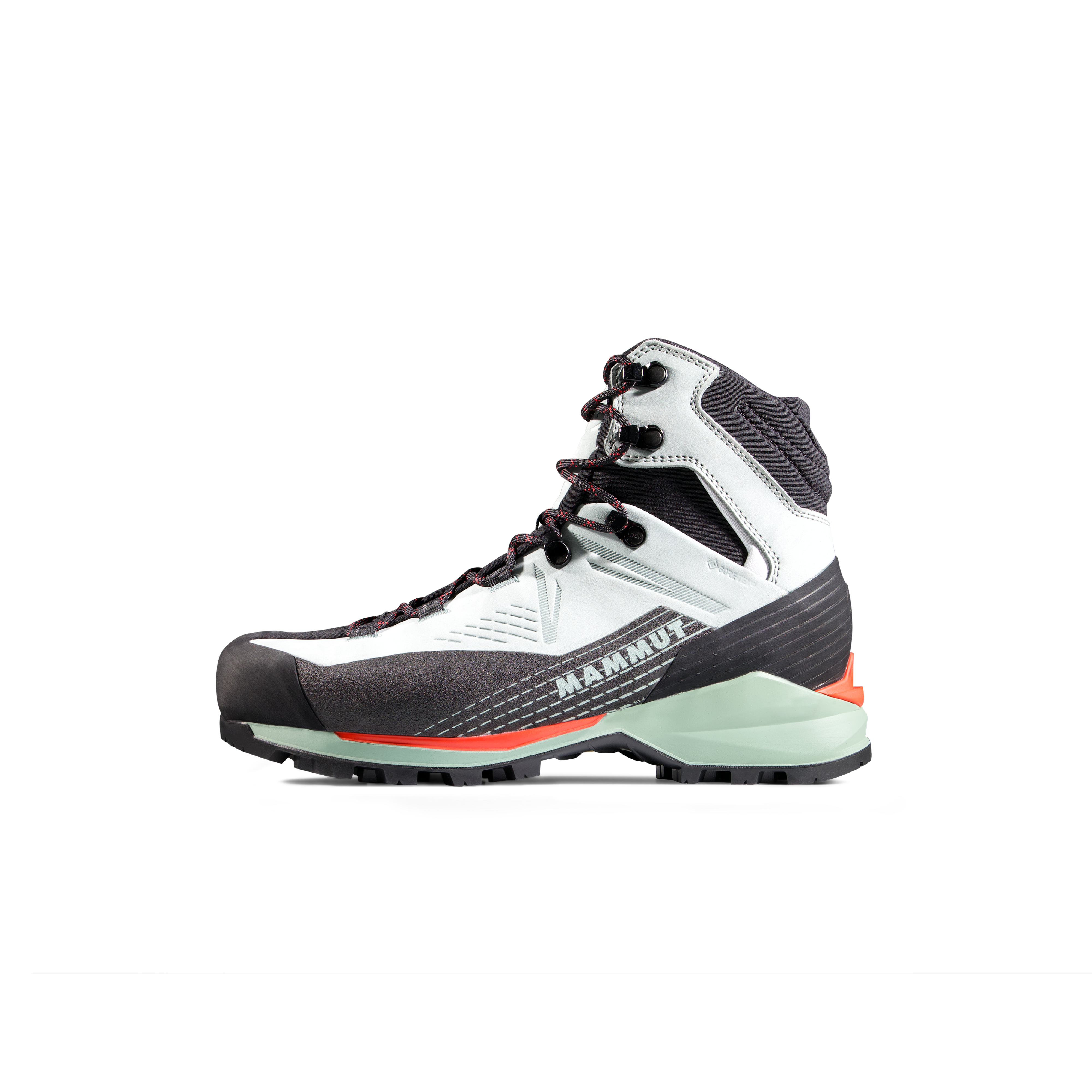
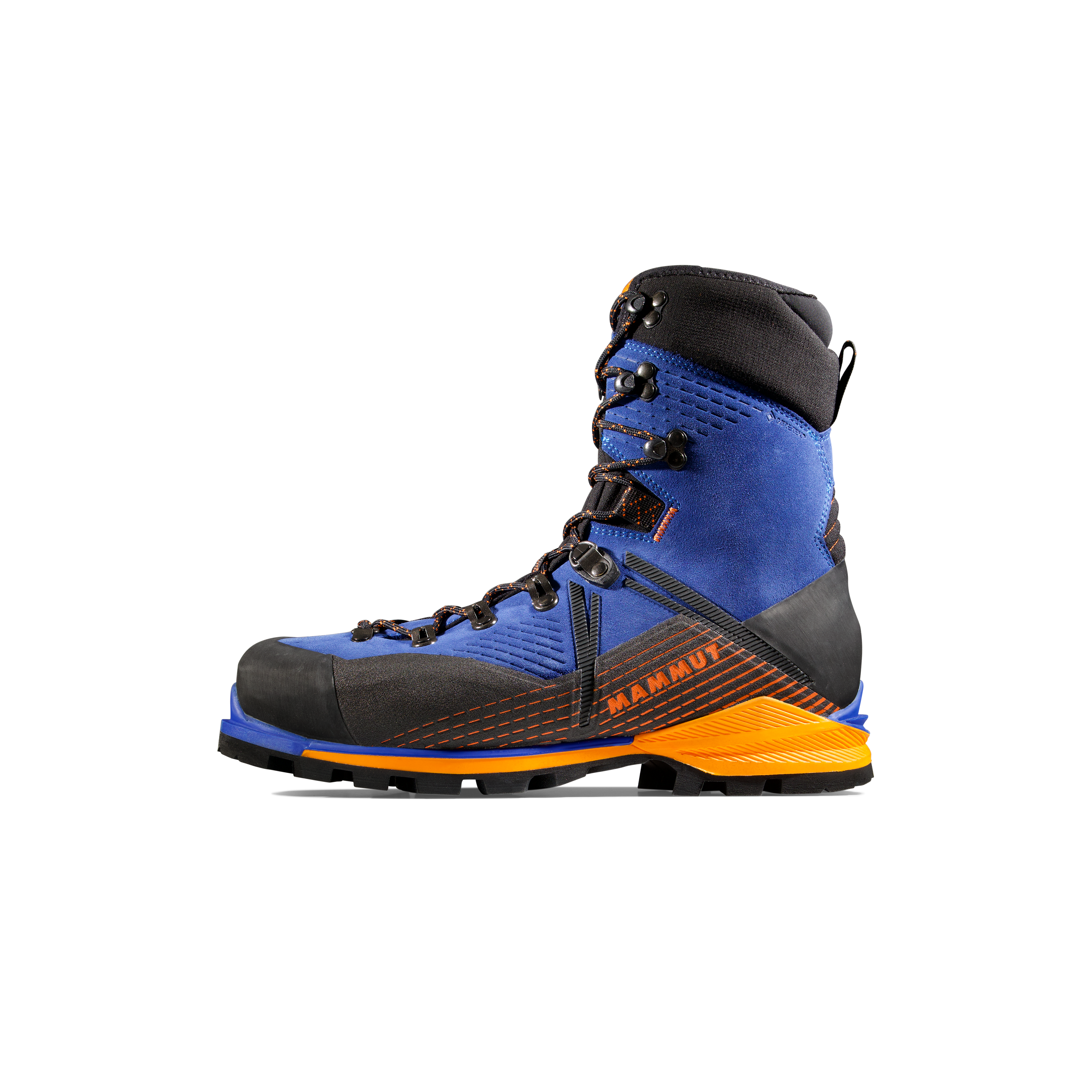
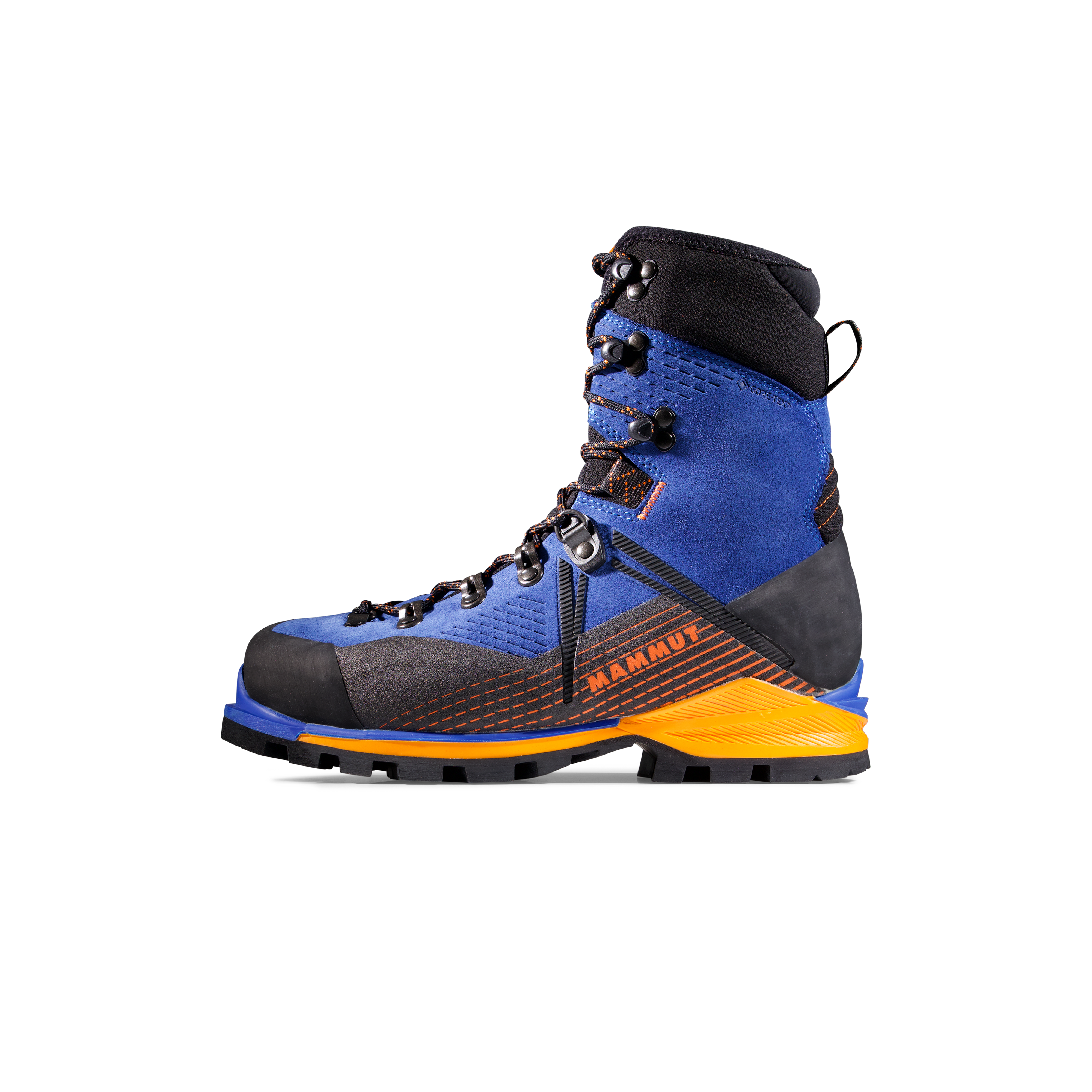
We may earn a commission if you buy through these links, at no extra cost to you. Affiliate disclosure
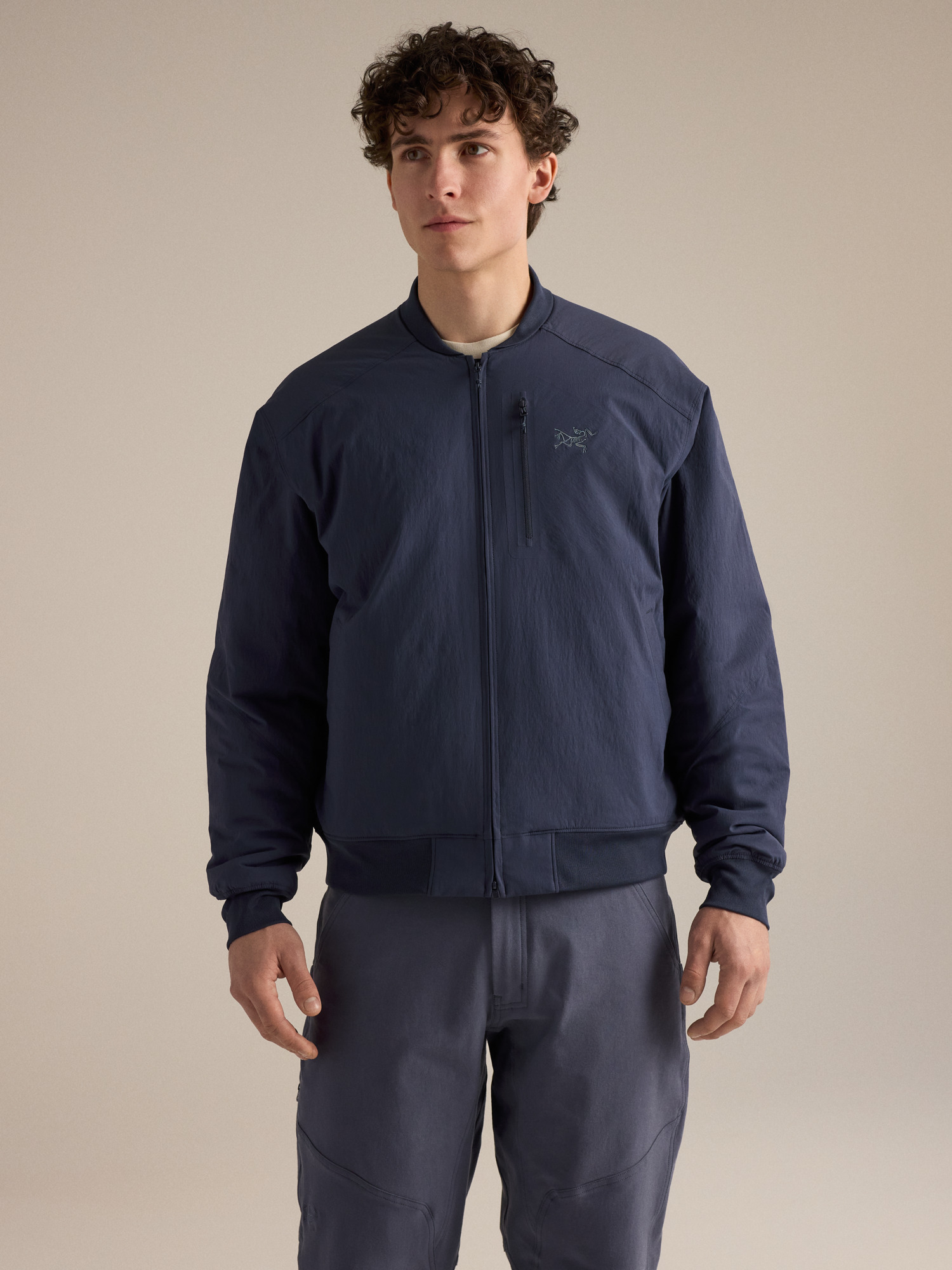
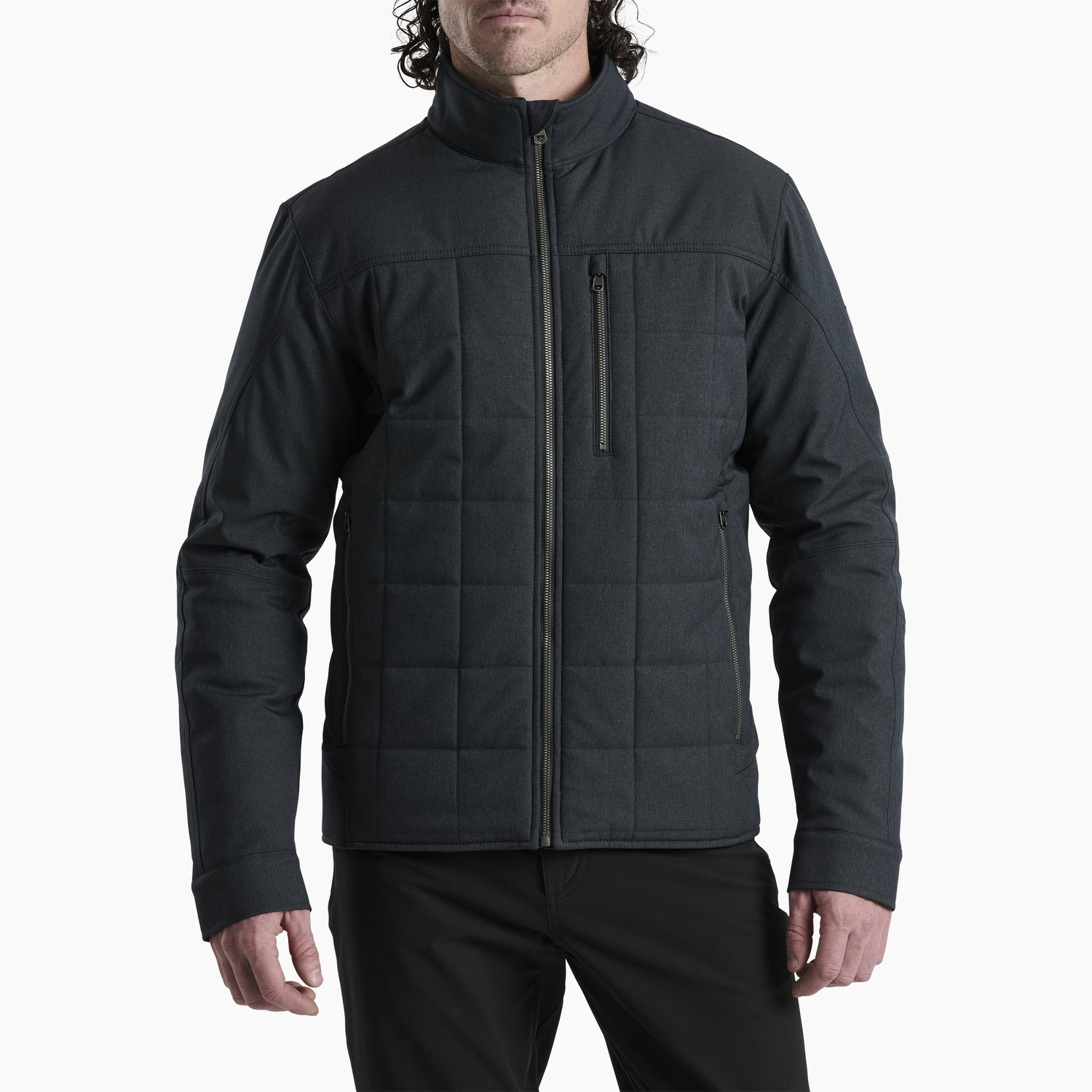
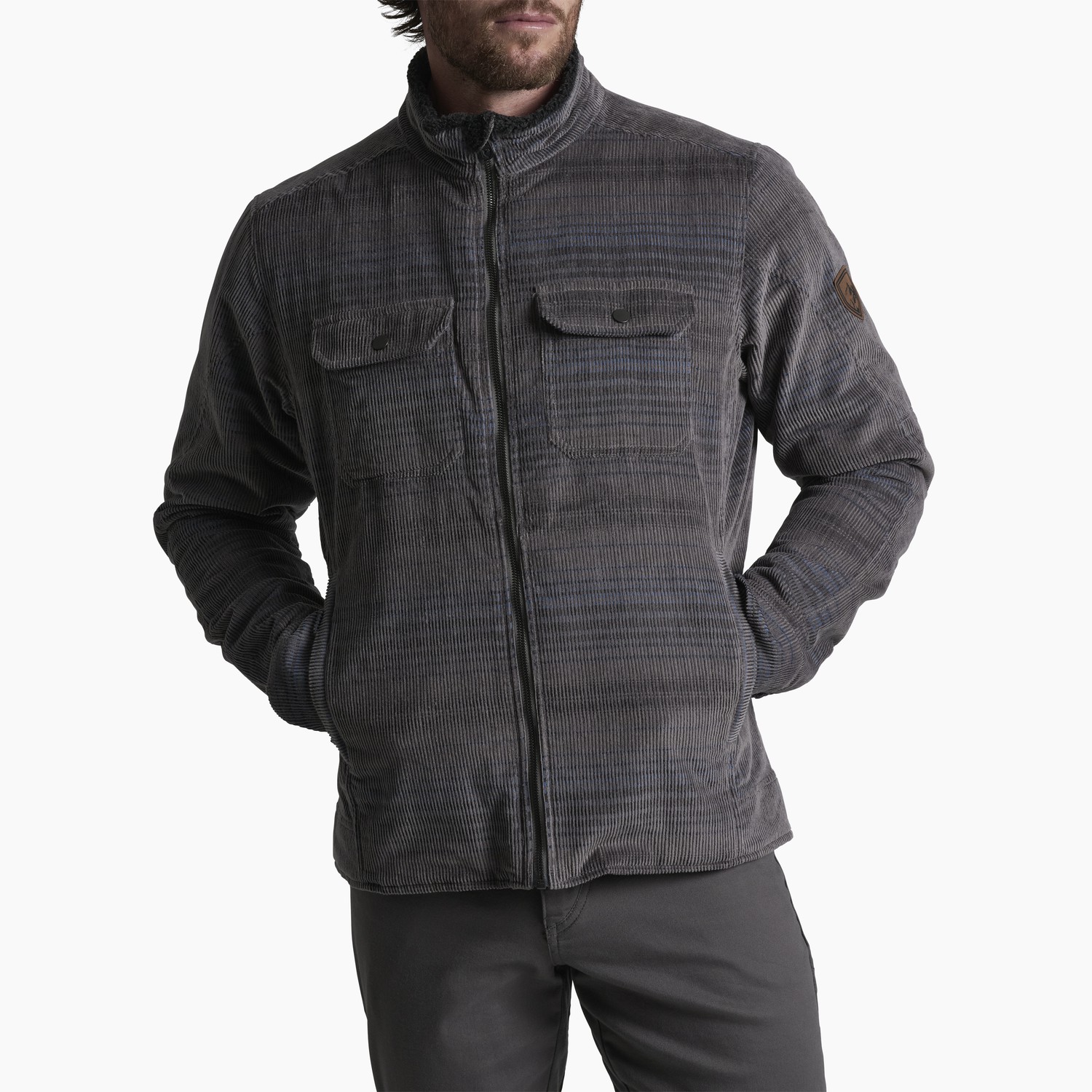
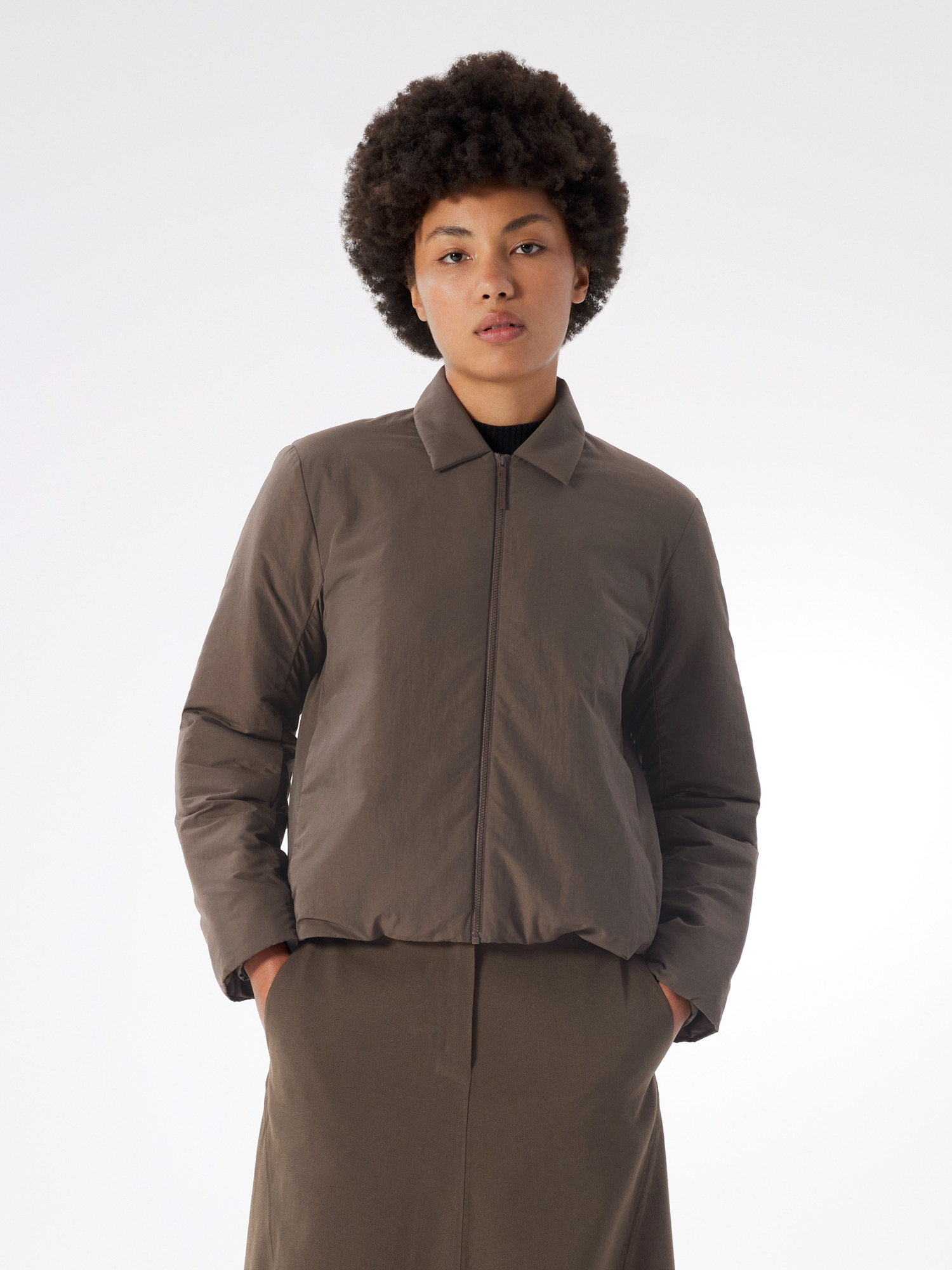
Insulated Layers for Cold Alpine Conditions
Mount Elbrus: Western Caucasus Map and Geography
The mountain rises in the western part of the Greater Caucasus, within Russia. The conventional Seven Summits definition treats Elbrus as the highest European peak; the exact Europe–Asia continental boundary has long been debated.
Open the map in OpenStreetMap. Map is geographic context, not a glacier route or navigation source.
For the wider high-mountain geography, see Caucasus Mountains: Peaks and Difficulty and the Seven Summits master guide.
Mount Elbrus Climbing FAQs
How high is Mount Elbrus?
The higher West Summit stands at 5,642 m (18,510 ft). The East Summit is 5,621 m. The West Summit is the usual Seven Summits goal.
Is climbing Mount Elbrus technical?
The standard South Route is graded Russian 1B and is relatively straightforward compared with steep technical climbing. However, it is still a snow-and-glacier mountaineering ascent requiring crampon competence, altitude awareness and strong weather judgment.
How long does it take to climb Mount Elbrus?
South Route operator programs often use an eight- to ten-day format, including acclimatization and a potential summit attempt. Actual time depends on prior acclimatization, weather, terrain and team health.
Can I climb Mount Elbrus without a guide?
Mountaineering competence, local registration and current legal requirements must be assessed independently. This is not an invitation to self-guide; the mountain’s glacier terrain and serious current travel-security warning make simple yes/no advice inappropriate.
What is the best month for Mount Elbrus?
Late June through early September is the usual summer season, with July and August common on published commercial calendars. The dates do not imply that Russia is currently an advisable destination for any particular traveler.
How high does the Elbrus cable car go?
The official resort lists Garabashi at 3,847 m, after Azau (2,350 m), Krugozor (3,000 m) and Mir (3,500 m). Operating status changes.
How much does a Mount Elbrus expedition cost?
GSG’s earlier 2026 local listing example began at about $1,490 for a South Route program. That is not a verified 2027 quote or all-in cost; travel, gear, insurance, visas and disruption costs may be substantial.
What does the U.S. government say about climbing Elbrus?
As of October 2026, the U.S. State Department maintains Level 4 “Do Not Travel” for Russia and explicitly says not to attempt Mount Elbrus. It warns that assistance in the North Caucasus is unavailable.
Does Elbrus count toward the Seven Summits?
Yes, under the standard Greater Caucasus boundary convention used for the Seven Summits. A minority of alternate geographical interpretations treat Mont Blanc differently.
Sources, Research Method and Image Credits
This guide is a research-based overview, not a firsthand October 2026 ascent report. Stable mountain facts and grades are separated from the changeable safety, travel and commercial details. Source review dated October 28, 2026.
- U.S. Department of State · Russia Level 4 advisory — explicit instruction not to attempt Mount Elbrus; advisory dated December 29, 2025, still current at this review.
- Russian Mountaineering Federation · Elbrus methodology — classic South Route 1B and mountain-specific risk context.
- Russian Mountaineering Federation · Classic North Route — 2A route from Emanuel Glade.
- Elbrus Resort · Official lift status — lift stages and service elevations.
- EMERCOM · Specific Elbrus notification FAQ and tourist-group registration.
- Alpine Ascents · Elbrus expedition methodology — technical demands and operator suspension.
- GSG · Seven Summits cost scenarios — total-expedition cost methodology, not verified future quotes.
Image credits
- Mount Elbrus twin snowy summits seen from Mount Cheget — Dmitry A. Mottl; CC BY-SA 4.0. Original photograph and license. Layout crops the photograph; no composite substitutes are used.
- Actual South Route terrain of Mount Elbrus — Dmitry A. Mottl; CC BY-SA 4.0. Original photograph and license. Layout crops the photograph; no composite substitutes are used.
- Mount Elbrus photographed above Garabashi cable-car station — Dmitry A. Mottl; CC BY-SA 4.0. Original photograph and license. Layout crops the photograph; no composite substitutes are used.
- Garabashi, Terskol and Irik glaciers on Elbrus — Alexander Baydukov; See Commons license. Original photograph and license. Layout crops the photograph; no composite substitutes are used.
- Climbers ascending the snowy slopes of Mount Elbrus — Riadchikova; CC BY-SA 4.0. Original photograph and license. Layout crops the photograph; no composite substitutes are used.
- Caucasus mountain panorama from Mir station on Mount Elbrus — Riadchikova; CC BY-SA 4.0. Original photograph and license. Layout crops the photograph; no composite substitutes are used.
- The double summit of Mount Elbrus from Mount Cheget — Alex Svirkin; CC BY-SA 4.0. Original photograph and license. Layout crops the photograph; no composite substitutes are used.
Images and licensing are governed by their Wikimedia Commons file pages. Recheck the attribution details before copying photographs into the GSG media library.
This peak is one of the Seven Summits — the highest peak on every continent
The Seven Summits are mountaineering’s most iconic geographic challenge — climbing the highest peak on each of the seven continents. See the complete collection covering Bass vs Messner lists, all 7 peaks in detail, full Dick Bass to Nims Purja history, and realistic cost breakdown from $150K to $300K+ across 3-7 years.
View All Seven Summits →🏔 Part of the Seven Summits
One of the highest peaks on each continent. See all 7 with Bass vs Messner lists, costs, and history.
View All Seven Summits →Mount Everest belongs to both the Seven Summits and the 14 Eight-Thousanders
As the highest peak on Earth (8,849m), Mount Everest is the headline summit of mountaineering’s two most iconic collections. The Seven Summits requires climbing the highest peak on every continent; the 14 Eight-Thousanders requires climbing every mountain above 8,000 meters.
Seven Summits → 14 Eight-Thousanders →Mount Elbrus is the Anchor Peak of the Caucasus Range
Mount Elbrus (5,642m) is Europe’s highest peak, a Seven Summit, and the anchor of the Caucasus mountain range — which contains 12 peaks above 5,000 meters, more than the entire European Alps. The full Caucasus collection covers all 10 major peaks across Russia, Georgia, Armenia, and Turkey.
Generally, Elbrus is the most-climbed of the Caucasus high peaks (~15,000-20,000 attempts per year). Specifically, the broader collection includes the technical Bezengi Wall (Dykh-Tau, Shkhara, Koshtan-Tau), the sacred Mount Kazbek in Georgia, biblical Mount Ararat in Turkey, and the Matterhorn-like Ushba.
Caucasus Mountains Collection →Mount Kazbek (Georgia) →Was this helpful?
Global Summit Guide is an independent mountaineering resource founded in 2026. The team combines first-hand trekking and climbing experience with in-depth research and professional health and nutrition review to help climbers choose objectives, prepare properly, and stay safe.
Health, altitude, and nutrition content is reviewed by Taylor Ludlow (Registered Nurse) and Brigg Hoopes (Nutritionist).
What We Don't Know Yet
Mountain information changes quickly. This box explains the limits of what this page can responsibly promise.
- Route conditions, trailhead access, crevasse exposure, stream crossings, and rescue access may vary from published planning guidance.
- Total trip cost can change with flights, lodging, guide pricing, permits, gear rentals, transportation, and exchange rates.
- Visa, passport, vaccination, border, insurance, and local transportation rules may change before your trip.
Verify current conditions with official land managers, guide services, local forecasts, and current route reports before booking or climbing.
Mountaineering, rock and ice climbing, glacier travel, and high-altitude activity are inherently dangerous and can result in serious injury or death. The information on Global Summit Guide is provided for general informational and educational purposes only and is not a substitute for professional instruction, qualified guiding, proper equipment, or your own judgment and experience.
Route conditions, weather, snowpack, permits, regulations, and hazards change constantly and may differ from what is described here. Details may be incomplete, out of date, or contain errors. Always verify current information with local authorities, certified guides, and official sources before making any decision in the mountains.
Nothing on this site is medical, legal, or financial advice. Our fitness, acclimatization, altitude, and nutrition content is general in nature; consult a qualified physician before beginning any strenuous exercise program or exposing yourself to high altitude.
You are solely responsible for your own safety and decisions. To the fullest extent permitted by law, Global Summit Guide and its team accept no liability for any loss, injury, damage, or expense arising from use of, or reliance on, this information. By using this site you acknowledge these risks and accept these terms.
Some links on this site may be affiliate links. If you buy through them we may earn a small commission at no extra cost to you; this never affects our recommendations.
Global Summit Guide recommendation path
Next Best Mountain to Research
Use these recommendations to continue the right planning path instead of stopping on one page.
Use current permit, weather, route, and operator information before booking or climbing.
Search Flights, Hotels & Rental Cars
Have the mountain or destination picked? Use Expedia to compare the flights, lodging and rental cars that fit your actual trip dates. For mountain travel, consider arriving early enough for delays and adding a buffer night after the climb before a fixed flight home.
Compare current flight, hotel and car options.
Affiliate disclosure: Global Summit Guide may earn a commission if you book through this link, at no additional cost to you.