Last updated November 6, 2026
Spain | Sierra Nevada | Mulhacén | 3,479 m
Mulhacén Gear List: Summer, Snow & Winter Kit
A practical packing guide for the highest mountain on mainland Spain. Compare the equipment for dry summer trails, leftover snow, and serious winter conditions – including current prices on approved hiking and mountaineering products and a free printable checklist.
Start with the surface, not the date: dry southern paths normally call for hiking footwear, layers, sun protection, a 20-35 L pack, navigation and emergency basics. Hard snow and ice can change the same mountain into a mountaineering objective requiring trained use of crampons and an ice axe.
Free 2026 packing checklist Shop verified gear
Do not buy winter equipment for a dry hike. Do not treat hard snow as a normal trail.
The same route can be a straightforward high mountain hike in late summer and a technical snow-travel undertaking after a freeze or snowfall. Official Sierra Nevada winter safety notices in 2026 specifically warned about hard ice, avalanche exposure and the need for crampons, axes and helmets in difficult conditions. These were condition-specific alerts, not a claim that every day of the year requires a full winter kit.

If terrain requires winter gear you have not trained with, turn around, change your route, hire a qualified guide or select a dry-weather date. Buying crampons is not equivalent to knowing how to travel safely in them.
Mulhacén routes and current planningWhat should you pack for Mulhacén?
For a dry, snow-free hike, pack broken-in hiking shoes or boots with reliable grip, layered clothing, a waterproof shell, a warm layer, sunglasses, sunblock, gloves, a hat, at least a sensible 2-3 L water carrying capacity for many day routes, food with an emergency margin, a charged phone with offline mapping, a headlamp, and first aid. The total varies with the Hoya del Portillo, Trevélez, Hoya de la Mora or seasonal SIAC approach.
The main difference from a technical Alpine summit is that normal dry southern hiking routes do not need climbing harnesses, ropes, helmets or axes by default. Snow changes that equation. A half-frozen traverse with a steep runout may call for suitable boots, real crampons, an ice axe and demonstrated skill, or simply a safer route choice. Microspikes are not interchangeable with crampons on consequential snow.
Avoid the trap of treating “summer” as a safe equipment specification. Late spring snow may linger above a dry trailhead. Autumn snow can arrive before a visitor expects it. Check Sierra Nevada park bulletins, official mountain forecasts and local conditions, then finalize gear in the last 24-48 hours.
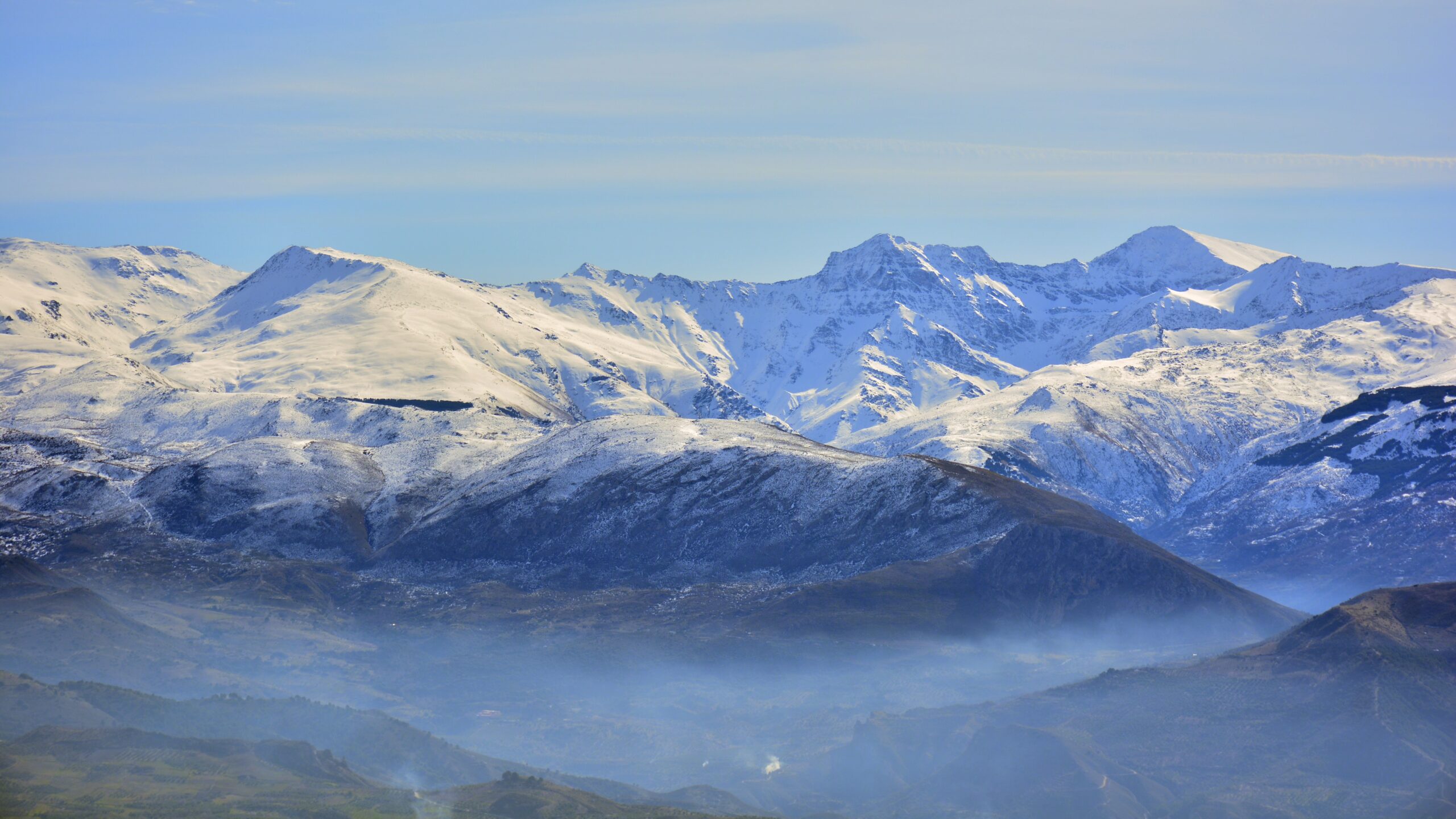
The summer hiking system
On genuinely snow-free trails, equipment should make a long hike efficient while preserving the ability to turn around safely. A lightweight, robust kit is usually better than heavy mountaineering hardware that adds weight without addressing the actual hazard.
Footwear: prioritize fit and the descent
A stable hiking shoe or boot is suitable for many dry normal routes. Rock, gravel and long descents reward reliable traction, comfort, blister resistance and a known fit. Ankle height alone is not a reliable safety metric. Wear your chosen socks and test your shoe over several full-length hikes before traveling. Winter crampons, if required, must be paired with footwear designed for their attachment method; normal trail shoes are not automatically compatible.
Clothing: layer for a cold summit even in August
Start with a quick-drying shirt or sun hoody. Add a packable fleece or synthetic insulated jacket, a breathable waterproof/windproof shell, hiking trousers, thin gloves and a warm hat. A morning in Granada or Capileira may be pleasant while the summit is windy or near freezing. Change your layers before you become cold and keep at least one dry insulating piece protected inside your bag.
Water, food, sun and navigation
Two to three liters of capacity is a sensible reference for many day itineraries, not an unconditional prescription. Longer summer routes may demand more. Carry enough water for dependable access points only; do not assume small seasonal streams will be flowing or safe to drink. Use sunglasses, high-SPF sunscreen and lip protection on high open ground. Download an offline map and keep a second method of route finding available.
Small essentials that prevent large problems
A headlamp and spare power are essential even for a planned daylight return. Carry blister treatment, simple first aid, a whistle, an emergency shelter or blanket, sufficient food, and a reliable communications plan. Test your phone in airplane/offline mode before the hike. Trekking poles reduce strain on loose descents, but should not replace self-arrest equipment where a slide is consequential.

When the gear list changes completely
Snow is not one surface. A shallow soft patch on flat ground is not the same problem as overnight-frozen snow on a steep traversing trail. On a consequential snow slope, proper crampon compatibility, competent axe technique and a defensible route choice must work together. There is no safe shortcut based solely on a product recommendation.
| Conditions | Footwear / traction | Ice axe | Clothing / pack | Main hazard |
|---|---|---|---|---|
| Dry summer trail | Trail shoes or hiking boots with stable grip | Usually no | Light insulation, waterproof shell, headlamp, water and offline route | Strong sun, rocky descent, wind and thunderstorms |
| Isolated low-angle soft snow | Water-resistant hiking footwear | Only after checking slope and runout; not automatically | Dry-day kit plus cooler weather margin | Avoid steep lingering patches rather than forcing a crossing |
| Hard snow with a consequential runout | Boots and properly fitted mountaineering crampons where required | Often part of trained snow-travel system | Warm gloves, layers, winter navigation, helmet where appropriate | A slip may have serious consequences; expert judgment required |
| Continuous winter snowpack | Proper winter boots and traction system selected for route | Route and conditions dependent | Winter clothing, weatherproof hand protection, emergency margin | Avalanche exposure, short daylight and ice |
| Technical north face | Technical footwear and specialized protection | Technical tools may be required | Route-specific technical expedition setup | Outside scope of normal hiking guide |
Microspikes versus crampons
Flexible traction systems can be useful for low-angle icy walking where a slip is unlikely to lead to a serious fall. They do not provide the front points, rigidity or security expected of mountaineering crampons on steeper hard snow. Select real crampons only after confirming the boot interface and practicing under instruction. Compare the Best mountaineering crampons and the Crampon decision guide before deciding to rent or buy.
Ice axe and helmet
An axe is not decorative insurance: its usefulness depends on correct grip, correct length and practiced arrest technique. On terrain where an uncontrolled slide could be dangerous, a local qualified guide can judge whether an axe and helmet are needed and whether the group has the skills to continue. Our Ice axe guide explains selection factors, but it does not replace supervised practice.
Avalanche rescue kit
When the chosen route crosses avalanche terrain under a hazardous snowpack, beacon, shovel and probe form only part of a rescue system. Companion rescue training, avalanche forecast interpretation and conservative terrain selection are essential. A daypack of avalanche gear does not make a winter route safe. Official park notices in early 2026 specifically warned about avalanche problems, so read recent park bulletins before venturing into snowy terrain.
Route-specific gear: one mountain, five packing plans
The length and logistics of a Mulhacén climb determine how much water, food, warmth, lighting and spare capacity are appropriate. The Mulhacén main hiking guide gives the bigger picture, while the Mulhacén routes compared page helps match the approach to your available time. These are planning profiles, not fixed kit mandates.
Capileira / SIAC upper access
Best pack: a nimble 20-30 L daypack for many dry, shorter summit plans.
Do not assume the high-mountain microbus is operating. Verify exact stop, return pickup and schedule before reducing food or emergency reserves.
Hoya del Portillo
Best pack: around 25-35 L with extra food, water and light for a longer self-powered day.
The independent route takes more time and ascent; wet weather and altitude can extend the return.
Trevélez via Siete Lagunas
Best pack: long-day endurance supplies, more calories, more navigation and emergency margin.
This can be a very demanding outing; overnight plans introduce sleep gear and shelter questions.
Hoya de la Mora via Veleta
Best pack: extended high-altitude weather and navigation capacity.
The route crosses open high ground, with potential re-ascent and significant exposure.
Refugio Poqueira / overnight
Best pack: only what the actual overnight arrangement requires.
Confirm current refuge staffing, reservations, bedding, water and meal services. Do not assume normal staffed accommodation is available.
One operational detail deserves extra attention: the seasonal Capileira SIAC service can shorten a hike, but its current stop and return schedule must be confirmed with the park. An early bus is not a reason to omit a headlamp, warm layer or turnaround reserve.
Do not rely on a staffed Refugio Poqueira without a current booking confirmation. The park published renovation-related notices during 2026, so hut services, bivouac facilities and access need direct confirmation rather than assumptions based on old route reports.
Mulhacén gear picks: 12 approved products
These are examples from the GSG-approved Backcountry affiliate inventory, not a statement that one person needs every listed item. The first eight products are candidates for dry trail hiking. The last four address specific icy or winter conditions. Do not purchase winter hardware without knowing whether your route requires it and whether it is compatible with the rest of your system.
Price snapshot: Current prices shown here come from the approved November 2026 Backcountry feed. They are not live quotes; sizes, prices, stock and delivery destinations may change. Backcountry is a U.S. retailer, so readers traveling to Spain should also check shipping, customs and local rental availability.
For dry summer hiking
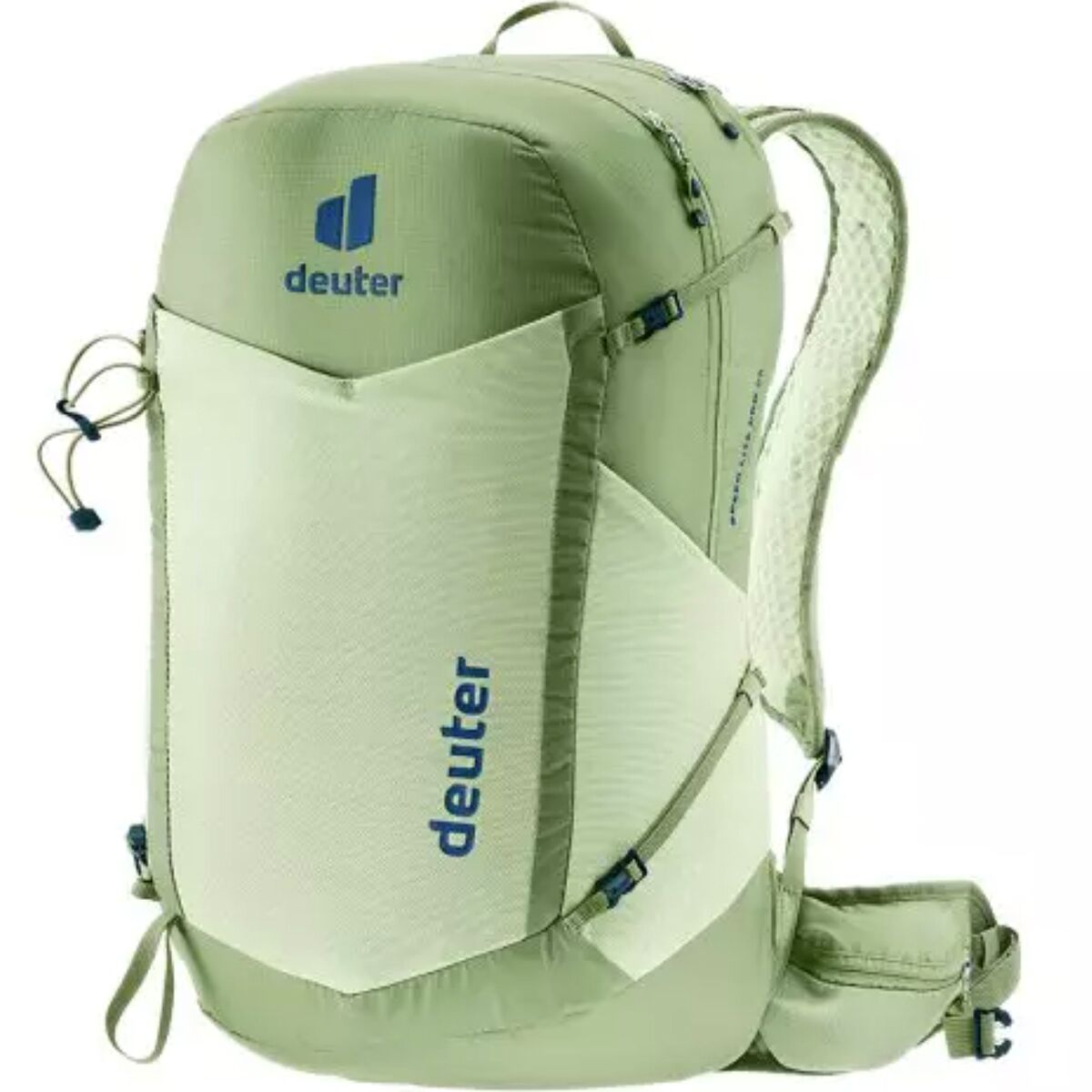
Deuter Speed Lite Pro 25 Backpack – Men's
A 25 L technical daypack option for shorter summer routes. Fit it around water, layers and emergency supplies.
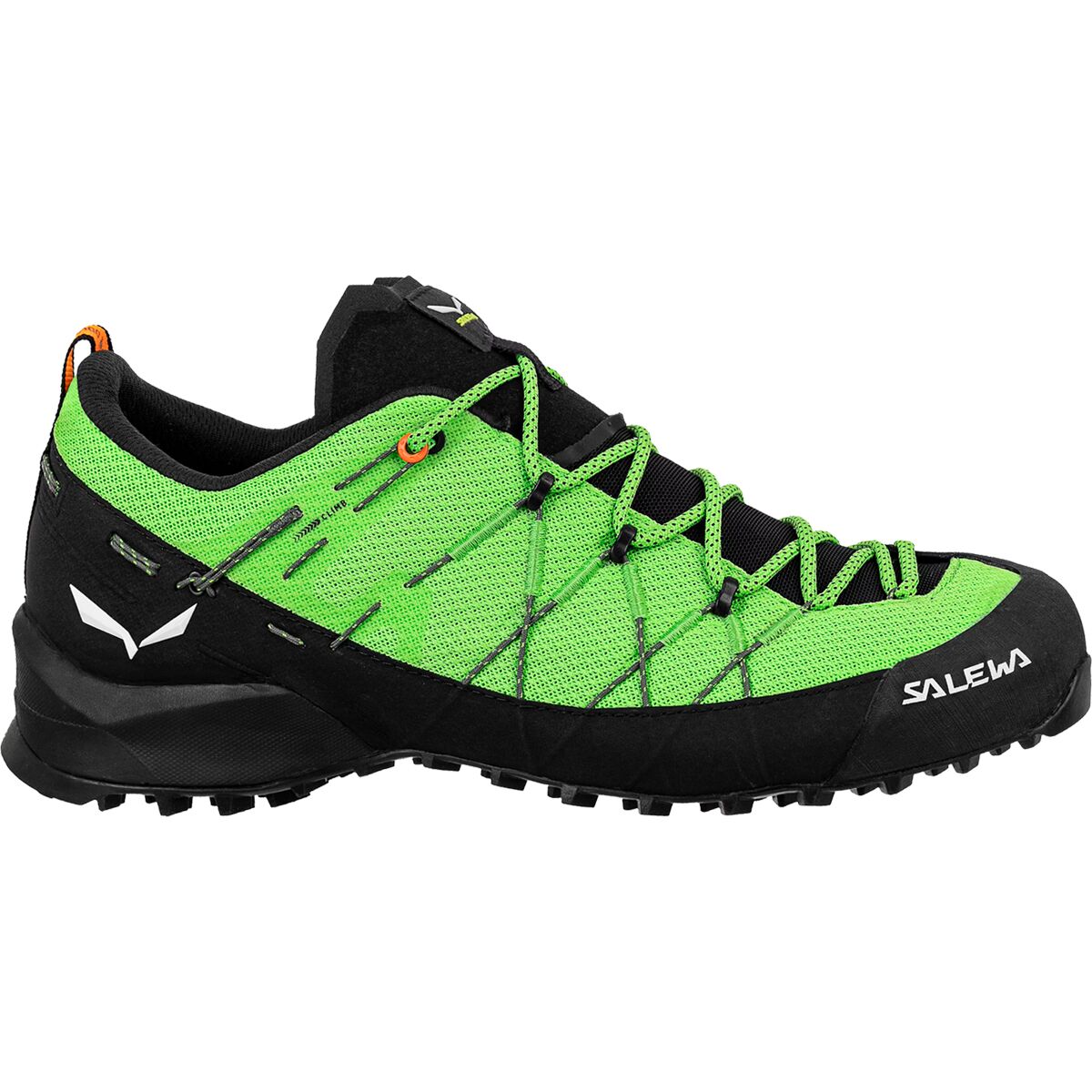
Salewa Wildfire 2 Hiking Shoe – Men's
Example of a grippy approach-style shoe for genuinely dry terrain. Sizing and foot support matter more than the brand.
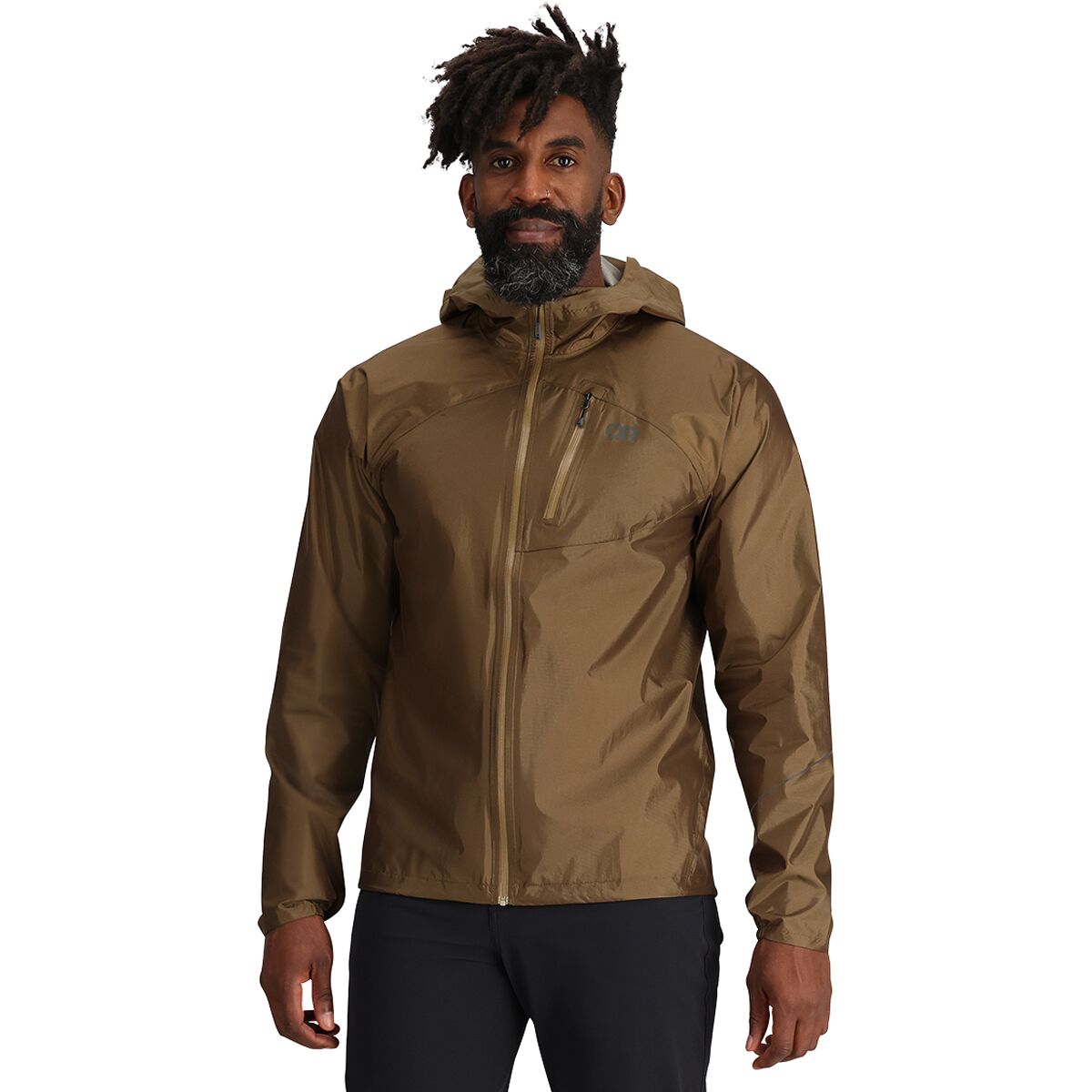
Outdoor Research Helium Rain Jacket – Men's
Carry a rain and wind shell even in summer. Check fit over insulation and inspect its current waterproof condition.
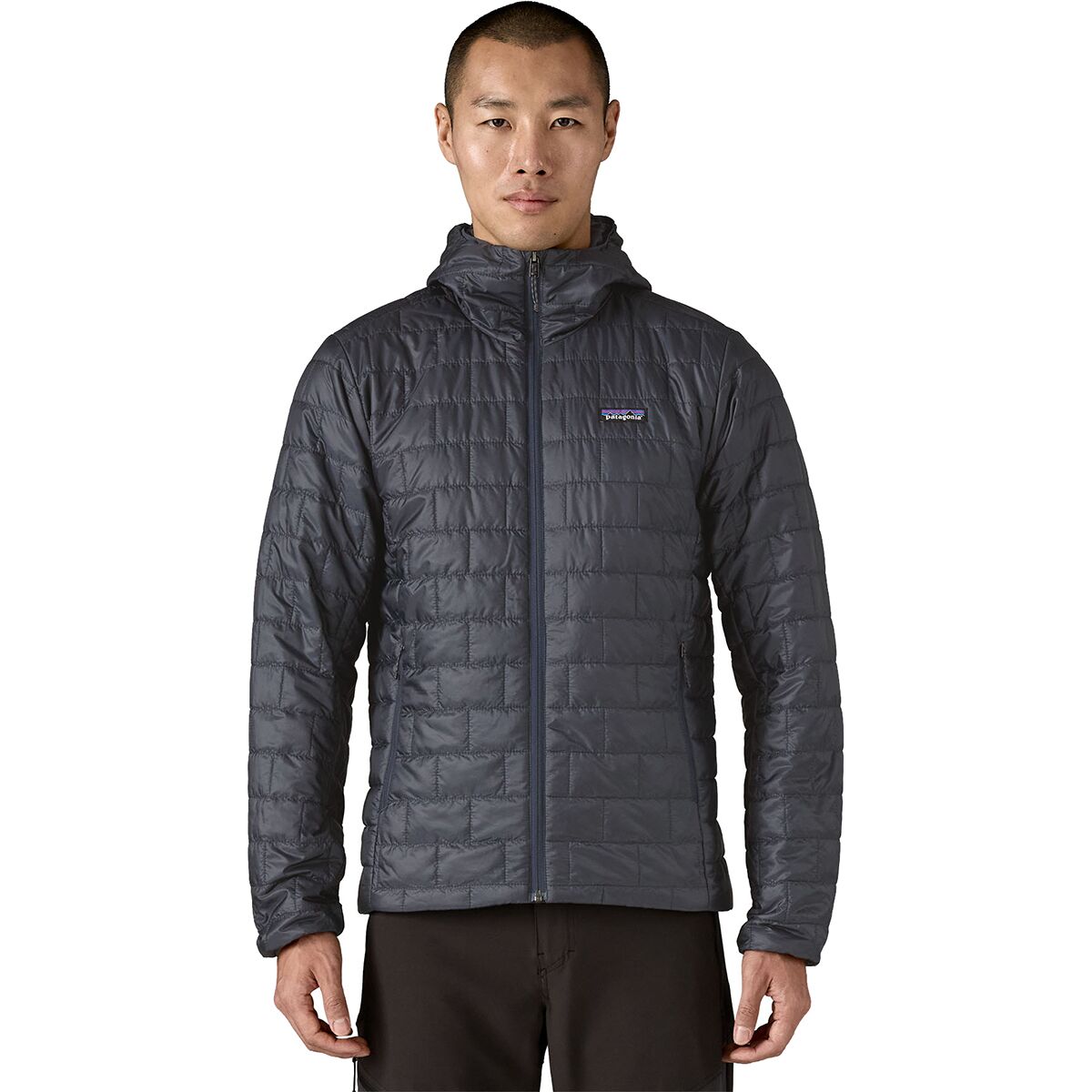
Patagonia Nano Puff Insulated Hoodie – Men's
An example of packable synthetic warmth for cold summit stops and unexpected delays.
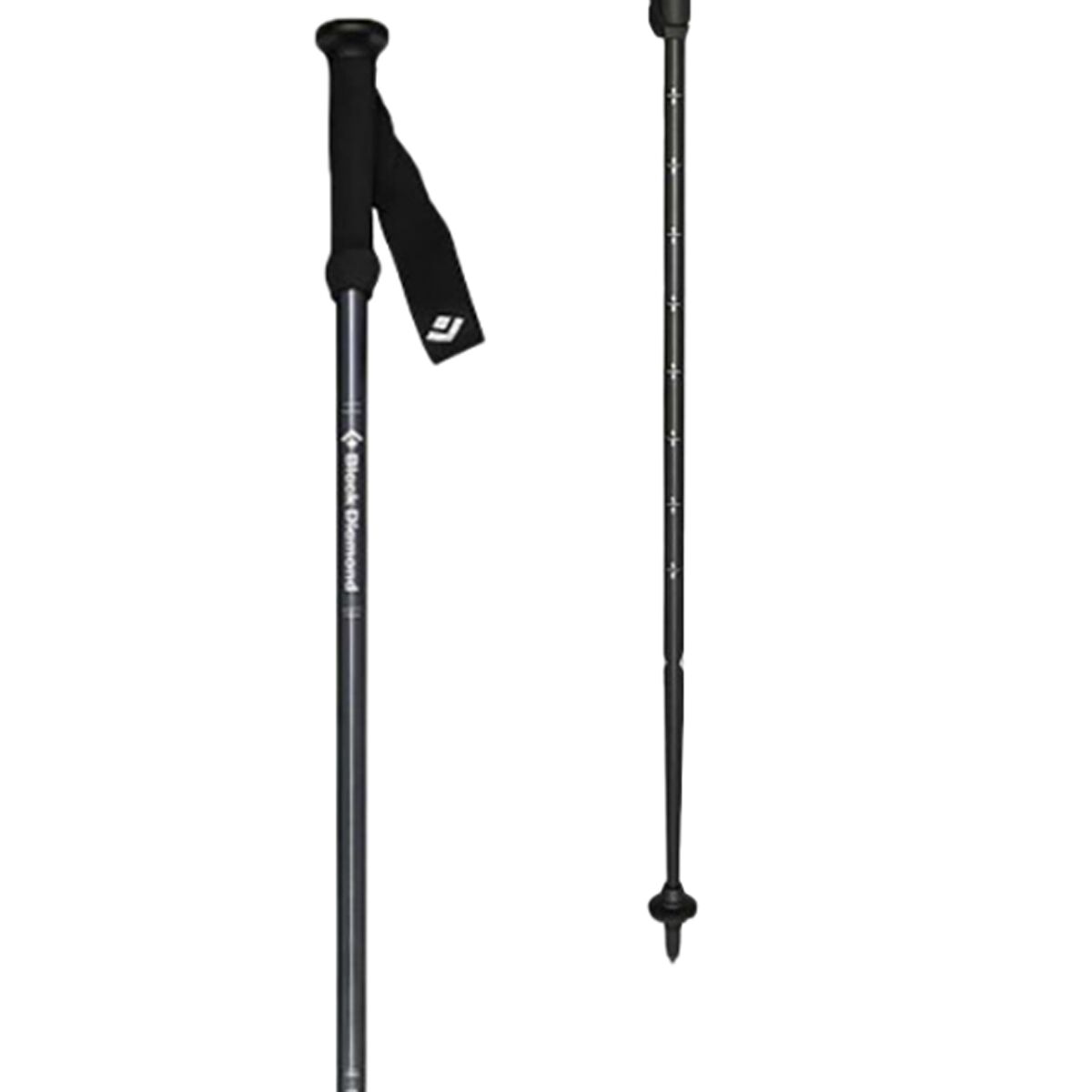
Black Diamond Explorer 2 Trekking Poles
Useful on rocky descents and long days. Poles are not a replacement for an ice axe on serious snow slopes.
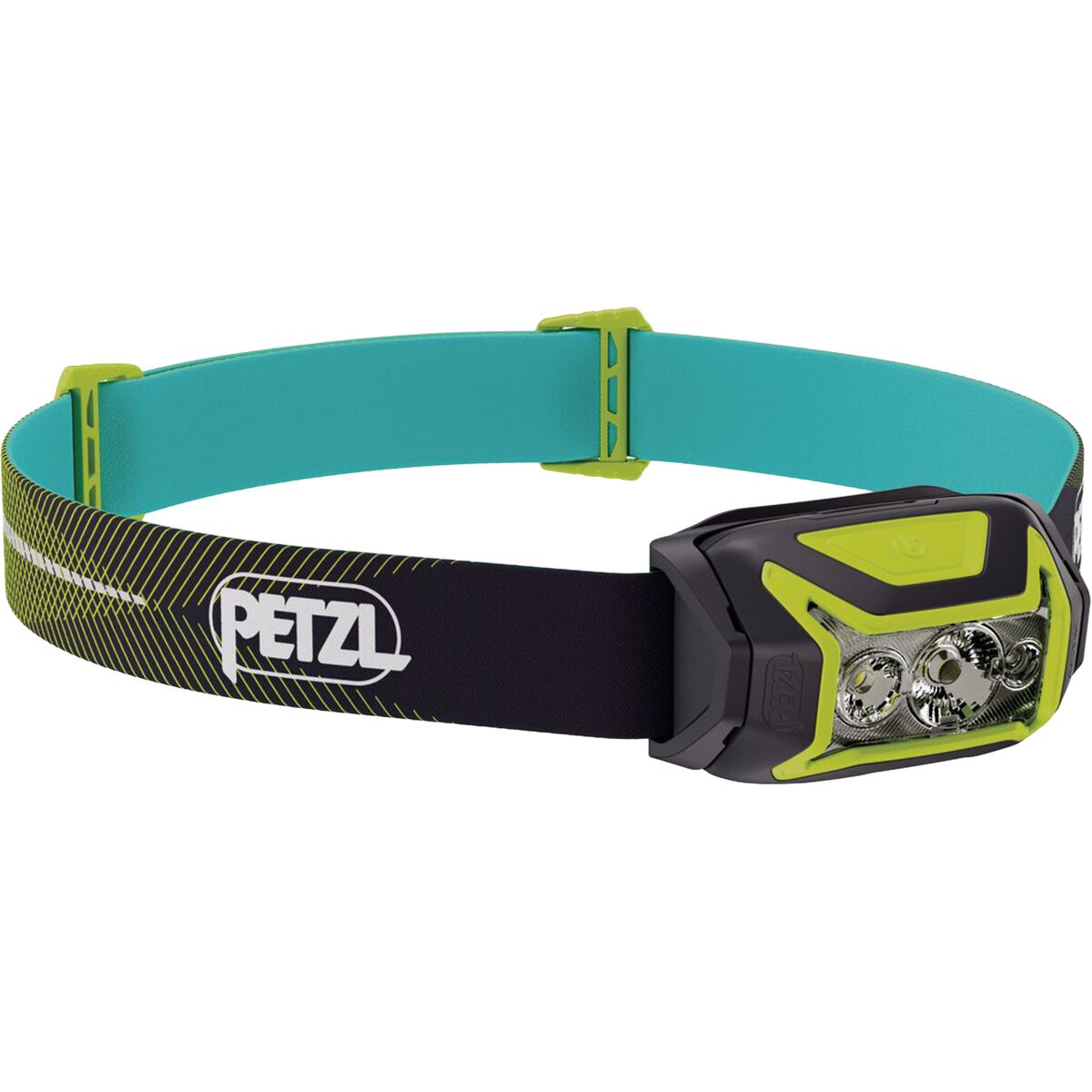
Petzl Actik Core Headlamp
A reliable headlamp belongs in a long-day kit, even with a planned daylight descent. Test battery life and backup power.
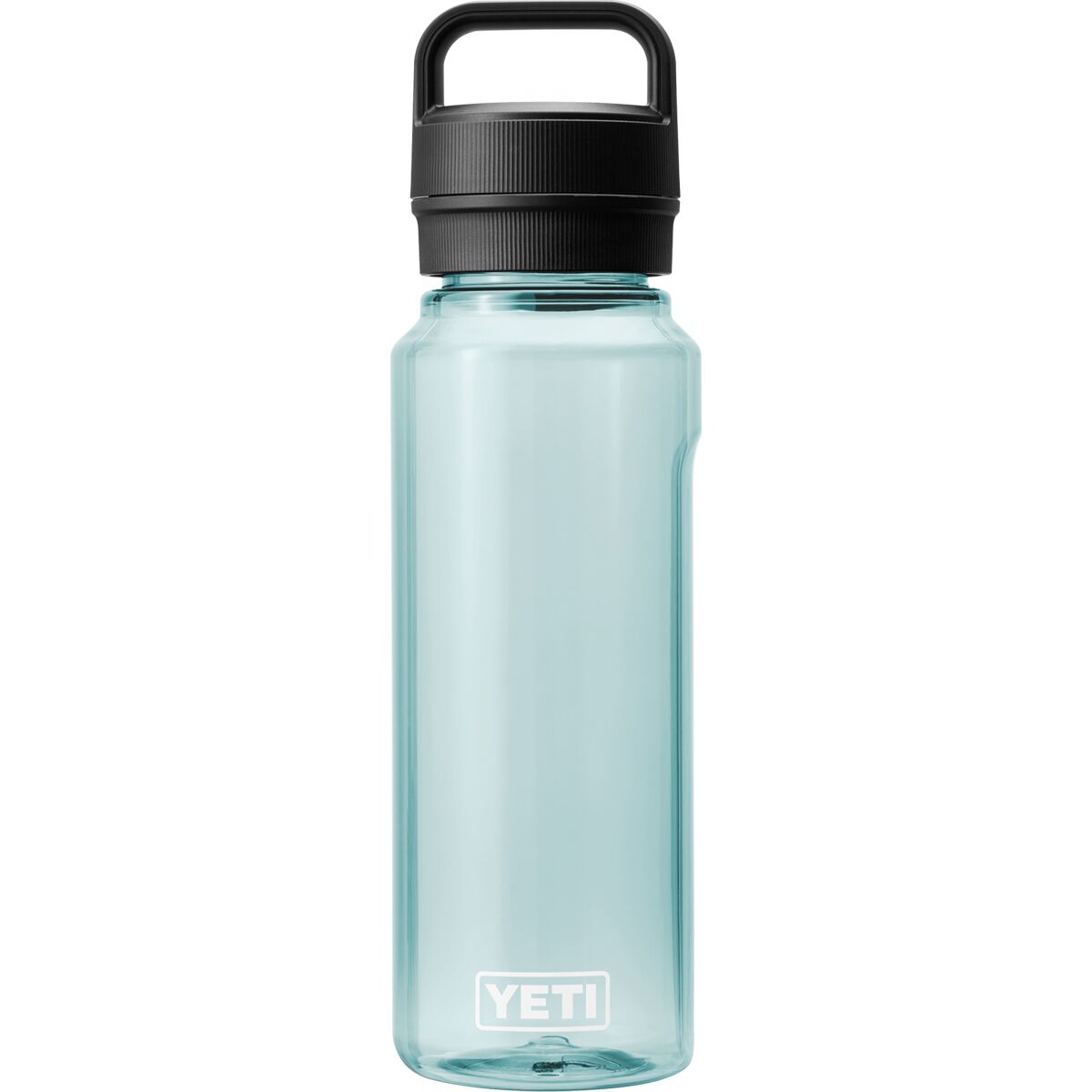
YETI Yonder 1L Water Bottle
One component of a 2-3 L or larger water system; adjust actual carried water to route length and weather.
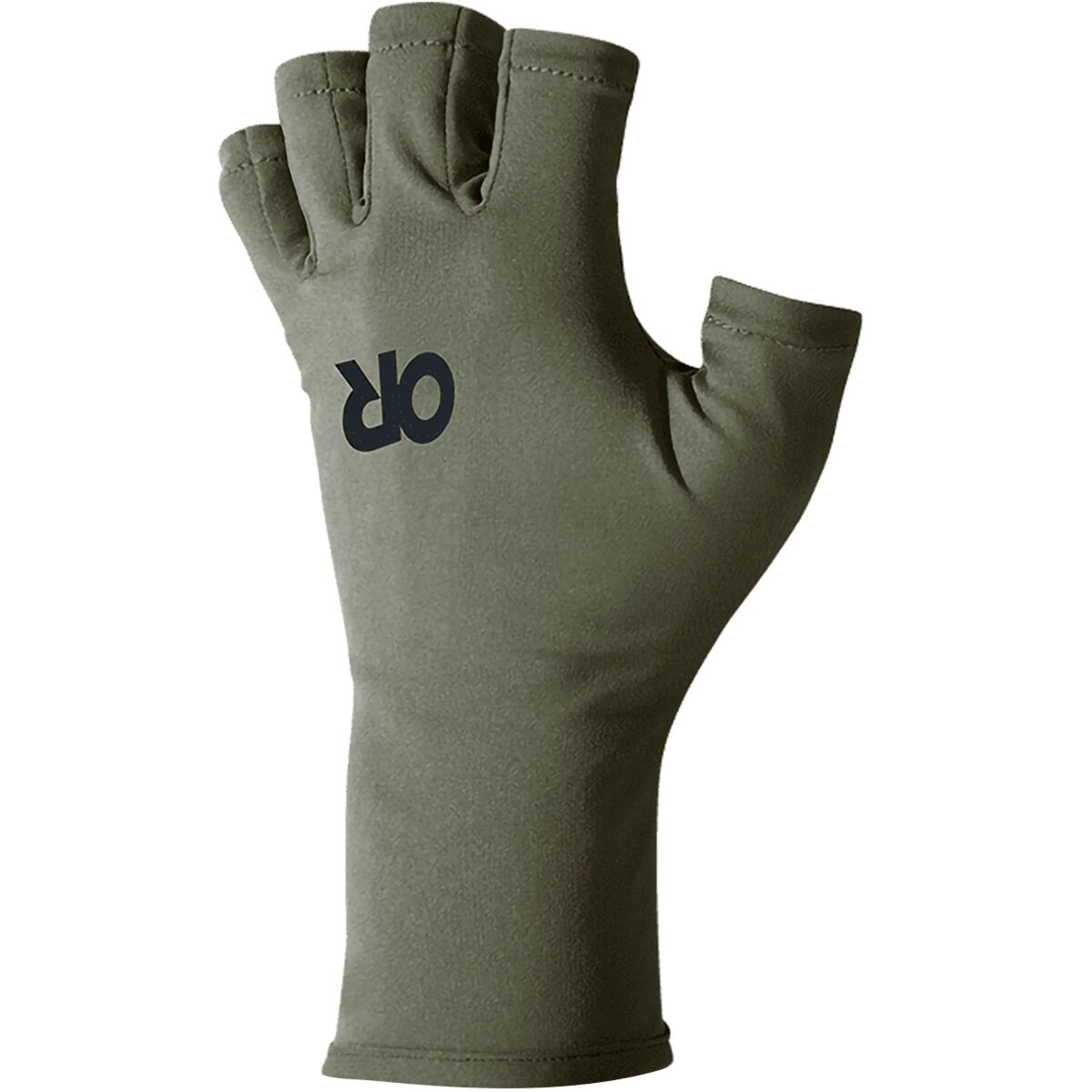
Outdoor Research ActiveIce Sun Glove
Light hand protection for high-elevation sun; not a replacement for warm winter gloves.
For icy paths and winter mountaineering only when justified
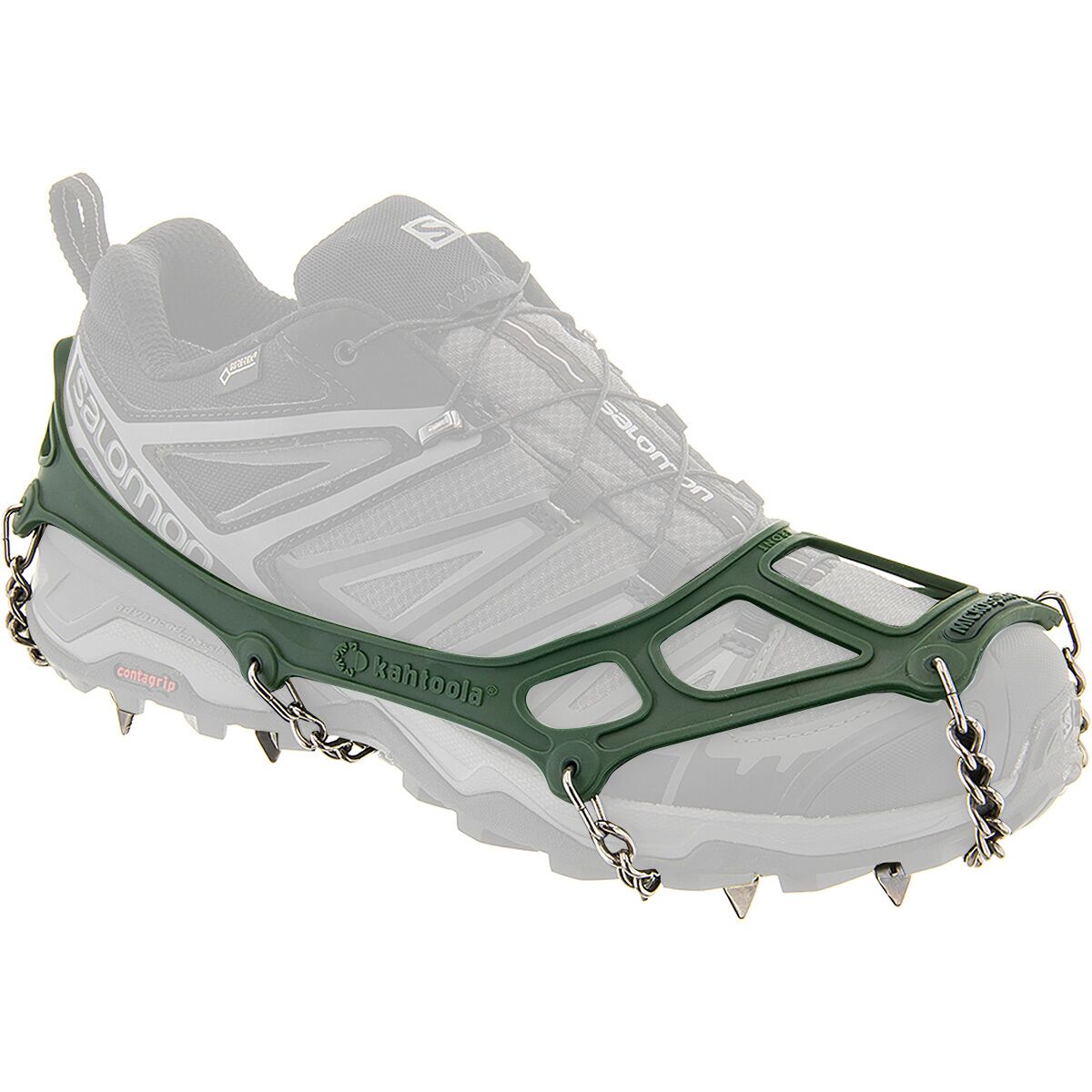
Kahtoola MICROspikes Traction System
For lower-angle icy paths only when a slip has limited consequences. Not an alternative to crampons on steep hard snow.
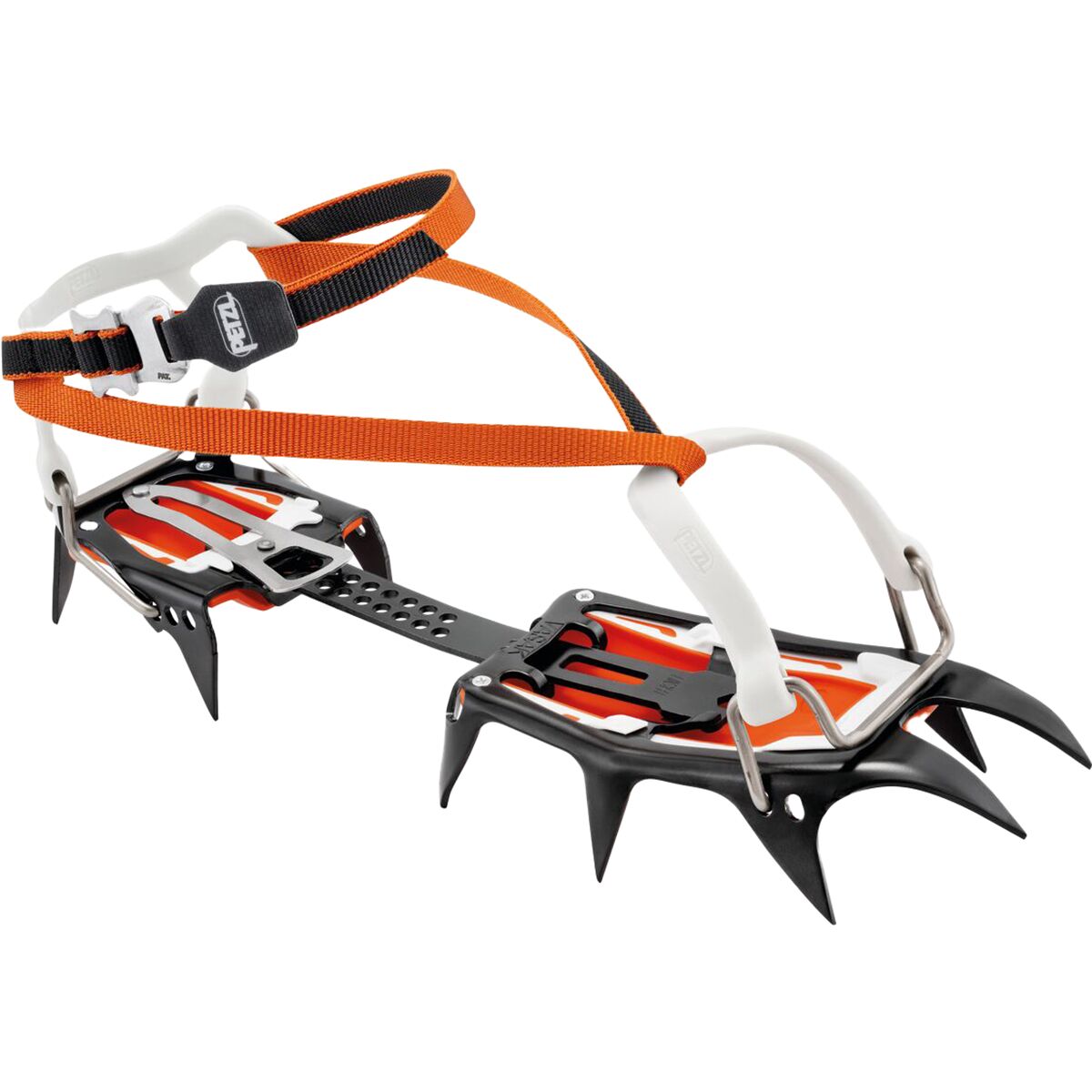
Petzl Vasak 12-Point Mountaineering Crampon
An example of real steel mountaineering crampons for firm snow; require suitable boot interface and trained technique.
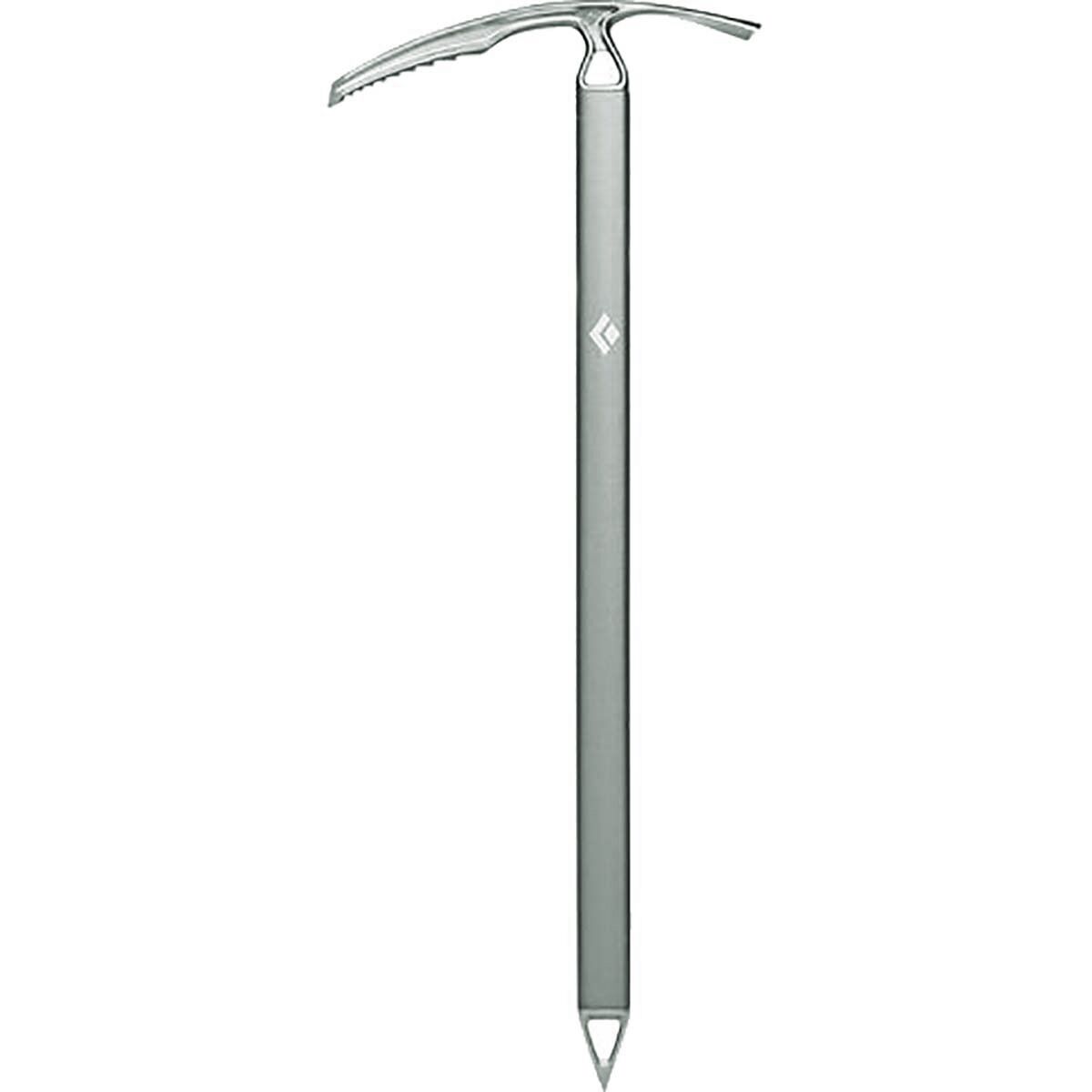
Black Diamond Raven Ice Axe
A general mountaineering axe example for suitable snow travel. Choose length and technique with qualified instruction.
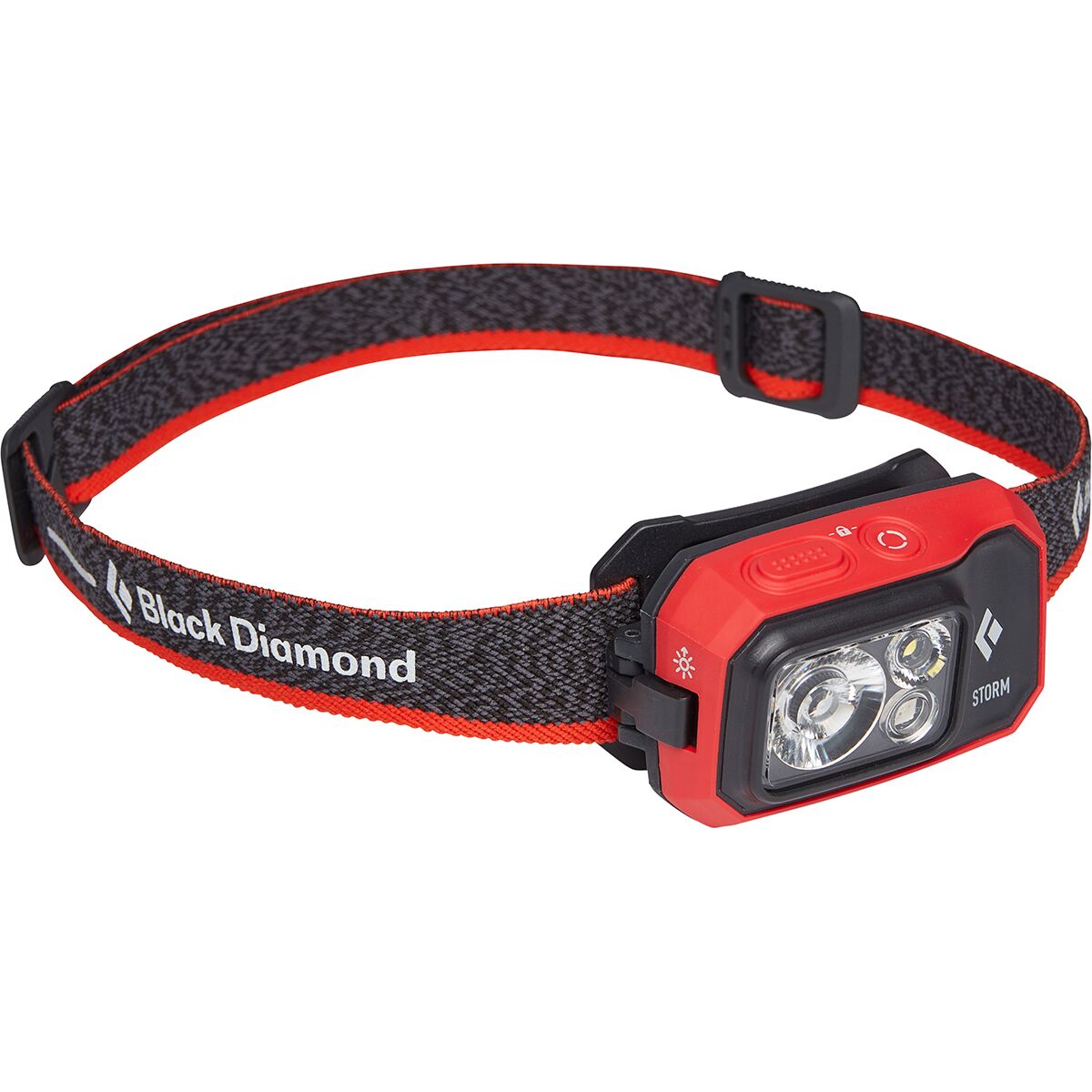
Black Diamond Storm 450 Headlamp
A second lighting option for short daylight or winter starts. Carry spare power, not an untested electronics setup.
Affiliate disclosure: GSG may earn a commission if you purchase through the approved Backcountry links at no additional cost to you. Product images are retailer catalog images. These products were selected for relevance; this page does not claim hands-on laboratory testing of each item.
Seasonal variations: what gear changes each month
The month is a planning clue, never a surface assessment. A July route after unusual snow may differ from a dry November stretch, and a warm valley temperature can coexist with icy high ground. For every trip, consult AEMET mountain forecasts, the Sierra Nevada park and relevant local route reports within 24-48 hours.
Winter snow, ice, strong wind and potential avalanche problems. Trained snow equipment systems may be necessary.
Midwinter conditions often persist. Check park ice and avalanche warnings and shorten plans for daylight.
Winter risk can remain significant; spring weather does not guarantee thawed upper routes.
Thaw/refreeze cycles may create hard morning snow; keep winter kit decisions condition-based.
Transition month. Meltwater below and persistent snow above can require multiple strategies.
Residual snow may remain, especially after cool seasons. Confirm the real crossing before leaving crampons behind.
Often suitable for dry hiking on normal routes; retain shell, sun protection and thunderstorm discipline.
Dry hiking is common, but summit wind, storms, UV and heat lower down still matter.
Usually a favorable hiking window when dry, though early cold events can change conditions.
Autumn snow or frozen mornings can arrive unexpectedly; check freezing level and route surface.
Winter-like terrain may return with snow, hard ice and shorter days.
Plan for winter mountain risks and travel only with appropriate knowledge and conditions.
The general summer signal is that July through September frequently offer the broadest dry-hiking opportunities, while winter and shoulder months can require competent mountaineering equipment. We are not asserting that the summit is currently dry, icy, open or suitable for an ascent on your date.
Free 52-item Mulhacén gear checklist
Print or save this checklist, then cross out equipment that is irrelevant to your chosen route. The categories deliberately separate dry hiking supplies from condition-triggered winter hardware, sleep arrangements and transport documents. A one-day dry summit hike should not become an expedition-sized shopping list.
Clothing and sun
Footwear and movement
Food and water
Safety and navigation
Winter-specific checks
Route, sleep and documents
For the standalone, clean-format PDF included with this HTML, upload it to your WordPress Media Library to create a direct download link on the live page. The print button above uses the browser print dialog and is available without an external plugin.
Date: __________________ Route: __________________ Conditions check: __________________
The final equipment check before leaving Granada
Start with the official forecast for Sierra Nevada mountain elevations, not the city forecast. Note expected summit wind, freezing level, precipitation, thunderstorm risk and whether recent snow will refreeze overnight. Inspect park notices, refuge/local observations and recent credible route reports; if anything conflicts, use the more conservative assessment until verified.
Then verify your access assumptions. On an SIAC-based day, confirm that the service operates on your date, its exact pickup location and return time. For overnight use, get current written information about Refugio Poqueira services. For independent approaches, confirm road and parking rules and download the actual route. Finally, tell someone outside the group what route you will take and when to initiate a check-in.
Repack with the worst credible weather scenario in mind. If snow equipment is justified, test fit and compatibility before leaving town: crampon bindings and boots, ice axe length, gloves with tools, goggles and helmet fit. Do not use the summit day as the first opportunity to learn self-arrest, companion rescue or avalanche skills.
Carry an emergency headlamp even if you expect to finish in daylight. Carry water and calories that match the length of your full return, not the hoped-for ascent time. Accept that altitude can slow progress. The safest gear list supports a conservative turnaround, rather than creating an incentive to continue because the equipment was expensive.
Mulhacén gear FAQ
What is the essential gear list for a dry Mulhacén hike?
Comfortable grippy footwear, a 20-35 L daypack, lightweight insulation, waterproof/windproof shell, warm hat and gloves, sun protection, appropriate water and food, offline navigation, headlamp and emergency basics.
Do you need crampons on Mulhacén?
Not on genuinely dry normal hiking routes. Crampons may be essential on hard snow or ice with serious slip consequences; correct boots and trained technique are necessary.
Is an ice axe necessary for a summer Mulhacén summit?
Not for a dry trail, but persistent firm snow can change the answer, including in early summer. Decide using current route conditions and qualified guidance.
Can I use trail running shoes?
Experienced hikers often do so on dry routes when footwear fits well and provides dependable traction. Trail shoes are not a default substitute for winter boots or crampon-compatible footwear.
How much water should I carry?
A 2-3 L carrying capacity is a useful starting point for many hikes. Adjust upward or downward for route distance, forecast heat, consumption and verified water access.
Does Mulhacén require avalanche gear?
Only when terrain and snow conditions create avalanche exposure, but that choice also requires avalanche judgment, partner rescue training and appropriate route selection.
What size backpack works for Mulhacén?
About 20-35 L for many dry day hikes. Long itineraries and winter or overnight plans may need more room.
Do I need camping gear or a sleeping bag?
Not for a normal day hike. Confirm the actual accommodation and whether the staffed Poqueira refuge is operating before assuming bedding, meals or beds are available.
Which months are best for hiking Mulhacén?
July to September often offers the broadest dry-hiking window, but every month requires current weather and surface checks. Snow may remain into summer or arrive early in autumn.
Can microspikes replace crampons on steep snow?
No. Microspikes suit certain lower-angle icy walking conditions and are not adequate substitutes for mountaineering crampons and an axe on consequential steep hard snow.
Should I rent or buy winter gear?
If winter equipment is only needed for one trip, renting from a reputable provider may make sense. Fit, compatibility and technique training matter more than owning a specific brand.
Do I need a guide on Mulhacén?
Normal dry southern routes are common independent hikes for prepared parties. Snow, ice and avalanche conditions can justify hiring a qualified local guide or changing plans.
Mulhacén route guides, gear roundups and GSG media
Keep your route and weather planning connected to the equipment decisions. Every page below is a related editorial resource, not an instruction to buy every item on the list.
Official and reference information: Sierra Nevada national park safety bulletin (February 2026); AEMET mountain weather forecasts; Andalusia park and access information; Refugio Poqueira official site. This is not a real-time conditions report.
Mulhacen: Gear & the Peaks of Spain
Gear is one piece of a Mulhacen climb. See the full guide and Spain’s other summits below.
Was this helpful?
Global Summit Guide is an independent mountaineering resource founded in 2026. The team combines first-hand trekking and climbing experience with in-depth research and professional health and nutrition review to help climbers choose objectives, prepare properly, and stay safe.
Health, altitude, and nutrition content is reviewed by Taylor Ludlow (Registered Nurse) and Brigg Hoopes (Nutritionist).
What We Don't Know Yet
Mountain information changes quickly. This box explains the limits of what this page can responsibly promise.
- Weather, snowpack, avalanche risk, road access, and route conditions can change quickly and may be different on your climbing dates.
- Total trip cost can change with flights, lodging, guide pricing, permits, gear rentals, transportation, and exchange rates.
- Gear requirements can change by season, route variation, weather window, personal cold tolerance, and guide-service requirements.
- Visa, passport, vaccination, border, insurance, and local transportation rules may change before your trip.
Verify current conditions with official land managers, guide services, local forecasts, and current route reports before booking or climbing.
Mountaineering, rock and ice climbing, glacier travel, and high-altitude activity are inherently dangerous and can result in serious injury or death. The information on Global Summit Guide is provided for general informational and educational purposes only and is not a substitute for professional instruction, qualified guiding, proper equipment, or your own judgment and experience.
Route conditions, weather, snowpack, permits, regulations, and hazards change constantly and may differ from what is described here. Details may be incomplete, out of date, or contain errors. Always verify current information with local authorities, certified guides, and official sources before making any decision in the mountains.
Nothing on this site is medical, legal, or financial advice. Our fitness, acclimatization, altitude, and nutrition content is general in nature; consult a qualified physician before beginning any strenuous exercise program or exposing yourself to high altitude.
You are solely responsible for your own safety and decisions. To the fullest extent permitted by law, Global Summit Guide and its team accept no liability for any loss, injury, damage, or expense arising from use of, or reliance on, this information. By using this site you acknowledge these risks and accept these terms.
Some links on this site may be affiliate links. If you buy through them we may earn a small commission at no extra cost to you; this never affects our recommendations.
Global Summit Guide recommendation path
Next Best Mountain to Research
Use these recommendations to continue the right planning path instead of stopping on one page.
Use current permit, weather, route, and operator information before booking or climbing.