web analytics
GLOBAL SUMMIT GUIDE

Category: Everest

  • PreEverest requisites: CTSS Readiness Requirements

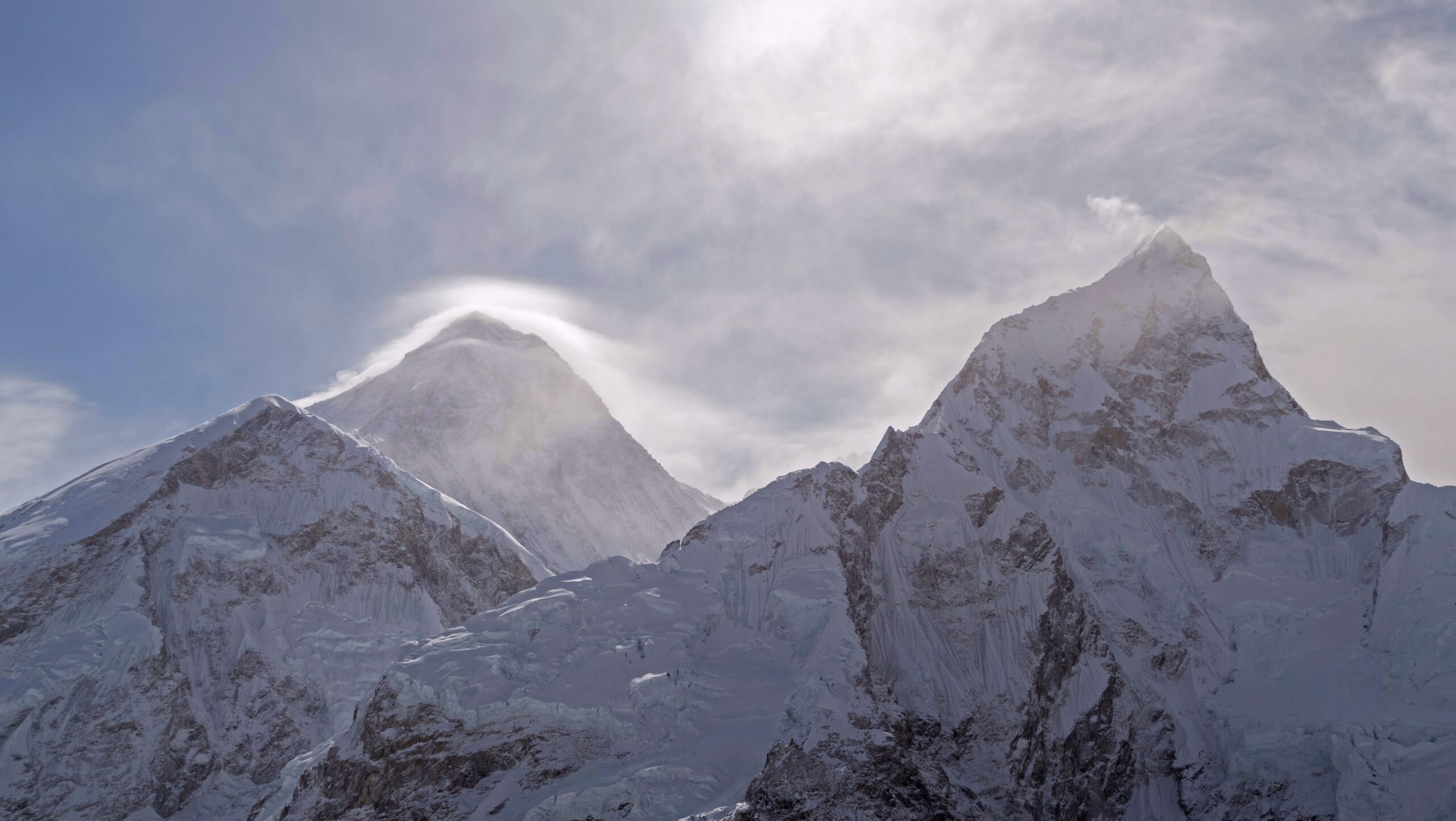
    Mount Everest and Nuptse at sunrise in Nepal
    Home › CTSS › Everest Prerequisites
    CTSS Everest Readiness · Experience · Skills · Fitness · Mindset

    Are You Ready to Climb Everest? CTSS Prerequisites & Readiness

    Climbing the Seven Summits does not treat Everest as a first mountaineering objective. CTSS publishes a clear entry bar: meaningful high-altitude experience, proven crampon and glacier competence, fixed-line confidence, steep-terrain comfort, Everest-specific fitness and the mental resilience to function inside a long expedition.

    CTSS primary-source requirements used 7,000 m altitude benchmark technical systems separated from fitness updated September 29, 2026
    Partnership disclosure: This article is part of a sponsored editorial pilot with Climbing the Seven Summits (CTSS). CTSS may provide source material and factual corrections, but Global Summit Guide retains editorial control. Sponsorship does not determine rankings, operator scores or conclusions.

    Everest readiness is easy to oversimplify. A climber can be exceptionally fit and still lack the altitude résumé, fixed-line repetition or expedition judgment CTSS expects. Another climber can have several big summits but still arrive physically underprepared for repeated long carries and summit-day effort.

    CTSS solves that problem by separating readiness into different categories. Its published prerequisites do not ask only whether you have climbed a famous mountain. They ask whether you have performed at serious altitude, used the systems Everest requires, trained specifically enough for the workload and shown the temperament to function inside a team for weeks.

    This page is designed to answer one question: does your current résumé meet the CTSS Everest entry bar? It does not replace a training program, progression plan or operator comparison. Those are linked where the next decision belongs.

    Global Rescue · GSG Safe Travel Partner Everest readiness also includes a rescue and evacuation plan.

    Global Rescue membership and travel insurance are separate products. High-altitude climbers should verify current altitude, activity and evacuation terms before departure.

    Review Global Rescue Options →
    The direct answer

    CTSS Does Not Accept Beginner Everest Climbers.

    If you have not yet demonstrated high-altitude performance and technical mountaineering competence, the next step is not simply “train harder for Everest.” It is to build the missing experience first. CTSS states that Everest climbers should have at least 7,000 m altitude experience, proven familiarity with crampons, glaciers and fixed lines, comfort on steep exposed rock and ice, and a well-rounded climbing résumé.

    Fitness is a separate gate. CTSS also expects a long, mountain-specific build and the ability to tolerate back-to-back long days. Cardiovascular fitness alone does not replace the climbing résumé.

    7,000 m+CTSS altitude-experience benchmark; Aconcagua is explicitly accepted
    9–12 moCTSS recommended Everest-specific training runway
    5–6 daysweekly training commitment CTSS says climbers should have time for
    10+ hrlong mountain days CTSS says climbers should be prepared to repeat
    The CTSS admission logic

    Five Gates Have to Be Open at the Same Time.

    A climber can be excellent in one category and still be underprepared overall. CTSS separates experience, technical competence, physical capacity and expedition mindset rather than treating “fit” as a synonym for “ready.”

    Gate 1

    Altitude

    Real experience high enough to know how you function when sleep, appetite, pace and recovery deteriorate.

    Gate 2

    Technical

    Confident cramponing, glacier travel, fixed-line movement and comfort on steep exposed rock and ice.

    Gate 3

    Fitness

    Mountain-specific aerobic durability, weighted uphill capacity and back-to-back long-day resilience.

    Gate 4

    Mindset

    Patience, adaptability, stress regulation and the ability to tolerate weeks of uncertainty and downtime.

    Gate 5

    Team

    Humility, communication, guide deference and the ability to support teammates under pressure.
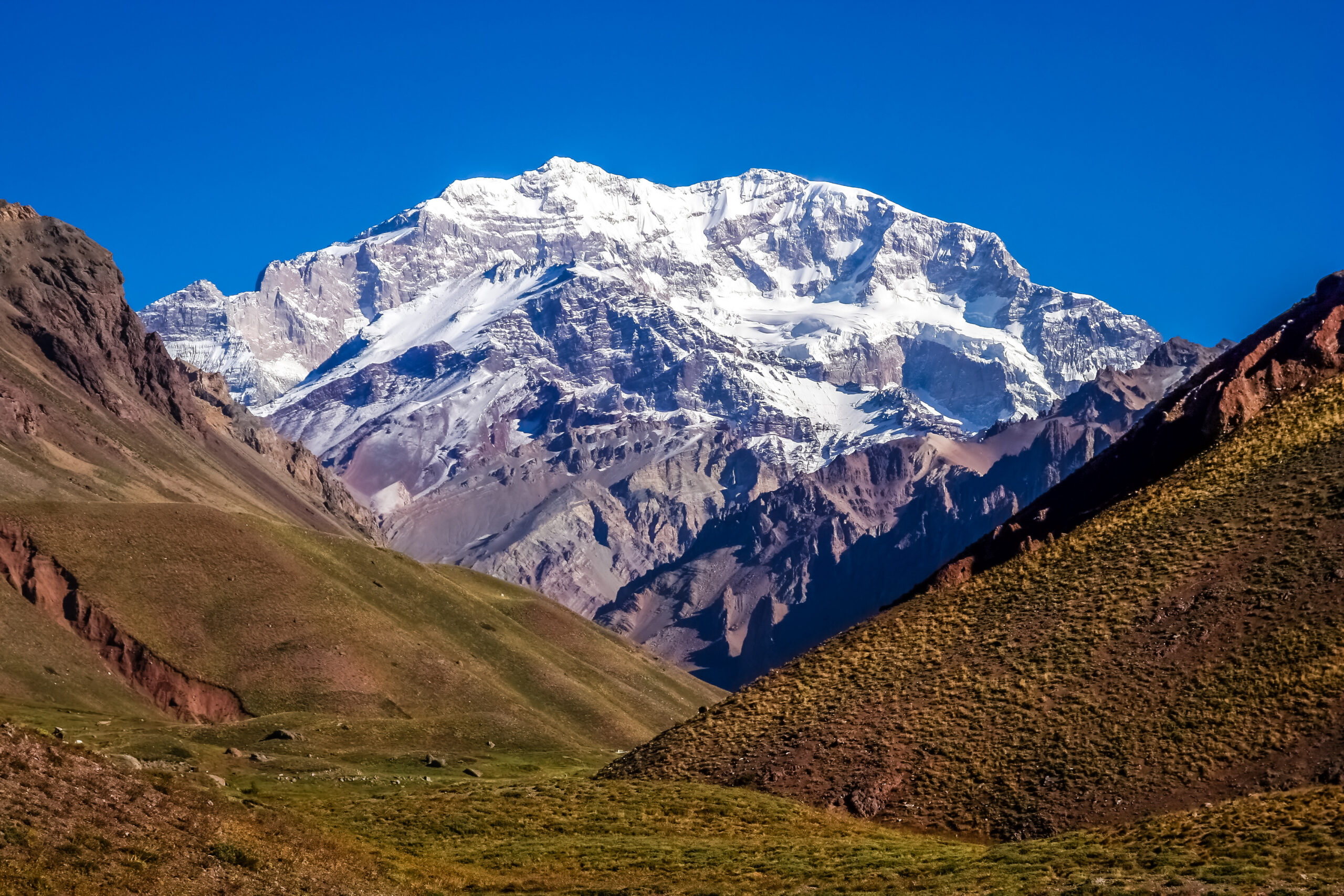
    Aconcagua in Argentina, an accepted CTSS Everest altitude prerequisite
    Gate 1 · altitude experience

    CTSS Wants Proof Above the Trekking Zone.

    CTSS publishes a baseline of at least 7,000 m of altitude experience. It specifically notes that a summit of Aconcagua is sufficient for this requirement. The important idea is not the exact name of the mountain—it is demonstrated performance at serious altitude.

    That means you have already learned something about your own pacing, appetite, sleep, recovery, cold tolerance, decision-making and symptom response where small mistakes become much more expensive.

    Useful bridge: CTSS states that its Everest Camp 3 climb reaches about 7,500 m and satisfies the company’s 7,000 m Everest prerequisite. It also gives future Everest climbers direct experience with the Khumbu Icefall, Western Cwm and Lhotse Face.
    Gate 2 · technical competence

    “I Have Used Crampons” Is Not the Same as Technical Readiness.

    CTSS asks for familiarity, confidence and proven experience—not first exposure on the expedition. Everest adds altitude, cold, gloves, fatigue, congestion and consequential terrain to systems that should already feel routine.

    CTSS requirementWhat “ready” should mean in practiceWhat does not prove readiness by itself
    CramponingEfficient movement on firm snow and ice, including while tired and wearing expedition footwear.One introductory snow climb or a single skills day.
    Glacier experienceComfort functioning in roped glaciated terrain and understanding the team’s movement/rescue system.Walking near a glacier or trekking on non-glaciated terrain.
    Fixed-line climbingRepeated use of an ascender, attachment system and transitions under supervision until the process is calm and repeatable.Watching a video or practicing once indoors.
    ExposureRemaining deliberate on steep rock/ice and exposed traverses when the terrain feels consequential.General hiking confidence on trails.
    Climbing résuméA broad enough history that your guides can see repeated evidence—not a single lucky summit.One large peak without supporting technical progression.
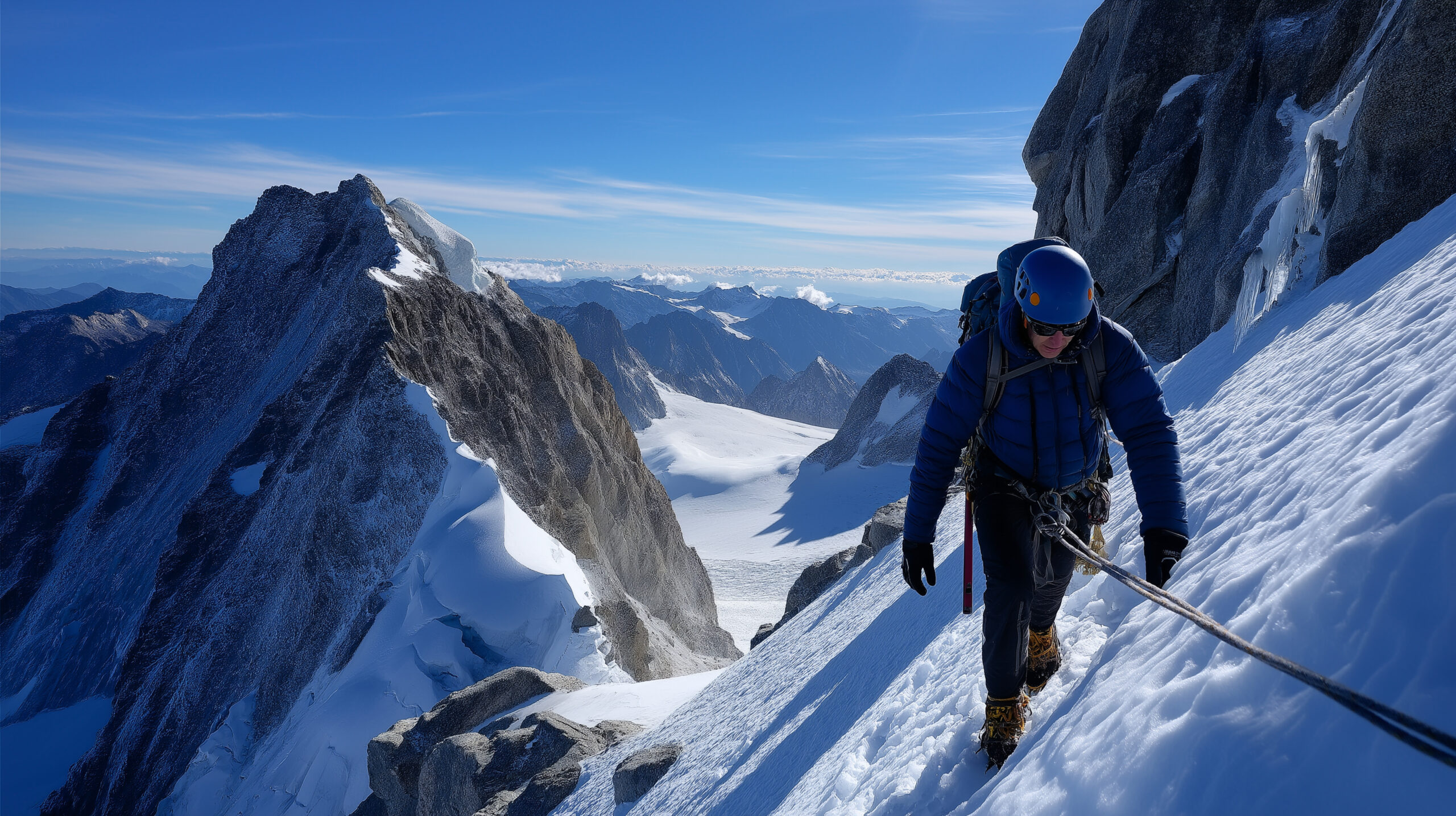
    High-altitude mountaineer using crampons and a fixed rope on steep snow
    Everest is not where basic fixed-line skills should become automatic

    CTSS Is Looking for Competence You Can Still Execute When Cold, Hypoxic and Fatigued.

    The Everest environment amplifies ordinary errors. The goal before arrival is not merely to understand the hardware—it is to have enough repetition that movement systems remain disciplined when your attention is degraded.

    Gate 3 · Everest-specific fitness

    CTSS Publishes a Concrete Physical Bar.

    CTSS recommends beginning Everest-specific training 9–12 months before departure, having enough time to train 5–6 days per week, and building toward long mountain days that resemble expedition work rather than general gym fitness.

    • Be comfortable hiking about 1,500 vertical feet per hour with a 20 lb pack.
    • Prepare for 10+ hour mountain days, including back-to-back efforts.
    • Emphasize high-volume, lower-intensity endurance rather than making every workout hard.
    • Make training increasingly specific to uphill movement, load carriage and recovery.
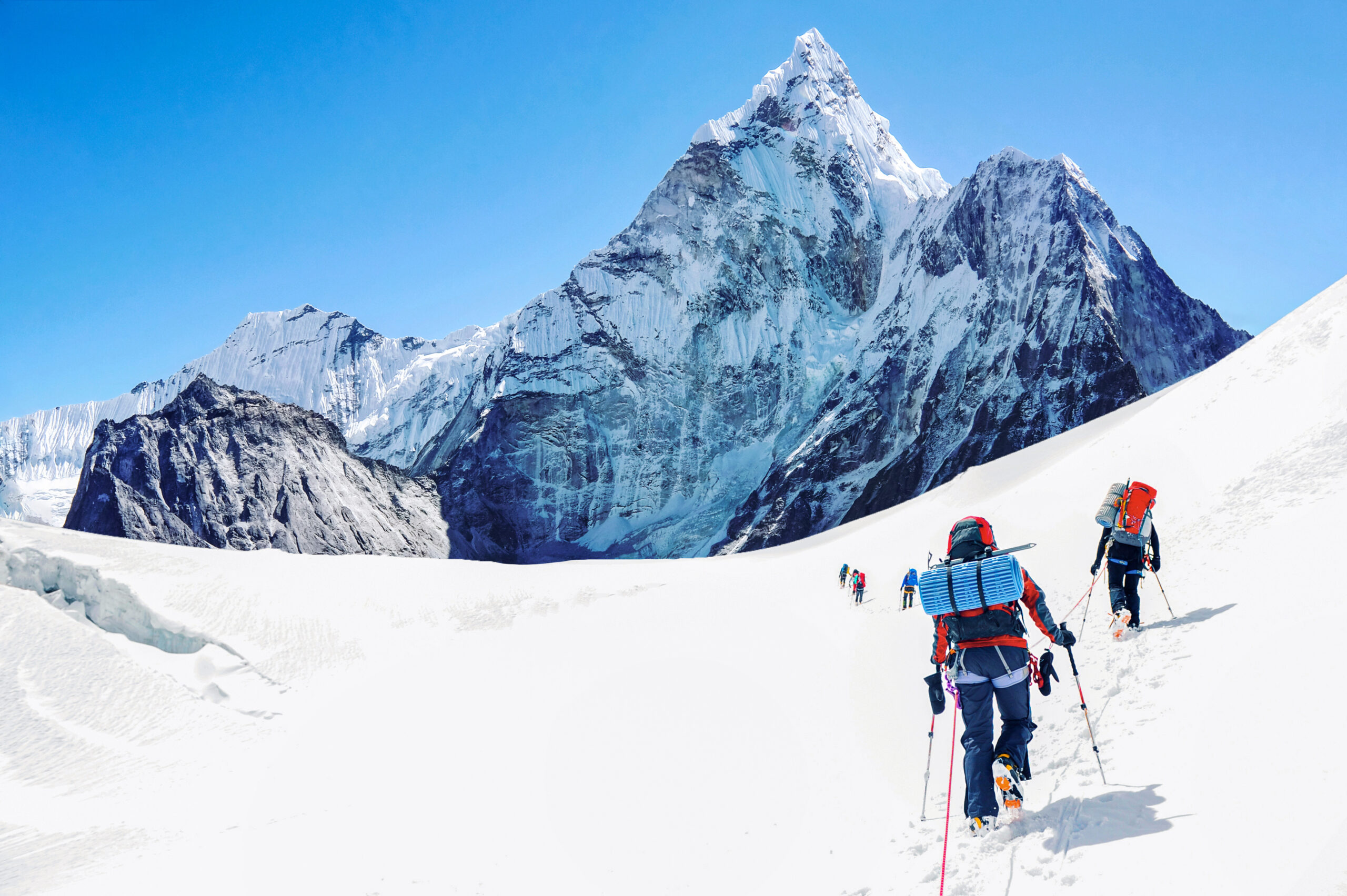
    This page does not own the workout program. Once the experience and technical gates are realistic, use the dedicated Global Summit Guide Everest training plan for the 12-month physical build.
    High-altitude Everest climbers working together near the summit
    Gates 4 & 5 · mindset and team behavior

    CTSS Treats Expedition Temperament as a Prerequisite.

    Everest is a long campaign, not a continuous climb. CTSS explicitly asks clients to be ready for stress, monotony, uncertainty, guide direction and the social reality of living inside an expedition team for weeks.

    1
    Be ready for a long expedition window.

    Work, family and travel commitments have to accommodate the full schedule and uncertainty around weather.

    2
    Be patient with Base Camp downtime.

    CTSS warns that extended waiting can feel monotonous. Boredom tolerance is part of expedition readiness.

    3
    Defer to guide judgment.

    Even experienced climbers must be willing to receive and follow direction from the expedition leadership.

    4
    Regulate stress.

    Everest adds uncertainty, fatigue, altitude, crowding and weather. CTSS expects clients to manage their response.

    5
    Communicate openly.

    Problems become harder when clients hide fatigue, symptoms, fear or equipment issues from their guides.

    6
    Make the team better.

    CTSS explicitly calls for supportive, humble, respectful and considerate behavior under pressure.

    A practical pre-application audit

    Can You Answer “Yes” Without Explaining Away the Gaps?

    This is not an admission decision—CTSS makes that call after reviewing your experience. It is a useful way to decide whether contacting the company about an Everest summit program makes sense now or after another progression season.

    Readiness questionCTSS-published basisIf your answer is “not yet”
    Have I performed well at approximately 7,000 m?CTSS asks for at least 7,000 m altitude experience and explicitly accepts Aconcagua.Choose a progression objective that tests altitude without stacking unnecessary new technical difficulty.
    Can I use crampons confidently on real mountain terrain?CTSS asks for proven crampon familiarity and confidence.Get guided snow/ice mileage and repeat the skill until it is routine.
    Do I have glacier and fixed-line experience?Both are named prerequisites.Build supervised glacier and fixed-line experience before Everest.
    Am I comfortable on steep exposed rock and ice?CTSS specifically names exposure and steep terrain.Choose progression climbs where exposure is real but the overall objective remains manageable.
    Can I sustain long uphill days with a training pack?CTSS publishes the 1,500 vertical ft/hour with 20 lb benchmark and 10+ hour mountain-day expectation.Use the dedicated Everest training plan rather than adding random intensity.
    Can I train consistently for 9–12 months?CTSS recommends a long Everest-specific build and 5–6 training days per week.Delay the expedition rather than compressing the final preparation.
    Can I function well inside a team for weeks?CTSS asks for patience, communication, humility and adaptability.Gain more expedition experience where weather delays and shared decisions are part of the process.
    The résumé is broader than one summit

    Three Types of Experience CTSS Is Really Looking For.

    The specific mountains can vary, but the résumé should show altitude, technical systems and expedition behavior—not simply a list of famous names.
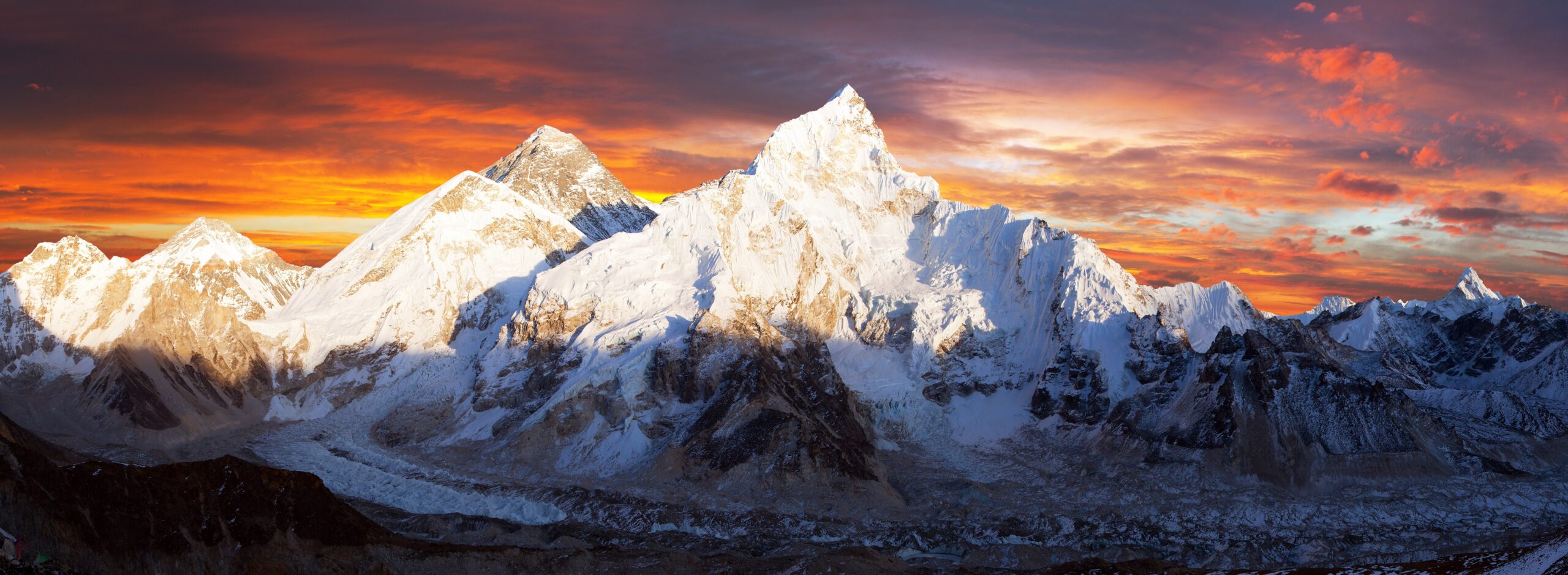
    Mount Everest at sunset from the Khumbu region
    High AltitudeExperience where pace, sleep, appetite and recovery change meaningfully.
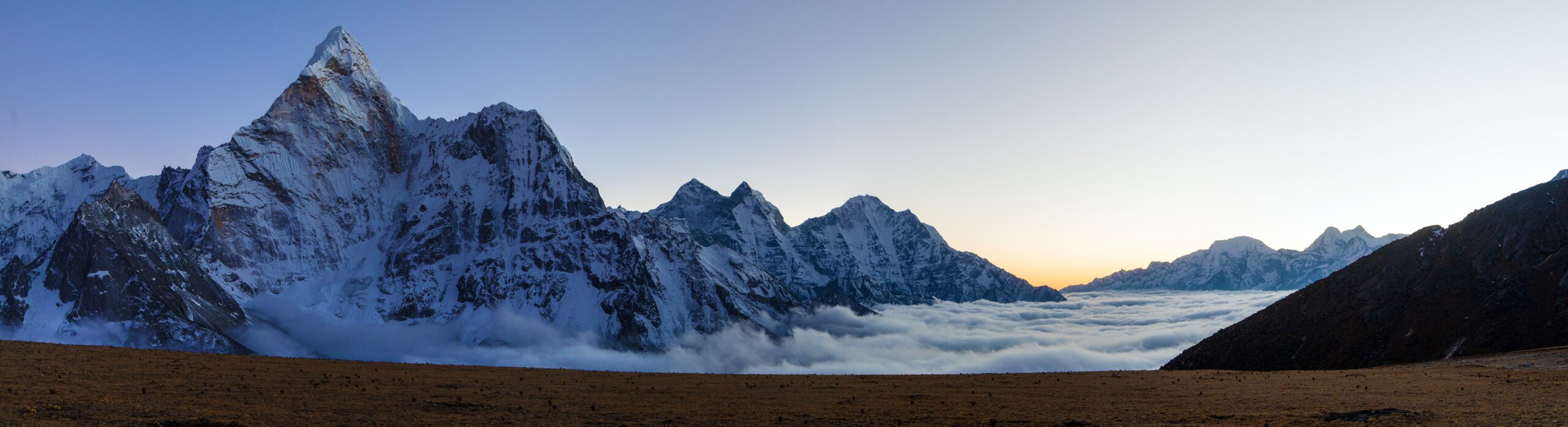
    Ama Dablam in Nepal, a technical progression objective
    Technical ProgressionMountains that require real crampon, rope and exposure management.
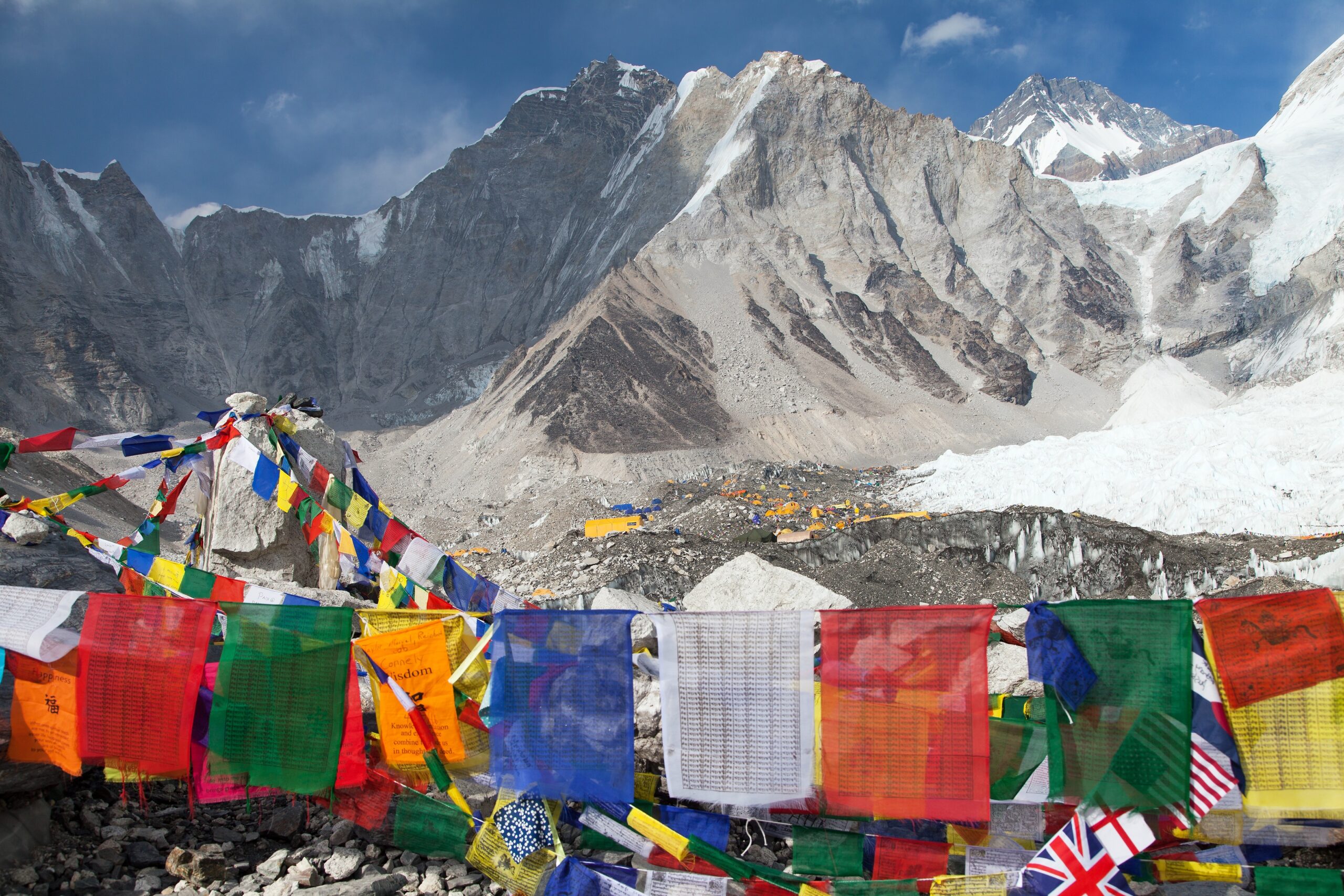
    Everest Base Camp tents and prayer flags in Nepal
    Expedition LivingRepeated days of waiting, recovering, communicating and making conservative decisions.
    Where the prerequisite becomes real

    Everest Readiness Gets Tested Across the Khumbu.

    On the South Col route, the skills CTSS asks for are not abstract. Climbers move through the Khumbu Icefall, across the Western Cwm and onto fixed lines above Camp 2 toward the Lhotse Face.

    A climber who reaches Nepal still needing to learn basic crampon movement, fixed-line transitions or expedition self-management is trying to close the wrong gap in the wrong place.

    Compare Everest Operators
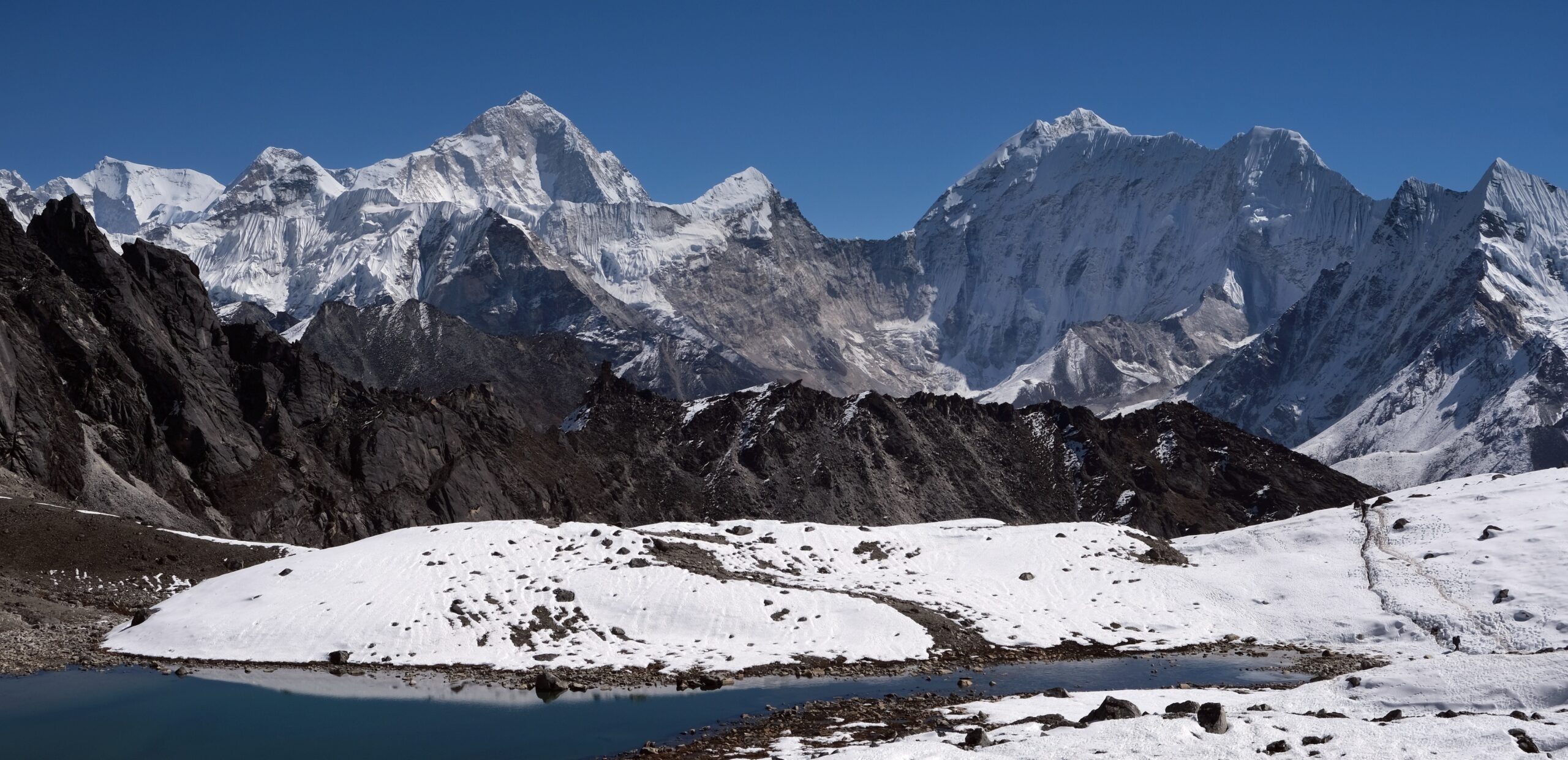
    High Himalayan terrain near the Everest region in Nepal
    If one gate is still closed

    Do Not Solve Every Weakness With Another Workout.

    The next move depends on the missing gate. Fitness problems need training; technical problems need instruction and mileage; altitude problems need appropriate high-altitude objectives; expedition-behavior problems need more time in real expedition environments.

    • Altitude gap: choose a progression climb that tests high-altitude performance.
    • Technical gap: build fixed-line, crampon and glacier mileage under qualified instruction.
    • Fitness gap: use a long Everest-specific training plan rather than compressing the build.
    • Expedition gap: choose an objective long enough to test recovery, patience and team behavior.
    CTSS offers a direct conversation path: its prerequisite page invites climbers who are unsure about their résumé to contact the company so it can evaluate their experience and help identify an appropriate progression.
    A note on speed ascents

    A Faster Everest Program Does Not Lower the Prerequisite Bar.

    CTSS describes speed-ascent programs as options for qualified climbers using advanced pre-acclimatization and customized logistics. They are not a shortcut around experience. If the standard Everest prerequisites are still a stretch, compressing the expedition timeline is not the next step.

    Primary sources

    Where the CTSS Readiness Standards Come From

    This page separates CTSS’s own published requirements from Global Summit Guide’s editorial routing and interpretation.

    CTSS Everest Training & Prerequisites

    Primary source for the published experience, technical, fitness and mindset requirements used on this page.

    Read CTSS source →

    CTSS Everest Camp 2 / Camp 3

    Primary source for CTSS’s statement that its Camp 3 climb satisfies the 7,000 m Everest prerequisite and provides Everest-route familiarity.

    Read CTSS source →

    CTSS Everest Programs

    Primary program hub for current Everest support models, expedition options and program-level information.

    Read CTSS source →
    FAQ

    CTSS Everest Readiness Questions

    The shortest answers to the prerequisite questions climbers ask before contacting an operator.

    Does CTSS accept beginner climbers on Everest?

    No. CTSS explicitly states that it does not accept beginner climbers on its Everest programs.

    What altitude experience does CTSS require?

    CTSS publishes a baseline of at least 7,000 m of altitude experience and specifically states that a summit of Aconcagua is sufficient.

    Is Everest Base Camp enough?

    No. Everest Base Camp is valuable altitude trekking experience, but CTSS’s Everest summit prerequisites separately require advanced climbing experience, crampon competence, glacier and fixed-line experience, and comfort on steep exposed terrain.

    How fit should I be?

    CTSS recommends 9–12 months of specific training, enough schedule capacity for 5–6 training days per week, comfort hiking around 1,500 vertical feet per hour with a 20 lb pack, and preparation for repeated mountain days of 10 hours or more.

    Does CTSS Camp 3 satisfy the 7,000 m prerequisite?

    Yes. CTSS states that its Everest Camp 3 climb, reaching approximately 7,500 m, satisfies the 7,000 m Everest prerequisite.

    Can elite fitness make up for limited mountaineering experience?

    No. CTSS lists technical competence and altitude experience separately from physical conditioning. Everest-specific fitness should sharpen an experienced climber, not replace the climbing résumé.

    GLOBAL SUMMIT GUIDE · PERMITS, TRAINING, GEAR & ROUTE RESEARCH

    Connect preparation to the actual objective

    Use “CTSS Everest Prerequisites” with the linked Everest route and logistics guides so your readiness plan matches the actual trip.

    Was this helpful?

    Thanks for your feedback!
  • Khumbu Icefall: Why It’s Everest’s Most Dangerous Ground

    Climbers crossing aluminum ladders in the Khumbu Icefall on Mount Everest in 2026
    Everest south route · Base Camp to Camp I · moving glacier

    The Khumbu Icefall: Everest’s Most Dangerous Ground?

    The Khumbu Icefall is the broken, fast-moving section of the Khumbu Glacier immediately above Everest Base Camp on the Nepal side. Climbers thread through towers of ice, cross crevasses on aluminum ladders and stay clipped to fixed ropes while the glacier continues to deform beneath them. The Sagarmatha Pollution Control Committee calls it widely considered the most dangerous part of climbing Everest. That is defensible for objective hazard and repeated worker exposure—but it does not mean every client is statistically more likely to die here than high in the Death Zone.

    Ice moves roughly ~1 m/day SPCC route team: 8 Icefall Doctors 2014 avalanche: 16 Nepali workers killed 2026 route opened Apr 28 after serac delay
    Direct answer

    Why is the Khumbu Icefall so dangerous?

    Because the route itself is moving. The glacier flows and fractures into seracs, crevasses, unstable snow bridges and ice walls. Climbers can protect themselves against a fall by clipping to fixed ropes, but they cannot reliably predict when a hanging block of ice will collapse or when an avalanche from Everest’s West Shoulder will sweep across the route. The safest strategy is therefore exposure reduction: travel quickly, cross during the colder pre-dawn hours, avoid unnecessary stops and use a route maintained continuously by the Icefall Doctors.

    The Icefall at a glance

    A Route Through a Glacier That Never Stops Moving

    Unlike a fixed rock route, the Khumbu Icefall can change overnight. Crevasses open, bridges sag, towers fall, anchors melt out and ladders must be moved or replaced.

    Starts nearEverest Base CampAbout 5,364 m / 17,598 ft on the Nepal side.
    Camp I~5,940 mUsually positioned just above the top of the Icefall.
    Glacier motion~1 m/dayA commonly cited order of magnitude; faster in steeper sections.
    2026 route team8 DoctorsSPCC’s specialized annual route-construction team.
    Everest south-side orientation

    The Icefall Connects Base Camp to the Western Cwm

    Everest Base Camp sits on the Khumbu Glacier below the Icefall. The route climbs through the broken glacier toward Camp I, then continues through the flatter Western Cwm toward Camp II and the Lhotse Face.

    South route sequence

    The exact climbing line changes every spring.

    Everest Base Camp · ~5,364 mExpedition base on the lower Khumbu Glacier.
    Lower IcefallBroken glacier, crevasses and moving ice immediately above camp.
    Popcorn / broken-ice zonesTraditional informal names for especially chaotic sections.
    Upper IcefallLarge crevasses, seracs and the transition toward flatter terrain.
    Camp I · ~5,940 mUsually just beyond the top of the Icefall.
    Camp II · ~6,400 mAdvanced Base Camp in the Western Cwm.
    NASA image showing the Khumbu Glacier and Khumbu Icefall in relation to Everest
    The glacier funnels into a steep compression zone

    An Icefall Is What Happens When a Glacier Has to Drop Too Fast

    As the Khumbu Glacier descends steeply out of the Western Cwm, it fractures faster than the ice can deform smoothly. The result is the maze of crevasses and seracs climbers call the Khumbu Icefall.

    NASA imagery via Wikimedia Commons.
    Glaciology in plain English

    What Exactly Is the Khumbu Icefall?

    A glacier normally flows slowly downhill. When the bed steepens dramatically, the surface cannot stay intact. It stretches, fractures and topples into a chaotic field of moving ice.

    1 · Glacier flowsIce moves downhillGravity pushes the Khumbu Glacier out of the Western Cwm.
    2 · Bed steepensFlow acceleratesThe glacier must descend rapidly toward Base Camp.
    3 · Surface fracturesCrevasses openThe brittle upper ice cannot stretch smoothly.
    4 · Towers formSeracs riseBlocks become isolated, tilted and increasingly unstable.
    5 · Route changesYesterday’s line disappearsMotion continually alters ladders, anchors and safe passage.
    Six overlapping hazards

    Why the Khumbu Icefall Is So Dangerous

    Most of the danger is objective: good technique lowers exposure to some hazards but cannot stop the glacier or the ice above it from moving.

    1 · Serac collapse

    Ice towers can fail without useful warning

    Seracs may weigh many tons. A climber can be perfectly clipped to the fixed rope and still be hit by collapsing ice.

    Protection against falling is not protection against impact.
    2 · Crevasses

    The route crosses open and hidden gaps

    Some are bridged by ladders; others may be covered by snow bridges that weaken or sag.

    Fixed ropes reduce fall consequence but do not remove the gap.
    3 · West Shoulder avalanches

    Hazard can come from outside the Icefall

    Hanging ice on Everest’s West Shoulder can release and sweep laterally across the climbing route.

    This mechanism killed 16 Nepali workers in 2014.
    4 · Daily warming

    Sunlight changes the route

    Warmer daytime temperatures can increase melt around anchors, weaken snow bridges and increase movement.

    That is why teams usually enter before dawn.
    5 · Traffic bottlenecks

    Waiting increases exposure time

    Ladders, vertical steps and anchor transitions can create queues exactly where climbers want to keep moving.

    Time in the hazard zone is a risk variable.
    6 · Repeated crossings

    Workers accumulate much more exposure

    Guides and support staff may carry loads repeatedly while clients make fewer round trips.

    Cumulative exposure is not evenly distributed.
    Inside the Khumbu Icefall showing aluminum ladders between walls of broken glacier ice
    The famous ladder crossings are only part of the problem

    Ladders Solve Crevasses. They Do Not Stabilize the Glacier.

    Aluminum ladders and fixed lines make otherwise impassable gaps crossable. But the surrounding ice continues to move, which is why the route must be checked and repaired throughout the season.

    Inside Khumbu Icefall · Wikimedia Commons, CC BY 2.5.
    How the climbing system works

    Fixed Ropes, Aluminum Ladders and Constant Maintenance

    There is no permanent route. The Icefall Doctors choose the best available line each spring, then install and maintain the system while the glacier changes beneath it.

    ToolWhat it doesWhat it cannot do
    Fixed ropeProvides continuous attachment and protects against many slips or crevasse falls.Cannot protect against a large serac or avalanche impact.
    Aluminum ladderBridges crevasses or forms steep/vertical steps through broken ice.Cannot remain permanently aligned as the glacier moves.
    Ice screw / picket anchorsSecure ropes and ladder systems to snow or ice.Can loosen as ice melts, deforms or fractures.
    Route flags / wandsHelp define the line through complex terrain.Do not guarantee yesterday’s terrain still exists.
    Icefall Doctor inspectionsIdentify changes, repair failures and reroute dangerous sections.Cannot predict every collapse in advance.

    How many ladders are in the Khumbu Icefall?

    There is no fixed number. The count changes every year—and sometimes during the season—as crevasses open or close. Historical seasons have ranged from only a handful of major ladder crossings to more than two dozen. Multiple ladders may be lashed together horizontally, diagonally or vertically.

    Why headlamps are normal

    Why Do Climbers Cross the Khumbu Icefall Before Sunrise?

    Because overnight cold generally leaves the snow and ice more frozen and less active than after hours of direct sun. National Geographic’s Everest reporting notes that climbers commonly enter the Icefall by headlamp, often in the very early morning, to reduce time in warming ice.

    That does not make a pre-dawn crossing safe. Seracs can collapse at any hour, earthquakes do not follow a schedule, and large avalanches can cross the route even when the local snow surface is frozen.

    The goal is exposure reduction, not a “safe window.”

    Leave early, move efficiently, avoid unnecessary breaks and get through before daytime warming increases instability.

    Two mountaineers descending through giant blocks of the Khumbu Icefall in May 2026
    Khumbu Icefall, May 2026 · Megaurab09 / Wikimedia Commons, CC-licensed.
    The team that makes south-side Everest possible

    Who Are the Icefall Doctors?

    The Sagarmatha Pollution Control Committee has been contracted by Nepal’s Ministry of Culture, Tourism and Civil Aviation since 1997 to establish and maintain the Khumbu Icefall route.

    Team

    Eight specialized workers

    SPCC currently recruits eight highly experienced Icefall Doctors for the seasonal route team.

    They are among the first people into the unstable glacier each spring.
    Job

    Build the shared route

    They scout, fix ropes, install ladders, repair anchors and choose alternatives when sections collapse.

    Everest, Lhotse and Nuptse expeditions depend on their work.
    Season

    Early April to late May

    SPCC says the route is typically opened in early April and closed at the end of the spring climbing season.

    Maintenance continues throughout the operating window.
    Everest Base Camp and the Khumbu Icefall viewed from Kala Patthar
    Base Camp sits directly below the Icefall

    There Is No South-Side Everest Without Passing This Gate

    For climbers following the standard Southeast Ridge from Nepal, the Icefall is the gateway from Base Camp to the Western Cwm. The route also serves Lhotse and Nuptse expeditions.

    Everest Base Camp and Khumbu Icefall from Kala Patthar · Uwe Gille / Wikimedia Commons.
    April 18, 2014

    The Avalanche That Changed How the World Saw Everest Labor

    At about 6:30–6:45 a.m., a massive serac broke from the West Shoulder of Everest and sent ice and snow across the route around 5,800 m. Sixteen Nepali mountain workers were killed and nine others were injured.

    DateApr 18, 2014Early morning during routine load carrying.
    Killed16All were Nepali expedition workers.
    SourceWest ShoulderHanging ice collapsed from above the Icefall.
    AftermathSeason haltedThe disaster triggered grief, labor disputes and major scrutiny of worker risk.

    The 2014 lesson was not “the ladder failed.”

    The climbers were exposed to a giant external ice release. Fixed ropes, crampons and ladder technique could not solve that hazard. The event showed the limit of engineering inside the Icefall when the source is hanging thousands of feet above the route.

    April 12, 2023

    Three More Workers Died When the Upper Icefall Collapsed

    Tenjing Sherpa, Lakpa Rita Sherpa and Dawa Chhirri Sherpa were carrying equipment for route work when a section of the upper Icefall collapsed and buried them. Their bodies could not be recovered.

    2014 and 2023 were different mechanisms.

    In 2014 the killer ice came from a hanging glacier on Everest’s West Shoulder and swept across the route. In 2023 the upper Icefall itself collapsed. Both demonstrate why “avalanche risk” and “icefall collapse” should not be treated as identical categories.

    The Khumbu Glacier, Icefall and Everest Base Camp seen from above
    The hazard is a corridor, not one obstacle

    Route Choice Is Always a Tradeoff Between Distance, Crevasses and Exposure From Above

    A line farther toward the center may avoid some hanging-ice exposure but require more crevasse crossings. A line toward a margin may move faster but sit beneath another source of objective hazard. There is no permanent “safe side.”

    Khumbu Glacier and Base Camp · Markrosenrosen / Wikimedia Commons, CC BY-SA 3.0.
    Spring 2026

    An Unstable Serac Delayed the Entire Everest South-Side Season

    The 2026 route became a live demonstration of how little control climbers have over the Icefall. The Icefall Doctors began work in mid-March but were stopped below Camp I by a large unstable serac, strong winds and snowfall.

    2026 milestoneWhat happenedWhy it matters
    Mid-MarchEight Icefall Doctors began the annual route-opening operation.The route is rebuilt from scratch every season.
    Early AprilProgress reached a rockfall area below Camp I.The lower system could be established normally.
    Mid-AprilA large unstable serac blocked the viable line.The team stopped rather than force passage through unacceptable exposure.
    Late AprilSPCC, government and expedition operators assessed alternatives by air and on foot.Route finding became a season-wide operational issue, not one team’s problem.
    April 28A joint team opened the passage after roughly two weeks of delay.The Everest, Lhotse and Nuptse climbing season could finally move normally toward Camp II.

    2026 reinforces the correct decision model.

    When the Icefall does not offer a defensible line, waiting is a valid outcome. The annual route is an operational solution to a natural system—not a guarantee that a route will exist on schedule.

    Copernicus Sentinel satellite image of Mount Everest and the Khumbu Glacier
    The glacier is not static on seasonal or climatic timescales

    The Icefall Changes Every Day—and the Glacier Is Changing Over Decades

    Daily flow is what forces route maintenance. Longer-term glacier thinning and retreat add another layer of change to the terrain around Everest Base Camp and the lower Khumbu Glacier.

    European Union / Copernicus Sentinel-2 imagery via Wikimedia Commons.
    Risk is not distributed equally

    Why Sherpas and Other Nepali Workers Accumulate More Icefall Exposure

    The client and the worker may use the same fixed line, but they do not necessarily spend the same amount of time on it.

    Clients

    Fewer crossings

    Most guided climbers cross for acclimatization rotations and later for the summit push.

    Exposure is substantial but comparatively limited.
    Workers

    Repeated carries

    Support staff move tents, food, fuel, oxygen and equipment toward Camps I and II, creating repeated passages through the same objective-hazard corridor.

    Each crossing adds cumulative exposure.
    Route team

    The first and most technical exposure

    Icefall Doctors enter before the route exists and return when ladders, ropes or anchors fail.

    The people reducing everyone else’s risk take concentrated risk themselves.

    That is why 2014 changed the Everest conversation.

    The disaster made the labor structure visible: all 16 people killed were Nepali mountain workers, not paying international clients.

    Answering the head-term question carefully

    Is the Khumbu Icefall Really the Most Dangerous Part of Everest?

    It is reasonable to call it one of Everest’s most dangerous sections, especially for objective hazard and worker exposure. SPCC itself describes it as widely considered the most dangerous part of climbing Everest. But “most dangerous” changes with the metric.

    MetricKhumbu IcefallUpper Everest / Death Zone
    Objective hazardExtremely high: seracs, crevasses, external avalanches and glacier movement.High: weather, cornices, fixed-line congestion, falling climbers and route exposure.
    Altitude illnessLower than upper mountain because altitude is roughly 5,400–5,940 m.Much higher above 8,000 m.
    PredictabilityPoor for serac collapse and large ice release.Weather and oxygen problems may be more forecastable, though still uncertain.
    Worker exposureVery high because of repeated carries and maintenance trips.High, but crossing frequency is different.
    Client exposureSeveral passages on the standard south route.Fewer summit-zone passages but far greater physiological stress.
    Best summaryEverest’s most concentrated moving-glacier hazard corridor.Everest’s most physiologically unforgiving terrain.

    So what is the honest answer?

    If someone asks for the most dangerous terrain feature on the normal south route, the Khumbu Icefall is an excellent answer. If they ask where an individual climber is most likely to die, the answer depends on role, era, route, altitude and denominator.

    What climbers can control

    How Teams Reduce Icefall Risk

    No technique eliminates objective hazard. The practical goal is to reduce exposure and prevent a manageable problem—such as a slip—becoming a major accident.

    Timing

    Move before daytime warming

    Teams normally enter very early, often by headlamp.

    Colder terrain is generally more stable than sun-warmed ice.
    Attachment

    Stay clipped to fixed lines

    Continuous attachment can arrest a ladder slip or crevasse fall.

    Transitions at anchors need to be practiced before Everest.
    Speed

    Move efficiently, not recklessly

    The objective is to spend less time beneath seracs without creating a fall through rushed technique.

    Competence reduces exposure time.
    Spacing

    Avoid unnecessary clustering

    Queues increase how many people can be exposed to one local failure.

    Traffic management is a safety issue.
    Observation

    Respect route changes

    If the Doctors close, reroute or delay a section, yesterday’s successful crossing is not evidence the old line remains acceptable.

    The glacier gets the final vote.
    Preparation

    Practice ladders before the mountain

    Crampon foot placement, ascenders, carabiner transitions and pack balance should be automatic before entering the Icefall.

    Technical hesitation increases time in the hazard zone.
    Khumbu Icefall FAQ

    Direct Answers About Everest’s Moving Glacier

    The exact route changes each year, so some quantities—especially ladder count and crossing time—should never be treated as permanent specifications.

    What is the Khumbu Icefall?

    The Khumbu Icefall is the steep, heavily fractured section of the Khumbu Glacier immediately above Everest Base Camp on the Nepal side. The glacier breaks into crevasses and seracs as it drops from the Western Cwm toward Base Camp.

    Why is the Khumbu Icefall dangerous?

    The glacier is constantly moving. Climbers face crevasses, unstable seracs, collapsing snow bridges, icefall movement and avalanches from hanging glaciers on Everest’s West Shoulder.

    Is the Khumbu Icefall the most dangerous part of Everest?

    SPCC says it is widely considered the most dangerous section of the climb. That description is especially defensible for objective hazard and repeated worker exposure, but upper Everest has greater altitude, weather and physiological risk.

    Why do climbers cross the Khumbu Icefall at night?

    They usually start before dawn because overnight cold refreezes the ice and snow. Daytime warming can increase melt, movement and instability. Early travel reduces exposure but does not make the Icefall safe.

    How fast does the Khumbu Icefall move?

    Common Everest reporting places movement at roughly a metre per day, with faster movement in steeper sections. The exact rate varies across the glacier and over time.

    How many ladders are in the Khumbu Icefall?

    There is no fixed number. The route changes every season and can change during the season. Some years require only a handful of major crossings; other years have required more than twenty.

    Who builds the route through the Khumbu Icefall?

    The Sagarmatha Pollution Control Committee recruits eight specialist Icefall Doctors who scout, establish and maintain the route with fixed ropes, anchors and aluminum ladders.

    How long does it take to cross the Khumbu Icefall?

    It varies with acclimatization, route complexity, traffic and conditions. Strong acclimatized workers have crossed in only a few hours, while less-acclimatized climbers can take much longer. Crossing time is not a fixed Everest specification.

    What happened in the Khumbu Icefall in 2014?

    On April 18, 2014, a massive serac collapsed from Everest’s West Shoulder and sent an avalanche across the Icefall route, killing 16 Nepali mountain workers and injuring nine.

    What happened in the Khumbu Icefall in 2023?

    On April 12, 2023, a section of the upper Icefall collapsed and buried three Nepali workers carrying equipment for route preparation. Their bodies could not be recovered.

    What happened to the Khumbu Icefall route in 2026?

    A large unstable serac below Camp I delayed route opening by about two weeks. After repeated inspections and collaboration between SPCC Icefall Doctors and expedition guides, the route was opened on April 28.

    Can Everest climbers avoid the Khumbu Icefall?

    Not on the standard Southeast Ridge route from Nepal. Climbers using the north side of Everest in Tibet do not cross it, but Nepal-side Everest, Lhotse and Nuptse teams depend on the Khumbu Icefall route.

    The Khumbu lesson

    The Icefall Is Dangerous Because Skill Cannot Control the Biggest Hazard.

    A climber can learn to cross a ladder smoothly. A guide can inspect an anchor. The Icefall Doctors can move the route around a new crevasse. None of those skills can hold up a collapsing serac. That is why the Khumbu Icefall is such an important Everest risk lesson: when hazard cannot be engineered away, safety depends on choosing the least-bad line, minimizing time inside it, respecting closures and remembering that the workers who build and supply the route accumulate far more exposure than a single summit client ever sees.

    GLOBAL SUMMIT GUIDE · HISTORY, SHERPA CULTURE & SAFETY

    Explore the connected Nepal guides

    For perspective on “How the Khumbu Icefall works,” continue to related Nepal history, risk research and the underlying mountain or trekking guides.

    Was this helpful?

    Thanks for your feedback!
Language »