Last updated November 9, 2026
Glacier Travel Gear & Safety: Harness, Rope, Prusiks & Rescue Checklist
Understand the personal equipment, trained rope-team rescue kit and compatibility checks needed before stepping onto crevassed terrain. This guide separates what every climber carries from what a guide or team leader supplies.
Glacier safety starts with skills: A rope, harness and rescue hardware cannot make an untrained group safe. Complete a qualified glacier travel and crevasse rescue course before relying on these systems.
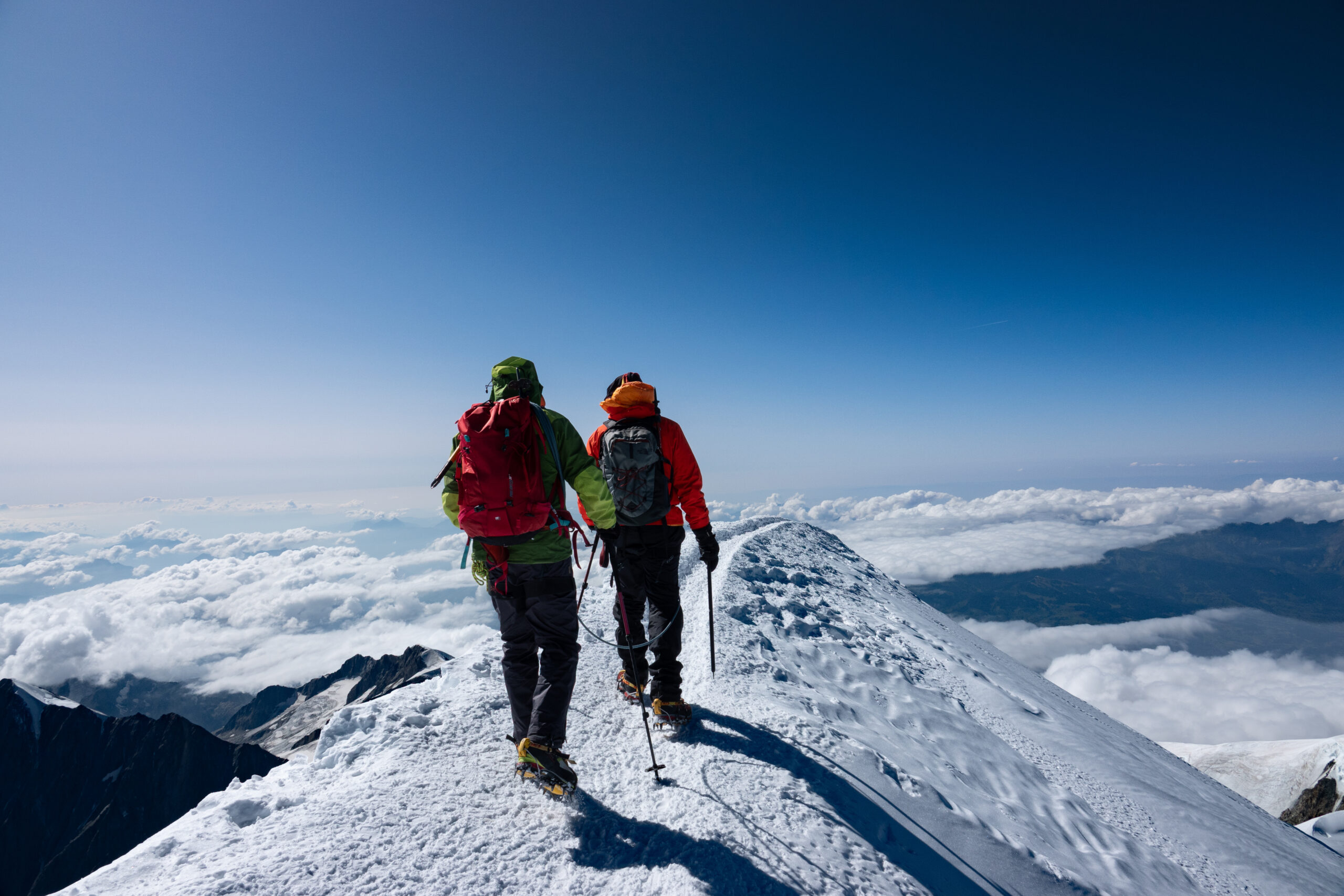
Six equipment systems work together
1. Harness
Personal connection to the rope. Fit and adjustment must be tested over real layers.
2. Rope
Team-specific rated dynamic rope, selected with adequate spacing and rescue capacity.
3. Prusiks and ascenders
Compatible friction tools used within practiced and supervised techniques.
4. Locking connectors
Certified carabiners, slings and cord forming compatible critical connections.
5. Anchors and pulleys
Route-specific shared rescue system; snow, ice and rock change the requirements.
6. Personal protection
Boots, crampons, axe, helmet, weather layers, eye protection and communications.
Individual kit versus the rope-team kit
| Equipment | Personal or shared? | Critical check |
|---|---|---|
| Harness, fitted boots, weather layers | Usually personal | Test movement and fit with all layers |
| Crampons, axe and helmet | Personal if route requires | Compatibility and practiced technique |
| Rope, anchors and team rescue system | Guide or rope-team allocation | Type, length, condition, proficiency and redundancy |
| Ascenders, prusik loops and connectors | Allocated to individuals or team | Matching rope diameter and trained use |
| Communications, first aid, emergency shelter | Team plan plus individual essentials | Operational devices and clear responsibilities |
Guided clients should verify written inclusions. Independent teams must carry a complete practiced system, not a collection of purchased hardware.
Buy compatible rope systems, not arbitrary specifications
Rope selection requires accounting for team size, route, certification, type and length, plus compatibility with progress capture and friction devices. Do not infer suitability from diameter alone. Check the exact model instructions, especially on thin ropes or icy conditions.
For harnesses, fit over your summit clothing and ensure that your backpack, belay loop and hardware all remain accessible. Verify inspection history and retire damaged textiles per manufacturer guidance.
Fixed line and glacier rope-team travel are not the same use: Do not substitute a low-stretch line for a moving-team dynamic rope without qualified route-specific direction.

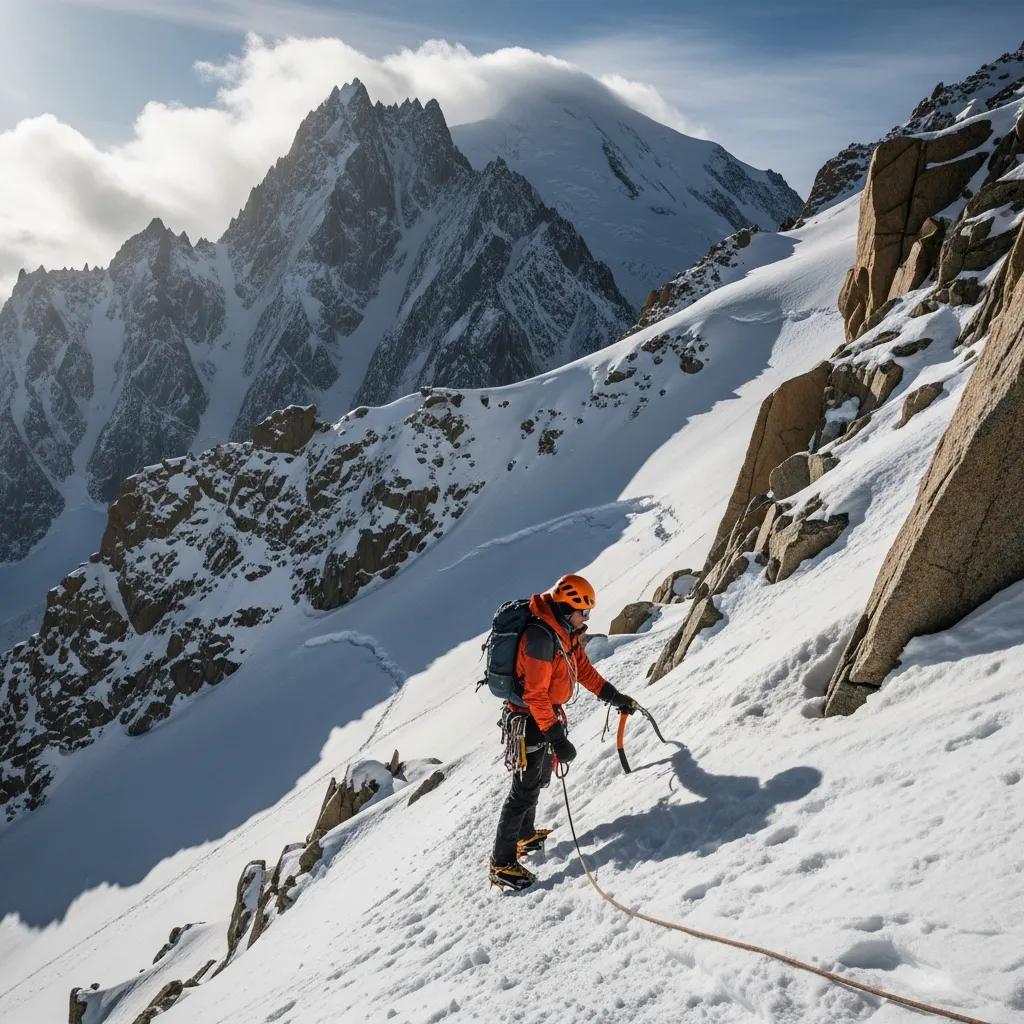
Eight editorial images, separate from gear photos
These photographs illustrate the environments and checks that shape a glacier gear plan. They are not rescue diagrams or a substitute for instructor-led practice.

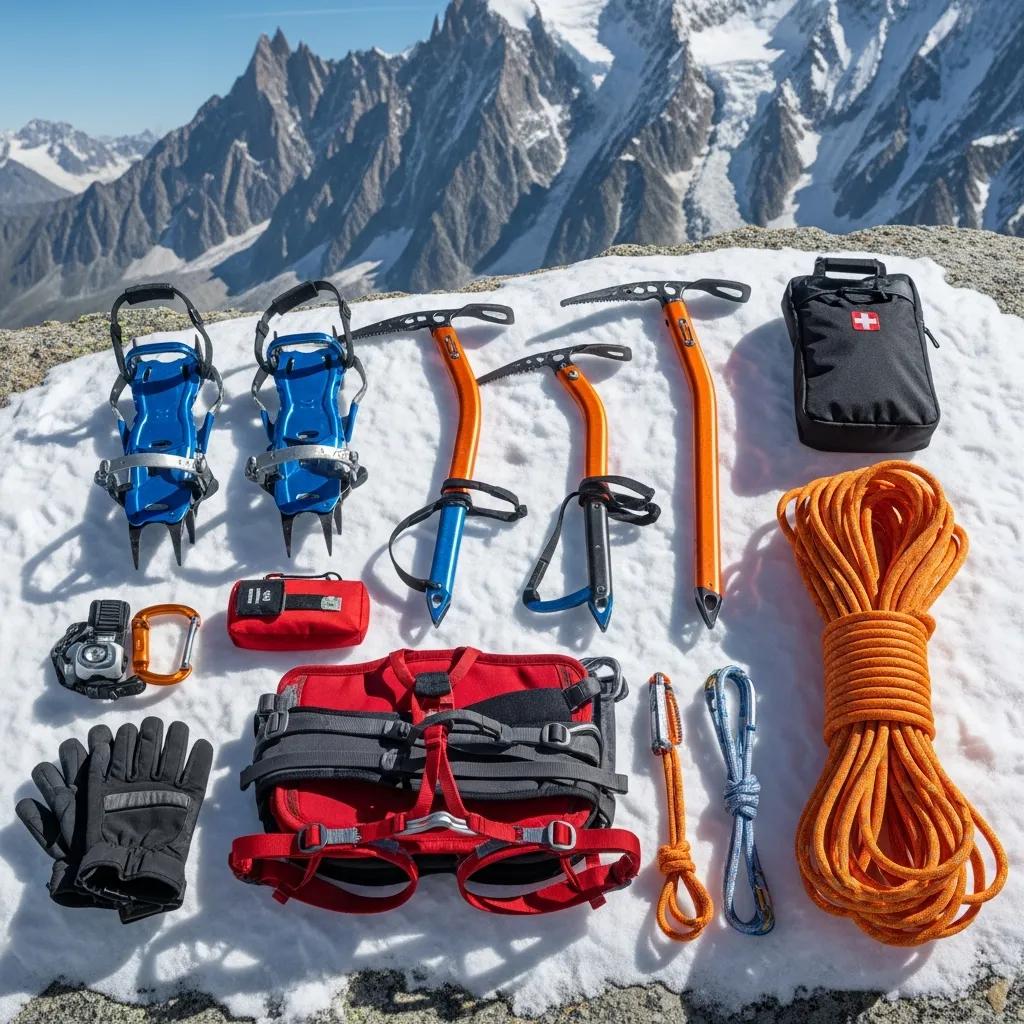

Rescue system components and glacier equipment
These product examples are sourced from our Backcountry affiliate catalog, including their approved tracked product URLs. Stock and prices are snapshots from the uploaded November 2026 catalog, not guaranteed live availability. Check current manufacturer specifications, certification, compatibility and safety notices before buying.
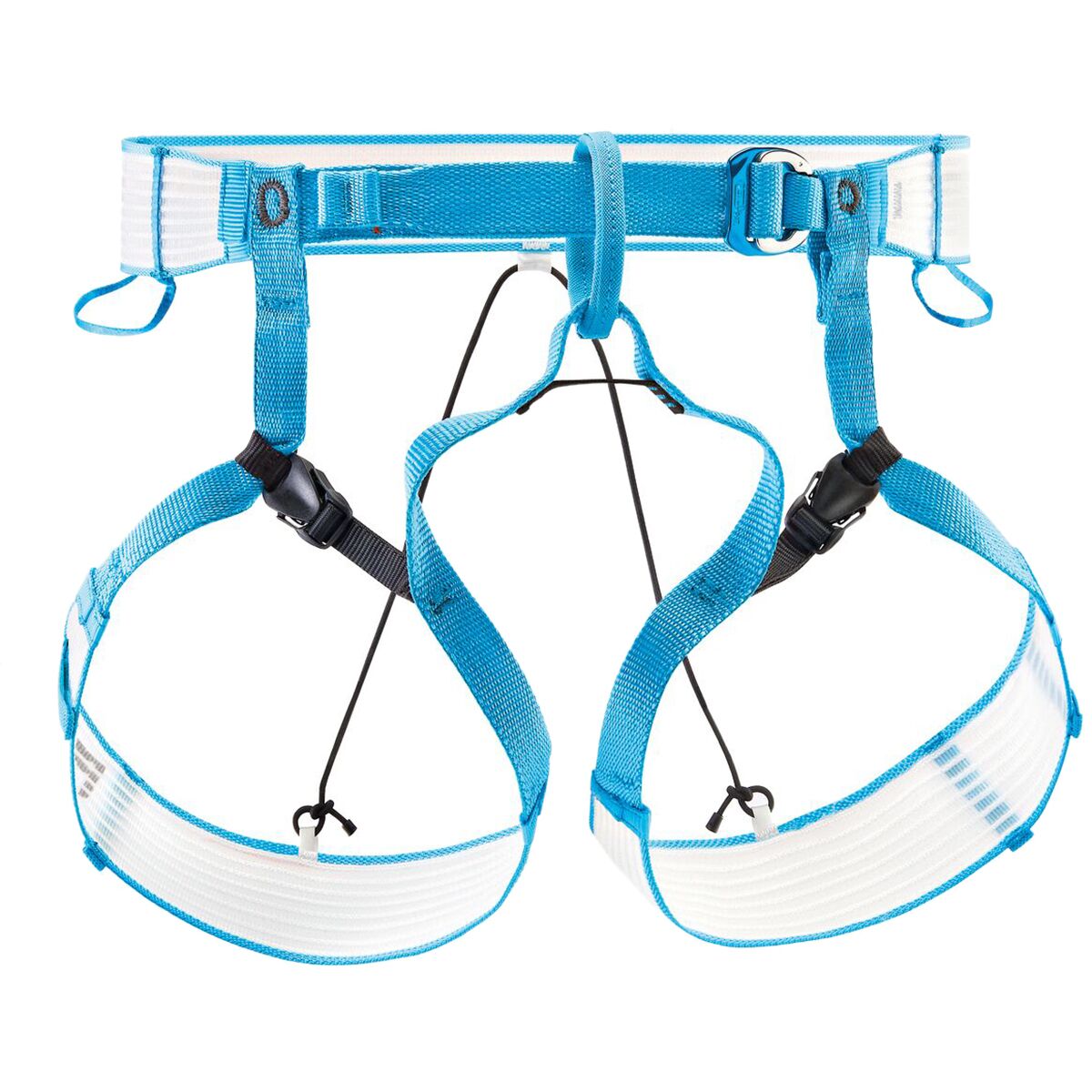 Harness
Altitude Harness
Adjustable alpine harness for cold layers; check sizing and retirement history.
Catalog price snapshot: $119.96
Check at Backcountry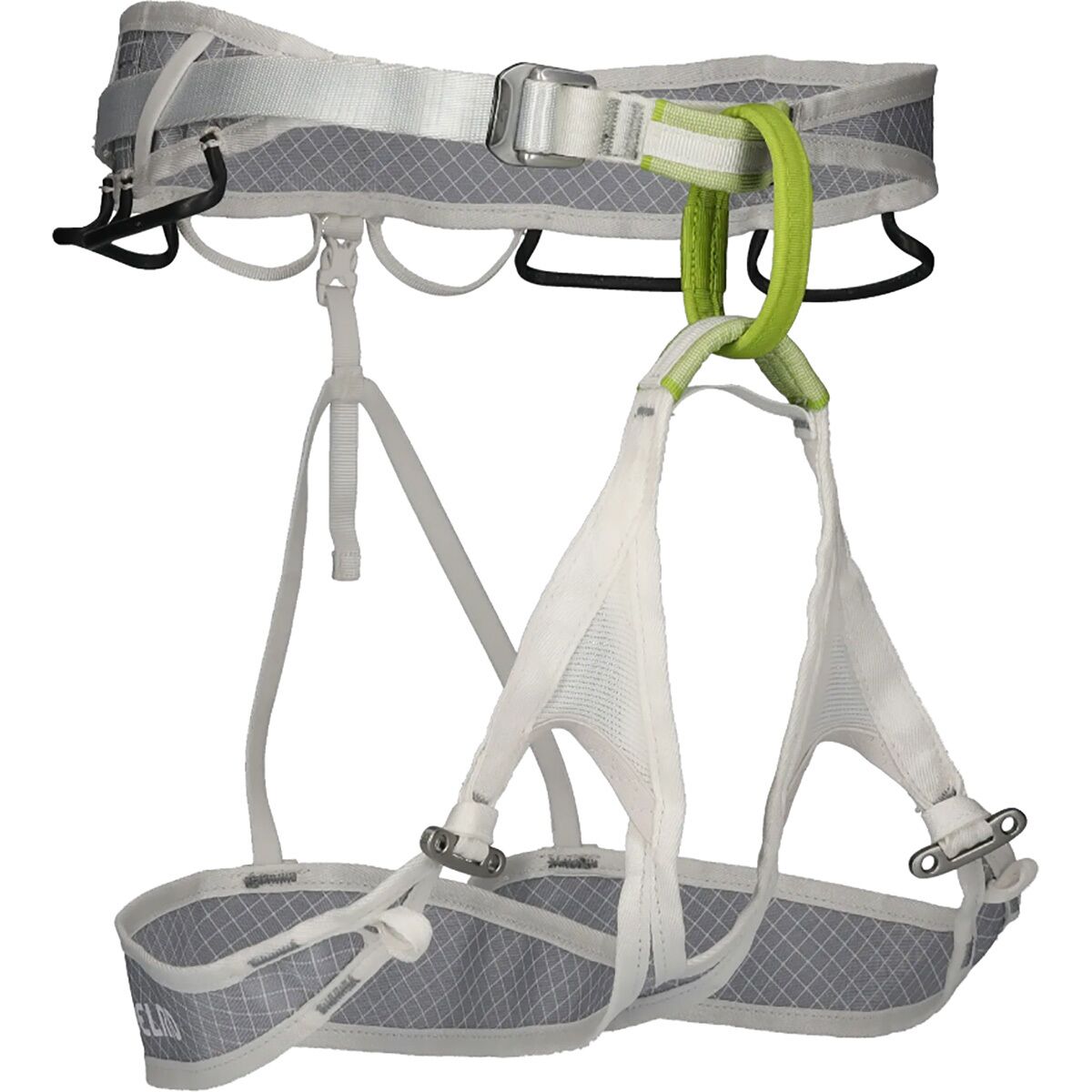 Harness
Prisma Guide Alpine Harness
Lightweight harness alternative; confirm fit with pack and clothing.
Catalog price snapshot: $109.96
Check at Backcountry Rope
Swift 48 2R Eco Dry Rope – 8.9mm
Dry-treated dynamic rope example; verify certified use and team rope plan.
Catalog price snapshot: $329.96
Check at Backcountry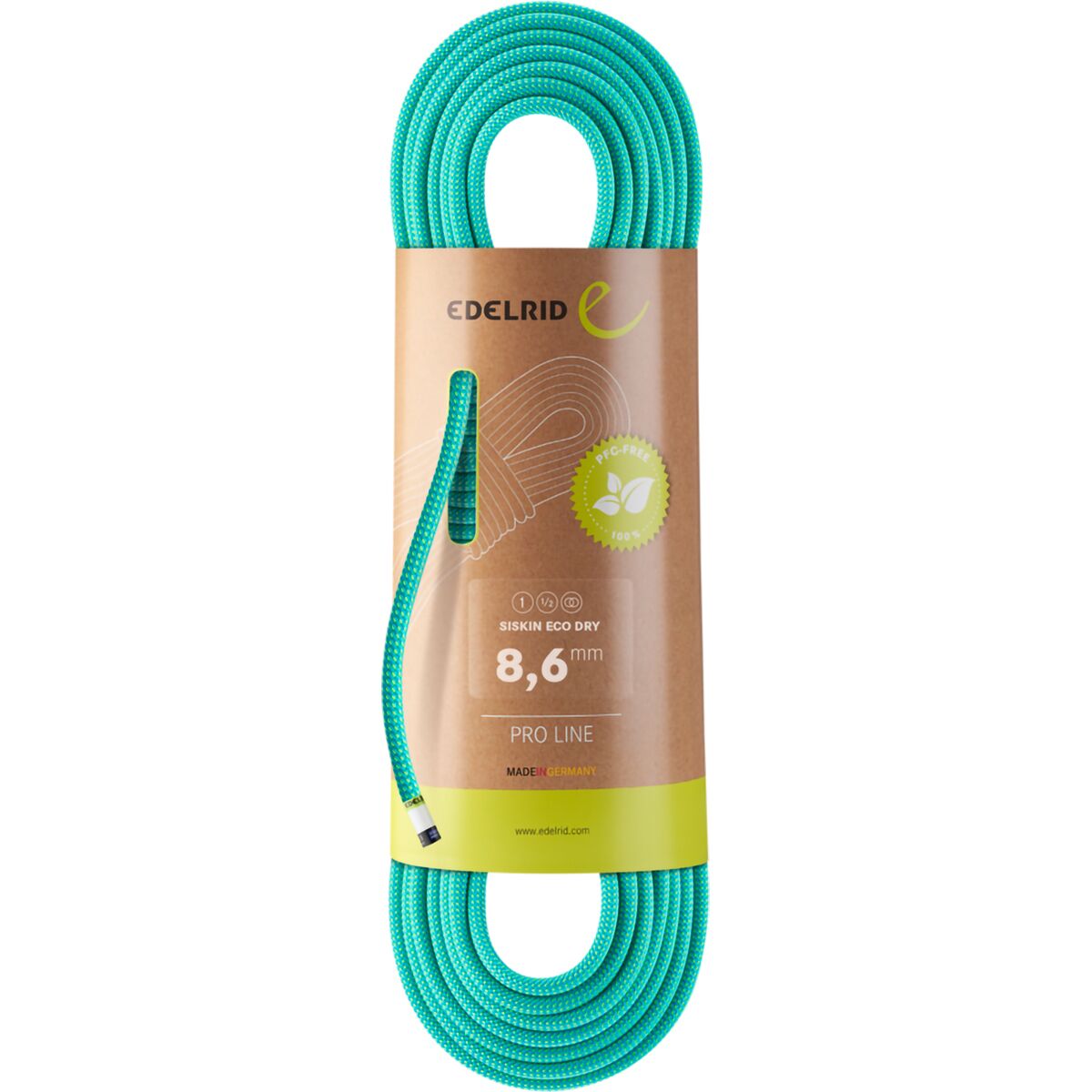 Rope
Siskin Eco Dry Rope – 8.6mm
Rope alternative; check rope classification and device compatibility.
Catalog price snapshot: $359.96
Check at Backcountry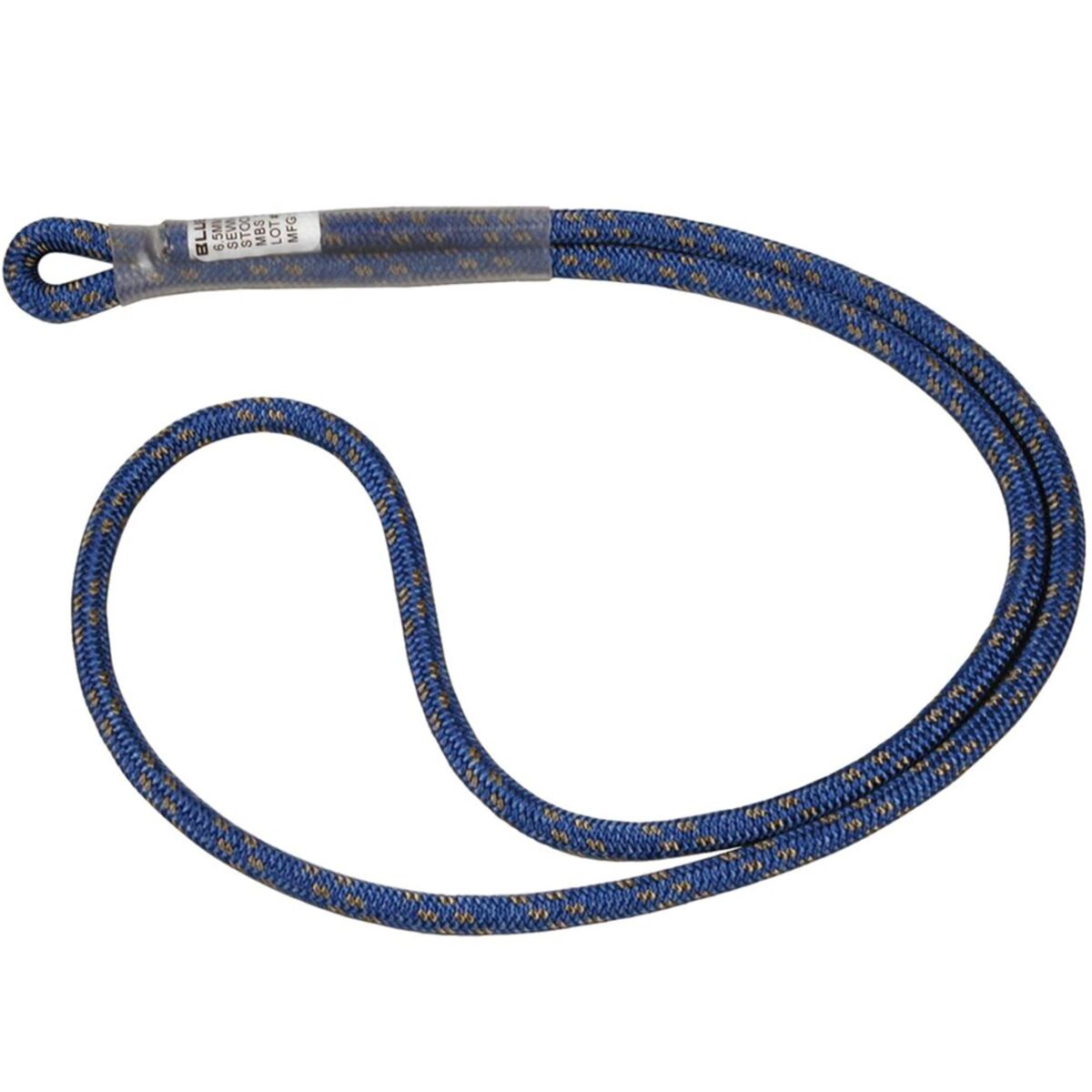 Prusik loop
Sewn Prusik Loop – 6.5mm
Friction-loop example; ensure friction behavior matches the actual rope.
Catalog price snapshot: $16.43
Check at Backcountry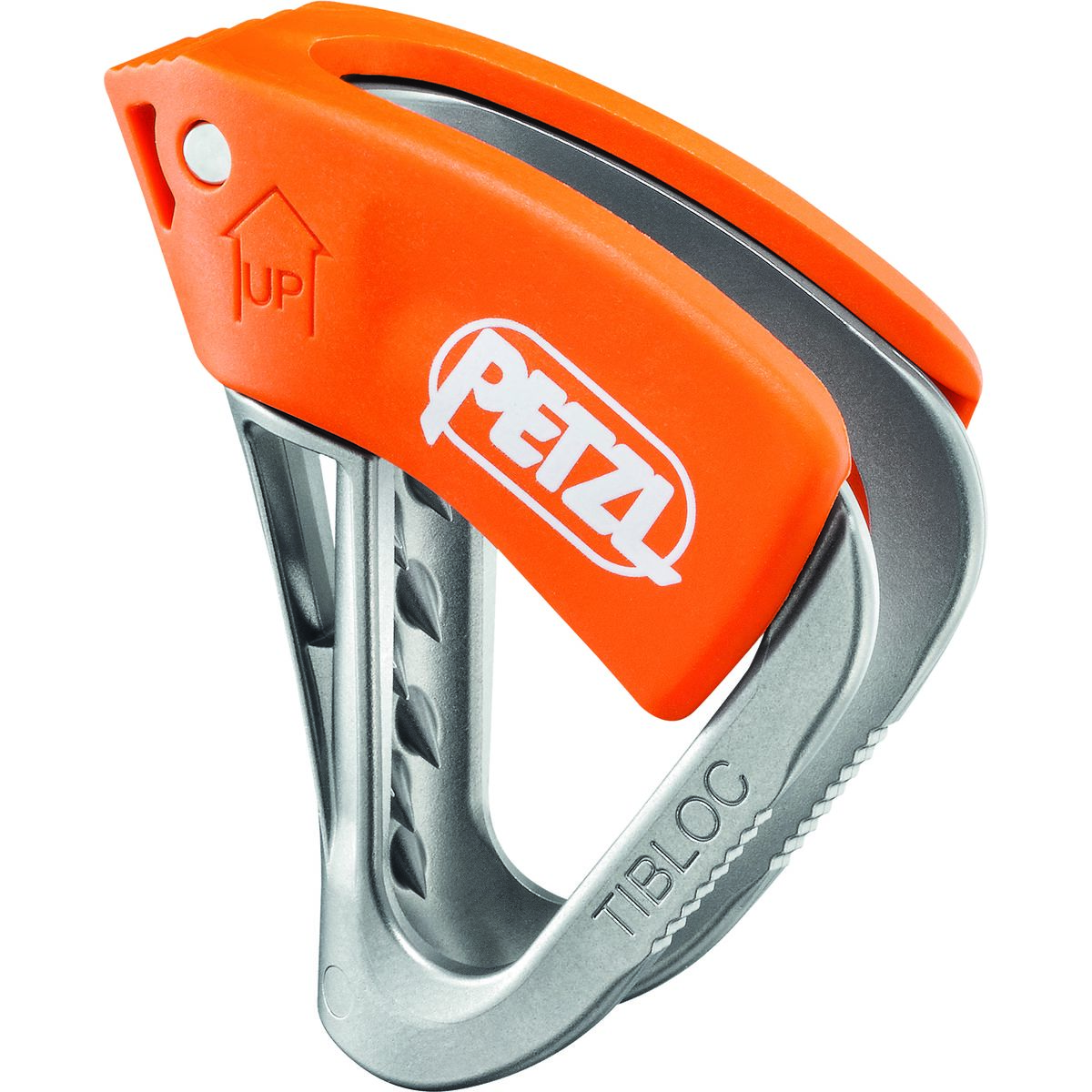 Ascender
Tibloc Ultralight Emergency Ascender
Compact toothed rope-grab; use only as instructed for compatible ropes.
Catalog price snapshot: $69.96
Check at Backcountry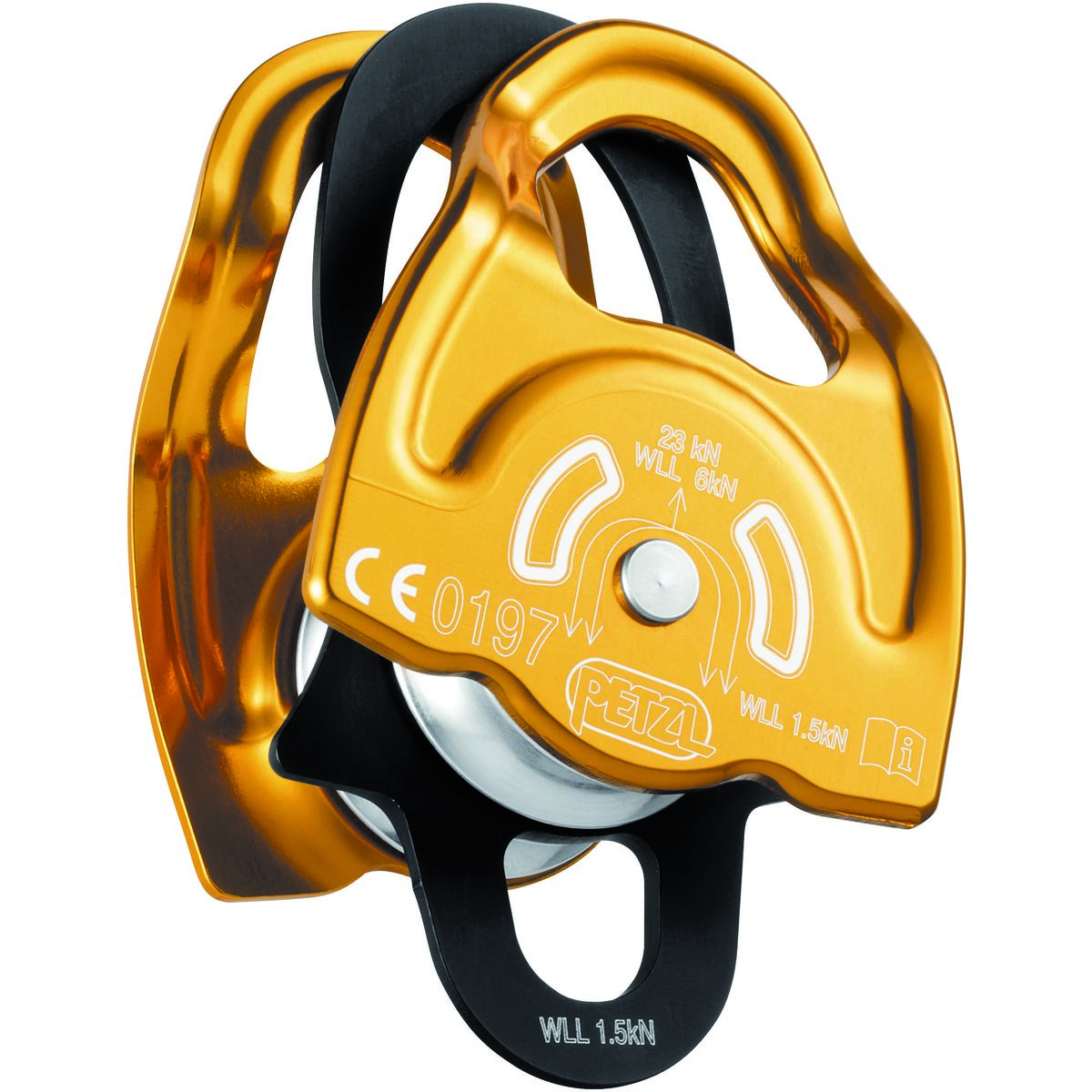 Pulley
Gemini Double Prusik Pulley
Rescue pulley for team-selected hauling system.
Catalog price snapshot: $109.96
Check at Backcountry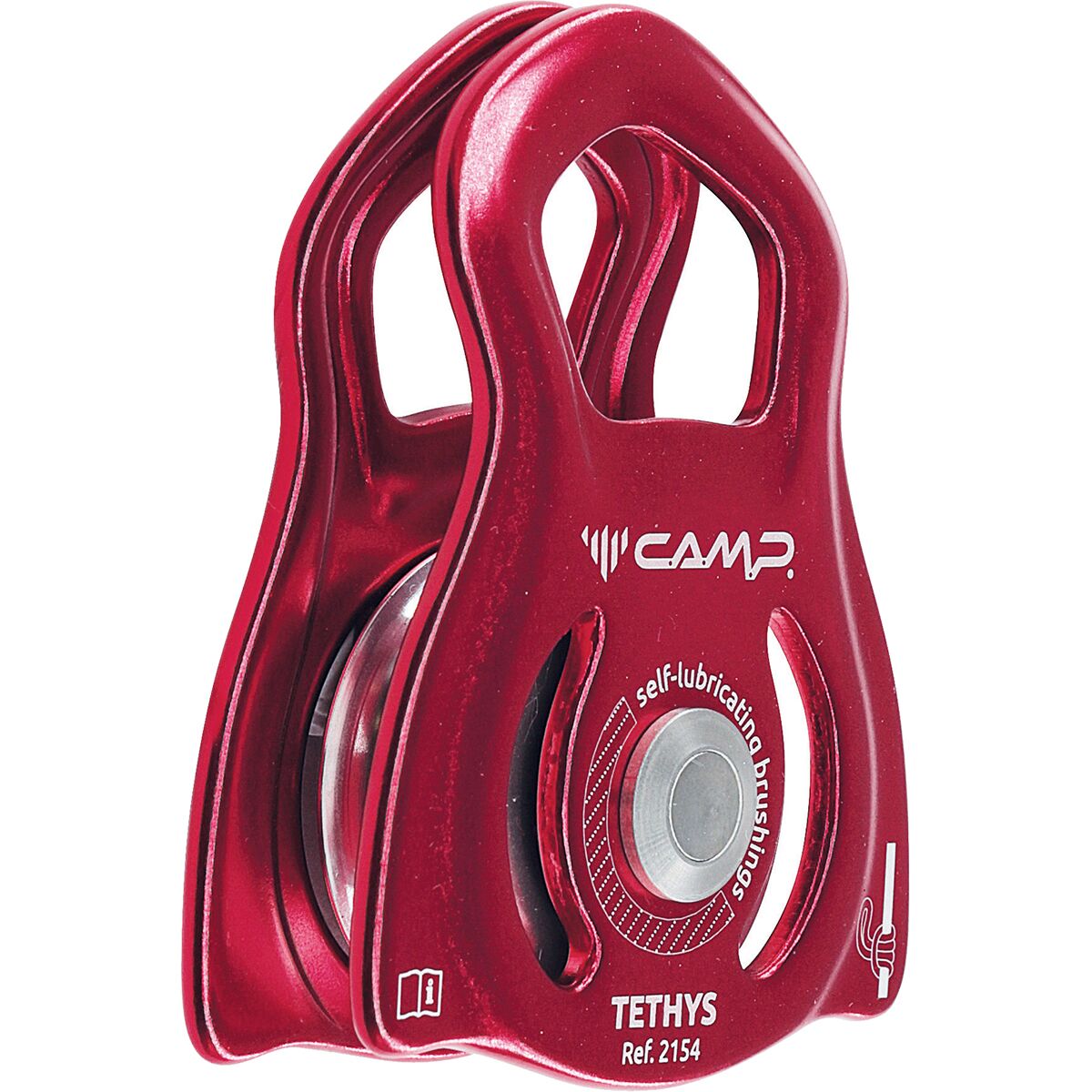 Pulley
Tethys Small Mobile Pulley
Pulley alternative; verify rated use and rope compatibility.
Catalog price snapshot: $32.96
Check at Backcountry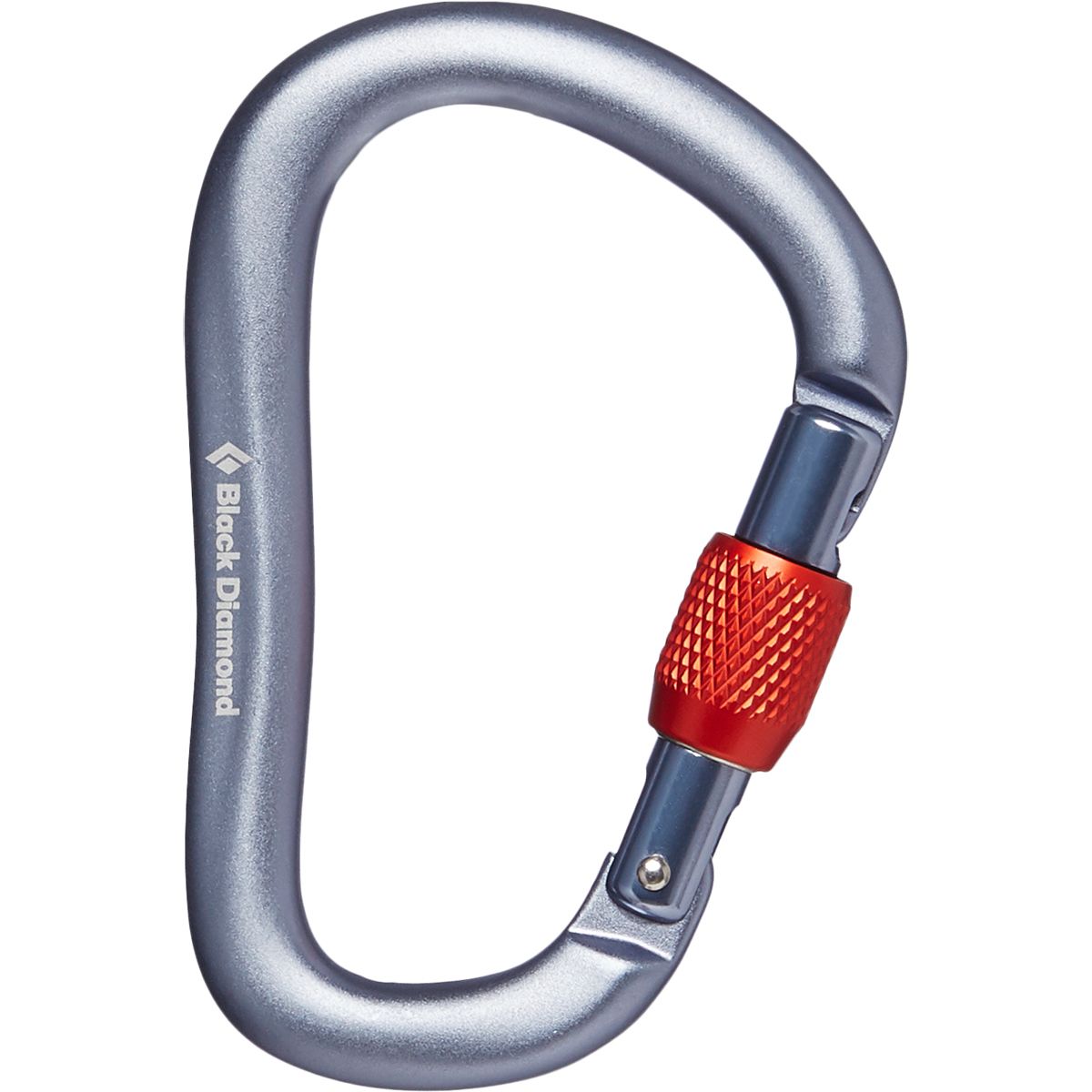 Locking carabiner
RockLock Screwgate Carabiner
Rated locking connector for compatible rescue system connections.
Catalog price snapshot: $19.96
Check at Backcountry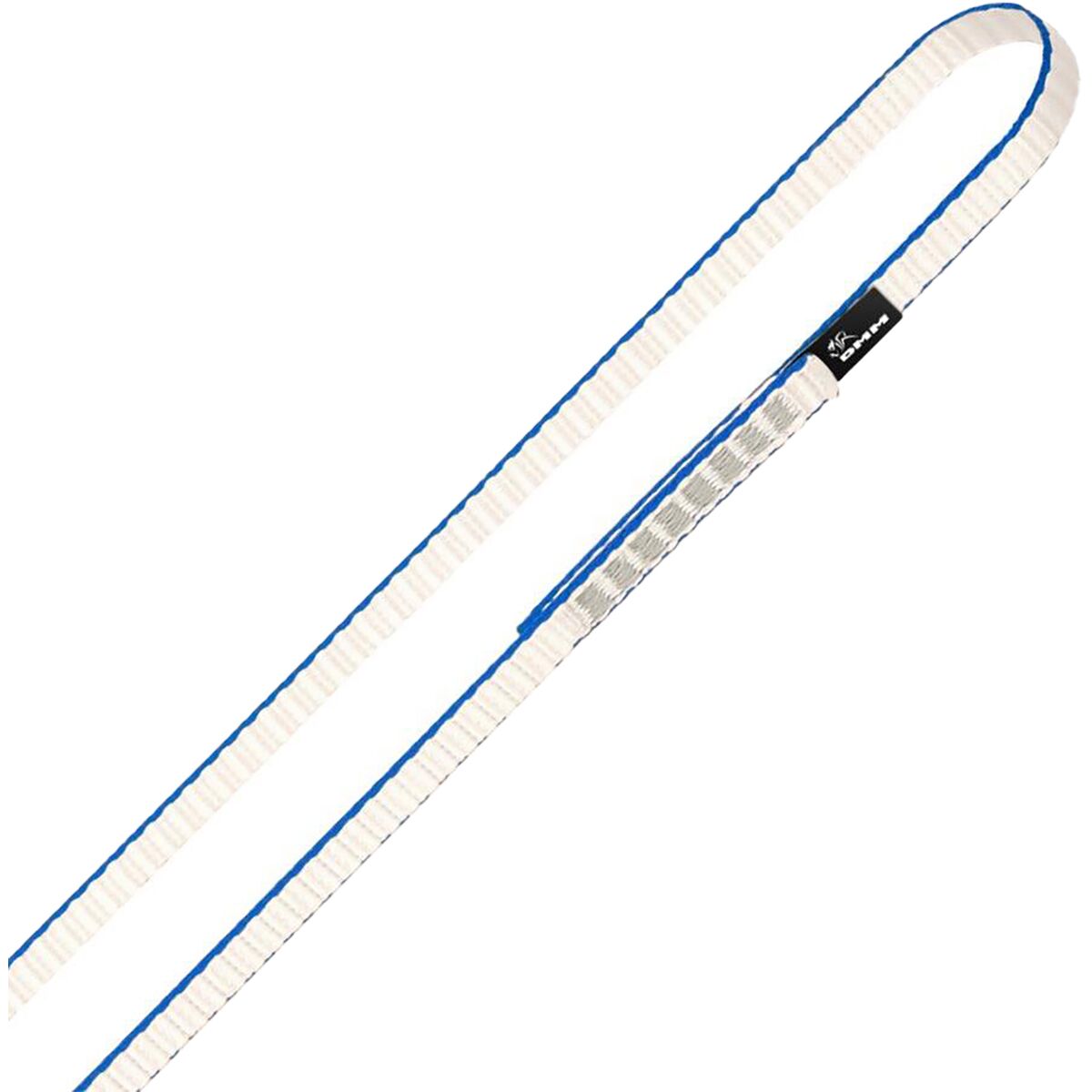 Sling
Dynatec Open Sling – 11mm
Certified sling option; confirm specific length and anchor use.
Catalog price snapshot: $29.50
Check at Backcountry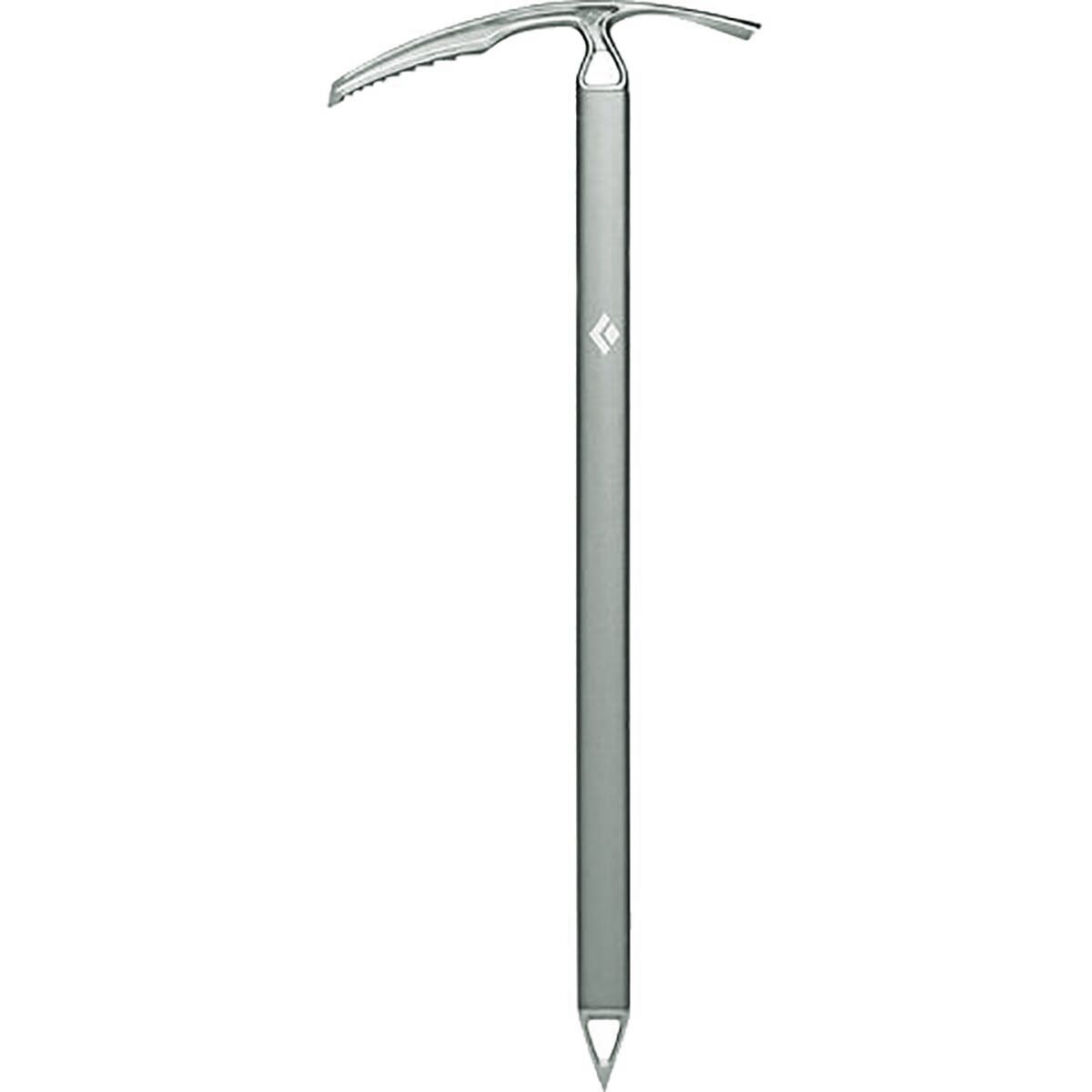 Ice axe
Raven Ice Axe
Classic snow travel axe where route and conditions require it.
Catalog price snapshot: $139.96
Check at Backcountry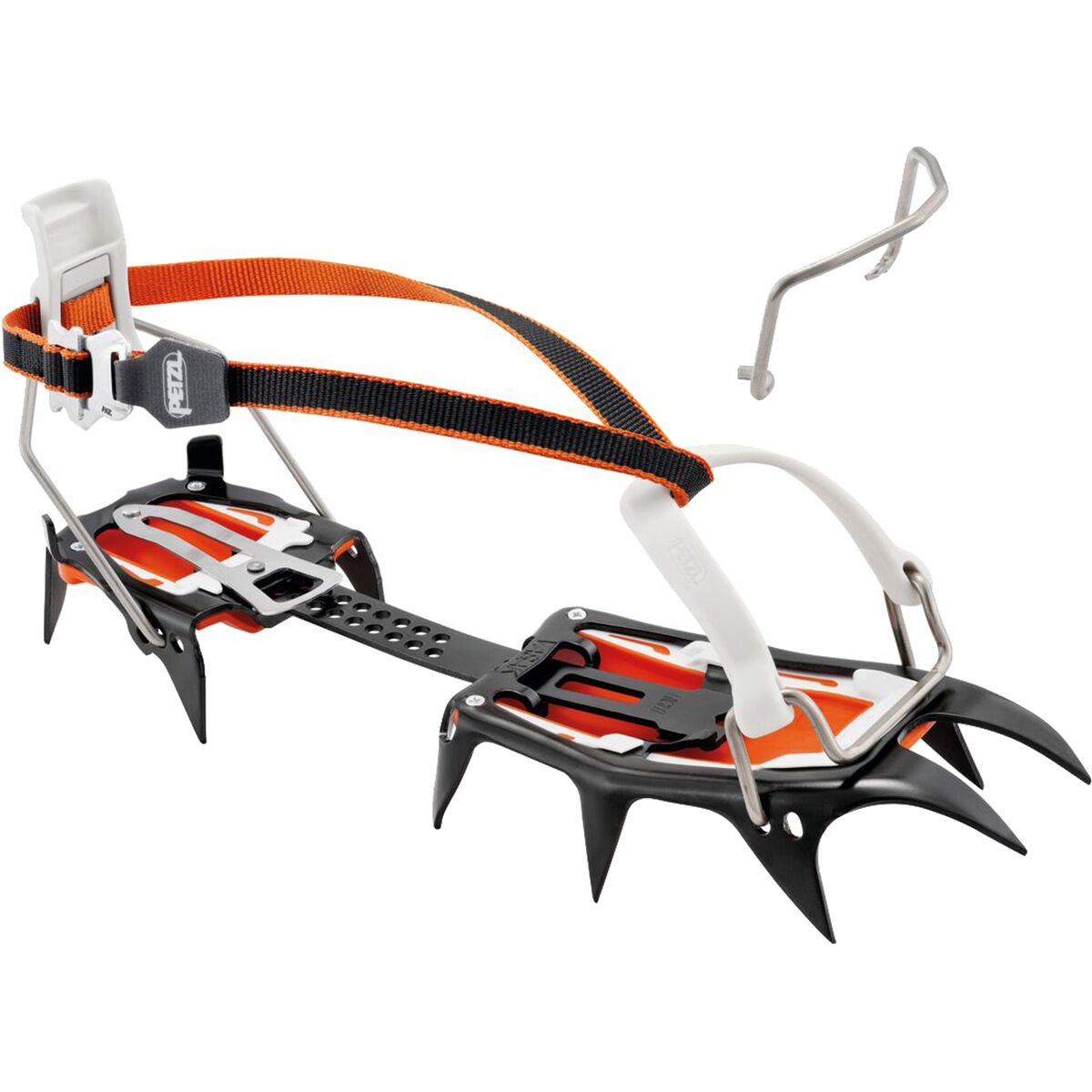 Crampons
Vasak 12-Point Mountaineering Crampon
Mountaineering crampons require a secure match to the specific boots.
Catalog price snapshot: $209.96
Check at BackcountryAffiliate disclosure: qualifying purchases may earn GSG a commission at no additional cost to you. Read the affiliate disclosure. GSG does not claim laboratory or personal field testing of these specific products.
Important: A catalog selection is not an approved complete rescue kit. The rope team or certified guide must confirm every component and practice the complete system. Read Petzl’s rescue-kit component and compatibility notes.
Six checks before joining a roped glacier team
01 / Training
Complete a hands-on glacier and crevasse-rescue course, then practice with your actual partners.
02 / Conditions
Confirm recent snow bridge, crevasse, weather and avalanche reports for the chosen route.
03 / Rope system
Have the leader validate rope specification, spacing, hardware and team roles.
04 / Compatibility
Test harness fit, rope-grab behavior, crampon bindings and gloved operation.
05 / Emergency plan
Check communications, rescue contacts, treatment supplies, shelter and turnaround criteria.
06 / Final inspection
Inspect soft goods, connectors, carabiner locks and manufacturer recalls before departure.

Do not purchase a full team rack by default
Usually own: Personal boots and fitted base layers, gloves and other frequently used clothing. Often rentable: Helmet, harness, crampons, axe and technical equipment with known inspection history and verified compatibility. Often guide-supplied: Team rope, anchors, pulleys and shared rescue hardware, depending on the program.
Ask the leader to specify exactly what the group needs before making technical purchases. Renting critical equipment without a safe inspection history is not an acceptable shortcut.
Global Summit Guide – Glacier Travel Gear Checklist
Updated November 9, 2026. Check only applicable categories and confirm team responsibilities.
48-point Glacier Travel Packing and Safety Checklist
Use the boxes for your trip, then print this checklist directly from the website. Shared/team items require confirmation with the leader; they are not individual shopping requirements.
Personal technical kit
Rope and connectors – team allocated
Crevasse rescue and anchors – team allocated
Weather and navigation
Emergency, health and communications
Overnight and documents – if applicable
Fallback: Ctrl+P on Windows or Command+P on Mac. The print layout hides the rest of the page. No separate PDF download is required.
How the glacier kit changes with season
Winter: Evaluate cold weather exposure, snow stability, avalanche terrain and short daylight. Spring: Snow coverage may hide crevasses, while warming and wet snow change bridge strength. Summer: More exposed ice and open crevasses may change the route, approach and anchoring strategy. Autumn: New snowfall, freezing weather and shortened days can change the required systems quickly.
These are broad northern-hemisphere patterns, not universal month-by-month forecasts. Check the specific region and current local conditions.
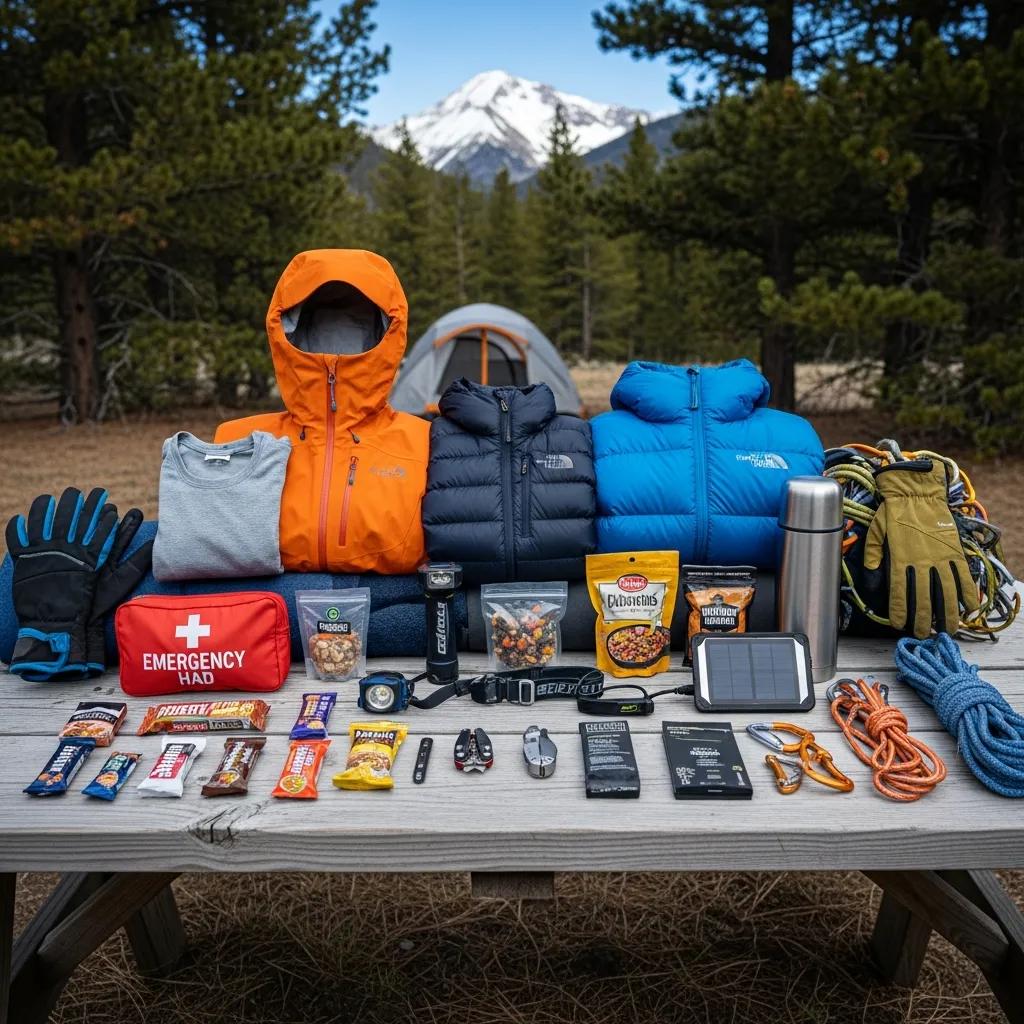
Glacier Gear FAQ
What equipment do I need for glacier travel?
Each person needs properly fitted personal mountaineering equipment and the team needs a route-specific rope and crevasse rescue system. The complete list depends on conditions, guide requirements and training.
Do I need a harness and rope on every glacier?
Roped travel is common on crevassed terrain, but the correct method depends on terrain and team capability. Never assume a rope alone makes travel safe.
What rope type is used for glacier travel?
Dynamic climbing ropes are common for glacier rope teams. Choose certified type, length and diameter with a qualified leader, considering rope-team size and compatible rescue devices.
Are prusik loops or mechanical ascenders better?
Both can have roles. Their grip and suitability depend on rope diameter, wet or icy conditions, and trained use. Inspect and practice the exact system.
How many locking carabiners should I carry?
There is no universal count. Your guide or competent rope-team leader should allocate connectors according to a practiced rescue plan.
Can a guide provide my rescue gear?
Guided programs may supply ropes and shared rescue hardware, but this varies. Confirm the written equipment list and which individual items you must bring.
Do I need crampons and an ice axe for all glaciers?
Requirements depend on snow and ice conditions, slope angle, and the route. Match crampons to boots and learn appropriate snow travel skills before departure.
Is an emergency pulley necessary?
Pulleys and progress-capture devices can be part of a trained rescue system. Select certified compatible equipment; a pulley does not replace practiced rescue procedures.
Can I learn crevasse rescue from an online article?
No. Qualified hands-on instruction and regular team practice are essential before relying on rope systems on a glacier.
Can I rent glacier climbing hardware?
Sometimes. Inspect fit, condition, inspection history and compatibility, and obtain written approval from your guide or leader before using rentals.
Editorial method and safety sources
This page builds on GSG’s existing glacier gear explainer, separating personal items from trained team systems. Equipment examples were selected by exact match from the user-provided approved Backcountry catalog. Editorial photographs are reused from GSG’s documented library and previously sourced alpine imagery; photo subjects illustrate environments and are not presented as certified rescue examples.
See Petzl’s crevasse rescue kit documentation, The Mountaineers glacier training curriculum and GSG media and citation resources.
Do not learn rescue solely from this article
Glacier travel is potentially fatal. A trained, practiced team and up-to-date route information are essential. Equipment selection cannot substitute for supervised instruction or field judgment.
Recent Posts
Was this helpful?
Global Summit Guide is an independent mountaineering resource founded in 2026. The team combines first-hand trekking and climbing experience with in-depth research and professional health and nutrition review to help climbers choose objectives, prepare properly, and stay safe.
Health, altitude, and nutrition content is reviewed by Taylor Ludlow (Registered Nurse) and Brigg Hoopes (Nutritionist).
What We Don't Know Yet
Mountain information changes quickly. This box explains the limits of what this page can responsibly promise.
- Route conditions, trailhead access, crevasse exposure, stream crossings, and rescue access may vary from published planning guidance.
- Total trip cost can change with flights, lodging, guide pricing, permits, gear rentals, transportation, and exchange rates.
- Gear requirements can change by season, route variation, weather window, personal cold tolerance, and guide-service requirements.
- Visa, passport, vaccination, border, insurance, and local transportation rules may change before your trip.
Verify current conditions with official land managers, guide services, local forecasts, and current route reports before booking or climbing.
Mountaineering, rock and ice climbing, glacier travel, and high-altitude activity are inherently dangerous and can result in serious injury or death. The information on Global Summit Guide is provided for general informational and educational purposes only and is not a substitute for professional instruction, qualified guiding, proper equipment, or your own judgment and experience.
Route conditions, weather, snowpack, permits, regulations, and hazards change constantly and may differ from what is described here. Details may be incomplete, out of date, or contain errors. Always verify current information with local authorities, certified guides, and official sources before making any decision in the mountains.
Nothing on this site is medical, legal, or financial advice. Our fitness, acclimatization, altitude, and nutrition content is general in nature; consult a qualified physician before beginning any strenuous exercise program or exposing yourself to high altitude.
You are solely responsible for your own safety and decisions. To the fullest extent permitted by law, Global Summit Guide and its team accept no liability for any loss, injury, damage, or expense arising from use of, or reliance on, this information. By using this site you acknowledge these risks and accept these terms.
Some links on this site may be affiliate links. If you buy through them we may earn a small commission at no extra cost to you; this never affects our recommendations.
Global Summit Guide recommendation path
Next Best Mountain to Research
Use these recommendations to continue the right planning path instead of stopping on one page.
Use current permit, weather, route, and operator information before booking or climbing.