Chamonix · Aug. 24–30, 2026 · 171K · ~10,000m Climbing
UTMB 2026 Is Underway: Inside the World’s Most Famous Trail Race Around Mont Blanc
UTMB Mont-Blanc week is happening now. The headline UTMB starts in Chamonix on Friday, August 28 at 17:45 local time, sending runners around Mont Blanc through France, Italy and Switzerland on roughly 171 km of trail with about 10,000 metres of climbing.
UTMB is the flagship ultra-trail race around the Mont Blanc massif. The course follows the same broad mountain world as the Tour du Mont Blanc hiking circuit, but elite runners cover the loop in a single continuous race rather than a multi-day trek.
The event week includes multiple races, including OCC, CCC, TDS and PTL. As of August 27, OCC is underway; CCC and the main UTMB start on August 28.
Main raceUTMB
50K finalOCC
100K finalCCC
Long technicalTDS
BaseChamonix
FollowUTMB Live
Freshness note: Race positions, winners and course changes can update by the hour during UTMB week. This article is designed to be refreshed through the finish weekend.
Current status
UTMB Week Is Already Live
The festival started before the flagship race, with multiple events filling Chamonix, Courmayeur and the surrounding valleys.
OCC
Running Today
The 2026 OCC started August 27 from Orsières. It covers about 55 km with roughly 3,500 metres of climbing and is one of the UTMB World Series Finals.
CCC
Starts Aug. 28
CCC starts from Courmayeur on Friday morning and follows the western half of the Mont Blanc circuit toward Chamonix.
UTMB
Starts Aug. 28 at 17:45
The flagship race leaves Chamonix Friday evening. Official race descriptions put the course at roughly 170–171 km and 10,000 m of positive elevation.
PTL / TDS / MCC / ETC
Race Week Is Bigger Than One Event
UTMB Mont-Blanc is a full week of different formats, distances and difficulty levels—not a single race with side events.
Key dates and signals
UTMB Mont-Blanc 2026 Race Week
Signal
What happened
Why it matters
Aug. 24
PTL and MCC begin; race village and fan programming active.
Race week starts before the flagship UTMB.
Aug. 25
TDS and ETC racing continues from Courmayeur.
Long-distance events already put runners on the Mont Blanc trail network.
Aug. 27
OCC starts at 08:15 from Orsières.
One of the marquee finals is live today.
Aug. 28
CCC starts at 09:00; UTMB starts at 17:45 from Chamonix.
The main search spike and live-following window.
Aug. 29–30
UTMB finishers arrive and final ceremonies close race week.
Winner/result intent replaces preview intent.
The hiking connection
UTMB Is Not the Tour du Mont Blanc—But It Runs Through the Same World
This is the bridge between your Mont Blanc hiking content and trail-running search demand.
The Tour du Mont Blanc is a multi-day hiking circuit around the Mont Blanc massif, normally completed over roughly a week or more. UTMB transforms that geographic loop into an ultra-endurance race. Runners move through the same broad valleys and passes around Chamonix, Courmayeur and Switzerland, but they do it continuously, through darkness, weather and massive cumulative climbing.
That makes UTMB useful for Global Summit Guide even if the site is not becoming a running publication. It is a seasonal gateway into Mont Blanc, the French Alps, the Tour du Mont Blanc and the broader question of what 170 km and 10,000 m of mountain movement actually means.
Do not confuse the objective: hiking the TMB and racing UTMB require different preparation, logistics and qualification systems. The crossover is terrain and geography, not equivalence.
What to watch next
The Four Search Windows During UTMB Week
Search intent changes faster than the runners move.
Window
Dominant search intent
Before the start
UTMB 2026 schedule, route, start time, favorites, how to watch.
UTMB 2026 winner, results, course record, top finishers.
After race week
What is UTMB, how hard is it, UTMB vs Tour du Mont Blanc, how runners qualify.
SEO move: refresh the title/deck after the finish rather than publishing a second competing URL. Keep one 2026 UTMB owner and update it from preview → live → results.
Mont Blanc · three-country loop
The Race Is Extreme. The Landscape Is the Same One Hikers Travel For.
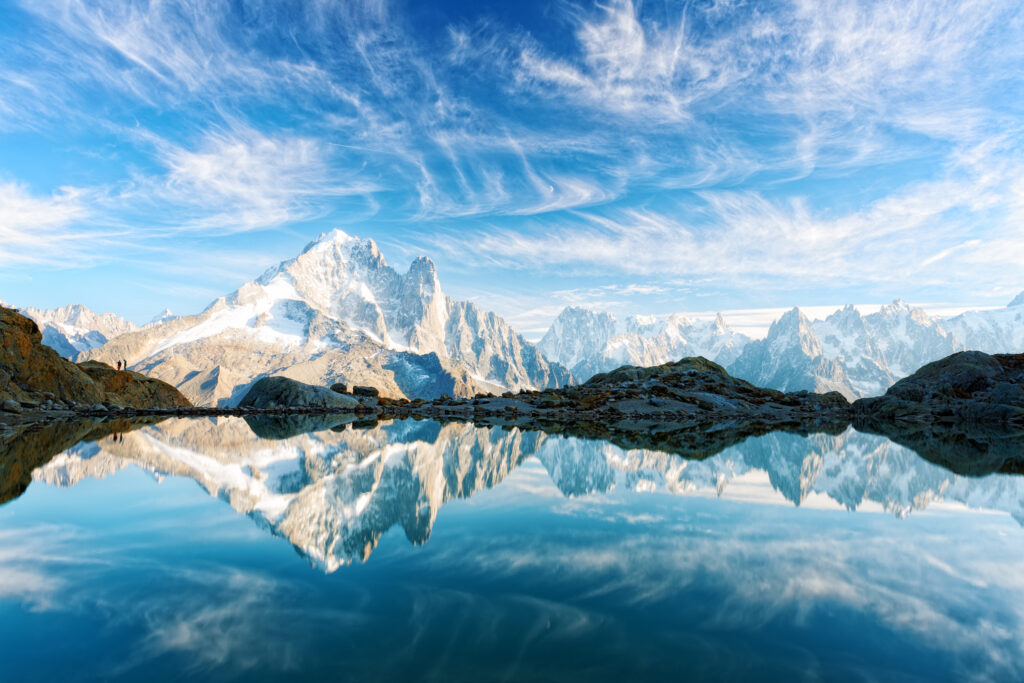
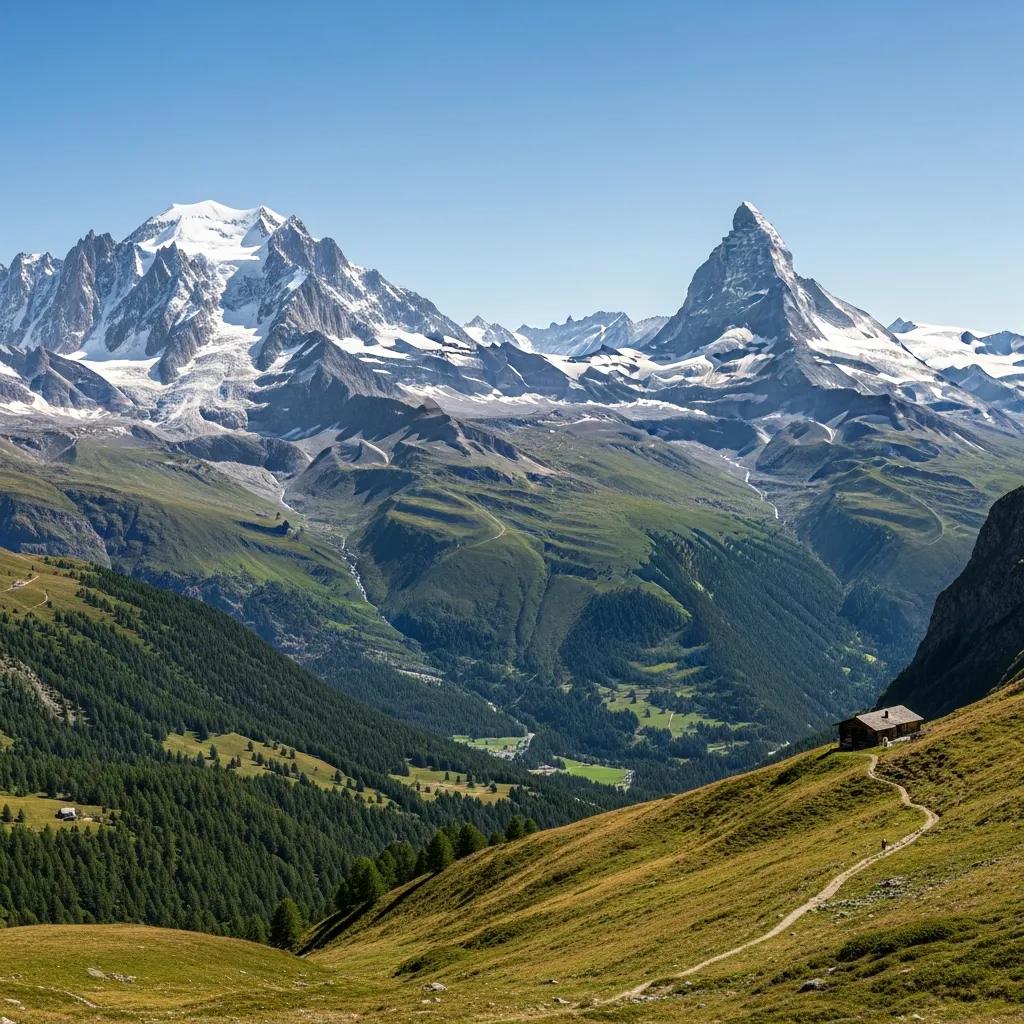
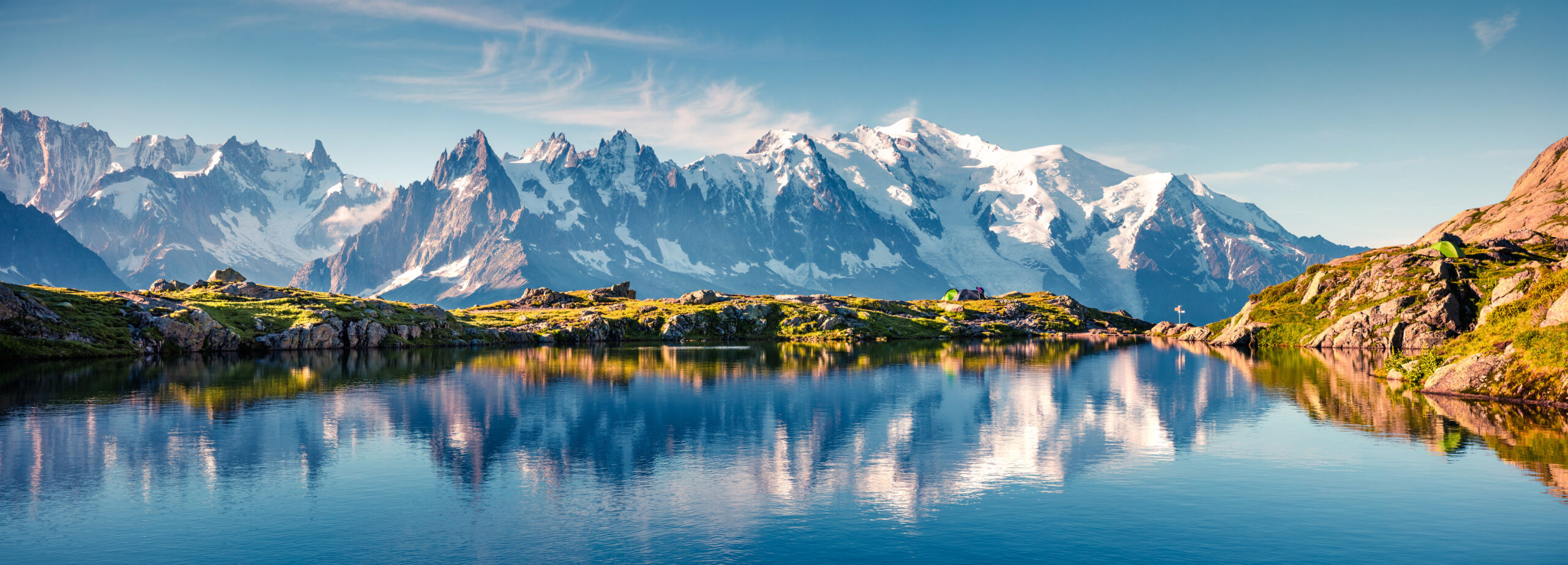
UTMB’s global reach comes partly from the terrain: famous valleys, high passes and the Mont Blanc massif linking France, Italy and Switzerland.
Global Summit Guide
Continue Into the Evergreen Guides
This timely post should feed the durable mountain and planning architecture rather than replace it.
Current conditions, permits, access and race status can change after publication.
GSG links readers into evergreen mountain pages for route and planning depth.
We distinguish confirmed reporting from interpretation and avoid claiming unverified outcomes.
Direct search answers
UTMB 2026 FAQ
When is UTMB 2026?
HOKA UTMB Mont-Blanc race week runs August 24–30, 2026. The flagship UTMB starts Friday, August 28.
What time does UTMB 2026 start?
The official 2026 schedule lists the UTMB start at 17:45 local time in Chamonix on August 28.
How long is UTMB?
The flagship race is approximately 170–171 km with about 10,000 metres of positive elevation gain.
Which countries does UTMB pass through?
The race circles Mont Blanc through France, Italy and Switzerland.
Is UTMB the same route as the Tour du Mont Blanc?
It occupies the same broad Mont Blanc circuit and shares much of the trail network, but the race course and hiking itineraries are not identical in every detail.
Is UTMB only one race?
No. UTMB Mont-Blanc week includes UTMB, CCC, OCC, TDS, PTL, MCC, ETC and youth events.
How can I follow UTMB 2026 live?
UTMB provides an official live-tracking platform at live.utmb.world.
Should GSG keep this page after race week?
Yes. Refresh it with winners/results, then keep it indexed as the 2026 archive while evergreen Mont Blanc and Alps guides own long-term planning intent.
UTMB 2026 · Chamonix
This Week, the Mont Blanc Circuit Becomes a Racecourse.
For a few days each August, hiking trails around the Alps become the center of the trail-running world. The best SEO opportunity is to cover the event live while using it to feed evergreen Mont Blanc and Alps content.
France · Italy · Switzerland · Europe’s classic hut-to-hut trek
Tour du Mont Blanc: Complete TMB Trek Guide
The Tour du Mont Blanc circles the Mont Blanc massif for roughly 170 kilometres through France, Italy and Switzerland. Most hikers spend 7–11 days crossing Alpine passes, sleeping in refuges and villages, and climbing close to 10,000 metres in total. This guide covers the route, 11-stage itinerary, 2027 refuge booking, cost, difficulty, best season, variants, gear and logistics.
≈170 km / 105 mi≈10,000 m ascent7–11 daysFrance · Italy · Switzerland2027 booking dates included
The Tour du Mont Blanc—usually shortened to TMB—is a roughly 170 km / 105 mi walking circuit around the Mont Blanc massif. It crosses France, Italy and Switzerland and accumulates close to 10,000 metres / 33,000 feet of ascent. The official TMB organization says most hikers complete the circuit in 7–11 days. The standard route is non-technical in normal summer conditions, but consecutive long climbs, high passes, weather and carrying a pack make it a serious endurance trek rather than an easy walking holiday.
Planning the 2027 Tour du Mont Blanc?
The official TMB refuge system opens bookings for the 2027 season on October 15, 2026. Popular accommodation can fill rapidly, so hikers with fixed dates should build the itinerary around the hardest-to-get beds rather than waiting until spring.
Distance≈170 kmAbout 105 miles around the Mont Blanc massif.
Total climbing≈10,000 mRoughly 33,000 feet of cumulative ascent.
Classic route high point2,537 mGrand Col Ferret between Italy and Switzerland.
Typical duration7–11 daysTen or eleven stages provide a balanced first TMB.
One massif · three countries
Tour du Mont Blanc Route Map.
The classic counter-clockwise circuit normally begins around Les Houches, passes through the French Val Montjoie, enters Italy at Col de la Seigne, crosses into Switzerland at Grand Col Ferret and returns to the Chamonix Valley via Trient and Col de Balme.
The route line is schematic and intended for orientation only. Variants, accommodation choices, trail closures and lift use can change the exact route. Use current official mapping for navigation.
Balanced full circuit
Tour du Mont Blanc 11-Day Itinerary.
This is a classic full-circuit framework rather than a rigid reservation plan. Exact overnight locations vary with availability, route variants and whether you use valley transport or lifts.
Day
Stage
Country
Key terrain
Planning note
1
Les Houches → Les Contamines
France
Col de Voza; optional Col de Tricot variant
The first sustained climbing day. Do not make the opening stage a fitness test.
2
Les Contamines → Les Chapieux / Bonhomme area
France
Col du Bonhomme and Croix du Bonhomme
A major Alpine stage and an early-season snow checkpoint.
3
Les Chapieux → Rifugio Elisabetta area
France → Italy
Vallée des Glaciers and Col de la Seigne
The first international border crossing and one of the defining TMB days.
4
Elisabetta / Val Veny → Courmayeur
Italy
Val Veny, Miage glacier views, Mont Blanc’s Italian side
Courmayeur provides hotels, restaurants, supplies and a natural recovery point.
5
Courmayeur → Rifugio Bonatti
Italy
Mont de la Saxe / Val Ferret
Shorter distance does not mean easy—there is substantial climbing out of Courmayeur.
6
Bonatti → La Fouly
Italy → Switzerland
Grand Col Ferret, 2,537 m
The highest point of the standard TMB and a long descent into Swiss Val Ferret.
7
La Fouly → Champex-Lac
Switzerland
Val Ferret villages and forest trails
A comparatively gentler stage between major pass days.
Choose the variant according to weather, snow, energy and mountain experience.
9
Trient → Tré-le-Champ / Argentière
Switzerland → France
Col de Balme
The circuit crosses back into France with big views toward the Chamonix Valley.
10
Tré-le-Champ → La Flégère / Lac Blanc area
France
Aiguilles Rouges
One of the best Mont Blanc panorama days; variants and lift access can change the stage.
11
Flégère / Chamonix side → Les Houches
France
Brévent / Chamonix Valley
Complete the circuit, with route choices depending on accommodation and lift use.
The official TMB route is normally divided into 10–11 stages, with typical stage distances of roughly 10–20 km and individual days sometimes exceeding 1,000 m of ascent. The exact itinerary should be built around refuge availability and current conditions.
France → Italy
Col de la Seigne Is Where the TMB Becomes an International Journey.
The pass marks the natural border between France and Italy. Behind you is the Vallée des Glaciers; ahead are Val Veny, the glaciers of the Italian side of Mont Blanc and eventually Courmayeur.
The TMB can be compressed or expanded, but the number of days changes the experience much more than the total route distance changes.
Fast · athletic
7 Days
Official TMB guidance suggests roughly 24 km and 1,400 m of climbing per day at this pace. It is appropriate for strong hikers who already know they recover well from consecutive mountain days.
Balanced
10 Days
About 17 km and 1,000 m of ascent per day on average. This is an excellent target for fit hikers who want the full circuit without turning every day into a race.
More comfortable
11–12 Days
Shorter stages create more margin for weather, photographs, long lunches, variants and recovery. This is often the strongest first-TMB format.
Non-technical does not mean easy
How Hard Is the Tour du Mont Blanc?
The official organization identifies cumulative climbing, pack weight and repeated days as the main difficulty rather than technical mountaineering.
Total distance≈170 km
Distance is spread across consecutive mountain days rather than one isolated effort.
Total ascent≈10,000 m
The vertical total is the number many first-time TMB hikers underestimate.
Highest classic pass2,537 m
Grand Col Ferret is high enough for cold wind and lingering early-season snow.
Technical levelHiking
The classic summer route normally requires hiking skills rather than ropes or glacier travel.
The main training target is consecutive climbing days.
A hiker who can complete one large mountain day but cannot recover for another 1,000 metres of climbing the next morning is not yet fully prepared for the TMB. Training should include back-to-back hiking days, long descents and time carrying the same pack weight you intend to use on the circuit.
Either direction works
Clockwise or Counter-Clockwise?
The official TMB organization says counter-clockwise is the most common direction and generally the best marked, while clockwise travel can reduce encounters with the main flow of hikers on some stages.
Most common
Counter-Clockwise
Les Houches → Les Contamines → Italy → Switzerland → Chamonix. The classic sequence and the easiest itinerary to compare with mainstream guidebooks.
Alternative
Clockwise
The same circuit in reverse. It can feel quieter because you meet the main flow rather than moving inside it.
More important than direction
Refuge Availability
If one direction gives you a substantially stronger accommodation sequence for fixed dates, the booking calendar may be more important than tradition.
The hardest logistical problem
Tour du Mont Blanc Refuge Booking for 2027.
The TMB’s infrastructure makes the trek accessible, but it also creates a reservation bottleneck. Beds—not trail permits—often determine the final itinerary.
2027 season
Bookings Open October 15, 2026.
Official system
Member refuges and gîtes become available through the official Tour du Mont-Blanc booking platform.
Book fixed dates early
The official organization warns that the most popular accommodation can fill quickly after booking opens.
Build around bottlenecks
Secure the hardest nights first, then connect the easier stages around them.
How TMB Refuges Work
Accommodation ranges from traditional mountain refuges and gîtes to hotels in larger villages such as Courmayeur and Chamonix.
Half-board is common: overnight stay, dinner and breakfast.
Dormitory half-board: official guidance currently suggests roughly €65–€95 per person per night.
Accommodation total: roughly €500–€900 for a direct-booked 7–10 day trek is a current official planning range.
Sleeping bag liner: normally expected in refuges; blankets are supplied.
Cash: carry euros and Swiss francs for places where cards are unreliable or unavailable.
Opening dates matter: June and September itineraries should verify that every planned refuge is operating.
Why Rifugio Bonatti Is One of the TMB’s Signature Nights.
Rifugio Walter Bonatti sits above Val Ferret opposite the Mont Blanc massif. It represents the classic TMB refuge experience: walk in, sleep in the mountains, eat communally and begin the next stage already high above the valley floor.
The Bonatti stage is also why accommodation should shape the itinerary early. Highly desired huts can become the fixed points around which the rest of a self-guided circuit is built.
Rifugio Walter Bonatti · Cboon · Wikimedia Commons · CC BY-SA 3.0
Price the trip in layers
How Much Does the Tour du Mont Blanc Cost?
The clearest way to budget is to separate the unavoidable trail costs from optional comfort and international travel.
Refuge half-board€65–€95
Current official planning range per person per night in a dormitory.
7–10 day lodging€500–€900
Official approximate accommodation range when booking refuges directly.
Town upgradesVariable
Private rooms and hotels in Courmayeur or Chamonix can raise the budget significantly.
Guided packagesHigher
Guiding, baggage transfer and pre-arranged accommodation trade higher cost for simpler logistics.
Do not compare a dormitory self-guided TMB with an all-inclusive guided package.
They are different products. Add lunches, trail snacks, drinks, local transport, luggage transfer, hotels before or after the trek, Geneva transfers, insurance and international travel before comparing total trip prices.
Italy → Switzerland · 2,537 m
Grand Col Ferret Is the High Point of the Classic TMB.
The climb from Italian Val Ferret is steady rather than technical, but weather can change the character of the pass quickly. Wind, cloud and lingering snow make an early start and a mountain forecast more important than the altitude number alone.
The official classic season is mid-June through mid-September, but the experience changes substantially inside that three-month window.
Period
Trail conditions
Refuges
Crowds
Main issue
Early–mid June
Snow can remain on major passes
Some may not yet be open
Lower
Early-season snow and incomplete services
Late June
Usually improving rapidly
Most seasonal systems operating
Moderate
Lingering snow can still affect north-facing terrain
July
Prime summer conditions
Fully active
High
Accommodation demand and afternoon storms
August
Prime summer conditions
Fully active
Very high
Heat, crowds and booking scarcity
Early September
Often excellent, cooler
Generally operating
Lower
Shorter daylight and colder mornings
Mid–late September
More variable
Closures begin
Lower
Cold, early snow and reduced infrastructure
Check the forecast for the passes, not Chamonix.
The official TMB organization specifically recommends watching the freezing level, expected thunderstorm timing and wind at roughly 2,500 metres. Summer storms often develop during the afternoon, making early starts one of the simplest risk-management tools on the circuit.
Italian Val Ferret
The TMB’s Best Days Are Often the Traverses Between the Passes.
The trail above Courmayeur and through Val Ferret keeps the Mont Blanc massif directly across the valley. This is why rushing the TMB into the fewest possible days can miss part of the experience: the route is not only a sequence of cols to be crossed.
Variants make the TMB unusually flexible, but some require substantially more experience than the standard route.
France
Col de Tricot
A higher and more mountainous alternative early in the circuit. Weather and snow can make the standard route preferable.
France
Col des Fours
A high variant around the Bonhomme section that can retain snow early in the season.
Switzerland
Fenêtre d’Arpette
At roughly 2,665 m, this is one of the route’s most demanding popular variants. The official organization recommends it for experienced, fit hikers comfortable on rocky terrain.
France
Lac Blanc
The Aiguilles Rouges side of the Chamonix Valley provides one of the classic views across to the Mont Blanc massif.
France
Brévent
A high finish above Chamonix that can be adapted according to weather, energy and lift operation.
Everywhere
Lower Route
Do not treat a high variant as compulsory. Poor visibility, snow, thunderstorms or fatigue are valid reasons to use the standard or lower route.
Three ways to organize the circuit
Self-Guided, Guided or Self-Guided With Luggage Transfer?
The standard TMB does not require a guide in normal summer conditions. The useful question is how much logistics and decision-making you want to manage yourself.
Most independent
Self-Guided
You reserve beds, manage navigation, choose variants and respond to weather yourself. Strong fit for experienced hikers comfortable traveling independently in the Alps.
Most support
Guided
A guide handles route decisions, mountain interpretation and much of the trip structure. Packages may also include luggage transfer and pre-arranged lodging.
Middle ground
Luggage Transfer
Walk independently with a daypack while a transfer service moves a larger bag between selected valley accommodations. Remote refuges may not be reachable by luggage services.
The mountain stays at the center
You Are Circling Mont Blanc—not Climbing It.
The TMB is a hiking circuit around the massif. Reaching the 4,800-metre-class summit of Mont Blanc is a completely different mountaineering objective involving glacier travel, altitude and technical skills.
Travel light without pretending it is summer at sea level
Tour du Mont Blanc Gear List.
The official TMB planning guidance recommends a roughly 35–45 litre pack and a total pack weight around 8–12 kg. Refuge accommodation means you do not need a full expedition camping system for a standard hut-to-hut itinerary.
Pack
35–45 Litres
Large enough for layers, food, water and refuge essentials without encouraging unnecessary equipment.
Weather
Waterproof + Warm Layer
Carry rain protection and insulation even when the Chamonix Valley forecast looks warm.
Feet
Broken-In Footwear
Choose mountain walking footwear you have already tested over long descents and consecutive days.
Refuges
Sleeping Bag Liner
Refuges supply bedding or blankets; a liner is normally part of the hut system.
Efficiency
Trekking Poles
Particularly useful on the repeated long descents from the major passes.
Navigation
Offline Map
The route is well established, but mist, snow, variants and closures still require real navigation ability.
The Alps are unusually accessible
How to Get to the Tour du Mont Blanc.
Most international hikers use the Chamonix Valley as their gateway. The circuit is unusually easy to combine with public transportation compared with many world-class mountain treks.
Common airport
Geneva
Geneva Airport is the primary international gateway for the Chamonix Valley, with scheduled shared and private transfer services.
Traditional start
Les Houches
Les Houches is the standard start and finish for the complete walking circuit and sits immediately down-valley from Chamonix.
Useful town
Chamonix
Chamonix offers lodging, outdoor shops, transportation, restaurants and easy pre- or post-trek mountain days.
You do not need a rental car to hike the TMB.
A point-to-point transfer from Geneva combined with local valley transportation is normally much more useful than parking a vehicle for more than a week while you walk an international circuit.
European long-trail cluster
Tour du Mont Blanc in the Global Summit Guide Trail System.
The TMB is the flagship Alpine circuit inside our Europe long-distance trail collection. Use the parent hubs for trail selection; use this page when the Tour du Mont Blanc is the chosen route.
Accommodation, opening dates, snow, trail closures and transport can change between planning and departure. Use current official information immediately before the trek.
The main questions hikers need answered before booking the circuit.
How long is the Tour du Mont Blanc?
The Tour du Mont Blanc is approximately 170 kilometres / 105 miles around the Mont Blanc massif through France, Italy and Switzerland.
How many days does the Tour du Mont Blanc take?
The official TMB organization says the circuit is commonly completed in 7–11 days. Seven days creates a fast, athletic schedule; ten days is a balanced pace; and 11–12 days allows shorter stages and more margin.
How much elevation gain is on the Tour du Mont Blanc?
The complete circuit accumulates close to 10,000 metres, or about 33,000 feet, of positive elevation gain.
What is the highest point on the Tour du Mont Blanc?
Grand Col Ferret at 2,537 metres is generally the highest point on the standard classic route. The popular Fenêtre d’Arpette variant rises higher, to about 2,665 metres.
How difficult is the Tour du Mont Blanc?
The classic summer TMB is a non-technical hiking route, but it is physically demanding because of approximately 170 kilometres, close to 10,000 metres of climbing and repeated mountain days. Fitness and recovery matter more than technical climbing skill.
Do you need a guide for the Tour du Mont Blanc?
No guide is required for the classic TMB. Experienced hikers can complete it self-guided in normal summer conditions, provided they can navigate, make weather decisions and manage their own itinerary.
When is the best time to hike the Tour du Mont Blanc?
The normal season runs from mid-June to mid-September. July and August generally provide the fullest refuge and transport infrastructure but also the greatest demand. June can retain snow on high passes, while September brings shorter days and colder weather.
When do 2027 Tour du Mont Blanc refuges open for booking?
The official Tour du Mont-Blanc booking system says participating refuges and gîtes open reservations for summer 2027 on October 15, 2026.
How much do TMB refuges cost?
The official TMB organization currently advises roughly €65–€95 per person per night for dormitory half-board. It estimates approximately €500–€900 in accommodation costs for a directly booked 7–10 day trek.
Do you need to camp on the Tour du Mont Blanc?
No. The classic TMB can be completed using mountain refuges, gîtes and hotels. Camping is therefore not required for a standard hut-to-hut itinerary.
Should you hike the TMB clockwise or counter-clockwise?
Counter-clockwise is the most common direction and is the traditional itinerary used by many guidebooks. Clockwise is also valid and can reduce time spent moving with the main flow of hikers.
Where does the Tour du Mont Blanc start?
Les Houches in the Chamonix Valley is the standard start and finish for the complete circuit, although a circular trail can technically be started from several accommodation areas around the massif.
Is the Tour du Mont Blanc the same as climbing Mont Blanc?
No. The TMB is a hiking circuit around the massif. Climbing Mont Blanc is a high-altitude mountaineering objective involving glacier travel and technical skills. The two should be planned as completely different mountain objectives.
Is the Tour du Mont Blanc good for a first hut-to-hut trek?
For a fit hiker with prior mountain day-hiking experience, the TMB can be an excellent first major hut-to-hut trek because accommodation, food, villages and transportation are unusually well developed. The physical challenge still requires serious preparation.
The TMB planning rule
Book the Beds First. Then Build the Perfect Walking Day Around Them.
The Tour du Mont Blanc is one of the world’s easiest great mountain treks to reach—but one of the easiest to plan badly if accommodation is left too late. Secure the difficult refuge nights, choose a pace you can repeat for more than a week, keep the high variants optional and give mountain weather authority over the original itinerary.
The Tour du Mont Blanc is Europe’s classic multi-day trek – kin to the great pilgrimage routes that cross the same continent. Explore the pilgrimage trails and the Alpine walks below.

 Rifugio Walter Bonatti · Cboon · Wikimedia Commons · CC BY-SA 3.0


