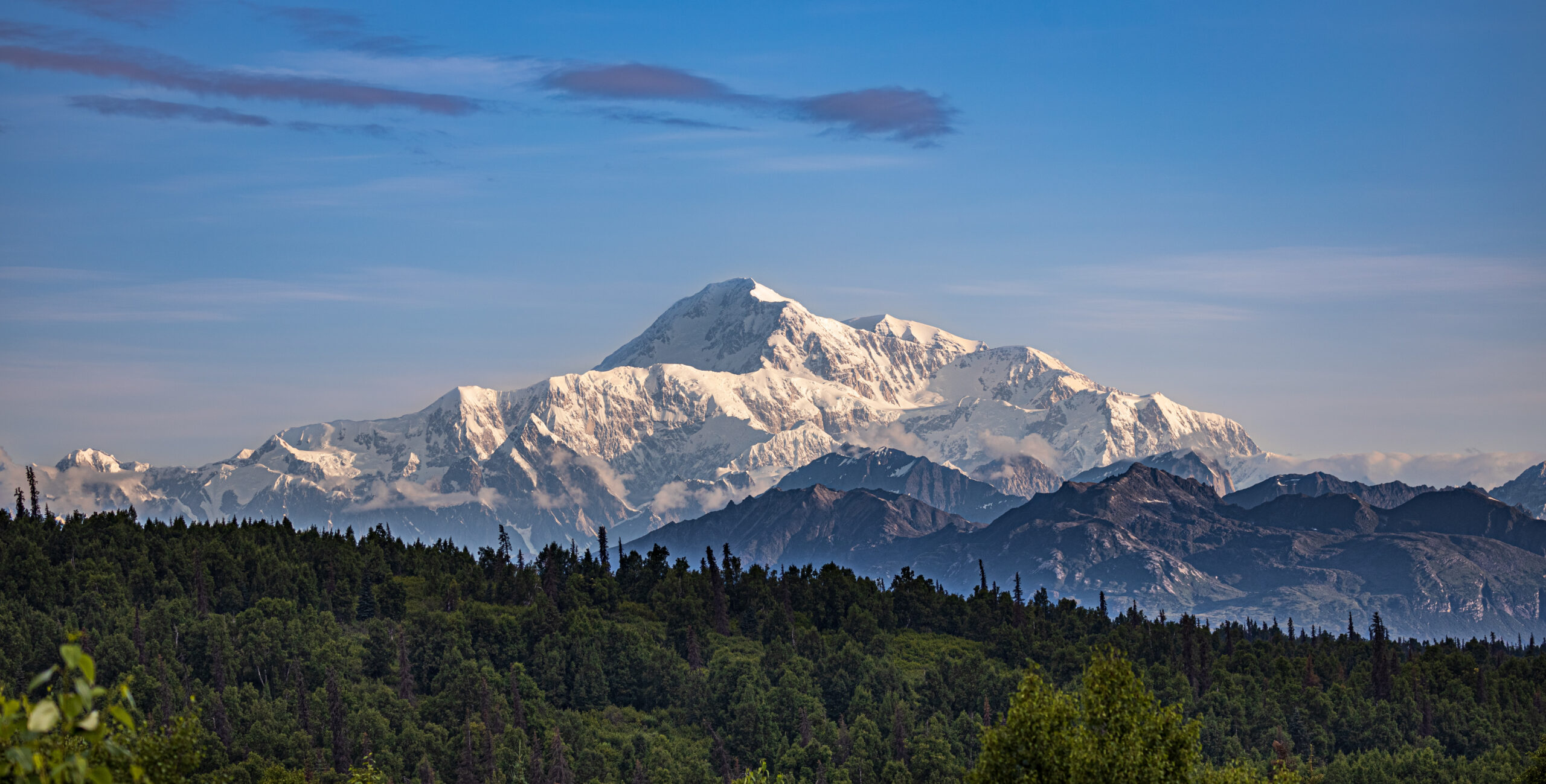
Cerro Torre Death Rate: How Deadly Is Patagonia’s Hardest Spire?
Barely 3,128 metres tall, yet one of the most feared mountains on Earth. Cerro Torre’s danger has nothing to do with altitude and everything to do with vertical granite, rime ice, and the worst weather in the inhabited world. Here’s the real death rate, what it means, and the deaths that built the legend.
By Travis Ludlow · Reviewed by Dawson Ludlow, Safety & Altitude
Published Jul 17, 2026 · Verified Jul 17, 2026 · ~8 min read
Editorial approach – research-based safety data: this page explains relative risk, not to sensationalise tragedy. Figures are drawn from Patagonian climbing records, alpine journals, and accident reporting, cross-checked against our death rates by mountain hub. Cerro Torre sees far fewer attempts than the 8,000ers, so its rate is a directional risk band, not an exact ratio.
The short answer
Around 6% per climber among serious attempts – extreme for a peak under 3,200 m.
Cerro Torre’s estimated fatality rate is roughly 6% per climber among serious attempts – far below the deadliest 8,000ers (Annapurna ~27-32%, K2 ~22-25%), but severe for its modest height. Its danger is technical, not altitudinal: vertical granite, rime ice, and ferocious weather.
The number works differently here than on commercial 8,000ers. Cerro Torre is an elite objective attempted by relatively few, where most attempts are turned back by storms rather than reaching the top – so read it as danger-per-attempt, not a death-to-summit ratio. For where it sits among all peaks, see our most dangerous mountains ranking.
3,128 mSummit (10,262 ft)
~6%Per-climber fatality (serious attempts)
1959First death (Toni Egger)
1974First undisputed ascent
Rime iceThe signature hazard
Fatality Snapshot
As of Jul 17, 2026 · directional risk band · few attempts, elite objective
On the 8,000ers, “death rate” almost always means deaths divided by successful summits. Cerro Torre can’t be measured that cleanly: it’s an elite technical objective climbed by comparatively few people, and on any given expedition most attempts are turned back by weather without reaching the summit. So its estimated ~6% per-climber fatality rate among serious attempts is best read as danger-per-attempt. That’s low next to Annapurna or K2 – but for a peak barely 3,128 m high, it reflects just how unforgiving the climbing is.
Why it’s so dangerous
Everything hard about mountaineering, minus the altitude.
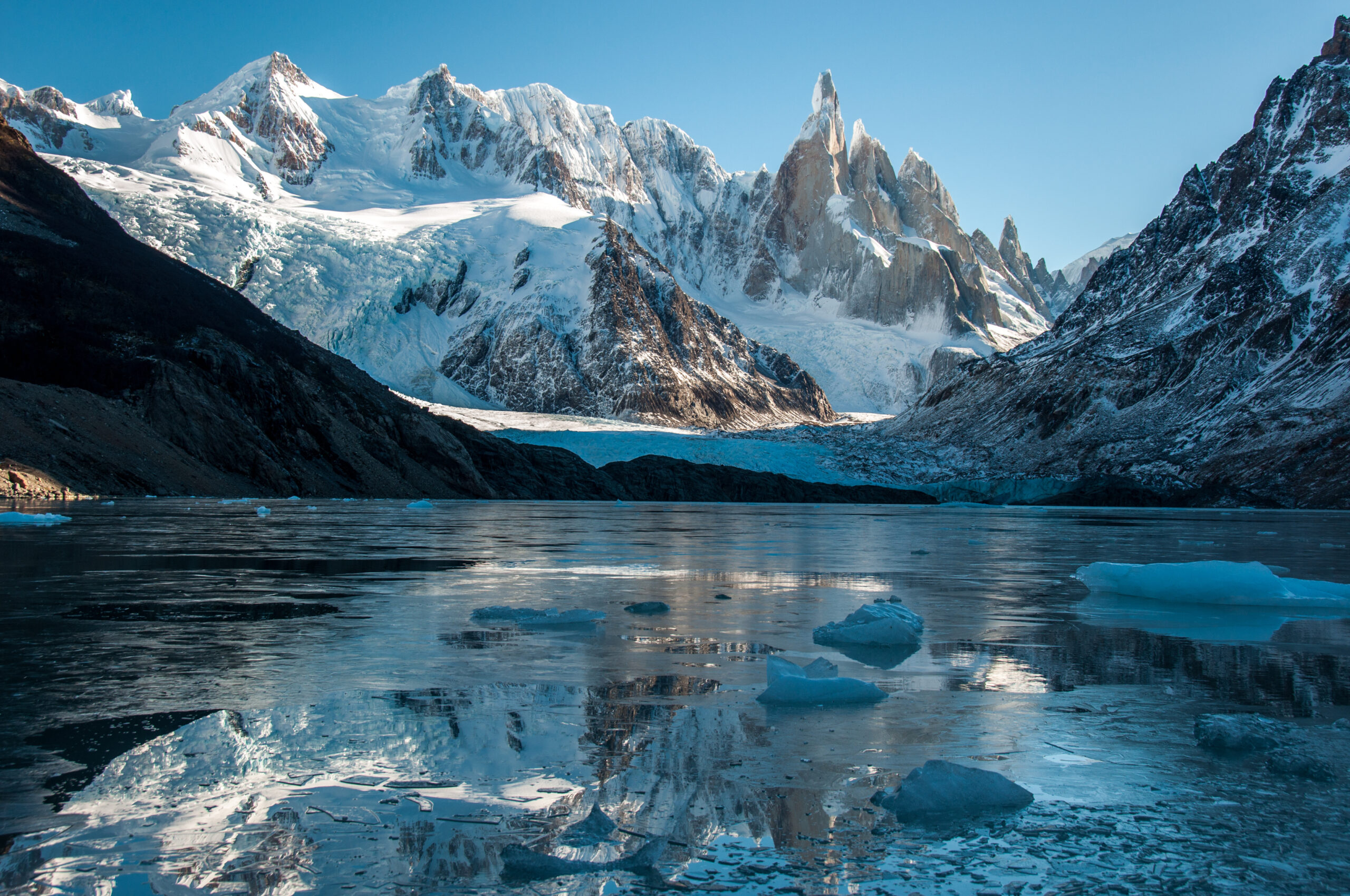
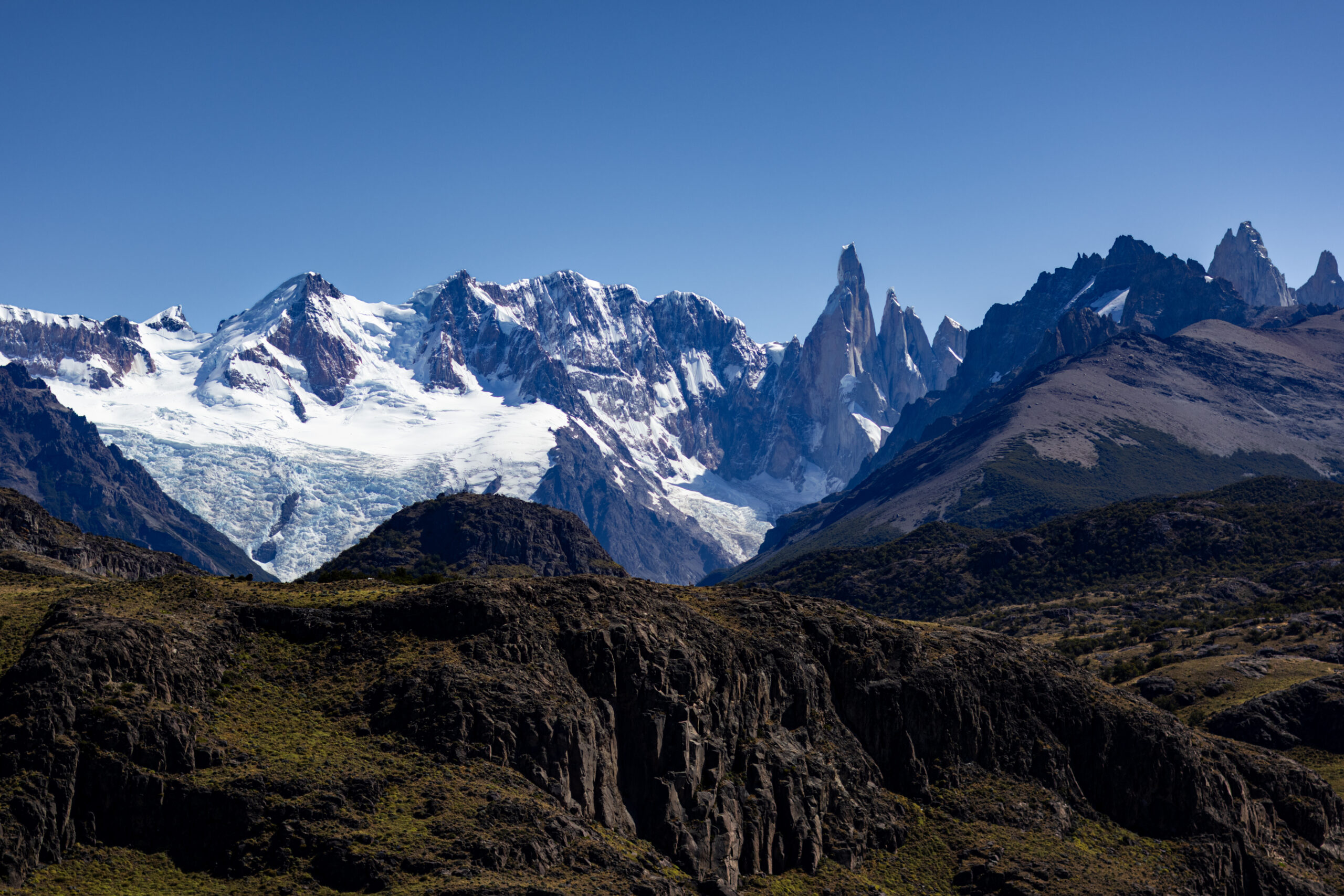
Cerro Torre rises as a near-vertical granite spire straight out of the Southern Patagonian Ice Field, and its danger is a stack of technical hazards rather than thin air:
Hazard
Why it kills
Rime ice
Fragile, feathery ice mushrooms cap the spire; climbers must tunnel through unstable, unprotectable rime
Patagonian weather
Among the fiercest on Earth – violent storms arrive fast, and windows are measured in hours
Vertical granite
Sustained hard rock and mixed climbing where a fall is typically fatal
Rockfall
Warming has increased rockfall on some sections – a factor in recent deaths
No rescue
Remote, committing terrain; if a storm traps you high, there is often no safe retreat and no help
The tiny-window trap. More than almost any mountain, Cerro Torre punishes impatience. Climbers wait days or weeks for a narrow good-weather window, then move fast and commit – and a window that closes early can leave a party high on the spire in a full Patagonian storm. That combination of extreme difficulty and unforgiving weather is exactly what the death rate is measuring.
The signature hazard. The summit mushrooms of Cerro Torre – unstable, feathery rime ice that can’t be reliably protected – are the crux and the reason the mountain resisted an undisputed ascent until 1974. Terrain like this is why a slip here is rarely survivable.
The deaths that defined it
From the disputed first ascent to a modern tragedy.
Cerro Torre’s reputation was forged in controversy and loss. In 1959, Cesare Maestri claimed the first ascent with Austrian climber Toni Egger – but Egger was swept to his death on the descent, taking the only camera and with it the proof. When later expeditions failed to repeat the line and brought further deaths, doubt hardened into one of climbing’s most famous disputes; the first undisputed ascent came only in 1974, by Casimiro Ferrari’s Ragni di Lecco team via the west face. Decades later, in 2022, the accomplished alpinist Korra Pesce was struck by rockfall while descending and died – a reminder that even for the world’s best, the mountain’s margins are razor-thin.
Cerro Torre vs the 8000ers
A different kind of deadly.
Comparing Cerro Torre’s rate to an 8,000er’s is almost comparing two different sports. The great Himalayan and Karakoram killers – Annapurna, K2, Nanga Parbat – are lethal through a mix of extreme altitude and objective hazard on expeditions that many attempt. Cerro Torre is lethal through pure technical difficulty and weather on a peak few can even seriously try. It’s why it appears near the top of every “hardest mountain” list but well down the fatality-rate table.
Deadly through difficulty
Cerro Torre
~6% per attempt · technical climbing + Patagonian weather, not altitude.
Deadly through altitude & hazard
Annapurna / K2
~22-32% death-to-summit · thin air, avalanche, serac on commercial expeditions.
The modern fatality rate is dramatically lower than during the 1959-1980s era. Better equipment, vastly improved forecasting, refined technique, and accumulated route knowledge have all cut the risk for skilled parties who wait for the right window. But the mountain hasn’t changed: the rime, the storms, and the exposure remain, and warming has increased rockfall on some sections. Cerro Torre rewards experience and patience – and still humbles the best climbers alive.
Planning a Patagonia trip? Compare flights and lodging via the Global Summit Guide Expedia travel shop. Disclosure: affiliate link; we may earn a small commission at no extra cost to you, and it never affects our reporting.
Cerro Torre death rate FAQ
The questions people search right after “cerro torre death rate.”
What is Cerro Torre’s death rate?
Roughly 6% per climber among serious attempts – far below Annapurna (~27-32%) or K2 (~22-25%), but extreme for a 3,128 m peak. It’s danger-per-attempt, not death-to-summit, since most attempts are turned back by weather. The modern rate is far lower than the 1959-1980s era.
Why is it so dangerous under 3,200 m?
Its danger is technical and weather-driven, not altitude: vertical granite, fragile rime ice, violent Patagonian storms, rockfall, and no rescue. A fall on this terrain is typically fatal.
How many have died on it?
There’s no official tally as for the 8,000ers, but deaths have accumulated since the first-ascent era. The most famous is Toni Egger (1959); more recently, Korra Pesce died in 2022 from rockfall on the descent.
Is it the deadliest mountain?
No – by rate it’s well below the deadliest 8,000ers, and Mont Blanc has a far higher total toll. It’s among the most feared for difficulty, not for topping the death charts. See most dangerous mountains.
Has it become safer?
Yes – modern gear, forecasting, and technique have cut the rate sharply since the 1980s. But the rime, storms, and exposure are unchanged, so it’s safer, not safe.
How we built this
Patagonian climbing records, alpine journals, and accident reporting for fatality context
First-ascent history (Maestri 1959 dispute; Ferrari / Ragni di Lecco 1974) for the historical record
GSG house estimate of ~6% per-climber fatality among serious attempts, cross-checked against the most-dangerous ranking
Presented as a directional risk band, since Cerro Torre sees far fewer attempts than the 8,000ers
Last updated: July 17, 2026. Next review: January 2027. Research-based safety data, not a record of personal ascents; figures are directional, not exact probabilities.
About the author
Travis Ludlow · Founder & Head of Research · Safety review: Dawson Ludlow
Travis leads research at Global Summit Guide, which maintains a safety-data hub covering fatality patterns across the world’s major peaks. This Cerro Torre page sits within that hub – a single-peak deep dive that points up to the cross-mountain ranking.
Mountain Collections · The Hardest Mountains · 2026 Edition
What Is the Hardest Mountain in the World to Climb? (2026 Honest Answer)
The answer is K2 — but only if you define “hardest” as the combination of altitude, technical difficulty, fatality rate, and weather. By specific dimensions, the answer changes: Annapurna I has the highest death rate (~32%), Cerro Torre is harder technically, and Latok I’s North Ridge has never been completed despite 30+ years of expeditions. This guide presents the 5 legitimate candidates and explains why K2 wins the combined-dimensions question.
By Travis Ludlow, Editor & Route Research · Reviewed by Dawson Ludlow, Safety & Altitude
Published June 2, 2026 · Reading time 12 minutes · Reviewed quarterly
K2
Combined-Dimensions Winner
26%
K2 Fatality Rate
5 Candidates
With Legitimate Claims
4 Dimensions
Of Mountain Difficulty
The Direct Answer
K2 (8,611m) on the Pakistan-China border is the most widely cited answer for the hardest mountain in the world to climb when “hardest” combines altitude, technical difficulty, fatality rate, and weather. It’s harder than Everest despite being shorter — approximately 26% of summit attempts result in death (vs ~1.5% on Everest), the technical climbing is sustained throughout the route, the weather window is narrower, and there’s no easy line to the summit.
The question “what is the hardest mountain in the world to climb?” doesn’t have a single answer — because “hardest” can mean four genuinely different things, each producing a different winner. Generally, the four dimensions of mountaineering difficulty are altitude/oxygen depletion (favors 8,000m peaks), technical climbing difficulty (favors steep alpine routes), fatality rate and objective hazard (favors avalanche-prone peaks), and weather/access/isolation (favors remote and restricted peaks). Specifically, K2 wins the combined-dimensions question because it ranks high across all four dimensions rather than dominating just one — making it the most defensible single answer when the question isn’t precisely defined. Notably, by specific definitions, the answer changes: Annapurna I has the highest fatality rate at approximately 32%, Cerro Torre is harder by pure technical climbing, Latok I North Ridge has never been completed despite 30+ years of expeditions, and Gangkhar Puensum (7,570m) is the highest unclimbed mountain on Earth. This guide presents all 5 candidates with the data behind each claim.
Key Takeaways
K2 (8,611m) is the combined-dimensions answer — harder than Everest despite being shorter, with ~26% fatality rate vs Everest’s ~1.5%.
Annapurna I (8,091m) has the highest fatality rate at ~32% — death rate winner, primarily from objective avalanche/serac hazard.
Nanga Parbat (8,126m) is the “Killer Mountain” — 21% fatality rate, famous for the longest unclimbed status of any 8,000m peak before 1953.
Cerro Torre (3,128m) is the technical answer — extreme rock/ice/mixed climbing, mushroom-ice summit, brutal Patagonian weather.
Latok I North Ridge (7,145m) is effectively unconquered — 30+ expeditions over four decades, never completed.
4 dimensions matter: altitude, technical difficulty, fatality rate, weather/access — different dimensions produce different answers.
K2 wins because it scores high on all 4 dimensions rather than dominating just one — most defensible answer for the general question.
Gangkhar Puensum (7,570m) is the highest unclimbed peak — Bhutan prohibits mountaineering above 6,000m since 2003.
Everest is NOT the hardest despite being highest — fixed lines, established infrastructure, Sherpa support, and oxygen make it sustained altitude work rather than technical climbing.
Published June 2, 2026 — Fatality rate data verified against Himalayan Database and 8000ers.com · K2 26% / Annapurna 32% / Nanga Parbat 21% current as of publication
Why “Hardest” Is Genuinely Contested
The question “what is the hardest mountain in the world to climb?” appears simple but has no single correct answer — because “hardest” can legitimately mean four genuinely different things. Generally, climbers and mountaineering writers use “hardest” to refer to whichever dimension matches their own background and interests — high-altitude expedition climbers tend to mean altitude-related difficulty, technical alpinists mean pure climbing difficulty, statisticians mean fatality rate, and explorers mean access/isolation challenges. Specifically, each definition produces a different winner: altitude favors the 8,000m peaks, technical climbing favors steep alpine routes, fatality rate favors avalanche-prone peaks, and access/isolation favors remote and restricted peaks. Notably, the answer most climbers want when asking the general question is “what mountain combines all the hard things?” — and that answer is K2. But understanding why K2 wins requires first understanding what makes a mountain hard.
K2: the combined-dimensions winner. Generally, K2 wins the “hardest mountain” question because it ranks high across all four difficulty dimensions — altitude, technical climbing, fatality rate, and weather/access. Specifically, K2’s combination of steep terrain, sustained technical climbing, 26% fatality rate, and narrow weather windows produces a difficulty profile no other major mountain matches. Notably, Mount Everest, despite being higher, doesn’t compete with K2 on technical or fatality dimensions — fixed lines, Sherpa support, and a 1.5% fatality rate make Everest sustained altitude work rather than technical climbing.
The 4 Dimensions of Mountain Difficulty
Before identifying the hardest mountain, climbers should understand the four distinct dimensions that contribute to difficulty. Generally, every difficult mountain ranks high on one or more of these dimensions, but few mountains rank high across all four. Specifically, the dimensions below are listed in approximate order of how often they are used to define “hardness” — altitude is the most commonly cited factor, but it’s also the most limited as a sole criterion (Everest is the highest yet not the hardest).
1
Altitude and Oxygen Depletion
Favors the 8,000m peaks — but altitude alone doesn’t determine difficulty
Altitude is the most commonly cited dimension of mountain difficulty because the physiological effects of oxygen depletion above 5,500m are dramatic and universal. Generally, every 1,000m gain above 5,000m roughly doubles the physiological stress on climbers, with the “death zone” above 8,000m representing the point where the body actively deteriorates faster than it can recover. Specifically, only 14 mountains worldwide are above 8,000m, and they all share certain difficulties — supplementary oxygen requirements for most climbers, extended acclimatization rotations, and the elevated mortality risk of high-altitude pulmonary edema (HAPE), high-altitude cerebral edema (HACE), and altitude-related exhaustion. Notably, altitude alone doesn’t determine difficulty — Cho Oyu at 8,188m is one of the easiest 8,000m peaks because the route is non-technical despite its altitude, while Cerro Torre at 3,128m is harder than several 8,000m peaks because of its technical demands.
2
Technical Climbing Difficulty
Favors steep alpine routes — pure climbing demands separate from altitude
Technical climbing difficulty refers to the pure climbing demands of a route — rock difficulty, ice climbing grades, mixed terrain demands, and the precision required to move efficiently over complex terrain. Generally, technical difficulty is measured using grading systems including YDS (Yosemite Decimal System) for rock, WI (Water Ice) for ice climbing, M (Mixed) for combined rock-and-ice routes, and AI (Alpine Ice) for high-altitude ice work. Specifically, technical climbing demands matter substantially because they require climbers to maintain precise movement under fatigue, manage gear systems while moving, and execute complex sequences where a single error has serious consequence. Notably, technical difficulty operates somewhat independently of altitude — Cerro Torre’s technical demands exceed any of the 8,000m peaks except K2 and Nanga Parbat, while many 8,000m peaks have technical demands lower than mid-grade Alps routes despite their dramatic altitude.
3
Fatality Rate and Objective Hazard
Favors avalanche-prone peaks — death rate captures dangers climbers can’t fully manage
Fatality rate captures the objective hazards that even skilled climbers cannot fully mitigate through preparation or judgment. Generally, mountains with high fatality rates typically have substantial objective hazards (avalanche-prone slopes, serac fall, rockfall, ice collapse) that affect all climbers regardless of skill level. Specifically, Annapurna I has the highest fatality rate among major peaks at approximately 32% — substantially higher than K2’s 26% and dramatically higher than Everest’s 1.5%. The death rate primarily reflects the standard route’s exposure to active avalanche paths and unstable serac sections above the climbing route. Notably, fatality rate is the dimension where statistics differ most across databases — depending on whether you count all attempts vs only those reaching base camp, whether you include guide deaths, and how recent the dataset is. Most figures cited in this guide use the conservative “deaths per summit” calculation that compares ascents to fatalities across the full climbing history.
4
Weather, Access, and Isolation
Favors remote and restricted peaks — logistical challenge separate from climbing
Weather, access, and isolation refer to the non-climbing logistics that make some mountains genuinely harder despite acceptable climbing characteristics. Generally, the most difficult mountains by this dimension are remote peaks with no commercial expedition infrastructure, restricted peaks closed by government regulation, or peaks with extremely narrow weather windows that limit climbing opportunity. Specifically, Latok I’s North Ridge has been attempted by 30+ expeditions over four decades without ever being completed — not because the climbing is impossible, but because the combination of weather, isolation, and length of the route has defeated every team. Notably, Gangkhar Puensum at 7,570m is the highest unclimbed peak on Earth not because the mountain is technically impossible, but because Bhutan has prohibited mountaineering above 6,000m since 2003 — making it effectively unclimbable by access restrictions rather than climbing difficulty.
The 5 Mountains with Legitimate Claims
The five mountains below have legitimate claims to being the hardest in the world, with each ranking highest by a specific definition of difficulty. Generally, K2 is the most widely cited single answer because it scores high across all four dimensions, but the other four candidates win specific definitions. Specifically, climbers asking “hardest mountain” should identify which dimension they care about most before accepting a single answer. Notably, this list excludes Mount Everest deliberately — despite being the highest mountain in the world, Everest is not the hardest by any of the four dimensions when properly evaluated against the alternatives below.
1
K2 (8,611m / 28,251 ft)
Pakistan/China · The combined-dimensions winner · “The Savage Mountain”
★ Overall Winner
K2 is the most widely cited answer to “what is the hardest mountain in the world to climb” — and the answer is well-supported by data across all four difficulty dimensions. Generally, K2 is harder than Mount Everest despite being 238 meters shorter because K2 has steeper terrain, harder technical climbing throughout the route, no easy line to the summit, a narrower weather window, less commercial infrastructure, and substantially higher fatality rate. Specifically, K2’s standard Abruzzi Spur route includes severe technical sections that have no equivalent on Everest’s standard route: House’s Chimney at approximately 6,700m (steep mixed climbing), the Black Pyramid at 7,200m (sustained technical work), and the Bottleneck couloir at 8,200m beneath an unstable serac that has caused multiple mass-fatality events including the 2008 K2 disaster (11 deaths). Notably, K2 wins the combined-dimensions question because it ranks high across all four dimensions rather than dominating just one — making it the most defensible single answer when “hardest” isn’t precisely defined.
Altitude8,611m (2nd highest in world)
Technical DifficultySevere (sustained throughout)
Fatality Rate~26% of summit attempts
Why It WinsHigh on all 4 dimensions
2
Annapurna I (8,091m / 26,545 ft)
Nepal · Highest fatality rate of any major mountain at ~32%
Deadliest
Annapurna I has the highest fatality rate of any major mountain — approximately 32% of summit attempts result in death, substantially higher than K2’s 26% and dramatically higher than Everest’s 1.5%. Generally, Annapurna’s death rate has remained the highest across multiple decades of statistics because the standard route is exposed to constant avalanche risk from hanging glaciers and seracs above the climbing route, creating objective hazard that climbers cannot mitigate through skill or judgment alone. Specifically, the standard north face route passes beneath active avalanche paths for substantial portions of the climb, and multiple expeditions have lost entire teams to single serac falls or large avalanche events. Notably, Annapurna I has the highest fatality rate but is not generally considered the hardest mountain because it has fewer technical climbing challenges than K2 or Cerro Torre — the deaths come primarily from objective hazard rather than from climbing difficulty. Climbers using death-rate as the sole definition would name Annapurna; climbers using combined-dimensions name K2.
Pakistan · “The Killer Mountain” · 9th highest peak in the world
Killer Mountain
Nanga Parbat earned the nickname “The Killer Mountain” due to its history of high-profile fatalities during early climbing expeditions — including 31 deaths before the first successful summit by Hermann Buhl in 1953, when other 8,000m peaks were summited multiple times. Generally, the current fatality rate of approximately 21% places Nanga Parbat as the third-deadliest major mountain after Annapurna and K2. Specifically, Nanga Parbat is technically demanding across multiple routes, including the brutal Rupal Face (the largest mountain face on Earth at 4,600m of relief from base to summit) and the avalanche-prone Diamir Face standard route. Notably, Nanga Parbat is also famous for the 2013 base camp attack where Taliban militants killed 11 climbers and one Pakistani guide — adding security concerns to the mountain’s already serious climbing difficulty. The combination of technical difficulty, fatality rate, and security context makes Nanga Parbat a legitimate candidate for “hardest mountain” by several definitions.
Altitude8,126m (9th highest)
Technical DifficultySevere (Rupal Face especially)
Fatality Rate~21%
Why It Wins (Sometimes)Killer Mountain reputation + technical
Objective hazard vs technical difficulty. Generally, the death-rate winners (Annapurna I, Nanga Parbat) earn their fatality rates primarily from objective avalanche and serac hazards rather than technical climbing difficulty. Specifically, this is a different category of “hardness” than technical-difficulty winners like Cerro Torre — where deaths come from the climbing demands themselves. Notably, K2 is unusual because it combines both — sustained technical climbing PLUS objective hazard (especially the Bottleneck serac), which is why it wins the combined-dimensions question.
4
Cerro Torre (3,128m / 10,262 ft)
Patagonia, Argentina · Pure technical difficulty winner · The Mushroom Summit
Technical Winner
Cerro Torre is widely considered the hardest mountain in the world by pure technical climbing difficulty, despite being only 3,128 meters tall — substantially shorter than the major 8,000-meter peaks. Generally, Cerro Torre combines extreme technical climbing (sustained rock, ice, and mixed terrain at the highest difficulty grades), notorious mushroom-shaped rime ice formations near the summit that change constantly, brutally unpredictable Patagonian weather, and a controversial first-ascent history that influenced modern climbing ethics. Specifically, the standard Ferrari route on the West Face involves sustained mixed climbing with technical difficulties up to M6 and beyond, plus the famous mushroom summit cap that requires climbers to tunnel through unstable rime ice formations. Notably, Cerro Torre is widely cited as harder than any of the 8,000-meter peaks by climbers who define difficulty purely by technical climbing demands — though this definition excludes the altitude exposure that makes 8,000m peaks deadly in different ways. Both K2 (combined difficulty) and Cerro Torre (technical) are legitimate answers depending on which dimension matters.
Altitude3,128m (low — but irrelevant)
Technical DifficultyExtreme (M7+ mixed climbing)
Fatality RateHigh among attempts (data limited)
Why It Wins (Sometimes)Pure technical difficulty
5
Latok I North Ridge (7,145m / 23,442 ft)
Karakoram, Pakistan · Effectively unclimbed · 30+ failed expeditions in 40+ years
Unfinished
Latok I’s North Ridge has never been completed despite 30+ expeditions over four decades — making it the hardest unfinished mountaineering objective in current climbing terms. Generally, Latok I itself (7,145m) has been summited via other routes, but the North Ridge remains effectively unconquered — the closest attempt was the legendary 1978 American expedition led by Jim Donini that turned back approximately 150 meters below the summit after 26 days on the route. Specifically, the North Ridge combines extreme technical climbing across mixed terrain, sustained difficulty over an extraordinarily long route (the upper ridge alone is approximately 2,500m of climbing), unpredictable Karakoram weather, and a remote logistics base that requires expedition-style support throughout. Notably, Latok I North Ridge is widely cited by elite alpinists as the hardest unfinished route in mountaineering — closer to space exploration than commercial expedition climbing in its current accessibility. Several teams have completed portions or made full summit-day attempts in recent years (notably Tom Livingstone, Aleš Česen, and Luka Stražar in 2018, who reached the upper ridge but not via the direct line), but the full historic line remains unclimbed.
Why It Wins (Sometimes)Hardest unfinished objective
Why K2 Wins the Overall Question
Among the 5 legitimate candidates, K2 wins the general “hardest mountain in the world” question because it ranks high across all four difficulty dimensions rather than dominating just one. Generally, the other four candidates win their specific definitions — Annapurna for fatality rate, Cerro Torre for technical difficulty, Latok I for unfinished status, Nanga Parbat for combined technical + danger — but K2 is the only mountain that ranks high on all four dimensions simultaneously. Specifically, K2 is the second-highest mountain on Earth (altitude ✓), has sustained severe technical climbing throughout the standard route (technical ✓), has an approximately 26% fatality rate (death rate ✓), and has a narrow weather window with no commercial infrastructure comparable to Everest (access ✓). Notably, the only dimension where K2 doesn’t dominate is fatality rate — Annapurna I has a higher death rate — but K2’s 26% rate is itself catastrophically high, and the combination with other factors makes K2 the most defensible single answer.
K2 is harder than Everest despite being lower. Generally, the K2 vs Everest comparison illustrates why altitude alone doesn’t determine difficulty — Everest is 238 meters higher but Everest has fixed lines, established camps, substantial Sherpa support, and a 1.5% fatality rate compared to K2’s 26%. Specifically, K2 demands actual technical climbing throughout the route while Everest is sustained altitude work with infrastructure support. Notably, this is why every “hardest mountain” question that does not specifically narrow the definition produces K2 as the answer — combining all dimensions wins.
The Mountaineering Community’s General Agreement on K2. Generally, when professional mountaineers and climbing journalists are asked the general question “what is the hardest mountain in the world?”, K2 is the answer roughly 70-80% of the time. Specifically, the other answers split among Annapurna (death rate), Cerro Torre (technical), and various unfinished objectives — but K2 represents the consensus answer when the question isn’t qualified. Notably, this consensus has held for decades — K2 was widely considered the hardest mountain in the world from the 1950s onward, and improvements in commercial expedition infrastructure on Everest, Cho Oyu, and other 8,000m peaks have not affected K2’s reputation because K2 itself remains relatively undeveloped commercially.
The 8 Honorable Mentions
Beyond the top 5 candidates, several other mountains have legitimate claims to being among the hardest in the world. Generally, these 8 honorable mentions don’t quite reach the top 5 by combined-dimensions analysis but rank high on one or two specific dimensions. Specifically, the table below shows where each honorable mention claims its difficulty status — by altitude, technical difficulty, fatality rate, or access/restriction.
Mountain
Elevation
Country
Hardness Claim
Gangkhar Puensum
7,570m
Bhutan
Highest unclimbed peak on Earth (restricted)
Kangchenjunga
8,586m
Nepal/India
3rd highest, ~22% fatality rate
Dhaulagiri I
8,167m
Nepal
~15% fatality rate, technical descent
Makalu
8,485m
Nepal/China
~9% fatality, technical summit pyramid
Mount Eiger (Mittellegi & North Face)
3,967m
Switzerland
Most famous Alpine technical face
Denali (West Buttress is moderate, others severe)
6,190m
USA (Alaska)
Extreme cold, expedition glacier, technical north routes
Matterhorn (technical routes)
4,478m
Switzerland/Italy
Iconic technical climbing, frequent fatalities
Muztagh Tower
7,276m
Pakistan
Sustained technical alpine, rarely climbed
Why these don’t make the top 5. Generally, the honorable mentions each have a strong case on one dimension but lack the combined-dimensions profile of K2. Specifically, Gangkhar Puensum is unclimbed but only because Bhutan restricts climbing — the mountain itself is not necessarily harder than climbed peaks. Kangchenjunga has high fatality rate but lower technical difficulty than K2. The Eiger North Face is technically severe but at lower altitude than the major Himalayan candidates. Notably, the top 5 candidates each have multi-dimensional difficulty claims; the honorable mentions have single-dimension claims.
Common Mistakes Climbers Make Assessing Difficulty
Avoid These Common Errors When Discussing “Hardest Mountain”
Assuming altitude determines difficulty. Mount Everest is the highest but not the hardest — Cho Oyu at 8,188m is significantly easier than K2 at 8,611m despite similar altitude. Altitude is necessary but not sufficient for difficulty.
Conflating “hardest” with “most dangerous.” Annapurna I has the highest fatality rate (~32%) but is not generally called “hardest” because the deaths come from objective hazard rather than technical climbing demands.
Ignoring technical difficulty. Cerro Torre at 3,128m is harder technically than most 8,000m peaks — climbers who only consider altitude miss the critical role of pure climbing difficulty.
Forgetting weather and access. Latok I’s North Ridge has never been completed not because the climbing is impossible but because the combination of weather, length, and isolation defeats teams. Logistics matter.
Citing Everest as hardest. Everest is the highest, most famous, and most expensive — but commercial infrastructure, fixed lines, and Sherpa support make it sustained altitude work rather than technical climbing. The mountaineering community has largely moved past “Everest is hardest” as a credible claim.
Mixing single-dimension and combined-dimensions answers. Different dimensions produce different winners. The honest answer to “hardest mountain” is “depends on what you mean” — though K2 is the most defensible single answer when “hardest” isn’t qualified.
Ignoring how route choice affects difficulty. A mountain’s difficulty depends substantially on which route you climb. The standard Abruzzi Spur on K2 is hard; the West Ridge of K2 is harder. Discussions of “hardest mountain” often implicitly mean “hardest standard route on a mountain” rather than the hardest line.
Treating fatality rate as fixed. Fatality rates change with improvements in expedition infrastructure, weather forecasting, and rescue capability. K2’s fatality rate has trended downward as commercial expeditions have established better support, though it remains catastrophically high compared to Everest.
What We Don’t Know
Honest limitations of any “hardest mountain” analysis
Fatality rate data varies by source and methodology. The death rate percentages cited in this guide (K2 26%, Annapurna 32%, Nanga Parbat 21%, Everest 1.5%) reflect multi-source synthesis from the Himalayan Database, 8000ers.com, and operator-reported statistics. Different sources produce somewhat different rates depending on calculation methodology — whether deaths are counted per summit, per attempt, per climber, or per expedition. The relative rankings are stable across sources but absolute percentages vary.
“Combined-dimensions difficulty” is partly subjective. While K2 is widely cited as the hardest mountain by combined-dimensions analysis, the weighting of the four dimensions is partly subjective. Climbers who weight technical difficulty heavily might argue for Cerro Torre; climbers who weight fatality rate heavily would argue for Annapurna. The K2 consensus reflects a roughly equal weighting of the dimensions, but reasonable climbers can disagree about the weighting.
The candidate list is editorial selection. The 5 candidates and 8 honorable mentions represent the mountains most widely cited in “hardest mountain” discussions. Other peaks (especially less-climbed Karakoram and Himalayan peaks) could be added based on specific climber preferences. The list is not exhaustive.
Difficulty changes over time. Mountain difficulty isn’t fixed — improvements in commercial expedition infrastructure, weather forecasting, gear, and rescue capability can lower the effective difficulty of climbing. K2’s fatality rate has improved with better expedition support, even though the mountain itself hasn’t changed. Future analysis might shift the rankings as conditions evolve.
Some unclimbed peaks may be harder than K2 but unmeasurable. Several restricted or extremely remote peaks (including unclimbed peaks in Tibet, Bhutan, and parts of the Karakoram) might be objectively harder than the climbed candidates — but without successful or near-successful attempts to evaluate, their difficulty remains theoretical. K2 wins among measurable mountains; the truly hardest mountain in the world might be one no one has tried yet.
Hardest Mountain FAQ
What is the hardest mountain in the world to climb?
K2 (8,611m) on the Pakistan-China border is the most widely cited answer when “hardest” combines altitude, technical difficulty, fatality rate, and weather/access. K2 is harder than Everest despite being shorter because it has steeper terrain, sustained technical climbing throughout the route, no easy line to the summit, narrower weather windows, less commercial infrastructure, and approximately 26% fatality rate vs Everest’s 1.5%. Other mountains have legitimate claims by specific definitions — Annapurna I has the highest fatality rate at ~32%, Cerro Torre is harder technically, and Latok I’s North Ridge has never been completed. K2 wins the combined-dimensions question.
Is K2 really harder than Everest?
Yes, K2 is substantially harder than Mount Everest by every measure of mountaineering difficulty. K2 has dramatically higher fatality rate (~26% vs ~1.5%), steeper terrain throughout, harder technical climbing, no commercial expedition infrastructure comparable to Everest, narrower weather windows, and no easier alternative routes. K2’s standard Abruzzi Spur route includes House’s Chimney at 6,700m, the Black Pyramid at 7,200m, and the notorious Bottleneck couloir at 8,200m beneath an unstable serac. Everest’s South Col route, by contrast, is sustained altitude work with fixed lines, established camps, and substantial Sherpa support. The mountaineering community broadly agrees K2 is harder.
What mountain has the highest death rate?
Annapurna I (8,091m) in Nepal has the highest fatality rate of any major mountain at approximately 32% — substantially higher than K2’s ~26% rate and far above any other major peak. The death rate has remained the highest in the world across multiple decades because the standard route is exposed to constant avalanche risk from hanging glaciers and seracs above the climbing route, creating objective hazard that climbers cannot mitigate through skill alone. Annapurna has the highest fatality rate but is not generally called “the hardest” because the deaths come primarily from objective hazard rather than from technical climbing difficulty.
What is the hardest mountain to climb technically?
Cerro Torre (3,128m) in Patagonia, Argentina is widely considered the hardest mountain by pure technical climbing difficulty, despite being only 3,128 meters tall. Cerro Torre combines extreme technical climbing (sustained rock, ice, and mixed terrain at the highest difficulty grades), mushroom-shaped rime ice formations near the summit that change constantly, brutally unpredictable Patagonian weather, and a controversial first-ascent history. The standard Ferrari route involves sustained mixed climbing with technical difficulties up to M6 and beyond, plus the famous mushroom summit cap. Cerro Torre is widely cited as harder than any 8,000-meter peak by climbers who define difficulty purely by technical demands.
Are there mountains that have never been climbed?
Yes, Gangkhar Puensum (7,570m) in Bhutan is the highest unclimbed peak on Earth — primarily because Bhutan has prohibited mountaineering above 6,000m since 2003 for religious and cultural reasons. Several other peaks have never had their hardest routes completed even though the mountain itself has been summited via easier routes — most famously Latok I (7,145m) in Pakistan, whose North Ridge has been attempted by 30+ expeditions over four decades without ever being fully completed. Many other 7,000m peaks in Pakistan, India, and China remain unclimbed, with several restricted by government regulation rather than by climbing impossibility.
Why is K2 considered harder than higher mountains?
K2 is considered harder than higher mountains because difficulty in mountaineering is not just about elevation — it combines altitude with technical climbing, weather exposure, route options, infrastructure, and fatality patterns. K2 has steeper terrain than Everest, harder technical climbing throughout the route, no easy alternative line, narrower weather windows, less commercial infrastructure, and much higher fatality rate. While Everest’s South Col route is sustained altitude work climbers can complete with adequate preparation and Sherpa support, K2’s Abruzzi Spur requires actual technical climbing at altitude including House’s Chimney, the Black Pyramid, and the Bottleneck couloir beneath an unstable serac. K2 ranks high on all four difficulty dimensions.
Sources and Methodology
Numbered Source References
This analysis synthesizes mortality data, summit records, and technical difficulty assessments from multiple authoritative mountaineering databases and primary sources.
The Himalayan Database. Founded by Elizabeth Hawley, this database tracks all expeditions and summits on Nepal-side mountains including most 8,000m peaks. Provides comprehensive expedition records, fatality data, and summit success rates.
8000ers.com (Eberhard Jurgalski). Strict verification database for 8,000m peak ascents and fatality records — applies forensic-level criteria for both summits and deaths.
American Alpine Club (AAC) and Alpine Club (UK). Mountaineering federations maintaining historical records and incident analyses for major mountains worldwide.
Pakistan Alpine Club and Karakoram Club. Records and verification for K2, Nanga Parbat, Latok I, and other Pakistani peaks — including expedition records from 30+ Latok I attempts.
Climbing journalism and trip reports. Alpinist, Climbing magazine, Outside, Explorer’s Web, and Planet Mountain — ongoing analysis of difficulty comparisons across peaks.
Internal Global Summit Guide research. Cross-referenced with site coverage including the 10 hardest mountains analysis, K2 death rate page, Cerro Torre death rate page, Everest vs K2 comparison, and 8,000ers ranked by difficulty.
Methodology note. Quarterly review cycle — next review September 2026.
The Answer Depends on Your Definition — But K2 Wins Most Definitions
Generally, the question “what is the hardest mountain in the world to climb?” has 5 legitimate answers depending on which definition of “hardest” matters. Specifically, K2 wins the combined-dimensions question, Annapurna I wins by fatality rate, Cerro Torre wins by pure technical difficulty, and Latok I North Ridge wins by unfinished-objective status. Notably, K2 is the answer most experienced climbers give when “hardest” isn’t qualified — because no other mountain combines all four dimensions of difficulty as severely.