
Last updated June 2, 2026
Mount Elgon (4,321m): Complete 2026 Climb Guide — Uganda and Kenya Border, Africa’s 8th Highest Mountain
Mount Elgon is a massive extinct shield volcano on the Uganda-Kenya border, with its highest point Wagagai Peak at 4,321 meters (14,177 feet). The mountain features one of the world’s largest intact volcanic calderas at approximately 6-8 kilometers in diameter, the spectacular Sipi Falls at its base, and multiple non-technical climbing routes ranging from 4 to 7 days. A less-crowded alternative to Kilimanjaro with 90-95% success rates and no technical climbing required. Complete 2026 planning guide for all five major routes from both Uganda and Kenya sides.
Mount Elgon is Africa’s 8th highest mountain at 4,321 meters (Wagagai Peak), a massive extinct shield volcano on the Uganda-Kenya border containing one of the world’s largest intact volcanic calderas at approximately 6-8 kilometers in diameter. Generally, the mountain offers a meaningful African mountain experience without Kilimanjaro’s altitude demands or crowds — Mount Elgon attracts approximately 3,000-5,000 annual climbers compared to Kilimanjaro’s 30,000-50,000, producing dramatically quieter trails and a more remote climbing character. Specifically, the mountain has five primary climbing routes (Sasa, Sipi, and Piswa from Uganda; Chepkitale and Kimothon from Kenya) all rated moderate non-technical difficulty and reaching Wagagai Peak in 4-7 day treks with success rates of approximately 90-95% across quality operators. Notably, Mount Elgon is climbed almost exclusively from the Uganda side because Sipi Falls, the Bugisu coffee region, and Mount Elgon National Park (Uganda) infrastructure are substantially better developed than the Kenya side — the Sipi Route through Sipi Falls is the single most popular choice among first-time Mount Elgon climbers.
Key Takeaways
- Wagagai Peak: 4,321 m (14,177 ft) — Africa’s 8th highest mountain. 4th highest in East Africa after Kilimanjaro, Mount Kenya, and Rwenzori.
- Massive extinct shield volcano with 6-8 km caldera. One of the world’s largest intact volcanic calderas. Mountain extinct for ~24 million years.
- Five routes total: 3 from Uganda, 2 from Kenya. Sasa (shortest), Sipi (most scenic via Sipi Falls), Piswa (wildlife), Chepkitale (Kenya east), Kimothon (Kenya, less used).
- Sipi Route is the most popular. 6-7 days, passes Sipi Falls, exceptional scenery and gradual acclimatization.
- Non-technical hike — no climbing skills required. Moderate difficulty. Strong cardio fitness and basic hiking experience sufficient.
- Easier than Kilimanjaro by every measure. Lower altitude, higher success rate, fewer crowds, shorter duration. The classic “Kilimanjaro alternative.”
- Best season: June-August (peak) and December-March (secondary). Two East African dry seasons. Avoid March-May and October-November rains.
- Cost: $500-$1,500 typical guided trek. Plus $35-$50/day park fees. Total all-in including flights: $2,000-$3,500.
- Coffee region at the base. Mount Elgon is the heart of Uganda’s Arabica coffee growing region — many climbers include coffee tours and Sipi Falls visits.
Mount Elgon: Africa’s 8th Highest, World’s Largest Caldera
Mount Elgon is one of Africa’s most distinctive but underrated climbing objectives — a massive extinct shield volcano on the Uganda-Kenya border that contains one of the largest intact volcanic calderas in the world. Generally, the mountain’s reputation has grown substantially since approximately 2018 as climbers seek alternatives to Kilimanjaro’s crowds and altitude demands — Mount Elgon attracts approximately 3,000-5,000 annual climbers compared to Kilimanjaro’s 30,000-50,000, producing dramatically quieter trails and a more remote climbing character. Specifically, the highest point is Wagagai Peak at 4,321 meters (14,177 feet) on the Uganda side, making Mount Elgon the 8th highest mountain in Africa and the 4th highest in East Africa after Kilimanjaro (5,895m), Mount Kenya (5,199m), and the Rwenzori Mountains (Margherita Peak at 5,109m). Notably, Mount Elgon is climbed almost exclusively from the Uganda side because Sipi Falls, the Bugisu coffee region, and Mount Elgon National Park (Uganda) infrastructure are substantially better developed than the Kenya side — most international climbers approach via Mbale (Uganda) rather than Kitale (Kenya).
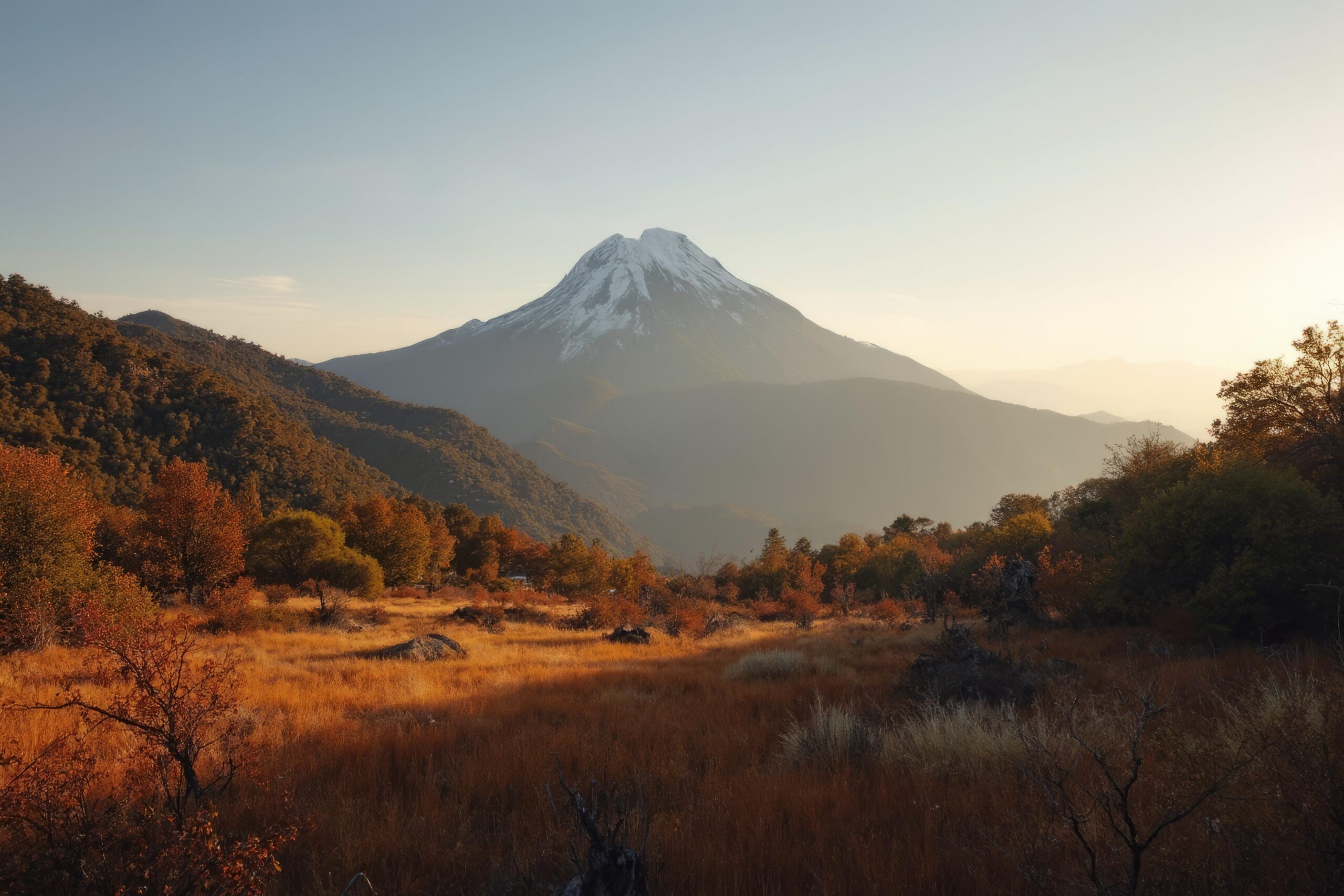
The 5 Climbing Routes
Mount Elgon has five primary climbing routes — three from the Uganda side and two from the Kenya side — all reaching Wagagai Peak at 4,321 meters with no technical climbing required. Generally, the routes divide into two categories: the well-developed Uganda routes that account for approximately 90% of all Mount Elgon climbing and benefit from Mount Elgon National Park (Uganda) infrastructure plus the Sipi Falls and coffee region attractions at the base, and the less-climbed Kenya routes that account for the remaining 10% and offer different geographic perspectives. Specifically, route choice depends on time available, scenery preferences, and whether climbers want to combine the climb with Sipi Falls or other regional attractions. Notably, the Sipi Route from Uganda is the single most popular choice among first-time Mount Elgon climbers — the route passes through the spectacular Sipi Falls area and provides the most gradual ascent profile across the longest duration (6-7 days), which produces both the best acclimatization outcome and the most complete Mount Elgon experience.
The Sasa Route is the shortest Mount Elgon climbing option and the right choice for climbers with limited time. Generally, the route starts from Budadiri trading center at 1,250 meters and climbs steeply through the bamboo zone and montane forest to reach the caldera rim in three climbing days. Specifically, the Sasa Route’s compressed timeline means daily elevation gains are meaningfully higher than other routes — climbers should arrive with strong baseline fitness because the steep ascent profile does not allow extended rest. Notably, the Sasa Route’s success rate is slightly lower than longer routes (typically 85-90% versus the Sipi Route’s 90-95%) because the compressed acclimatization timeline produces more altitude-related issues for less-prepared climbers.
The Sipi Route is the most popular Mount Elgon climbing choice among international visitors and is widely considered the route’s signature experience. Generally, the route starts from Kapkwai near the famous Sipi Falls (three spectacular waterfalls reaching approximately 100 meters in height) and climbs gradually through the bamboo zone, montane forest, and Afro-alpine moorland to reach the caldera in four climbing days followed by a summit day and descent. Specifically, the Sipi Route’s longer duration provides meaningful acclimatization advantages — daily elevation gains are moderate (typically 400-700 meters), success rates run 90-95%, and climbers can pace themselves with reasonable confidence. Notably, the Sipi Route’s distinctive feature is the integration with the Sipi Falls cultural and scenic experience — most operators include a Sipi Falls visit either before the climb or during the trek, plus optional coffee farm tours in the Bugisu region at the base of the mountain.
The Piswa Route is Mount Elgon’s gradual-ascent option from the northern Uganda side, offering the best wildlife viewing opportunities of any Mount Elgon route. Generally, the route starts from Kapkwata at 2,180 meters and climbs through extensive bamboo forest and montane terrain where forest elephants, blue monkeys, and various bird species are regularly observed. Specifically, the route’s gradual ascent profile and longer duration make it suitable for climbers wanting both the summit objective and a broader ecological experience — climbers walking through bamboo forests on Piswa often encounter wildlife signs that the more direct Sasa Route does not provide. Notably, the Piswa Route is less commonly climbed than Sipi because the route’s wildlife focus and less-developed infrastructure make it more appropriate for experienced trekkers wanting a quieter, more exploratory experience.
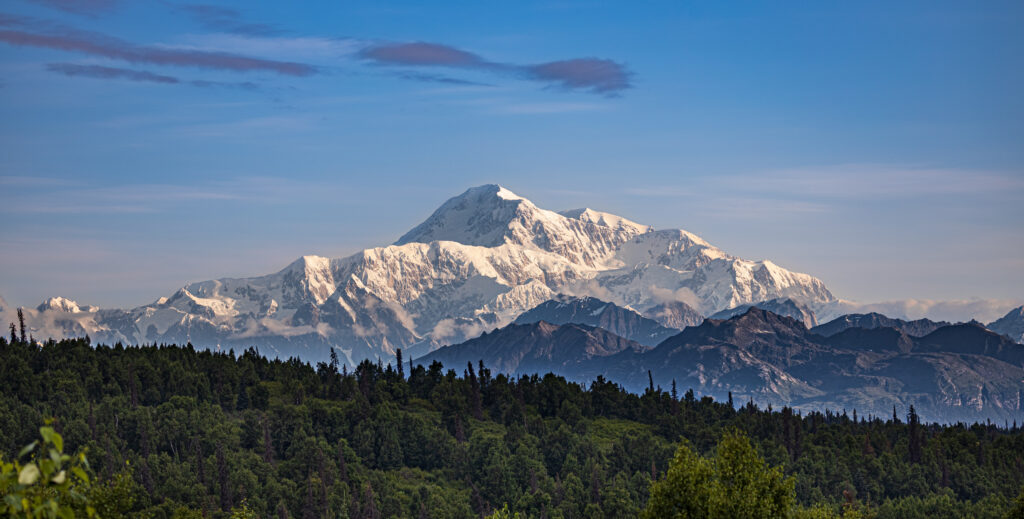
The Chepkitale Route is the primary climbing line from the Kenya side of Mount Elgon, approaching the summit caldera from the east. Generally, the route starts from Endebess (or alternative trailheads near the Kenya-side Mount Elgon National Park entrance at Chorlim Gate) and climbs through similar vegetation zones as the Uganda routes but with substantially less developed infrastructure. Specifically, Kenya side routes are less commonly climbed by international visitors — most commercial operators prefer the Uganda side for logistics, infrastructure, and the Sipi Falls / coffee region context. Notably, the Chepkitale Route is the right choice for climbers visiting Mount Elgon as part of a broader Kenya trip or wanting the less-crowded experience that the Uganda side does not offer to the same degree.
The Kimothon Route is the least-climbed Mount Elgon route and is included primarily for completeness rather than as a practical recommendation for most climbers. Generally, the route approaches the summit caldera from the northwest and offers a more exploratory experience than the more-developed Sipi Route. Specifically, commercial operator availability on Kimothon is very limited — climbers attempting this route typically work with specialty operators who can arrange custom logistics, and the route should be considered only by experienced trekkers with prior East African climbing experience. Notably, climbers researching Mount Elgon’s “easier” or “more accessible” routes should focus on Sipi (Uganda) rather than Kimothon — the Kimothon Route is included for documentation rather than active recommendation.
The Mount Elgon Caldera
Mount Elgon’s defining geological feature is its enormous summit caldera — one of the largest intact volcanic calderas in the world. Generally, the caldera formed when Mount Elgon was an active volcano millions of years ago and the magma chamber collapsed inward, leaving a circular depression at the summit approximately 6-8 kilometers in diameter and covering roughly 40-80 square kilometers depending on measurement methodology. Specifically, the caldera contains multiple distinct features: hot springs at the western edge (reaching approximately 48°C / 118°F), mineral salt licks that attract wildlife from surrounding ecosystems, the source streams that feed the surrounding watershed, and several smaller peaks including Wagagai (4,321m) at the western rim and Koitobos (4,222m) at the eastern rim. Notably, climbers reaching the caldera from any route can spend additional time exploring the floor and various peaks along the rim — most quality commercial itineraries include at least one full day inside the caldera rather than only touching the summit and immediately descending.
Mount Elgon vs major volcanic calderas worldwide. Mount Elgon’s 6-8 kilometer caldera diameter places it among the largest intact volcanic calderas in the world. Yellowstone Caldera in the USA measures approximately 55×72 kilometers but is largely undetectable visually at ground level due to subsequent volcanic activity. Ngorongoro Crater in Tanzania measures approximately 20 kilometers in diameter and is more famous, but is technically a “crater” rather than a true caldera. The Aso Caldera in Japan measures approximately 25 kilometers. Mount Elgon’s distinctive feature is the combination of substantial caldera size with intact preservation — climbers can easily walk across the caldera floor and ascend multiple peaks along the rim within a single multi-day itinerary, which is not possible at most larger volcanic features worldwide.
Best Time to Climb Mount Elgon
Mount Elgon has two primary climbing seasons that align with East Africa’s broader dry periods. Generally, June through August is the peak climbing window — the “long dry season” produces the most stable weather, clear skies for caldera views, moderate temperatures, and minimal rainfall on the climbing routes. Specifically, December through March offers the secondary “short dry season” with similar dry conditions but slightly warmer temperatures, more variable weather, and increased likelihood of afternoon mountain mist. Notably, the rainy seasons of March-May (long rains) and October-November (short rains) are generally not recommended due to muddy trails, leeches in the lower forest sections, limited visibility in the caldera, and challenging trail conditions in the bamboo zone where bamboo forest density combined with rain produces difficult walking conditions.
| Season | Months | Conditions | Recommendation |
|---|---|---|---|
| Long Dry Season | June – August | Most stable weather, clear caldera views, moderate temps | Best overall — recommended for first-timers |
| Short Dry Season | December – March | Dry conditions, slightly warmer, occasional afternoon mist | Good secondary window — popular with European holiday climbers |
| Long Rains | March – May | Heavy rainfall, muddy trails, leeches, limited visibility | Not recommended |
| Short Rains | October – November | Lighter rainfall but still challenging trail conditions | Not recommended for first-timers |
Permits, Guides, and Logistics
Mount Elgon climbing requires national park permits from either Uganda Wildlife Authority (Uganda side) or Kenya Wildlife Service (Kenya side), plus mandatory licensed guides on both sides. Generally, the Uganda side has substantially better-developed permit and guide infrastructure than the Kenya side, with most international climbers booking through registered Ugandan trekking operators in Mbale or Kampala. Specifically, Uganda Wildlife Authority park fees run approximately $35-$50 per day depending on residency status (non-resident foreign nationals pay the higher rate), and guided trek packages typically include all park fees, guide and porter wages, accommodation, and meals in a single price. Notably, the Kenya side is administered by Kenya Wildlife Service with slightly different fee structures and substantially less commercial operator presence — climbers attempting Kenya routes typically work with Nairobi-based safari operators or specialty Mount Elgon operators rather than the broader Uganda commercial market.
Permit and Logistics Summary
| Item | Uganda Side | Kenya Side |
|---|---|---|
| Park Entry Fee | $35-$50/day (non-resident) | $25-$45/day (non-resident) |
| Administering Authority | Uganda Wildlife Authority (UWA) | Kenya Wildlife Service (KWS) |
| Nearest City | Mbale (4-5 hours from Kampala) | Kitale (8-9 hours from Nairobi) |
| Nearest Airport | Entebbe International (EBB) | Jomo Kenyatta International (NBO) |
| Guide Requirement | Mandatory (UWA-licensed) | Mandatory (KWS-licensed) |
| Porter Availability | Readily available | Available but more limited |
| Camping vs Huts | Mostly tent camping | Mostly tent camping |
| Commercial Operators | 15-20 active operators | 5-8 active operators |
| International Climber Volume | ~90% of all Mount Elgon climbs | ~10% of all Mount Elgon climbs |
Cost Breakdown for Mount Elgon
Total Mount Elgon climb costs depend substantially on operator tier, route choice, group size, and whether climbers combine the trek with additional Uganda/Kenya travel. Generally, a guided Mount Elgon climb (4-7 days depending on route) costs $500-$1,500 per person all-inclusive of park fees, guide, porters, accommodation, meals, and necessary permits. Specifically, budget local Uganda operators offer Mount Elgon climbs in the $300-$600 range with basic services; mid-range operators charge $600-$1,000 with quality guiding and accommodation; premium operators charge $1,000-$1,500 with comprehensive support and additional features. Notably, total trip cost for international climbers including all flights, gear, insurance, and Sipi Falls / coffee tour add-ons typically runs $2,000-$3,500.
| Cost Component | Budget | Mid-Range | Premium |
|---|---|---|---|
| Guided trek package | $300-$600 | $600-$1,000 | $1,000-$1,500 |
| Trek duration | 4-5 days | 5-7 days | 7+ days |
| Park fees (included) | $140-$200 | $175-$250 | $245-$350 |
| Accommodation | Basic tents | Quality tents + meals | Premium camping + chef |
| Guide:Climber ratio | 1:8-1:10 | 1:4-1:6 | 1:2-1:4 |
| Add-ons (Sipi Falls, coffee tour) | Extra cost | Often included | Always included |
| International flights (from USA) | $1,200-$2,500 | $1,200-$2,500 | $1,200-$2,500 |
| Travel insurance | $80-$150 | $150-$250 | $200-$400 |
| Personal gear (first-timers) | $300-$600 | $500-$1,000 | $800-$1,500 |
| Total trip cost (estimated all-in) | $2,000-$3,500 | $2,500-$4,500 | $3,500-$6,000 |
Preparation for Mount Elgon
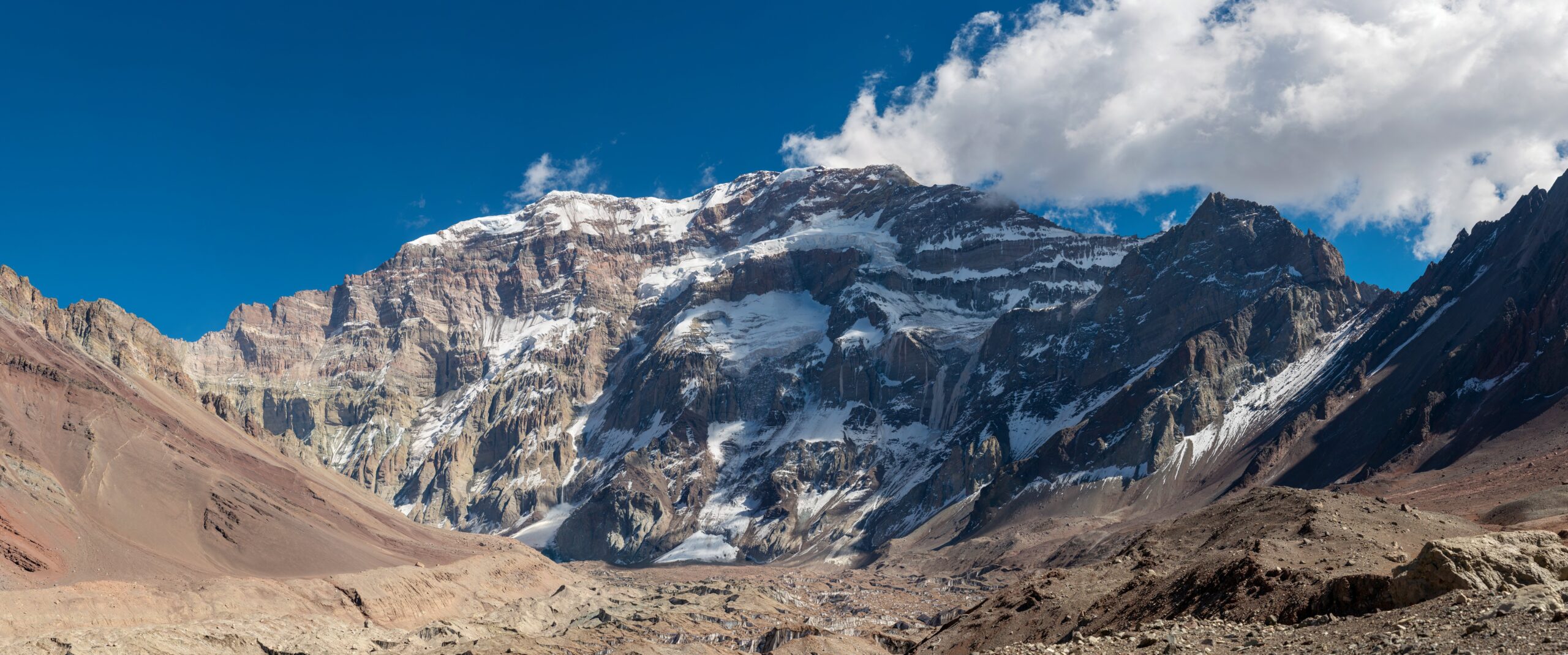
Mount Elgon preparation is meaningfully less demanding than Kilimanjaro preparation, but climbers should still arrive with appropriate fitness and gear. Generally, the climb requires moderate cardiovascular fitness, basic hiking experience, and appropriate gear for variable mountain weather. Specifically, climbers should be capable of 5-7 hour walking days with a daypack across multiple consecutive days, ideally with prior 2,000-3,000 meter altitude exposure to confirm tolerance, and should have completed at least one multi-day trek before attempting Mount Elgon. Notably, training time of 8-12 weeks of structured fitness preparation is recommended for first-time African mountain climbers, with the program focusing on hiking endurance, leg strength, and progressive elevation exposure if possible.
Fitness and Gear Checklist
| Element | Requirement |
|---|---|
| Cardio fitness baseline | 5-7 hour hike with 6-8kg daypack across consecutive days |
| Training duration recommended | 8-12 weeks structured preparation |
| Prior altitude experience | Helpful but not required (any prior 3,000m+ hike valuable) |
| Technical climbing skills | None required |
| Hiking boots | Sturdy waterproof trekking boots, broken in |
| Insulation layers | Layered system to -5°C (summit can be cold) |
| Sleeping bag | 0°C to -5°C rating recommended |
| Rain gear | Quality waterproof jacket and pants essential |
| Travel insurance | East African trekking coverage with medical evacuation |
| Yellow fever vaccination | Required for Uganda entry (and recommended for region) |
I have guided Mount Elgon climbs across more than a decade in the Sipi Falls area. The most important honest framing for climbers researching Mount Elgon is that this mountain offers something Kilimanjaro and other famous African peaks do not — a genuinely uncrowded climbing experience combined with one of the most distinctive geological features of any African mountain. Generally, climbers expecting Kilimanjaro-style infrastructure and crowds will be surprised by Mount Elgon’s quieter character — Uganda Wildlife Authority infrastructure is excellent but the climber volume is dramatically lower, meaning trails feel remote and camps feel intimate. Specifically, the Sipi Route is the right choice for first-time climbers because the 6-7 day duration provides excellent acclimatization, the Sipi Falls and coffee region add cultural context, and the gradual ascent profile produces success rates of approximately 90-95% with quality operators. Notably, climbers visiting Mount Elgon often describe the giant caldera as the trek’s signature feature — standing at Wagagai Peak and looking across 6-8 kilometers of caldera floor toward the opposite rim provides a uniquely African mountaineering experience that doesn’t exist on any of the more famous peaks. The combination of the climb, Sipi Falls, and the Bugisu coffee region is one of East Africa’s best multi-day trekking experiences for travelers who want depth rather than the Kilimanjaro brand.
— Senior Mount Elgon trek guide, 10+ years guiding expeditions from Mbale and Sipi · Uganda Wildlife Authority licensed · Bugisu coffee region specialistWhat We Don’t Know
Honest limitations of any Mount Elgon climb guide
Park fees change annually. The current $35-$50 per day Uganda Wildlife Authority fee structure reflects 2026 published pricing but UWA has trended fees upward each year as Ugandan tourism revenue management has formalized. Climbers planning Mount Elgon climbs in future years should verify current park fees directly with UWA or licensed operators before committing to expedition dates.
Kenya side regulations are evolving. Kenya Wildlife Service Mount Elgon park administration has been less stable than UWA’s Uganda administration, with policy changes affecting commercial operator licensing, route access, and fee structures occurring more frequently. Climbers attempting Kenya routes should verify current conditions and operator availability before committing to specific routes.
Wildlife encounters are not guaranteed. The Piswa Route’s reputation for “best wildlife viewing” reflects favorable historical reports but wildlife encounters depend substantially on season, time of day, and luck. Climbers prioritizing wildlife should understand that Mount Elgon is primarily a trekking destination — for guaranteed wildlife encounters, traditional safari destinations in Uganda or Kenya are more reliable.
Sipi Falls visit logistics vary by operator. Sipi Falls is the iconic add-on for Mount Elgon climbs but not all operators include Sipi Falls in their standard programs. Climbers wanting to combine the climb with Sipi Falls should explicitly confirm inclusion when booking, as some operators charge separately for the Sipi Falls visit while others include it.
Success rate data is operator-reported. The 90-95% success rate figure for Mount Elgon reflects estimates from commercial operator reporting rather than centralized tracking. No equivalent of the Himalayan Database exists for African mountains, so success rates should be treated as approximations rather than precise statistics. Individual operator success rates vary substantially based on group composition, season, and operator quality.
Mount Elgon FAQ
How high is Mount Elgon?
Mount Elgon’s highest point is Wagagai Peak at 4,321 meters (14,177 feet) above sea level, on the Uganda side of the mountain. Mount Elgon is the 8th highest mountain in Africa and the 4th highest in East Africa after Kilimanjaro (5,895m), Mount Kenya (5,199m), and the Rwenzori Mountains (5,109m). The mountain is a massive extinct shield volcano with several distinct peaks: Wagagai (4,321m) is the highest and standard climbing objective, Sudek (4,302m) sits on the Uganda-Kenya border, Koitobos (4,222m), Mubiyi (4,210m), and Masaba (4,161m) are also significant. The summit caldera, approximately 6-8 kilometers in diameter, is one of the largest intact volcanic calderas in the world.
Is Mount Elgon harder than Kilimanjaro?
Mount Elgon is meaningfully easier than Kilimanjaro. Mount Elgon’s 4,321 meters is approximately 1,574 meters lower than Kilimanjaro’s Uhuru Peak (5,895m), producing dramatically less altitude exposure and lower altitude sickness rates. Trek duration is typically 4-7 days versus Kilimanjaro’s 6-9 days, daily elevation gains are more gradual, and success rates run 90-95% on Mount Elgon versus 65-85% on Kilimanjaro. Mount Elgon also has substantially fewer climbers (3,000-5,000 annual vs 30,000-50,000) producing a quieter, more remote climbing experience. Mount Elgon is the right choice for climbers seeking a serious African mountain experience without Kilimanjaro’s altitude demands or crowds.
What is the best route on Mount Elgon?
The Sipi Route from Uganda is the most popular and most-recommended Mount Elgon route. The 6-7 day trek starts from Kapkwai near Sipi Falls, climbs gradually through the bamboo zone and Afro-alpine moorland, reaches the caldera in four climbing days, and includes Sipi Falls visits and coffee region context. The Sasa Route (Uganda) is the shortest at 4 days for climbers with limited time. The Piswa Route (Uganda) offers the best wildlife viewing. The Chepkitale and Kimothon Routes from Kenya are less commonly climbed. Most international climbers choose the Sipi Route because of the combination of scenery, gradual acclimatization, and the cultural context of Sipi Falls and the Bugisu coffee region.
When is the best time to climb Mount Elgon?
Mount Elgon has two primary seasons: June-August (long dry season, peak window) and December-March (short dry season, secondary window). June-August offers the most stable weather with clear caldera views, moderate temperatures, and minimal rainfall — most commercial operators run their Mount Elgon climbs during this window. December-March is the secondary season with similar dry conditions. The rainy seasons of March-May and October-November are generally not recommended due to muddy trails, leeches, limited visibility, and challenging trail conditions in the bamboo zone.
How much does it cost to climb Mount Elgon?
Mount Elgon climb costs typically range from $500-$1,500 per person for a 4-7 day guided trek including park fees, guide, porters, accommodation, meals, and necessary permits. Budget local Uganda operators offer climbs in the $300-$600 range; mid-range operators charge $600-$1,000; premium operators charge $1,000-$1,500. Mount Elgon National Park entrance fees (Uganda) run approximately $35-$50 per day. Total all-in costs for international visitors including international flights, gear, insurance, and Sipi Falls/coffee tour add-ons typically run $2,000-$3,500.
Do you need experience to climb Mount Elgon?
No, Mount Elgon does not require prior mountaineering experience. The mountain is a non-technical hike rated moderate difficulty — accessible to determined trekkers with reasonable cardiovascular fitness. The climb requires no technical climbing skills, no ice axe or crampon use, and no rope work. Climbers should arrive with strong baseline fitness, basic hiking experience preferably including prior 2,000-3,000 meter altitude exposure, and appropriate gear including waterproof hiking boots, layered clothing for variable mountain weather, and adequate rain protection. The 4,321-meter summit altitude is meaningful but Mount Elgon’s gradual elevation profile allows reasonable acclimatization for most climbers.
What is special about Mount Elgon’s caldera?
Mount Elgon’s summit caldera is one of the largest intact volcanic calderas in the world, measuring approximately 6-8 kilometers in diameter and covering roughly 40-80 square kilometers. The caldera formed when Mount Elgon was an active volcano approximately 24 million years ago, making it one of Africa’s oldest extinct volcanoes. The caldera contains hot springs at the western edge, mineral salt licks attracting wildlife, the source streams that feed the surrounding watershed, and several smaller peaks including Wagagai (4,321m) at the western rim and Koitobos (4,222m) at the eastern rim. Most quality commercial itineraries include at least one full day inside the caldera.
Sources and Methodology
Numbered Source References
This Mount Elgon climb guide was built from Uganda Wildlife Authority park documentation, Kenya Wildlife Service Mount Elgon administration records, commercial operator current expedition pricing and itineraries, and ground-level trek reporting from licensed Ugandan and Kenyan guides.
- Mount Elgon geographic data. 4,321-meter Wagagai Peak elevation per Uganda Survey Department and Kenya Survey records. Coordinates approximately 1.1366°N, 34.5544°E. 8th highest mountain in Africa, 4th highest in East Africa.
- Caldera measurements. Caldera diameter approximately 6-8 kilometers, surface area approximately 40-80 square kilometers per geological surveys. One of the largest intact volcanic calderas worldwide.
- Volcanic history. Mount Elgon classified as extinct shield volcano with last estimated significant volcanic activity approximately 24 million years ago, making it one of Africa’s oldest extinct volcanoes.
- Park administration. Mount Elgon National Park (Uganda) administered by Uganda Wildlife Authority (UWA). Mount Elgon National Park (Kenya) administered by Kenya Wildlife Service (KWS). Both parks established as protected areas in the 1990s.
- Route documentation. Five primary climbing routes (Sasa, Sipi, Piswa from Uganda; Chepkitale, Kimothon from Kenya) documented per commercial operator published itineraries and UWA route information.
- Commercial expedition pricing. Pricing ranges synthesized from 2026 published programs by major Mount Elgon operators including UWA-licensed Ugandan operators based in Mbale and Sipi, plus Kenyan operators on the Kenya side.
- First recorded ascent. Frederick Jackson recorded what is generally cited as the first documented Western ascent in 1890, though local Bagisu and Sabaot people had climbed the mountain for centuries before Western exploration.
Methodology note. Quarterly review cycle — next review August 2026 (post-2026 long dry season climbing window debrief).
Continue Your African Mountain Research
Mount Elgon — Africa’s Hidden Caldera Adventure
Generally, Mount Elgon is one of East Africa’s best non-Kilimanjaro options — accessible to fit first-time climbers, with one of the world’s largest intact volcanic calderas as the trek’s signature feature. Specifically, the Sipi Route (6-7 days) is the right choice for most international climbers. Notably, Mount Elgon pairs naturally with Sipi Falls and Uganda’s Bugisu coffee region for a complete East African experience that Kilimanjaro doesn’t offer.
All African Mountains Overview →Was this helpful?
🏔Related peaks nearby
🧭Explore & compare
Global Summit Guide is an independent mountaineering resource founded in 2026. The team combines first-hand trekking and climbing experience with in-depth research and professional health and nutrition review to help climbers choose objectives, prepare properly, and stay safe.
Health, altitude, and nutrition content is reviewed by Taylor Ludlow (Registered Nurse) and Brigg Hoopes (Nutritionist).
What We Don't Know Yet
Mountain information changes quickly. This box explains the limits of what this page can responsibly promise.
- Permit availability, reservation windows, quotas, and official fee rules may change after this page is updated.
- Guide-company prices, departure dates, guide ratios, included services, and cancellation rules can change without notice.
- Weather, snowpack, avalanche risk, road access, and route conditions can change quickly and may be different on your climbing dates.
- Route conditions, trailhead access, crevasse exposure, stream crossings, and rescue access may vary from published planning guidance.
- Fitness and altitude response vary by person; no guide, itinerary, or training plan can guarantee acclimatization or summit success.
Verify current conditions with official land managers, guide services, local forecasts, and current route reports before booking or climbing.
Mountaineering, rock and ice climbing, glacier travel, and high-altitude activity are inherently dangerous and can result in serious injury or death. The information on Global Summit Guide is provided for general informational and educational purposes only and is not a substitute for professional instruction, qualified guiding, proper equipment, or your own judgment and experience.
Route conditions, weather, snowpack, permits, regulations, and hazards change constantly and may differ from what is described here. Details may be incomplete, out of date, or contain errors. Always verify current information with local authorities, certified guides, and official sources before making any decision in the mountains.
Nothing on this site is medical, legal, or financial advice. Our fitness, acclimatization, altitude, and nutrition content is general in nature; consult a qualified physician before beginning any strenuous exercise program or exposing yourself to high altitude.
You are solely responsible for your own safety and decisions. To the fullest extent permitted by law, Global Summit Guide and its team accept no liability for any loss, injury, damage, or expense arising from use of, or reliance on, this information. By using this site you acknowledge these risks and accept these terms.
Some links on this site may be affiliate links. If you buy through them we may earn a small commission at no extra cost to you; this never affects our recommendations.
Global Summit Guide recommendation path
Next Best Mountain to Research
Use these recommendations to continue the right planning path instead of stopping on one page.
Use current permit, weather, route, and operator information before booking or climbing.
Search Flights, Hotels & Rental Cars
Have the mountain or destination picked? Use Expedia to compare the flights, lodging and rental cars that fit your actual trip dates. For mountain travel, consider arriving early enough for delays and adding a buffer night after the climb before a fixed flight home.
Compare current flight, hotel and car options.
Affiliate disclosure: Global Summit Guide may earn a commission if you book through this link, at no additional cost to you.