
Last updated October 3, 2026
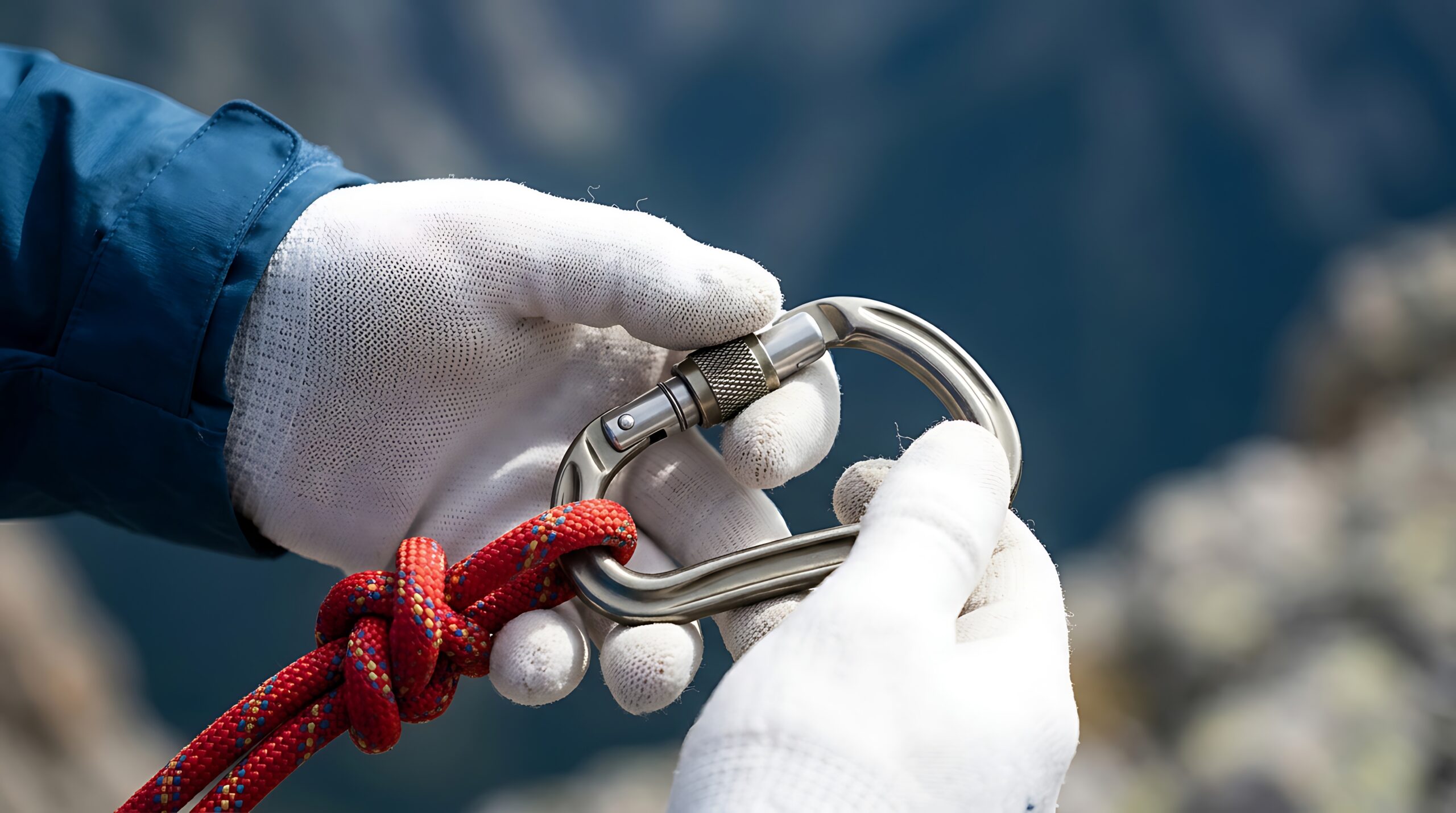
Best Mountaineering Ropes: Alpine, Glacier & Dry Ropes
Rope shopping becomes confusing because “mountaineering rope” can mean several completely different tools. A dynamic single rope for lead climbing, two lightweight half ropes for alpine terrain and a specialized hyperstatic glacier cord may all appear in the same mountain shop—but they are not interchangeable. Start with the rope system your route and skills require, then compare diameter, weight, dry treatment and length.
One dynamic rope certified to arrest leader falls.
A paired dynamic system offering flexibility on complex terrain.
Two strands used together according to the twin-rope system.
Specialized systems for glacier travel, hauling or rescue—not default lead ropes.
Buy the Certification First. Diameter Comes Second.
A rope’s certification defines how it is intended to be used. A single rope can be used as the sole dynamic strand in the system. Half ropes are normally used as a pair. Twin ropes are also paired, but the clipping technique differs. A rope carrying all three certifications gives the climber more options, but the correct technique still changes with the system.
For wet alpine and glacier environments, dry treatment deserves much more weight than it does for indoor climbing. Water makes ropes heavier, harder to handle and vulnerable to freezing. A UIAA Water Repellent rope has passed a standardized water-absorption test rather than simply carrying an informal “dry” marketing label.
For most climbers buying their first technical mountaineering rope, a durable dynamic rope is the more broadly useful starting point. Specialized ultralight glacier cords become attractive only when you understand exactly what they are designed to do—and what they are not certified to do.
Which Rope System Fits the Objective?
This table is more useful than sorting ropes from thinnest to thickest.
| Rope Type | Primary Job | Typical Alpine Advantage | Main Limitation | Example |
|---|---|---|---|---|
| Dynamic single | Lead climbing / general climbing | Simple rope management | Less redundancy than paired systems | Mammut 9.5 Alpine Core Protect Dry |
| Triple-certified dynamic | Versatile alpine / climbing use | Multiple certified systems in one rope | Thin diameter can require more experienced handling | Mammut 8.7 Alpine Sender Dry |
| Half rope pair | Alpine / trad / ice / multipitch | Long rappels, rope-drag management, redundancy | More rope management | 7.5 Alpine Sender Dry |
| Twin rope pair | Paired alpine rope system | Very low individual strand weight | Requires correct paired clipping technique | 8.0 Alpine Dry |
| Hyperstatic glacier cord | Glacier travel / hauling / rescue | Extremely low weight and efficient hauling | Not a substitute for a dynamic lead rope | Mammut 6.0 Glacier Cord Dry |
| Static / low-stretch rope | Fixed lines / hauling / specialized systems | Low elongation | Not intended to absorb normal lead falls | Route / operator specific |
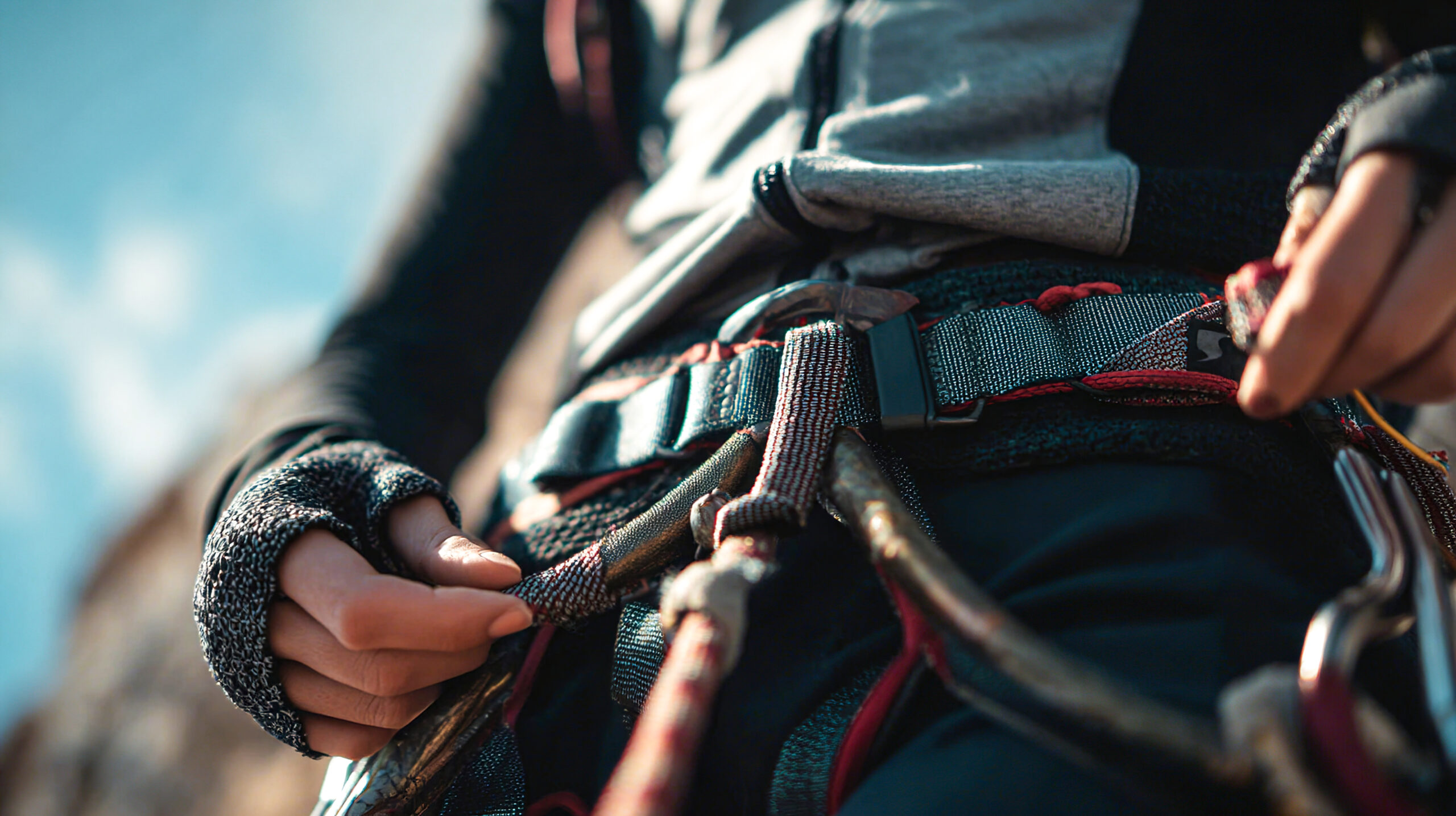
Single vs Half vs Twin Rope
These are use certifications—not simply descriptions of rope diameter.
One Primary Dynamic Rope
A single rope is tested and certified to function as the primary dynamic rope for lead climbing.
For climbers coming from sport climbing, this is the most familiar system and generally the simplest to manage.
Two-Rope Alpine System
Half ropes are used as a pair. On appropriate routes they can reduce rope drag by allowing the leader to clip different protection with different strands.
Do not assume one half rope can simply be treated as a single rope unless that rope also carries single-rope certification.
Two Strands Used Together
Twin ropes are also a paired system, but both strands are ordinarily clipped together according to the twin-rope technique.
Some modern ropes carry half and twin certification, while others also add single certification.
For Mountaineering, Dry Treatment Is Worth Prioritizing
Rock climbers can often keep a rope relatively dry. Mountaineers routinely drag theirs through snow, ice, wet rock and damp glacier surfaces.
Water changes rope handling. A saturated rope becomes heavier, can become difficult to manage through devices and may freeze in cold environments.
UIAA Water Repellent certification uses a standardized test and requires less than 5% water absorption. Current Mammut Dry alpine ropes commonly publish results around 1.5% or 2%.

Thin Ropes Save Weight—But That Is Not the Whole Story
Every meter matters when you are carrying 50–70 meters of rope uphill.
Lower Rope Weight
Reducing grams per meter adds up quickly across a full alpine rope.
Device Compatibility Matters
Extremely thin ropes require compatible belay and rappel devices and can feel very different in the hand.
Look Beyond Diameter
Sheath construction, dry treatment, rock quality and how the rope is used can matter as much as a single diameter number.
Ultralight Is Not Automatically Beginner-Friendly
A slightly heavier rope can be easier to control and more forgiving for climbers still building rope-management experience.
Rope Length Is a Route Decision
Longer is not automatically better when every extra meter has to be carried uphill.
| Length | Why Climbers Choose It | Where It Can Make Sense | Main Limitation |
|---|---|---|---|
| 30 m | Very low carry weight | Short glacier teams / specific alpine plans | Limited rappel and pitch flexibility |
| 40–50 m | Alpine compromise | Traditional mountain routes, glacier use, shorter pitches | May be insufficient for modern long rappels |
| 60 m | Modern all-around length | Multipitch, alpine climbing, mixed objectives | More weight than shorter alpine ropes |
| 70 m | Maximum pitch / rappel flexibility | Long climbing routes where route information calls for it | More weight and bulk |
A Glacier Cord Is Not Just a Skinny Climbing Rope
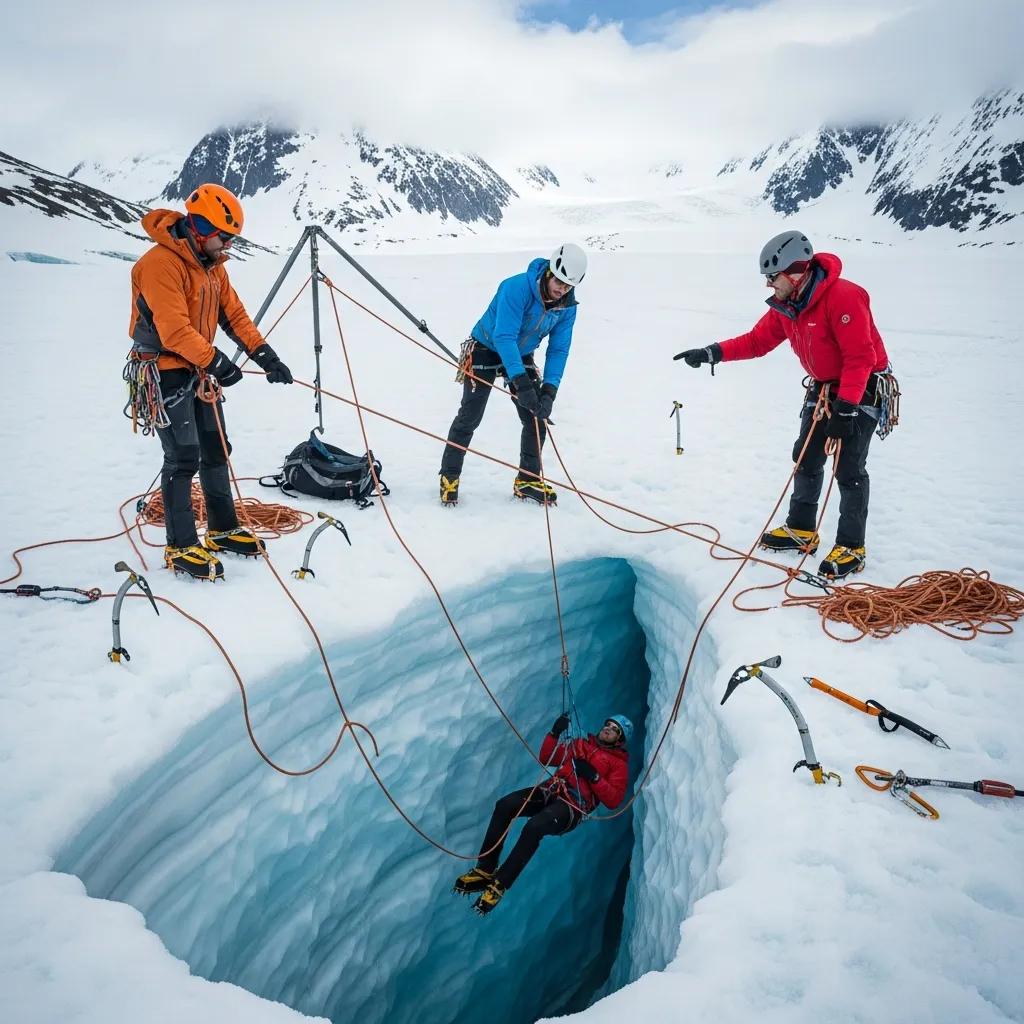
Glacier travel creates a specialized rope problem. Climbers want low weight because the rope may be carried for hours, but the rope may also be used for crevasse arrest, hauling, rappelling or rescue.
Mammut’s 6.0 Glacier Cord Dry illustrates the difference. It is a highly specialized hyperstatic cord with less than 2% stretch, designed around glacier trekking and rescue efficiency.
That low stretch is useful during hauling and reduces the “bungee” effect of a highly elastic system—but it is exactly why the product should not be confused with a normal dynamic lead rope.

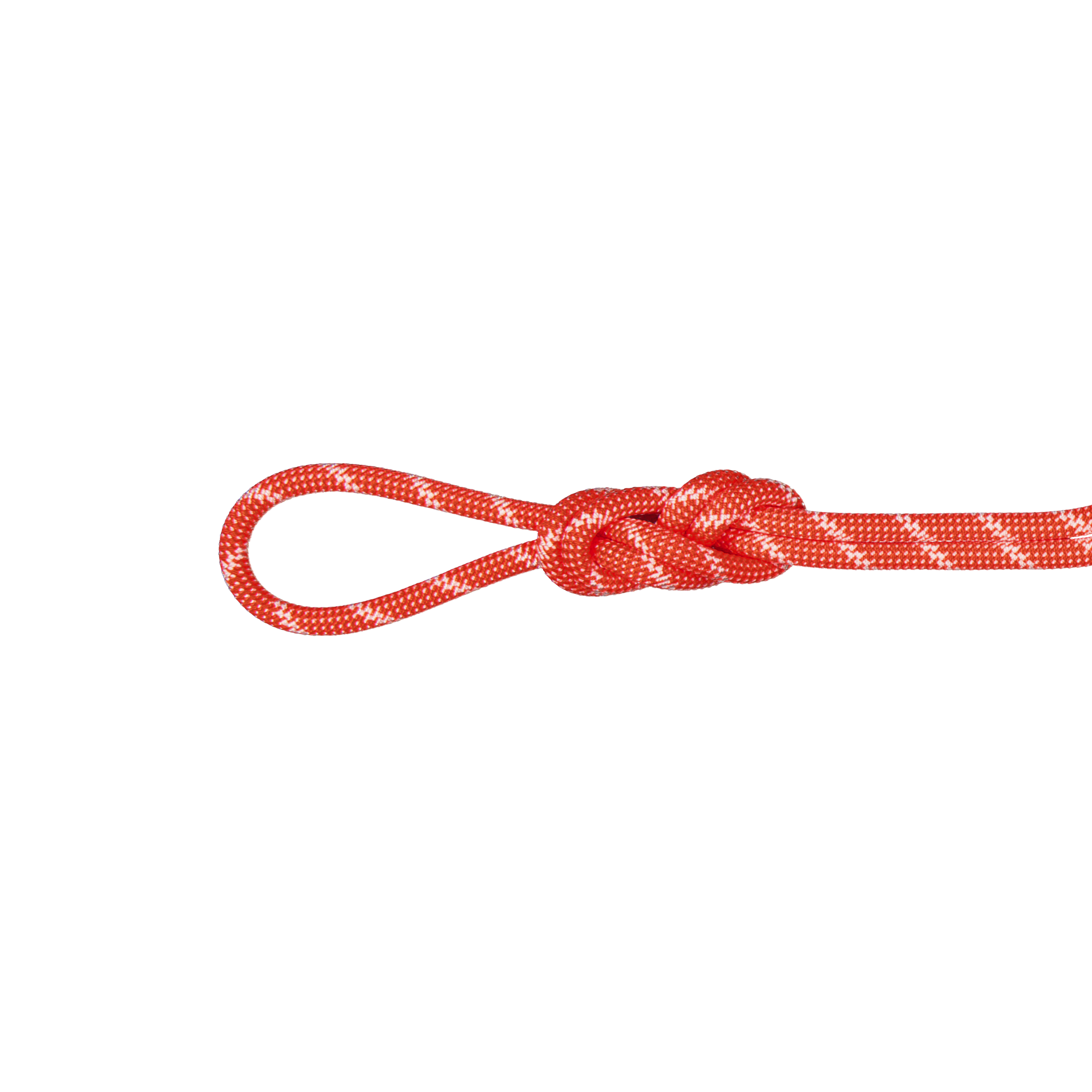
Six Mountaineering Rope Options by Job
Mammut’s lineup is useful because it spans nearly the entire alpine rope decision—from dynamic singles to ultralight glacier cord.
Mammut 8.7 Alpine Sender Dry
A lightweight triple-certified dynamic rope intended for demanding climbing and mountaineering.
- 8.7 mm
- 51 g/m
- Single + half + twin certification
- UIAA Water Repellent
- Approximately 1.5% published water absorption
Mammut 7.5 Alpine Sender Dry
An extremely light paired-rope option for alpine climbing, ice, mixed routes and longer objectives where grams matter.
- 7.5 mm
- 39 g/m
- Half + twin certified
- UIAA Water Repellent
- Approximately 1.5% published water absorption
Mammut 8.0 Alpine Dry
A versatile half/twin rope with a little more diameter and sheath than the ultralight Sender option.
- 8.0 mm
- 43 g/m
- Half + twin certified
- UIAA Water Repellent
- Approximately 1.5% published water absorption
Mammut 8.0 Alpine Core Protect Dry
Uses an additional aramid layer between the outer sheath and dynamic core to increase cut resistance while retaining dynamic-rope performance.
- 8.0 mm
- 43 g/m
- Half + twin certified
- Additional aramid protection layer
- Under 2% published water absorption
Mammut 9.5 Alpine Core Protect Dry
A full-size dynamic single rope using Mammut’s extra aramid Core Protect layer.
- 9.5 mm
- 59 g/m
- Single-rope certified
- Additional aramid layer
- Under 2% published water absorption
Mammut 6.0 Glacier Cord Dry
A Dyneema/aramid hyperstatic cord designed specifically around glacier trekking, hauling, rappelling and crevasse-rescue systems.
- 6 mm specialized cord
- About 25 g/m
- Less than 2% stretch
- Very compact
- Not a replacement for a dynamic lead rope
Current Mammut Ropes
Verify the certification and exact length on the live product listing. Different lengths or lens-like product variants can share a family name while serving different route plans.
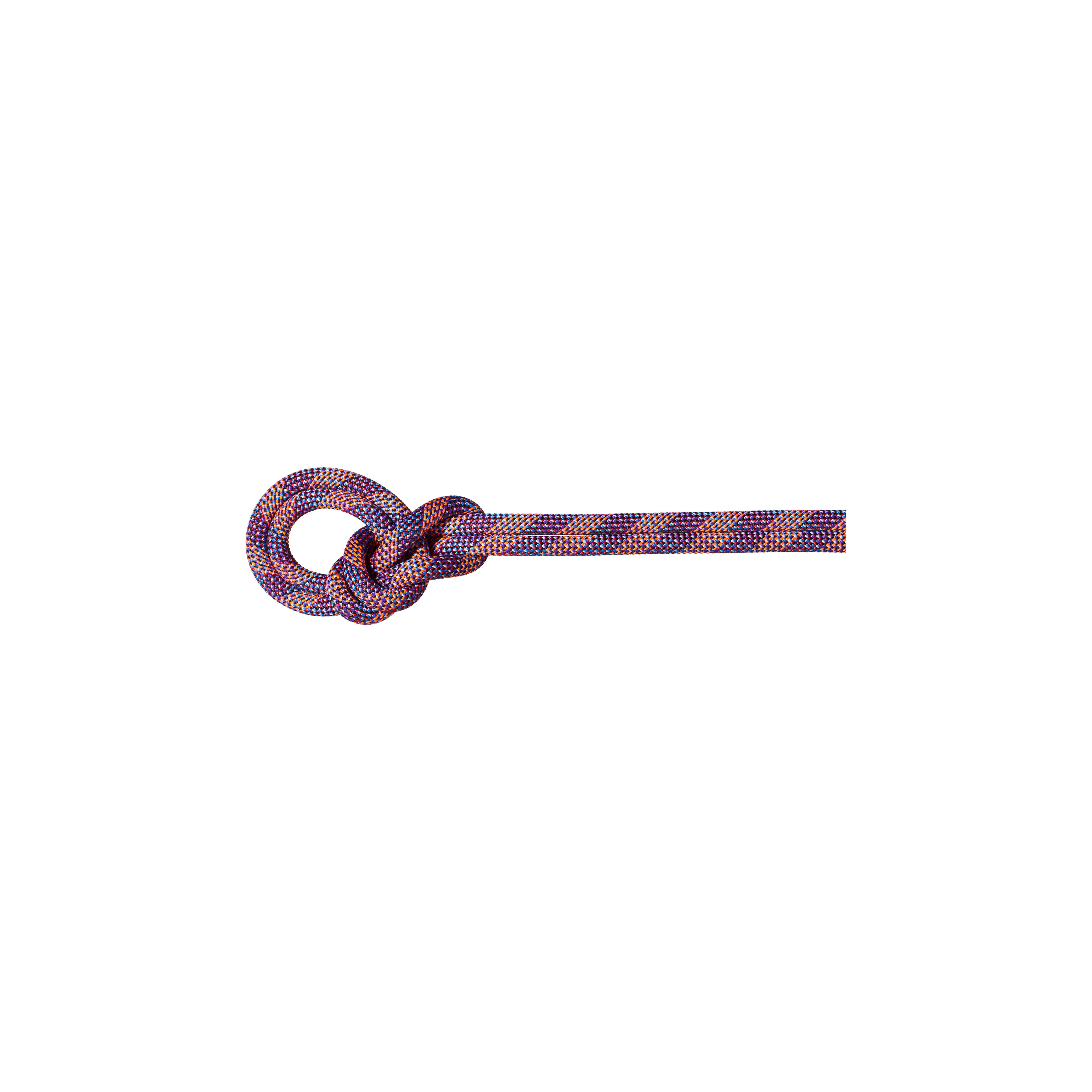
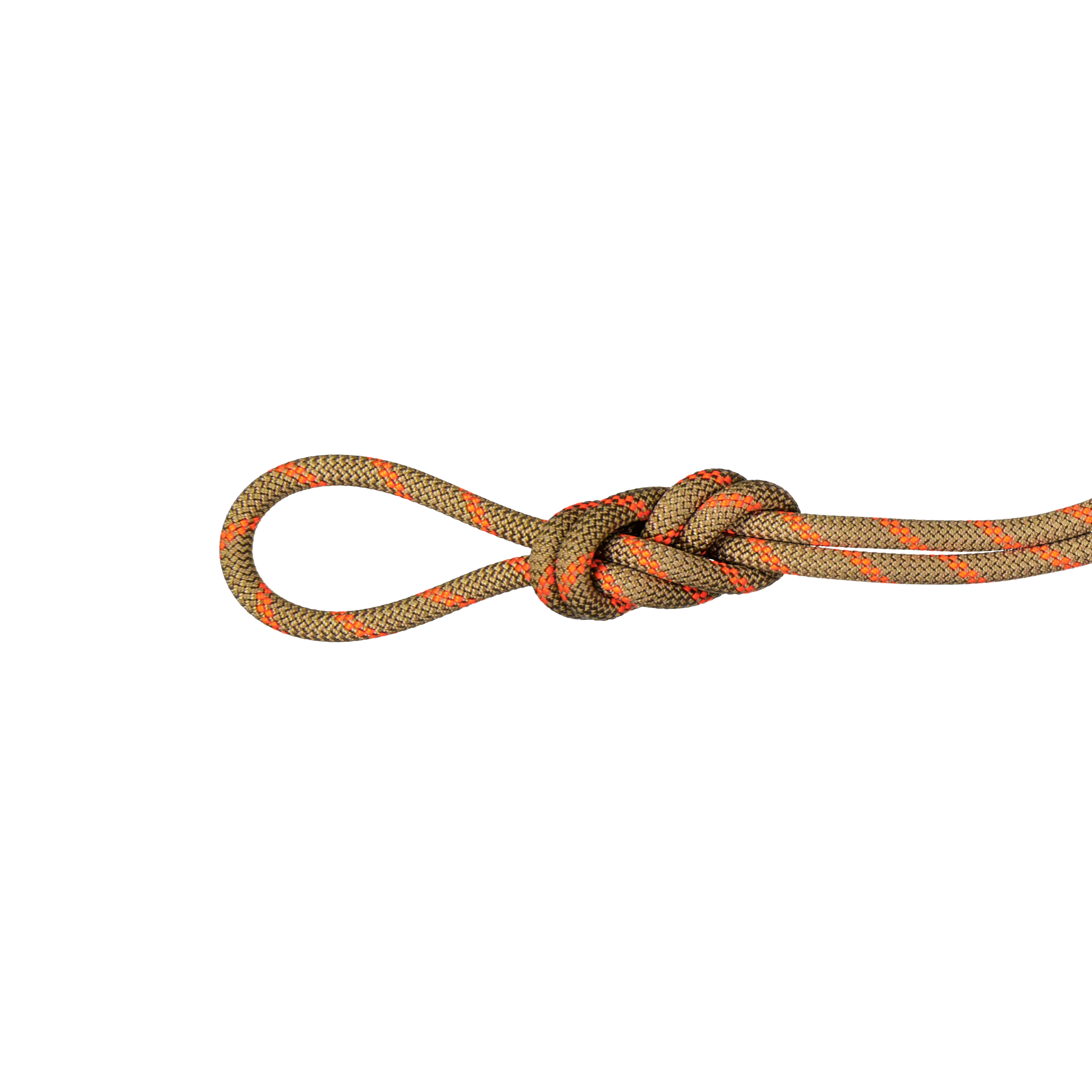
We may earn a commission if you buy through these links, at no extra cost to you. Affiliate disclosure

The Lightest Rope Is Only Useful If It Is the Correct Rope.
Certification, terrain, partner system and rescue plan come before saving a few grams per meter.
Cut Resistance Is Different From Ordinary Abrasion Resistance
Climbers often talk about ropes “wearing out,” but sharp edges create a very different hazard from ordinary fuzzy sheath wear.
Mammut’s Core Protect design adds a braided aramid layer between the outer polyamide sheath and dynamic core. Mammut says this provides significantly greater cut resistance under load while preserving the rope’s dynamic properties.
That does not make the rope cut-proof. Alpine teams still need to manage rope paths, sharp edges, loose rock and anchors appropriately.

Fixed Lines Are Not the Same Rope Purchase
This distinction matters on Everest, K2 and other expedition routes.
A climber may travel with a personal dynamic rope while also ascending fixed lines installed by guides, operators or route-fixing teams. Those fixed lines use a different rope system and are paired with ascenders, backup procedures and expedition techniques.
Low-stretch and static ropes exist specifically because hauling, ascending and fixed-line work have different demands from absorbing a leader fall.
Do not purchase a low-stretch or static rope and assume it can replace a dynamic rope simply because the diameter looks similar.
A Rope Is Only as Useful as the System Around It
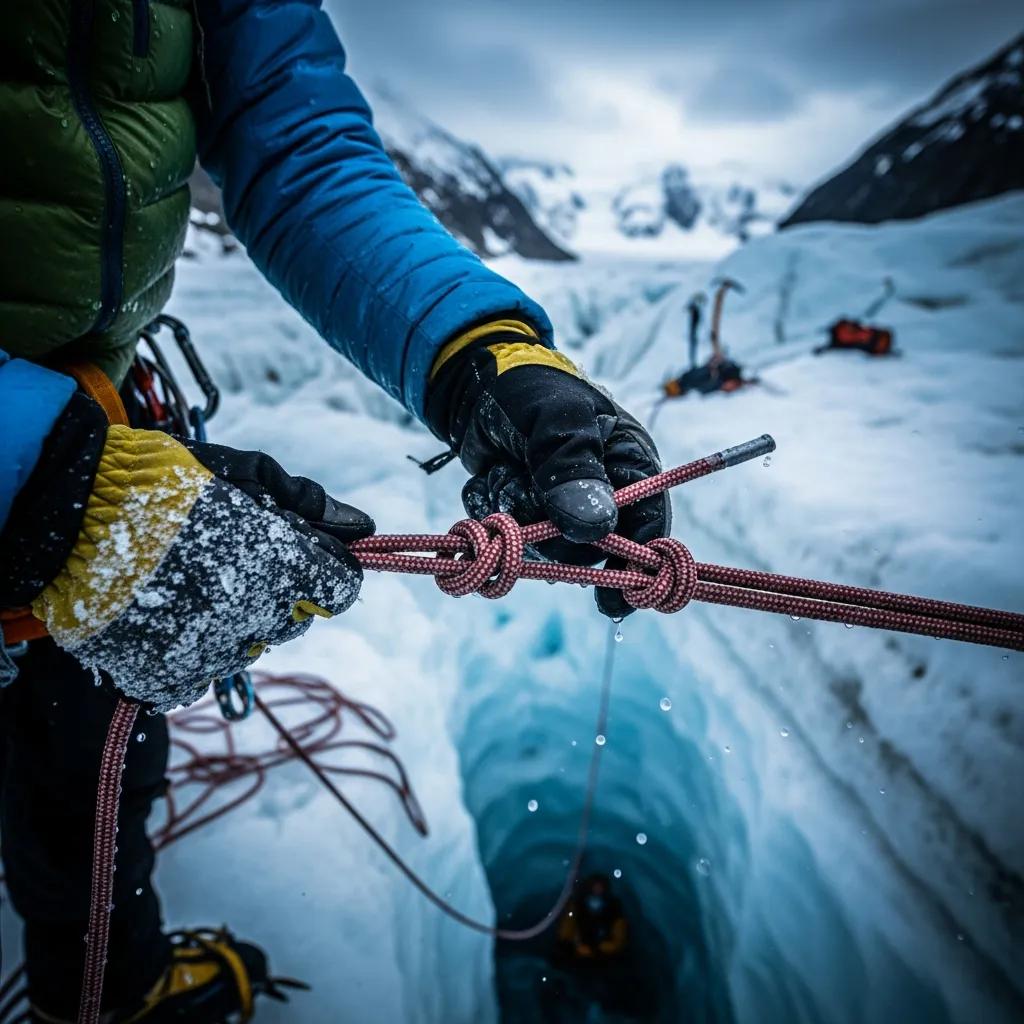
Buying a rope does not create rope-team competence.
Rope-Team Travel
Glacier-team spacing, rope management and arrest technique depend on team size, terrain and training.
Hauling Systems
Rope diameter affects friction, prusiks, pulleys and mechanical progress-capture devices.
Compatibility
Belay devices, ascenders and rescue hardware all have specified rope diameter ranges.
Practice Before the Glacier
Rescue systems should be practiced before they are needed during an actual crevasse fall.
Inspect the Rope Before and After Every Serious Use
Age matters, but condition and history matter even more.
Feel the Entire Rope
Run the rope through your hands and look for unusual flat spots, stiffness, soft areas or other changes.
Look for Damage
Inspect cuts, severe fuzzing, glazing, exposed core or contamination.
Know What Happened to It
Significant falls, chemical exposure, heat, sharp-edge events and unknown history deserve more concern than cosmetic dirt alone.
Follow the Manufacturer
Rope retirement depends on condition, use and manufacturer guidance. Do not invent a universal lifespan from one generic number.
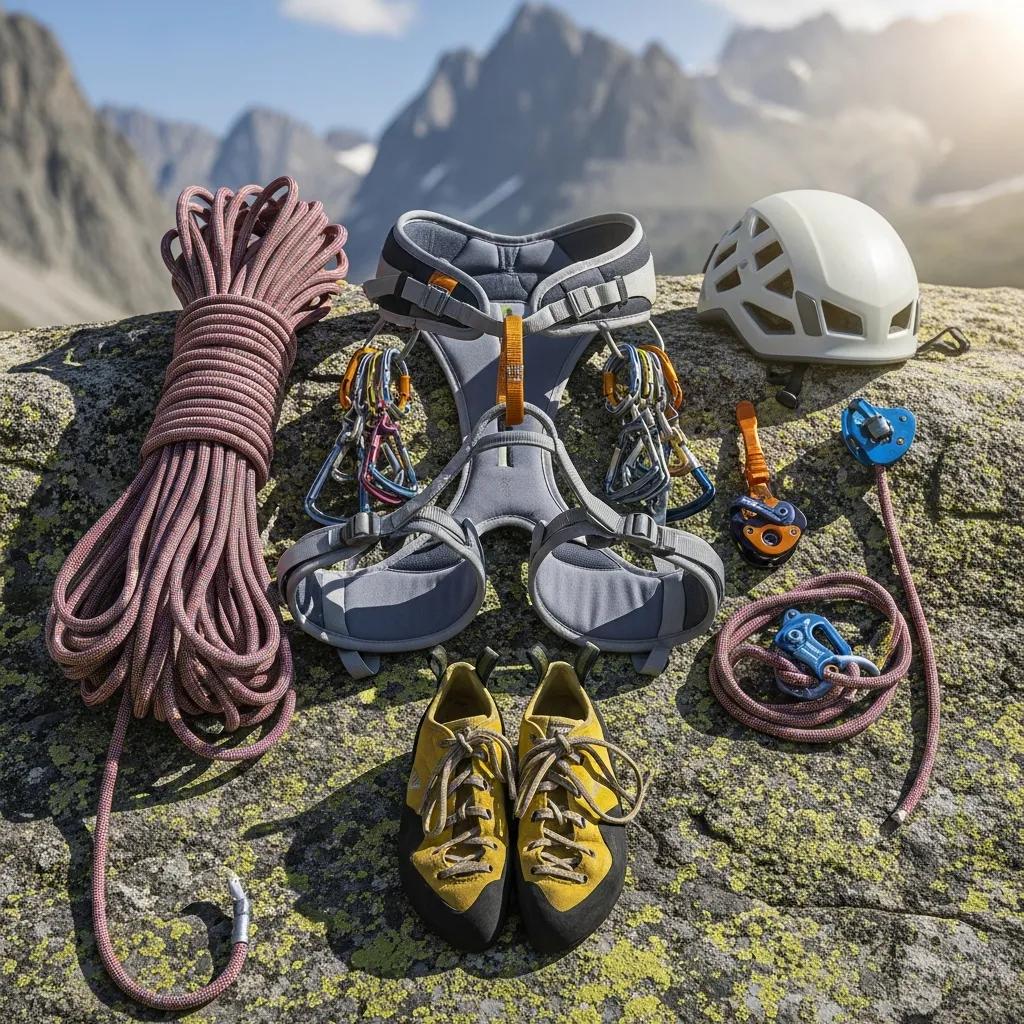
Compare Current Climbing & Mountaineering Ropes
Verify rope certification, diameter, length, dry treatment and hardware compatibility before purchasing.
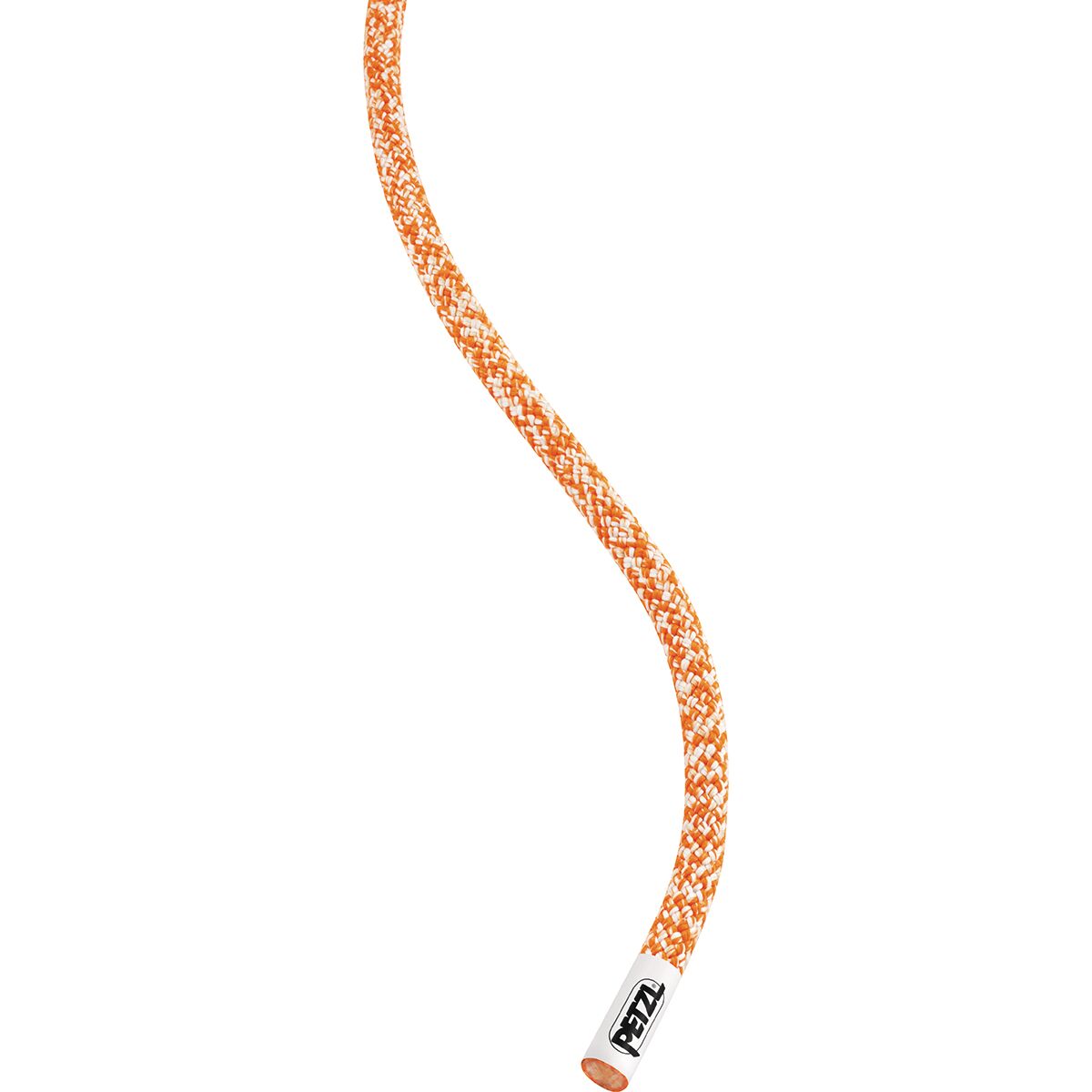
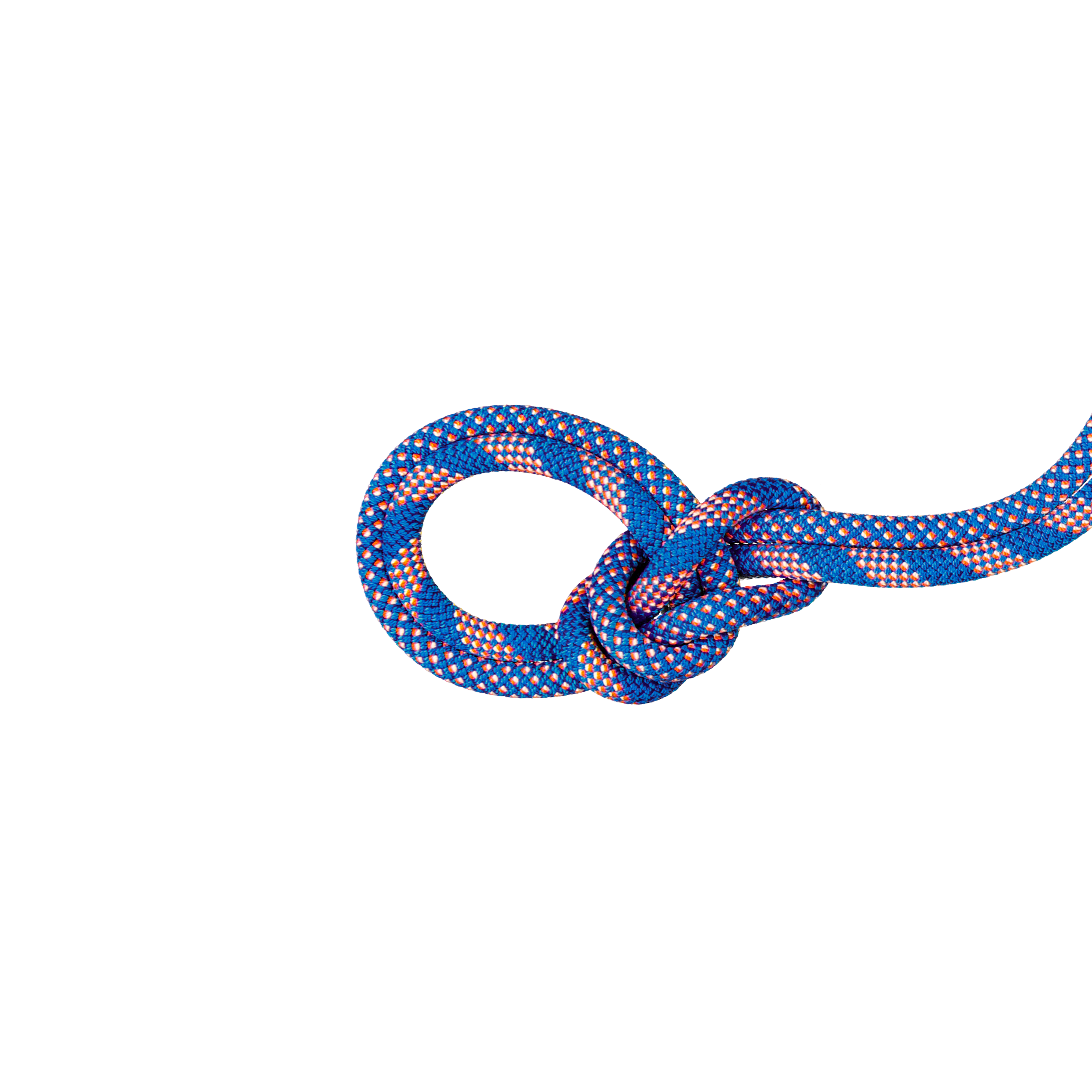
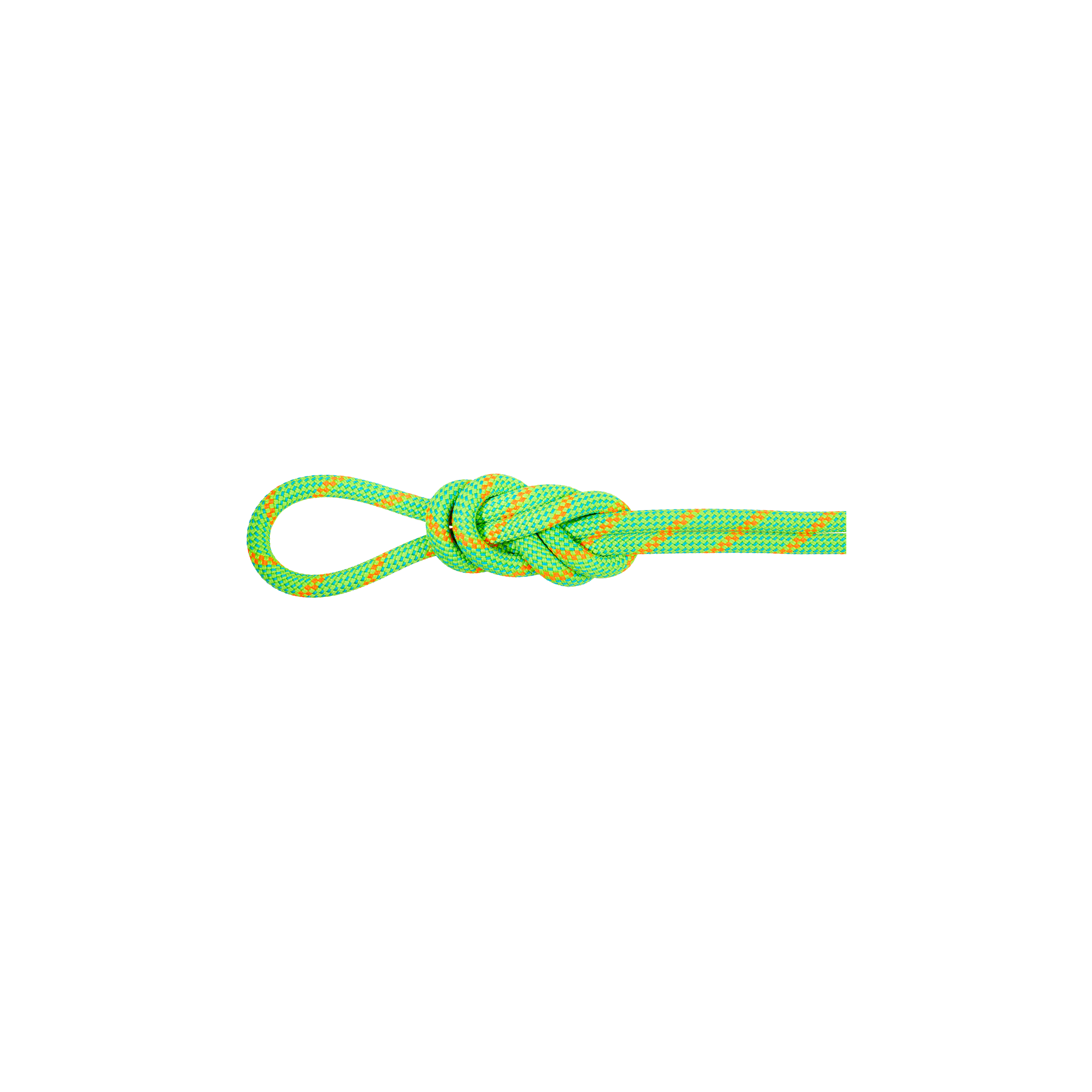
Current Rope Picks

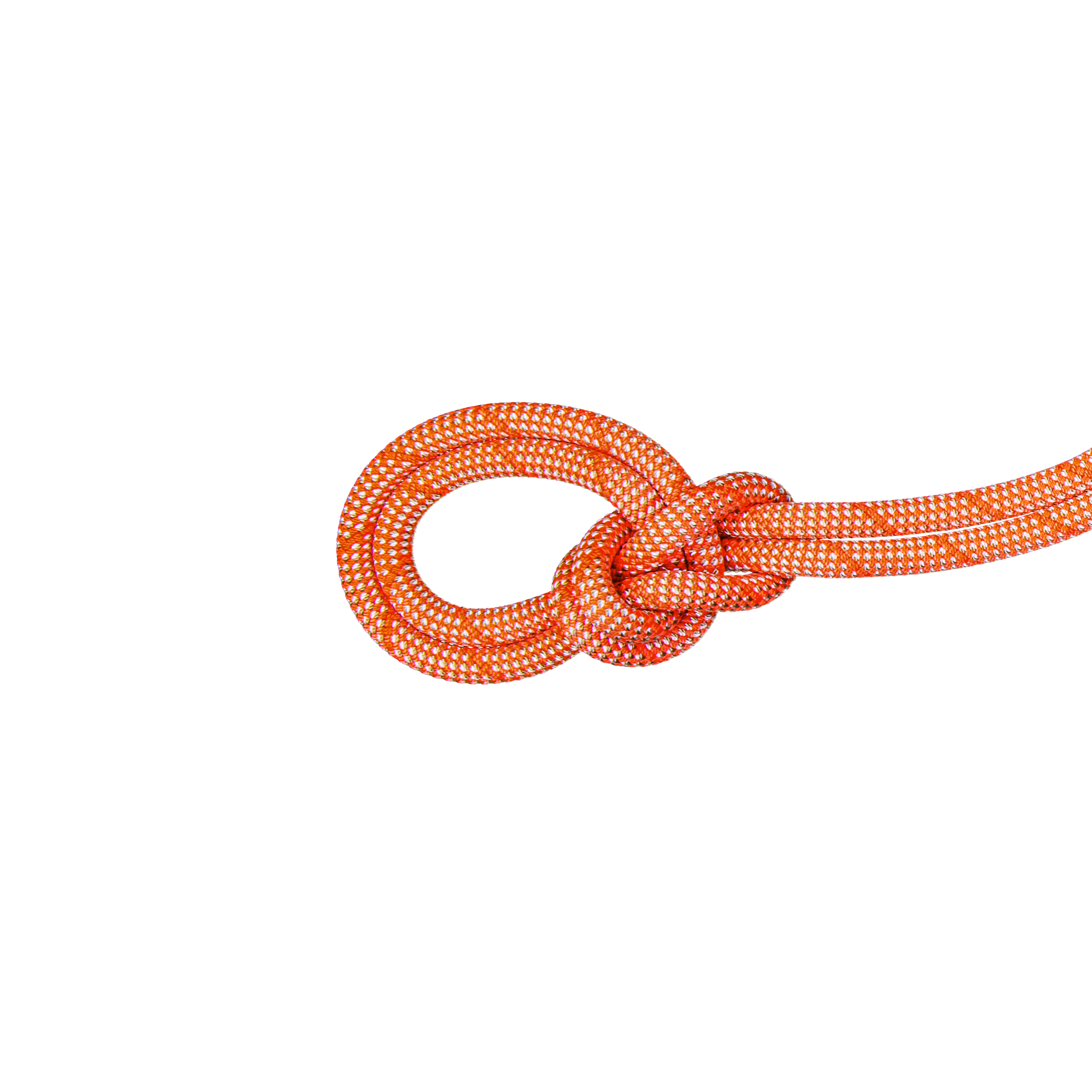
We may earn a commission if you buy through these links, at no extra cost to you. Affiliate disclosure
Which Mountaineering Rope Should You Start With?
Choose the rope system first, then optimize weight.
| Objective | Rope Direction | Priority | Example |
|---|---|---|---|
| General alpine lead climbing | Dynamic single / triple-certified rope | Handling + dry treatment | 8.7 Alpine Sender Dry |
| Light alpine double-rope system | Half / twin pair | Low weight | 7.5 Alpine Sender Dry |
| Traditional alpine double ropes | Half / twin pair | Balance of weight and durability | 8.0 Alpine Dry |
| Sharp alpine terrain | Dynamic Core Protect rope | Increased cut resistance | 8.0 or 9.5 Core Protect Dry |
| Specialized glacier travel | Purpose-built glacier system | Weight + hauling efficiency | 6.0 Glacier Cord Dry |
| Fixed-line expedition use | Low-stretch / static system | Route-specific specification | Follow operator / guide system |
Mountaineering Rope FAQ
What rope should I buy for mountaineering?
Start with the intended rope system. If the route includes lead climbing, use an appropriately certified dynamic rope. Half/twin systems and specialized glacier cords should be selected only when your route plan and skills call for them.
What is a triple-certified rope?
A triple-certified rope carries single, half and twin certification. This creates more options, but it does not mean the same clipping and belay technique applies in every configuration.
Can I use one half rope by itself?
A rope certified only as a half rope should not simply be treated as a single rope. Half-rope systems normally use two ropes. A rope that also carries single-rope certification can be used according to that additional certification.
Why buy a dry-treated rope?
Snow, ice and rain can saturate untreated ropes. Water adds weight, makes rope handling harder and can lead to freezing. Certified water-repellent ropes are especially valuable for alpine and glacier environments.
Is a 6 mm glacier cord safe for lead climbing?
Do not treat a specialized hyperstatic glacier cord as a dynamic lead rope. Mammut’s 6.0 Glacier Cord Dry is designed for glacier travel, hauling, rappelling and rescue applications according to its own instructions and certification.
Is a thinner rope always better for alpine climbing?
No. Thin ropes reduce weight but may require more experienced handling, compatible hardware and greater attention to durability. Choose the lightest rope that still makes sense for the system and terrain.
What rope length is best for glacier travel?
There is no universal length. Team size, spacing, excess rope needed for rescue and the possibility of rappels all affect the answer. Follow current route, guide and training guidance for the objective.
Can a static rope be used for lead climbing?
Static and low-stretch ropes are designed for different jobs from dynamic lead ropes. Do not substitute one unless the exact rope is appropriately certified and specified for that use.
When should I retire a climbing rope?
Inspect the rope regularly and follow the manufacturer’s retirement criteria. Severe cuts, exposed core, chemical contamination, heat damage, significant fall history or other serious damage can require immediate retirement regardless of calendar age.
Related Rope, Glacier & Climbing Guides

Choose the System First. Then Save the Grams.
Single, half, twin, static and hyperstatic ropes solve different problems. Once the route and technique determine the correct certification, compare diameter, weight, dry treatment, length and durability within that category.
Was this helpful?
Global Summit Guide is an independent mountaineering resource founded in 2026. The team combines first-hand trekking and climbing experience with in-depth research and professional health and nutrition review to help climbers choose objectives, prepare properly, and stay safe.
Health, altitude, and nutrition content is reviewed by Taylor Ludlow (Registered Nurse) and Brigg Hoopes (Nutritionist).
What We Don't Know Yet
Mountain information changes quickly. This box explains the limits of what this page can responsibly promise.
- Route conditions, trailhead access, crevasse exposure, stream crossings, and rescue access may vary from published planning guidance.
- Visa, passport, vaccination, border, insurance, and local transportation rules may change before your trip.
- Route conditions, snowpack, closures, and weather can change quickly after this page is updated.
- Permit rules, fees, quotas, and reservation windows may change between review cycles.
- Operator availability, pricing, guide ratios, and cancellation terms can change by season.
Verify current conditions with official land managers, guide services, local forecasts, and current route reports before booking or climbing.
Mountaineering, rock and ice climbing, glacier travel, and high-altitude activity are inherently dangerous and can result in serious injury or death. The information on Global Summit Guide is provided for general informational and educational purposes only and is not a substitute for professional instruction, qualified guiding, proper equipment, or your own judgment and experience.
Route conditions, weather, snowpack, permits, regulations, and hazards change constantly and may differ from what is described here. Details may be incomplete, out of date, or contain errors. Always verify current information with local authorities, certified guides, and official sources before making any decision in the mountains.
Nothing on this site is medical, legal, or financial advice. Our fitness, acclimatization, altitude, and nutrition content is general in nature; consult a qualified physician before beginning any strenuous exercise program or exposing yourself to high altitude.
You are solely responsible for your own safety and decisions. To the fullest extent permitted by law, Global Summit Guide and its team accept no liability for any loss, injury, damage, or expense arising from use of, or reliance on, this information. By using this site you acknowledge these risks and accept these terms.
Some links on this site may be affiliate links. If you buy through them we may earn a small commission at no extra cost to you; this never affects our recommendations.
Global Summit Guide recommendation path
Next Best Mountain to Research
Use these recommendations to continue the right planning path instead of stopping on one page.
Use current permit, weather, route, and operator information before booking or climbing.