
Last updated October 1, 2026

Best Climbing Harnesses 2026: 8 Picks for Rock & Alpine
A climbing harness is not a piece of gear to choose from a weight number or product photo alone. The best harness fits securely above your hips, remains comfortable when weighted, carries the amount of equipment your routes demand, and has the adjustability required for your body, clothing and climbing style.
For Most Climbers, an Adjustable All-Around Harness With Four Good Gear Loops Is the Safest Place to Start the Shopping Process.
Climbers who move between indoor climbing, outdoor sport routes, multipitch days and occasional alpine objectives generally benefit from a harness with a supportive waistbelt, adjustable leg loops and at least four usable gear loops. Models such as the Mammut Togir 2.0 3 Slide, Petzl ADJAMA, Black Diamond Technician and EDELRID JAY fit that broad role.
Dedicated sport climbers can go considerably lighter. The Mammut Sender Light strips the design down to two gear loops and fixed elastic leg loops, while the Black Diamond Solution emphasizes low-profile rock-climbing comfort and large gear loops without the seasonal adjustability of an alpine-first harness.
The most important comparison, however, happens on your body. A technically impressive harness that sits incorrectly, creates painful pressure points or cannot be secured above your hips is the wrong harness.
Best Climbing Harnesses for 2026
These are use-case selections rather than a claim that one harness is universally superior. Body shape, fit and the exact routes you climb can change the answer completely.
Mammut Togir 2.0 3 Slide
A versatile adjustable harness for climbers who mix sport, multipitch, mountaineering and occasional ice.
- Approx. 377 g
- Adjustable leg loops
- Four gear loops
- Two ice-clipper attachment points
- Wear indicator
Mammut 4 Slide
Four Slide-Bloc buckles create a large adjustment range for first-time buyers, changing layers and shared-use situations.
- Four adjustment buckles
- Four gear loops
- Adjustable legs
- 490 g in XS–M
- Visible wear indicator
Mammut Sender Light
A minimalist performance harness for sport climbing where low weight and unrestricted movement matter more than carrying a large rack.
- Approx. 213 g in M
- Two reinforced gear loops
- Fixed elastic leg loops
- HMPE-focused construction
- Very small packed size
Petzl ADJAMA
Five gear loops, adjustable leg loops and a padded design make the ADJAMA especially useful when carrying a larger traditional rack.
- Approx. 385 g in M
- Five gear loops
- Adjustable leg loops
- Large front rack space
- EN 12277 Type C / UIAA
Petzl SITTA
A thin, packable performance harness built for technical rock and mountaineering where weight matters but substantial gear capacity is still needed.
- Approx. 275 g in M
- Five gear loops
- WIREFRAME construction
- Low packed volume
- EN 12277 Type C / UIAA
Black Diamond Solution
A rock-focused harness with a low-profile waist, large gear loops and an emphasis on comfort during projecting, belaying and repeated falls.
- Approx. 378 g in M
- Four large gear loops
- Rear fifth loop
- Fixed leg-loop design
- Seamless Infinity belay loop
Black Diamond Technician
Adjustable legs, five total rack positions and ice-clipper slots make the Technician useful from summer rock to colder alpine climbing.
- Approx. 376 g in M
- Adjustable leg loops
- Four main + rear fifth loop
- Four Ice Clipper slots
- Quick-drying construction
EDELRID JAY
The fourth-generation JAY combines wide adjustability, movable waist padding, five gear loops and fully opening buckles for broad use.
- Approx. 410 g in M
- Adjustable leg loops
- Five gear loops
- Two ice-clipper attachment points
- EN 12277 Type C / UIAA 105
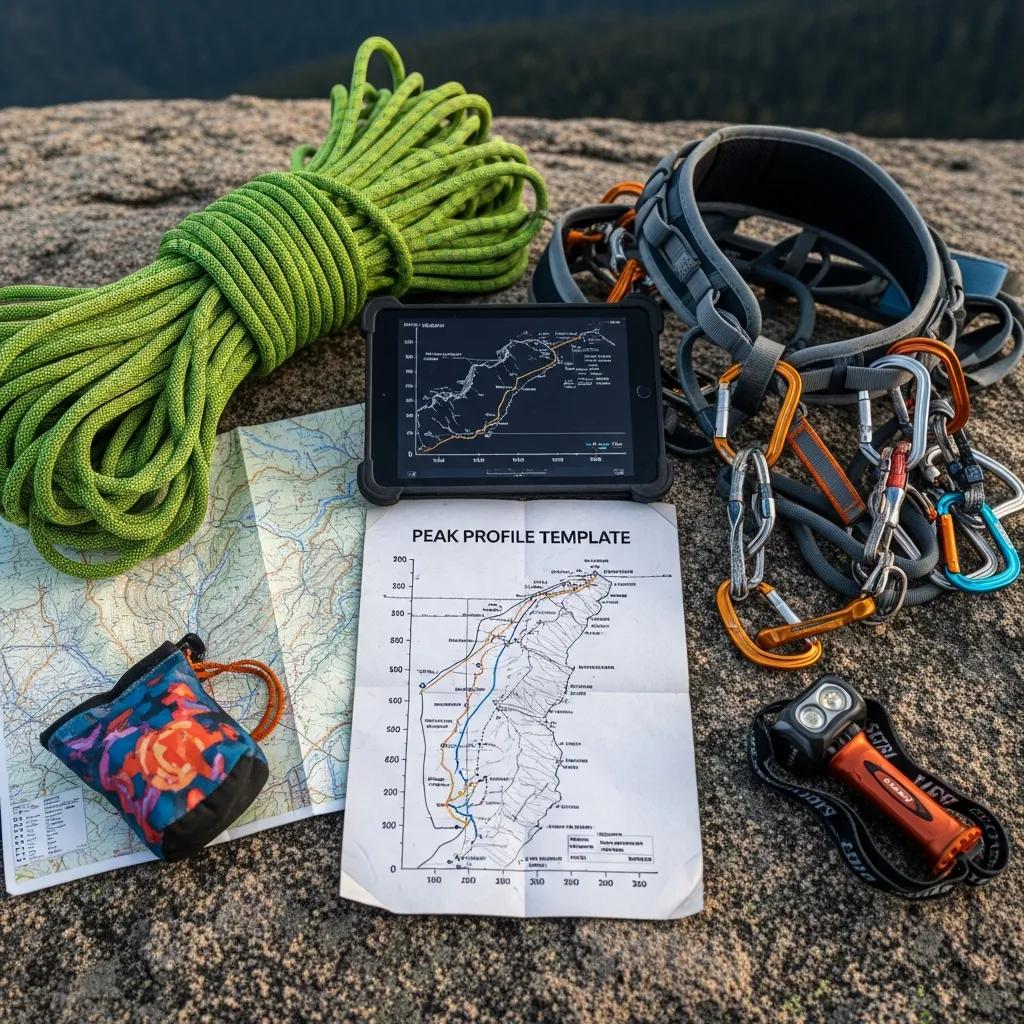
Climbing Harness Comparison Table
Published weights vary by size. The numbers below are useful for comparison but should never replace the manufacturer’s current size chart, instructions and certification markings.
| Harness | Approx. Weight | Leg Loops | Gear Capacity | Best Use | Main Trade-Off |
|---|---|---|---|---|---|
| Mammut Togir 2.0 3 Slide | 377 g | Adjustable | 4 loops + 2 ice attachments | All-around / alpine | Heavier than sport specialists |
| Mammut 4 Slide | 490 g XS–M | Highly adjustable | 4 loops | Beginners / shared use | Highest weight in this group |
| Mammut Sender Light | 213 g M | Fixed elastic | 2 reinforced loops | Sport / performance | Limited rack capacity |
| Petzl ADJAMA | 385 g M | Adjustable | 5 loops | Trad / multipitch | More bulk than minimal sport harnesses |
| Petzl SITTA | 275 g M | Fixed | 5 loops | Premium alpine / rock | Premium price / precise fit needed |
| Black Diamond Solution | 378 g M | Fixed | 4 large + rear loop | Sport / rock | Less seasonal adjustment |
| Black Diamond Technician | 376 g M | Adjustable | 4 + rear loop / ice slots | Four-season climbing | More hardware than sport designs |
| EDELRID JAY | 410 g M | Adjustable / opening | 5 loops + ice attachments | Versatile all-around | Not designed as an ultralight harness |
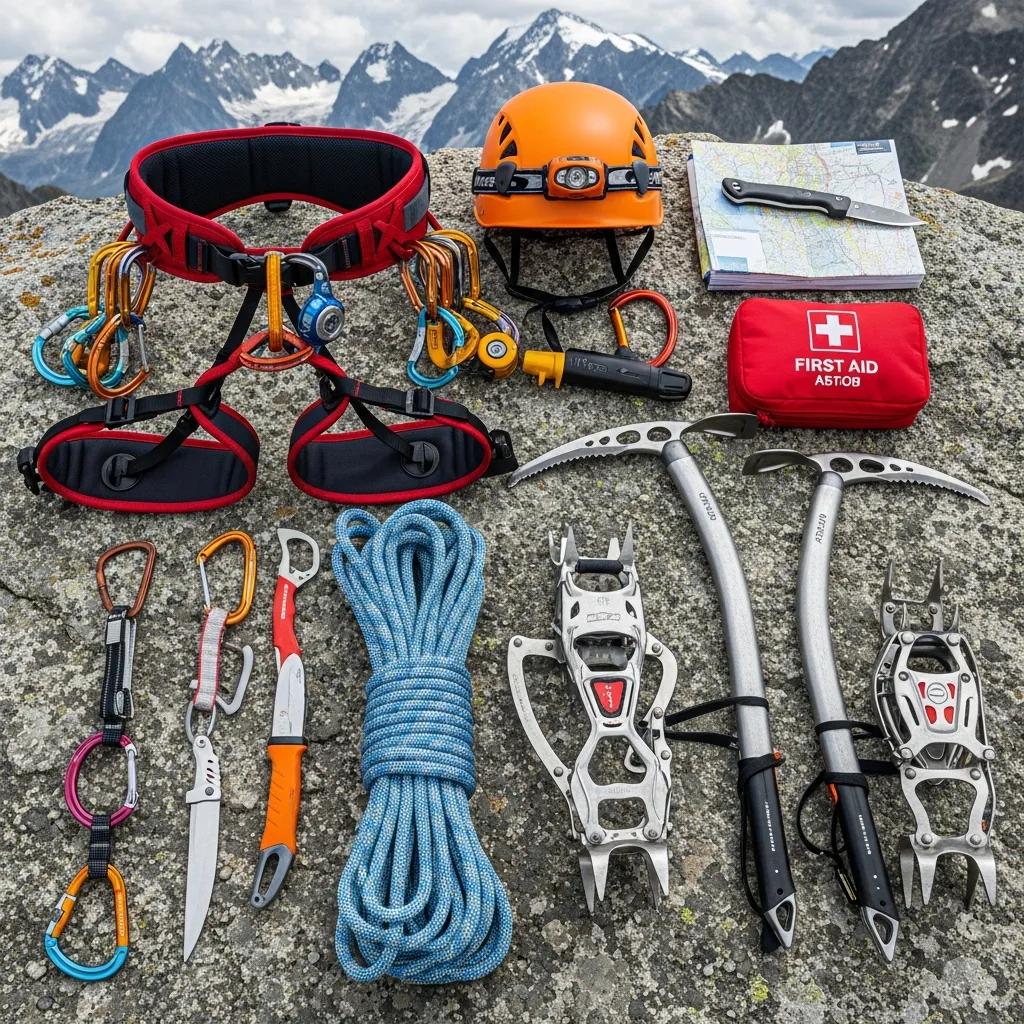
A Climbing Harness Is Personal Protective Equipment.
A sit harness for recreational climbing is not simply outdoor apparel. Check the exact certification stated by the manufacturer and printed on the harness or its documentation.
Many current climbing harnesses are certified to EN 12277 Type C, the European standard classification used for sit harnesses. Many also reference the applicable UIAA climbing-harness standard.
Certification does not make every harness suitable for every climbing discipline. A minimalist sport harness and an adjustable alpine harness may both meet the relevant baseline standard while serving very different users.
How to Fit a Climbing Harness in Six Steps
Manufacturer sizing gives you a starting point. A real fit check determines whether the waistbelt, leg loops and rise actually match your body.
Measure Waist and Thighs
Measure where the harness manufacturer specifies and use the exact current size chart rather than your normal pants size.
Set the Waist Above the Hips
Position the waistbelt above the hip bones so it cannot easily slide down over the hips when loaded.
Center the Tie-In System
The belay loop and tie-in points should sit correctly at the front while the gear loops remain accessible.
Adjust the Leg Loops
Follow the manufacturer’s fitting guidance. The loops should be secure while still allowing normal stepping and high-knee movement.
Move Like You Are Climbing
Squat, high-step and lift each knee. Watch for pinching, restricted hip movement and a waistbelt that shifts excessively.
Do a Hang Test
Where a retailer or gym provides a proper test setup, weight the harness to discover pressure points that are invisible while standing.
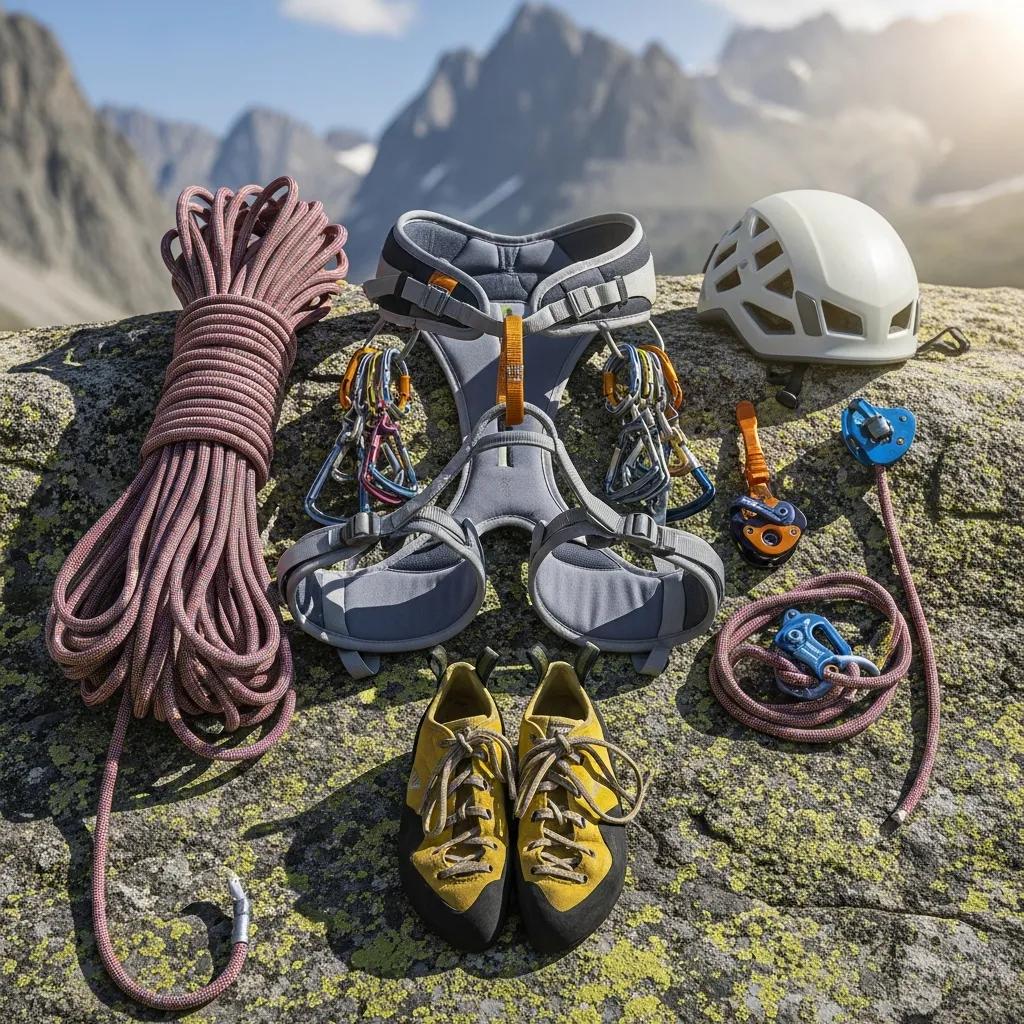
Which Mammut Harness Fits Which Climber?
Mammut’s current range makes the trade-offs especially clear: maximum adjustability, broad all-around versatility or stripped-down sport performance.
Togir 2.0 3 Slide for Versatility · 4 Slide for Adjustability · Sender Light for Minimal Weight
Togir 2.0 3 Slide: the most balanced Mammut choice in this comparison for climbers crossing disciplines. Mammut lists a 377-gram weight, adjustable leg loops, four gear loops, two ice-clipper attachment points, a haul loop and a wear indicator.
4 Slide: sacrifices weight for an unusually large adjustment range. Four Slide-Bloc buckles allow both the waist and leg loops to adapt to different body sizes and clothing systems. That makes it especially logical for beginners, instruction and climbers whose layering changes substantially.
Sender Light: goes in the opposite direction. Mammut lists approximately 213 grams for size M, two reinforced gear loops and fixed elastic leg loops. This is the choice for climbers who want a minimalist sport harness rather than a platform for carrying a large traditional or alpine rack.
Mammut also offers more specialized harnesses, including the Comfort Fast Adjust, Sender, Eiger Nordwand and mountaineering-focused designs. The three above create the clearest starting points for this general buying guide.
Sport, Trad and Alpine Harnesses Are Optimized Differently.
The same harness can often be used across several disciplines, but specialists intentionally remove or add features.
Low Bulk + Freedom
Sport routes usually require quickdraws rather than a full traditional rack. Fixed leg loops, fewer gear loops and low-profile construction can therefore save meaningful weight.
Mammut Sender Light and Black Diamond Solution sit closest to this end of the spectrum.
Comfort + Rack Space
Traditional climbing adds cams, nuts, slings, anchor hardware and often longer belays. Large front loops and additional rear storage can matter more than shaving the final few grams.
Petzl ADJAMA is particularly strong in this role.
Layers + Hardware
Alpine climbing introduces changing clothing, gloves, ice screws, tool holders and long approaches. Adjustable leg loops and dedicated attachment points become much more useful.
Togir, Technician and JAY are more adaptable here.
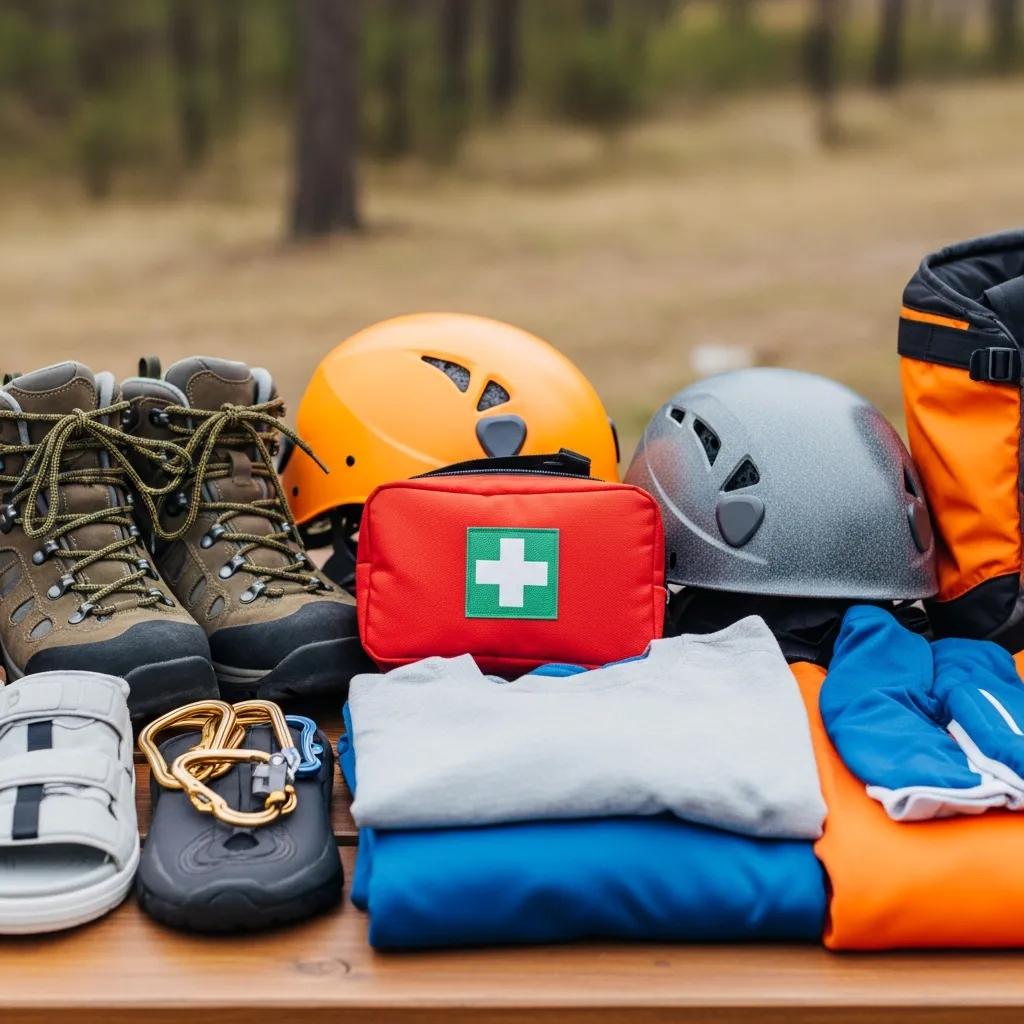
Gear Loops Matter More as Routes Become Longer and More Technical.
Four conventional gear loops are enough for most sport climbing and many general climbing days. Trad climbers carrying cams, nuts, slings and anchor equipment may prefer larger loops or a fifth rear position.
Petzl gives the ADJAMA five dedicated gear loops. The current Black Diamond Solution combines four large loops with a low-profile rear fifth loop, while the Technician adds a rear fifth loop and four Ice Clipper slots.
Mammut’s Togir 2.0 3 Slide uses two reinforced front gear loops and two lighter rear loops plus two attachment points for ice-screw carriers. EDELRID gives the JAY five gear loops and two ice-clipper attachment positions.
Adjustable Leg Loops Add Versatility. Fixed Loops Reduce Hardware.
Neither design is automatically better. The decision depends on body shape, climate, clothing and whether your harness needs to cross between rock and mountain environments.
Changing Layers
Buckled leg loops can expand over winter pants and contract again for thin summer clothing.
Fit Range
Climbers whose thigh-to-waist proportions do not match fixed loops gain another independent adjustment point.
Lower Weight
Removing buckles and webbing reduces hardware, bulk and potential interference during high-performance rock climbing.
Simpler System
A correctly sized fixed-loop harness can feel exceptionally clean and unobtrusive when the climber stays within a narrow layering range.
Your Harness Needs Inspection, Not Just Washing.
Harnesses are textile PPE. Webbing, stitching, buckles, tie-in areas and the belay loop deserve regular inspection according to the manufacturer’s instructions.
Watch High-Friction Areas
Rope movement concentrates wear around tie-in points. Several current harnesses use contrasting wear-indicator fibers to make serious wear easier to recognize.
Inspect All Sides
Rotate and inspect the entire loop for cuts, glazing, abrasion, chemical damage or stitching problems rather than checking only the visible front surface.
Check Function
Confirm adjustment hardware moves and locks as the manufacturer intends and that webbing is routed correctly through every buckle.
Follow the Manufacturer
Do not rely on one universal replacement interval. Storage, UV, contamination, use frequency and unusual loading all matter.

Shop Current Climbing Harnesses
Use the live Gear Ads inventory after narrowing your needs by fit, climbing style, adjustability and rack capacity. Stock, size and price can change.
Current Climbing Harnesses
Browse current harness inventory across participating Global Summit Guide gear partners.
Current Climbing Harnesses
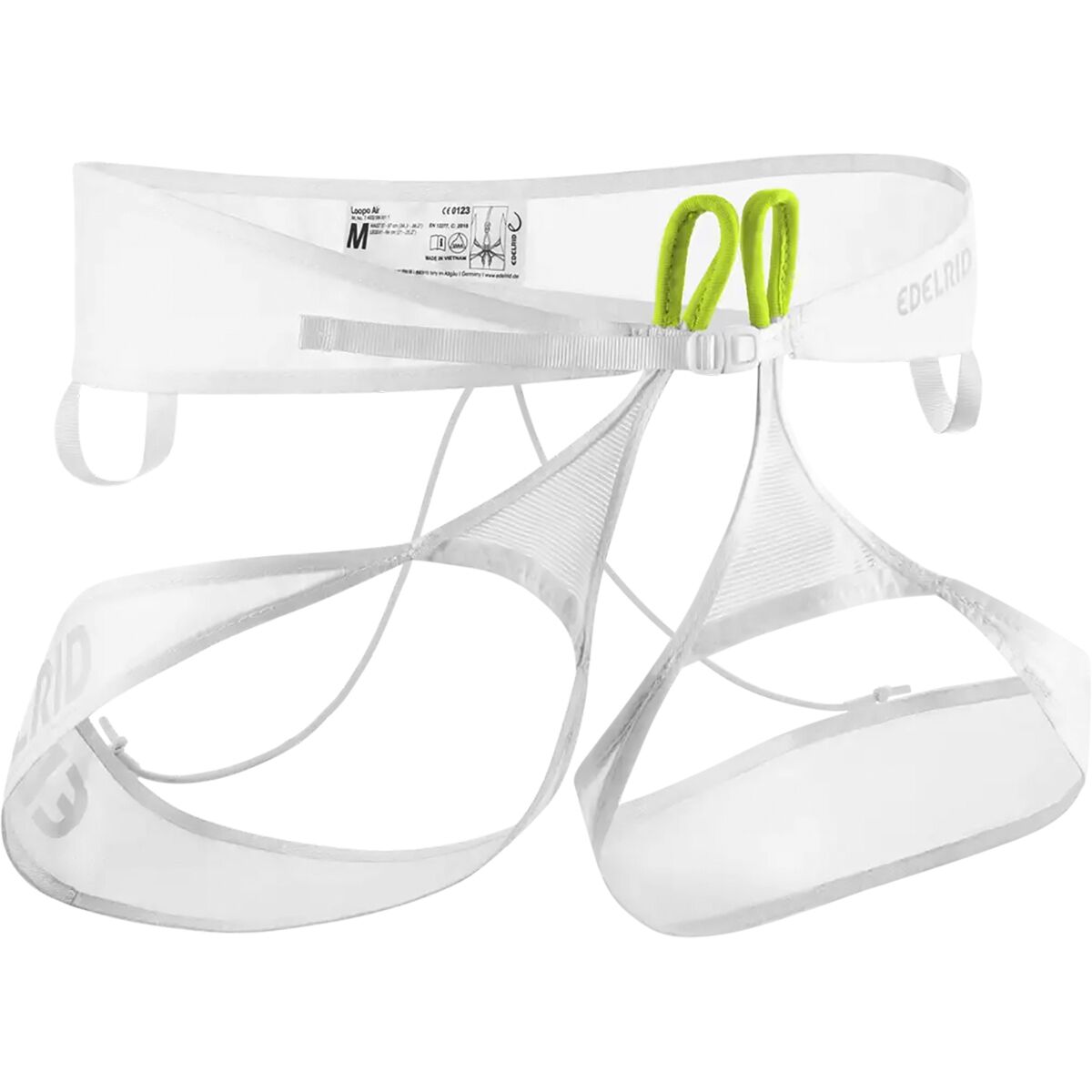
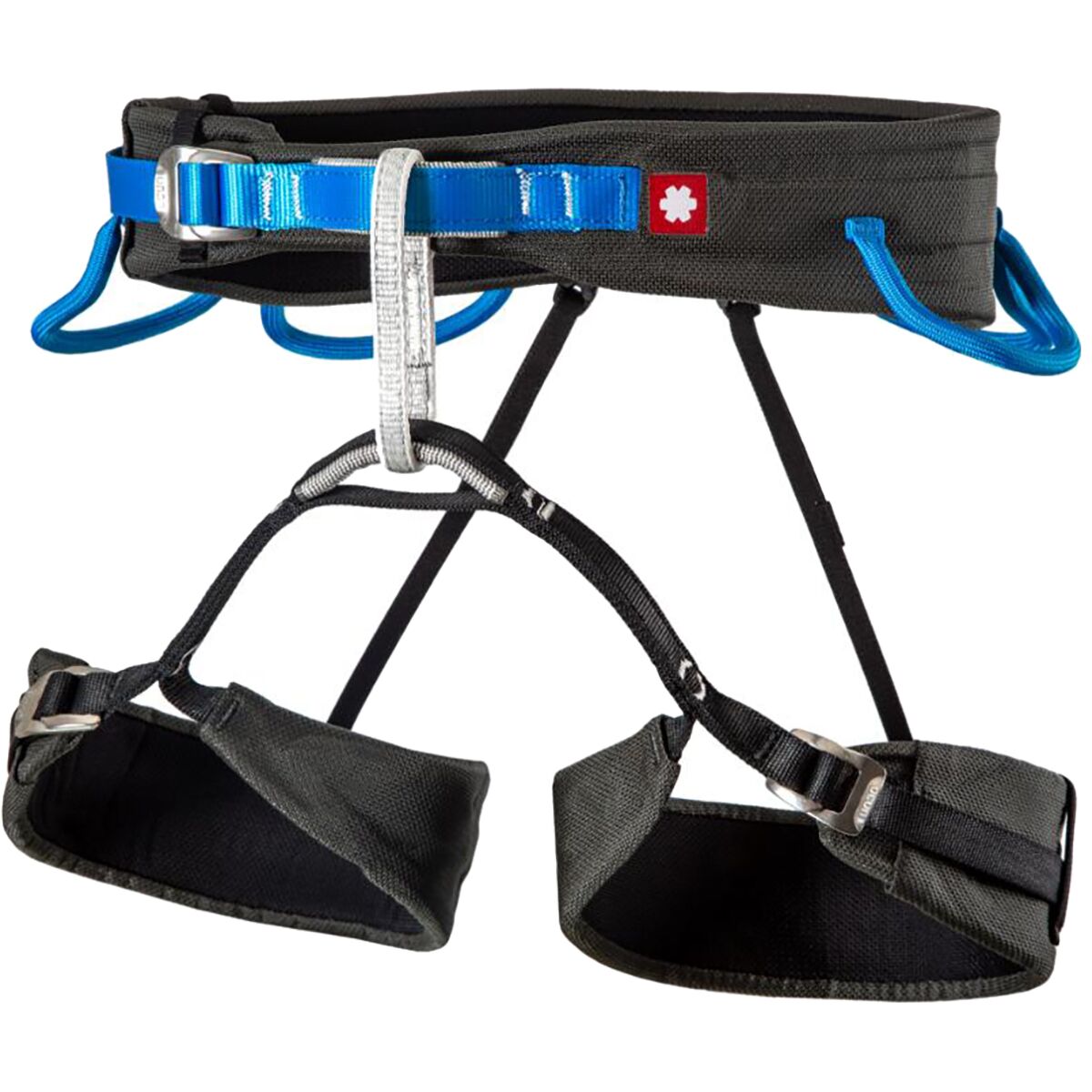
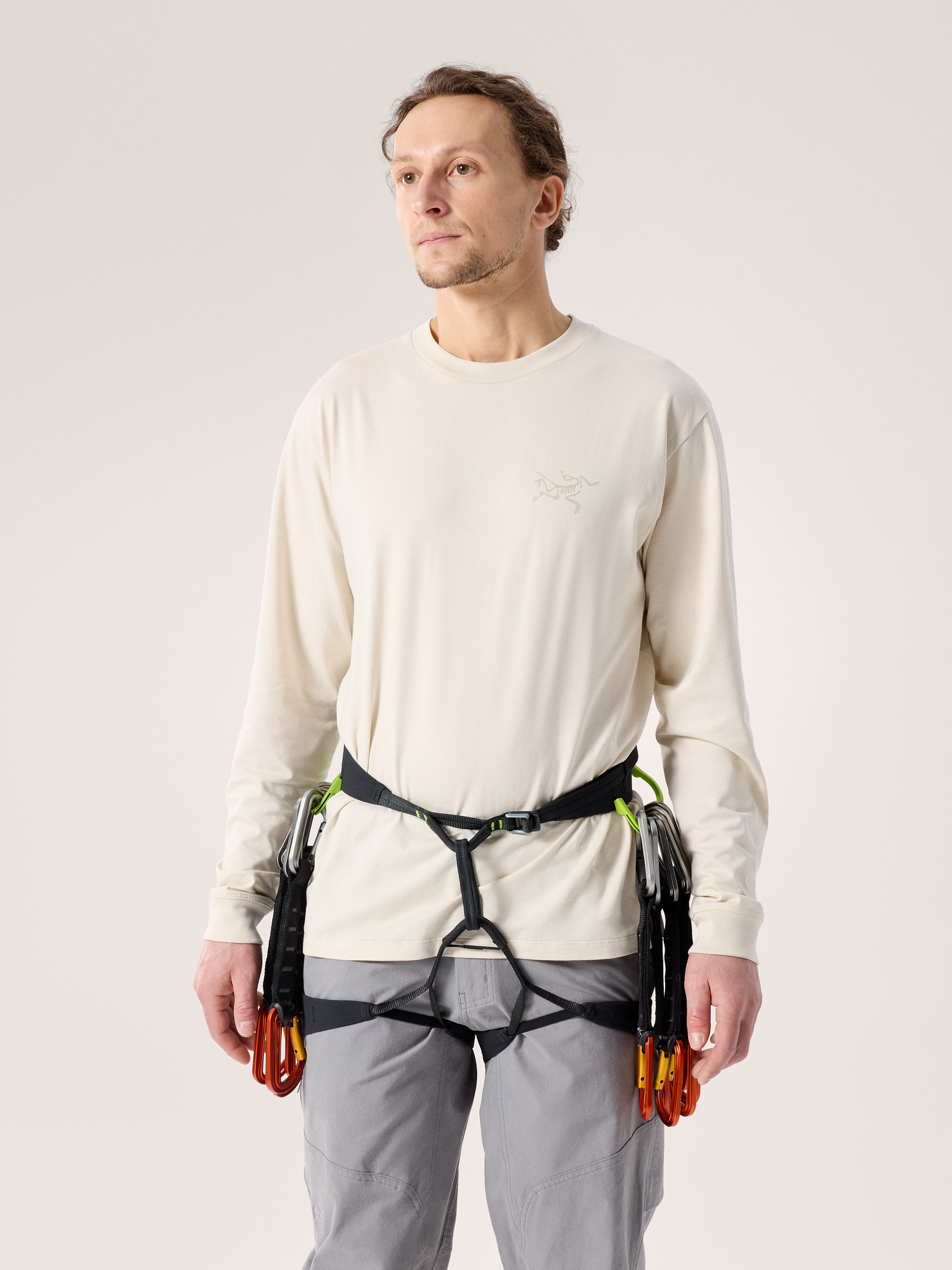
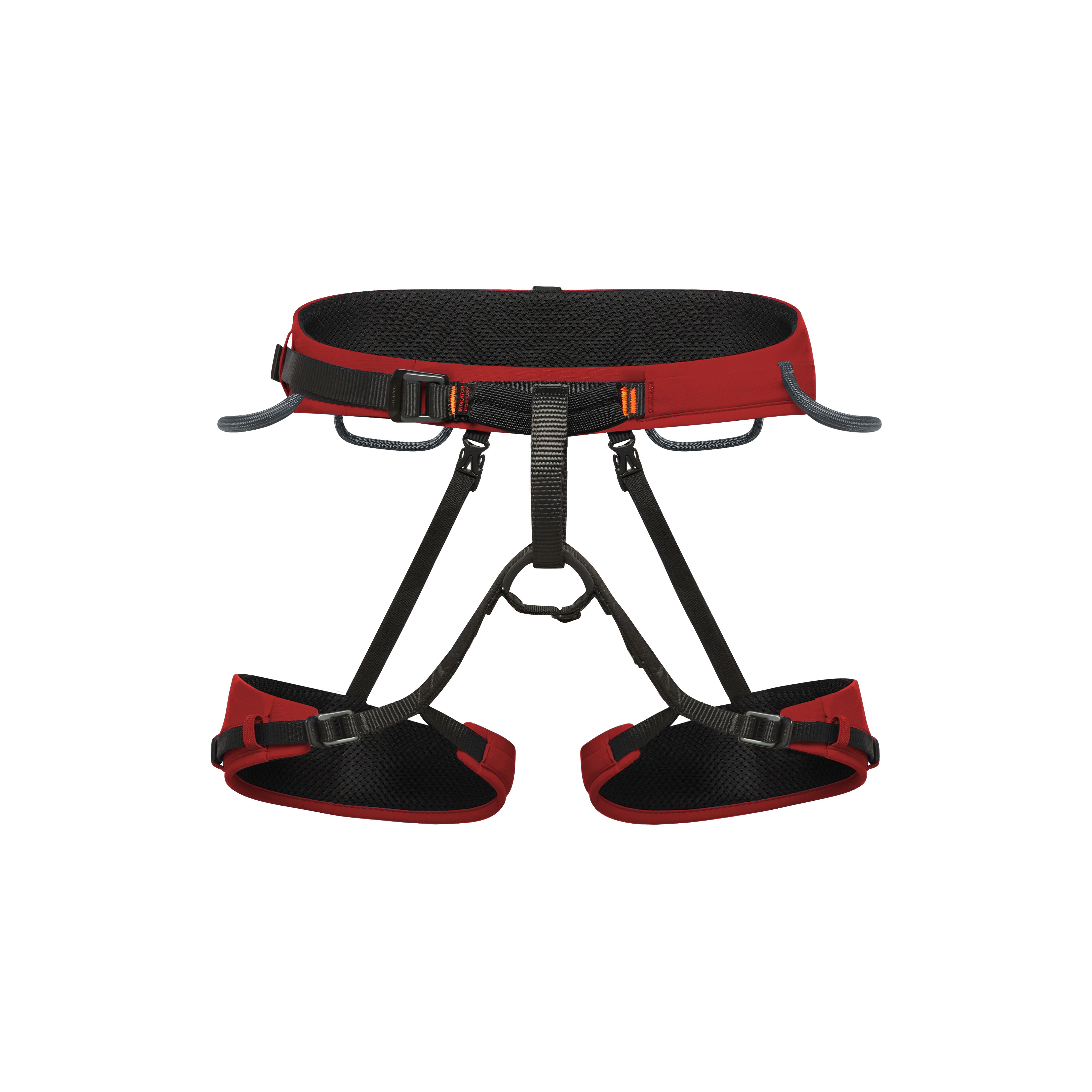
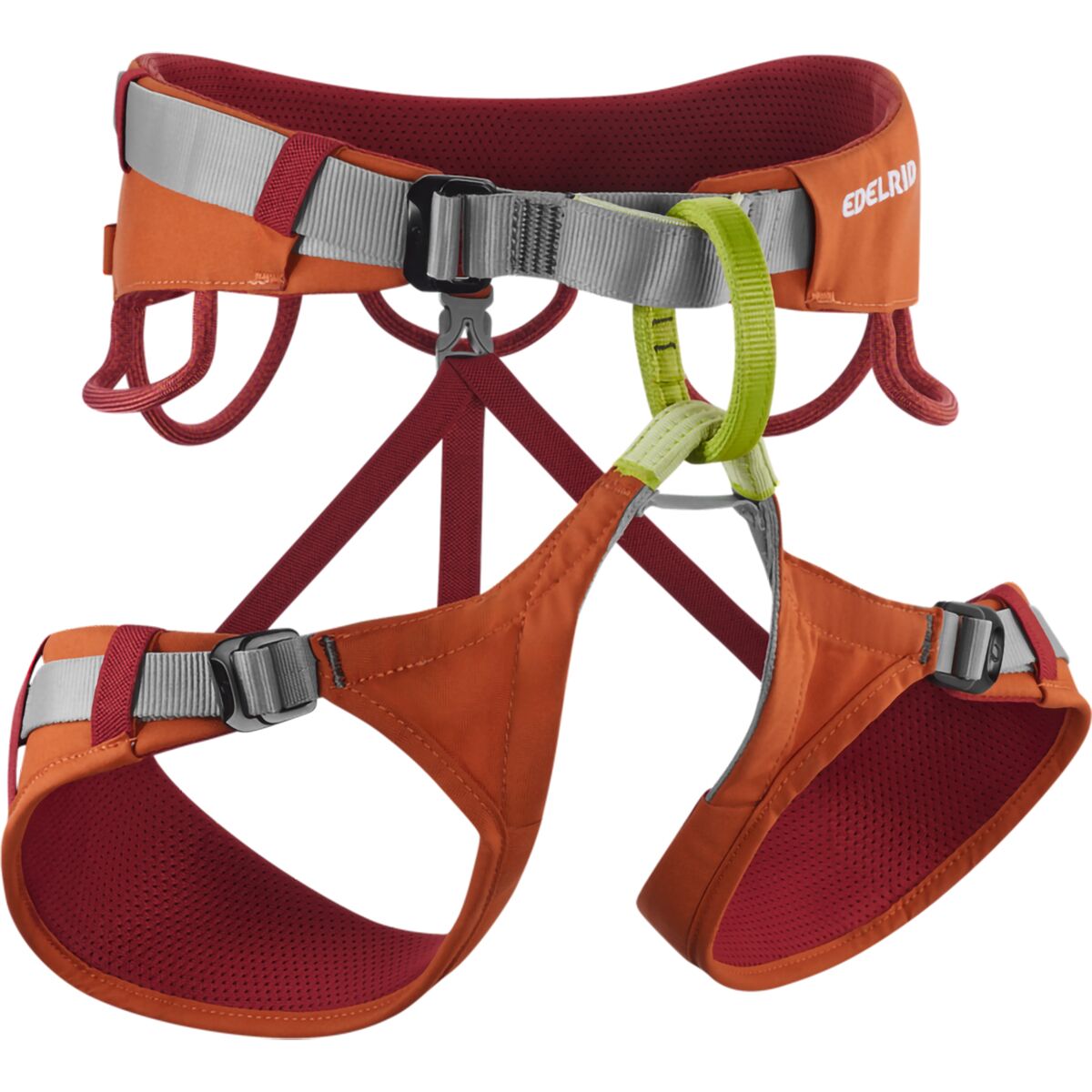
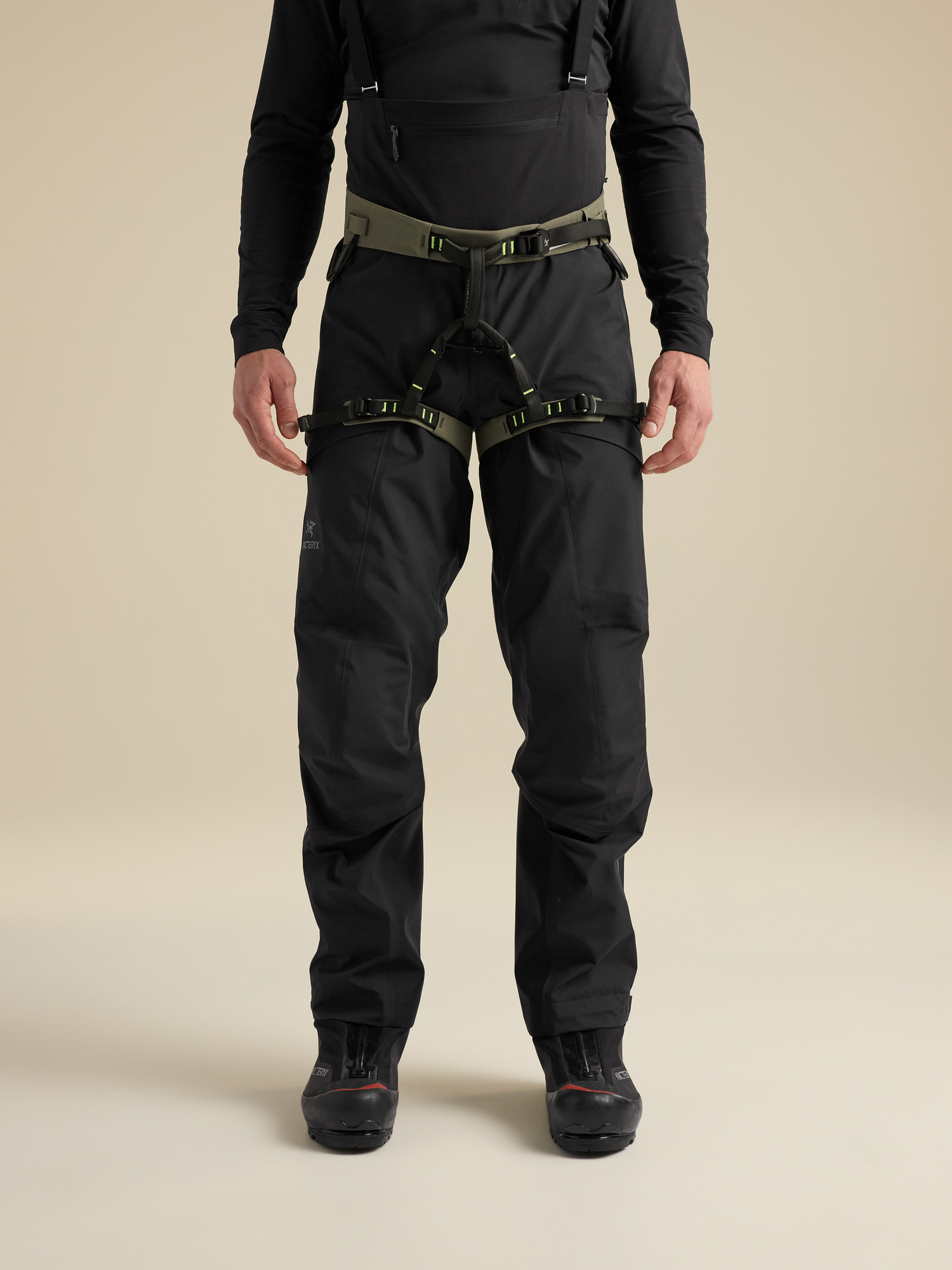
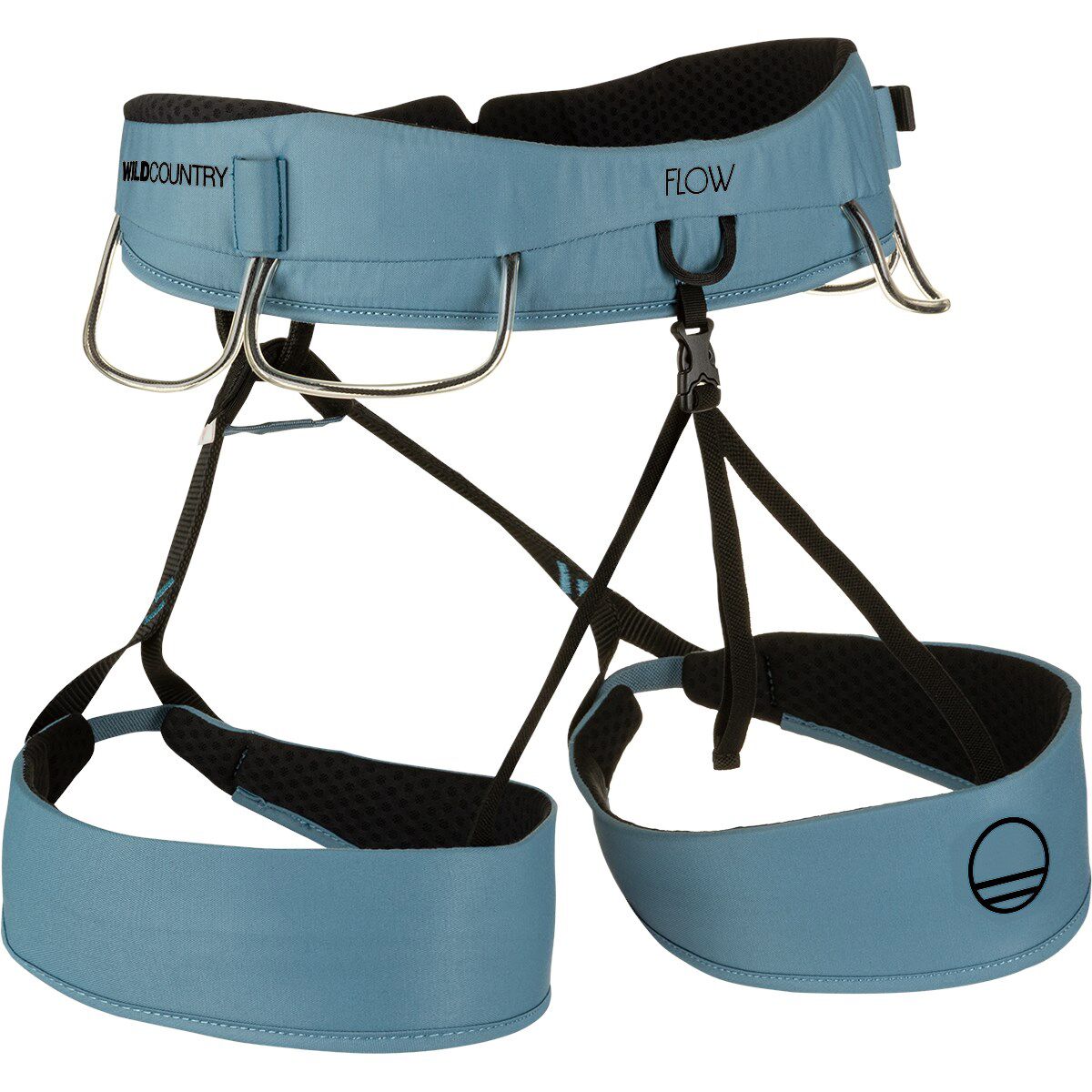
We may earn a commission if you buy through these links, at no extra cost to you. Affiliate disclosure
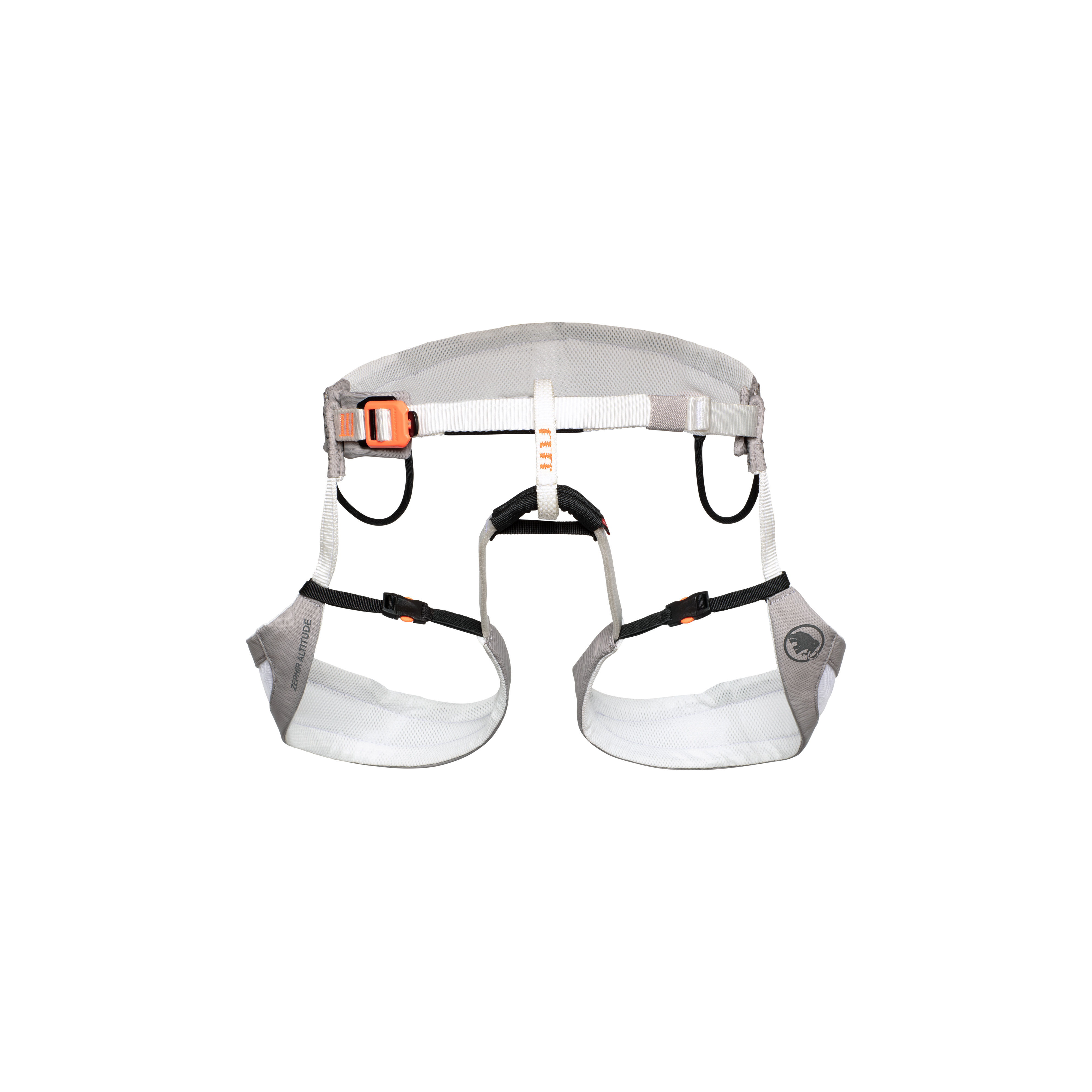
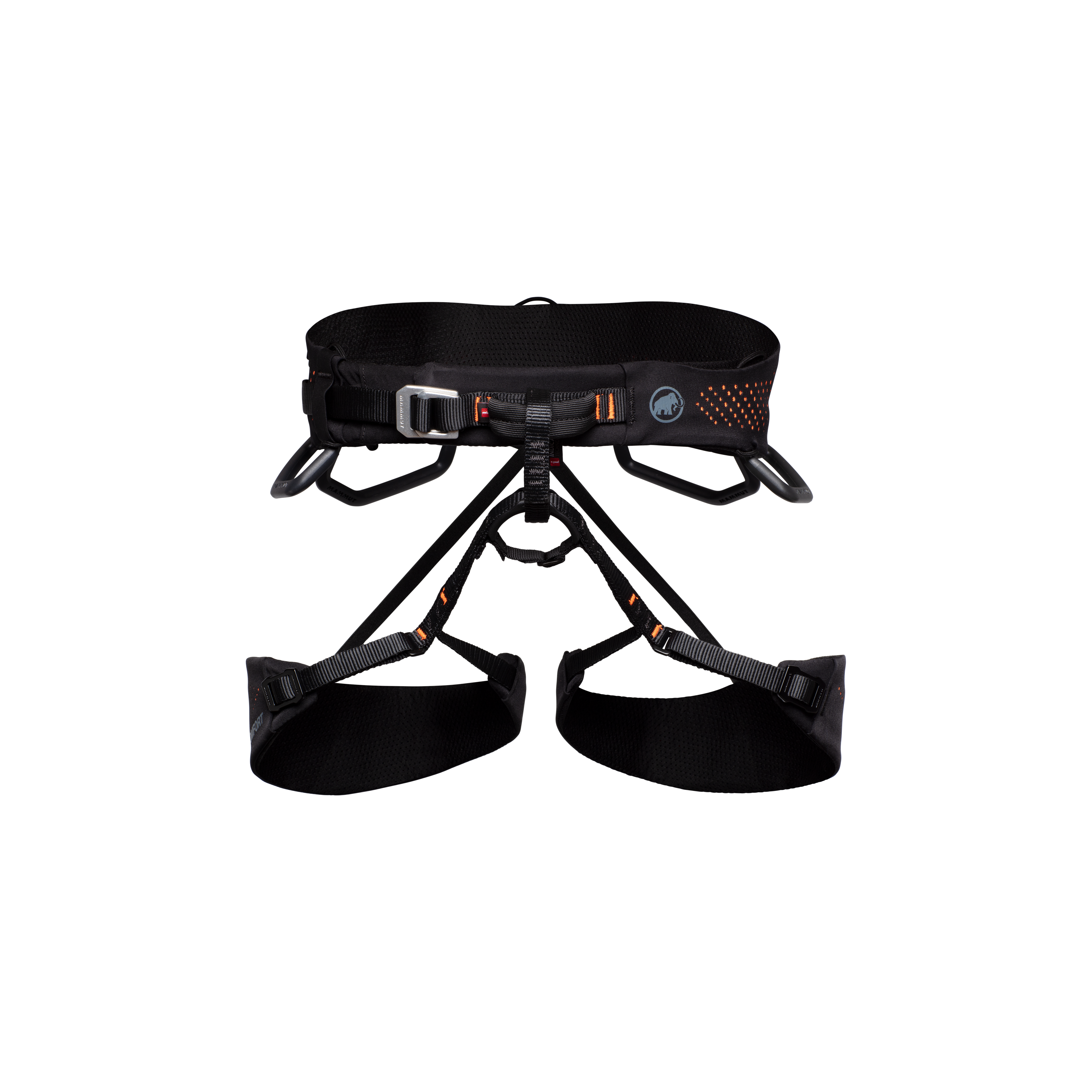
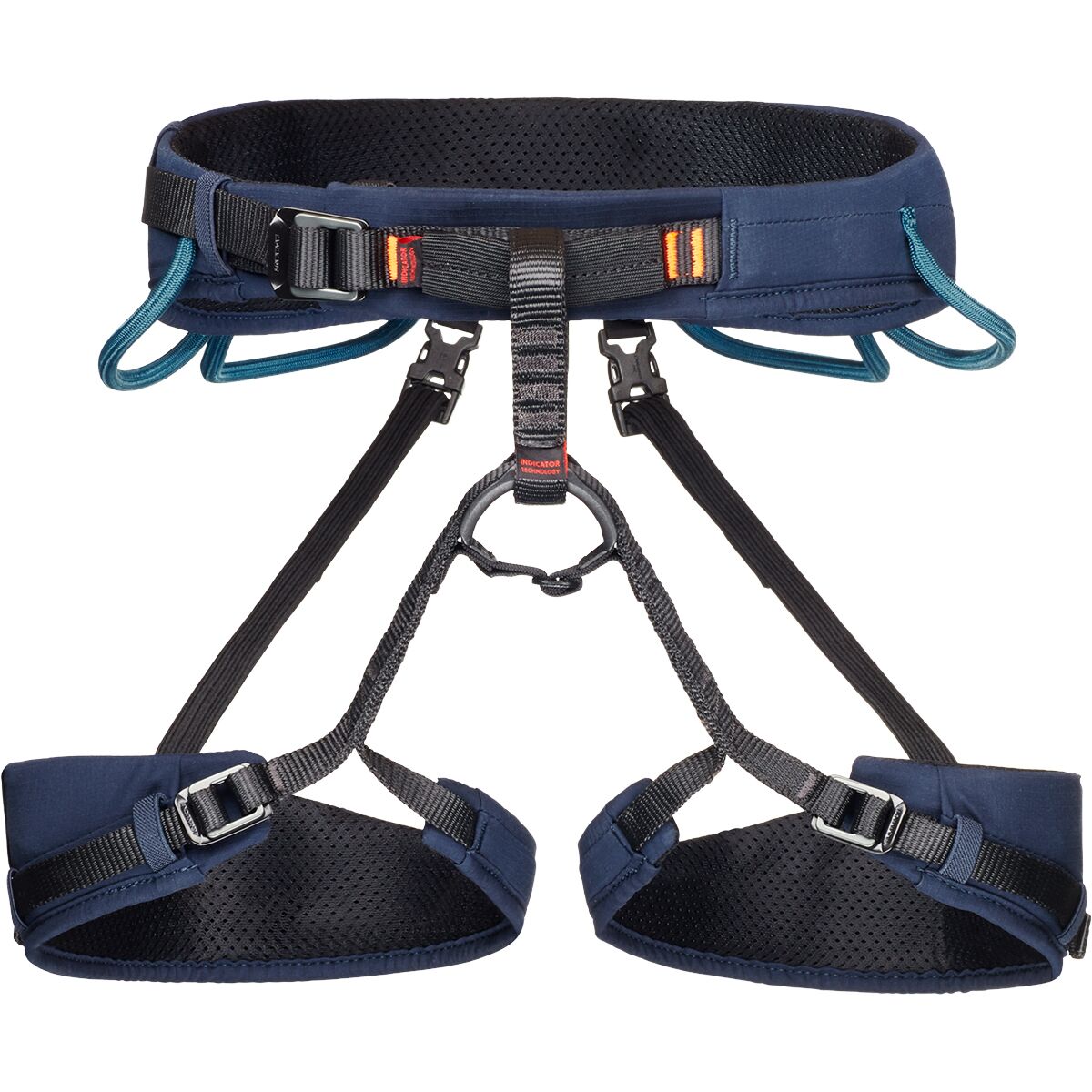
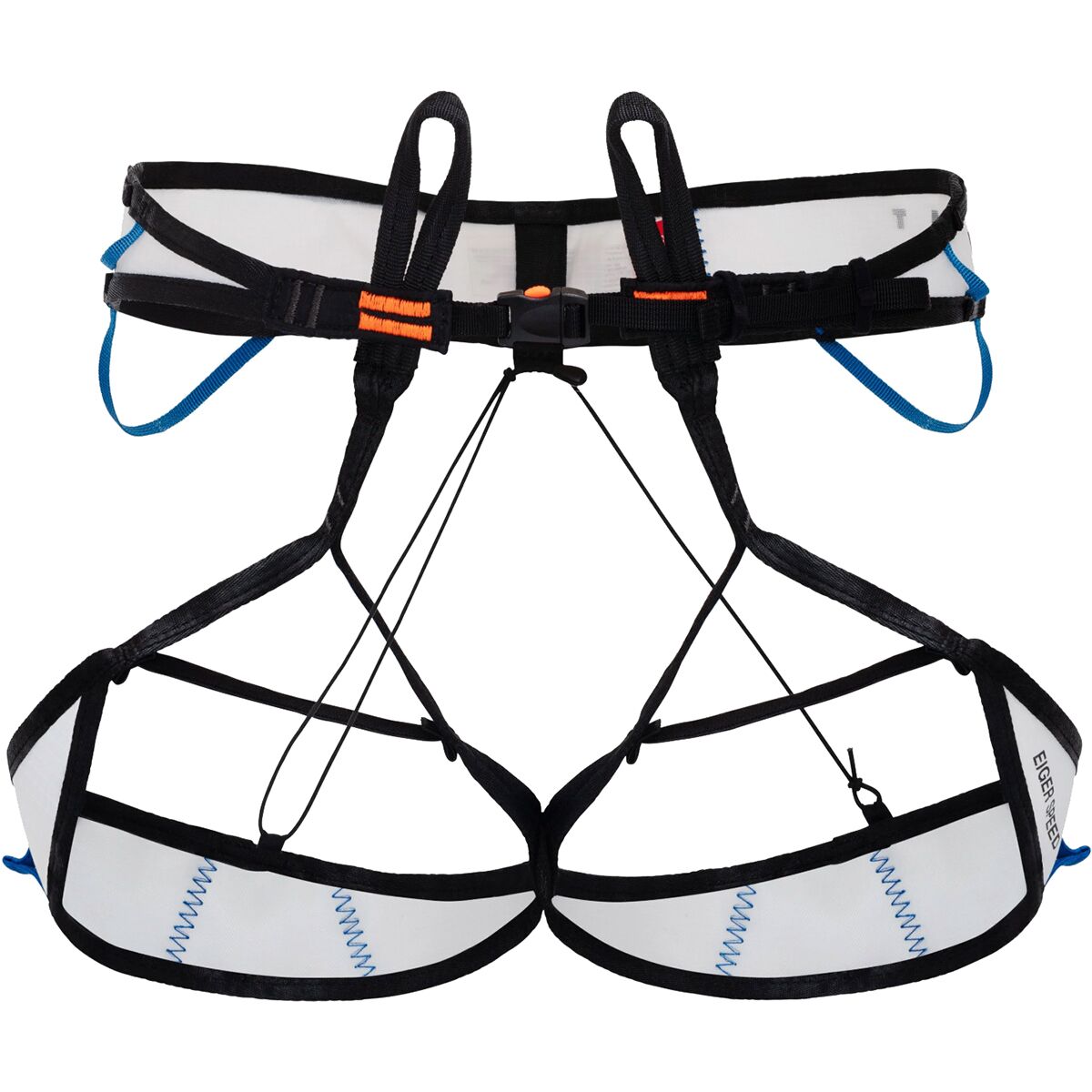
Current Mammut Climbing Harnesses
Mammut-specific inventory for readers comparing the Togir, 4 Slide, Sender and related current harness models.
Current Mammut Harnesses
A Rock Harness Is Not Automatically the Best Harness for Every Mountain Activity.
Glacier travel, ski mountaineering and via ferrata can add equipment requirements that are not obvious when shopping only within the sport-climbing category.
Think About Layers and Rescue Gear
Adjustable leg loops, low bulk under a pack and compatibility with the complete roped-travel system may matter more than sport-climbing performance.
Glacier Travel Gear & Safety →The Harness Is Only One Component
Via ferrata requires an appropriate energy-absorbing lanyard system in addition to the harness and other route-specific safety equipment.
Complete Via Ferrata Guide →Build a System, Not a Shopping Cart
Crampons, helmet, ice axe, boots, rope systems and harness choice should all respond to the same terrain and objective.
Mountaineering Gear Guide →How Global Summit Guide Built This Harness Comparison
Safety gear needs a different editorial standard from ordinary consumer products.
Retail availability and pricing can change faster than the editorial page, which is why live shopping inventory is separated from the core recommendations. The buying guide should remain useful even when a particular size or color goes temporarily out of stock.
Best Climbing Harnesses FAQ
What is the best climbing harness for most climbers?
For someone who climbs across several disciplines, start with a padded sit harness that has adjustable leg loops and at least four useful gear loops. Mammut Togir 2.0 3 Slide, Petzl ADJAMA, Black Diamond Technician and EDELRID JAY all fit this general profile. The final decision should be based on fit.
What is the best climbing harness for beginners?
Beginners usually benefit more from simple adjustment and a broad fit range than ultralight specialization. Mammut 4 Slide is a strong example because both the waist and leg system offer extensive adjustment.
Should climbing harness leg loops be adjustable?
Adjustable leg loops are especially useful for mountaineering, changing clothing layers and climbers whose waist-to-thigh proportions do not fit fixed loops well. Fixed elastic loops save weight and bulk when the fit is already correct.
How tight should a climbing harness be?
The waistbelt should sit above the hip bones and remain secure enough that it cannot easily be pulled down over them. Leg loops should be fitted according to the manufacturer’s instructions and allow normal climbing movement.
How many gear loops do I need?
Four is enough for most sport and general climbing. Trad and multipitch climbers often benefit from larger loops or a fifth rear loop because cams, nuts, slings and anchor equipment consume much more rack space.
Is a lighter climbing harness better?
Not automatically. Low weight is valuable for performance rock and long approaches, but reducing buckles, padding and gear loops also reduces versatility. Fit and route requirements matter more than winning the weight comparison.
When should I replace my climbing harness?
Inspect the harness according to its manufacturer instructions. Replacement may be required because of cuts, abrasion, damaged stitching, chemical contamination, unusual loading or manufacturer service-life limits. Do not rely on one universal replacement age for every harness.
Can I use a normal climbing harness for via ferrata?
A climbing harness may be one component of a via ferrata system, but the route also requires the appropriate certified energy-absorbing lanyard and other required equipment. Follow the equipment manufacturer’s instructions and route requirements.
Build the Rest of the Climbing System
Mountaineering Gear Guide
Connect harness choice to the complete mountain equipment system.
Head protectionBest Climbing Helmets
Compare current rock, alpine and mountaineering helmet options.
Technical gearMountaineering Ice Axe Guide
Match harness and ice-tool systems to the actual mountain terrain.
TractionBest Mountaineering Crampons
Coordinate crampons, boots, harness and ice tools for alpine routes.
LightingBest Headlamps
Prepare for alpine starts, long multipitch days and delayed descents.
ChecklistClimbing Gear Checklist
Add harness inspection and fit to the complete pre-climb check.
Safety hubGear & Safety
Understand inspection, route demand and equipment-system decisions.
Glacier systemGlacier Travel Gear
See how the harness fits into roped glacier travel and rescue gear.
Adjacent disciplineVia Ferrata Guide
Understand why a harness alone does not create a via ferrata system.
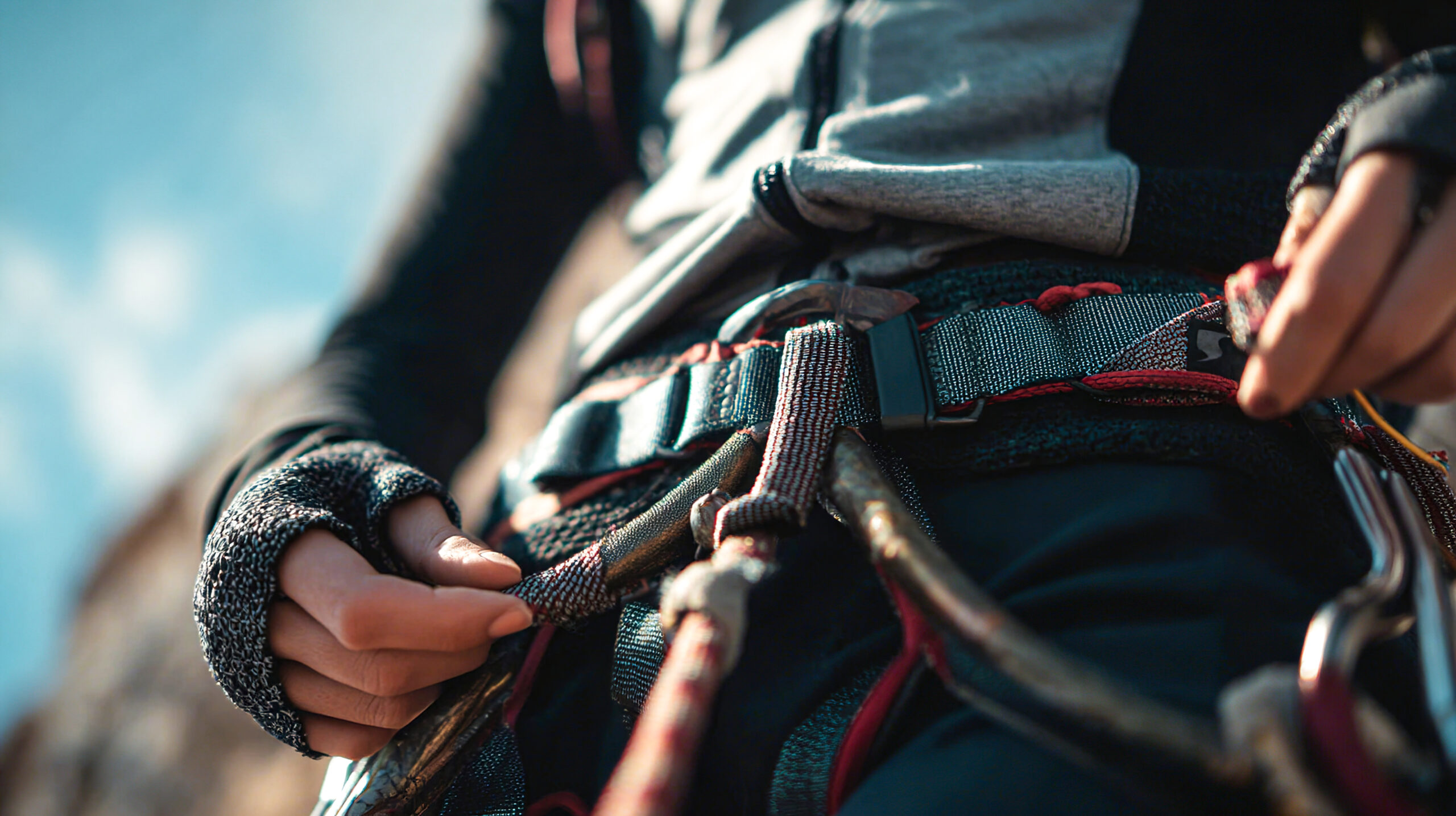
Fit Your Body. Match Your Route. Then Chase the Grams.
The right harness is secure above your hips, comfortable when loaded and equipped for the gear your routes actually require. Weight becomes useful only after those questions are answered.
Was this helpful?
Global Summit Guide is an independent mountaineering resource founded in 2026. The team combines first-hand trekking and climbing experience with in-depth research and professional health and nutrition review to help climbers choose objectives, prepare properly, and stay safe.
Health, altitude, and nutrition content is reviewed by Taylor Ludlow (Registered Nurse) and Brigg Hoopes (Nutritionist).
What We Don't Know Yet
Mountain information changes quickly. This box explains the limits of what this page can responsibly promise.
- Visa, passport, vaccination, border, insurance, and local transportation rules may change before your trip.
- Route conditions, snowpack, closures, and weather can change quickly after this page is updated.
- Permit rules, fees, quotas, and reservation windows may change between review cycles.
- Operator availability, pricing, guide ratios, and cancellation terms can change by season.
- Your fitness, altitude response, risk tolerance, and experience level may change what is safe or realistic.
Verify current conditions with official land managers, guide services, local forecasts, and current route reports before booking or climbing.
Mountaineering, rock and ice climbing, glacier travel, and high-altitude activity are inherently dangerous and can result in serious injury or death. The information on Global Summit Guide is provided for general informational and educational purposes only and is not a substitute for professional instruction, qualified guiding, proper equipment, or your own judgment and experience.
Route conditions, weather, snowpack, permits, regulations, and hazards change constantly and may differ from what is described here. Details may be incomplete, out of date, or contain errors. Always verify current information with local authorities, certified guides, and official sources before making any decision in the mountains.
Nothing on this site is medical, legal, or financial advice. Our fitness, acclimatization, altitude, and nutrition content is general in nature; consult a qualified physician before beginning any strenuous exercise program or exposing yourself to high altitude.
You are solely responsible for your own safety and decisions. To the fullest extent permitted by law, Global Summit Guide and its team accept no liability for any loss, injury, damage, or expense arising from use of, or reliance on, this information. By using this site you acknowledge these risks and accept these terms.
Some links on this site may be affiliate links. If you buy through them we may earn a small commission at no extra cost to you; this never affects our recommendations.
Global Summit Guide recommendation path
Next Best Mountain to Research
Use these recommendations to continue the right planning path instead of stopping on one page.
Use current permit, weather, route, and operator information before booking or climbing.