
Last updated October 3, 2026
Best Expedition Duffel Bags for Big Mountains
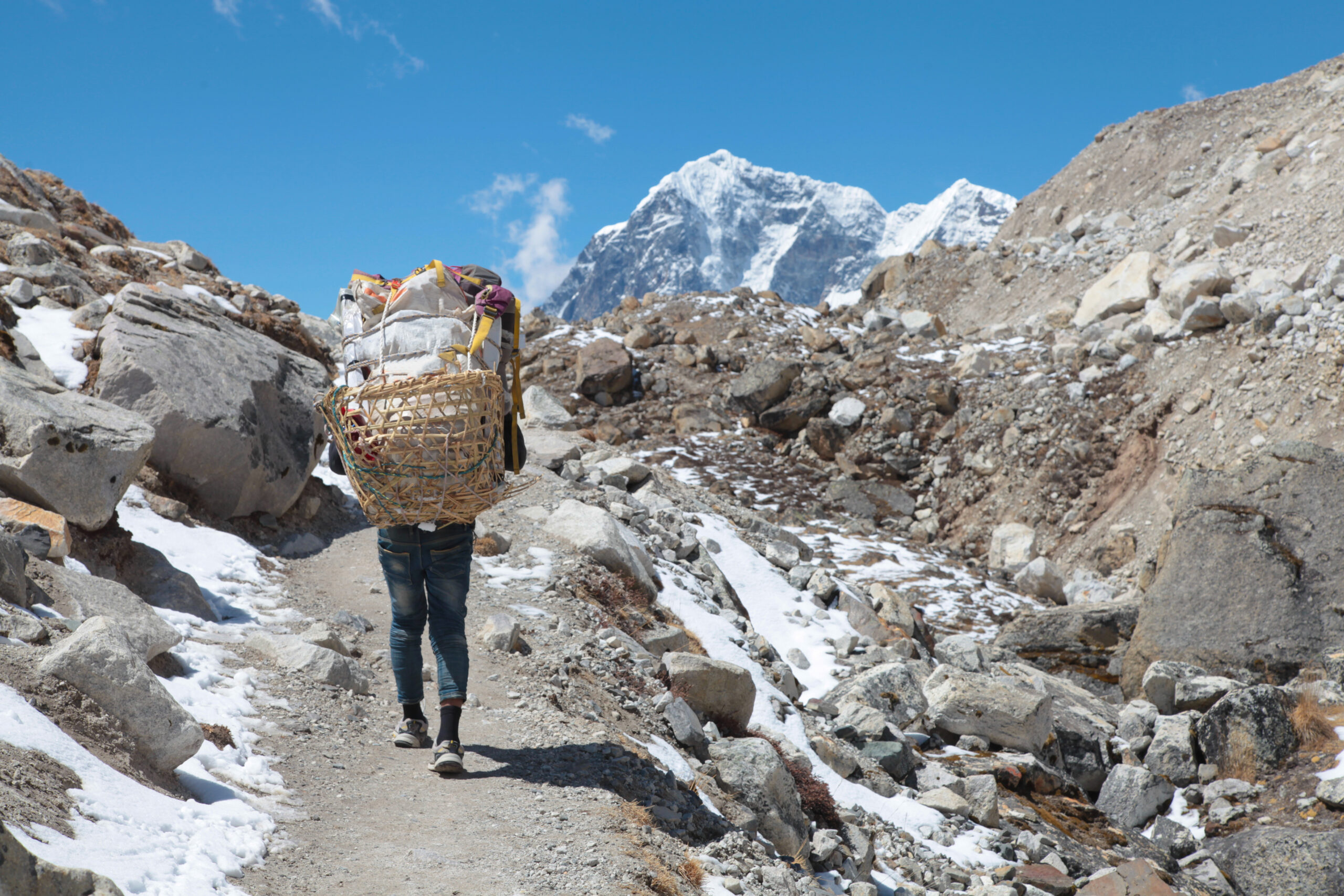
An expedition duffel is not simply oversized luggage. It may pass through airports, trucks, lodges, porters, yaks, mules, sleds and multiple base camps before you see it again. The best designs trade elegant travel features for durable fabric, reinforced handles, weather resistance, oversized zippers and a shape that other people can actually haul.
Moves the majority of your climbing and camp gear between logistics points.
Carries the equipment you personally move up the mountain.
Carries layers, water, technical gear and essentials while climbing.
Protect sleeping gear, electronics and other moisture-sensitive items.
For Most Major Expeditions, Start in the 90–120L Range—Then Follow Your Operator.
Around 95–100 liters is a useful general expedition size because it can swallow bulky boots, sleeping systems, parkas and camp clothing without becoming as unwieldy as the very largest bags.
Larger 130–150 liter duffels make sense when the packing list is huge, multiple bags are restricted, or the expedition logistics specifically call for them. The tradeoff is simple: very large bags become extremely heavy when fully loaded.
Do not buy by volume alone. Operators frequently specify maximum bag weights, number of duffels, porter loads or pack-animal restrictions. A 140L bag that can physically hold everything may still be the wrong choice if the operator expects the load split across two smaller bags.
Which Duffel Size Fits the Expedition?
Capacity is only useful when it matches the operator’s weight and load system.
| Capacity | Best Use | Advantages | Main Limitation |
|---|---|---|---|
| 60–75L | Shorter trips / second duffel | Easier handling, lower bag weight | Limited room for bulky expedition gear |
| 80–95L | Trekking + moderate expedition loads | Good compromise between volume and manageability | Can become tight for 8,000m clothing systems |
| 100L | Major expeditions | Strong all-around expedition capacity | Easy to exceed weight limits if overpacked |
| 120–140L | Gear-intensive expeditions | Handles bulky parkas, sleeping systems and boots | Very heavy when completely filled |
| 150L+ | Special logistics / oversized equipment | Maximum single-bag capacity | Difficult handling; may conflict with operator load limits |
Eight Features Worth Paying For
Expedition bags are deliberately simpler than travel luggage.
Heavy Fabric
Durable coated nylon or polyester handles abrasion from airports, vehicles and repeated loading.
Reinforced Bottom
The base sees constant contact with dirt, snow, truck beds and camp surfaces.
Large Opening
D-shaped or U-shaped openings make bulky boots, parkas and sleeping bags easier to pack.
Strong Grab Handles
Bags are frequently moved by someone other than the climber. Multiple reinforced handles matter.
Removable Shoulder Straps
Useful during airports and short carries but removable before rough freight handling.
Daisy Chains
External webbing creates lash points for securing the bag during transport.
Weather Resistance
Coated fabric buys useful protection during rain, snow and transport.
Visible ID
Clear labeling becomes critical when dozens of similar expedition duffels are stacked together.
Expedition Duffel vs Expedition Backpack
The duffel carries gear through the logistics chain. The backpack carries gear on the climber.
Duffels emphasize simple volume, durability and access. Backpacks emphasize suspension, hipbelts, torso fit, load transfer and movement. A pair of shoulder straps on a 100L duffel does not turn it into a serious load-hauling backpack.
Many expeditions therefore use both: the duffel carries most equipment with porters, animals or logistics teams while the climber carries a properly fitted pack containing personal gear needed during that stage of the route.

95L vs 100L vs 140L Expedition Duffels
Bigger is useful only until the load becomes impractical.
Manageable Expedition Hauler
Large enough for substantial mountain gear but still easier to move, lift and keep beneath weight limits than an enormous 140L sack.
Classic Big-Trip Capacity
One hundred liters provides room for bulky insulation, boots and sleeping systems without immediately entering oversized-bag territory.
Maximum Expedition Volume
Excellent for gear-heavy objectives but easy to overload. Confirm operator and porter limits before assuming one giant duffel is better than two smaller bags.
Expedition Duffel Does Not Automatically Mean Dry Bag
Heavy coated fabrics resist weather well, but zippers and seams still matter.
Weather-Resistant Fabric
Coated high-denier fabrics shed rain and snow while providing strong abrasion resistance.
Zippers Are Vulnerable
Storm flaps and coated zippers help, but ordinary expedition duffels should not automatically be treated as submersible waterproof bags.
Use Internal Dry Protection
Sleeping bags, electronics and other moisture-sensitive equipment can be protected with liners, stuff sacks or dedicated dry bags inside the duffel.
Six Expedition Duffels Worth Comparing
These represent different combinations of capacity, carryability and pure expedition durability.
Patagonia Black Hole Duffel 100L
A widely used large-capacity gear hauler built from heavy recycled polyester ripstop with a TPU-film laminate.
- 100L capacity
- 900D recycled polyester ripstop body
- TPU-film laminate
- Removable shoulder straps
- Large access opening
The North Face Base Camp Duffel XL
The current XL is a 132L expedition-style duffel built from extremely heavy coated fabric with a long history in mountain travel.
- 132L capacity
- 1000D recycled polyester body
- Water-resistant coated fabric
- Multiple grab handles
- Daisy-chain webbing
- Removable alpine-cut shoulder straps
Osprey Transporter Duffel 95
A 95L gear hauler that combines strong weather-resistant fabrics with one of the more developed temporary backpack harness systems.
- 95L capacity
- Approximately 1.27 kg listed weight
- 630D NanoTough body
- 840D reinforced bottom
- Stowaway padded harness
- Eight lash points
Gregory Alpaca Duffel 100
A rugged 100L design with several useful organization features without losing the simple expedition-duffel format.
- 100L capacity
- 900D TPU-coated body fabric
- Three-layer padded bottom
- Removable backpack straps
- Expandable dirty-gear compartment
- Exterior daisy-chain webbing
Mountain Hardwear Expedition Duffel 100L
A dedicated expedition model built from 840D coated nylon and designed specifically around long trips and repeated base-camp logistics.
- 100L capacity
- 840D coated nylon body
- Oversized D-zip opening
- Internal compression system
- Removable padded shoulder straps
- Oversized reinforced handles
Mountain Hardwear Expedition Duffel 140L
The same expedition-focused platform enlarged to 140 liters for bulky clothing and gear-intensive objectives.
- 140L capacity
- 840D coated nylon
- Large D-zip opening
- Internal compression
- Multiple expedition handles and pockets
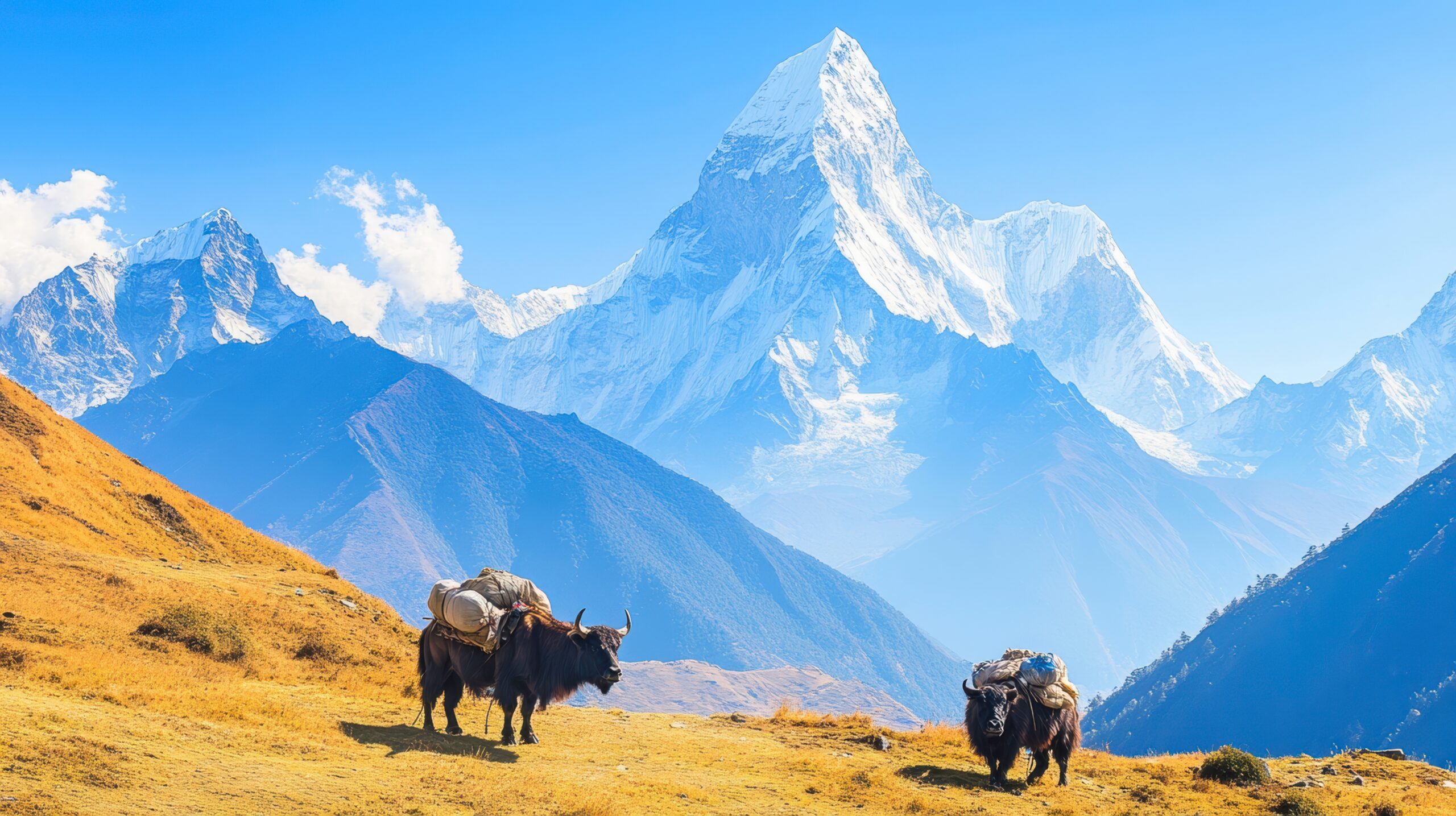
Your Duffel May Spend More Time on an Animal or Porter’s Load Than on Your Shoulder.
That is why reinforced handles, simple shapes, abrasion-resistant fabric and secure closures matter more than suitcase-style convenience.
Porters, Yaks, Mules, Sleds & Trucks
The same bag can experience completely different handling depending on the expedition.
Keep Loads Manageable
A huge bag encourages overpacking. Follow local operator weight and porter-load limits.
Simple Shapes Lash Better
Soft traditional duffels are easier to pair and secure than rigid rolling luggage.
Protect Against Abrasion
Bags may rub against tack, other loads and rough ground during repeated transfers.
Secure Loose Straps
Stow or remove backpack straps before airline and freight handling when the bag design allows it.
For Everest, the Duffel Is Part of a Multi-Stage Logistics Chain
Everest equipment begins with international travel, then moves through Nepal logistics, trekking stages and ultimately expedition camps. Much of that equipment is not carried in the climber’s daily backpack.
The correct number, size and weight of duffels should come from the operator’s current packing instructions. Large 100L-plus bags are common expedition formats, but that does not create a universal Everest baggage rule.
Label every bag clearly, organize equipment consistently and protect critical insulation and electronics inside the outer duffel.

Think Mule Loads, Base Camp Organization & Bag Weight
Aconcagua’s logistics make rugged expedition duffels particularly useful because climbers typically divide gear between personal carrying systems and support transport during the approach.
That makes bag durability and clear organization more valuable than wheels or rigid suitcase structure.
As with Everest, exact bag weight and number should follow the operator’s current instructions—not a generic online packing rule.
A Duffel Is More Important Than a Huge Backpack
Kilimanjaro is a good example of why duffel and daypack should remain separate product categories.
Main Expedition Duffel
Clothing, sleeping gear and camp equipment not required while walking can travel inside the operator-approved porter duffel.
Smaller Daypack
The climber carries immediate layers, water, food and personal essentials rather than carrying the entire expedition load.
Confirm Limits
Use the operator’s current porter-weight and bag instructions before choosing capacity or packing to maximum volume.
One Giant Duffel vs Two Smaller Duffels
Two smaller bags can sometimes be more useful than one enormous one.
Simpler Tracking
- Fewer bags to lose
- Simple packing system
- Maximum bulky-item flexibility
- Less duplicate bag weight
The downside is that a fully loaded 130–150L bag becomes difficult for almost anyone to move.
Better Load Splitting
- Easier individual handling
- Can separate climbing and camp gear
- More flexible for porter or animal loads
- Some redundancy if one bag is delayed
Only use this strategy when the operator permits the number of bags you intend to bring.
Should an Expedition Duffel Have Wheels?
Wheels are wonderful in airports and nearly irrelevant on a yak.
Wheels Win
Heavy expedition luggage is far easier to move through terminals with a proper rolling system.
Soft Duffels Win
Traditional duffels compress, stack, lash and fit irregular loads better than rigid rolling luggage.
Hardware Costs Pounds
Wheels, frames and telescoping handles consume part of your airline baggage allowance before any climbing gear goes inside.
How to Organize an Expedition Duffel
The best system lets you find a specific layer at night without unpacking 100 liters of gear onto a tent floor.
Use Color-Coded Sacks
Separate base layers, gloves, camp clothing, electronics and personal gear into recognizable modules.
Protect Sleeping Gear
Keep sleeping bags and other critical insulation inside waterproof internal protection.
Label Outside & Inside
Put your name and contact information in more than one place.
Photograph the Contents
A pre-trip record can help with lost-luggage claims and remembering which duffel contains which equipment.

Compare Current Expedition Duffel Bags
Verify capacity, bag weight and operator requirements before purchasing.
Current Expedition & Adventure Duffels
For major mountain expeditions, prioritize rugged 90L-plus designs and confirm that the specific model meets your operator’s packing and load system.
Which Expedition Duffel Should You Choose?
Operator requirements come first. Features come second.
| Your Priority | Capacity Direction | Design Direction | Example |
|---|---|---|---|
| All-around expedition use | 95–100L | Weather-resistant soft duffel | Patagonia Black Hole 100L |
| Maximum traditional durability | 130L+ | Heavy coated expedition duffel | TNF Base Camp XL |
| Lowest bag weight / better carry | ~95L | Light gear hauler + stowaway harness | Osprey Transporter 95 |
| Organization | 100L | Multiple compartments + reinforced shell | Gregory Alpaca 100 |
| Purpose-built expedition bag | 100L | Dedicated expedition construction | Mountain Hardwear Expedition 100 |
| Maximum bulky gear | 140L | Oversized expedition hauler | Mountain Hardwear Expedition 140 |
Expedition Duffel FAQ
What size duffel should I buy for a major expedition?
Roughly 90–120 liters is a useful general expedition range, but the exact answer depends on your operator’s allowed bag count, weight limit and packing list. Some major expeditions may justify larger 130–140L bags.
Is a 100L duffel enough for Everest?
One hundred liters is a common expedition-scale capacity, but there is no universal Everest duffel rule. Follow the exact operator’s baggage instructions and whether multiple duffels are permitted.
Is a duffel the same as an expedition backpack?
No. A duffel primarily transports and stores gear. An expedition pack transfers weight to your body through a fitted suspension, hipbelt and shoulder harness while you move on the mountain.
Should an expedition duffel be waterproof?
Strong weather resistance is valuable, but many expedition duffels are not fully waterproof dry bags. Protect sleeping bags, electronics and critical clothing with internal waterproof protection when needed.
Is 140L too large?
Not always, but it is easy to make a 140L duffel unmanageably heavy. Use that volume when the expedition and operator justify it rather than assuming bigger is automatically better.
Should expedition duffels have backpack straps?
Removable backpack straps are useful for airports, lodges and short transfers. They are not a replacement for the suspension of a true expedition backpack.
Are rolling duffels good for expeditions?
Rolling duffels are excellent in airports but add weight and rigid hardware. Traditional soft duffels usually compress and lash more easily for porter, animal and base-camp logistics.
How do I identify my duffel at base camp?
Use a distinctive color when possible, mark the bag clearly with your name and contact details, and add an internal identification card in case the external tag is damaged or lost.
Related Expedition Packing & Gear Guides
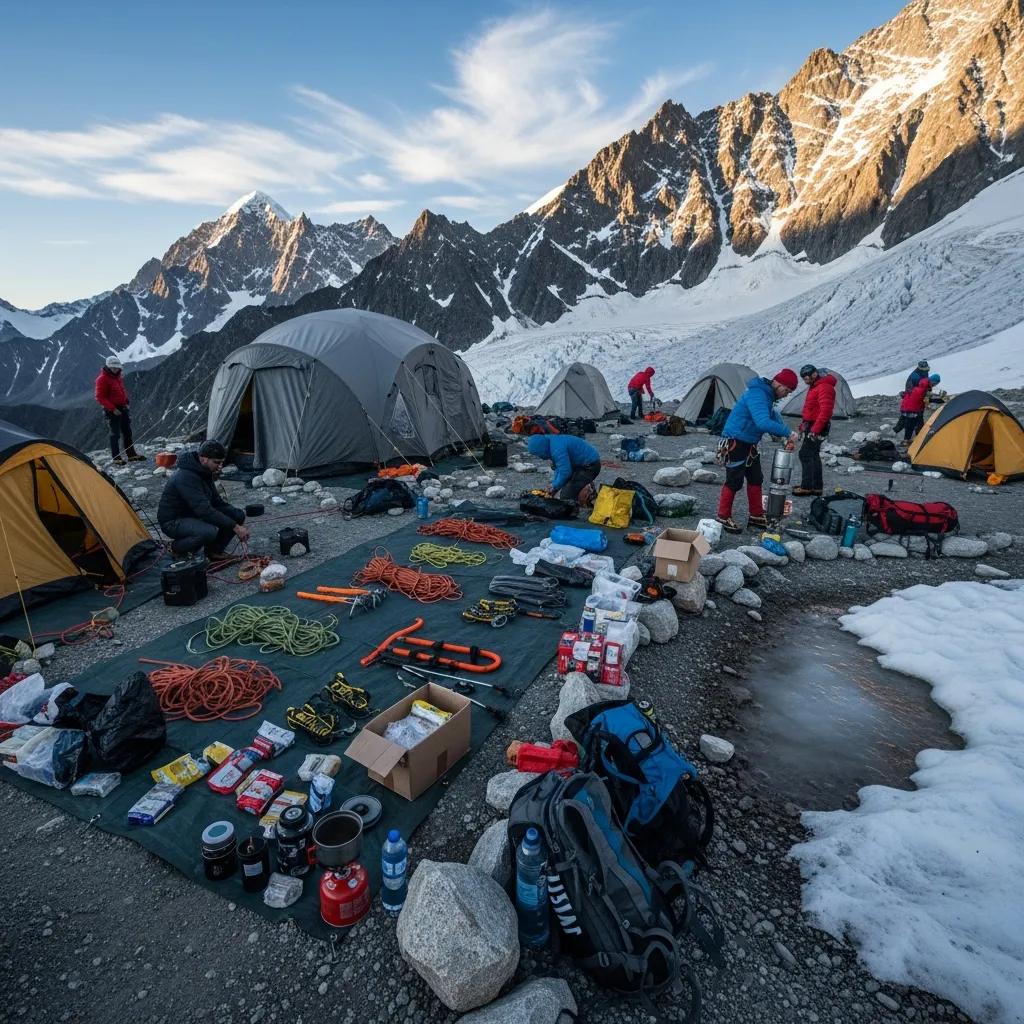
Buy for the Logistics Chain, Not Just the Airport.
A good expedition duffel is easy to load, difficult to destroy, simple to identify and manageable for the people and animals moving it. Choose the size your operator can actually transport—then let the expedition pack do the carrying on your back.
Was this helpful?
Global Summit Guide is an independent mountaineering resource founded in 2026. The team combines first-hand trekking and climbing experience with in-depth research and professional health and nutrition review to help climbers choose objectives, prepare properly, and stay safe.
Health, altitude, and nutrition content is reviewed by Taylor Ludlow (Registered Nurse) and Brigg Hoopes (Nutritionist).
What We Don't Know Yet
Mountain information changes quickly. This box explains the limits of what this page can responsibly promise.
- Gear requirements can change by season, route variation, weather window, personal cold tolerance, and guide-service requirements.
- Visa, passport, vaccination, border, insurance, and local transportation rules may change before your trip.
- Route conditions, snowpack, closures, and weather can change quickly after this page is updated.
- Permit rules, fees, quotas, and reservation windows may change between review cycles.
- Operator availability, pricing, guide ratios, and cancellation terms can change by season.
Verify current conditions with official land managers, guide services, local forecasts, and current route reports before booking or climbing.
Mountaineering, rock and ice climbing, glacier travel, and high-altitude activity are inherently dangerous and can result in serious injury or death. The information on Global Summit Guide is provided for general informational and educational purposes only and is not a substitute for professional instruction, qualified guiding, proper equipment, or your own judgment and experience.
Route conditions, weather, snowpack, permits, regulations, and hazards change constantly and may differ from what is described here. Details may be incomplete, out of date, or contain errors. Always verify current information with local authorities, certified guides, and official sources before making any decision in the mountains.
Nothing on this site is medical, legal, or financial advice. Our fitness, acclimatization, altitude, and nutrition content is general in nature; consult a qualified physician before beginning any strenuous exercise program or exposing yourself to high altitude.
You are solely responsible for your own safety and decisions. To the fullest extent permitted by law, Global Summit Guide and its team accept no liability for any loss, injury, damage, or expense arising from use of, or reliance on, this information. By using this site you acknowledge these risks and accept these terms.
Some links on this site may be affiliate links. If you buy through them we may earn a small commission at no extra cost to you; this never affects our recommendations.
Global Summit Guide recommendation path
Next Best Mountain to Research
Use these recommendations to continue the right planning path instead of stopping on one page.
Use current permit, weather, route, and operator information before booking or climbing.