
Last updated October 3, 2026
Best Hiking Socks: Merino, Cushion & Blister Guide
Hiking socks are cheap compared with boots, but they are part of the same fit system. A thick sock can make a well-fitted boot too tight. A loose sock can wrinkle and rub. A soaked sock can soften skin and increase friction. The right pair matches your footwear volume, temperatures, mileage and how much cushioning your feet actually prefer.
Preserve shoe volume and dry quickly.
Add comfort without making the boot too tight.
Add warmth only if the footwear still has adequate room.
A specialized option for hikers prone to interdigital rubbing.
Start With Footwear Fit—Then Choose Sock Weight.
For most day hikers and backpackers, a merino-blend or synthetic hiking sock in lightweight or midweight construction is the most versatile choice. The sock should stay in place, manage moisture and provide cushioning without stealing so much internal volume that toes become compressed.
Lightweight socks work particularly well with trail runners, warm conditions and hikers who already have cushioned footwear. Midweight socks are a classic match for hiking boots and long backpacking days. Heavy socks are primarily useful for colder conditions and roomy footwear—not as a universal upgrade.
If blister problems occur between the toes, toe socks or a liner system may be worth testing. But socks are only one part of blister management. Boot fit, moisture, foot shape, terrain and mileage all matter.
Which Hiking Sock Type Fits Your Trip?
Sock weight should match footwear volume, temperature and expected mileage—not just personal preference for “thick” or “thin.”
| Sock Type | Warmth | Drying | Footwear | Best Use | Main Watchout |
|---|---|---|---|---|---|
| Light merino | Low–moderate | Good | Trail runners / hiking shoes | Warm hiking, long mileage | Less padding in rigid boots |
| Midweight merino | Moderate | Good | Hiking boots | All-season hiking / backpacking | Can crowd tight footwear |
| Heavy / maximum cushion | High | Slower | Roomy winter boots | Cold hiking / mountaineering | Too bulky for many shoes |
| Synthetic trail sock | Low–moderate | Very good | Trail runners | Heat, running, wet climates | Odor control varies |
| Toe sock | Varies | Good | Trail shoes / boots | Toe friction issues | Different feel and sizing |
| Liner + outer sock | Moderate | Varies | Roomier boots | Traditional blister-management system | Requires enough boot volume |
Merino vs Synthetic Hiking Socks
Both work. The important differences are moisture behavior, drying speed, odor control, durability and feel.
Merino Wool
Merino is popular because it regulates temperature well, remains comfortable across varied conditions and generally controls odor better than many pure synthetics.
Most technical hiking socks blend merino with nylon or similar fibers to improve durability and stretch.
Synthetic
Synthetic socks can dry quickly and work extremely well in warm, humid or repeatedly wet conditions. Trail runners often favor thin synthetic constructions because footwear itself is designed to drain and dry quickly.
Cotton for Serious Trail Use
Cotton absorbs considerable moisture and dries slowly compared with technical wool and synthetic systems. For long, wet or cold hikes, choose fibers intended for active moisture management instead.
More Cushion Is Not Automatically Better
Cushion changes warmth, shoe volume and how much material sits between the foot and footwear.
Maximum Shoe Feel
Useful as a liner or in footwear already providing plenty of cushioning.
Trail Runner Sweet Spot
Adds some underfoot comfort while preserving shoe space and breathability.
Classic Hiking Boot Match
More padding and warmth for long hiking days without moving into full winter-sock bulk.
Cold & Roomy Footwear
Best when warmth is needed and the boot was fitted with enough volume for the thicker sock.
Match the Sock to the Boot or Trail Runner
Socks occupy real space. A hiking boot fitted perfectly with a light sock can feel completely different when paired with thick full cushion.
For hiking boots, choose the sock thickness you expect to use before finalizing footwear fit. Your toes should still move freely and the heel should remain controlled without excessive compression.
Trail runners typically have more underfoot cushioning already, so many hikers prefer lighter socks that breathe and dry faster. The shorter footwear also makes quarter, mini-crew and micro-crew heights practical.
Mountaineering boots introduce colder temperatures, stiffer shells and more specialized fit. Those pages should therefore link here for sock principles while retaining objective-specific boot guidance.
Good Socks Help With Blisters—but They Are Not the Whole Answer
A hiking sock can reduce several common contributors to friction while still failing to rescue badly fitted footwear.
No Wrinkles
A performance sock should stay in place rather than bunch under the arch or slide at the heel.
Keep Skin Drier
Wool and synthetic technical fibers move moisture more effectively than absorbent everyday cotton socks.
Protect High-Rub Areas
Cushion and smooth toe seams can reduce irritation where footwear and skin repeatedly interact.
Consider Toe Socks
Hikers whose toes rub against one another may benefit from individual toe sleeves or a liner system.
Six Hiking Socks Worth Comparing
These represent six different jobs rather than six nearly identical merino crew socks.
Darn Tough Light Hiker Micro Crew
A lightweight merino-blend hiking sock designed to pair cleanly with hiking shoes and trail runners.
- Lightweight construction
- Underfoot / Achilles cushioning
- Micro-crew height
- Merino-blend fabric
Darn Tough Hiker Micro Crew Cushion
A current midweight hiking sock with merino content and cushioning designed for boots, backpacking footwear and long mileage.
- Midweight
- Cushioned footbed
- Micro-crew boot coverage
- Designed for hiking and backpacking
Smartwool Hike Light Cushion
Smartwool’s current hiking collection includes light-cushion models designed to add footbed comfort without full-cushion bulk.
- Merino-based construction
- Light cushioning
- Several heights available
- Trail-friendly fit systems
Smartwool Mountaineer
The current Smartwool hiking lineup still includes Mountaineer maximum-cushion models for hikers who need substantially more warmth and padding.
Injinji Trail Midweight Mini-Crew
The individual-toe design separates toes and is specifically intended to reduce skin-on-skin rubbing while managing moisture.
- Individual toe sleeves
- Midweight cushioning
- Trail debris coverage
- Designed for hiking and trail running
Feetures Trail Max Cushion Mini Crew
A synthetic trail sock with substantial cushioning and a mini-crew cuff aimed at hiking, running and debris protection.
- Max cushion
- Synthetic moisture-wicking fibers
- Mini-crew trail coverage
- Secure heel / cuff design

The Sock Should Disappear Once You Start Walking.
Good hiking socks stay put, manage moisture and work with your footwear well enough that you stop thinking about them after the first mile.
Hiking Socks for Backpacking & Thru-Hiking
Long-distance hikers care about durability, drying speed and repeat wear more than most day hikers ever need to.
Carry More Than One Trail Pair
Rotating socks gives wet pairs time to dry and reduces the number of consecutive days one pair remains saturated with sweat and trail grime.
Protect One Dry Pair
Many backpackers keep a dedicated dry pair for camp or sleeping, especially in wet conditions.
Inspect Heels & Toes
Long mileage concentrates wear around the heel, ball of the foot and toe box. Rotate pairs before fabric becomes paper-thin.
For a Camino, Favor Repeatable Comfort Over Maximum Cushion
Camino days may involve less technical terrain than mountain backpacking, but the repeated mileage makes footwear comfort and moisture management just as important.
Lightweight and midweight merino-blend socks work well for many pilgrims because they can be rotated, washed and dried repeatedly. Pair the sock with the actual shoe or boot you plan to walk in rather than treating the packing list as an independent decision.
Pack enough rotation for your laundry rhythm without carrying a drawer full of socks across Spain.
Winter Hiking & Mountaineering Socks
The cold-weather rule is not “put on the thickest sock.” It is “use the warmest sock that still fits correctly inside the footwear.”
Increase Wool & Cushion
Heavier socks can add useful warmth and cushioning when the boot has sufficient internal volume.
Preserve Toe Room
Toes should not be tightly compressed. A sock system that makes the footwear too tight can undermine the reason you chose thicker socks.
Follow the Boot System
Double boots, expedition boots and high-altitude systems may have objective-specific sock strategies. Use the route and boot guide for those details.
Wash, Dry & Rotate Them Properly
Hiking socks live a harder life than most clothing: sweat, grit, repeated compression and constant abrasion.
Follow the Label
Merino blends and synthetics differ, so use the manufacturer’s care instructions for the exact pair.
Avoid Needless Heat
High heat can be hard on elastic and technical fibers. Use the care guidance supplied with the sock.
Air Them Out
Remove damp socks at camp and let them dry rather than trapping them inside wet footwear overnight.
Watch Thin Spots
Once cushioning disappears at the heel or forefoot, the sock may no longer perform the way it did when new.
Compare Current Hiking Socks
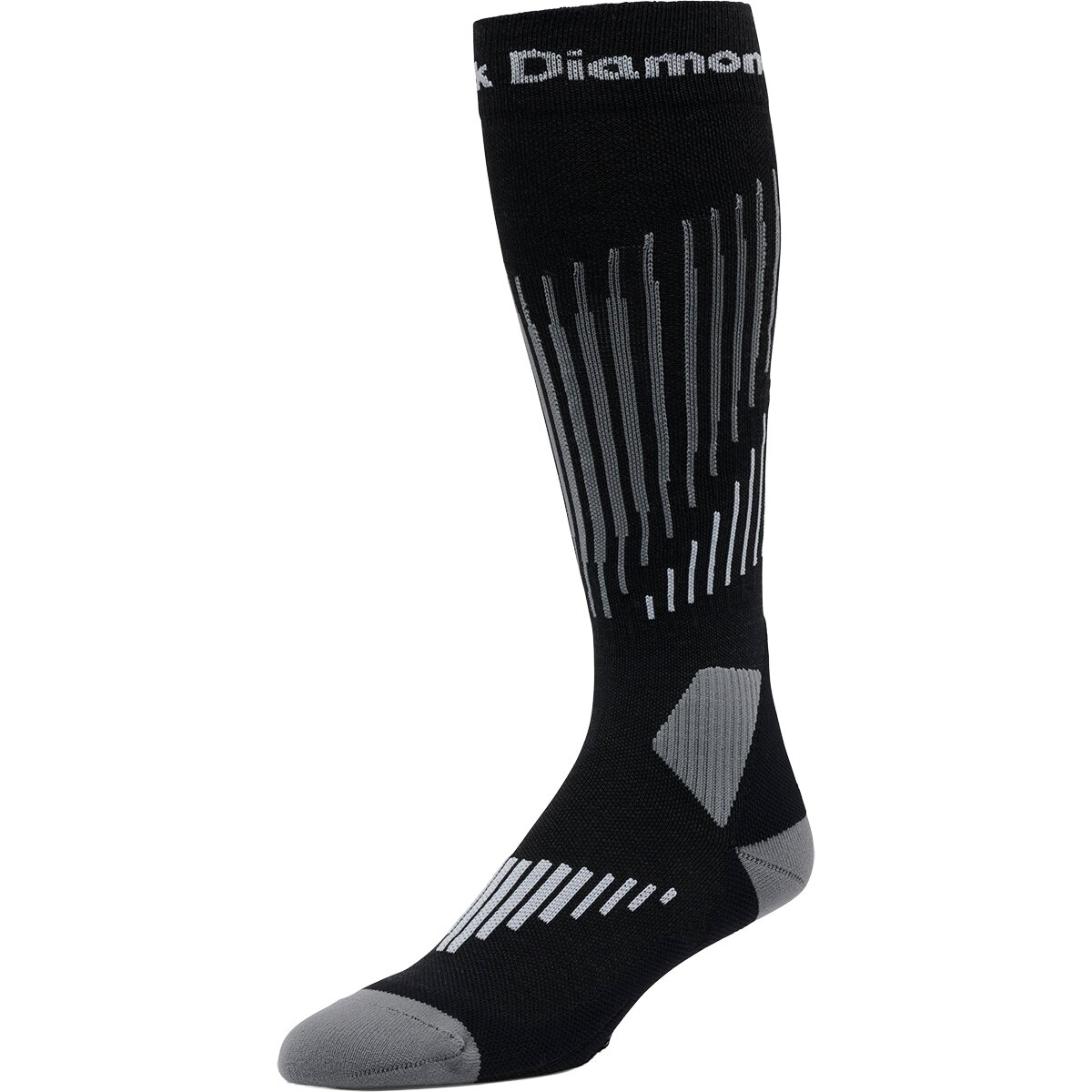
Match cushion, height and fabric to your actual footwear before choosing among current inventory.
Current Hiking Sock Picks
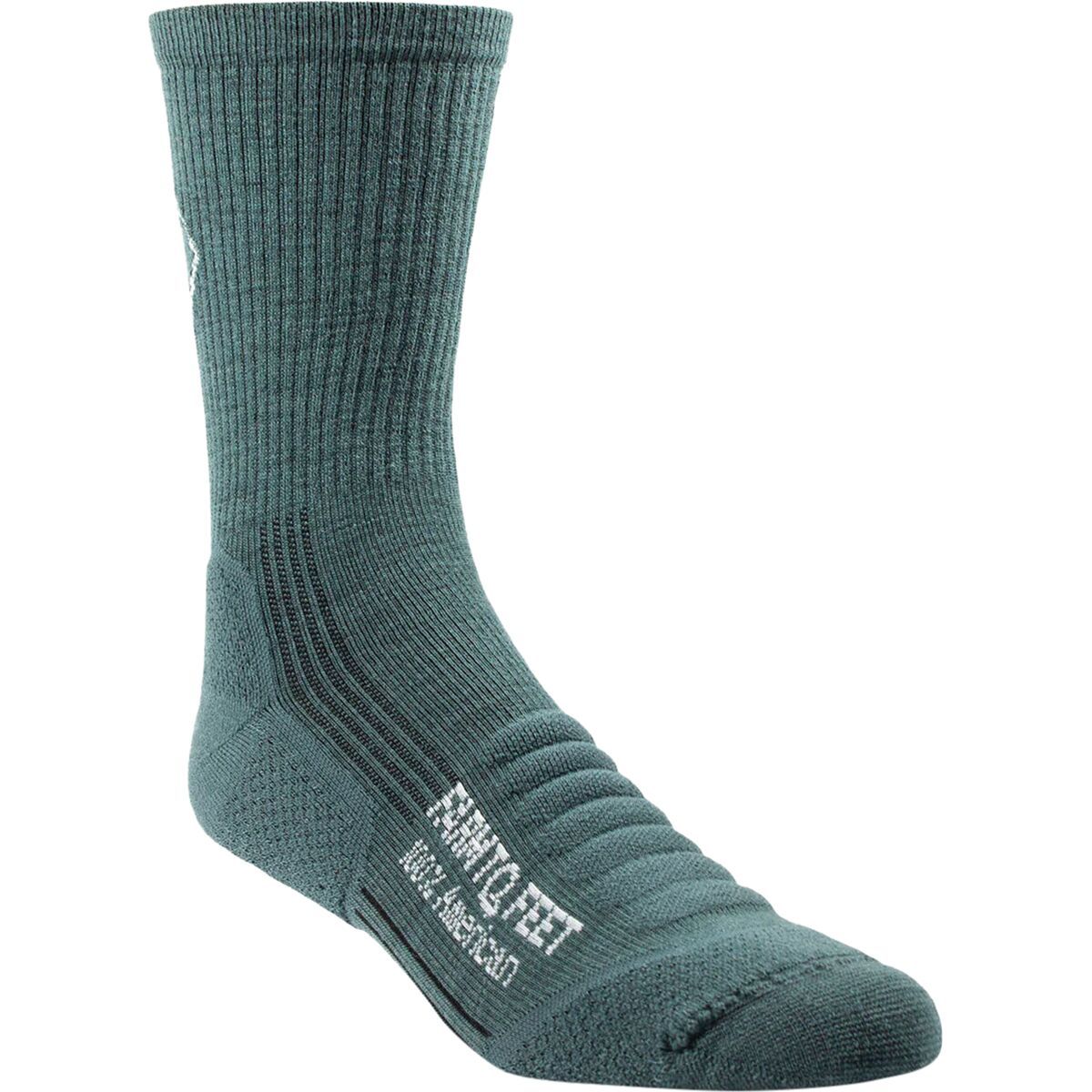

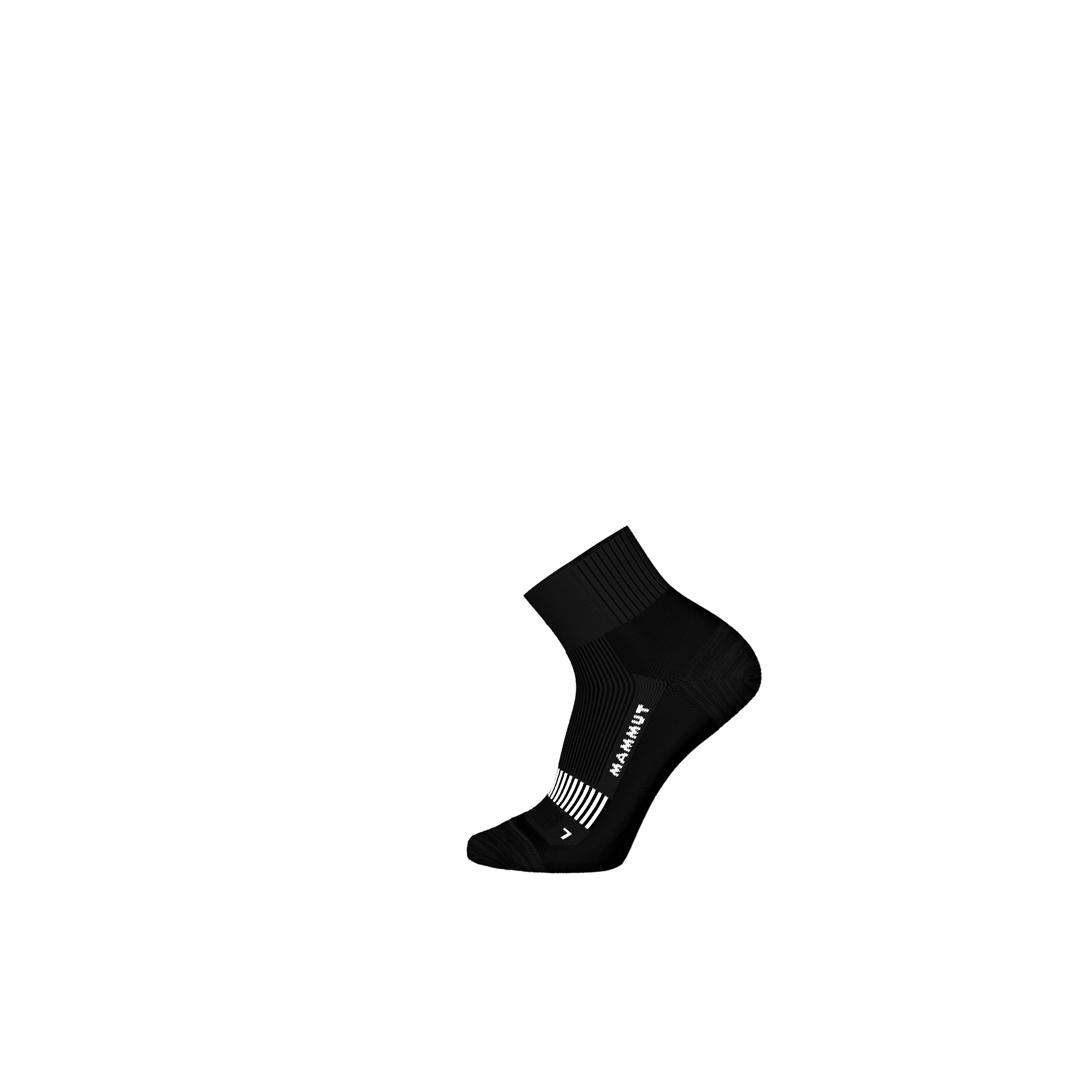


We may earn a commission if you buy through these links, at no extra cost to you. Affiliate disclosure
Which Hiking Sock Should You Start With?
Choose the category first. Brand comes second.
| Your Use | Start With | Why | Example Direction |
|---|---|---|---|
| Trail runners | Light cushion | Low bulk + faster drying | Darn Tough Light Hiker / Smartwool Hike Light |
| Hiking boots | Light–midweight merino | Balanced cushioning and warmth | Darn Tough Hiker Micro Crew |
| Long-distance hiking | Durable light / midweight | Repeat wear + easier drying | Darn Tough / Smartwool |
| Toe blisters | Toe sock / liner test | Separates rubbing toes | Injinji Trail |
| Maximum synthetic cushion | Technical synthetic trail sock | Fast drying + substantial padding | Feetures Trail Max Cushion |
| Cold hiking | Heavy merino if boot volume allows | More warmth | Smartwool Mountaineer |
Hiking Sock FAQ
Are merino wool socks best for hiking?
Merino blends are among the most versatile hiking choices because they regulate temperature, manage moisture and generally control odor well. Synthetic hiking socks can be excellent too, especially when rapid drying is a priority.
How thick should hiking socks be?
Choose thickness based on footwear volume, weather and desired cushioning. Trail runners often pair well with lightweight socks, while hiking boots commonly work with light or midweight cushion.
Do thicker socks stop blisters?
Not necessarily. Thicker socks may add padding but can also make footwear tighter. Blisters are influenced by fit, friction, moisture, heat, mileage and individual foot shape.
What socks should I wear with trail runners?
Lightweight or light-cushion merino or synthetic socks are a common starting point because trail runners already provide substantial underfoot cushioning and benefit from faster drying.
Are toe socks good for hiking?
They can be useful for hikers whose toes rub against one another. Injinji’s current trail line is specifically designed around individual toe sleeves, moisture movement and trail cushioning.
How many pairs should I bring backpacking?
Many hikers rotate two trail pairs and reserve one dry pair for camp, but trip length, weather, washing opportunities and personal preference determine the right number.
Should hiking socks come above the boot?
Yes. The cuff should generally extend above the highest part of the footwear that contacts the leg so the boot collar is not rubbing directly against skin.
Can I wear two pairs of socks?
A thin liner beneath an outer hiking sock is a traditional system and still works for some hikers. Make sure the extra material does not make the footwear excessively tight.
Related Footwear & Long-Distance Guides
Fit the Sock and the Footwear Together.
Merino versus synthetic matters. Cushion level matters. But neither matters as much as a sock that stays in place, manages moisture and leaves the boot or trail runner fitting the way it was supposed to fit.
Was this helpful?
Global Summit Guide is an independent mountaineering resource founded in 2026. The team combines first-hand trekking and climbing experience with in-depth research and professional health and nutrition review to help climbers choose objectives, prepare properly, and stay safe.
Health, altitude, and nutrition content is reviewed by Taylor Ludlow (Registered Nurse) and Brigg Hoopes (Nutritionist).
What We Don't Know Yet
Mountain information changes quickly. This box explains the limits of what this page can responsibly promise.
- Visa, passport, vaccination, border, insurance, and local transportation rules may change before your trip.
- Route conditions, snowpack, closures, and weather can change quickly after this page is updated.
- Permit rules, fees, quotas, and reservation windows may change between review cycles.
- Operator availability, pricing, guide ratios, and cancellation terms can change by season.
- Your fitness, altitude response, risk tolerance, and experience level may change what is safe or realistic.
Verify current conditions with official land managers, guide services, local forecasts, and current route reports before booking or climbing.
Mountaineering, rock and ice climbing, glacier travel, and high-altitude activity are inherently dangerous and can result in serious injury or death. The information on Global Summit Guide is provided for general informational and educational purposes only and is not a substitute for professional instruction, qualified guiding, proper equipment, or your own judgment and experience.
Route conditions, weather, snowpack, permits, regulations, and hazards change constantly and may differ from what is described here. Details may be incomplete, out of date, or contain errors. Always verify current information with local authorities, certified guides, and official sources before making any decision in the mountains.
Nothing on this site is medical, legal, or financial advice. Our fitness, acclimatization, altitude, and nutrition content is general in nature; consult a qualified physician before beginning any strenuous exercise program or exposing yourself to high altitude.
You are solely responsible for your own safety and decisions. To the fullest extent permitted by law, Global Summit Guide and its team accept no liability for any loss, injury, damage, or expense arising from use of, or reliance on, this information. By using this site you acknowledge these risks and accept these terms.
Some links on this site may be affiliate links. If you buy through them we may earn a small commission at no extra cost to you; this never affects our recommendations.
Global Summit Guide recommendation path
Next Best Mountain to Research
Use these recommendations to continue the right planning path instead of stopping on one page.
Use current permit, weather, route, and operator information before booking or climbing.