web analytics

Tag: high altitude insurance

  • Mountain Climbing Insurance: Which Coverage Do You Need?

    Climbers on a snow-covered mountain illustrating rescue and evacuation insurance decisions
    Altitude · activity · rescue · evacuation · exclusions

    Mountain Climbing Insurance Decision Framework: Choose Coverage by Altitude & Activity

    Choose the coverage specification before you compare providers. The right policy is the one that explicitly covers your highest altitude, your actual activity, your guide/route style, search-and-rescue needs and medical evacuation—not simply the policy with the biggest headline medical limit.

    Decision firstNo provider ranking herePolicy wording mattersVerify in writing
    5 questionsBefore you buy
    1 highest pointAltitude to insure
    2 benefitsRescue + evacuation
    Exact activityNot generic “adventure”
    Written proofFor ambiguous clauses
    The direct answer

    What Mountain Climbing Insurance Do You Need?

    You need a policy that covers the highest altitude on the itinerary, the exact activity you will perform, search-and-rescue where applicable, medical evacuation, and any guide/route/technical-equipment conditions.

    Do not start with a provider name. Start with the trip specification. Once you know what must be covered, compare policies that meet it.

    AltitudeUse the maximum
    ActivityMatch exact wording
    RescueRead its own limit
    EvacuationSeparate benefit
    GuideCheck conditions
    ProofGet it in writing
    Start here

    Coverage Matrix by Mountain Objective

    These are decision categories, not universal insurer altitude bands.

    Your objectiveCoverage to verify firstMain trap
    Day hiking / trekkingActivity inclusion + medical + evacuationAssuming “hiking” automatically covers remote trekking
    High-altitude trekkingMaximum altitude + evacuation + guide requirementsBuying cover only to sleeping altitude instead of highest pass/peak
    Non-technical mountaineeringMountaineering definition + crampons/axe + glacier travelPolicy covers trekking but excludes mountaineering equipment
    Technical alpine climbingRopes + climbing grade + rock/ice + guide/route conditions“Climbing” is covered only below a technical-grade threshold
    6,000–7,000 m expeditionHigh-altitude mountaineering + SAR + evacuation + expedition activityMedical limit is high but rescue or altitude limit is not
    7,000–8,000+ m expeditionExplicit expedition approval for mountain, route and altitudeAssuming any generic adventure rider extends to extreme altitude
    Important: altitude thresholds vary by insurer. Some specialist policies use named routes and explicit altitude caps rather than one universal “mountaineering” category. Read the exact certificate for your policy.
    Five questions

    The Fastest Way to Determine What You Need

    1

    How high will you actually go?

    Use the highest summit, pass, camp or route point—not average altitude.

    2

    What activity does the policy call it?

    Trekking, mountaineering, glacier travel, rock climbing and ice climbing may be different contract categories.

    3

    Is rescue covered?

    Look specifically for search and rescue or mountain rescue and its own sublimit.

    4

    What conditions apply?

    Guide, recognized route, solo travel, technical grade and equipment can change eligibility.

    5

    Can the insurer confirm the itinerary?

    When wording is ambiguous, ask for written confirmation naming the mountain, route, altitude and activity.

    Decision 1

    Altitude: Insure the Highest Point, Not the Average

    A policy may cover one activity only up to a specified altitude, or may apply different activity tiers at different elevations. The practical rule is simple: your maximum planned elevation needs to sit inside the policy’s covered range.

    This matters even for trips that spend most nights much lower. A trekking itinerary can become ineligible if one pass, summit or side objective exceeds the policy limit.

    Decision 2

    Activity Wording: “Adventure” Is Not Specific Enough

    Your trip includesWords to look for
    Established trekking trailTrekking / hiking at the required altitude
    Glacier travelGlacier travel / mountaineering / roped travel
    Crampons or ice axeMountaineering equipment explicitly allowed
    Roped rock climbingRock climbing / technical climbing and any grade limits
    Technical iceIce climbing and any grade restrictions
    Remote expeditionExpedition / remote mountaineering / named objective approval

    One current specialist mountaineering policy, for example, covers only named peaks/routes up to 6,500 m and excludes climbing above a stated technical grade. That illustrates why “mountaineering covered” is not enough by itself. citeturn584324search0

    Decision 3

    Search & Rescue Is Not Always the Same as Medical Evacuation

    Some policies distinguish the operation that finds and extracts you from mountain terrain from the medical transport that moves you after rescue to appropriate care. Those can have different limits, definitions and approval procedures. citeturn584324search1turn584324search5

    BenefitWhat it may meanWhat to verify
    Search & rescueLocating / reaching / extracting you from terrainNamed benefit, limit, technical extraction and helicopter wording
    Medical evacuationTransport after medical need is establishedLimit, destination rules, assistance approval
    RepatriationReturn home after stabilization or covered eventEligibility and transport conditions
    Do not arrange a non-emergency evacuation on your own unless the policy allows it. Some policies require coordination or pre-approval through a 24/7 assistance center. citeturn584324search0turn584324search7
    Decision 4

    Exclusions That Can Defeat Otherwise Good Coverage

    Altitude

    Hard ceiling

    Your route exceeds the activity’s covered elevation.

    Technicality

    Grade limit

    The route is harder than the policy’s permitted climbing grade.

    Guide

    Licensed-guide requirement

    The policy may cover the route only with a qualified guide/operator.

    Route

    Recognized route only

    Variants, new routes or exploratory lines may be excluded.

    Solo

    Independent travel

    Some policies exclude solo climbing or trekking at certain tiers.

    Procedure

    Assistance-center approval

    A covered benefit may still require specified contact and coordination steps.

    Decision 5

    What to Ask the Insurer in Writing

    Send one precise question

    “Please confirm that this policy covers me while climbing [mountain] via [route], reaching [maximum altitude], using [ropes / crampons / glacier travel / technical climbing], with [guided / unguided] travel, including applicable search-and-rescue and medical evacuation benefits.”

    Keep the reply

    Save the policy certificate, activity schedule, exclusions, benefit table and written response together. A marketing page is not the contract.

    Pre-purchase checklist

    Mountain Insurance Verification Checklist

    CheckWhat you need to confirm
    Maximum altitudeHighest point is within covered limit
    ActivityExact trekking / mountaineering / climbing activity is included
    Technical equipmentRopes, crampons, ice axe and glacier travel are not excluded where relevant
    Search & rescueNamed benefit and actual sublimit
    Medical evacuationSeparate limit and coordination procedure
    Guide requirementYour guided/independent arrangement satisfies policy terms
    Route restrictionRecognized route / technical-grade restrictions understood
    Solo restrictionSolo travel allowed if applicable
    Pre-existing conditionsRelevant medical declaration and waiver rules completed
    Trip cancellationNon-refundable expedition costs considered separately
    Written confirmationAmbiguous itinerary questions answered before purchase
    Methodology

    How This Framework Is Designed

    What we prioritize

    • Exact activity eligibility before benefit size.
    • Maximum altitude rather than average itinerary altitude.
    • Search-and-rescue and medical evacuation as separate questions.
    • Guide, route, solo and technical-grade restrictions.
    • Written confirmation when policy wording is ambiguous.

    What we intentionally avoid here

    • Declaring one provider universally “best.”
    • Hard-coding rapidly changing premiums.
    • Using one altitude threshold for every insurer.
    • Promising that a helicopter can reach every mountain location.
    • Guaranteeing that any claim will be paid.
    Safety reality: insurance does not create rescue capability. On Denali, for example, the National Park Service warns that wind, visibility, altitude and terrain can make timely rescue impossible and stresses self-sufficiency and self-rescue planning. citeturn584324search6
    FAQ

    Mountain Climbing Insurance FAQ

    Does regular travel insurance cover mountain climbing?

    Sometimes for lower-risk hiking, but many policies restrict mountaineering, glacier travel, technical climbing or altitude. Read the actual activity schedule.

    What altitude limit do I need?

    Enough to cover the highest point on your itinerary—not just the average or sleeping altitude.

    Is helicopter evacuation the same as search and rescue?

    Not always. Some policies separate rescue/extraction from medical evacuation and apply different limits.

    Do ropes or crampons affect coverage?

    They can. Some policies use equipment, activity type or climbing grade to define technical mountaineering.

    Does having a guide guarantee coverage?

    No. A guide may be required, but other restrictions can still apply.

    Should I use my operator’s recommended policy?

    It can be a useful starting point, but still verify altitude, activity, rescue and evacuation terms yourself.

    What should I ask before buying?

    Ask the insurer to confirm your exact mountain, route, maximum altitude, technical activity and rescue/evacuation coverage in writing.

    Where do I compare providers?

    Use the separate Global Summit Guide mountain climbing insurance master guide after completing this framework.

    The insurance rule

    Define the Risk First. Compare Providers Second.

    Altitude, activity, rescue, evacuation and exclusions determine whether a policy fits the climb. Build that specification first, then shop only among policies that meet it.

    Was this helpful?

    Yes
    No
    Thanks for your feedback!
  • Mountain Climbing Insurance 2026: What You Actually Need

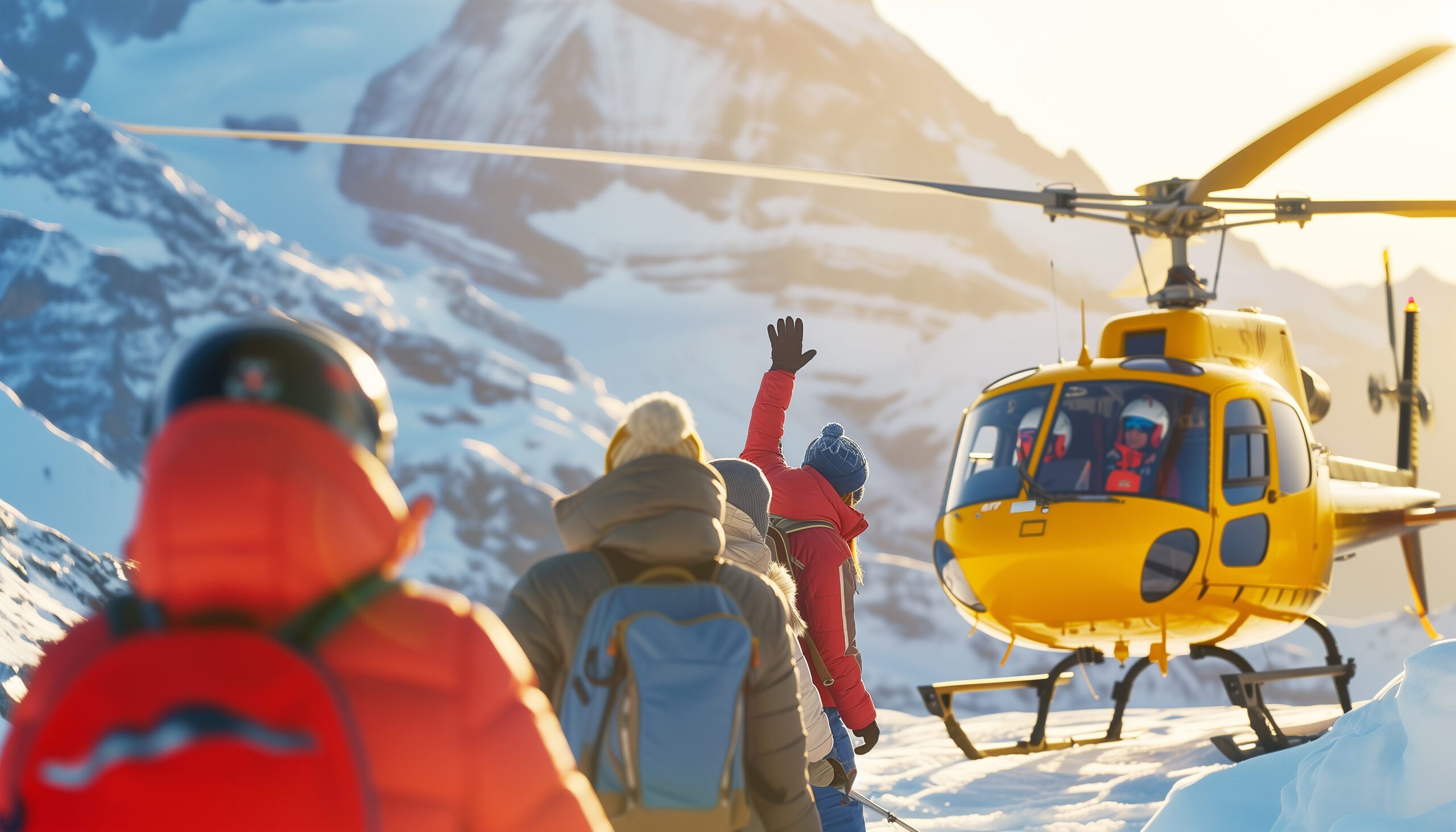
    Mountain rescue helicopter operating near climbers in high alpine terrain
    Rescue · medical · altitude · activity · cancellation

    Mountain Climbing Insurance: Coverage, Rescue & 6 Providers Compared

    The right climbing insurance is not the policy with the biggest headline number. It is the policy or rescue program whose actual wording covers your mountain, maximum altitude, technical activity, rescue scenario and medical needs.

    6 Providers compared
    5 Questions before buying
    2 Rescue + evacuation
    6,000 m+ Separate specialist guide
    Written Confirmation matters
    Sep 2026 Provider check
    Important: This is general educational information, not personalized insurance, legal or financial advice. Provider marketing pages are not the contract. Your quote, certificate, policy wording, residence, medical history, activity definitions and exclusions control coverage.
    The direct answer

    Define the climb first. Compare insurance second.

    Start with the highest point on your itinerary, the exact activity you will perform, whether ropes, crampons, glacier travel or technical climbing are involved, and the type of rescue that may be required. Then compare only policies or memberships that explicitly fit that specification.

    • Altitude: insure the highest point, not sleeping altitude.
    • Activity: trekking is not automatically mountaineering.
    • Rescue: search and rescue may have its own limit.
    • Evacuation: medical transport can be a separate benefit.
    • Procedure: many services expect coordination before evacuation.
    • Proof: save written confirmation for ambiguous routes.
    Coverage-fit matrix

    Match the Policy to the Mountain Objective

    These are decision categories, not universal insurer altitude bands. Every provider can define the same activity differently.

    Your objectiveVerify firstCommon failure pointExamples
    Day hiking / trekkingMedical treatment, evacuation, remotenessAssuming every backcountry extraction is includedNational parks, hut walks, nontechnical summits
    High-altitude trekkingMaximum altitude and evacuationBuying only to sleeping altitudeKilimanjaro, high passes, trekking peaks
    Nontechnical mountaineeringCrampons, axe, glacier travelPolicy covers trekking but excludes mountaineering equipmentRainier-style glacier objectives
    Technical alpine climbingRopes, rock/ice grade, guide requirementsGeneric “climbing” language hides technical exclusionsMatterhorn, technical Alps routes
    6,000–7,000 m expeditionExpedition activity, altitude, SAR and evacuationMedical limit is high but rescue or altitude eligibility failsDenali, Aconcagua, Huascarán
    7,000–8,000 m expeditionNamed mountain, route and explicit extreme-altitude approvalAssuming an adventure rider covers expedition climbingMustagh Ata, 7,000ers, some 8,000 m plans
    Above 8,000 mNamed-expedition approval and rescue realityA benefit exists on paper but actual extraction is impossibleEverest, K2, other 8,000ers

    Crossing 6,000 metres changes the comparison.

    For Denali, Aconcagua, Himalayan trekking peaks and higher expeditions, continue to the dedicated mountaineering insurance above 6,000 m comparison . That page owns the specialist high-altitude provider and residence-specific search intent.

    Before the provider table

    The Five Questions Every Climber Should Answer

    This framework replaces choosing a company first and discovering the exclusions after something goes wrong.

    01 · altitude

    How high will you actually go?

    Include the summit, passes, high camps and acclimatization peaks. Use the highest planned elevation.

    02 · activity

    What does the policy call the climb?

    Hiking, trekking, glacier walking, mountaineering, rock climbing and ice climbing may be separate categories.

    03 · extraction

    Is search and rescue covered?

    Look for a named SAR or mountain-rescue benefit and its own limit, not just emergency medical evacuation.

    04 · conditions

    Do guide, route or grade rules apply?

    Some cover depends on a recognized route, licensed guide, technical grade or whether you are climbing independently.

    05 · evidence

    Will they confirm your itinerary?

    Ask the provider or licensed broker to confirm the mountain, route, altitude and activities in writing where wording is ambiguous.

    The rule

    Marketing does not control a claim.

    Save the actual policy, certificate, exclusions, activity schedule and written responses.

    Six current structures

    Mountain Climbing Insurance & Rescue Providers Compared

    This table intentionally mixes insurance policies and rescue memberships because climbers often confuse the two.

    ProviderProduct typePublished climbing / altitude signalMedical / trip protectionRescue / evacuationKey caution
    American Alpine Club Membership rescue benefit AAC currently says covered outdoor activities include climbing and coverage extends internationally and to all altitudes, subject to stated exclusions. Partner level currently includes up to $5,000 emergency medical expense coverage per incident under benefit terms. Partner currently includes $7,500 rescue benefit. Leader membership adds up to $300,000 medical transport. It is a member benefit, not a complete replacement for travel, trip-cancellation or full health insurance.
    World Nomads USA Travel insurance Current U.S. activity listings show mountaineering/high-altitude climbing to 6,500 m on Explorer and to 8,000 m on Epic. Travel medical, evacuation, cancellation and baggage benefits vary by plan. Emergency assistance and evacuation benefits are subject to the selected plan and authorization procedures. Residence matters. Activity and altitude schedules differ by country and plan.
    Global Rescue Rescue / medical transport membership Current membership terms define travel above 15,000 ft / 4,600 m as high-altitude travel requiring the applicable high-altitude upgrade. Not ordinary travel medical, cancellation or baggage insurance. Field rescue and medical transport are the core product, subject to membership terms. Do not confuse a rescue membership with a comprehensive travel insurance policy.
    Ripcord / Redpoint Adventure travel protection + rescue services Designed for remote and adventure travel. Exact activity, residence and policy eligibility should be confirmed for the named climb. Available plans can include trip cancellation/interruption, primary medical expenses and sporting-goods benefits. Search, rescue and medical evacuation services are central to the Ripcord structure. Pricing and actual insurance wording vary by residence, age, trip and selected benefits.
    Garmin SAR Search-and-rescue insurance Garmin currently describes High Risk for mountain climbing below 5,000 m and High Altitude for activities above 5,000 m. Not a comprehensive travel-medical or trip-cancellation policy. Published SAR plans reimburse eligible search-and-rescue expenses up to $100,000 per person, per incident. Requires the qualifying inReach/SOS structure and an active satellite subscription under plan terms.
    Overwatch x Rescue SOS subscription / rescue coordination Current marketing states no general altitude or activity restrictions and lists an annual price of $79.99. This is not traditional comprehensive travel insurance. Coordinates rescue, evacuation and related emergency support. Read the terms carefully: current plan terms classify mountaineering and climbing above 3,000 m as hazardous sports and can limit the funded benefit to either SAR or medical evacuation in those cases.

    Provider marketing and contract language can say different things.

    Overwatch is a useful example: the public comparison page advertises no altitude or activity restrictions, while its plan terms contain additional rules for hazardous sports such as mountaineering. That is exactly why this page treats the certificate and terms as controlling.

    The most important distinction

    Search & Rescue Is Not the Same as Medical Evacuation

    One benefit may get you off the mountain. Another may transport you after you have reached medical care.

    Search & rescue

    Find and Extract

    Reaching you in mountain terrain, ground rescue, technical extraction or helicopter response where available.

    Medical evacuation

    Move to Appropriate Care

    Medical transport after illness or injury meets the provider’s required trigger and authorization conditions.

    Repatriation

    Return Home

    Transport to your home country or home hospital after stabilization when the plan permits it.

    Insurance cannot make a helicopter fly.

    Weather, aircraft type, altitude, terrain, payload and local rescue infrastructure can make an extraction impossible even when a policy contains a large rescue or evacuation benefit.

    Before departure

    Climbing Insurance Claim-Preparation Checklist

    The best time to understand the authorization and documentation process is before anyone is injured.

    1

    Save the full policy

    Keep the certificate, exclusions, activity schedule and benefit limits offline.

    2

    Document the mountain

    Save the mountain, route, summit altitude, camps and technical equipment used.

    3

    Keep written confirmation

    Preserve insurer or broker responses confirming ambiguous route and activity questions.

    4

    Save the emergency number

    Put the 24/7 assistance contact in your phone, satellite device, expedition documents and operator file.

    5

    Brief the guide

    Tell the operator who coordinates rescue and whether provider authorization should be sought first when circumstances allow.

    6

    Keep receipts and incident records

    Rescue invoices, medical records, transport receipts, timelines and communications can matter later.

    7

    Review pre-existing conditions

    Understand declarations, exclusions and any time-sensitive waiver provisions before purchase.

    8

    Protect the trip cost separately

    Rescue coverage does not automatically protect a $10,000, $30,000 or $80,000 nonrefundable expedition.

    Direct answers

    Mountain Climbing Insurance FAQ

    Does regular travel insurance cover mountain climbing?

    Sometimes for lower-risk hiking or trekking, but technical climbing, glacier travel, mountaineering equipment and altitude are commonly treated as separate activities or exclusions.

    What altitude limit do I need?

    Enough to cover the highest point on the complete itinerary, including summits, passes, camps and acclimatization objectives.

    Is search and rescue the same as medical evacuation?

    Not necessarily. Search and rescue may cover locating and extracting you from mountain terrain, while medical evacuation may begin only after a medical trigger is met.

    Does having a guide guarantee insurance coverage?

    No. A guide can be required by some policies, but altitude, activity, technical grade, route and other exclusions can still affect eligibility.

    What should I ask the insurer before buying?

    Ask them to confirm your mountain, route, maximum altitude, ropes, crampons, glacier or technical climbing, guided or independent status, search-and-rescue benefit and medical evacuation benefit.

    Do I need different insurance above 6,000 metres?

    Often the comparison changes substantially because fewer policies accept expedition mountaineering, glacier travel and technical activity at those elevations. Use the dedicated Global Summit Guide comparison above 6,000 m.

    Continue planning

    Insurance Fits Inside the Complete Expedition Decision

    Insurance does not replace route planning, guide selection, weather judgment or a realistic expedition budget. Use these resources to complete the rest of the decision.

    Was this helpful?

    Yes
    No
    Thanks for your feedback!
Language »