web analytics
GLOBAL SUMMIT GUIDE

Tag: expedition insurance

  • Mountain Climbing Insurance: Which Coverage Do You Need?

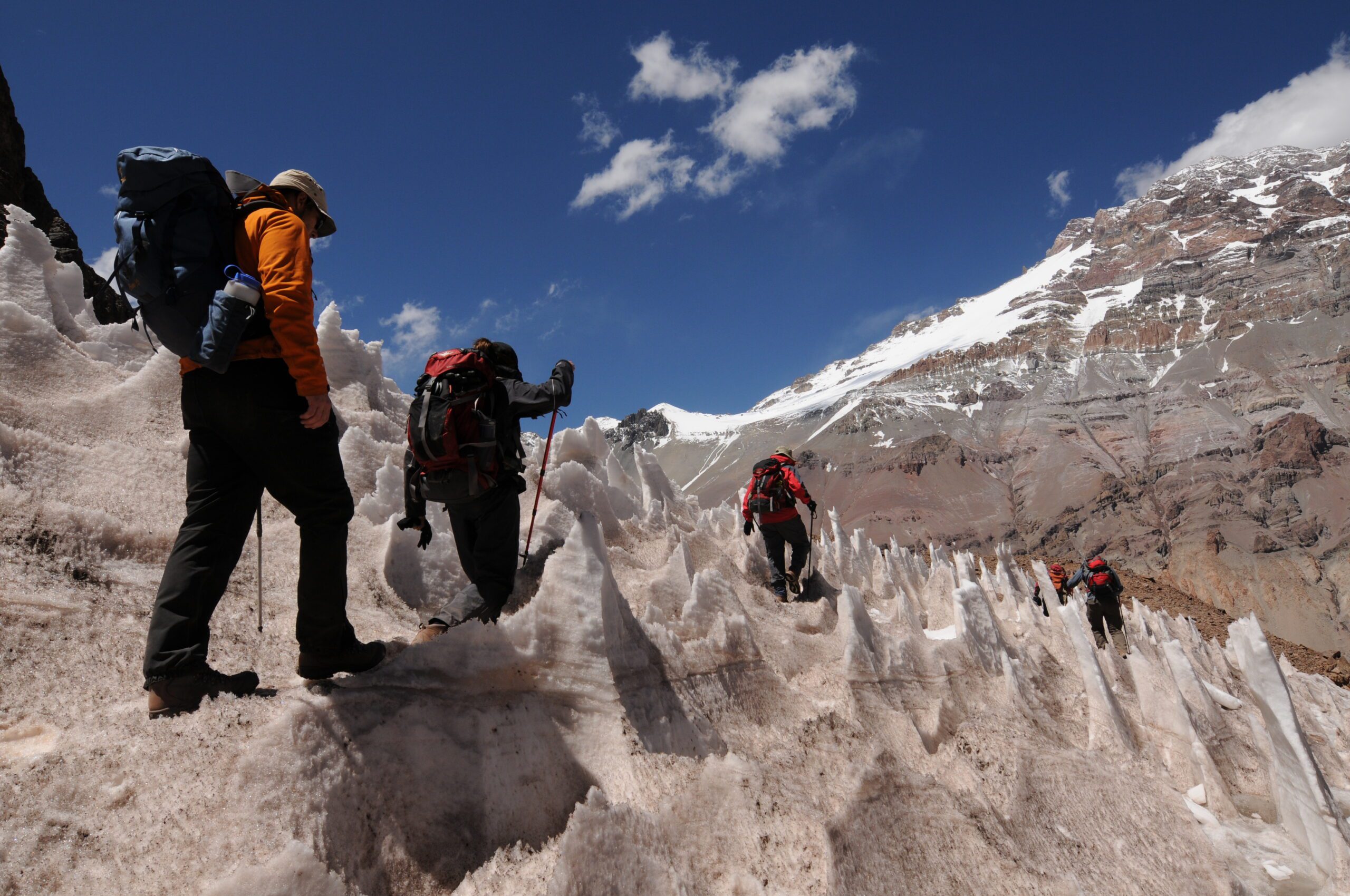
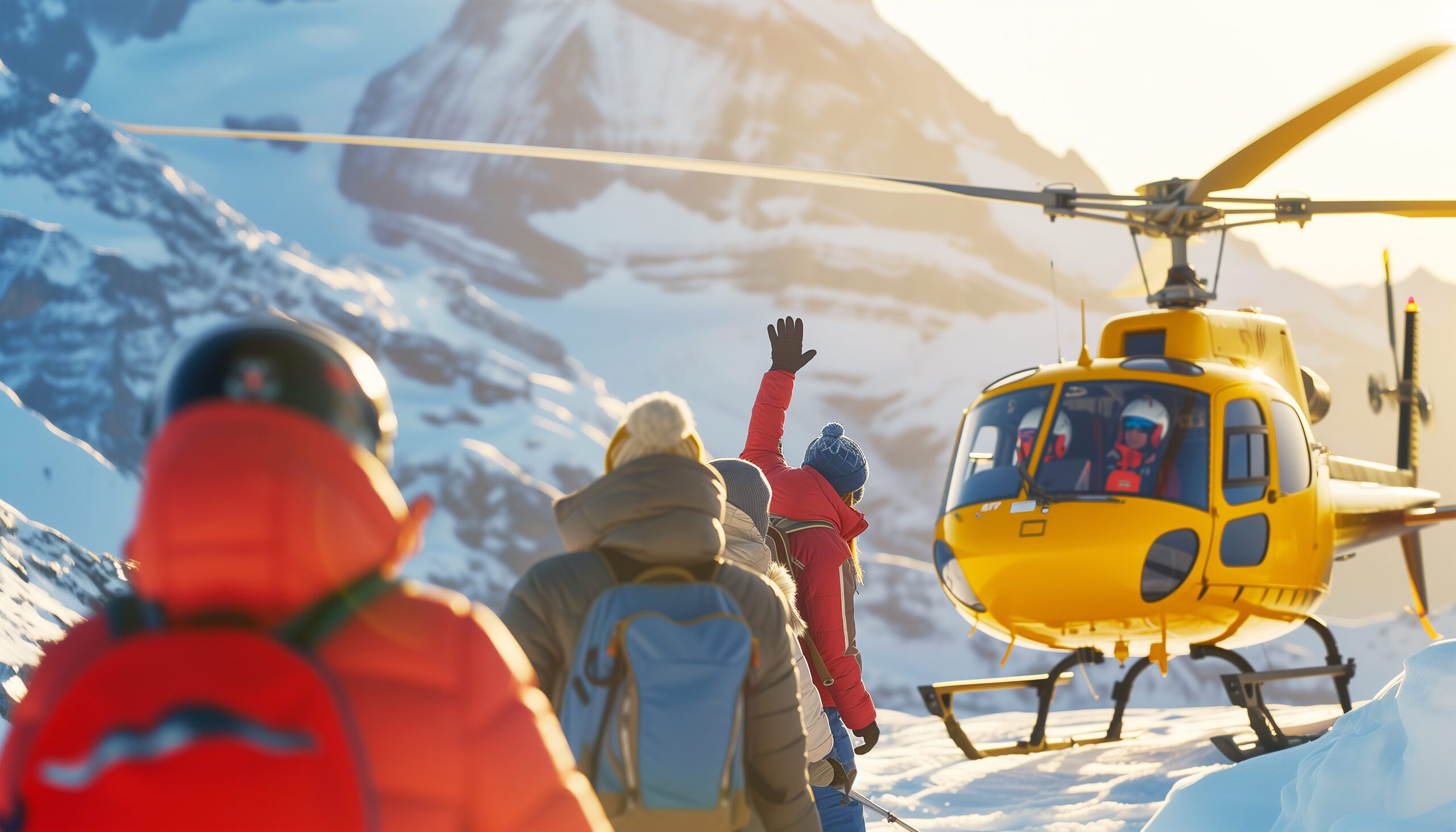
    Climbers on a snow-covered mountain illustrating rescue and evacuation insurance decisions
    Altitude · activity · rescue · evacuation · exclusions

    Mountain Climbing Insurance Decision Framework: Choose Coverage by Altitude & Activity

    Choose the coverage specification before you compare providers. The right policy is the one that explicitly covers your highest altitude, your actual activity, your guide/route style, search-and-rescue needs and medical evacuation—not simply the policy with the biggest headline medical limit.

    Decision firstNo provider ranking herePolicy wording mattersVerify in writing
    5 questionsBefore you buy
    1 highest pointAltitude to insure
    2 benefitsRescue + evacuation
    Exact activityNot generic “adventure”
    Written proofFor ambiguous clauses
    The direct answer

    What Mountain Climbing Insurance Do You Need?

    You need a policy that covers the highest altitude on the itinerary, the exact activity you will perform, search-and-rescue where applicable, medical evacuation, and any guide/route/technical-equipment conditions.

    Do not start with a provider name. Start with the trip specification. Once you know what must be covered, compare policies that meet it.

    AltitudeUse the maximum
    ActivityMatch exact wording
    RescueRead its own limit
    EvacuationSeparate benefit
    GuideCheck conditions
    ProofGet it in writing
    Start here

    Coverage Matrix by Mountain Objective

    These are decision categories, not universal insurer altitude bands.

    Your objectiveCoverage to verify firstMain trap
    Day hiking / trekkingActivity inclusion + medical + evacuationAssuming “hiking” automatically covers remote trekking
    High-altitude trekkingMaximum altitude + evacuation + guide requirementsBuying cover only to sleeping altitude instead of highest pass/peak
    Non-technical mountaineeringMountaineering definition + crampons/axe + glacier travelPolicy covers trekking but excludes mountaineering equipment
    Technical alpine climbingRopes + climbing grade + rock/ice + guide/route conditions“Climbing” is covered only below a technical-grade threshold
    6,000–7,000 m expeditionHigh-altitude mountaineering + SAR + evacuation + expedition activityMedical limit is high but rescue or altitude limit is not
    7,000–8,000+ m expeditionExplicit expedition approval for mountain, route and altitudeAssuming any generic adventure rider extends to extreme altitude
    Important: altitude thresholds vary by insurer. Some specialist policies use named routes and explicit altitude caps rather than one universal “mountaineering” category. Read the exact certificate for your policy.
    Five questions

    The Fastest Way to Determine What You Need

    1

    How high will you actually go?

    Use the highest summit, pass, camp or route point—not average altitude.

    2

    What activity does the policy call it?

    Trekking, mountaineering, glacier travel, rock climbing and ice climbing may be different contract categories.

    3

    Is rescue covered?

    Look specifically for search and rescue or mountain rescue and its own sublimit.

    4

    What conditions apply?

    Guide, recognized route, solo travel, technical grade and equipment can change eligibility.

    5

    Can the insurer confirm the itinerary?

    When wording is ambiguous, ask for written confirmation naming the mountain, route, altitude and activity.

    Decision 1

    Altitude: Insure the Highest Point, Not the Average

    A policy may cover one activity only up to a specified altitude, or may apply different activity tiers at different elevations. The practical rule is simple: your maximum planned elevation needs to sit inside the policy’s covered range.

    This matters even for trips that spend most nights much lower. A trekking itinerary can become ineligible if one pass, summit or side objective exceeds the policy limit.

    Decision 2

    Activity Wording: “Adventure” Is Not Specific Enough

    Your trip includesWords to look for
    Established trekking trailTrekking / hiking at the required altitude
    Glacier travelGlacier travel / mountaineering / roped travel
    Crampons or ice axeMountaineering equipment explicitly allowed
    Roped rock climbingRock climbing / technical climbing and any grade limits
    Technical iceIce climbing and any grade restrictions
    Remote expeditionExpedition / remote mountaineering / named objective approval

    One current specialist mountaineering policy, for example, covers only named peaks/routes up to 6,500 m and excludes climbing above a stated technical grade. That illustrates why “mountaineering covered” is not enough by itself. citeturn584324search0

    Decision 3

    Search & Rescue Is Not Always the Same as Medical Evacuation

    Some policies distinguish the operation that finds and extracts you from mountain terrain from the medical transport that moves you after rescue to appropriate care. Those can have different limits, definitions and approval procedures. citeturn584324search1turn584324search5

    BenefitWhat it may meanWhat to verify
    Search & rescueLocating / reaching / extracting you from terrainNamed benefit, limit, technical extraction and helicopter wording
    Medical evacuationTransport after medical need is establishedLimit, destination rules, assistance approval
    RepatriationReturn home after stabilization or covered eventEligibility and transport conditions
    Do not arrange a non-emergency evacuation on your own unless the policy allows it. Some policies require coordination or pre-approval through a 24/7 assistance center. citeturn584324search0turn584324search7
    Decision 4

    Exclusions That Can Defeat Otherwise Good Coverage

    Altitude

    Hard ceiling

    Your route exceeds the activity’s covered elevation.

    Technicality

    Grade limit

    The route is harder than the policy’s permitted climbing grade.

    Guide

    Licensed-guide requirement

    The policy may cover the route only with a qualified guide/operator.

    Route

    Recognized route only

    Variants, new routes or exploratory lines may be excluded.

    Solo

    Independent travel

    Some policies exclude solo climbing or trekking at certain tiers.

    Procedure

    Assistance-center approval

    A covered benefit may still require specified contact and coordination steps.

    Decision 5

    What to Ask the Insurer in Writing

    Send one precise question

    “Please confirm that this policy covers me while climbing [mountain] via [route], reaching [maximum altitude], using [ropes / crampons / glacier travel / technical climbing], with [guided / unguided] travel, including applicable search-and-rescue and medical evacuation benefits.”

    Keep the reply

    Save the policy certificate, activity schedule, exclusions, benefit table and written response together. A marketing page is not the contract.

    Pre-purchase checklist

    Mountain Insurance Verification Checklist

    CheckWhat you need to confirm
    Maximum altitudeHighest point is within covered limit
    ActivityExact trekking / mountaineering / climbing activity is included
    Technical equipmentRopes, crampons, ice axe and glacier travel are not excluded where relevant
    Search & rescueNamed benefit and actual sublimit
    Medical evacuationSeparate limit and coordination procedure
    Guide requirementYour guided/independent arrangement satisfies policy terms
    Route restrictionRecognized route / technical-grade restrictions understood
    Solo restrictionSolo travel allowed if applicable
    Pre-existing conditionsRelevant medical declaration and waiver rules completed
    Trip cancellationNon-refundable expedition costs considered separately
    Written confirmationAmbiguous itinerary questions answered before purchase
    Methodology

    How This Framework Is Designed

    What we prioritize

    • Exact activity eligibility before benefit size.
    • Maximum altitude rather than average itinerary altitude.
    • Search-and-rescue and medical evacuation as separate questions.
    • Guide, route, solo and technical-grade restrictions.
    • Written confirmation when policy wording is ambiguous.

    What we intentionally avoid here

    • Declaring one provider universally “best.”
    • Hard-coding rapidly changing premiums.
    • Using one altitude threshold for every insurer.
    • Promising that a helicopter can reach every mountain location.
    • Guaranteeing that any claim will be paid.
    Safety reality: insurance does not create rescue capability. On Denali, for example, the National Park Service warns that wind, visibility, altitude and terrain can make timely rescue impossible and stresses self-sufficiency and self-rescue planning. citeturn584324search6
    FAQ

    Mountain Climbing Insurance FAQ

    Does regular travel insurance cover mountain climbing?

    Sometimes for lower-risk hiking, but many policies restrict mountaineering, glacier travel, technical climbing or altitude. Read the actual activity schedule.

    What altitude limit do I need?

    Enough to cover the highest point on your itinerary—not just the average or sleeping altitude.

    Is helicopter evacuation the same as search and rescue?

    Not always. Some policies separate rescue/extraction from medical evacuation and apply different limits.

    Do ropes or crampons affect coverage?

    They can. Some policies use equipment, activity type or climbing grade to define technical mountaineering.

    Does having a guide guarantee coverage?

    No. A guide may be required, but other restrictions can still apply.

    Should I use my operator’s recommended policy?

    It can be a useful starting point, but still verify altitude, activity, rescue and evacuation terms yourself.

    What should I ask before buying?

    Ask the insurer to confirm your exact mountain, route, maximum altitude, technical activity and rescue/evacuation coverage in writing.

    Where do I compare providers?

    Use the separate Global Summit Guide mountain climbing insurance master guide after completing this framework.

    The insurance rule

    Define the Risk First. Compare Providers Second.

    Altitude, activity, rescue, evacuation and exclusions determine whether a policy fits the climb. Build that specification first, then shop only among policies that meet it.
    Was this helpful?

    Thanks for your feedback!
  • Mountain Climbing Insurance 2026: What You Actually Need

    Climbing insurance · rescue & evacuation · updated October 2026

    Mountain Climbing Insurance: What You Actually Need

    The right plan covers your mountain, maximum altitude, activity, medical needs and possible rescue—not just the word “adventure” in an insurance brochure. Compare six options, understand dangerous exclusions and build a coverage checklist before paying your expedition deposit.

    Rescue helicopter in remote mountain terrain, illustrating the need to distinguish mountain extraction and hospital transport
    Rescue access is never guaranteed by a policy
    The direct answer

    Most climbers need a combination of medical cover, activity eligibility and a realistic rescue plan.

    A generic travel-insurance certificate is not enough proof. The first thing to ask is whether your precise route, highest altitude and technical activity are covered. Then check emergency medical treatment, search and rescue, medical evacuation or repatriation, and trip-cost protection—each may have different limits or exclusions.

    1 · MountainHighest summit, route and all acclimatization peaks
    2 · ActivityHiking, ropes, glacier travel, ice/rock climbing or expedition
    3 · RescueSearch, extraction, medical transport, hospitalization and claim procedure
    Before you buy:

    Ask the insurer or licensed broker, in writing: “Does this exact policy cover my planned summit, route, dates, highest altitude, technical equipment, guided or unguided status, search and rescue, and emergency medical evacuation?” Keep the answer with your policy documents.

    Climbing above 6,000 metres? Read the dedicated high-altitude insurance comparison first. That specialist article evaluates the more restrictive expedition context; this guide explains the full decision framework for all climbers.

    Coverage architecture

    Four protection layers—not one interchangeable product.

    01 · Medical

    Emergency treatment

    Hospital bills, physician care, stabilization and sometimes repatriation. Check deductibles, benefit maximums, pre-existing conditions and the definition of an emergency.

    02 · Mountain

    Search & field rescue

    Locating, reaching and extracting a climber from terrain. Helicopter or technical ground rescue may have a separate SAR cap or be excluded altogether.

    03 · Transport

    Medical evacuation

    Movement to suitable care or a home hospital under defined medical triggers. A rescue membership may coordinate services but does not replace every type of insurance.

    04 · Financial protection

    Cancellation, trip interruption, nonrefundable expedition deposits, baggage and specialized gear. These are commonly separate from rescue services.

    05 · Emergency communication

    A satellite messenger or expedition phone can help initiate an SOS, but the device and active subscription are not themselves proof of rescue or medical coverage.

    Easy mistake: a provider might pay for medically necessary transport after you reach a hospital but not reimburse an independently organized search for a lost or stranded climber.

    Where claims and real life diverge

    Search and rescue is not the same as medical evacuation.

    Mountain search and rescue deals with locating and recovering someone from remote terrain. Medical evacuation moves a sick or injured person for further medical treatment once the applicable criteria are met. Repatriation can mean transport home after stabilization. Some programs include two or three functions; others exclude key stages.

    • Ask who dispatches: local rescue authority, guide, insurer, rescue membership or SOS coordinator?
    • Ask who pays: direct arrangement, up-front bill or reimbursement after a claim?
    • Ask about authorization: must the provider approve transport when practical?
    • Ask about the impossible: can aircraft operate at the height, terrain and weather likely on your route?

    Understand how mountain weather affects rescue windows →

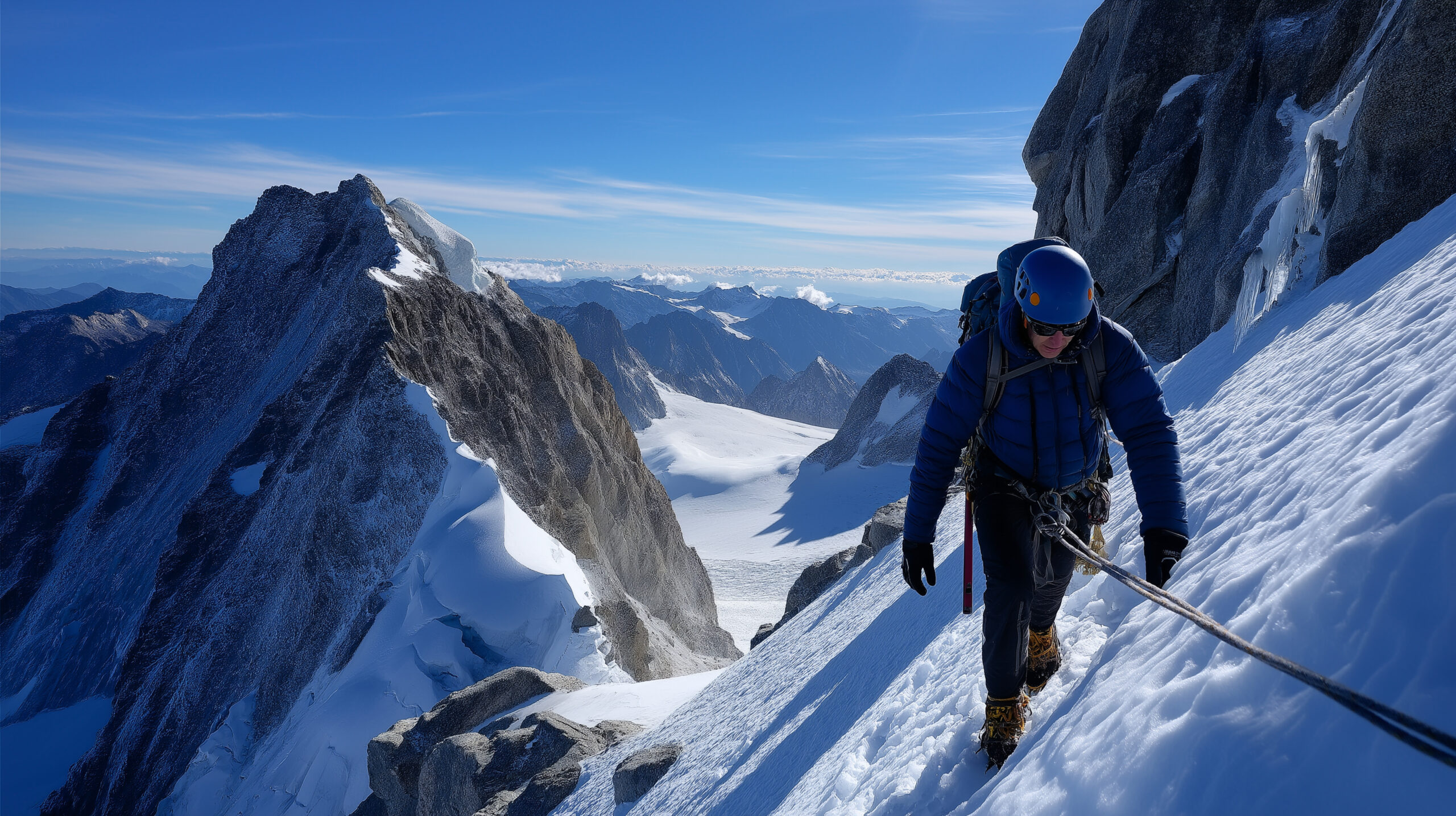
    Mountaineer handling a rope and ice axe on a technical high-altitude slope, a different insurance activity from ordinary hiking
    Roped or ice-axe travel often changes the activity classification on an insurance policy. Global Summit Guide licensed photography.
    A paid benefit cannot guarantee a rescue.

    Helicopters have operational ceilings and conditions. Storms, darkness, complex terrain, security restrictions or lack of a local helicopter can prevent an extraction even when the paperwork is valid. Build a realistic evacuation plan with the operator.

    Editorial comparison · six different structures

    Six climbing insurance and rescue options compared.

    These products are not all insurance policies and are deliberately not ranked by paid relationship. Published activity limits are a starting point, not a coverage guarantee. Residence, benefit elections, individual certificates and exclusions determine the answer.

    ProviderTypeWhat published details suggestWhat to verifySource
    World Nomads USA
    Explorer / Epic
    Travel insurancePublished U.S. materials list mountaineering up to 6,500 m on Explorer and 8,000 m on Epic for designated activities.State/residence, precise activity, medical and evacuation triggers, SAR exclusions, and route approval.Activity schedule ↗
    Global Rescue
    Medical membership
    Rescue & transport membershipField rescue and medical transport services, subject to agreement. Travel above 15,000 ft / about 4,600 m needs the applicable high-altitude upgrade for medical transport.High-altitude add-on, field rescue eligibility, geographic restrictions and service arrangements. Not general medical or cancellation insurance.Member agreement ↗
    American Alpine Club
    Partner / Leader
    Member rescue benefitPublished Partner benefit: $7,500 rescue and $5,000 emergency medical expense coverage; Leader adds a $300,000 medical-transport benefit under program rules.Active membership tier, expense and geographic limits, covered incident and Redpoint coordination requirements.Member benefits ↗
    Ripcord / RedpointAdventure travel insurance & assistancePublished Ripcord offerings combine travel benefits with rescue coordination; plan summaries show separate search-and-rescue and medical-evacuation limits.Named climb, technical exclusions, residence/state form, trip cost and exact SAR vs evacuation terms.Ripcord details ↗
    Garmin SAR
    SAR 100 / HR / HA
    Search-and-rescue reimbursementPublished SAR plan benefits reach $100,000 for eligible rescue costs; mountain-climbing above 5,000 m falls into the High Altitude category.Qualifying device, active subscription, use of Garmin Response, named hazards, and reimbursement conditions.Garmin FAQ ↗
    Overwatch x RescueSOS / coordination subscriptionPublishes a rescue-coordination offering, but its published terms classify mountaineering and climbing above 3,000 m as hazardous summer sports.Which costs it pays or coordinates in hazardous-sport cases, eligibility and limitations; do not substitute marketing copy for the terms.Program terms ↗

    Information reviewed October 27, 2026. Benefits listed are selected published examples, not quotations, endorsement, a ranked recommendation or confirmation for your route. Actual eligibility and coverage can change. There is no universal winner for every climb.

    U.S. versus non-U.S. World Nomads plans: do not copy the U.S. 8,000-metre Epic allowance onto a policy offered in another country. Some international versions publish materially different altitude and climbing exclusions. See a separate regional example ↗.

    Rescue membership · optional partner

    Where Global Rescue can fit into a climbing protection plan.

    For remote climbing objectives, rescue coordination and medically indicated transport can be as important as the hospital bill. Global Rescue provides membership services subject to its agreement; a membership is not itself a substitute for travel medical or cancellation coverage.

    Partner resource · affiliate disclosure

    Evaluate a rescue membership alongside your insurance—not instead of it.

    The Global Rescue high-altitude upgrade is especially important to verify if you expect to travel above 15,000 feet (about 4,600 metres). Check the latest membership agreement before purchasing.

    Global Rescue partner information banner for mountain field rescue and medical transportation Review Global Rescue membership details ↗ Disclosure: Global Summit Guide may receive compensation if you purchase through this affiliate/partner link, at no additional cost to you. This placement is sponsored, separate from our independent editorial provider comparison, and does not affect rankings. Read the agreement and confirm the route and altitude before purchase.
    Route eligibility

    The three exclusions that most often surprise climbers.

    Maximum altitude

    Quote the highest point reached, not the height where you sleep. The threshold may be 3,000, 4,500, 4,600, 5,000, 6,000, 6,500 or 8,000 metres depending on product and exact activity.

    What counts as technical

    Fixed ropes, crampons, glacier travel, ice axe, rock/ice pitches, free soloing and alpine grades can make a hike into “mountaineering” under a policy—even when the route is guided.

    Guided vs independent

    Some plans require recognized routes, accredited guides, reasonable safety practice or a specified operator. A guided trip does not by itself make the activity eligible.

    Expedition & remote location

    High-altitude expeditions, polar travel, restricted destinations and inaccessible regions can have additional limitations. Confirm any trip-specific restriction before booking.

    Apply the framework

    What to check for real mountain objectives.

    The same insurer may cover one mountain and exclude another. Choose based on the technical classification of the actual route, altitude, medical risk and realistically available rescue.

    Destination photographs are existing Global Summit Guide licensed image assets, matched to the named mountains. Terrain images are editorial illustrations, not proof of route conditions.

    For K2 and other high peaks, read the K2 climbing guide and the above-6,000-metre specialist insurance analysis. An insurer’s monetary limit cannot guarantee a helicopter can reach an 8,000-metre camp.

    Practical buyer tool

    Build the questions you should send to a provider.

    Answer the objective questions below. This helper generates a draft inquiry for the insurer; it does not provide a quote or decide whether coverage exists. The checklist remains visible even if WordPress blocks the optional interactive script.

    Your climb & the coverage proof you need

    Check every activity that applies

    Please confirm whether your policy covers my precise mountain, route, highest altitude, technical activities, search and rescue, emergency medical evacuation and trip costs. Tell me which exclusions and prior-authorization steps apply.

    No data is transmitted by this page. You decide whether and where to send the generated inquiry. Copying may depend on browser permissions.

    Ask for two answers: (1) a named climbing and activity eligibility confirmation, and (2) separate limits and procedures for rescue, emergency medical care, transport and cancellation. Save all responses offline.

    Before you depart

    Eight steps to avoid an insurance surprise during an emergency.

    Download the full policy

    Certificate, benefit schedule, exclusions, definitions and covered-activity list.

    Document your objective

    Summit, route, highest point, camps, gear, technical grades and guiding plan.

    Verify SAR separately

    Ask about search, ground extraction, helicopter bills, caps and reimbursements.

    Verify medical treatment

    Know the hospital, evacuation and repatriation triggers, deductibles and limits.

    Clarify pre-approval

    Store the 24-hour phone number and explain coordination to your operator.

    Identify local rescue process

    Know who launches a rescue and what it may cost, regardless of a policy.

    Protect trip deposits

    Decide separately whether cancellation and interruption benefits are needed.

    Carry proof offline

    Print policy IDs and emergency contacts; keep copies with a trusted contact.

    Optional affiliate · Global Rescue partner

    Keep rescue membership and medical insurance as two separate decisions.

    Global Rescue can be part of the field rescue and transport strategy. Check its high-altitude upgrade and member agreement for your itinerary. It does not automatically pay your hospital expenses or refund your expedition booking.

    Check Global Rescue terms ↗Affiliate relationship disclosed above. This is not a paid ranking or recommendation for every route.
    Official Global Rescue contextual partner graphic from the Global Summit Guide media library
    12 useful answers

    Mountain climbing insurance FAQ

    Does standard travel insurance cover mountaineering?

    Not automatically. Many policies distinguish hiking, trekking, roped glacier travel, technical climbing and expeditions. Confirm the exact activity and maximum altitude in the policy wording.

    What is the difference between mountain rescue and medical evacuation?

    Search and rescue gets a person located and extracted from remote terrain; medical evacuation often transports an injured or ill person to appropriate medical care. Different triggers, providers and limits can apply.

    Does a Global Rescue membership replace travel insurance?

    No. Global Rescue is principally a rescue, transport and assistance membership with its own terms. It is not automatically coverage for hospital bills, trip cancellation or baggage. Other travel protection may be sold separately.

    Is helicopter rescue guaranteed if it is covered?

    No. Weather, darkness, terrain, helicopter performance, altitude, local authorization and crew availability can prevent or delay extraction.

    Do I need special coverage above 4,600 metres?

    For Global Rescue, travel above about 4,600 metres (15,000 feet) triggers the published high-altitude upgrade requirement for applicable medical transport services. Other insurers set different thresholds.

    Will my policy cover Kilimanjaro?

    Coverage depends on activity wording and the 5,895-metre summit, not just the fact that Kilimanjaro is generally a nontechnical trek. Check the entire route and emergency evacuation provisions.

    Does mountain climbing insurance cover Mount Rainier?

    Not necessarily. A Rainier climb may involve roped glacier travel, crampons and crevasse hazards. Confirm those activities and rescue conditions in writing.

    Will travel insurance cover Aconcagua or Denali?

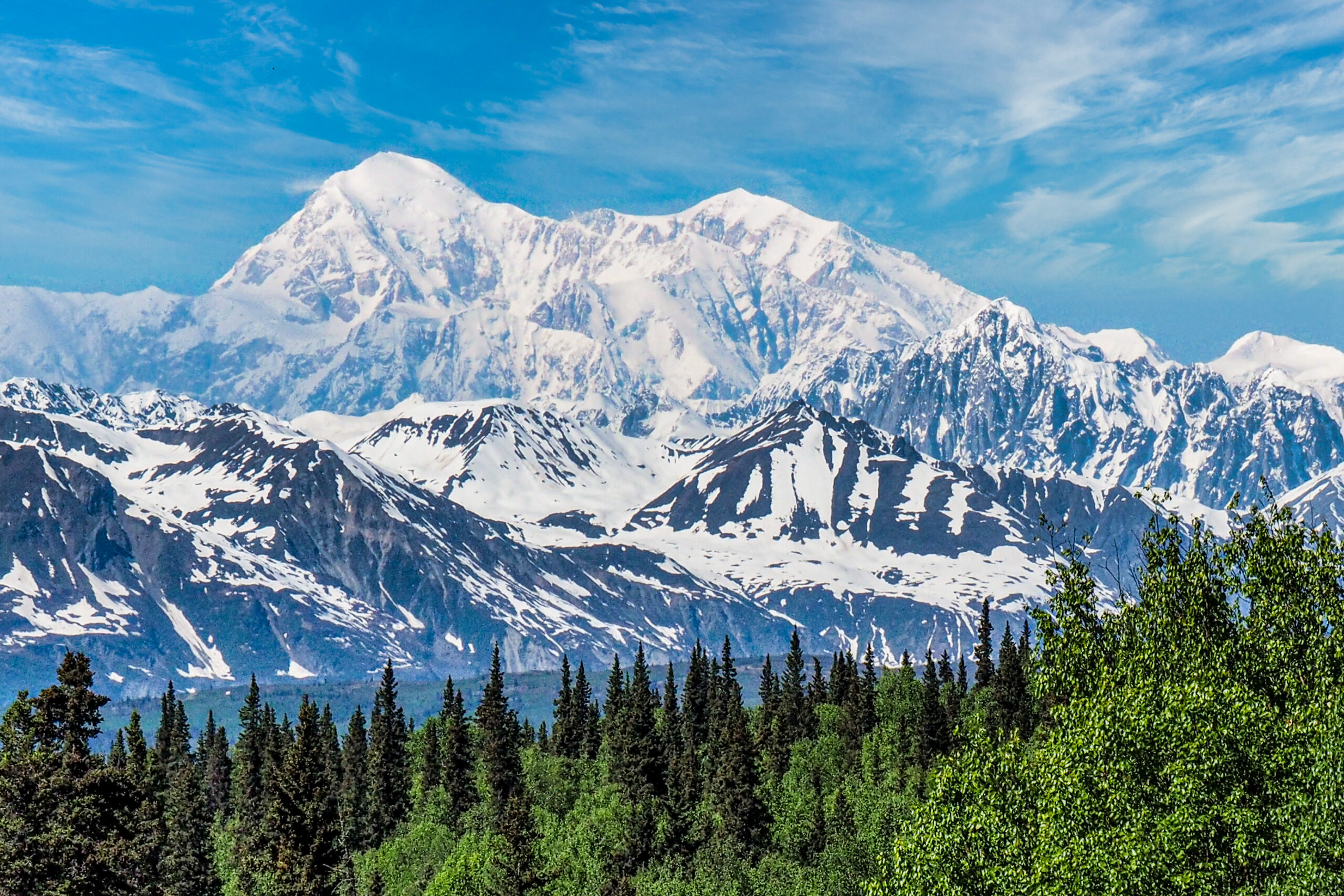
    These objectives exceed 6,000 metres and require specialist checks for expedition classification, maximum altitude, technical activity and rescue feasibility. The basic policy may exclude them.

    Is World Nomads coverage the same in every country?

    No. Plans, activity bands, state or country eligibility and exclusions vary. Published U.S. Explorer and Epic information should not be treated as a promise for a non-U.S. resident.

    Does a satellite SOS subscription include rescue insurance?

    Not automatically. A communications device, an active SOS subscription and reimbursement insurance can be separate products. Confirm each component and its conditions.

    What if I am climbing with a guide?

    Being guided does not remove altitude or technical-sport exclusions. Some policies require a professional guide; others treat guided and unguided expeditions differently.

    What documentation should I carry?

    Save the certificate, full policy wording, activity schedule, emergency contact number, policy ID, claims process, rescue authorization rules and provider confirmation of your mountain and route offline.

    Evidence and editorial standards

    Sources, methodology and important limits.

    Checked October 27, 2026. We compare published product categories, altitude and activity definitions, rescues, medical transport and the distinction between a membership and regulated insurance. We do not score providers based on affiliate payments. Terms change and a marketing page is never a complete policy.

    What we cannot guarantee: pricing, admission or eligibility for your country, claims outcomes, high-altitude helicopter access, rescue timing and changes to benefits after the research date. Always obtain a current quote and review your personal documents. This content is educational, not insurance, medical, legal or financial advice.

    Was this helpful?

    Thanks for your feedback!
Language »