How to Use an Ice Axe: 5 Essential Techniques
Learn the purpose of an ice axe, how to carry and plant it during snow travel, and why self-arrest requires supervised practice before entering exposed alpine terrain.
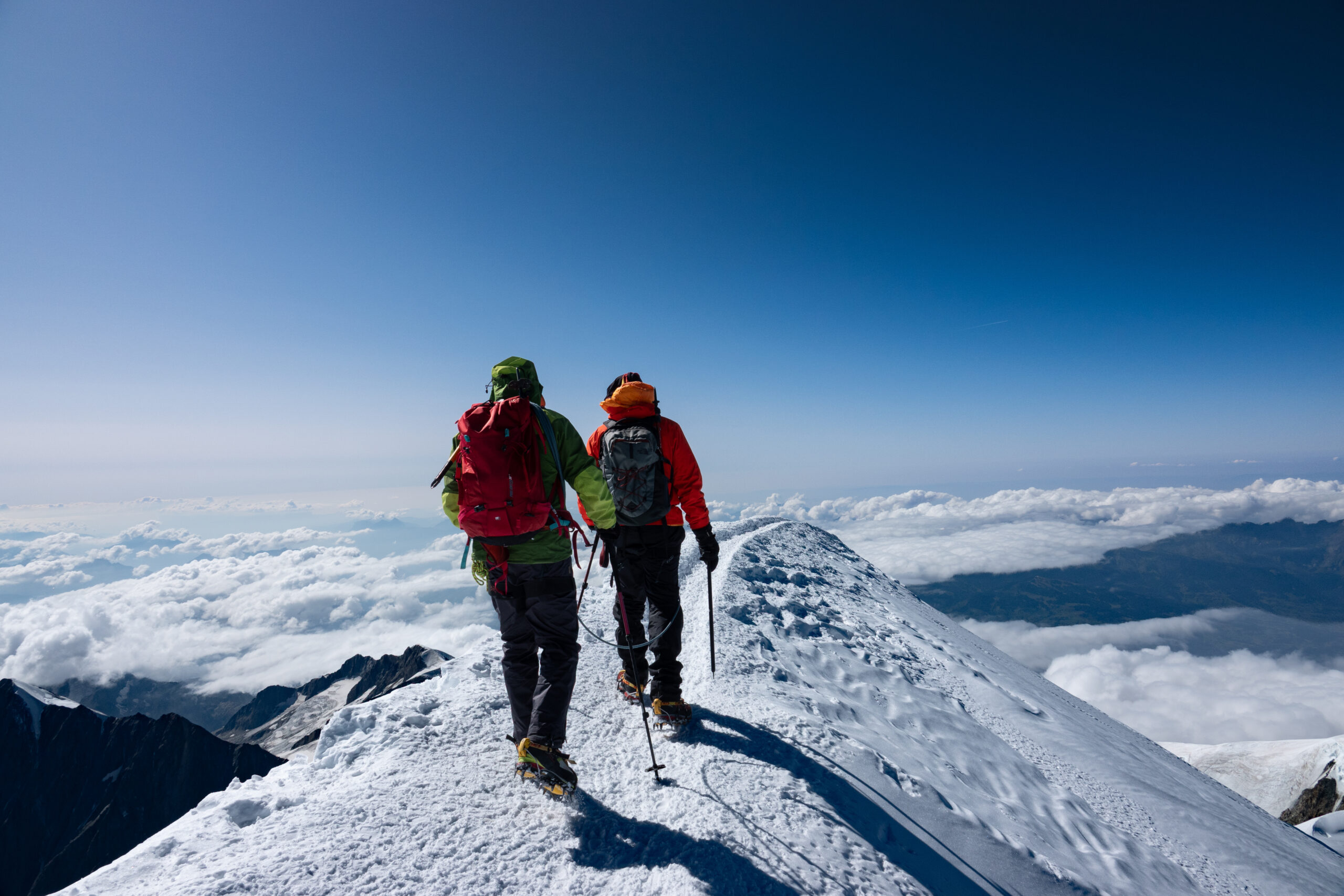
Ice axe skills are a backup to fall prevention.
Training is essential
This article is a planning reference, not hands-on climbing instruction. An ice axe cannot guarantee a self-arrest on steep ice or once a slide accelerates. Start with a certified instructor on short low-consequence snow with an unobstructed runout. Avoid solo self-arrest drills, uncontrolled glissades, and terrain above cliffs, rocks or crevasses.
Walking and support
Balanced movement, footwork and terrain judgment should prevent slips before emergency action is needed.
Self-belay
A controlled shaft placement may provide temporary resistance in suitable snow, but it is not a substitute for a belay.
Self-arrest
A trained response to an unexpected slide. Its success depends heavily on slope, speed, snow surface and practice.
Five essential ice axe techniques
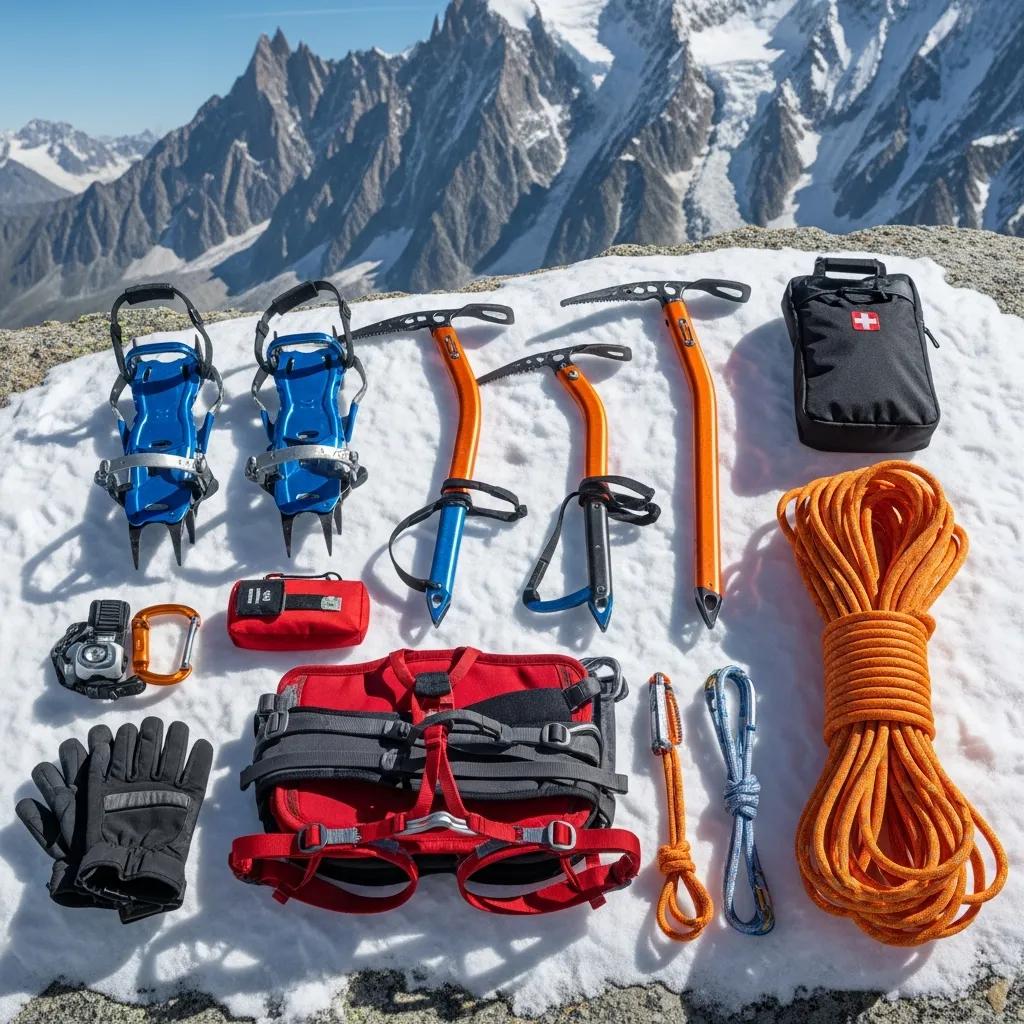
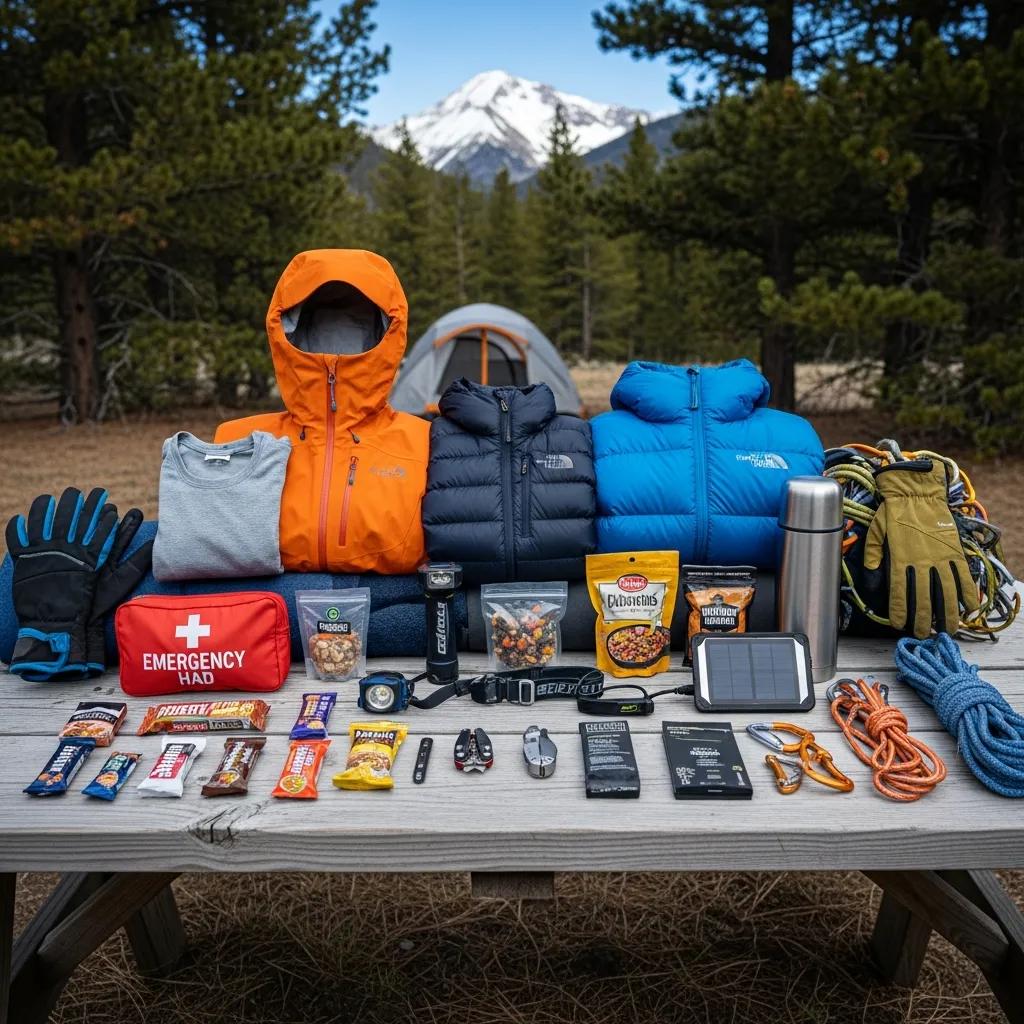
The photographs alongside these steps show GSG mountain environments and equipment, not literal depictions of every hand or body position. For motion instruction, watch the verified training video below and work with a qualified instructor.
Identify the axe and practice a secure carry
Identify the pick, adze, shaft and spike. In an instructor-led snow school, learn a secure self-arrest grip and transition to a support grip without letting the axe swing toward teammates.
Safety check: Do not rely on a leash as a substitute for retaining control of the axe.
Walk with the axe on moderate snow
Use controlled steps with the axe in the uphill hand when appropriate. Your instructor should demonstrate hand changes on switchbacks and how the shaft can assist balance without substituting for sound footwork.
Safety check: A pole-like walking motion is not an arrest technique; grip and placement change with terrain.
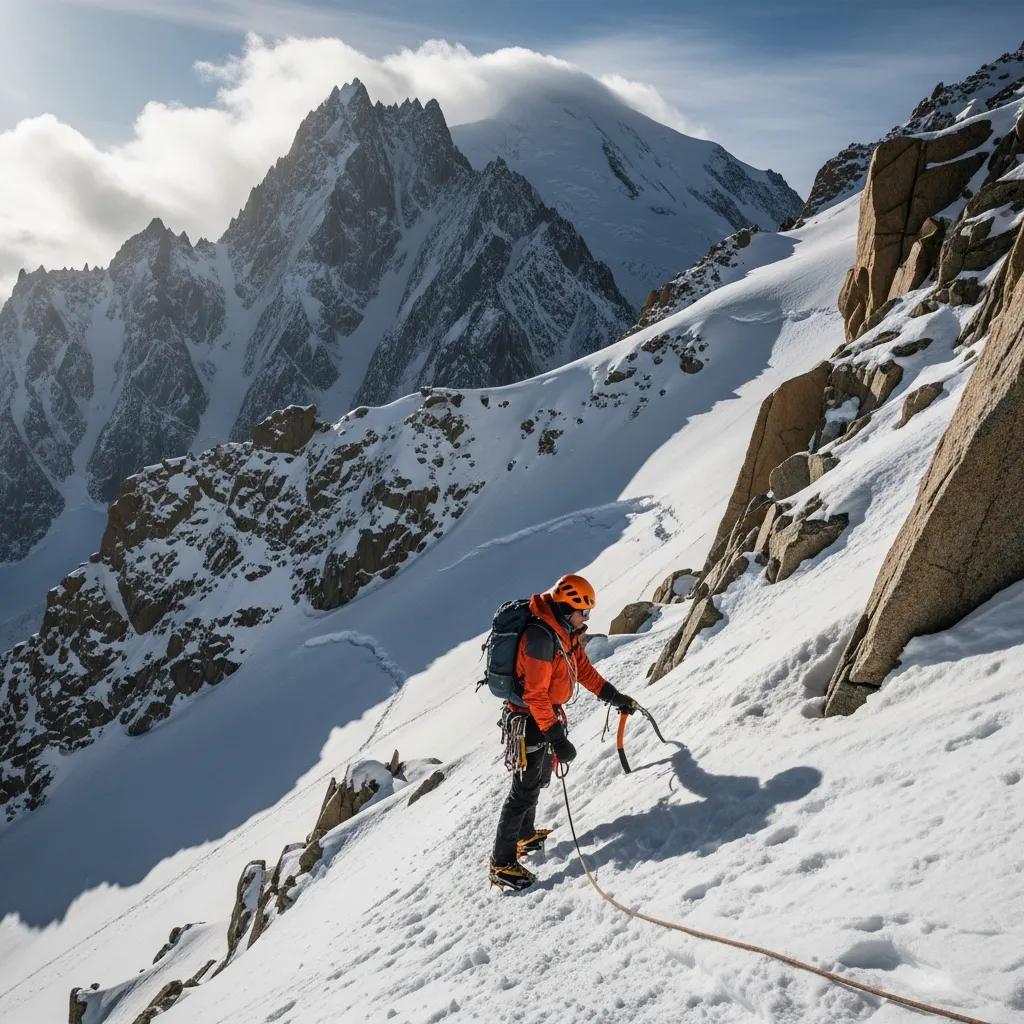
Practice self-belay before you need it
A vertical shaft planted firmly into suitable snow can offer momentary support. Practice coordinating the placement with each step and assessing whether the snow provides resistance.
Safety check: A self-belay is not a rope anchor and may fail in weak snow, hard ice or a faster slip.
Learn the self-arrest body position under supervision
On a short, gentle practice slope with a clear runout, an instructor can coach bringing the axe across the chest, setting the pick into snow, and applying body weight while keeping face clear of the adze.
Safety check: Training begins with low-speed, feet-first practice. Do not self-initiate sliding drills on consequential terrain.
Progress through different fall orientations
With qualified instruction, gradually work toward feet-first and head-first, face-down and face-up orientations. The common goal is to regain a feet-downhill, face-to-slope position and halt the slide early.
Safety check: When wearing crampons, keep the points from catching while sliding. Never teach yourself these transitions on steep terrain.

When a walking axe is the wrong tool or plan
Hard alpine ice
An ice axe may not arrest a slide on hard ice. Specialized equipment, protection and trained technique are necessary.
Glaciated routes
Self-arrest does not replace rope travel, crevasse rescue and a complete team plan.
Avalanche terrain
An ice axe does not prevent avalanches. Verify forecast, terrain exposure and group rescue readiness.
Watch the ice-axe arrest demonstration
Mountaineering Scotland hosts an official winter-skills video collection featuring Glenmore Lodge instruction on ice-axe arrest, self-belay and other winter techniques. Open the demonstration on their website rather than relying on a YouTube embed that may be blocked or unavailable in WordPress.
Official winter-skills video: Ice-axe arrest
Watch the Glenmore Lodge demonstration, hosted by Mountaineering Scotland. The same page also covers self-belay, crampons and movement on snow.
Watch the ice-axe skills videoThe video opens on Mountaineering Scotland’s website. Scroll to the “Ice-axe arrest” section.
Video viewing cannot replace qualified instruction or practicing on a safe, low-consequence slope with a competent instructor.
Ice axes to compare before your snow course
Gear you will need: A route-appropriate ice axe, compatible boots and crampons when required, a helmet and gloves. Ask your instructor about rentals and precise equipment requirements. Start with Best Ice Axes for Mountaineering for a larger buying comparison.
The 8 models below are selected by name from the approved Backcountry feed, not invented product recommendations. Catalog prices and availability are feed snapshots, not guaranteed live values. Choose gear for the terrain and training, not a product card alone.
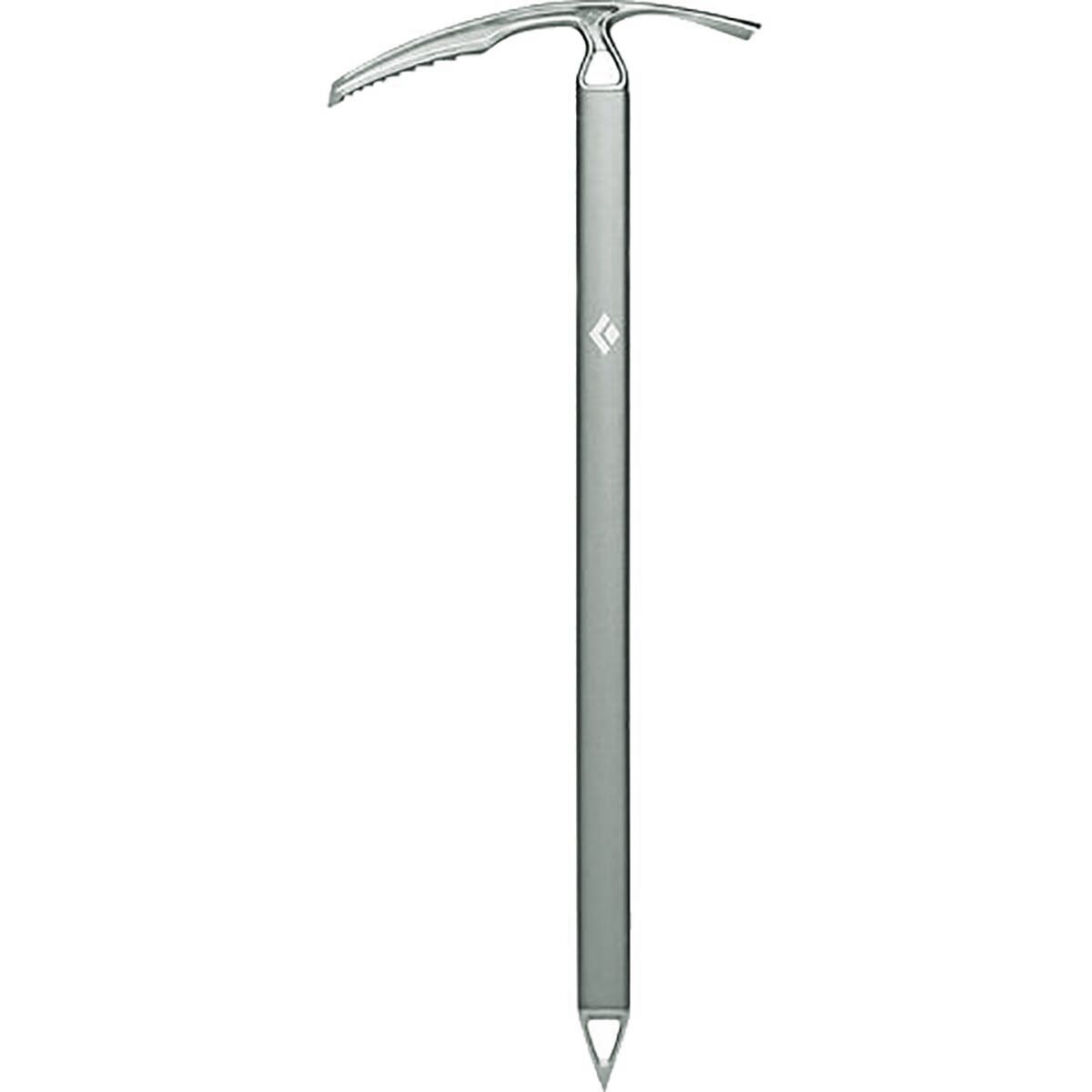
Raven Ice Axe
Traditional snow-travel axe. Choose shaft length, head shape and certified intended use for your climb.
Feed snapshot: $139.96
Check at Backcountry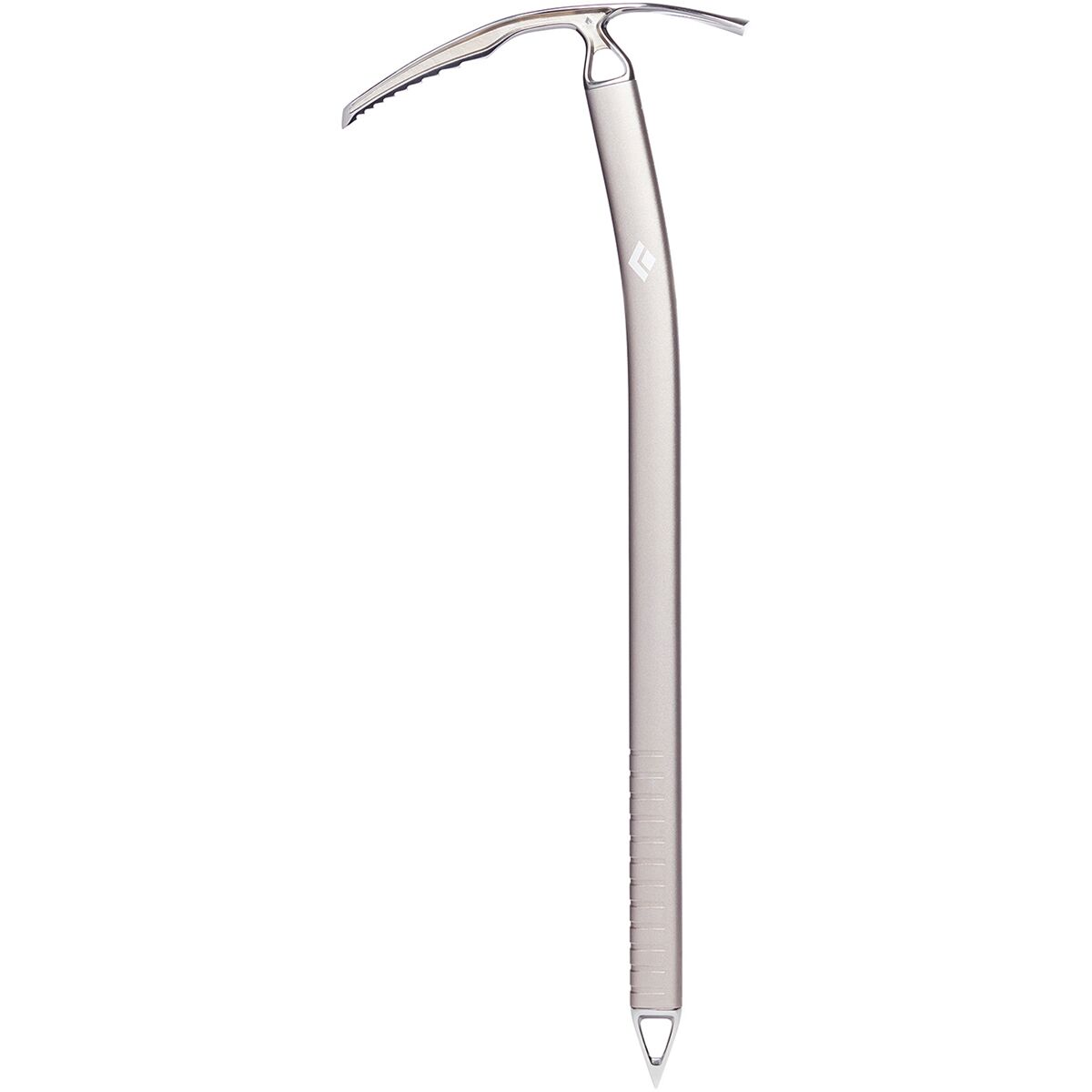
Raven Pro Ice Axe
Traditional snow-travel axe. Choose shaft length, head shape and certified intended use for your climb.
Feed snapshot: $169.96
Check at Backcountry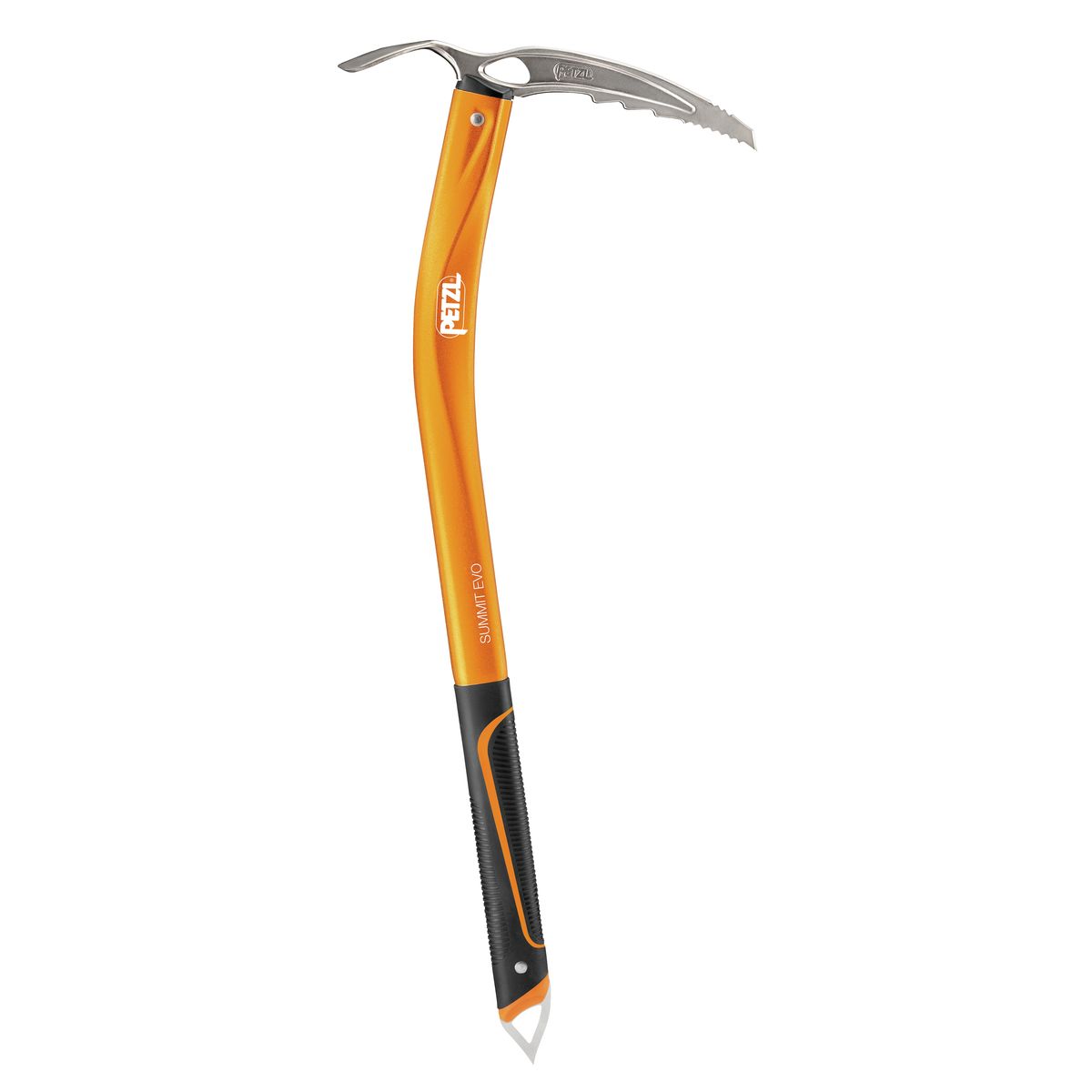
Summit Evo Ice Axe
Traditional snow-travel axe. Choose shaft length, head shape and certified intended use for your climb.
Feed snapshot: $199.96
Check at Backcountry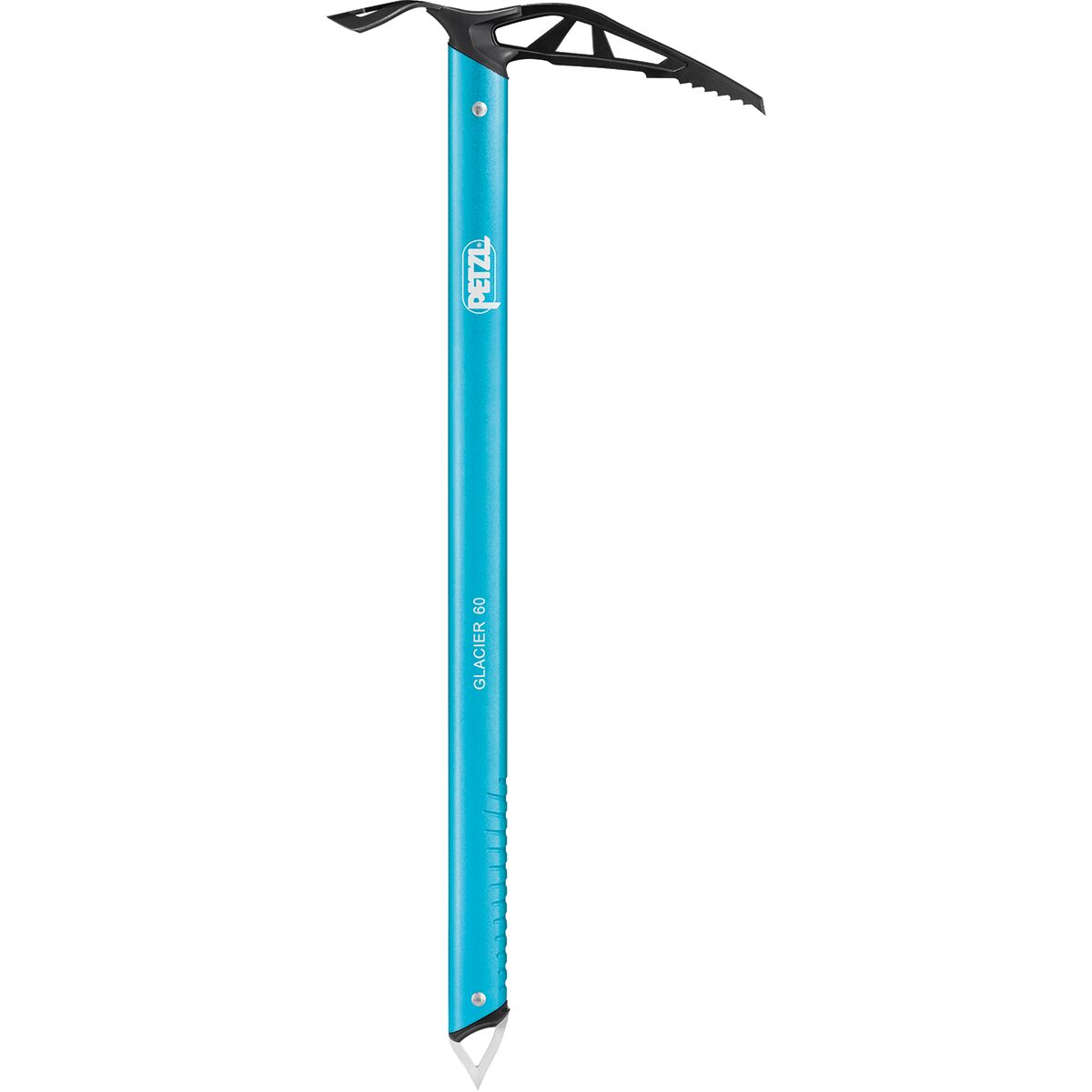
Glacier Ice Axe
Traditional snow-travel axe. Choose shaft length, head shape and certified intended use for your climb.
Feed snapshot: $129.96
Check at Backcountry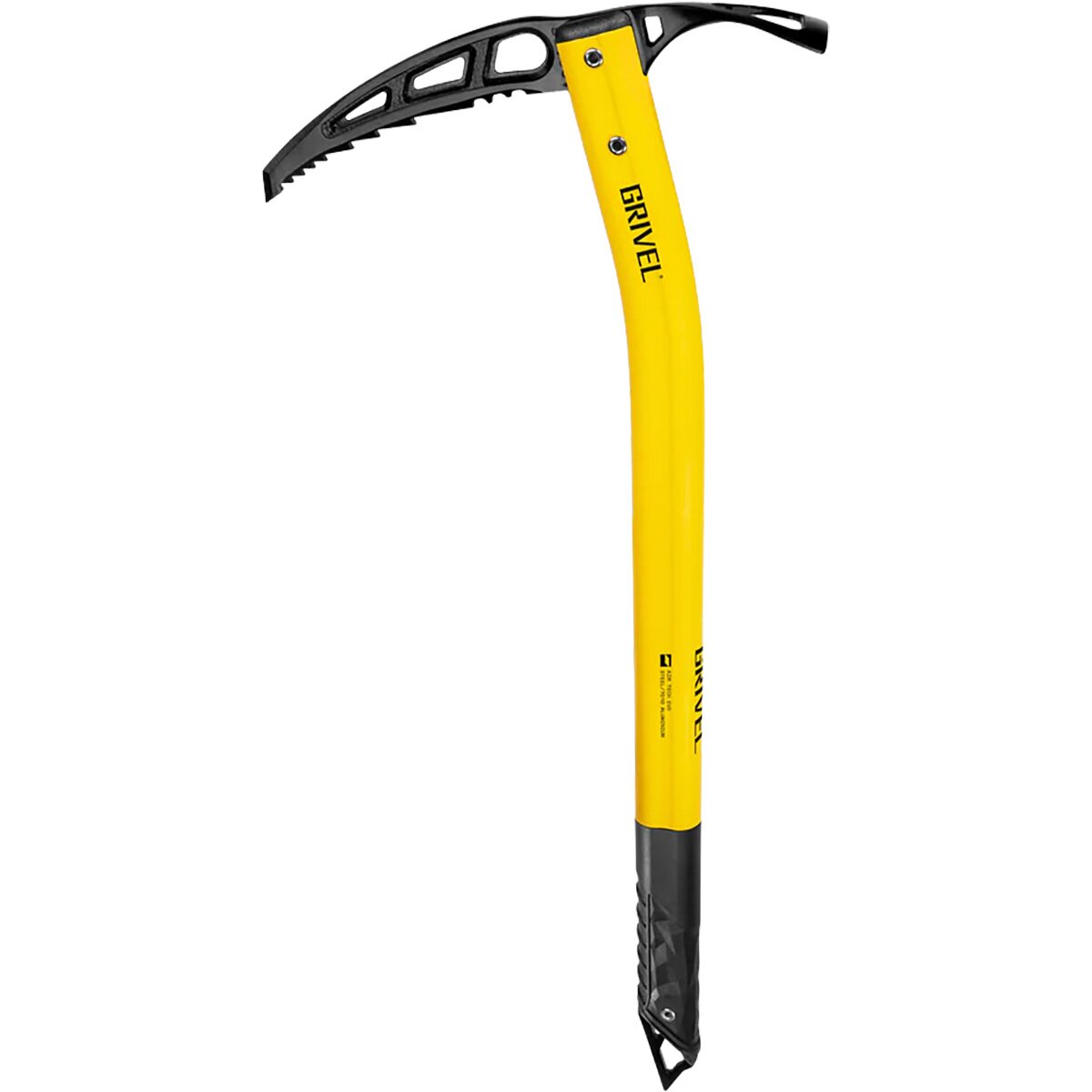
Air Tech Evo T Ice Axe – Adze
Specialized or lighter option. Match terrain, strength class, snow conditions and training before purchase.
Feed snapshot: $209.01
Check at Backcountry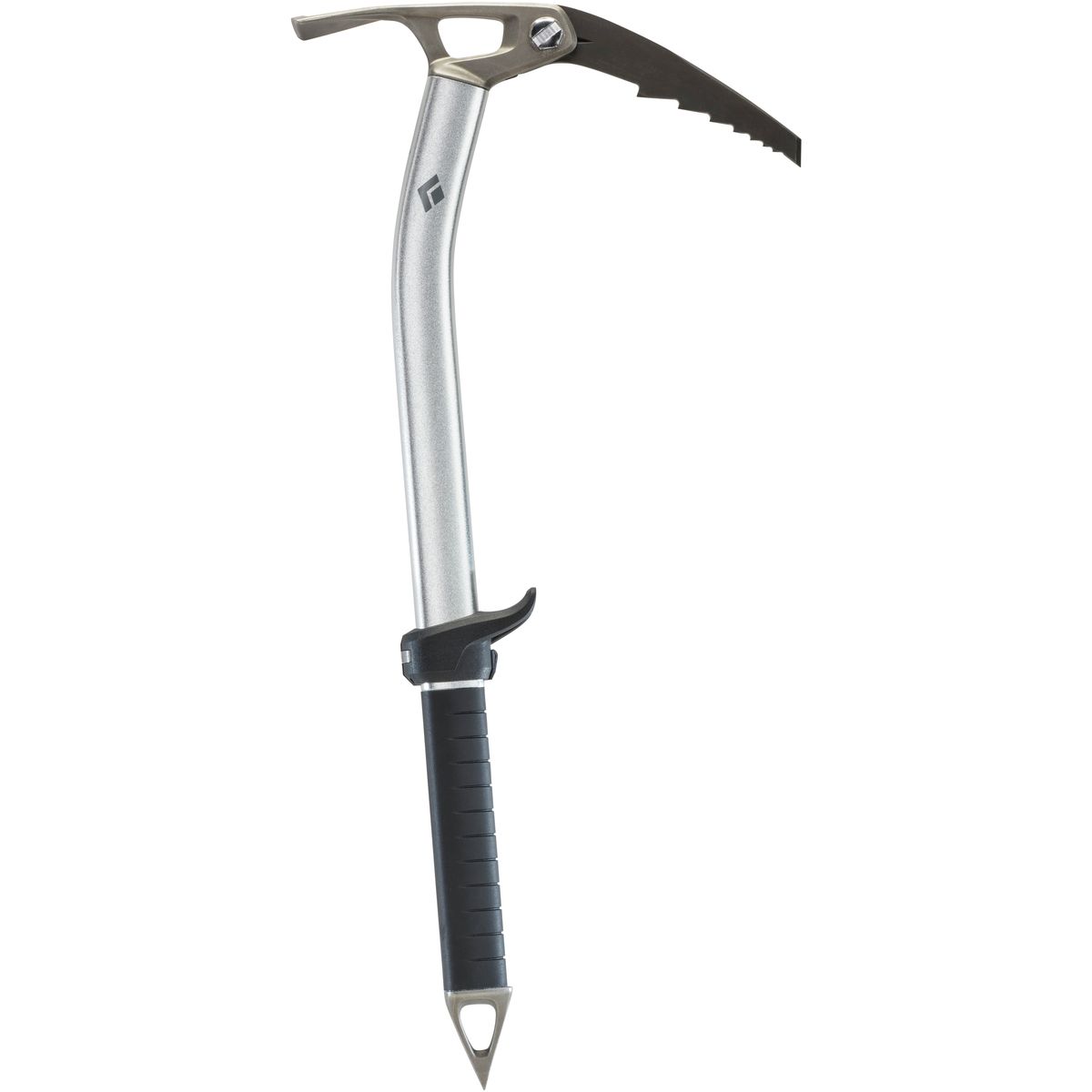
Venom Adze Ice Axe
Specialized or lighter option. Match terrain, strength class, snow conditions and training before purchase.
Feed snapshot: $209.96
Check at Backcountry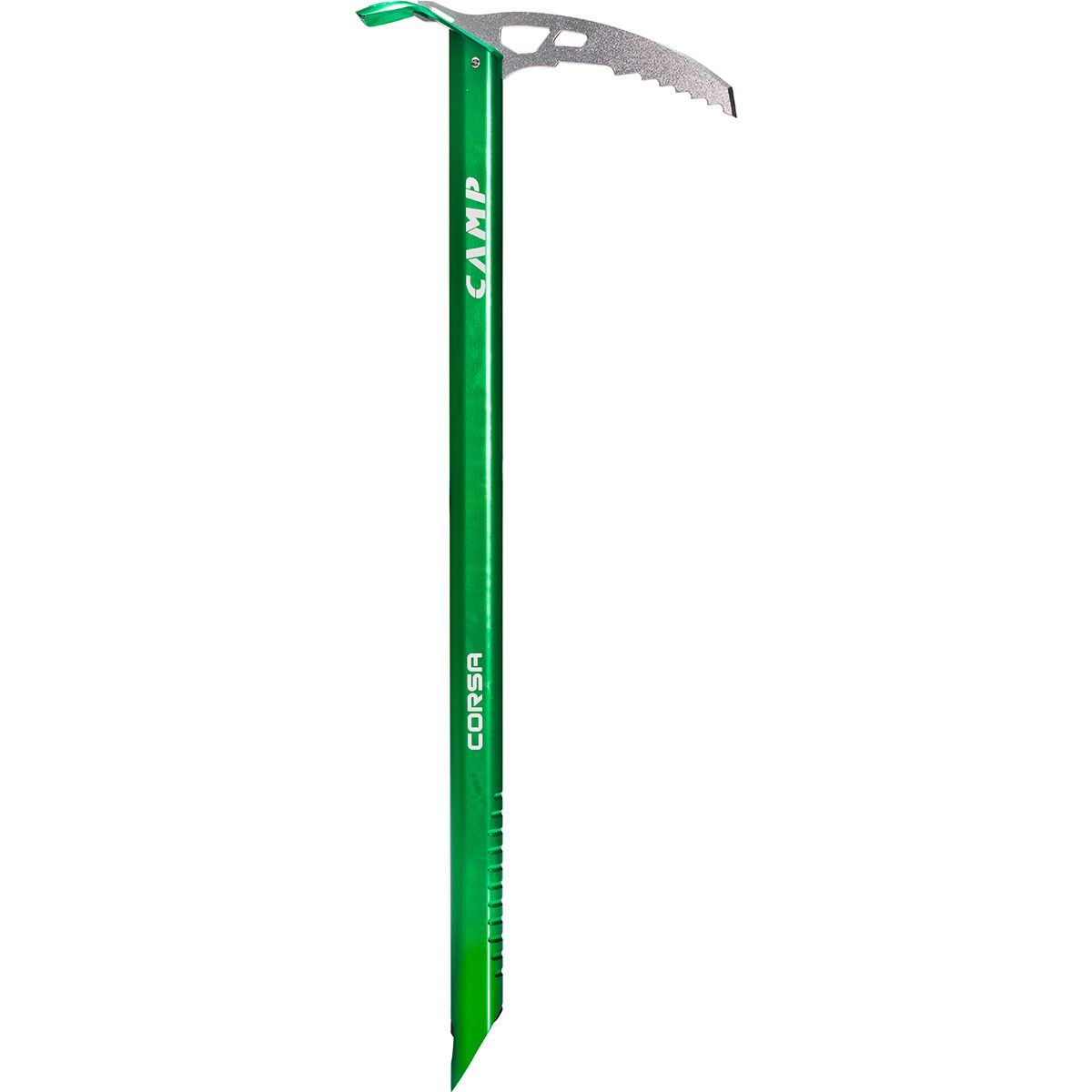
Corsa Ice Axe
Specialized or lighter option. Match terrain, strength class, snow conditions and training before purchase.
Feed snapshot: $119.96
Check at Backcountry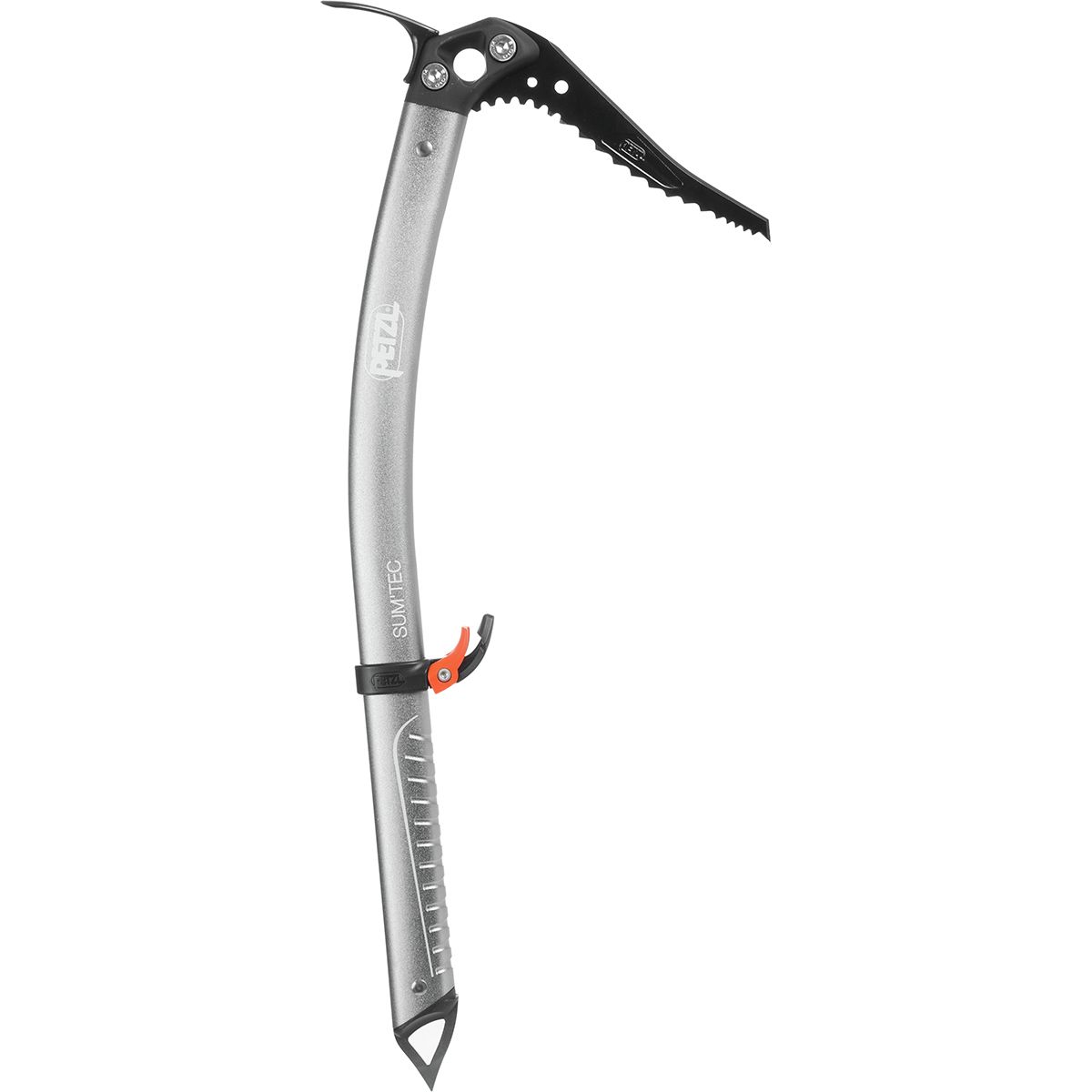
Sum'Tec Mountaineering Ice Axe
Specialized or lighter option. Match terrain, strength class, snow conditions and training before purchase.
Feed snapshot: $289.96
Check at BackcountryAffiliate disclosure: GSG may earn a commission at no additional cost. All retailer links use your approved tracking feed. Verify current pricing, manufacturer instructions and any recall notices before purchasing. Read the full disclosure.
Choose the axe for your training and route.
Rent: A sound choice for a first supervised snow-skills course. Ask the provider to check length, certification and intended use.
Buy: More reasonable after you know the type of climbs you will do and your instructor approves the model. An ultralight ski axe, traditional walking axe and technical ice tool are not interchangeable.
Maintenance: Inspect the pick, head connection, shaft and spike before use. Follow the maker’s maintenance and retirement criteria.
30-point ice axe skills and safety checklist
Tick off preparation and coached skills. Print only this checklist directly from the page. No separate PDF is required.
Before leaving home
Practice environment
Snow walking
Self-arrest practice
Route and rescue plan
Printing fallback: Ctrl+P on Windows or Command+P on Mac. Choose Save as PDF in your browser if desired.
Connect the skill to actual mountain routes
To strengthen this technique hub, add incoming links from the beginner mountaineering guide, master packing checklist, crampon fitting guide, Mont Blanc equipment list and Weisshorn equipment list.
Ice axe FAQ
What are the five essential ice axe techniques?
Secure handling and carry, balanced snow walking, self-belay, controlled self-arrest body position, and supervised self-arrest practice from different slide orientations.
How do you self-arrest with an ice axe?
The goal is to engage the pick early, use body weight to slow the slide, and regain a face-down, feet-downhill position. Learn and rehearse this with an instructor on a safe snow slope.
Do beginners need an ice axe?
Only when the route and conditions require snow-travel equipment, and only with the skills to use it. Ordinary hiking in snow-free conditions does not require an axe.
Can you self-arrest on ice?
Hard ice can make self-arrest unreliable or impossible. Avoid consequential terrain without the appropriate protection and competence.
Can you self-arrest while wearing crampons?
This can be hazardous because points can catch while sliding. In controlled practice, follow your instructor and keep feet clear until stopped.
Which hand holds an ice axe?
On many snow traverses the axe is carried in the uphill hand, but terrain and technique dictate hand transitions. Learn these under instruction.
Is an ice axe leash necessary?
Leash use depends on terrain and the model. It has snagging and injury risks; confirm with the manufacturer and guide.
What length ice axe should I buy?
Length depends on your height, snow angle and axe category. A 50 to 65 cm range often appears for general use but is not a universal rule.
Is a trekking pole a substitute for an ice axe?
No. Trekking poles can help balance, but they do not provide ice axe self-arrest function.
What should I buy before an ice axe class?
Ask the instructor for a route-specific kit list before buying. Many schools offer rentals and can check your boots and crampons.
How we prepared this guide
Last reviewed November 9, 2026. This article retains the original five-technique topic while distinguishing general knowledge from coached field skills. It follows publicly available guidance from REI’s ice axe skills guide, The Mountaineers snow skills curriculum, and Mountaineering Scotland’s winter-skills video collection. Product prices are provided by the user-supplied Backcountry affiliate catalog. No GSG firsthand tests of these particular products are claimed. See GSG media and citation resources.