
Last updated July 29, 2026
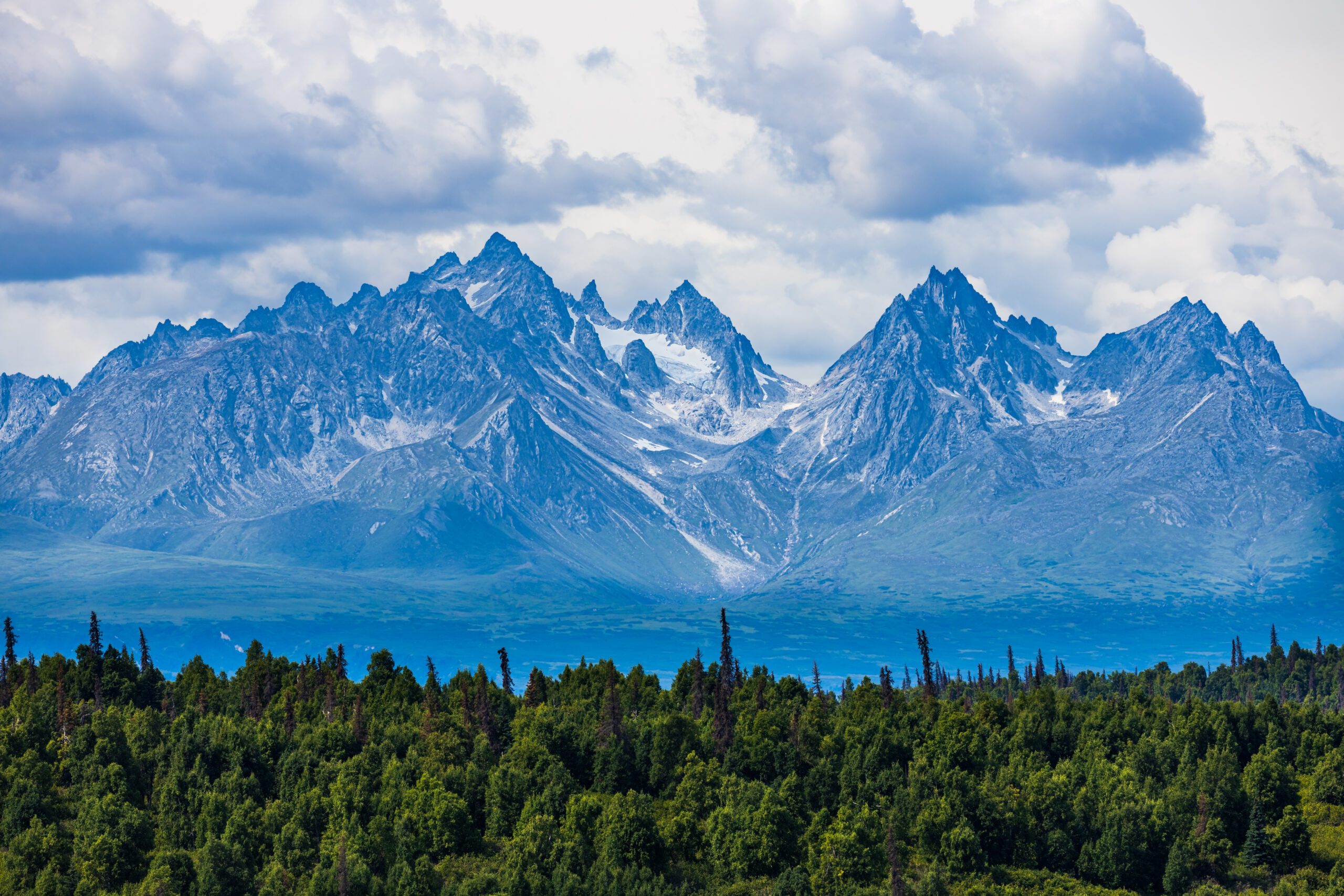
Mount Foraker expedition update
Denali’s Wife, and a far wilder objective than the neighbour it stands beside. This page tracks the season, the Denali connection, why Foraker is not Denali, the routes, the shared permit, the cost, and a go or no-go checklist. A single-mountain page in our Expedition Updates directory. Heights in feet (metres).
Denali’s neighbour, Denali’s permit, nothing like Denali’s climb.
Foraker sits 14 miles from Denali and shares its access, its National Park Service permit, and its May-to-June season. On paper it looks like a companion objective. On the mountain it is a different sport.
There are no fixed camps, no ranger patrols on the route, no fixed lines, and almost no other climbers. Even the most common line, the Sultana Ridge, is a long, corniced, self-sufficient expedition, and the Infinite Spur is a world-class hard route. Foraker is for experienced alpine teams only.
Summit (5,304 m)
Second-highest in the Alaska Range, third-highest in the US.
NPS permit
Same permit as Denali; 60-day advance registration.
Climbing season
Kahiltna Glacier access, with 24-hour daylight.
Mount Foraker, called Sultana, the woman, in Dena’ina and long known as Denali’s Wife, is the great overlooked giant of the Alaska Range. It is higher than all but a couple of peaks in the United States, yet in a typical year only a handful of climbers stand on its summit, against hundreds on Denali. That gap is the whole story of the mountain. This page owns the current picture, the season, the Denali contrast, the permit, and the routes. For the full history, route detail, and gear, see our Mount Foraker climb guide.
Season and status
A short spring window, on Denali’s calendar.
Foraker is climbed in spring and early summer, roughly May to early July, the same window as Denali. That is when the Kahiltna Glacier is flyable, the snowpack is workable, and the near 24-hour daylight gives long climbing days. Outside that window the ski-plane service stops and the mountain becomes far more severe. Because so few teams attempt Foraker, there is no season tracker in the sense a trade-route peak has; the status that matters is simply whether conditions and your team are ready.
The Denali connection
Everything up to the base of the mountain is shared.
Foraker and Denali share their entire approach. You fly from Anchorage to Talkeetna, take a ski-equipped bush plane onto the Kahiltna Glacier at around 7,200 ft, and use the same base-camp area that Denali’s West Buttress climbers use. You register on the same National Park Service permit, on a form that literally covers Denali and Mount Foraker together, and you climb in the same season. That shared logistics chain is why Foraker is often described as Denali’s neighbour, and why climbers who have done Denali sometimes look across the Kahiltna and wonder about the bigger, quieter peak on the far side. Compare the trade-route giant in our Denali expedition update.
Why Foraker is not Denali
The contrast that defines the mountain.
Here the two mountains part company completely. Denali’s West Buttress is a supported trade route: fixed camps, a wanded trail, ranger patrols and a medical camp, fixed lines on the steep sections, and, in a busy year, hundreds of other climbers. Roughly half of Denali climbers use a guide service. Foraker has none of that. There are no fixed camps, no rangers on the route, no fixed lines, and in most years only a few teams on the whole mountain. Its ridges are long, corniced, and committing, retreat is slow and serious, and there is no infrastructure to fall back on.
The routes
From the committing standard line to a legendary test-piece.
Sultana Ridge (Southeast Ridge)
The most frequently climbed line and the closest thing Foraker has to a standard route, though standard is relative. It is a long, corniced ridge with serious objective hazard and no infrastructure, a full self-sufficient expedition in its own right.
Northwest Ridge
The line of the 1934 first ascent by Charles Houston, T. Graham Brown, and Chychele Waterston. A long, remote, historically important route.
The Infinite Spur
On the south face, one of the most respected hard alpine routes in North America, a sustained, committing line for elite climbers. It is the route that gives Foraker its reputation among serious alpinists, and it is emphatically not an objective for a first big expedition.
The permit and registration
The same National Park Service system as Denali.
Foraker uses the identical National Park Service mountaineering special-use permit as Denali. For 2026 the fee is $450 for climbers aged 25 and over and $350 for those 24 and under, and registration must be completed at least 60 days before your climb through a two-step Pay.gov process, followed by a mandatory orientation at the Talkeetna Ranger Station. You also pay the $15 park entrance fee unless you hold a pass, and you must carry a Clean Mountain Can to remove human waste from the mountain. Climbers who have summited Denali or Foraker since 1995 can register with only 7 days notice, but first-timers need the full 60 days.
Access and cost
No guided package, so the budget looks different.
| Item | Cost | Notes |
|---|---|---|
| NPS mountaineering fee, age 25+ | $450 | Covers Denali and/or Mount Foraker for 2026, on the same permit. |
| NPS mountaineering fee, age 24 and under | $350 | The same permit at the younger rate. |
| Park entrance | $15 per person | Waived with an Interagency or Denali annual pass. |
| Talkeetna ski-plane to the Kahiltna | $800 to $1,200+ round trip | The only way in; there is no road or trail. |
| Guided package | None, in practice | Foraker is climbed by self-sufficient expert teams, not guided clients. |
Objective hazards
Cornices, avalanche, and a long way from help.
Foraker’s ridges are heavily corniced, its slopes are avalanche-prone, and its routes are long enough that a party can be days from the glacier at any point. There are no rangers on the route and no nearby teams to assist, so self-rescue is often the only option, and weather can pin a party high on the mountain for days.
This is expert terrain. It demands fluent glacier travel and crevasse rescue, avalanche judgment, cornice awareness, and the experience to make hard turnaround calls alone. Refresh the fundamentals with our crevasse rescue basics and avalanche awareness guides. This page is educational and is not a substitute for training and experience.
Weather and timing
Alaska Range weather, with no camps to wait it out in comfort.
The Alaska Range makes its own weather, and Foraker sits high enough to catch the worst of it. Storms roll in fast, summit temperatures run far below zero with severe wind chill, and a settled spell can vanish within hours. The live map below shows current conditions for the massif; rely on the NPS Denali climbing forecast and your own read for the actual go decision.
Go or no-go checklist
Work through these before you commit.
Before you go
- Have the alpine resume – prior committing, self-sufficient expeditions, not just a guided Denali.
- Register 60 days out – the NPS permit and Talkeetna orientation are the same as Denali and the deadline is strict.
- Build the whole team’s self-rescue – crevasse rescue, cornice and avalanche judgment, and hard turnaround discipline.
- Plan for no help on route – assume self-rescue and days of storm; carry the margins to survive being pinned high.
- Pick the route honestly – the Sultana Ridge is committing enough; the Infinite Spur is for elite teams only.
- Confirm evacuation cover – rescue in the range is limited, weather-dependent, and slow.
Alaska expedition updates
Foraker’s neighbours in the range, each with its own update page. Back to the full Expedition Updates dashboard.
Mount Foraker update FAQ
The questions climbers ask most about the permit, the Denali contrast, and the routes.
How hard is Mount Foraker compared to Denali?
Much harder and far more committing, despite sharing Denali’s access, permit, and season. Denali’s standard West Buttress is a guided trade route with fixed camps, ranger patrols, and a wanded trail. Foraker has none of that: no fixed camps, no ranger presence on the route, no fixed lines, and almost no other climbers. Even its most common line, the Sultana Ridge, is a long, corniced, self-sufficient alpine expedition, and the Infinite Spur on the south face is one of the hardest routes in North America. Foraker is essentially an expert-only mountain.
Do you need a permit for Foraker?
Yes, and it is the same National Park Service mountaineering special-use permit as Denali. For 2026 the fee is $450 for climbers aged 25 and over and $350 for those 24 and under, and the Pay.gov registration form covers Denali and Mount Foraker together. You must register at least 60 days in advance, complete a two-step process, attend a Talkeetna ranger orientation, pay the $15 park entrance unless you hold a pass, and carry a Clean Mountain Can to remove waste.
When is the Foraker climbing season?
Spring and early summer, roughly May to early July, the same window as Denali. That is when the Kahiltna Glacier is flyable, the snowpack is workable, and there is close to 24-hour daylight. Outside that window the glacier flights stop and conditions become far more severe.
How do you get to Mount Foraker?
The same way you reach Denali. You fly from Anchorage to Talkeetna, then take a ski-equipped bush plane onto the Kahiltna Glacier at around 7,200 ft, sharing the base-camp area with Denali climbers, and approach the route from there. There is no road and no trail to the mountain.
Can you climb Foraker with a guide?
In practice, rarely. Foraker is too committing and too low in traffic for the commercial guiding trade, so it is almost always climbed by self-organized teams of experienced alpinists rather than guided clients. This is not a mountain to attempt without a strong background of prior expedition and technical alpine climbing.
What are the main routes on Foraker?
The Sultana Ridge, the southeast ridge, is the most frequently climbed line and the nearest thing to a standard route, though it is still long and committing. The Northwest Ridge was the 1934 first-ascent route. The Infinite Spur on the south face is a legendary hard alpine route, one of the most respected test-pieces in North American mountaineering, and strictly for elite climbers.
How much does a Foraker expedition cost?
There is no guided package price, because it is a self-organized expedition. The direct costs are the $450 permit, the Talkeetna ski-plane at roughly $800 to $1,200 or more round trip, plus food, fuel, gear, and travel to Alaska. It is far cheaper than a guided Denali climb, but the real cost is the experience and self-sufficiency the mountain demands, which cannot be bought.
How high is Foraker and where is it?
Mount Foraker is 17,400 ft (5,304 m), the second-highest peak in the Alaska Range and the third-highest in the United States, about 14 miles southwest of Denali in Denali National Park. Its Dena’ina name, Sultana, means the woman, and it has long been known as Denali’s Wife. It was first climbed in 1934 by Charles Houston, T. Graham Brown, and Chychele Waterston.
📋 How this update is built
This page is compiled by Travis Ludlow, Founder and Head of Research at Global Summit Guide, from National Park Service mountaineering rules, the Denali and Foraker registration system, and published route records, with sources named below. It was reviewed for safety by Dawson Ludlow, our Climbing and Mountaineering Lead (Wilderness First Aid), whose highest first-hand summit is Kilimanjaro.
Our team has not climbed Mount Foraker, so we report official rules and route records rather than personal experience, and we review this page before each Alaska season. Fees and rules can change, so confirm the current NPS permit and registration requirements before you plan around them.
Sources and further reading
- U.S. National Park Service, Denali – mountaineering permit, fees, and 60-day registration for Denali and Mount Foraker.
- Pay.gov – the official Denali and Mount Foraker climbing registration form.
- American Alpine Journal and route records for the Sultana Ridge, Northwest Ridge, and Infinite Spur.
- Talkeetna air-taxi operators for Kahiltna Glacier flight logistics.
- We report official rules and route records; our team has not climbed Mount Foraker.
Planning a Foraker expedition?
Start with our Mount Foraker climb guide, weigh it against the trade-route giant in our Denali climb guide, and confirm your evacuation cover in our mountaineering insurance guide. Every trip stages through Anchorage and Talkeetna, so for flights and lodging, browse travel on Expedia.
Disclosure: the Expedia link above is a sponsored affiliate link. We may earn a commission at no extra cost to you.
Was this helpful?
Global Summit Guide is an independent mountaineering resource founded in 2026. The team combines first-hand trekking and climbing experience with in-depth research and professional health and nutrition review to help climbers choose objectives, prepare properly, and stay safe.
Health, altitude, and nutrition content is reviewed by Taylor Ludlow (Registered Nurse) and Brigg Hoopes (Nutritionist).
What We Don't Know Yet
Mountain information changes quickly. This box explains the limits of what this page can responsibly promise.
- Permit availability, reservation windows, quotas, and official fee rules may change after this page is updated.
- Weather, snowpack, avalanche risk, road access, and route conditions can change quickly and may be different on your climbing dates.
- Route conditions, trailhead access, crevasse exposure, stream crossings, and rescue access may vary from published planning guidance.
- Comparisons simplify complex decisions; the better mountain depends on current conditions, skills, timing, budget, and risk tolerance.
Verify current conditions with official land managers, guide services, local forecasts, and current route reports before booking or climbing.
Mountaineering, rock and ice climbing, glacier travel, and high-altitude activity are inherently dangerous and can result in serious injury or death. The information on Global Summit Guide is provided for general informational and educational purposes only and is not a substitute for professional instruction, qualified guiding, proper equipment, or your own judgment and experience.
Route conditions, weather, snowpack, permits, regulations, and hazards change constantly and may differ from what is described here. Details may be incomplete, out of date, or contain errors. Always verify current information with local authorities, certified guides, and official sources before making any decision in the mountains.
Nothing on this site is medical, legal, or financial advice. Our fitness, acclimatization, altitude, and nutrition content is general in nature; consult a qualified physician before beginning any strenuous exercise program or exposing yourself to high altitude.
You are solely responsible for your own safety and decisions. To the fullest extent permitted by law, Global Summit Guide and its team accept no liability for any loss, injury, damage, or expense arising from use of, or reliance on, this information. By using this site you acknowledge these risks and accept these terms.
Some links on this site may be affiliate links. If you buy through them we may earn a small commission at no extra cost to you; this never affects our recommendations.
Global Summit Guide recommendation path
Next Best Mountain to Research
Use these recommendations to continue the right planning path instead of stopping on one page.
Use current permit, weather, route, and operator information before booking or climbing.