<

Tag: Himalayan Records

  • Every Climber to Summit All 14 Eight-Thousanders: The Complete 2026 List

    Every Climber to Summit All 14 Eight-Thousanders: The Complete 2026 List

    Mountain Collections · 8,000m Records · 2026 Edition

    Every Climber to Summit All 14 Eight-Thousanders: The Complete 2026 List

    Since Reinhold Messner became the first person to climb all 14 of the world’s 8,000-meter peaks in 1986, approximately 50+ climbers have joined the most exclusive club in high-altitude mountaineering. This guide tracks the founding completers, the speed record holders (Nirmal Purja’s Project Possible, Kristin Harila’s 3-month record), the first women, the without-oxygen club, and the only climber to do all 14 twice — plus the ongoing debates about which completions are officially recognized.

    50+ Completers
    Since Messner’s 1986 First
    3 Mo 1 Day
    Fastest (Kristin Harila, 2023)
    20-25
    Without Oxygen Completers
    Sanu Sherpa
    First to Complete All 14 Twice

    Completing all 14 eight-thousanders — the only mountains on Earth above 8,000 meters — remains the most exclusive achievement in high-altitude mountaineering. Approximately 50+ climbers have done it since Reinhold Messner became the first in 1986, though the exact count is disputed depending on which database and verification standards apply. Generally, the 14 eight-thousanders span the Himalaya (Nepal/China/India) and the Karakoram (Pakistan/China), ranging from Mount Everest at 8,849m (the highest) down to Shishapangma at 8,027m (the only fully within Tibet/China). Specifically, the completers club has expanded dramatically since the 2010s — what was once a 10-15 person achievement has grown to 50+ as commercial expeditions, improved logistics, and Sherpa-supported climbing have made the project more accessible. Notably, the meaning of “completion” has become genuinely contested — speed records using helicopters and oxygen produce a fundamentally different style than traditional without-oxygen completions, and several disputed Annapurna and Shishapangma summits have created database disagreements about who has truly completed all 14.

    Key Takeaways

    • Approximately 50+ climbers have completed all 14 eight-thousanders as of 2026, depending on verification standards (Eberhard Jurgalski’s 8000ers.com counts ~45 with strict criteria).
    • Reinhold Messner was first — completed October 16, 1986 with Lhotse, also first to do all 14 without supplementary oxygen.
    • Jerzy Kukuczka was second (1987) — also without oxygen and mostly by new routes, an achievement many consider equal to or greater than Messner’s in pure climbing terms.
    • Kristin Harila holds the current speed record at 3 months 1 day (2023, with Tenjen Sherpa), breaking Nirmal Purja’s 6 months 6 days from 2019.
    • Edurne Pasaban became the first officially recognized woman on May 17, 2010, after South Korean Oh Eun-Sun’s Kanchenjunga claim was disputed and unverified.
    • Gerlinde Kaltenbrunner was the first woman without oxygen (2011) — what many consider the more significant women’s achievement.
    • 20-25 climbers have completed all 14 without supplementary oxygen — the traditional gold standard of eight-thousander mountaineering.
    • Sanu Sherpa of Nepal is the only climber to complete all 14 twice (2022).
    • The count grows by 2-4 climbers per year as new completers finish projects — speed-record commercial expeditions accelerated completions dramatically post-2019.
    Published June 2, 2026 — Updated quarterly with new completions · 8000ers.com data current as of publication · Speed records verified to 2023

    What This Club Actually Is

    Completing all 14 eight-thousanders is widely considered the most exclusive achievement in high-altitude mountaineering — the climbing equivalent of completing the Grand Slam in tennis or winning all four major championships in golf. Generally, only the 14 mountains on Earth above 8,000 meters qualify, with all 14 located in two ranges: the Himalaya (Nepal, India, China/Tibet) and the Karakoram (Pakistan, China). Specifically, these peaks span from Mount Everest at 8,849 meters (the highest) down to Shishapangma at 8,027 meters (the only 8,000er entirely within Tibet/China), and completing all 14 requires climbing in five countries across multiple climbing seasons and expedition styles. Notably, the difficulty of the project is not just the climbing — it’s the cumulative effect of so much high-altitude exposure over years, the financial cost (typically $500,000-$2 million+ for the full project), the time commitment (traditionally 5-15 years, now compressed to under 1 year by speed-record completers), and the survival rate — multiple completers have died on peaks they had already summited successfully, attempting them again or guiding clients.

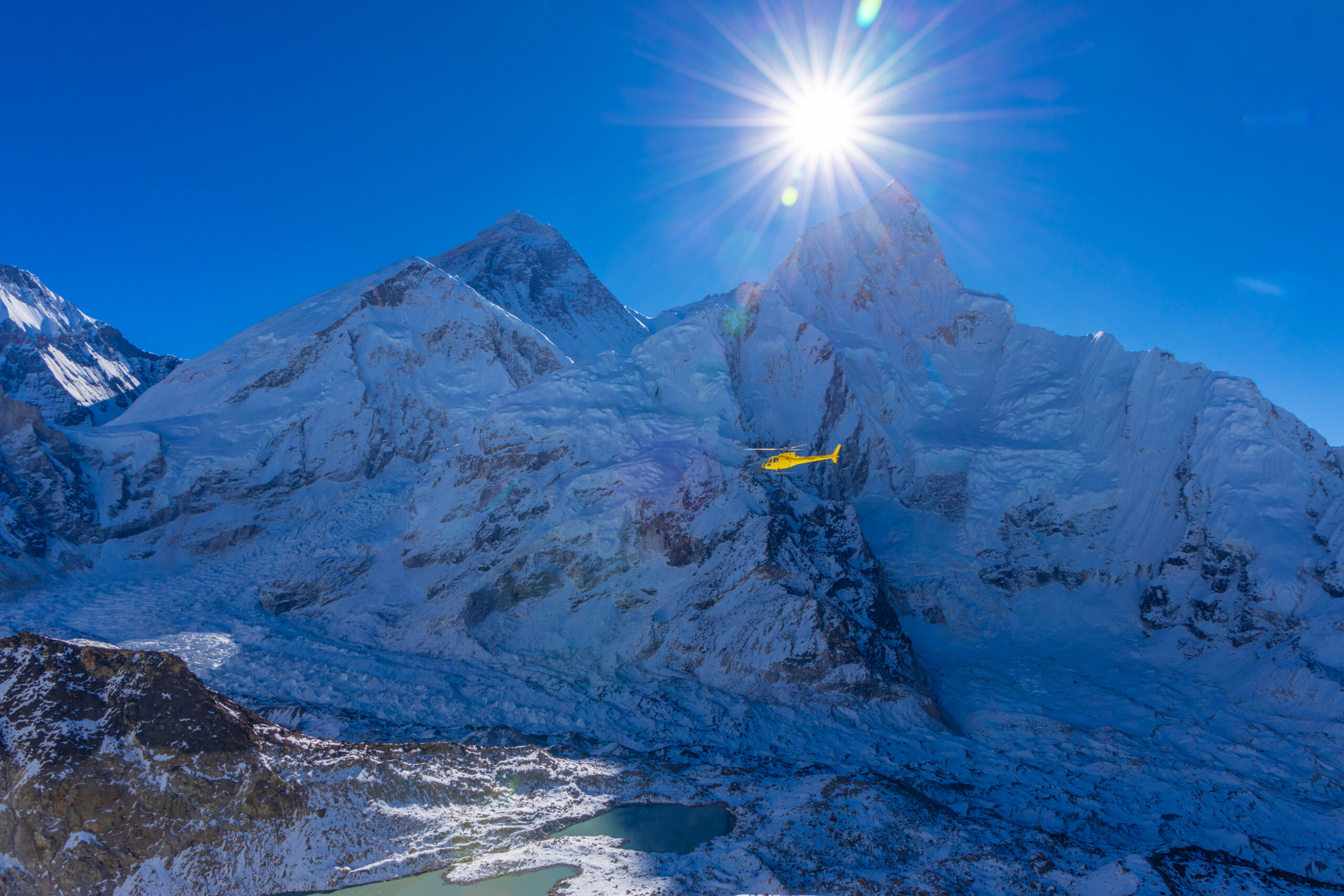
    Mount Everest and surrounding 8000m peaks in the Himalaya — climbing all 14 eight-thousand-meter mountains worldwide remains the most exclusive achievement in high-altitude mountaineering with approximately 50+ climbers having completed the project since Reinhold Messner became the first in 1986, with the 14 peaks spanning the Himalaya across Nepal India and Tibet plus the Karakoram across Pakistan and China and demanding cumulative high-altitude exposure that takes most climbers 5-15 years to safely accumulate
    The 14 highest mountains on Earth. Generally, all 14 eight-thousanders lie in two mountain ranges — the Himalaya and the Karakoram — across five countries. Specifically, completing all 14 has been done by approximately 50+ climbers since Messner’s 1986 first, though databases differ on the exact count based on verification standards. Notably, the difficulty extends beyond climbing itself — cumulative altitude exposure, financial cost ($500K-$2M+), time commitment, and survival rate all make the project genuinely exclusive.

    The 14 Peaks in Order of Height

    Before profiling the climbers who have completed all 14, it’s worth listing the peaks themselves — these are the mountains every completer has summited. Generally, the 14 are listed in order of elevation from highest to lowest, though climbers complete them in widely varying orders based on permit availability, partner availability, and project planning. Specifically, the average climber completing the 14 takes approximately 5-15 years across multiple expedition seasons — though modern speed-record completions have compressed this to under one year with helicopters and oxygen support.

    #MountainElevationCountryApprox. Death Rate
    1Mount Everest8,849mNepal/China~1.5%
    2K28,611mPakistan/China~26%
    3Kanchenjunga8,586mNepal/India~22%
    4Lhotse8,516mNepal/China~3%
    5Makalu8,485mNepal/China~9%
    6Cho Oyu8,188mNepal/China~1%
    7Dhaulagiri I8,167mNepal~15%
    8Manaslu8,163mNepal~10%
    9Nanga Parbat8,126mPakistan~21%
    10Annapurna I8,091mNepal~32% (highest)
    11Gasherbrum I8,080mPakistan/China~9%
    12Broad Peak8,051mPakistan/China~5%
    13Gasherbrum II8,035mPakistan/China~2%
    14Shishapangma8,027mChina~8%

    The 10 Notable Climbers Who’ve Completed All 14

    The 10 climbers below represent the most historically significant completions of all 14 eight-thousanders — though the full club includes 50+ climbers, these 10 cover the founding history, speed records, women’s achievements, and the without-oxygen tradition. Generally, climbers are profiled in approximate chronological order with significant later figures grouped by category. Specifically, each card includes the climber’s nationality, completion date, completion duration, oxygen use, and what makes their achievement distinctive within eight-thousander history.

    1

    Reinhold Messner (Italy)

    First climber to summit all 14 eight-thousanders, October 16, 1986
    Founding Legend

    Reinhold Messner is the originator of the 14 eight-thousanders project and remains the most influential figure in modern high-altitude mountaineering. Generally, Messner started his eight-thousander career with Nanga Parbat in 1970 (where his brother Günther tragically died on the descent) and completed the 14 over 16 years with his final summit of Lhotse in October 1986. Specifically, Messner climbed all 14 without supplementary oxygen — a feat that established the gold standard of high-altitude climbing and that many climbers still consider the only “legitimate” way to complete the 14. Notably, Messner is also famous for the first solo summit of Everest without oxygen in 1980, the first ascent of an 8,000-meter peak in alpine style (Hidden Peak / Gasherbrum I, 1975), and his influential writing about the philosophy of mountaineering. He remains active as an author, environmental advocate, and curator of multiple mountaineering museums.

    CompletedOctober 16, 1986
    Duration16 years (1970-1986)
    Oxygen UseNone on any peak
    DistinctionFirst completer, first without O2
    2

    Jerzy Kukuczka (Poland)

    Second climber to complete all 14, September 18, 1987 — almost entirely by new routes
    Founding Legend

    Jerzy Kukuczka completed his 14 just under one year after Messner — and many serious mountaineers consider his achievement equal to or greater than Messner’s. Generally, Kukuczka climbed his 14 over 8 years (1979-1987) with 11 of them in winter, by new routes, or in alpine style — a level of pure climbing achievement that no subsequent completer has matched. Specifically, Kukuczka was part of the legendary Polish high-altitude climbing generation that dominated winter expedition climbing in the 1980s, attempting first winter ascents of multiple eight-thousanders that other nations’ teams considered impossible. Notably, Kukuczka died on Lhotse in 1989, attempting a new route on a mountain he had already summited — a tragic confirmation that completing the 14 does not protect climbers from subsequent fatalities. Messner himself said of Kukuczka: “You are not number two. You are great.”

    CompletedSeptember 18, 1987
    Duration8 years (1979-1987)
    Oxygen UseNone on any peak
    DistinctionMost new routes / winter ascents
    3

    Erhard Loretan (Switzerland)

    Third climber to complete all 14, October 5, 1995 — fast-and-light alpine style
    Founding Legend

    Erhard Loretan completed his 14 in 1995, becoming the third member of the club and establishing a fast-and-light alpine style that influenced subsequent generations. Generally, Loretan climbed all 14 without supplementary oxygen and developed a reputation for minimalist, fast expeditions — including a 43-hour round trip on Mount Everest’s north face in 1986. Specifically, his completion took 13 years (1982-1995) and emphasized clean climbing style over comprehensive expedition support. Notably, Loretan died in a guiding accident on Grünhorn (a relatively modest peak in the Bernese Alps) in 2011 — another reminder that experience on the 14 eight-thousanders does not insulate climbers from accidents on smaller mountains. Among the founding three completers (Messner, Kukuczka, Loretan), all climbed without oxygen, defining the original standard of the achievement.

    CompletedOctober 5, 1995
    Duration13 years (1982-1995)
    Oxygen UseNone on any peak
    DistinctionFast-and-light alpine style
    4

    Carlos Carsolio (Mexico)

    Fourth overall completer, first from the Americas, May 12, 1996
    National First

    Carlos Carsolio became the fourth climber to complete all 14 eight-thousanders and the first from the Western Hemisphere. Generally, Carsolio climbed all 14 without supplementary oxygen, extending the tradition established by Messner, Kukuczka, and Loretan. Specifically, his completion was significant for proving that the 14 project could be completed by non-European climbers and for opening the achievement to a global climbing community — Carsolio’s success inspired Mexican and Latin American mountaineering substantially. Notably, Carsolio was also the youngest climber to complete the 14 at the time of his completion (33 years old), a record that has since been broken multiple times as commercial expeditions have lowered the barrier to entry for ambitious young climbers.

    CompletedMay 12, 1996
    Duration11 years (1985-1996)
    Oxygen UseNone on any peak
    DistinctionFirst Mexican, first from Americas
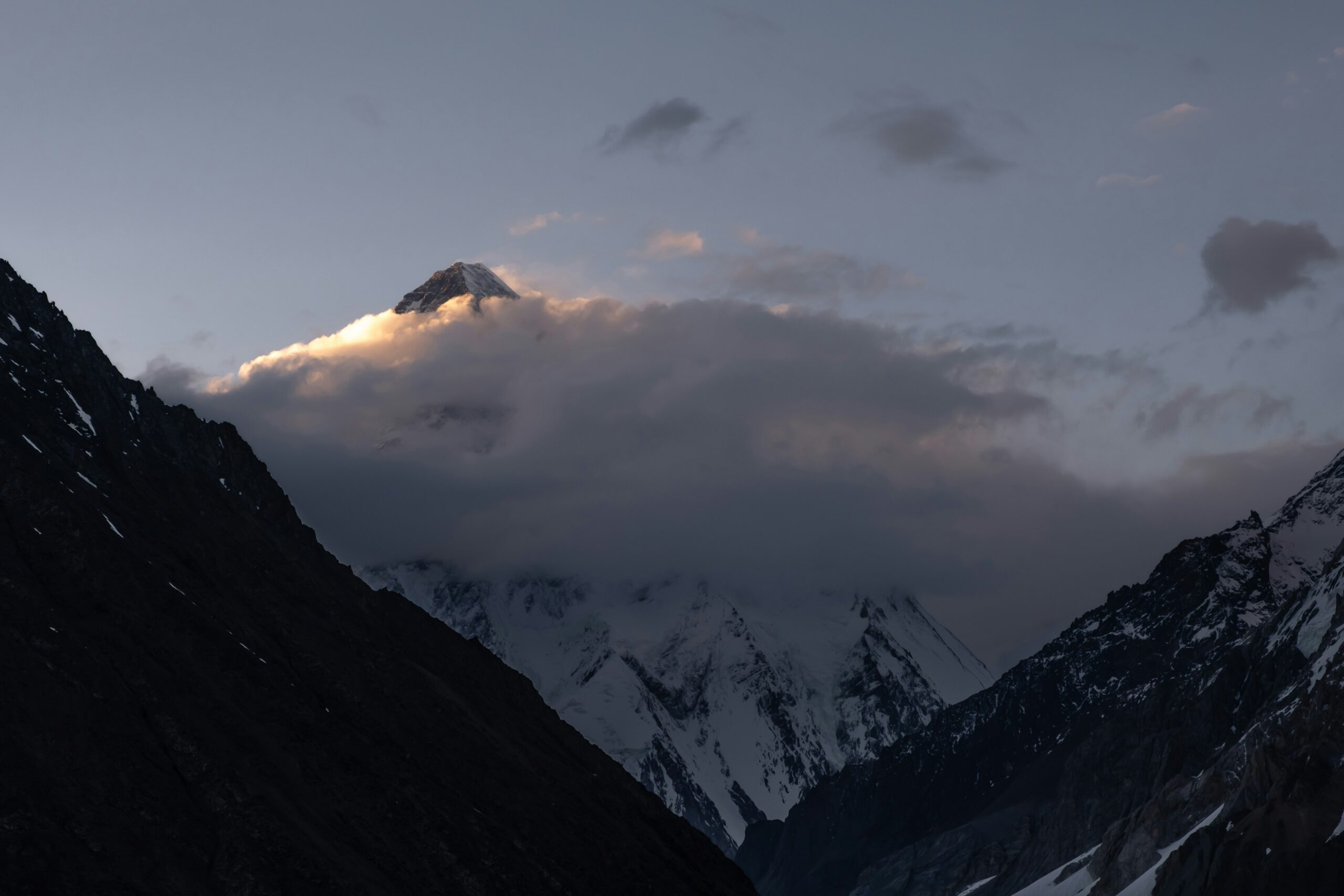
    Snow-covered peak of Mount Everest under a cloudy sky showing the unpredictable weather conditions that face climbers attempting all 14 eight-thousand-meter peaks worldwide — completing the 14 typically requires climbers to manage multiple weather window decisions across different mountains in different countries over years of expedition climbing with each peak presenting its own seasonal challenges from Everest's spring window to K2's narrow summer window to Cho Oyu's autumn pattern
    Each peak has its own weather pattern. Generally, completing the 14 eight-thousanders requires managing weather window decisions across multiple mountains in different countries over years of climbing. Specifically, climbers must navigate Everest’s spring window, K2’s narrow summer window, Cho Oyu’s autumn pattern, and the seasonal variations across Pakistani and Nepali peaks. Notably, this complexity is why even modern speed-record completions like Kristin Harila’s 3-month project require flexible scheduling and helicopter logistics to chase climbing windows across the entire 14-peak set.
    5

    Ed Viesturs (USA)

    First American to complete all 14, May 12, 2005 — without supplementary oxygen
    National First

    Ed Viesturs became the first American to summit all 14 eight-thousanders, completing his “Endeavor 8000” project on May 12, 2005 with the ascent of Annapurna I. Generally, Viesturs climbed all 14 without supplementary oxygen — making him the first American to do so and one of fewer than 20 climbers worldwide at the time to have completed the 14 in pure traditional style. Specifically, Viesturs’s project took 18 years (1987-2005) and emphasized careful judgment — he turned back on multiple summit attempts when conditions were unfavorable, including a famous turnaround near Everest’s South Summit in 1992. Notably, Viesturs’s philosophy “getting to the top is optional; getting down is mandatory” has influenced modern mountaineering culture and remains widely cited. His memoir “No Shortcuts to the Top” documents his 14-peak project and made the achievement accessible to non-climbing audiences.

    CompletedMay 12, 2005
    Duration18 years (1987-2005)
    Oxygen UseNone on any peak
    DistinctionFirst American, all without O2
    6

    Edurne Pasaban (Spain)

    First woman officially recognized as completing all 14, May 17, 2010
    National First

    Edurne Pasaban became the first woman officially recognized as completing all 14 eight-thousanders, finishing her project on May 17, 2010 with the summit of Shishapangma. Generally, Pasaban’s first-woman status came after a multi-year controversy involving South Korean climber Oh Eun-Sun, who claimed completion three weeks earlier (April 27, 2010) but whose Kanchenjunga summit was disputed and ultimately not officially verified by mountaineering authorities. Specifically, the verification dispute centered on photographic evidence and witness accounts from Oh Eun-Sun’s 2009 Kanchenjunga summit — the Korean Alpine Federation and broader mountaineering community concluded she did not reach the true summit, making Pasaban the recognized first woman. Notably, Pasaban used supplementary oxygen on Everest but climbed the other 13 peaks without oxygen, which has placed her achievement in a different category from later without-oxygen women’s completions. Her completion attracted substantial Spanish and European media coverage and helped open eight-thousander mountaineering to a new generation of women climbers.

    CompletedMay 17, 2010
    Duration9 years (2001-2010)
    Oxygen UseO2 on Everest only
    DistinctionFirst woman officially recognized
    7

    Gerlinde Kaltenbrunner (Austria)

    First woman to summit all 14 without supplementary oxygen, August 23, 2011
    National First

    Gerlinde Kaltenbrunner became the first woman to summit all 14 eight-thousanders without supplementary oxygen, completing the project on August 23, 2011 with K2 — what many consider the more significant women’s achievement given the strict traditional style. Generally, Kaltenbrunner climbed all 14 over 13 years (1998-2011) without using supplementary oxygen on any peak and without using high-altitude porter support for the actual climbing (though base camp logistics included Nepali/Pakistani staff). Specifically, her K2 ascent was particularly notable — many of her teammates had died on previous K2 attempts, and the 2011 expedition completed the climb after three earlier unsuccessful seasons. Notably, Kaltenbrunner’s husband, German climber Ralf Dujmovits, also completed all 14 but used oxygen on Everest, making them an unusual mountaineering couple where the woman has the more pure-style completion. She continues to climb and write about mountaineering, with substantial influence in European outdoor culture.

    CompletedAugust 23, 2011
    Duration13 years (1998-2011)
    Oxygen UseNone on any peak
    DistinctionFirst woman without O2
    8

    Nirmal “Nimsdai” Purja (Nepal/UK)

    Project Possible: all 14 in 6 months 6 days, October 29, 2019
    Speed Record (Former)

    Nirmal “Nimsdai” Purja stunned the mountaineering world by completing all 14 eight-thousanders in just 6 months and 6 days during 2019 — shattering the previous record of 7+ years and fundamentally redefining what was possible in commercial eight-thousander climbing. Generally, Purja’s Project Possible used helicopters between expeditions, supplementary oxygen, and substantial Nepali Sherpa support — a fundamentally different style from traditional completions but one that demonstrated remarkable physical and logistical capability. Specifically, the project ran from April 23, 2019 (Annapurna I) to October 29, 2019 (Shishapangma), with Purja becoming a global mountaineering celebrity through the Netflix documentary “14 Peaks: Nothing Is Impossible.” Notably, Purja’s style attracted both admiration and criticism — supporters celebrated the athletic achievement and the elevation of Nepali climbing professionals, while critics argued that helicopter approaches and oxygen support represented commercial expedition climbing rather than traditional mountaineering. The debate over what constitutes a “completion” intensified substantially after Project Possible.

    CompletedOctober 29, 2019
    Duration6 months 6 days
    Oxygen UseO2 on multiple peaks
    DistinctionProject Possible speed record (then)
    9

    Sanu Sherpa (Nepal)

    Only climber to summit all 14 eight-thousanders twice, completed second round 2022
    Unique Record

    Sanu Sherpa of Nepal became the first climber to summit all 14 eight-thousanders twice, completing his second round in 2022 — an achievement that may never be matched given the cumulative high-altitude exposure required. Generally, Sanu Sherpa is widely recognized as one of the most accomplished Himalayan climbers in history — he has summited Everest more than 15 times, completed all 14 eight-thousanders twice with verified summits on each peak, and continues to climb professionally as a high-altitude guide. Specifically, his second 14-peaks completion required ascending each peak again with fresh GPS and photographic verification, taking multiple expedition seasons and representing extraordinary cumulative altitude exposure. Notably, Sanu Sherpa’s achievement highlights the dominant role of Nepali high-altitude climbers in modern eight-thousander mountaineering — the majority of all eight-thousander summits in recent decades involve Sherpa support, and many of the most accomplished active climbers are themselves Nepali nationals working professionally as guides.

    Completed (2nd round)2022
    DurationMulti-year, both rounds
    Oxygen UseYes on summits
    DistinctionOnly climber to do all 14 twice
    10

    Kristin Harila (Norway)

    Current speed record: all 14 in 3 months 1 day, July 27, 2023 (with Tenjen Sherpa)
    Current Speed Record

    Kristin Harila of Norway holds the current speed record for completing all 14 eight-thousanders — finishing in 3 months and 1 day on July 27, 2023 alongside her climbing partner Tenjen Sherpa. Generally, Harila’s record broke Nirmal Purja’s previous mark of 6 months 6 days by nearly half, demonstrating that the speed envelope continues to compress as commercial expedition logistics improve. Specifically, Harila used supplementary oxygen and substantial Sherpa support across the 14 peaks, with helicopter approaches between mountains to maximize climbing windows. Notably, Harila is also the fastest woman to complete the 14 by a huge margin — and she now holds both the overall speed record and the women’s record simultaneously. Her record sparked significant controversy when Tenjen Sherpa, her climbing partner who summited all 14 in roughly the same time period, died on Shishapangma in October 2023 attempting another summit shortly after their record completion — a tragic reminder of the cumulative danger of intense high-altitude exposure.

    CompletedJuly 27, 2023
    Duration3 months 1 day
    Oxygen UseO2 throughout
    DistinctionCurrent speed record (overall + women’s)

    The Oxygen Debate Among Completers

    One of the most contentious debates in eight-thousander mountaineering is the role of supplementary oxygen — and whether completions using oxygen should be considered equivalent to without-oxygen completions. Generally, the traditional view (defended by Messner, Kukuczka, and other founding completers) is that supplementary oxygen fundamentally changes the climb — both physically (climbers can move faster and recover better) and ethically (it represents using technology to overcome physiological limits that define the achievement). Specifically, approximately 20-25 climbers have completed all 14 eight-thousanders without supplementary oxygen, while the broader club of ~50+ total completers includes substantial overlap of climbers who used oxygen on at least some peaks. Notably, the speed-record era (Purja 2019, Harila 2023) has accelerated this debate — both record-holders used oxygen extensively, leading critics to argue that their projects are fundamentally different achievements than traditional without-oxygen completions even if equally impressive as athletic feats.

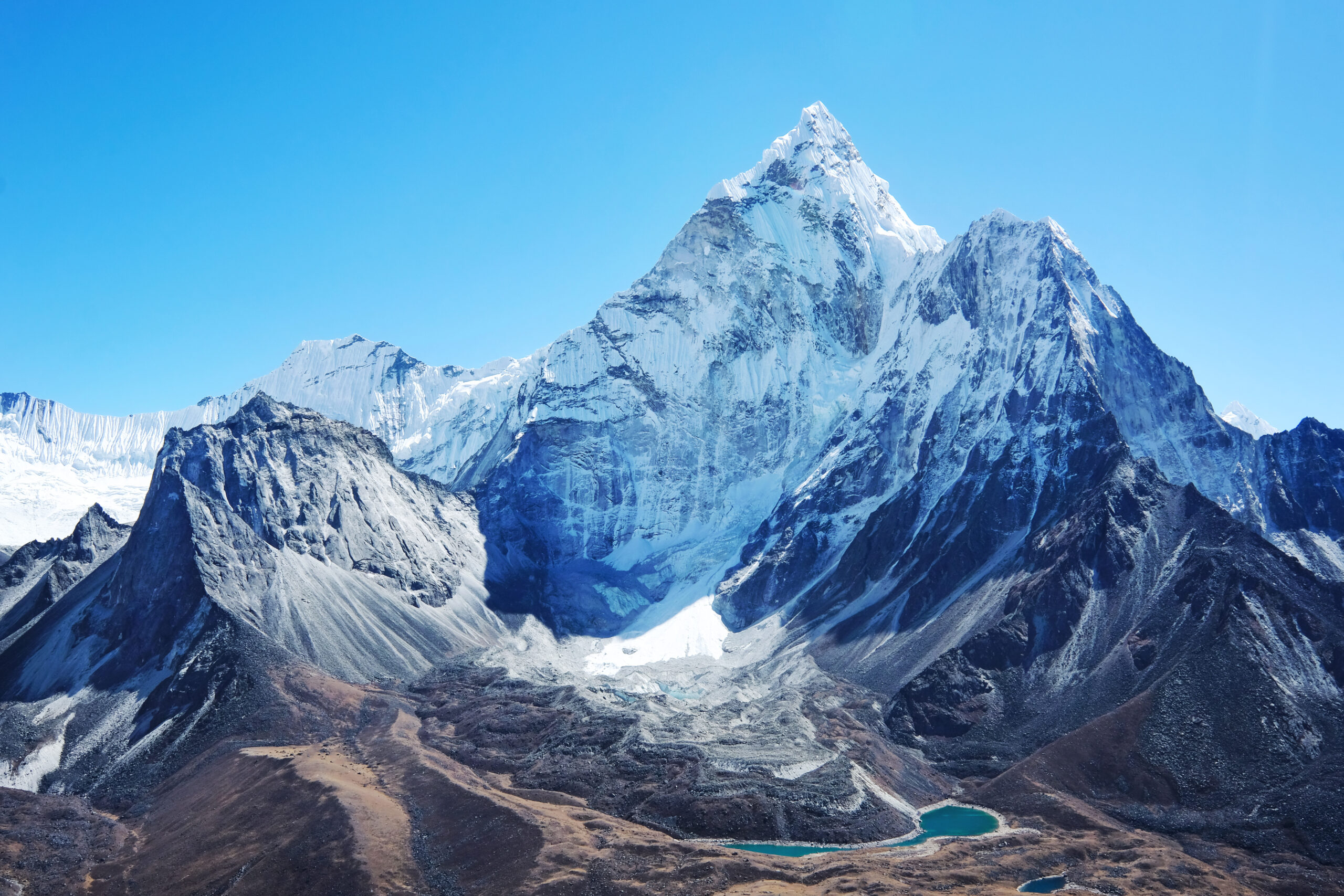
    High-altitude expedition climbing team approaching an 8000m peak with the type of supplementary oxygen and supported logistics that have become standard in modern eight-thousander completions — the question of whether climbers should be required to summit without oxygen to be considered legitimate 14-peaks completers continues to divide mountaineering communities with traditional climbers like Reinhold Messner maintaining that oxygen-free completion is the gold standard while modern record-holders like Nirmal Purja and Kristin Harila argue that climbing as the peaks are intended within current commercial expedition standards represents equally valid achievement in different style
    Modern completions vs traditional completions. Generally, the oxygen debate divides modern speed-record completers (Purja, Harila) from traditional without-oxygen completers (Messner, Kukuczka, Loretan, Carsolio, Viesturs, Kaltenbrunner). Specifically, critics argue oxygen support fundamentally changes the climb while supporters argue both styles produce equally legitimate completions in their own categories. Notably, the dispute is unlikely to resolve — different climbers operate from genuinely different philosophies about what mountaineering should be.

    The “without oxygen” club is essentially closed in 2026. Generally, completing all 14 without supplementary oxygen requires substantially more time (10-15+ years), substantially more risk tolerance, and a level of pure climbing capability that fewer modern climbers are willing or able to develop. Specifically, the last major without-oxygen completers — Veikka Gustafsson (Finland), Denis Urubko (Kazakhstan/Russia), Andrew Lock (Australia), Silvio Mondinelli (Italy) — represent a fading generation. Notably, no women have completed all 14 without oxygen since Gerlinde Kaltenbrunner in 2011 — and the speed-record era’s emphasis on commercial expedition style has made traditional oxygen-free completions less culturally celebrated even when they occur.

    The Verification Disputes in Eight-Thousander History

    The exact count of climbers who have completed all 14 eight-thousanders is genuinely contested because verification standards have evolved over time and several specific completions remain disputed. Generally, the strictest verification authority is Eberhard Jurgalski of 8000ers.com, who applies forensic-level criteria including GPS coordinates of summit points, photographic evidence of climbers at the true summit (not subsidiary summits), and witness testimony from climbing partners. Specifically, the most prominent disputes include: Annapurna I’s true summit (some climbers may have summited the East or Middle Peak rather than the true main summit at 8,091m), Shishapangma’s main vs central summit (the central summit at 8,008m is more accessible than the true main at 8,027m, and several historical climbers may have stopped at the central), and Oh Eun-Sun’s 2009 Kanchenjunga claim (witness accounts suggested she stopped below the summit). Notably, the disputes are not always resolvable — some climbers from the 1980s-1990s era did not collect GPS data or photographic evidence that would satisfy modern verification standards, and 8000ers.com has reclassified several historical completions as “incomplete” based on retrospective analysis. The result is that different databases produce different completer counts — 8000ers.com counts ~44-48 confirmed completers, while broader counts including disputed completions reach 60-65+.

    Eberhard Jurgalski’s 8000ers.com is the strictest verification database. Generally, his strict criteria have led to some historical climbers being removed from the “completers” list, generating controversy in the mountaineering community. Specifically, several climbers who were considered completers for decades have had their completions reclassified as “incomplete” based on retrospective summit photograph analysis. Notably, this is not a malicious effort to discredit climbers — Jurgalski applies consistent forensic standards across all completers, including newer record-holders. But it has created a genuinely contested space where different sources produce different official counts.

    What We Don’t Know

    Honest limitations of any 14 eight-thousanders tracking

    The exact count is genuinely disputed. Approximately 50+ climbers have completed all 14 eight-thousanders as of 2026, but the count varies from ~44 (strict 8000ers.com criteria) to 65+ (broader inclusion of disputed completions). Climbers researching the topic should treat any specific number as approximate rather than definitive.

    This guide profiles 10 climbers but the full list is much larger. Beyond the 10 climbers featured in this guide, the full completer list includes Veikka Gustafsson (Finland), Denis Urubko (Kazakhstan), Andrew Lock (Australia), Silvio Mondinelli (Italy), Krzysztof Wielicki (Poland), Juanito Oiarzabal (Spain), Sergio Martini (Italy), Park Young-Seok (South Korea), Hans Kammerlander (Italy), Ralf Dujmovits (Germany), Kim Chang-Ho (South Korea), and many others. The 10 profiled here were selected for their historical significance, but they are not the only completers.

    Verification standards continue to evolve. The criteria for “true summit” verification have become substantially stricter over the past decade — GPS technology, photographic standards, and forensic analysis of historical summit photos have led to retrospective reclassification of some claims. Future verification refinements may further change which completions are officially recognized.

    National federations and individual climbers sometimes disagree with 8000ers.com. Several climbers whose completions have been disputed by 8000ers.com maintain that they did reach the true summit, and their national federations may continue to recognize their completions. The disputes are not always resolvable through available evidence — and reasonable people genuinely disagree about whether historical completions should be held to modern verification standards.

    Posthumous additions continue to occur. Several climbers have died before completing all 14, and ongoing research into their summit records sometimes results in posthumous additions to the completers list if previously-disputed climbs are eventually verified. The list continues to evolve in both directions — new completions added and disputed completions removed.

    All 14 Eight-Thousanders FAQ

    How many people have climbed all 14 eight-thousanders?

    Approximately 50-65 climbers have summited all 14 eight-thousanders, with the exact count depending on which database and verification standards are applied. The conservative count from Eberhard Jurgalski’s 8000ers.com database (the strictest verification authority) is around 44-48 confirmed completers as of 2024-2025, while broader databases including disputed completions count 60-65 climbers. The debate centers on true summit verification (especially for Annapurna I and Shishapangma) and historical completions that lack modern photographic evidence.

    Who was the first person to climb all 14 eight-thousanders?

    Reinhold Messner of Italy was the first person to summit all 14 eight-thousanders, completing the achievement on October 16, 1986 with his ascent of Lhotse. He was also the first climber to summit all 14 without supplementary oxygen — still considered the gold standard for eight-thousander mountaineering. Messner started his eight-thousander career with Nanga Parbat in 1970 and worked through the 14 over 16 years across both Himalayan peaks and the Karakoram. Polish climber Jerzy Kukuczka completed his 14 just one year later (1987), also without oxygen and almost entirely by new routes.

    Who climbed all 14 eight-thousanders the fastest?

    Kristin Harila of Norway holds the current speed record at 3 months and 1 day, completed July 27, 2023 alongside Tenjen Sherpa. Her record broke Nirmal Purja’s previous record of 6 months 6 days set during Project Possible in 2019. Both record-holders climbed with supplementary oxygen and substantial logistical support, distinguishing their achievements from slower without-oxygen completions. The speed records have become controversial — critics argue that helicopter-assisted approaches and Sherpa-supported expeditions represent a fundamentally different style of mountaineering than original 14-peaks projects.

    Who was the first woman to climb all 14 eight-thousanders?

    Edurne Pasaban of Spain is officially recognized as the first woman to summit all 14 eight-thousanders, completing her project on May 17, 2010 with Shishapangma. Her first-woman status came after South Korean Oh Eun-Sun claimed completion three weeks earlier (April 27, 2010), but Oh’s Kanchenjunga summit was disputed and ultimately not officially verified. Austrian climber Gerlinde Kaltenbrunner became the first woman without supplementary oxygen on August 23, 2011 — what many consider the more significant women’s achievement given Pasaban used oxygen on Everest. Kristin Harila is the fastest woman (and overall) to complete the 14.

    How many climbers have summited all 14 without oxygen?

    Approximately 20-25 climbers have summited all 14 eight-thousanders without supplementary oxygen, depending on verification standards. The without-oxygen club is widely considered the gold standard. Founding members include Reinhold Messner (1986), Jerzy Kukuczka (1987), Erhard Loretan (1995), Carlos Carsolio (1996), Ed Viesturs (2005), and others. Notable women without-oxygen completers include Gerlinde Kaltenbrunner (2011, first woman without oxygen). The without-oxygen distinction is becoming increasingly rare in the speed-record era — modern record-holders Purja and Harila used oxygen.

    Has anyone climbed all 14 eight-thousanders more than once?

    Yes, Sanu Sherpa of Nepal became the first climber to summit all 14 eight-thousanders twice, completing his second round in 2022. He has also summited Everest more than 15 times. His second 14-peaks completion required ascending each peak again with fresh GPS and photographic verification — multiple expedition seasons of extraordinary cumulative altitude exposure. No other climber has completed all 14 twice as of 2026. Sanu Sherpa’s achievement highlights the dominant role of Nepali high-altitude climbers in modern eight-thousander mountaineering.

    Sources and Methodology

    Numbered Source References

    This guide synthesizes verification data from authoritative eight-thousander tracking databases, climber biographies, mountaineering federation records, and contemporary trip report analysis.

    1. 8000ers.com database. Eberhard Jurgalski’s strict verification database for all 8,000-meter peak completions — applies forensic-level criteria including summit photograph analysis, GPS verification, and witness testimony. Widely considered the most rigorous tracking authority.
    2. The Himalayan Database. Founded by Elizabeth Hawley, this database tracks all expeditions and summits on Nepal-side 8,000m peaks. Provides expedition-level data including summit dates, oxygen use, and team composition.
    3. Climber biographies and memoirs. Reinhold Messner’s “All Fourteen 8000ers,” Jerzy Kukuczka’s “My Vertical World,” Ed Viesturs’s “No Shortcuts to the Top,” Edurne Pasaban’s “El Llamado del Cielo,” and Gerlinde Kaltenbrunner’s autobiography — primary source documentation of completion timelines and climbing philosophy.
    4. “14 Peaks: Nothing Is Impossible” (Netflix, 2021). Documentary about Nirmal Purja’s Project Possible — provides visual documentation and context for his record-breaking 2019 completion.
    5. Mountaineering federation records. Alpine Club (UK), American Alpine Club, Spanish Mountain Federation, Italian Alpine Club, Polish Mountaineering Association, Norwegian Climbing Federation, and Korean Alpine Federation — national-level verification authorities for member climbers.
    6. Contemporary climbing journalism. Alpinist, Climbing magazine, Outside, Explorer’s Web, and Planet Mountain — ongoing reporting on new completions, disputed summits, and the evolving completer list.
    7. Internal Global Summit Guide research. Cross-referenced with site coverage of the 14 eight-thousanders including the Mountain Collection page, individual mountain pages, and the eight-thousanders ranked by difficulty analysis.

    Methodology note. Quarterly review cycle — next review September 2026 with potential new completers from the 2026 climbing season.

    Continue Your Eight-Thousanders Research

    The Most Exclusive Club in Mountaineering

    Generally, completing all 14 eight-thousanders is the rarest achievement in mountaineering — fewer than 70 climbers have done it in over a century of attempts. Specifically, this guide tracks the founding legends (Messner, Kukuczka, Loretan), the record-breakers (Purja, Harila), the women pioneers (Pasaban, Kaltenbrunner), and the only climber to do all 14 twice (Sanu Sherpa). Notably, the count grows each climbing season — bookmark this page for quarterly updates as new completers join the club.

    The Complete 14 Eight-Thousanders Guide →
Language »