
Last updated August 29, 2026
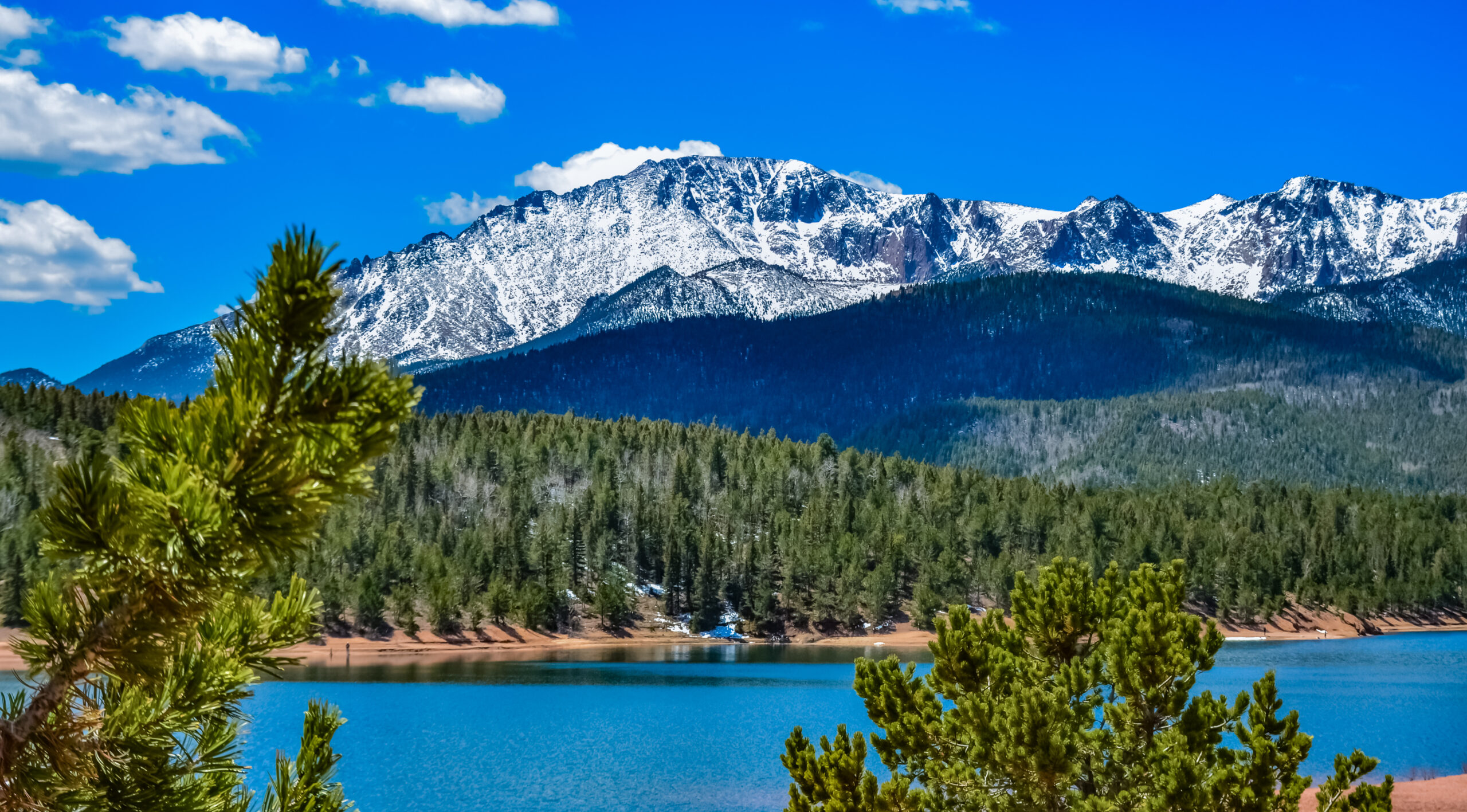
Colorado 14ers Weather Shift — Late August 2026: Monsoon Mornings, First Frost & Summit Timing
Late August is not the end of Colorado’s 14er thunderstorm problem. The weather pattern is shifting: monsoon moisture can still produce afternoon storms while colder dawn temperatures, frost and occasional early-season snow become increasingly plausible at elevation. That means hikers now need to manage both lightning timing and cold exposure on the same summit day.
What Changed for Colorado 14er Hikers?
The practical answer: start just as early as you did in July, but pack warmer. NWS Pueblo’s mid-August forecasts still showed monsoon moisture, mountain thunderstorms and periods of heavy rain, while later-August forecasts continued to show daily thunderstorm chances across parts of the Colorado mountains.
For evergreen route choice, difficulty and peak planning, use our Colorado 14er Hiking Routes guide. This dated post only owns the August 2026 weather transition: storm timing, colder mornings, frost risk and what those changes mean for summit-day decisions.
Late August Is a Transition, Not a Clean Seasonal Break
| Weather signal | Mid-summer pattern | Late-August implication |
|---|---|---|
| Morning temperature | Milder starts common | Frost and colder wind chill increasingly plausible |
| Thunderstorms | Classic monsoon concern | Still possible; do not relax summit timing |
| Daylight | Long summer window | Shortening; dark-start logistics matter more |
| Precipitation type | Mostly rain/hail at lower elevations | Cold rain, graupel or brief high-elevation snow become more plausible |
| Wind chill | Cold possible | Greater consequence when temperatures drop |
NWS Pueblo’s August 15 discussion described active monsoon moisture and thunderstorms capable of heavy rain, followed by somewhat drier periods but continued isolated mountain storms. On August 21, forecasters again described strengthening monsoon moisture and daily thunderstorm chances. The important hiking takeaway is that late August does not switch abruptly from “monsoon” to “fall.”

Keep the Alpine Start. Add the Fall Layer.
The same early departure that reduces lightning exposure also means colder hours before sunrise, especially above treeline.
Should You Start Later Because Mornings Are Cooler?
No. Colorado Fourteeners Initiative still uses alpine starts because summer monsoon storms tend to develop later in the day. Its 2026 safety material emphasizes getting back toward treeline before storm activation and retreating when thunder is heard.
| Route length | Planning bias | Why |
|---|---|---|
| Short Class 1/2 | Early morning start | Preserve a large margin for storm development |
| Long Sawatch day | Pre-dawn | Distance can keep you exposed well after the summit |
| Longs / exposed Class 3 | Very early / route-specific | Retreat from technical terrain takes longer |
| Elk / San Juan technical routes | Conservative start + turnaround | Loose/complex terrain makes fast descent less realistic |
What First Frost Changes Above Treeline
Cold Fingers Arrive Earlier
Light summer gloves may stop being sufficient during a windy pre-dawn ascent.
Thin Ice Changes Scrambling
A small amount of overnight moisture can make shaded rock or timber slick before sunrise.
Hydration Can Chill
Cold starts reduce thirst cues but not hydration demand at altitude.
Weather Windows Shrink
Shorter daylight and slower movement in layers mean less room for schedule drift.
CFI has documented mid-August high-country freezes in past field seasons, including frozen water buckets and lingering snow around August 12–14. That does not predict a specific 2026 frost date, but it demonstrates why late-August hikers should treat subfreezing dawn conditions as plausible rather than exceptional.
What to Add for Late-August 14ers
| Keep from summer | Add / upgrade now | Reason |
|---|---|---|
| Waterproof shell | Warmer midlayer | Colder starts and wind |
| Sun hat + SPF | Warm hat / buff | Pre-dawn exposure |
| Light gloves | Warmer backup gloves | Cold hands reduce dexterity |
| Headlamp | Fresh batteries / backup | More dark-start hiking |
| Normal hiking footwear | Check for frost/ice before committing | Shaded sections can change character |
| Lightning plan | Do not relax it | Monsoon moisture can persist |

On Technical 14ers, Weather Margin Matters More Than Forecast Precision.
If retreat takes hours, a “30% afternoon storm chance” is not a small planning detail.
How the Late-August Shift Feels by Range
| Range | Main late-August concern | Planning emphasis |
|---|---|---|
| Front Range | Lightning + exposed long routes | Early timing, especially Longs Peak |
| Sawatch | Long mileage + cold dawns | Layering and time-on-feet |
| Elk Mountains | Complex terrain + slow retreat | Large weather margin |
| San Juan | Monsoon moisture + technical terrain | Watch localized storm development closely |
| Sangre de Cristo | Wind / exposure / variable moisture | Forecast by exact peak and valley |
This is intentionally not a route guide. For peak difficulty, routes and first-14er selection, return to Colorado 14er Hiking Routes.
A Better Late-August Forecast Check
Read the NWS Discussion
Do not stop at the weather-app icon. Look for timing, moisture trend, fronts, wind and flood language.
Check the Exact Mountain
Colorado ranges can differ substantially on the same day.
Look at the Sky
Forecast confidence does not override visible vertical cloud growth or nearby thunder.
Pre-decide the Trigger
Define what sends you down before summit fever becomes part of the decision.
Turn the Weather Window Into a Real Climb Plan
Colorado 14er Hiking Routes
Choose the peak, route class, range and difficulty outside this dated weather update.
Choose a route → Weather skillMountain Weather
Build a repeatable process for reading forecasts, wind and storm development.
Read weather → Colorado clusterHow Many 14ers Are in Colorado?
Understand the 53/54/58 count without mixing it into this weather article.
See the count → Climber JourneyMy Climb Plan
Save the peak, forecast window, start time, turnaround trigger and final gear check.
Build My Climb →Colorado 14er Weather FAQ — August 2026
Are afternoon thunderstorms still a risk in late August?
Yes. Late August can bring colder mornings while monsoon moisture still produces daily mountain thunderstorm chances.
What time should I summit?
There is no universal safe clock time. CFI emphasizes alpine starts and descending before storm activation; use route length, current forecast and actual cloud development.
Does first frost mean monsoon season is over?
No. Cold mornings and thunderstorm moisture can overlap during the seasonal transition.
What should I add to my pack?
Warmer gloves, a hat or buff, a stronger insulating layer and reliable lighting, while keeping the normal shell, sun protection and lightning plan.
Where do I find the actual Colorado 14er routes?
Use the evergreen Colorado 14er Hiking Routes page; this article is intentionally limited to the August 2026 weather shift.
Start Early Like It Is Monsoon Season. Pack Warm Like Fall Is Arriving.
That is the late-August Colorado 14er transition in one sentence: lightning risk can persist even as the first cold mornings begin changing the feel of summit day.
Was this helpful?
🏔Related peaks nearby
🧭Explore & compare
Global Summit Guide is an independent mountaineering resource founded in 2026. The team combines first-hand trekking and climbing experience with in-depth research and professional health and nutrition review to help climbers choose objectives, prepare properly, and stay safe.
Health, altitude, and nutrition content is reviewed by Taylor Ludlow (Registered Nurse) and Brigg Hoopes (Nutritionist).
What We Don't Know Yet
Mountain information changes quickly. This box explains the limits of what this page can responsibly promise.
- Weather, snowpack, avalanche risk, road access, and route conditions can change quickly and may be different on your climbing dates.
- Visa, passport, vaccination, border, insurance, and local transportation rules may change before your trip.
- Route conditions, snowpack, closures, and weather can change quickly after this page is updated.
- Permit rules, fees, quotas, and reservation windows may change between review cycles.
- Operator availability, pricing, guide ratios, and cancellation terms can change by season.
Verify current conditions with official land managers, guide services, local forecasts, and current route reports before booking or climbing.
Mountaineering, rock and ice climbing, glacier travel, and high-altitude activity are inherently dangerous and can result in serious injury or death. The information on Global Summit Guide is provided for general informational and educational purposes only and is not a substitute for professional instruction, qualified guiding, proper equipment, or your own judgment and experience.
Route conditions, weather, snowpack, permits, regulations, and hazards change constantly and may differ from what is described here. Details may be incomplete, out of date, or contain errors. Always verify current information with local authorities, certified guides, and official sources before making any decision in the mountains.
Nothing on this site is medical, legal, or financial advice. Our fitness, acclimatization, altitude, and nutrition content is general in nature; consult a qualified physician before beginning any strenuous exercise program or exposing yourself to high altitude.
You are solely responsible for your own safety and decisions. To the fullest extent permitted by law, Global Summit Guide and its team accept no liability for any loss, injury, damage, or expense arising from use of, or reliance on, this information. By using this site you acknowledge these risks and accept these terms.
Some links on this site may be affiliate links. If you buy through them we may earn a small commission at no extra cost to you; this never affects our recommendations.
Global Summit Guide recommendation path
Next Best Mountain to Research
Use these recommendations to continue the right planning path instead of stopping on one page.
Use current permit, weather, route, and operator information before booking or climbing.
Explore Travel Options for Your Destination
Once your mountain, dates and route are taking shape, compare flights, hotels and other travel options that fit the trip.
Affiliate link. We may earn a commission at no additional cost to you.