Last updated November 8, 2026
How to Choose an Expedition Operator
The right mountain guide company is not automatically the most expensive, the best-known, or the one with the highest advertised summit success rate. Compare guide credentials, field leadership, safety systems, itinerary design, local-worker treatment, and the full contract before you pay a deposit.
Use this eight-part buyer’s framework to shortlist operators for Everest, Kilimanjaro, Aconcagua, Denali, Rainier, and technical alpine objectives—then ask every company the same questions.
How do you choose a mountaineering expedition operator?
Shortlist three to five companies that actually operate on your objective; verify the lead guides and local permits; compare the real summit-day staffing, acclimatization, medical and rescue plans, detailed inclusions, cancellation terms, and worker support; and request written answers. Choose the program that matches your experience and provides the clearest, most credible field plan—not simply the lowest published price or biggest summit-rate claim.
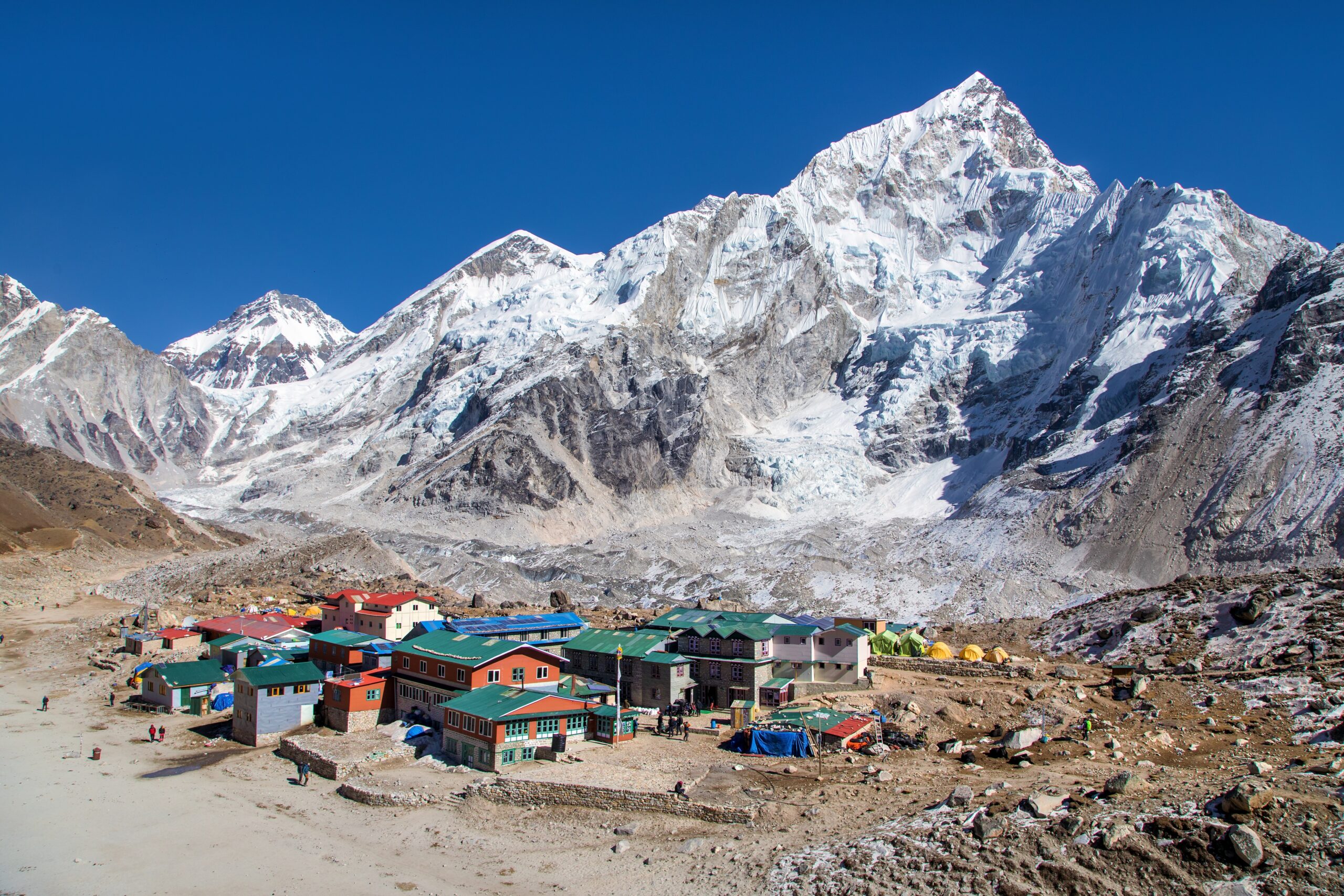
Pick the mountain first
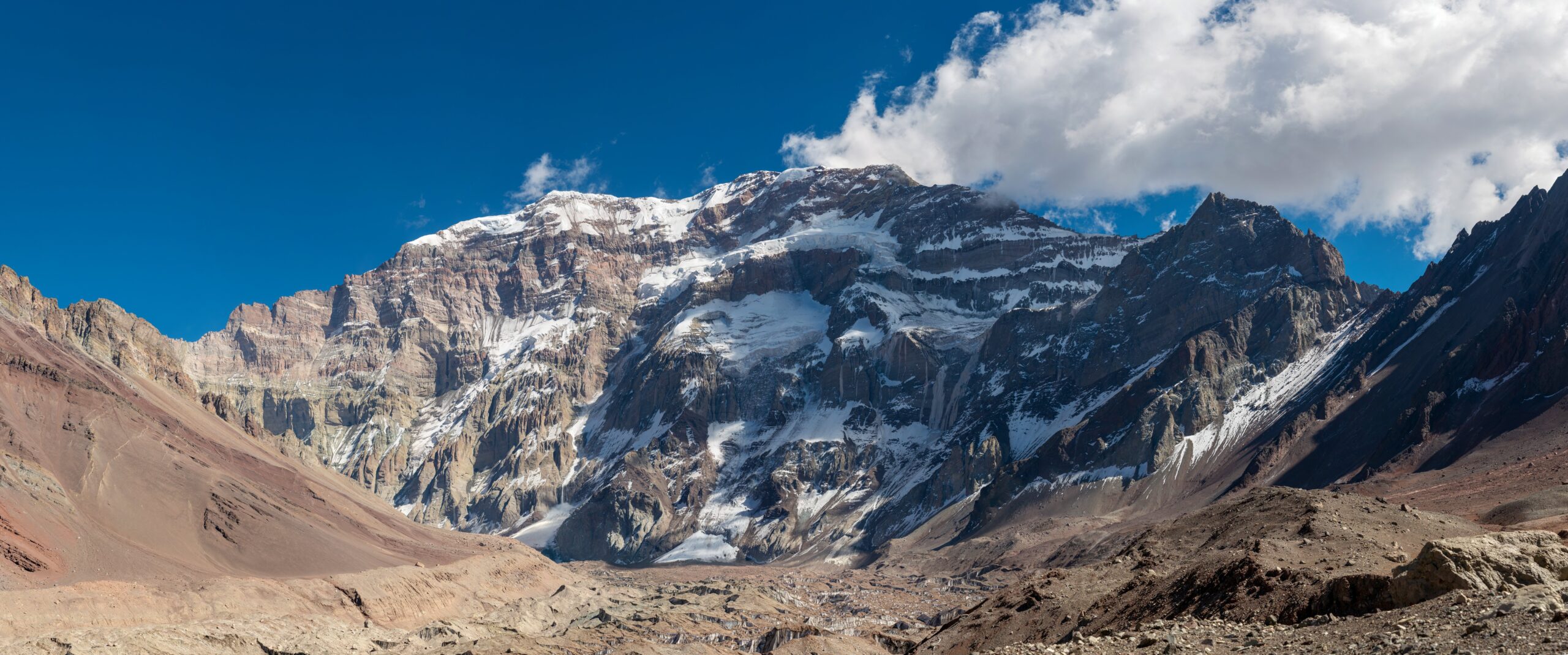
A strong Mont Blanc guide is not automatically the right Everest operator. Compare teams with recent, destination-specific experience.

Look past the brochure
Ask who will guide, which services are subcontracted, what happens when weather or health forces a change, and who pays for the response.
Get the terms in writing
Compare cancellation conditions, refunds, deposits, contingency days, rescue arrangements, and all expected out-of-pocket costs.
Eight criteria every expedition operator should answer
Score each company’s evidence, not your impression of its marketing. The suggested weights below are an editorial planning tool—not a scientific safety score and not GSG’s published operator-ranking methodology.
| Criterion | Suggested weight | What to verify | What a strong answer looks like |
|---|---|---|---|
| 1. Guide credentials & route experience | 15% | Actual assigned guides, qualifications, local approvals, recent objectives. | Names, relevant training, and identifiable recent experience on the route. |
| 2. Guide-to-client ratio | 15% | Ratio at key points, including summit day; distinction between guides and support personnel. | Route-specific staffing plan and explanation of who accompanies a turning-back climber. |
| 3. Acclimatization & itinerary | 15% | Ascent schedule, rest, weather days, flexibility. | Reasonable progression and clear adjustment options when someone is struggling. |
| 4. Safety & evacuation | 20% | Medical oversight, communications, decision authority, rescue limitations. | A credible prevention and response plan without guarantees of rescue. |
| 5. Oxygen & field logistics | 10% | For oxygen peaks: allocation, redundancy, regulator systems; elsewhere, camp and load plans. | Detailed supplies, realistic contingencies, and responsibility assigned. |
| 6. Local-staff welfare | 10% | Staff roles, equipment, pay practices, insurance, load limits, evacuation support. | Documented policies and fair, transparent worker support. |
| 7. Transparent total cost | 10% | Permits, tips, travel, hotel, equipment, insurance and extras. | Line-item inclusions/exclusions rather than an ambiguous headline price. |
| 8. Contract, refund & communication | 5% | Deposit rules, cancellations, delay policy, pre-departure support. | A clear written agreement and timely, specific answers. |
A good score cannot make an unsuitable climb safe
Apply non-negotiable eligibility checks before comparing scores: qualified leadership for the terrain, legal authorization, credible rescue planning, appropriate client readiness, and a workable itinerary. A failure in a critical category should not be averaged away by a lower price.
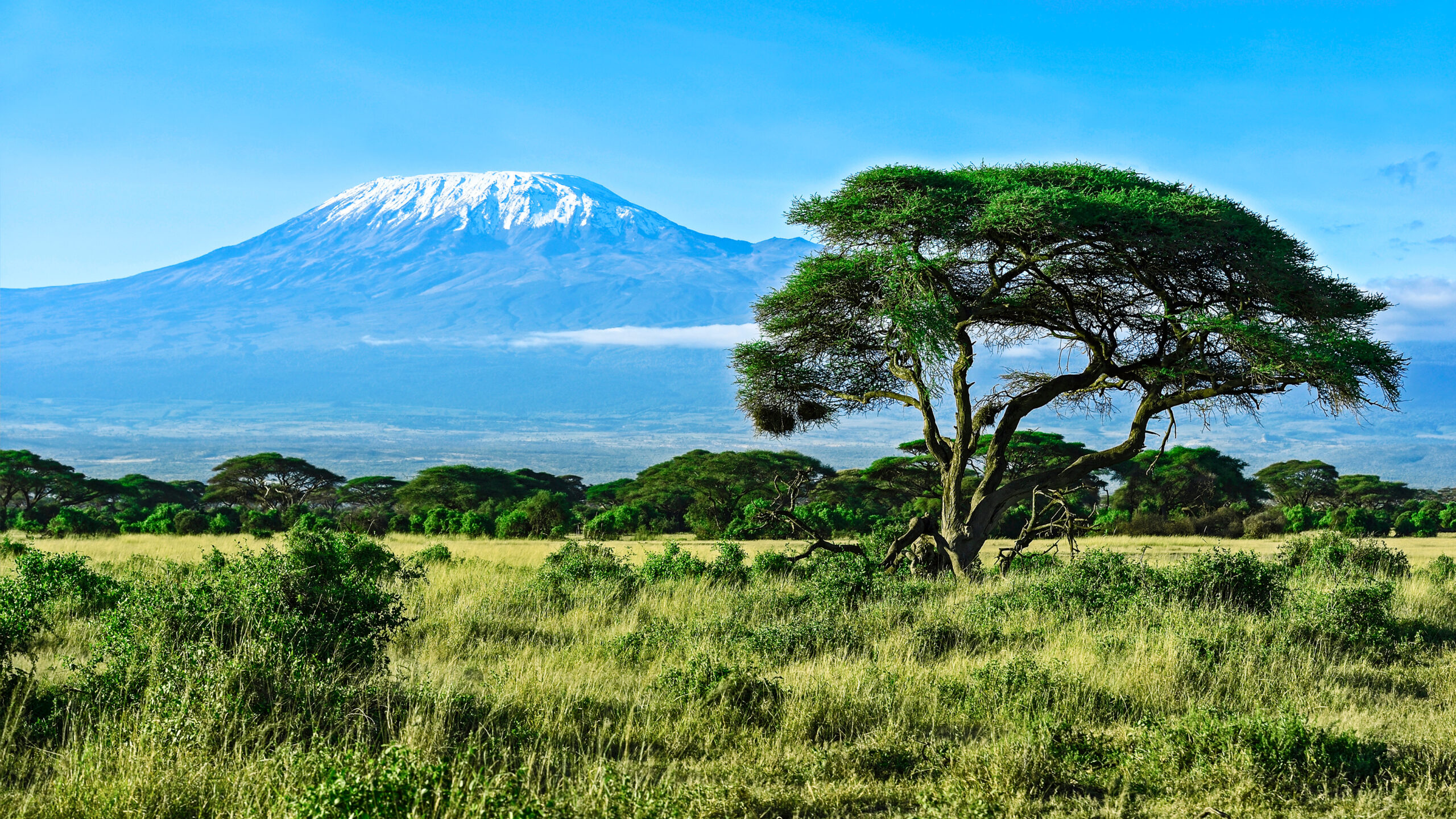
Verify the guide—not just the company’s reputation.
Ask who will actually lead your departure, their experience on the intended route, and which credentials fit that terrain. IFMGA/UIAGM/IVBV qualifications are a meaningful international benchmark for technical alpine guiding; they are not the only legal or relevant qualifications everywhere.
For some mountains, locally recognized licenses, concessions, guiding associations, and national-park authorizations are more directly applicable. Confirm both competence and authorization.
- Ask for the names of trip leaders and the credentials relevant to the terrain.
- Verify an asserted IFMGA credential through a national member association or the IFMGA directory.
- Check who is the on-mountain decision maker when conditions deteriorate.
- Understand where the lead guide’s responsibilities end and local partners’ begin.
Demand a concrete plan for the bad day.
“Safety first” is not a rescue plan. Ask what happens when a client cannot move, a storm delays the team, a climber turns around from high camp, or the normal route becomes unusable. Even excellent operators cannot guarantee helicopter access or remove objective hazards.
At extreme altitude, distinguish medical evaluation, descent support, communications, evacuation coordination and insurance coverage. Different people and organizations may be responsible for each.
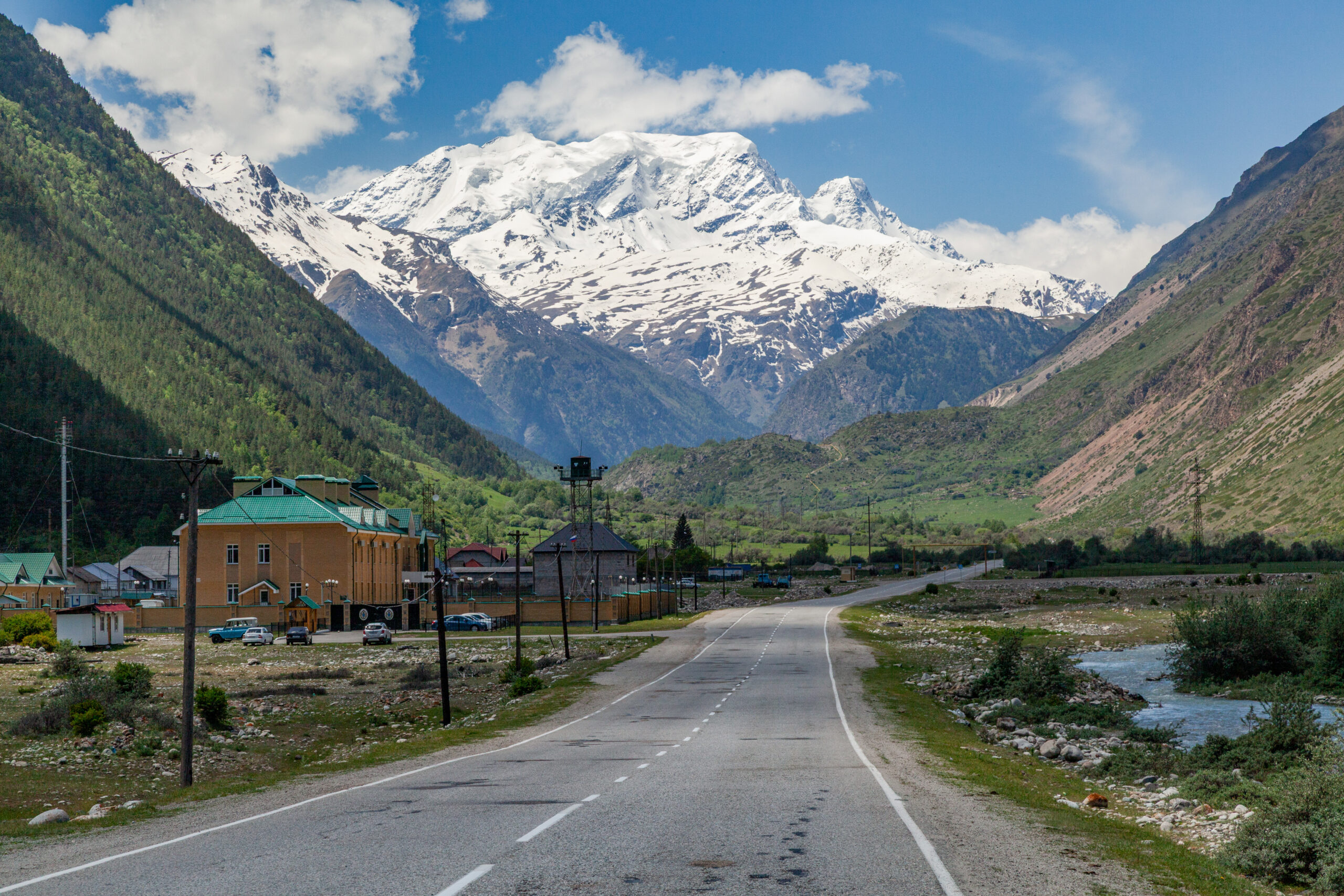
The twelve questions to send to every operator
Copy these questions into one email. Compare written answers side by side; follow up when details are vague. A fast answer is useful, but a precise, honest answer matters more.
- Who will guide my departure, and what credentials and recent route experience do they have?
- What is the guide-to-client ratio on summit day, and how are local staff counted?
- If I turn around, who accompanies me and how does the team regroup?
- What is the acclimatization schedule and how many weather/contingency days are included?
- What emergency communications, medical supplies and evacuation protocols are available?
- For an oxygen-supported trip, what bottles, rates, backups and failures are planned for?
- What permits and approvals does your company or local partner hold for this objective?
- How are local workers paid, insured, equipped and supported after an incident?
- What exactly is included—and excluded—from the quoted price?
- What happens financially if conditions, illness, permits or operator decisions cancel the climb?
- Can I speak with recent clients from this specific mountain and season?
- Based on my experience, is this departure an appropriate fit? What should I improve first?
Signs to investigate further
Unclear summit staffing, missing written terms, pressure to pay immediately, sweeping rescue promises, evasive accident-history answers, unverifiable credentials, and success-rate boasts without denominators should trigger additional scrutiny—not an automatic verdict based on one clue.

Compare the all-in cost—not just the advertised operator price.
Two expeditions with similar headline prices can have very different totals. Use a written cost worksheet covering the operator fee, permits, travel, domestic transfers, lodging, guide gratuities, gear and rentals, supplemental oxygen where relevant, medical coverage and rescue arrangements.
Compare refund schedules and who bears the cost of a rescue, a second weather window, a missed flight, or an early descent. More expensive does not automatically mean safer—and cheaper does not automatically mean poor quality.
Choose the best operator for the mountain and the climber.
An excellent Everest outfitter is not automatically the right guide for a first glacier climb. Use the mountain, terrain, support style, and your experience to narrow the field.
Kilimanjaro
Focus on acclimatization schedule, qualified local guiding, porter welfare, emergency communications, and realistic daily pacing.
Explore Kilimanjaro failure factors →Aconcagua
Compare camp support, acclimatization, weather days, mule and porter logistics, summit-day staffing, and evacuation assumptions.
Find operators by mountain →Everest and 8,000ers
Scrutinize oxygen systems, field staff roles, summit-day support, descent planning, contingency costs, and what happens to a client who must retreat.
Read operator research →Continue into the Mountaineering Truth Project
This operator-selection guide is part of GSG’s larger investigation into the economics, safety systems, and human decisions behind expeditions. Follow the links that answer your next question.
Expedition operator questions, answered
What is the most important consideration when choosing a mountaineering operator?
Start with an appropriately qualified and experienced guide team, a credible safety plan, a realistic itinerary and clear support levels. Then compare total costs and contract terms.
Are IFMGA credentials required for all guided mountains?
No. IFMGA certification is an important international benchmark for technical mountain guiding, but local laws and relevant professional qualifications vary. Verify the specific guide’s credentials and legal authorization for the objective.
Is a 1:1 guide ratio always safer?
Not necessarily. The significance of any ratio depends on terrain, the composition of the team, local staffing, the phase of the climb, and the quality of decision-making. Ask what ratio applies on summit day and what happens during a turnaround.
How many operators should I compare?
A shortlist of three to five relevant companies is practical for many climbs. Compare them using the same written questions and remove any that fail non-negotiable checks.
Should I trust an operator’s advertised summit success rate?
Treat it cautiously unless the company explains the period, mountain, route, client population, denominator and exclusions. It is only one measure and should never replace an assessment of staff, safety planning and appropriate client fit.
Is the cheapest operator the worst choice?
No. Compare what is included, who is guiding, itinerary flexibility, the support system and contract responsibilities. A low quoted price may exclude major costs, but high pricing alone does not demonstrate quality.
How this guide was developed
This is an operator-selection framework, not a claim that GSG has personally tested every guide company. It adapts the eight criteria used in the existing GSG operator-selection article into an actionable buyer’s worksheet, and links to credential and travel-guide standards.
What is and isn’t being scored
The eight suggested weights are editorial decision-support prompts, not validated accident predictors. No company is awarded a score on this page. GSG’s separately published operator rankings use their own stated methodology.
Compare the actual lead guide and departure details; generic brand reputation is not enough. Contracts, conditions, and local requirements may change.
Verify before booking
Editorial note: Global Summit Guide evaluates route fit and operator claims independently. Inclusion does not imply endorsement or a guarantee of safety. A connection to a guide company does not determine its editorial ranking. For current trip terms, consult the named operator and relevant local authorities directly.
Choose the team that can explain the plan.
Build a shortlist, ask hard questions, compare the written answers and choose a program that fits both your mountain and your experience.
Twenty Twenty-Five
email@example.com
+1 555 349 1806
Was this helpful?
Global Summit Guide is an independent mountaineering resource founded in 2026. The team combines first-hand trekking and climbing experience with in-depth research and professional health and nutrition review to help climbers choose objectives, prepare properly, and stay safe.
Health, altitude, and nutrition content is reviewed by Taylor Ludlow (Registered Nurse) and Brigg Hoopes (Nutritionist).
What We Don't Know Yet
Mountain information changes quickly. This box explains the limits of what this page can responsibly promise.
- Guide-company prices, departure dates, guide ratios, included services, and cancellation rules can change without notice.
- Visa, passport, vaccination, border, insurance, and local transportation rules may change before your trip.
- Route conditions, snowpack, closures, and weather can change quickly after this page is updated.
- Permit rules, fees, quotas, and reservation windows may change between review cycles.
- Operator availability, pricing, guide ratios, and cancellation terms can change by season.
Verify current conditions with official land managers, guide services, local forecasts, and current route reports before booking or climbing.
Mountaineering, rock and ice climbing, glacier travel, and high-altitude activity are inherently dangerous and can result in serious injury or death. The information on Global Summit Guide is provided for general informational and educational purposes only and is not a substitute for professional instruction, qualified guiding, proper equipment, or your own judgment and experience.
Route conditions, weather, snowpack, permits, regulations, and hazards change constantly and may differ from what is described here. Details may be incomplete, out of date, or contain errors. Always verify current information with local authorities, certified guides, and official sources before making any decision in the mountains.
Nothing on this site is medical, legal, or financial advice. Our fitness, acclimatization, altitude, and nutrition content is general in nature; consult a qualified physician before beginning any strenuous exercise program or exposing yourself to high altitude.
You are solely responsible for your own safety and decisions. To the fullest extent permitted by law, Global Summit Guide and its team accept no liability for any loss, injury, damage, or expense arising from use of, or reliance on, this information. By using this site you acknowledge these risks and accept these terms.
Some links on this site may be affiliate links. If you buy through them we may earn a small commission at no extra cost to you; this never affects our recommendations.
Global Summit Guide recommendation path
Next Best Mountain to Research
Use these recommendations to continue the right planning path instead of stopping on one page.
Use current permit, weather, route, and operator information before booking or climbing.
Search Flights, Hotels & Rental Cars
Have the mountain or destination picked? Use Expedia to compare the flights, lodging and rental cars that fit your actual trip dates. For mountain travel, consider arriving early enough for delays and adding a buffer night after the climb before a fixed flight home.
Compare current flight, hotel and car options.
Affiliate disclosure: Global Summit Guide may earn a commission if you book through this link, at no additional cost to you.