Last updated October 16, 2026
Mountain collections / European volcanoes
Europe · Volcanic summits · Independent guideEuropean Volcanoes: 12 Incredible Peaks to Hike & Climb
From the restless summit of Etna and Stromboli’s glowing crater to the glacier-covered volcanoes of Iceland and the high-altitude challenge of Elbrus, Europe’s volcanic mountains offer twelve radically different adventures. Find the right one for your ability—and the actual access rules you must check.
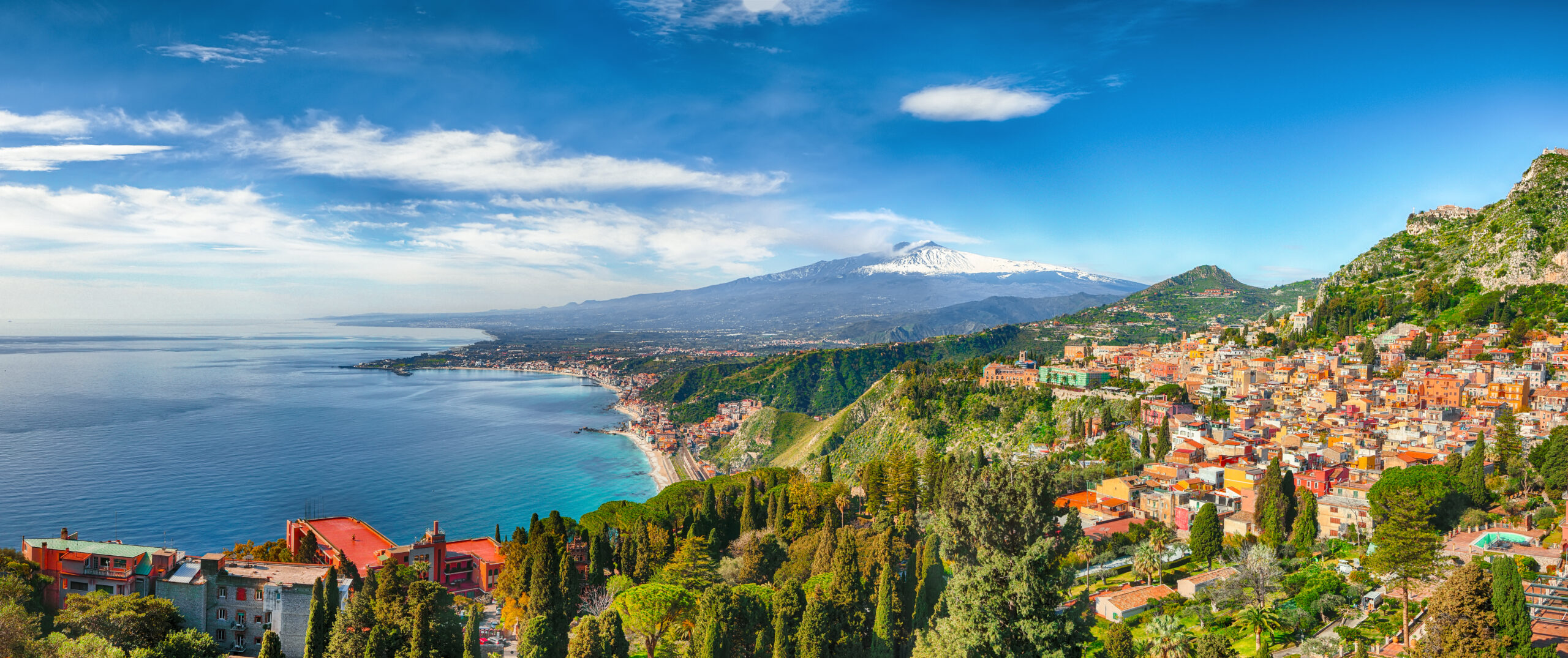
Yes, Europe has spectacular volcanoes. But not every volcano is a climb.
For an easy first crater visit, choose Vesuvius or Nea Kameni. For a real nontechnical summit hike, compare Mount Teide with Pico. For active-volcano terrain, consider Etna when local access permits. For snow, ropes and expedition skills, look to Iceland’s glacier-covered volcanoes. Elbrus is an altitude expedition—not a casual volcanic walk—and current travel advisories may rule it out entirely.
This is an editorial shortlist of twelve outstanding volcano trips—not a claim that Europe contains just twelve volcanoes. The Smithsonian Global Volcanism Program lists 25 Holocene volcanoes within its specifically defined European Volcanic Regions; its separate Atlantic and Caucasus groupings make any universal count of “European volcanoes” dependent on the geographic definition. We include geographically Atlantic islands and the Caucasus under common European mountaineering/travel conventions, labeled explicitly.
Research reviewed October 2026. This article describes geography and planning, not real-time eruption or trail-open status. Check the authorities on the day of travel.
12 European Volcanoes Worth Understanding
Compare actual experience rather than ranking volcanoes only by height. “Access” refers to planning constraints, not a guarantee of an open trail.
| Volcano / volcanic system | Area | Elevation | Experience | Most important planning question |
|---|---|---|---|---|
| Mount Elbrus | Caucasus, Russia | 5,642 m | Glaciated high-altitude expedition | Government travel advisory, altitude, snow and crevasses. |
| Mount Teide | Tenerife, Canary Islands (Spain) | 3,715 m | High summit hike | Telesforo Bravo summit access permit and weather. |
| Mount Etna | Sicily, Italy | Summit varies | Volcanic hiking; guided upper mountain | Current eruptive activity, legal high point and route. |
| Mount Pico | Pico Island, Azores (Portugal) | 2,351 m | Steep, rocky summit hike | Casa da Montanha registration and capacity. |
| Beerenberg | Jan Mayen, Norway | About 2,200 m | Remote Arctic glacier expedition | Lawful landing, island permissions and expedition support. |
| Öræfajökull / Hvannadalshnúkur | Iceland | About 2,110 m | Long glacier summit climb | Glacier safety, crevasses and weather. |
| Eyjafjallajökull | Iceland | About 1,650 m | Glacier-capped volcano traverse | Ice conditions and whiteout navigation. |
| Hekla | Iceland | About 1,490 m | Volcanic mountain day hike | Current monitoring and mountain exposure. |
| Mount Vesuvius | Campania, Italy | 1,281 m | Ticketed crater-rim walk | Official ticket availability and park rules. |
| Stromboli | Aeolian Islands, Italy | About 924 m | Regulated eruption viewpoint hike | Current municipal permitted altitude and guide rules. |
| Santorini / Nea Kameni | Cyclades, Greece | Low crater terrain | Boat-access volcanic crater walk | Boat schedule, hot weather and volcanic-area advisories. |
| Reykjanes volcanic zone | Southwest Iceland | Low-lying volcanic landscape | Legal viewpoints / dynamic lava landscape | Active hazard maps, volcanic gas, closures and road access. |
Six regions. Six kinds of adventure.
Italy & Greece
Etna, Stromboli, Vesuvius and Santorini create a practical volcano-focused holiday, but the mountain rules differ: eruptive summits, controlled viewpoints, ticketed crater trails and ferry-access caldera walks.
Iceland
Hekla, Eyjafjallajökull, Öræfajökull and Reykjanes show the difference between a volcanic mountain climb, crevassed glacier travel and a dynamic eruptive landscape where access can change quickly.
Tenerife
Teide combines a 3,715 m elevation with a well-developed visitor system. It is approachable logistically, but the final summit trail is permission-controlled and altitude still matters.
Pico Island
Portugal’s high point is a substantial independent mountain day over steep rough volcanic rock. Visitor controls, sea-level start-to-finish travel logistics and fast-changing cloud define the experience.
Jan Mayen
Beerenberg is a polar mountaineering objective requiring prior lawful access, sea travel, weather windows and an experienced glacier team—fundamentally different from a tourist day trip.
Mount Elbrus
A two-summit volcanic massif and conventional European Seven Summits high point. Mountaineering competence is only part of planning: travel advisories are a threshold consideration, especially for U.S. citizens.
Geography source: Smithsonian Global Volcanism Program — European Volcanic Regions. Its taxonomy separates Iceland and the Atlantic archipelagos from its European region grouping; this guide uses a broader travel definition.
Active volcanoes, classic crater walks and island geology
Italy offers the most straightforward multi-volcano itinerary: Etna in Sicily, Stromboli in the Aeolian Islands and Vesuvius near Naples. Add Santorini’s Nea Kameni for an accessible look at a volcanic caldera in Greece.
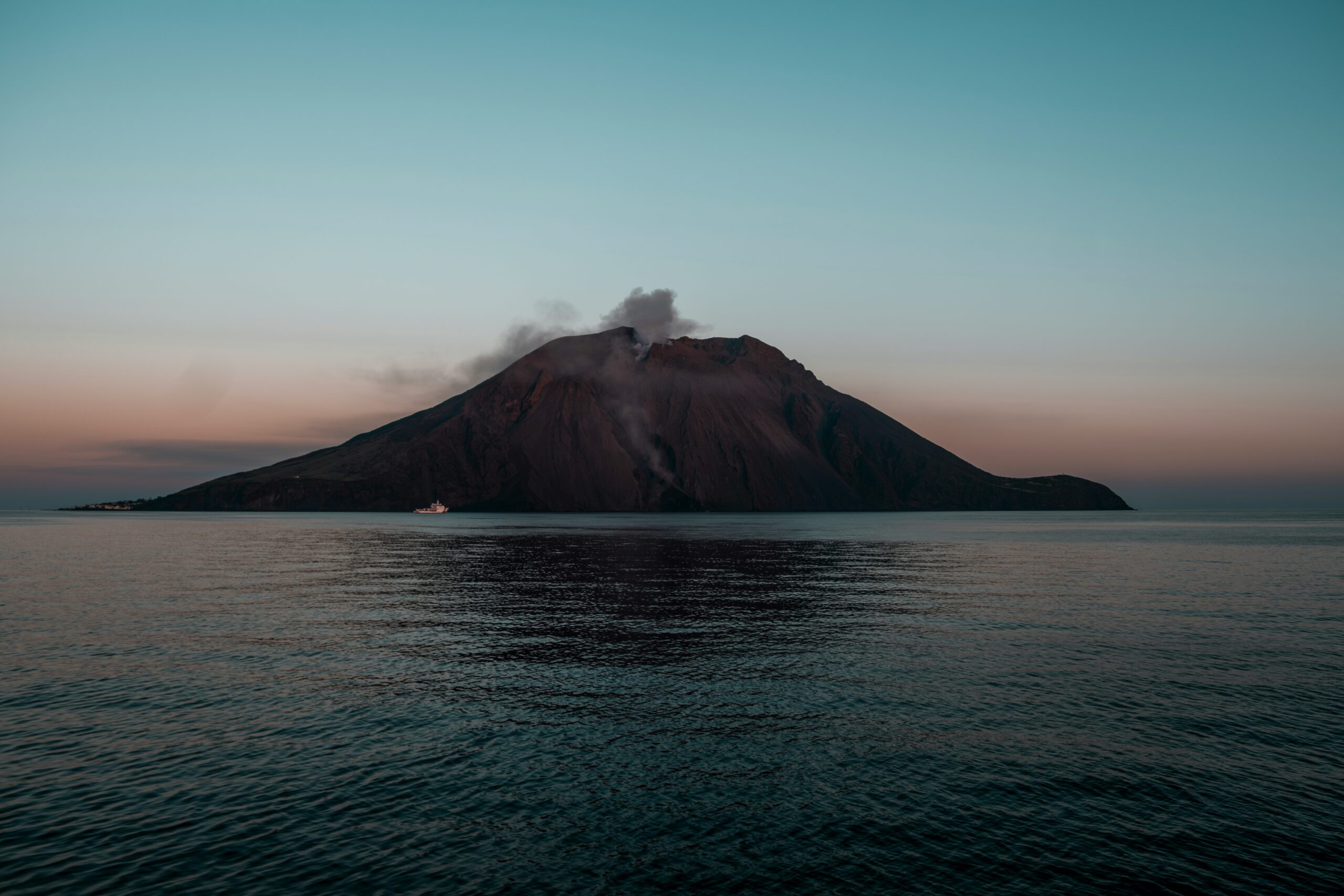
When a volcano is active, the viewpoint is the objective.
The attraction is Stromboli’s frequently active summit crater system, especially around dusk. It is also exactly why summit permissions can change abruptly. Older guidebooks commonly quote former upper-trail limits that no longer apply.
Choose a locally authorized excursion only after checking current municipal ordinances and INGV bulletins. If the upper trail is closed, enjoy legal lower viewpoints rather than treating barriers as optional.
Best for: geology-driven travelers comfortable with a conditional plan. Watch: sudden explosions, ash, loose footing and limited visibility.
Read INGV volcano bulletins →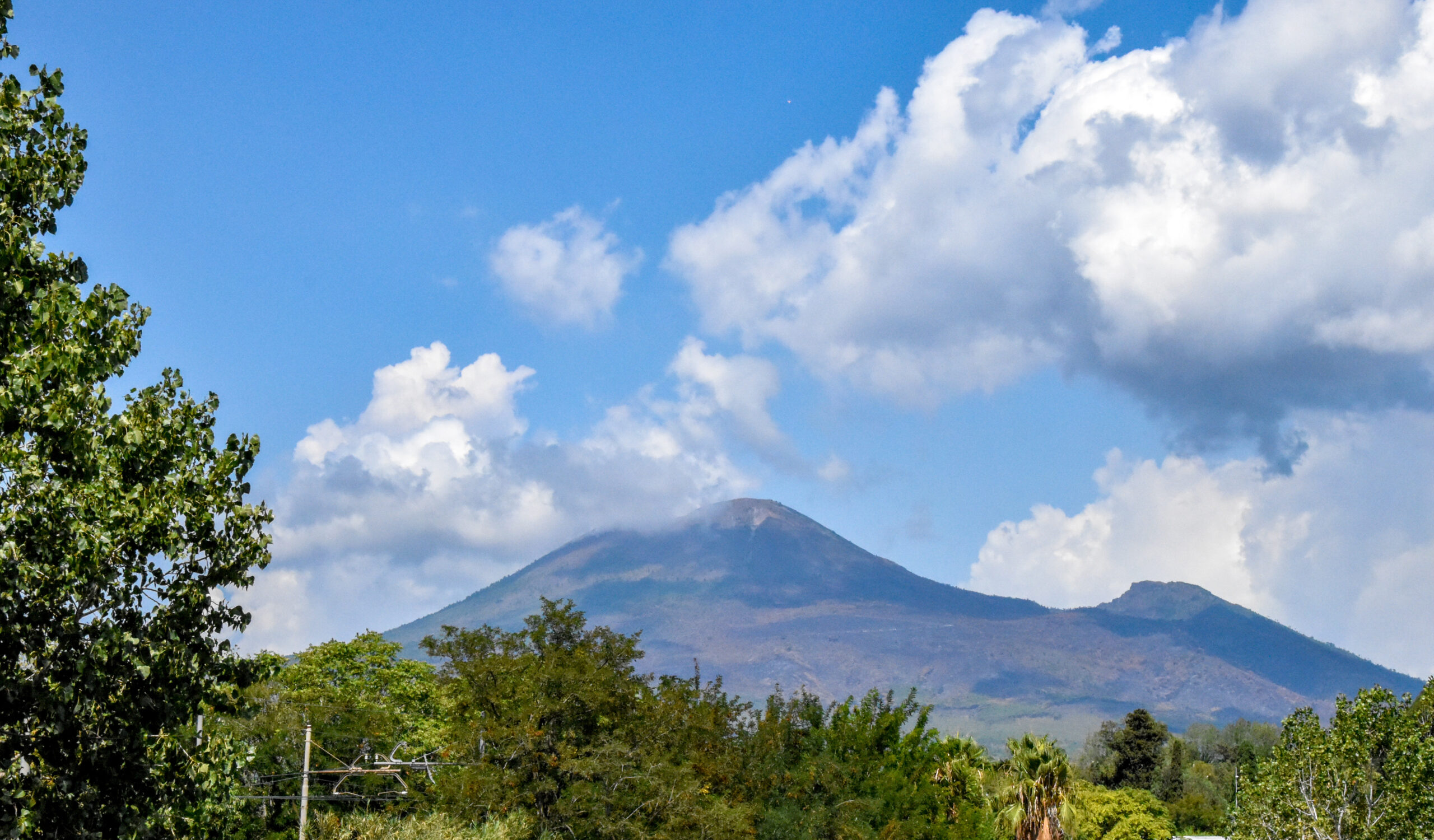
The most accessible crater walk on this list.
Vesuvius offers a comparatively short crater-rim walk and extraordinary context from Pompeii and Herculaneum. The experience is more about park entry, timed tickets, bus/shuttle logistics, summer heat and exposure than mountaineering skill.
Do not confuse easy hiking with zero volcanic hazard. Vesuvius is monitored and the protected park can restrict access for operational or weather reasons. Allow enough time to approach the upper trailhead and carry water, sun protection and grippy shoes.
Best for: families and first-time volcano visitors comfortable walking uphill. Trip pairing: Naples + Pompeii + Vesuvius.
Read our Mount Vesuvius climbing guide →
A caldera walk, not a summit expedition.
Boat trips cross Santorini’s flooded caldera to Nea Kameni, where signed paths explore dark young volcanic rock and low crater terrain. Choose this for volcanology and landscapes rather than a high-altitude challenge.
Plan around ferry or excursion schedules, exposed heat, changing maritime weather and the access instructions issued for the islet. Nea Kameni differs from the cliff-top settlements of Santorini: a postcard of Oia is not a photograph of the volcanic hike.
Best for: mixed-ability travel groups, history and landscape enthusiasts. Watch: heat, minimal shade, boat cancellations.
Compare it with the other easy volcano walks →High volcanic hikes and glacier-clad giants
The Atlantic examples demand careful differentiation. Teide and Pico are powerful summit hiking choices; Icelandic volcanoes may require glacier teams; Reykjanes eruption sightseeing requires current hazard maps and explicit legal access.
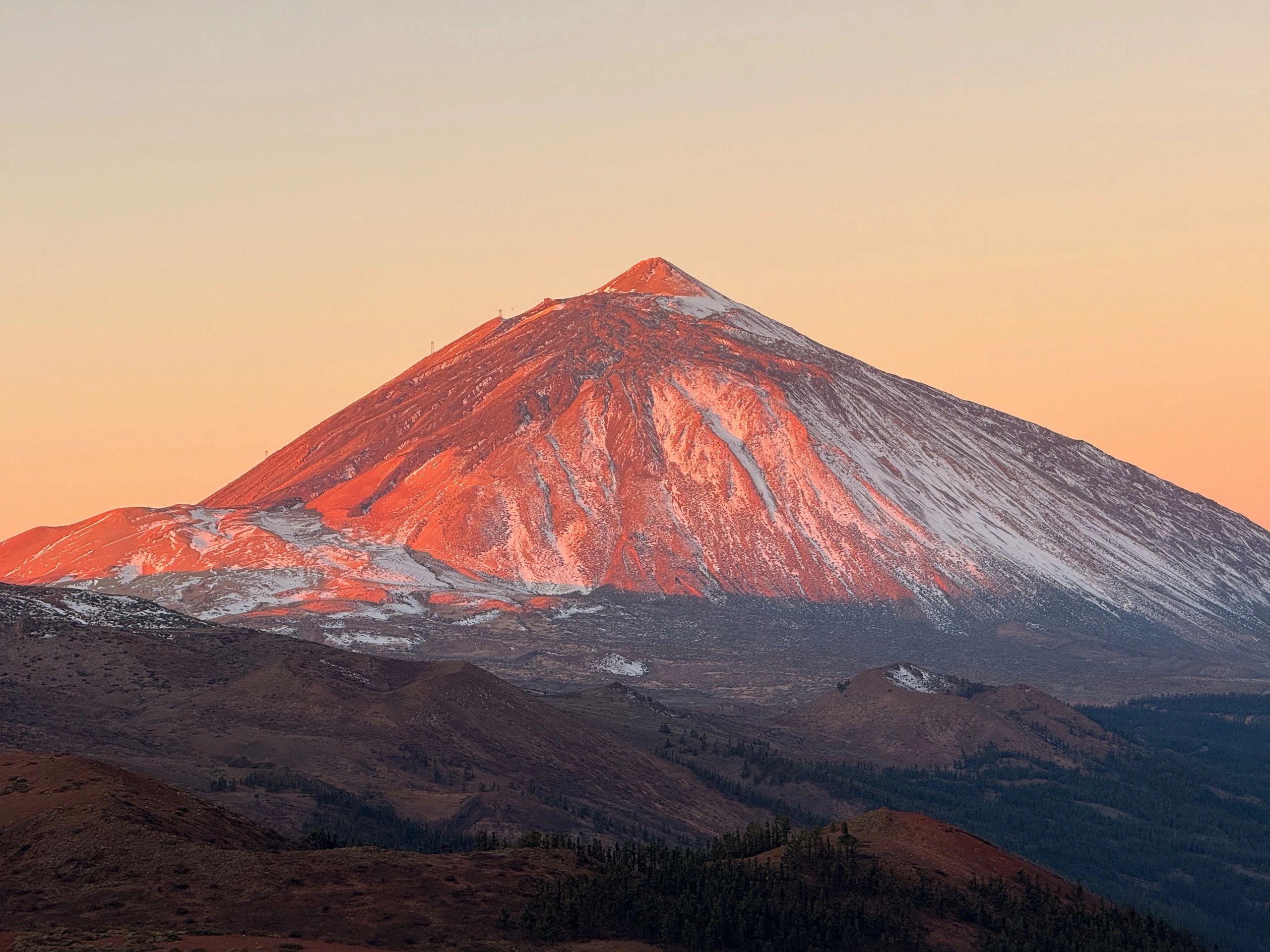
Europe’s great high-volcano day hike
Teide rewards strong hikers with a surreal volcanic landscape and one of Spain’s iconic mountain summits. Cable-car visitors can reach La Rambleta, but continuing to the highest point along the Telesforo Bravo trail requires official authorization. Other trails may also have booking or equipment requirements.
Altitude, sun, wind and early starts matter. The easiest logistics do not equal an easy summit day—especially from a low-elevation holiday base with no acclimatization.
Best for: hikers who want a true high point. Plan first: permit access, start time, cable-car operation, weather.
Explore the Mount Teide guide →Official booking: Tenerife ON · Trail PNT 10.

Portugal’s highest summit is tougher than the photos suggest.
Unlike a roadside crater walk, Pico is a steep ascent over uneven, abrasive lava with often fast-changing cloud and wind. The climb involves a large height gain from the trailhead, a demanding descent and restricted mountain visitor numbers.
Register and reserve through the official Casa da Montanha system; do not assume a guided excursion automatically replaces the park’s rules. A clear, calm day is worth choosing over a fixed vacation date.
Best for: fit, sure-footed hikers. Watch: slippery rock, fatigue, rapidly changing cloud and booked-out slots.
See the reservation checklist →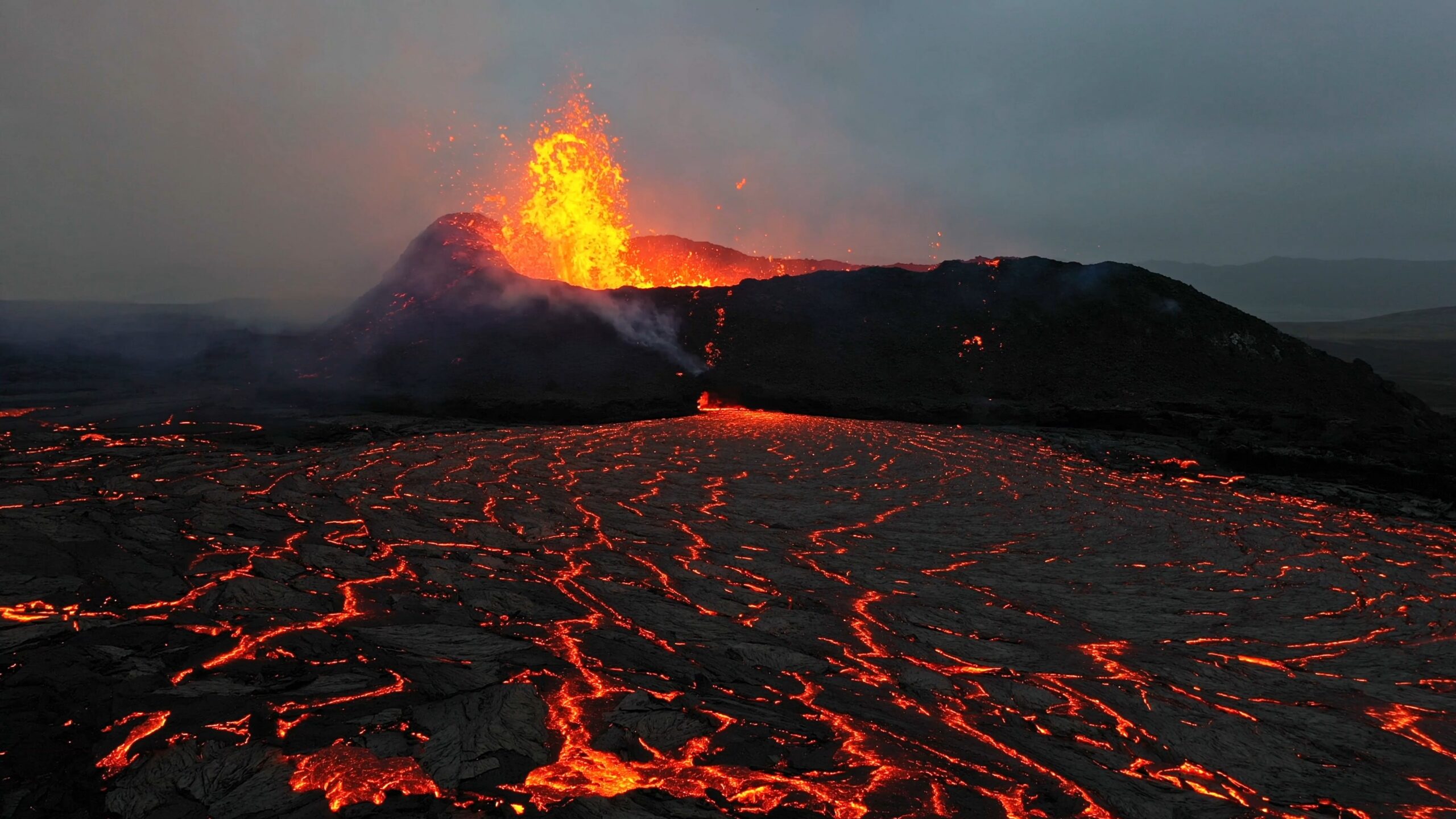
Four names, four totally different objectives.
Hekla: an exposed mountain and active volcanic system where monitoring must be taken seriously. Eyjafjallajökull: the 2010-eruption volcano capped by a glacier, with winter/summer conditions and ice hazards. Öræfajökull / Hvannadalshnúkur: a longer, more technical glacier summit, often approached with expert guides. Reykjanes: a changing fissure- and lava-field system, not a single summit walk.
For ice-covered terrain, glacier travel, crevasse rescue, whiteout navigation and local expertise are central; a hiking app is not an adequate substitute. For Reykjanes, never walk over newly formed lava or enter closed gas/hazard areas to reach a photo viewpoint.
Check: Icelandic Met Office and SafeTravel Iceland.
Keep the planning moving.
Once you know what kind of volcano trip fits, the next useful page is a specific summit guide—not another vague bucket list.
Beerenberg and Elbrus are not vacation hikes.
Beerenberg: the access problem comes first.
This glacier-covered volcanic mountain lies on a remote Norwegian island with protected land and restricted travel. Even experienced mountaineers cannot treat it like a normal lodge-to-summit trip.
Before thinking about an ascent, establish that landing and accommodation arrangements are lawful and authorized, that ship and weather logistics are genuinely feasible, and that a suitably experienced glacier team and communications plan exist. Island permissions do not automatically authorize every route or activity.
Practical verdict: Beerenberg is for organized expedition groups, not independent volcano tourism. Planning should start with Norwegian official guidance, not tour marketing.
Elbrus: altitude and government advisories.
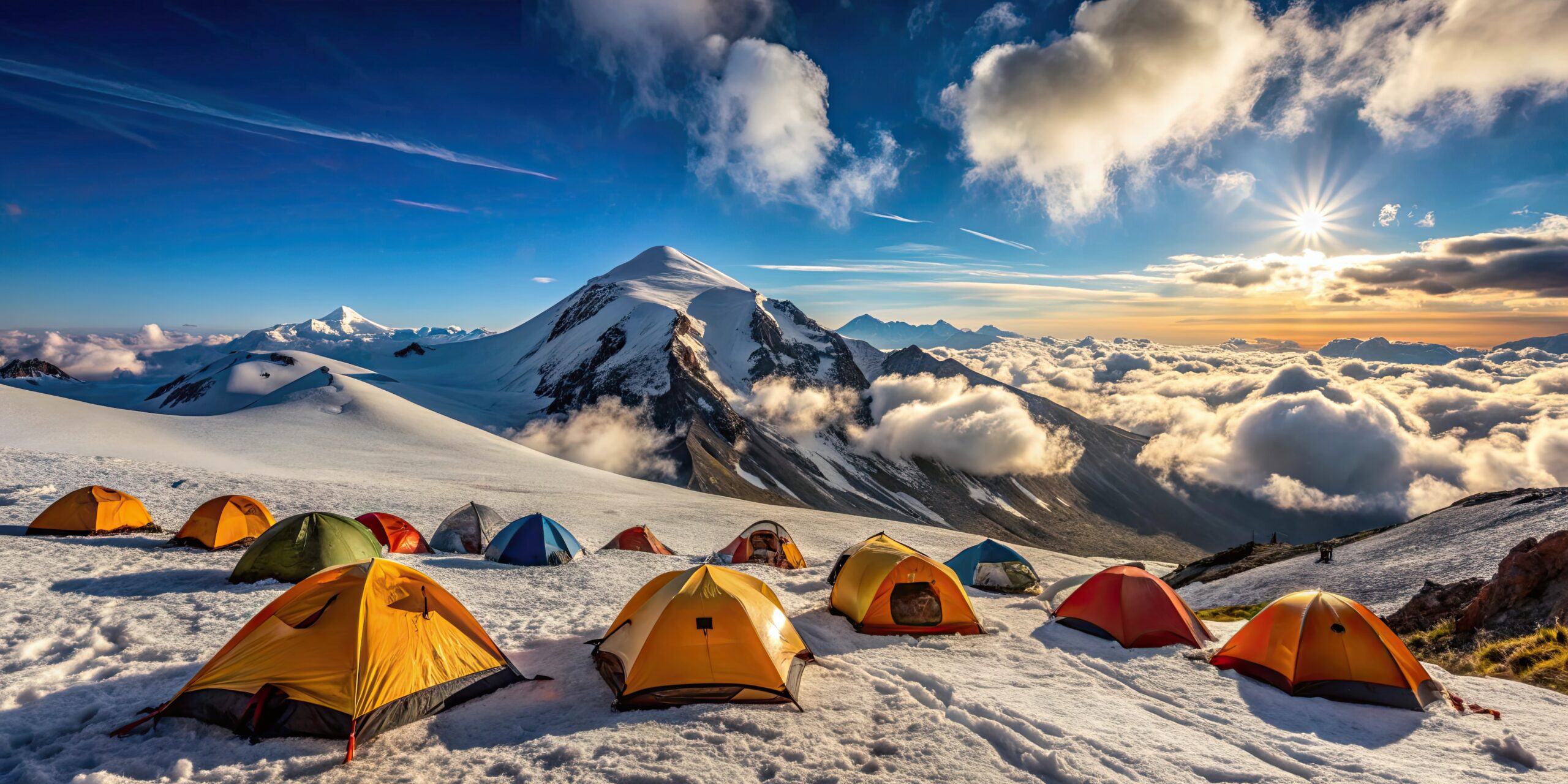
Elbrus is the most familiar volcanic expedition in a conventional Seven Summits itinerary. At 5,642 m, it involves acclimatization, glacier travel, crampon movement, severe cold and potentially dangerous wind. Its apparent simplicity on the common south side is routinely underestimated.
More important today: the U.S. State Department advises U.S. citizens not to travel to Russia and specifically says not to attempt Mount Elbrus. This is not a casual recommendation to book the mountain. Travelers should review their own government’s advice and available support before any travel decisions.
Read the full Elbrus guide → | U.S. Russia Travel Advisory →
Which European volcano should you climb first?
Vesuvius or Nea Kameni
You want volcanic landscapes and a manageable walk, not an expedition. Check tickets, trail hours, transport, sun exposure and safe access. Choose Vesuvius if your trip centers on Naples; Nea Kameni if it centers on Santorini.
See Vesuvius →Teide or Pico
You want a meaningful mountain summit. Teide adds thin air and permit constraints; Pico adds rough rock and a punishing downhill. Be honest about fitness, weather tolerance, pacing and whether you have secured the required reservation.
Explore Teide →Etna or Stromboli
You prioritize the experience of a living volcanic system. Plan a guided upper-volcano excursion only within current rules, and have a worthwhile lower-elevation alternative if access changes unexpectedly.
Explore Etna →Icelandic summit volcanoes
You already understand rope-team travel, crevasses, snow bridges and navigation in cloud. Build with local professionals and a conservative weather margin; never treat an ice cap as an ordinary hiking route.
Read mountain-weather planning →Beerenberg
Your first hurdle is not altitude or scrambling—it is lawful access to Jan Mayen. Permit feasibility, an expedition vessel, independent rescue planning and glacier competence should decide the trip.
Check expedition readiness →Elbrus
A conventional high-altitude objective whose political/security access requires a separate go/no-go decision. The current U.S. government “Do Not Travel” advice takes priority over climbing ambitions.
Read Elbrus planning →Volcano hiking gear: buy for the actual terrain.
A Vesuvius crater walk and an Icelandic glacier summit do not share the same equipment list. For dry volcanic rock, secure footwear, sun protection, hydration, a windproof layer and a headlamp for early starts are more important than expedition equipment.
For Pico and Teide, consider strong traction, wind and temperature protection and enough water for exposed ground. Glacier-capped volcanoes require a completely different technical system—rope, harness, compatible crampons, axe and the skills to use them.
Gas hazards and closed routes are not problems equipment can solve. Do not rely on an ordinary dust mask as proof that an active eruption area is safe.
Prepare for the terrain—not the photo.
Compare weather-resistant hiking footwear and layering systems before your volcano trip. This is a disclosed commercial link; purchases may support Global Summit Guide at no extra cost to you.
Display advertising on this page is handled by Global Summit Guide’s ad provider where enabled. We do not ask visitors to click display ads or place them over navigation.
Six hazards that change volcano trips
Volcanic gas
Hazardous concentrations can accumulate in low places, valleys and near vents. Odor is not a dependable warning. Follow civil protection and monitoring services, especially on Reykjanes and active Mediterranean volcanoes.
Explosions & ash
Strombolian explosions can be unpredictable; volcanic ash can reduce visibility and air quality. Historic or “normal” activity does not grant hikers permission to enter closed exclusion zones.
Loose volcanic rock
Tephra, scree and sharp lava slow descent. A route that feels easy uphill can become exhausting downclimbing over loose material, especially after fatigue or rain.
Weather and exposure
Wind, fog, lightning, ice and poor visibility are major hazards even when a volcano is not erupting. Mountain-specific forecasts and turnaround rules matter more than a forecast for a nearby city.
Glacier travel
Öræfajökull, Eyjafjallajökull and Beerenberg can involve hidden crevasses and snow bridges. Competent rope teams, route assessment and rescue capacity are not optional details.
Access restrictions
A technically passable path may still be legally closed. Confirm permits, national-park reservations, island landing permissions, eruption warnings and municipal ordinances at the time of travel.
What to verify before leaving for a European volcano
- Volcanic activity: confirm latest local official status rather than using old eruption photos or a generic alert summary.
- Legal access: establish whether your precise trail, summit sector or crater viewpoint is open, and whether a guide is compulsory.
- Reservations: check Teide’s summit trail, Pico’s visitor system, Vesuvius tickets and any island landing restrictions.
- Weather: check summit-level wind, temperature, cloud and lightning; evaluate the return, not only the ascent.
- Skills and equipment: confirm the ground matches your footwear, fitness and technical ability.
- Fallback: identify a legal lower-elevation hike, museum, coastal trail or alternate day if the climb closes.
Official resources to bookmark
- Smithsonian Global Volcanism Program — long-term volcanic history.
- INGV Catania — Etna and Stromboli monitoring.
- Icelandic Meteorological Office — Icelandic volcanic and weather monitoring.
- SafeTravel Iceland — traveler safety alerts.
- Tenerife ON — Teide PNT 10 summit route and authorization.
- U.S. State Department — Russia / Elbrus advisory.
Every source is linked for direct checking; this article is not a live eruption-status service. Exact Pico and Jan Mayen arrangements must be reconfirmed with competent local authorities/operators.
European volcanoes: frequently asked questions
How many volcanoes are in Europe?
There is no one universally meaningful number without defining geography and time period. The Smithsonian Global Volcanism Program lists 25 Holocene volcanoes specifically in its European Volcanic Regions; it classifies Iceland and the Atlantic islands separately, and the Caucasus has its own regional grouping. This page selects twelve notable hiking and climbing objectives rather than claiming an exhaustive scientific list.
What is the highest volcano in Europe?
Under the common Seven Summits convention that places the Caucasus within Europe, Mount Elbrus at 5,642 metres is Europe’s highest volcanic mountain and highest summit. Its climb involves high altitude and glacier hazards, and U.S. government guidance currently advises against attempting it.
What is the best European volcano for beginners?
Mount Vesuvius is usually the most approachable major crater-walk option in this group, with a short managed trail. Santorini’s Nea Kameni provides another relatively accessible volcanic walk. Both still require checking park or boat access, current weather and heat exposure.
Can you climb Mount Etna while it is active?
Visitors can often hike legally open parts of Etna, but upper routes and summit crater access change with monitoring and local restrictions. Never assume an advertised tour or past visit proves that a particular high point is safe and open today.
Is it legal to hike to the Stromboli summit?
Do not rely on outdated summit trail descriptions. The permitted altitude, guide requirements and exclusion areas change with volcanic conditions and municipal rules. Check the current authorization and the latest INGV bulletins before reserving any higher route.
Do you need a permit to summit Mount Teide?
Yes. The final Telesforo Bravo route (PNT 10) requires authorization managed through Tenerife ON, and some related trails have additional reservation rules. Cable-car access alone is not equivalent to a summit permit.
Is Mount Pico a difficult hike?
For a fit hiker, it is nontechnical in normal favorable conditions but physically demanding: steep, rocky volcanic ground, significant elevation gain and a tiring descent. Visitor registration and reservations through the official Casa da Montanha process are important.
Can you hike to Iceland’s active lava flows?
Only where authorities permit access. Icelandic eruption areas can have toxic gas, unstable lava, fissures, rescue hazards and closed roads. Never treat an image, a past walk or a tour listing as proof of current access. Check the Icelandic Met Office and SafeTravel.
Which Icelandic volcano is suitable for a glacier climb?
Öræfajökull/Hvannadalshnúkur and Eyjafjallajökull are well-known glacier-capped objectives, but suitable conditions and routes require current assessment. They are for experienced alpinists or properly guided parties with rope-team and crevasse skills, not general volcano hikers.
Can tourists climb Beerenberg on Jan Mayen?
Not as a routine fly-in tourist outing. Jan Mayen is a protected and restricted Norwegian Arctic island requiring lawful access arrangements. Beerenberg is a remote glacier expedition and visiting permissions, transport and rescue planning are substantial obstacles.
Is Mount Elbrus currently advisable for U.S. travelers?
No. The U.S. State Department’s Russia advisory says not to travel to Russia and specifically warns against climbing Mount Elbrus in the North Caucasus. Current safety advice and legal/insurance issues should take priority over summit plans.
When is the best season for European volcano hiking?
It depends entirely on the mountain. Vesuvius and Santorini can be pleasant outside peak summer heat; Teide and Pico require evaluating year-round high-mountain weather; Icelandic glacier routes need specialist seasonal assessment. Active volcanic restrictions can override ordinary seasonality at any time.
How this collection was assembled
The twelve destinations are selected for their value as mountain-travel objectives, rather than to rank every geological volcanic feature or imply that every entry is currently climbable. Geography follows common European mountaineering and traveler conventions, while acknowledging the Smithsonian’s different regional taxonomy. Altitudes are rounded where measurement or volcanic change makes exact figures misleading.
Safety decisions use official monitoring and access systems as primary references: Smithsonian GVP for the inventory, INGV for Italy, Icelandic weather and civil-safety resources, Tenerife ON for summit permission and the U.S. State Department for Elbrus-related travel warnings. We avoid claiming firsthand ascents of these volcanoes where they have not been documented.
Commercial partnerships do not determine recommendations, volcano order or which entry is labeled the best choice. Any advertising or referral placement is clearly distinguished from editorial access and safety advice.
Last content review: October 16, 2026. Check all access, safety, opening and booking conditions again before departure. For updates, consult Europe’s active volcano guide and official authorities.
Was this helpful?
Global Summit Guide is an independent mountaineering resource founded in 2026. The team combines first-hand trekking and climbing experience with in-depth research and professional health and nutrition review to help climbers choose objectives, prepare properly, and stay safe.
Health, altitude, and nutrition content is reviewed by Taylor Ludlow (Registered Nurse) and Brigg Hoopes (Nutritionist).
What We Don't Know Yet
Mountain information changes quickly. This box explains the limits of what this page can responsibly promise.
- Visa, passport, vaccination, border, insurance, and local transportation rules may change before your trip.
- Route conditions, snowpack, closures, and weather can change quickly after this page is updated.
- Permit rules, fees, quotas, and reservation windows may change between review cycles.
- Operator availability, pricing, guide ratios, and cancellation terms can change by season.
- Your fitness, altitude response, risk tolerance, and experience level may change what is safe or realistic.
Verify current conditions with official land managers, guide services, local forecasts, and current route reports before booking or climbing.
Mountaineering, rock and ice climbing, glacier travel, and high-altitude activity are inherently dangerous and can result in serious injury or death. The information on Global Summit Guide is provided for general informational and educational purposes only and is not a substitute for professional instruction, qualified guiding, proper equipment, or your own judgment and experience.
Route conditions, weather, snowpack, permits, regulations, and hazards change constantly and may differ from what is described here. Details may be incomplete, out of date, or contain errors. Always verify current information with local authorities, certified guides, and official sources before making any decision in the mountains.
Nothing on this site is medical, legal, or financial advice. Our fitness, acclimatization, altitude, and nutrition content is general in nature; consult a qualified physician before beginning any strenuous exercise program or exposing yourself to high altitude.
You are solely responsible for your own safety and decisions. To the fullest extent permitted by law, Global Summit Guide and its team accept no liability for any loss, injury, damage, or expense arising from use of, or reliance on, this information. By using this site you acknowledge these risks and accept these terms.
Some links on this site may be affiliate links. If you buy through them we may earn a small commission at no extra cost to you; this never affects our recommendations.
Global Summit Guide recommendation path
Next Best Mountain to Research
Use these recommendations to continue the right planning path instead of stopping on one page.
Use current permit, weather, route, and operator information before booking or climbing.
Search Flights, Hotels & Rental Cars
Have the mountain or destination picked? Use Expedia to compare the flights, lodging and rental cars that fit your actual trip dates. For mountain travel, consider arriving early enough for delays and adding a buffer night after the climb before a fixed flight home.
Compare current flight, hotel and car options.
Affiliate disclosure: Global Summit Guide may earn a commission if you book through this link, at no additional cost to you.