Last updated November 5, 2026
Best Climbing Helmets (2026): 8 Picks for Rock and Alpine
For most climbers, start with a certified helmet that fits securely, stays comfortable on long routes and works with your headlamp. The best choice depends on whether you are climbing summer rock, carrying a helmet on long approaches or spending long days under alpine rockfall exposure.
Compare eight current Backcountry listings by design, weight, use case, fit considerations and price. No fictional test scores or unverified affiliate buttons.
Our Four Standout Climbing Helmets
No helmet is right for every head shape or every climbing objective. Begin with a real fit check. These are editorial categories rather than laboratory safety rankings.
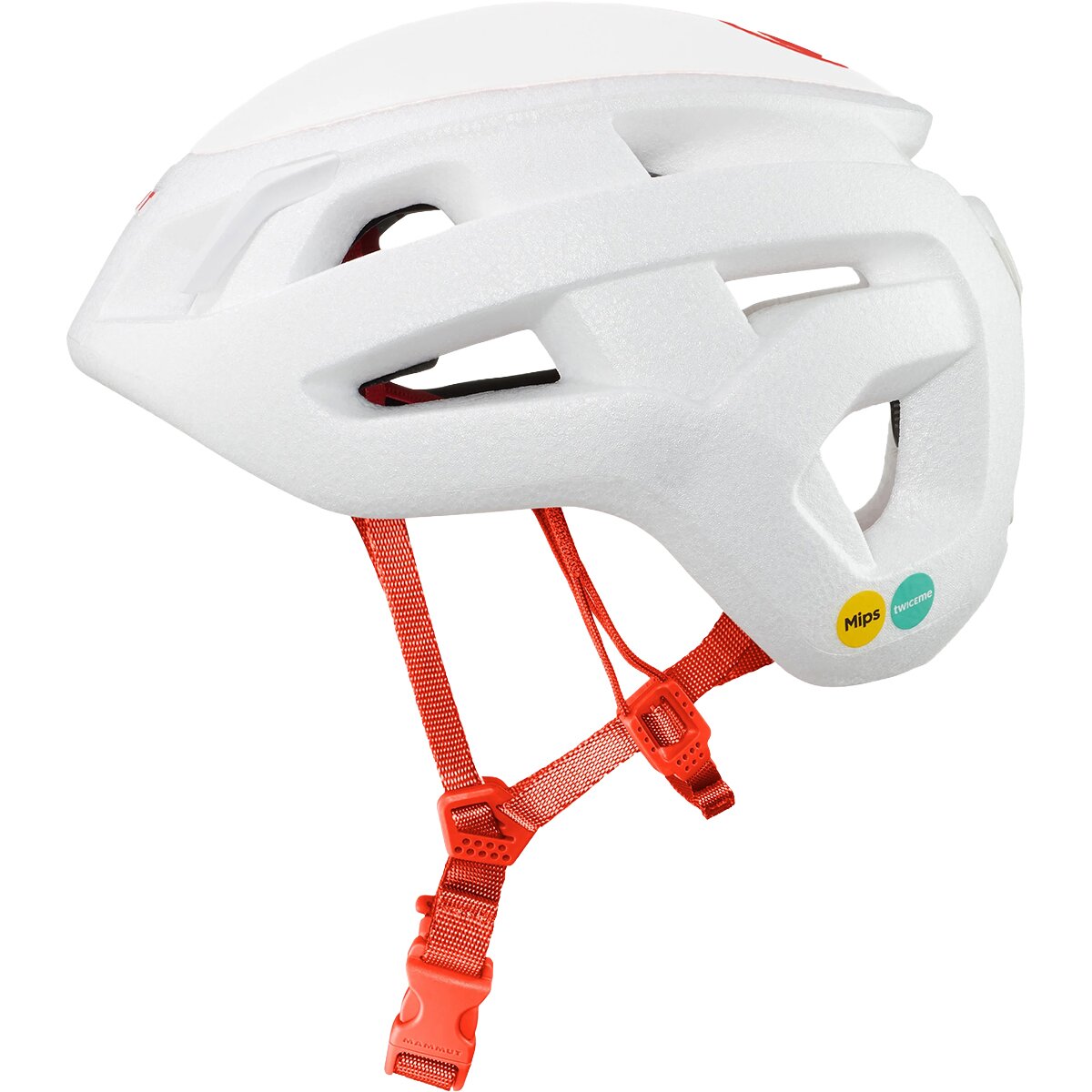
Mammut Wall Rider MIPS Twiceme 2.0 Helmet
Alpine, multipitch and MIPS. MIPS-equipped hybrid design.
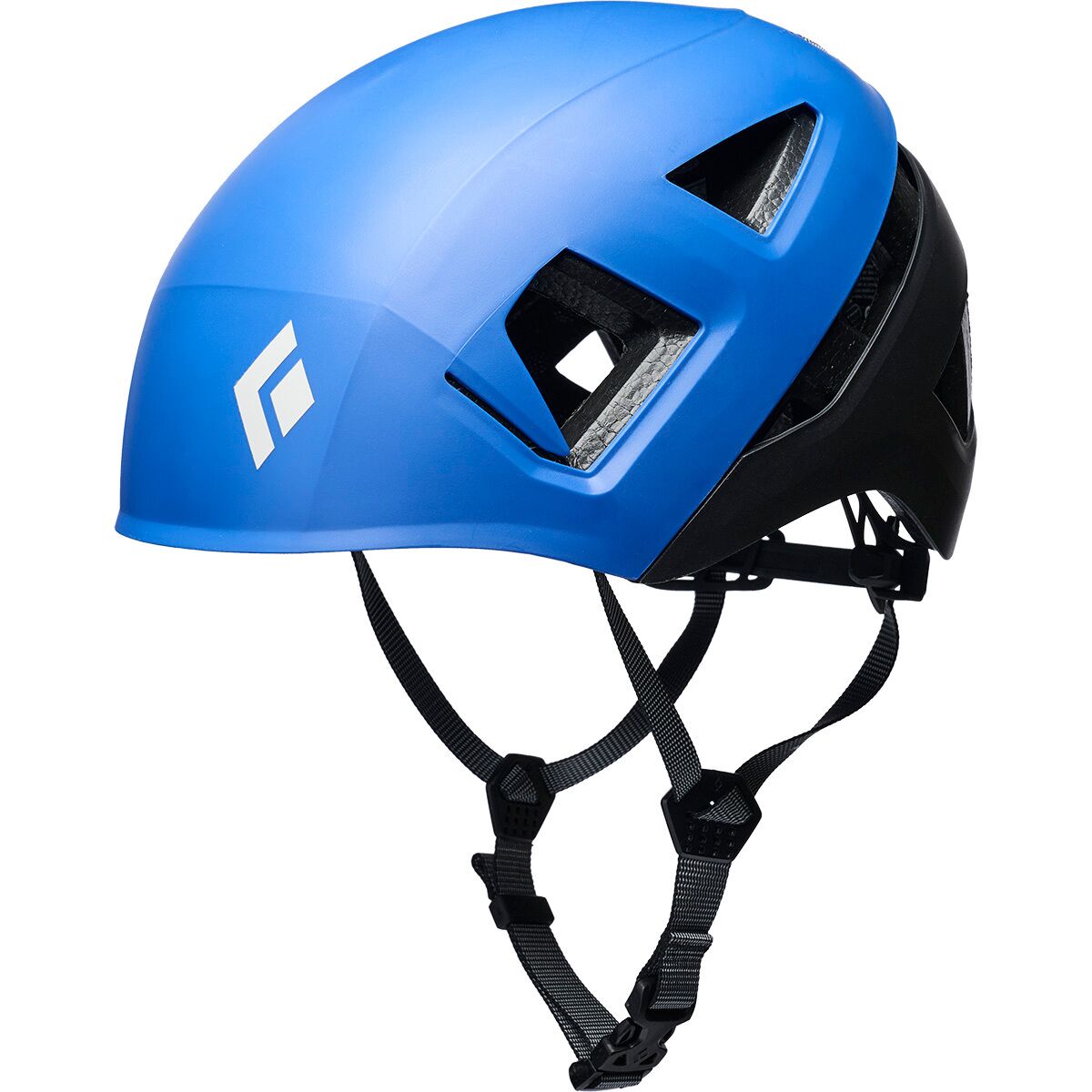
Black Diamond Capitan E Helmet
Cragging, guiding and frequent use. EPP/EPS with two-piece hard shell.
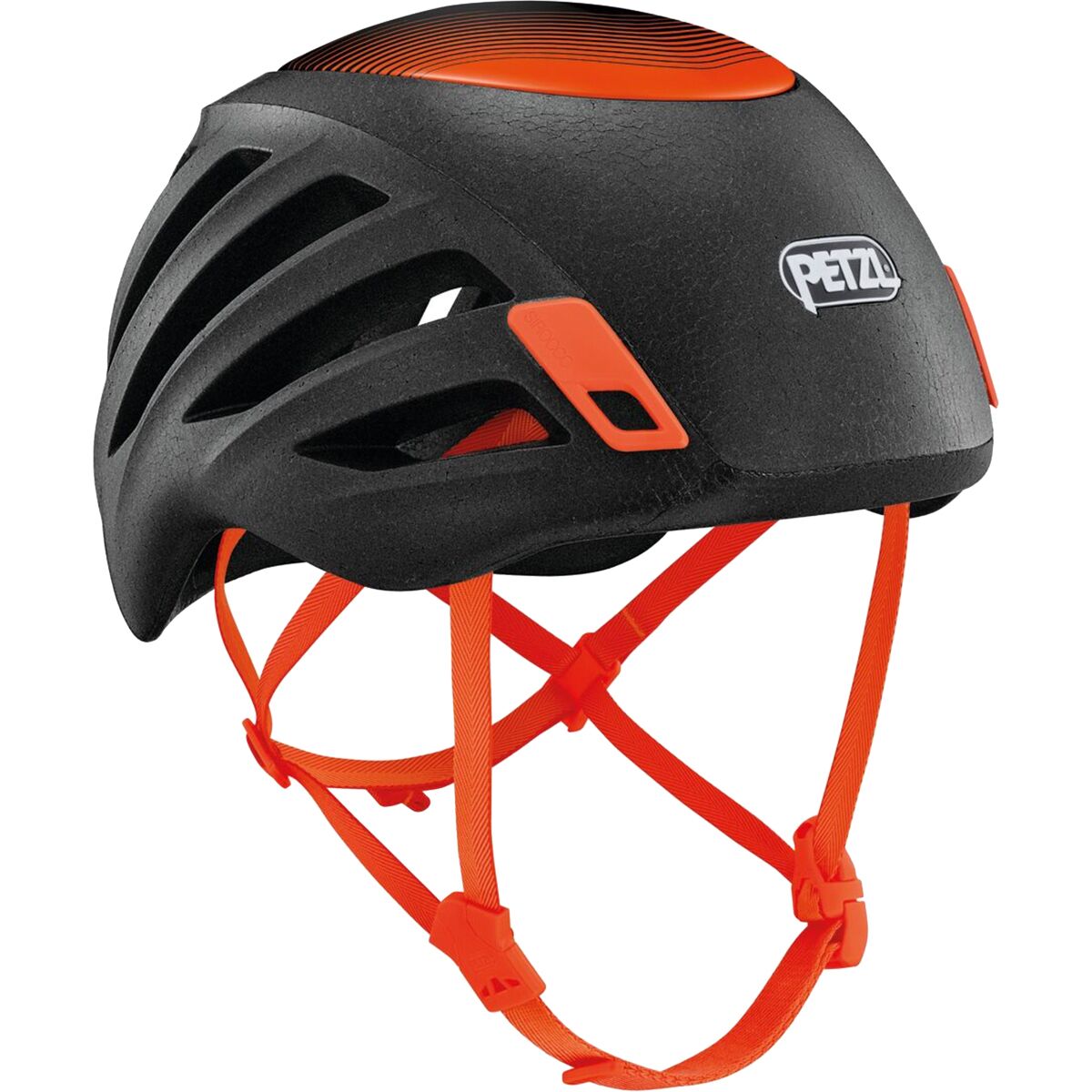
Petzl Sirocco Helmet
Long alpine routes and approaches. EPP/EPS with polycarbonate top.
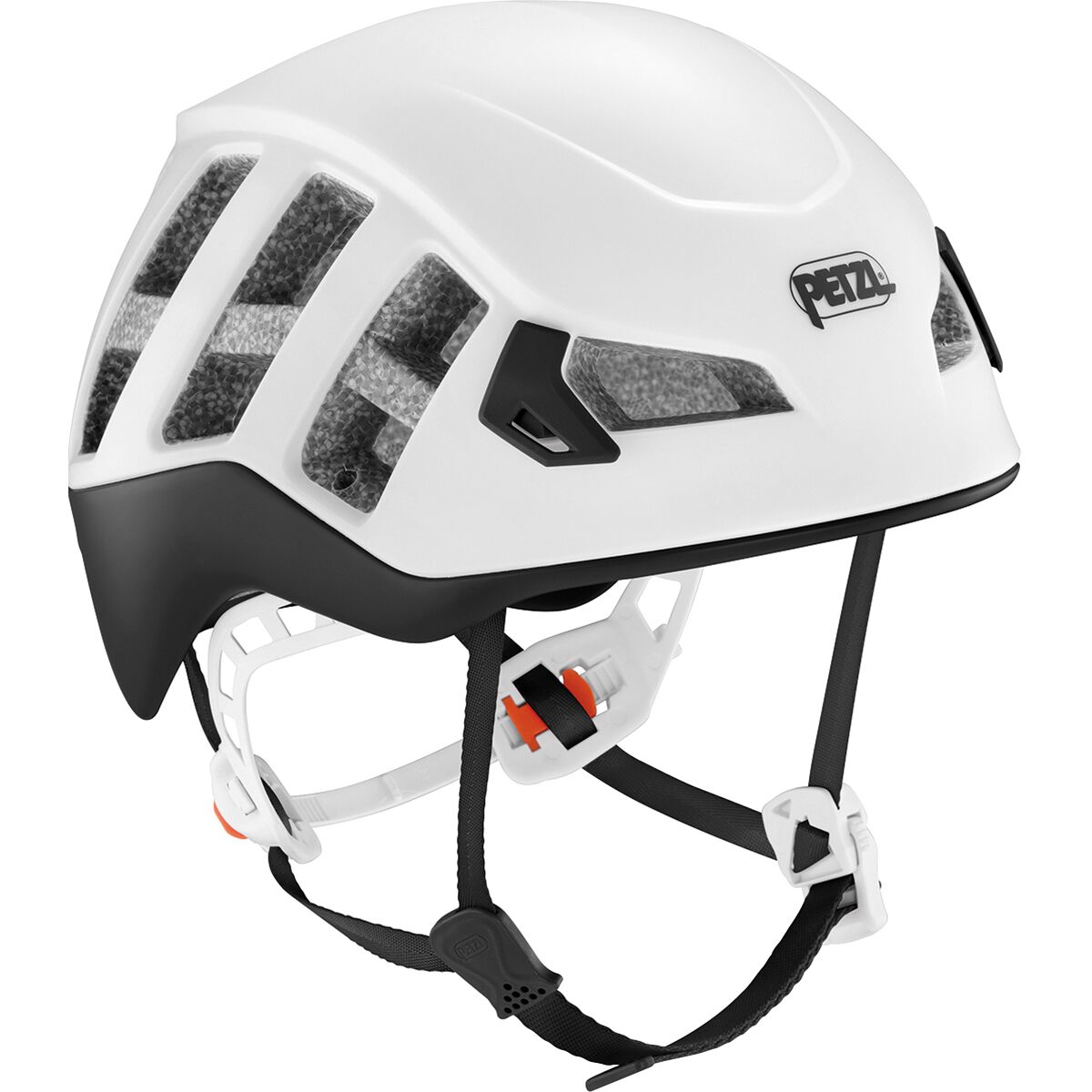
Petzl Meteor Climbing Helmet
Rock, multipitch and general alpine. EPS + polycarbonate.
Climbing Helmet Comparison Table
Tap any column heading to sort. Weight varies by size and edition; check official sizing and markings before purchase. The table uses the editorial category instead of fabricated star ratings.
| Photo | Editorial rating | Shop | |||||
|---|---|---|---|---|---|---|---|
| Mammut Wall Rider MIPS Twiceme 2.0 Helmet | | Best overall Alpine, multipitch and MIPS | MIPS-equipped hybrid design | Approx. 205-225 g by size | $159.95 | Not numerically rated; see review | Check price at Backcountry |
| Mammut Crag Sender Climbing Helmet | 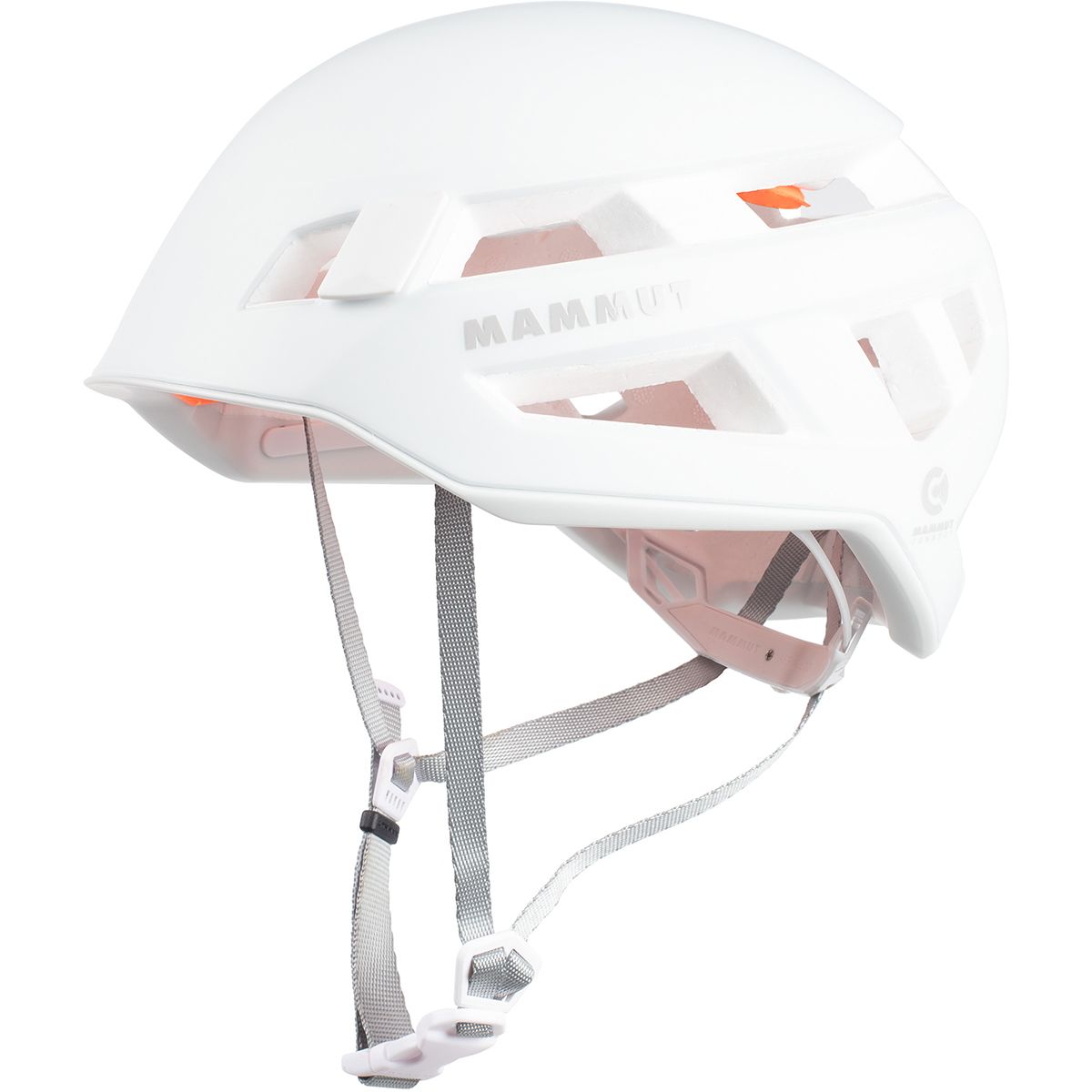 | Best all-around value Multipitch, sport and alpine | EPS in-mold shell | Approx. 210-220 g by size | $99.95 | Not numerically rated; see review | Check price at Backcountry |
| Petzl Sirocco Helmet | | Best ultralight Long alpine routes and approaches | EPP/EPS with polycarbonate top | Approx. 160-170 g by size | $169.95 | Not numerically rated; see review | Check price at Backcountry |
| Petzl Meteor Climbing Helmet | | Best warm-weather ventilation Rock, multipitch and general alpine | EPS + polycarbonate | Approx. 235-245 g by size | $114.95 | Not numerically rated; see review | Check price at Backcountry |
| Black Diamond Vision Helmet | 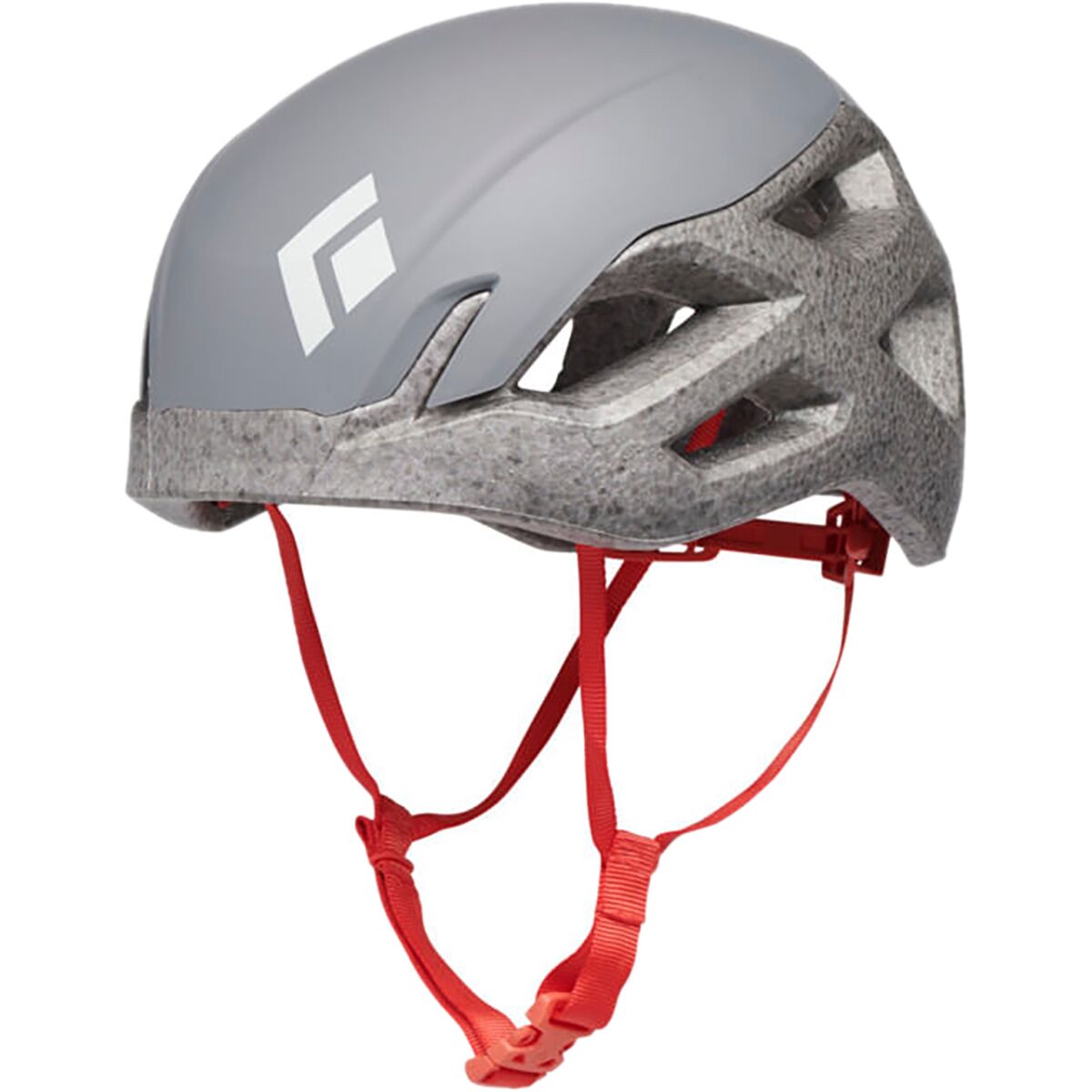 | Best comfort and coverage Trad, sport and multipitch | EPP/EPS with ABS shell sections | Approx. 215-225 g, variant dependent | $119.95 | Not numerically rated; see review | Check price at Backcountry |
| Black Diamond Capitan E Helmet | | Best budget durable shell Cragging, guiding and frequent use | EPP/EPS with two-piece hard shell | Varies by size and edition | $89.95 | Not numerically rated; see review | Check price at Backcountry |
| Edelrid Salathe Climbing Helmet | 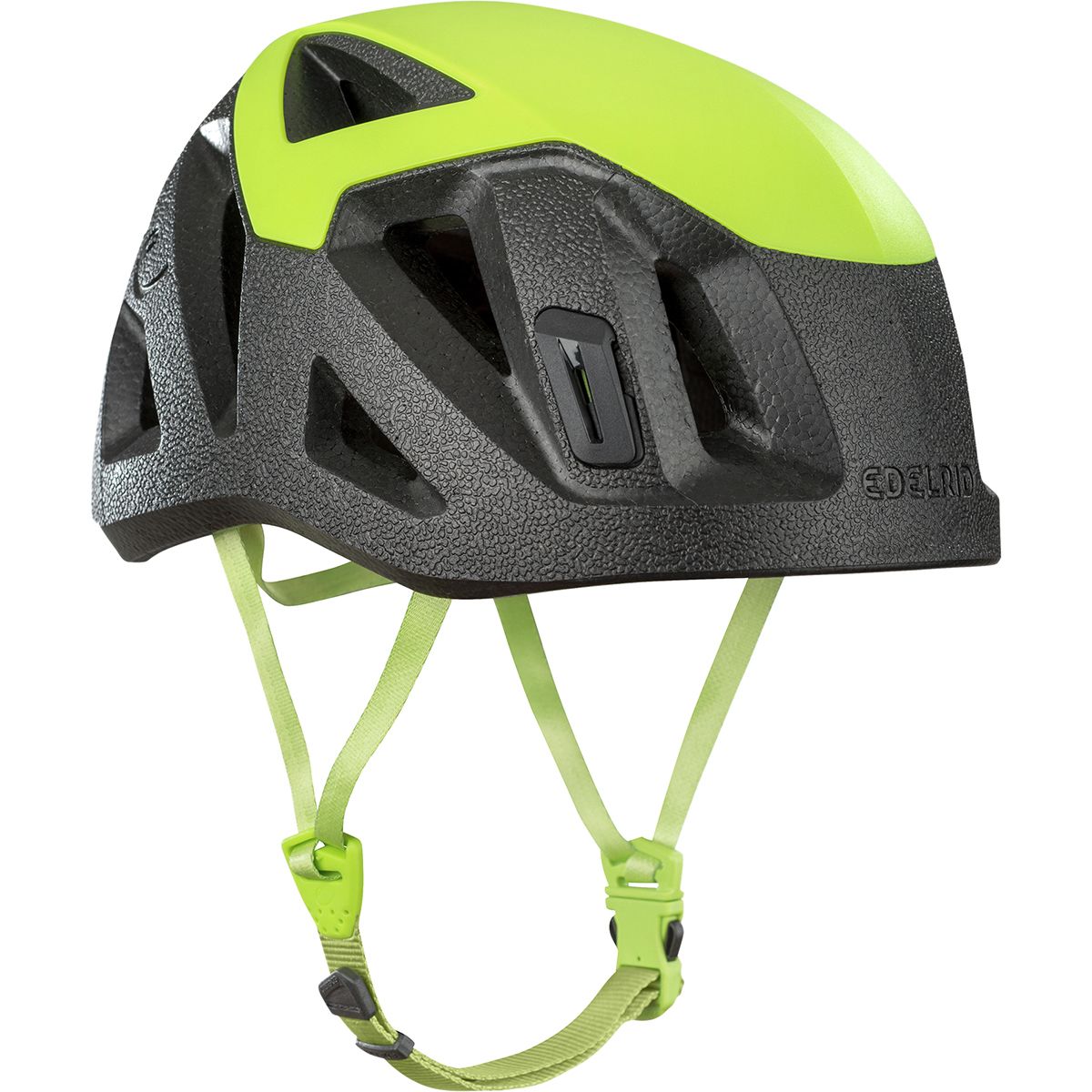 | Best light multipitch Rock, long trad routes and alpine | EPP with partial ABS hard shell | Approx. 210 g, variant dependent | $109.95 | Not numerically rated; see review | Check price at Backcountry |
| CAMP USA Storm Helmet | 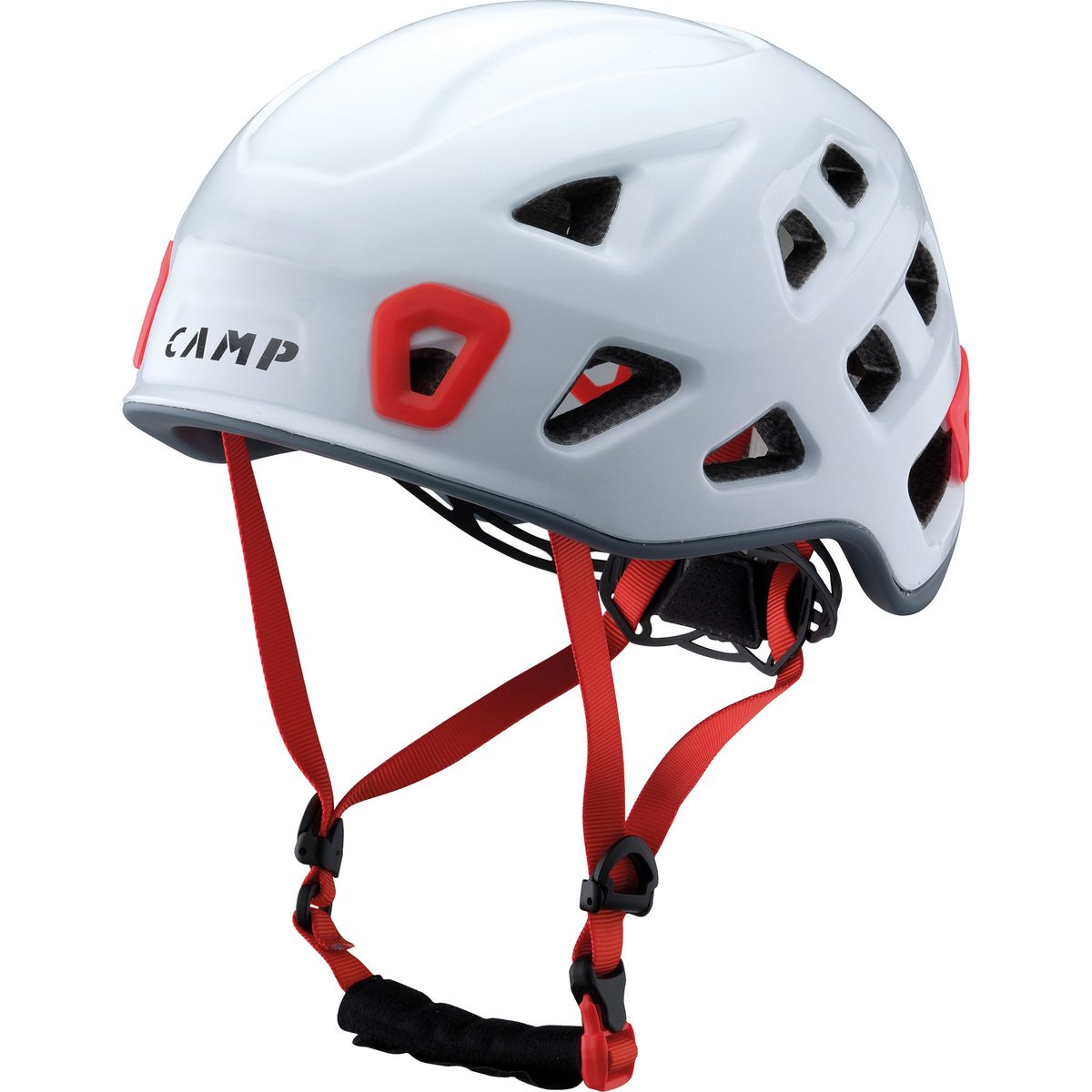 | Best traditional all-rounder Mountaineering and general climbing | EPS with in-mold polycarbonate | Approx. 230-250 g by size | $99.95 | Not numerically rated; see review | Check price at Backcountry |
Price snapshots from supplied Backcountry affiliate inventory. For shell construction, certifications, and size-specific weight, verify the currently delivered product label and manual.
Eight Helmet Reviews and Trade-offs
1. Mammut Wall Rider MIPS Twiceme 2.0 Helmet
A thoughtful choice for climbers who prioritize a light technical helmet with rotational-impact management. The hybrid shell aims to balance lower mass with protective coverage; fit and an undamaged shell remain essential.
- MIPS system in a light climbing-oriented design
- Hybrid construction for alpine use
- Good choice when side and rear coverage matter
- Premium price
- Strap and shell fit may not suit every head
- MIPS does not prevent all injuries
Exact product listing, tracked through your approved Backcountry feed. Verify head circumference and current stock before ordering.
2. Mammut Crag Sender Climbing Helmet
A versatile climber-focused lid with a light, ventilated build that suits long routes and summer climbing. It avoids the cost and complexity of MIPS models while offering a useful balance of protection and carry weight.
- Comfortable all-day weight class
- Well suited to mixed climbing schedules
- Good everyday mountain choice
- Foam-rich construction needs careful storage
- No MIPS in this model
- Fit varies by head shape
Exact product listing, tracked through your approved Backcountry feed. Verify head circumference and current stock before ordering.
3. Petzl Sirocco Helmet
A minimalist alpine option when every gram matters. It trades conventional shell feel and bulk for a very light construction; check adjustment, chinstrap and retention over your winter hood before choosing it.
- Extremely light for long approaches
- Excellent packability
- Well suited to fast-and-light movement
- Premium pricing
- Minimalist suspension feel
- Exposed foam requires gentle handling
Exact product listing, tracked through your approved Backcountry feed. Verify head circumference and current stock before ordering.
4. Petzl Meteor Climbing Helmet
A light, vented helmet that works especially well on hot rock routes and warm-weather alpine days. Its low-profile construction favors comfort and air movement over hard-shell abuse tolerance.
- Well ventilated for summer routes
- Light enough for long multipitch days
- Straightforward climbing-focused design
- Foam-dominant design needs protection in transport
- Not the most durable outer shell
- Not a replacement for ski-specific head protection
Exact product listing, tracked through your approved Backcountry feed. Verify head circumference and current stock before ordering.
5. Black Diamond Vision Helmet
A strong everyday candidate for climbers who want more structured coverage without a heavy full shell. This feed listing is the regular Vision, not Vision MIPS, so it should never be promoted as a MIPS-equipped helmet.
- Light for its construction category
- Useful combined shell and foam design
- Good all-round climber orientation
- No MIPS in this exact listing
- Head shape and harness fit still decisive
- Costs more than entry helmets
Exact product listing, tracked through your approved Backcountry feed. Verify head circumference and current stock before ordering.
6. Black Diamond Capitan E Helmet
A sensible cost-conscious option for regular crag days when durability and straightforward wearability are more important than the last ounce. This exact feed listing is Capitan E, not Capitan MIPS.
- Durability-minded shell design
- Approachable price within this shortlist
- Practical for frequent crag use
- Heavier feel than minimalist foam designs
- Less packable than ultralight styles
- No MIPS claim for this model
Exact product listing, tracked through your approved Backcountry feed. Verify head circumference and current stock before ordering.
7. Edelrid Salathe Climbing Helmet
The Salathe takes a lightweight approach with strategic shell reinforcement. It suits climbers who want long-day comfort and lower mass but are willing to accept a more minimalist adjustment design.
- Lightweight multipitch focus
- Hybrid construction balances weight and coverage
- Good for warm weather movement
- Minimalist adjustments are less convenient for some
- Exact fit can be polarizing
- Not as rugged as a full hard shell
Exact product listing, tracked through your approved Backcountry feed. Verify head circumference and current stock before ordering.
8. CAMP USA Storm Helmet
A conventional alpine climbing helmet with a wheel adjustment and plentiful vents. It offers approachable functionality for people who value familiar controls, dependable headlamp attachment and general mountain use.
- Traditional rear adjustment
- Ventilated design
- Useful mountaineering and climbing crossover
- Less minimalist than very light models
- No MIPS in this listing
- Fit and helmet/headlamp combination need checking
Exact product listing, tracked through your approved Backcountry feed. Verify head circumference and current stock before ordering.
Fit Beats a Spec Sheet.
Start with a climbing-rated helmet that fits your head circumference, sits level, remains stable while looking up and down, and does not create pressure points. Check for a secure chinstrap and unobstructed vision, plus enough clearance for a hood, eyewear or headlamp.
Do not equate MIPS with a guaranteed absence of concussion. It is a technology intended to manage certain rotational forces in some impacts; certified helmets still have limitations and cannot eliminate injury risk.
Try this fit check
1. Measure your head and confirm the size chart.
2. Adjust the suspension until the helmet sits level and stable.
3. Look up, shake your head and bend forward; it should not roll or slip.
4. Test your headlamp and hood combination.
5. Inspect shell and liner before every climbing day.
Three Decisions Before You Buy
1. Certified climbing protection
Look for appropriate climbing certifications such as EN 12492 / UIAA 106 where applicable, and inspect the actual product markings. Ski-specific or cycling helmets are not automatically substitutes for climbing helmets.
2. Foam vs hard shell
Foam-rich models can save weight and offer excellent ventilation. Hybrid and harder-shell designs often tolerate day-to-day transport better. Regardless of shell material, retire a helmet according to manufacturer instructions after an impact or observed damage.
3. Your real climbing objective
Summer sport and trad favor ventilation and comfort; long alpine approaches favor lower mass; frequent high-use climbing can favor a durable shell and straightforward adjustment. Prioritize the conditions in which you will wear it.
How We Selected These Helmets
Global Summit Guide matched eight currently listed helmets to exact items in its authorized Backcountry affiliate feed, then compared published design characteristics, intended climbing uses, weight references and common fit trade-offs. We do not claim personal field testing of every model or laboratory impact testing.
Safety certifications establish compliance with defined tests, not a universal helmet ranking. Editorial awards are judgment calls rather than numerical safety scores. All shopping links lead through our approved tracked feed, and the listed prices reflect that feed’s November 2026 snapshot.
Product photos come from the retailer product feed. Independent, appropriately licensed on-route photography can be added when it represents the exact activity and is not falsely labeled as a specific model.
What matters most
Certification and fit; coverage; construction; comfort over a full day; headlamp retention; ventilation; head shape compatibility; use-case clarity; price and replacement needs.
Before each trip, inspect your helmet for cracks, crush marks, compromised foam or hardware, and follow the manufacturer’s impact and retirement guidance.
Climbing Helmet FAQ
Do I need MIPS in a climbing helmet?
Not necessarily. MIPS-equipped models are worth considering, but fit, relevant certification, sound condition, and correct use come first. MIPS does not eliminate concussion risk.
Which helmet is best for beginners?
A properly fitting, certified climbing helmet with clear adjustment and a manageable price is an appropriate starting point. For this shortlist, the Black Diamond Capitan E and CAMP Storm deserve a look.
Is a lighter helmet safer?
Weight alone does not indicate safety. Compare certified protection, fit, coverage and condition. Ultralight models demand careful handling and protection in transit.
Can I use a bike helmet for climbing?
Do not assume so. Different activities may use different test standards. Choose a helmet rated for the climbing activity and follow the manufacturer manual.
When should I replace a climbing helmet?
Follow the manufacturer instructions, including after serious impact, visible damage, UV/chemical exposure, or the listed service-life limit. Replace an impacted helmet even if damage is difficult to see.
Are the listed prices live?
No. These are prices from the approved Backcountry affiliate catalog provided in November 2026. Current prices and availability can change; use the tracked shop button for the latest listing.
Related Climbing and Mountaineering Guides
Fit and protective equipment are one part of planning a safe trip. Continue with our technical gear and mountain preparation resources.
Was this helpful?
Global Summit Guide is an independent mountaineering resource founded in 2026. The team combines first-hand trekking and climbing experience with in-depth research and professional health and nutrition review to help climbers choose objectives, prepare properly, and stay safe.
Health, altitude, and nutrition content is reviewed by Taylor Ludlow (Registered Nurse) and Brigg Hoopes (Nutritionist).
What We Don't Know Yet
Mountain information changes quickly. This box explains the limits of what this page can responsibly promise.
- Total trip cost can change with flights, lodging, guide pricing, permits, gear rentals, transportation, and exchange rates.
- Gear requirements can change by season, route variation, weather window, personal cold tolerance, and guide-service requirements.
- Visa, passport, vaccination, border, insurance, and local transportation rules may change before your trip.
Verify current conditions with official land managers, guide services, local forecasts, and current route reports before booking or climbing.
Mountaineering, rock and ice climbing, glacier travel, and high-altitude activity are inherently dangerous and can result in serious injury or death. The information on Global Summit Guide is provided for general informational and educational purposes only and is not a substitute for professional instruction, qualified guiding, proper equipment, or your own judgment and experience.
Route conditions, weather, snowpack, permits, regulations, and hazards change constantly and may differ from what is described here. Details may be incomplete, out of date, or contain errors. Always verify current information with local authorities, certified guides, and official sources before making any decision in the mountains.
Nothing on this site is medical, legal, or financial advice. Our fitness, acclimatization, altitude, and nutrition content is general in nature; consult a qualified physician before beginning any strenuous exercise program or exposing yourself to high altitude.
You are solely responsible for your own safety and decisions. To the fullest extent permitted by law, Global Summit Guide and its team accept no liability for any loss, injury, damage, or expense arising from use of, or reliance on, this information. By using this site you acknowledge these risks and accept these terms.
Some links on this site may be affiliate links. If you buy through them we may earn a small commission at no extra cost to you; this never affects our recommendations.
Global Summit Guide recommendation path
Next Best Mountain to Research
Use these recommendations to continue the right planning path instead of stopping on one page.
Use current permit, weather, route, and operator information before booking or climbing.