
Last updated September 29, 2026

Mount Fuji Fees, Reservations & Rules: 2026 Entry Guide
Mount Fuji did not use one traditional climbing permit in 2026. Instead, every summit trail operated under a mandatory ¥4,000 hiking-fee system, entry procedures and time restrictions—with different reservation systems on the Yamanashi and Shizuoka sides.
Do You Need a Permit to Climb Mount Fuji?
Not a traditional backcountry permit—but yes, there were mandatory entry requirements in 2026. Climbers using any of Mount Fuji’s four summit routes paid a ¥4,000 hiking fee. The Yoshida Trail used Yamanashi’s booking/gate system, while Fujinomiya, Gotemba and Subashiri used Shizuoka Prefecture’s FUJI NAVI registration system.
For the Yoshida Trail, advance booking was strongly recommended, but same-day registration remained possible while capacity was available. The trail had a 4,000-climber daily limit for non-hut guests and restricted entry between 2 PM and 3 AM. Mountain-hut guests were treated differently under the time and capacity controls.
For the three Shizuoka routes, 2026 climbers were required to complete pre-registration in FUJI NAVI, finish the pre-climb learning/test, enter their climbing details, pay the ¥4,000 fee, receive a QR entry pass and present it at the trailhead. Shizuoka did not impose Yoshida’s 4,000-person daily cap.
Entry permission and rescue planning are separate decisions.
Paying Fuji’s hiking fee does not replace travel protection, medical planning or evacuation preparation. Review the rescue system you would rely on before departure.
Partnership disclosure: Global Summit Guide is a Global Rescue Safe Travel Partner.The Old ¥2,000-Era Information Is Obsolete.
For 2026, the official system was straightforward at the top level: a mandatory ¥4,000 hiking fee per person, per climb, applied to Mount Fuji’s four summit routes. The differences came in registration, quotas and trailhead access.
| Route | Prefecture / system | 2026 fee | Advance process | Daily cap |
|---|---|---|---|---|
| Yoshida | Yamanashi booking + 5th Station gate | ¥4,000 | Advance booking recommended; same-day registration possible while capacity remains | 4,000 climbers/day for the controlled category |
| Fujinomiya | Shizuoka · FUJI NAVI | ¥4,000 | Pre-registration, pre-learning/test, QR entry pass | No daily climber cap |
| Gotemba | Shizuoka · FUJI NAVI | ¥4,000 | Pre-registration, pre-learning/test, QR entry pass | No daily climber cap |
| Subashiri | Shizuoka · FUJI NAVI | ¥4,000 | Pre-registration, pre-learning/test, QR entry pass | No daily climber cap |
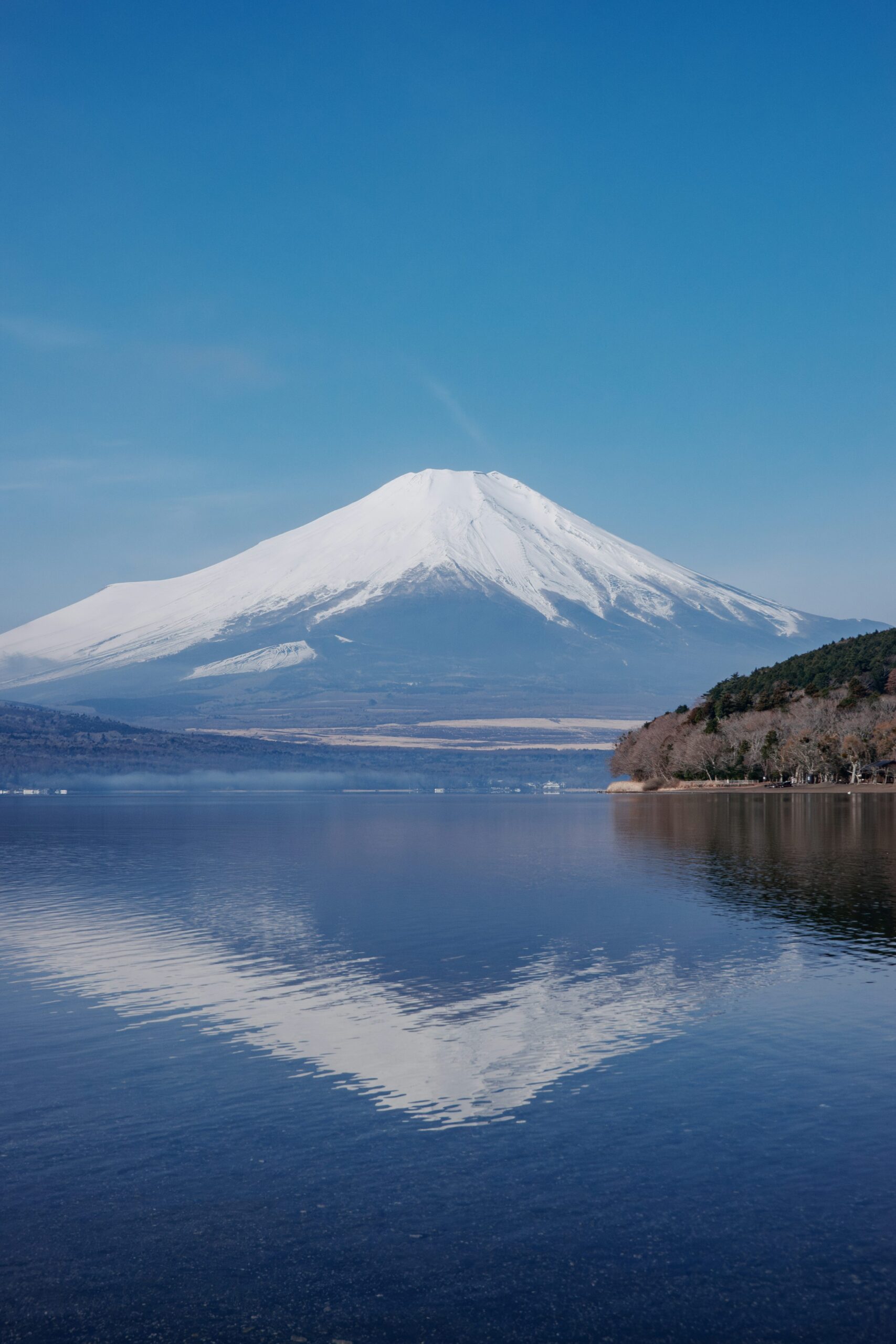
Choose the Route Before You Complete the Entry Process.
Yoshida is administered through Yamanashi’s access system. Fujinomiya, Gotemba and Subashiri use Shizuoka’s FUJI NAVI process. Your route determines which registration workflow, transport plan and trailhead you need.
Yoshida Trail: Booking, Gate Hours & the 4,000-Climber Cap.
Yoshida is Mount Fuji’s highest-volume route and therefore has the most explicit capacity controls. The critical distinction is between advance booking, same-day access and mountain-hut guests.
Advance Booking
Yamanashi recommended using its advance-booking service. The official FAQ also states that some capacity was retained for same-day registration, so a reservation was not the only possible path to entry.
Practical planning: if your travel dates are fixed, treat advance booking as the sensible default rather than relying on same-day availability.
4,000 Climbers Per Day
The Yoshida gate could close when the controlled daily count reached 4,000. The official 2026 rules excluded mountain-hut guests from the stated time and number restrictions.
If capacity became tight, a climber without an advance reservation had less certainty than a climber who had completed the booking process.
2 PM to 3 AM Gate Closure
Entry through the Yoshida 5th Station gate was restricted from 2 PM until 3 AM the following day, except for qualifying mountain-hut guests. Descending climbers could still come down.
Arrive Equipped
Yamanashi’s 2026 notice specifically identified winter/warm clothing, two-piece rain gear and appropriate climbing footwear as required equipment checked at the 5th Station gate.
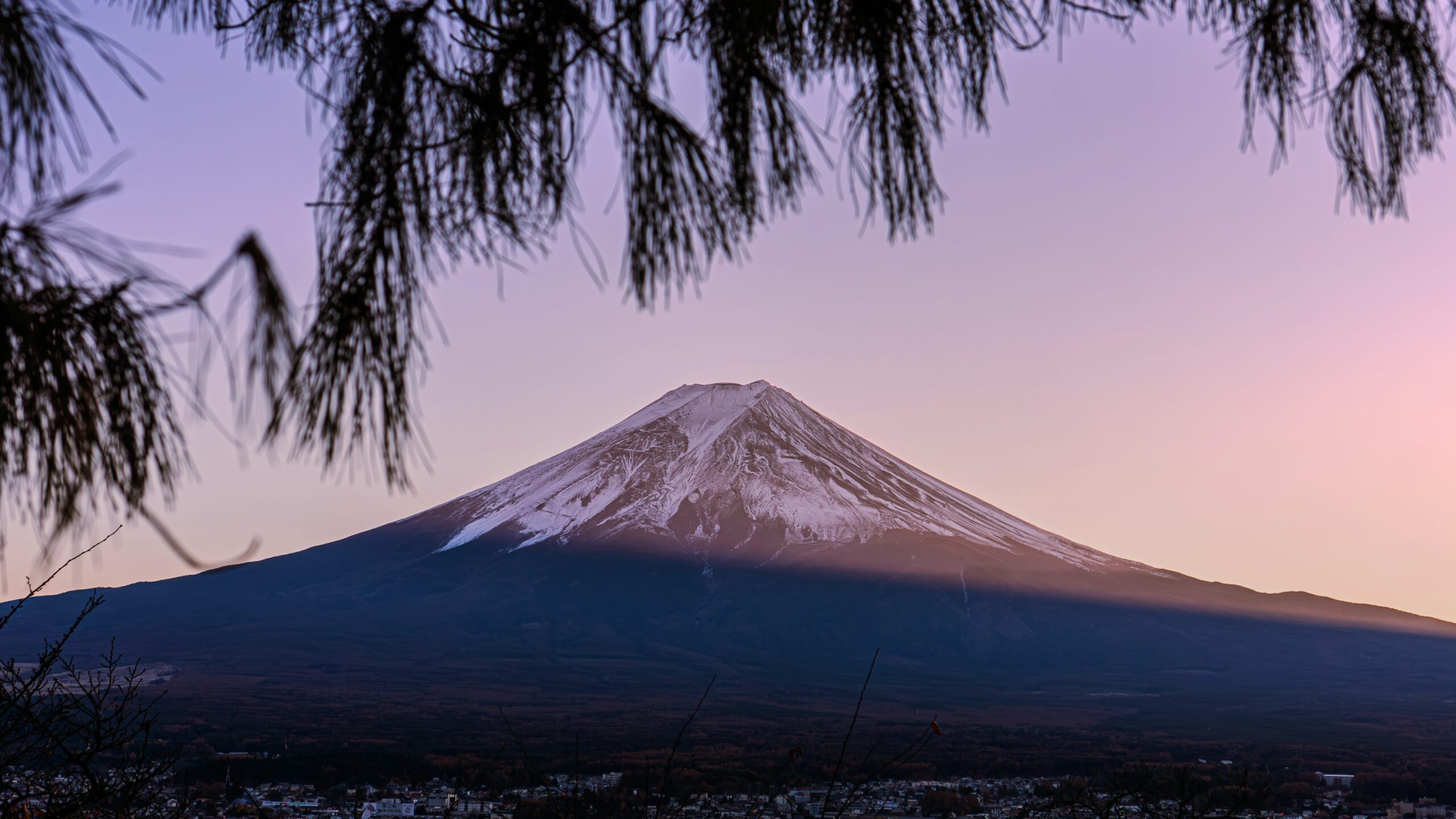
FUJI NAVI Was the Entry System for Three Routes.
Fujinomiya, Gotemba and Subashiri shared Shizuoka Prefecture’s 2026 registration system. All hikers were directed to pre-register through the official Shizuoka Prefecture FUJI NAVI app and obtain a QR entry permit before entering the mountain.
The process was more than a payment screen. It included pre-learning, the Mount Fuji test, climb details, fee payment and the trailhead check-in process.
Install FUJI NAVI
Use Shizuoka Prefecture’s official app for the 2026 mountain-entry procedure.
Complete Pre-Learning
Review the rules and manners material, then complete the Mount Fuji test.
Register the Climb
Enter your date, route, name and whether you will stay in a mountain hut.
Pay ¥4,000
Pay the 2026 hiking fee through the registration process.
Receive the QR Pass
Your mountain-entry pass appears after the required information and payment are completed.
Check In at the Trailhead
Present the QR pass, receive the wristband and show it at the trailhead to enter.
Is a Mountain-Hut Reservation Required?
Not for every legal daytime ascent—but your planned entry time changes the rule. The 2026 system was designed to reduce overnight “bullet climbing” without rest.
Daytime Entry
A hut stay was not universally mandatory simply because you were climbing Mount Fuji. Entry during the open daytime window could be possible without an overnight hut reservation, subject to the trail’s registration and capacity rules.
Restricted-Hours Entry
For the 2026 system, entering during the restricted 2 PM–3 AM period required qualifying mountain-hut accommodation. Shizuoka stated that hut reservations would be verified for climbers using this exception.
Book the Hut Separately
FUJI NAVI did not make a hut reservation for you. Entry registration and hut booking were separate transactions. Reserve directly with the hut or through its stated booking channel.

A Valid Entry Process Does Not Mean the Trail Is Open.
Season dates, weather closures, road restrictions and trail conditions remain separate from the fee or reservation system. Always check the current-status page close to departure.
Opening Dates Were Not Identical on All Four Routes.
Subashiri aligned with Yoshida in 2026, while Fujinomiya and Gotemba opened later. The summit season ended September 10 across the system.
| Trail | 2026 opening | 2026 closing | Entry system |
|---|---|---|---|
| Yoshida | July 1 | September 10 | Yamanashi booking / gate system |
| Subashiri | July 1 | September 10 | Shizuoka FUJI NAVI |
| Fujinomiya | July 10 | September 10 | Shizuoka FUJI NAVI |
| Gotemba | July 10 | September 10 | Shizuoka FUJI NAVI |
The Entry Pass Is Only Half the Logistics Problem.
Each route starts from a different 5th Station. Bus schedules, private-vehicle restrictions and park-and-ride systems can determine your realistic start time before the climbing rules even come into play.
Fuji Subaru Line 5th Station
Seasonal private-vehicle restrictions apply on the Fuji Subaru Line. During restricted periods, drivers use the designated park-and-ride system and continue by shuttle bus or other permitted transport.
Common public-transport approach: Kawaguchiko/Fujiyoshida area connections plus the climbing bus to the 5th Station.
Fujinomiya Trail 5th Station
In 2026, private vehicles were restricted for essentially the climbing season. Drivers parked at Mizugatsuka Parking and transferred by shuttle bus or taxi.
Seasonal buses also connect from rail gateways including Mishima, Shin-Fuji, Fuji and Fujinomiya.
Subashiri Trail 5th Station
Private-vehicle restrictions were in place during the 2026 climbing season. Drivers used the Subashiri Multipurpose Plaza near Roadside Station Subashiri and transferred to a shuttle bus or taxi.
Seasonal buses connect from Gotemba and Shinmatsuda.
Gotemba Trail New 5th Station
Gotemba was the exception: the official 2026 route information stated that it did not use the same private-vehicle restriction system. The New 5th Station has parking and seasonal bus access from Gotemba Station.
The route is much longer than the others, so a legal parking plan does not make it a short day.
Do Not Reserve the Wrong Trailhead.
Yoshida, Fujinomiya, Subashiri and Gotemba are not interchangeable entrances. A hut booking on one route, transport to another 5th Station and a registration record for a third can create a trip-day failure even though every individual reservation looks valid.
Choose the route first. Then align the entry system, hut, bus/parking plan, start time and descent route around that choice.
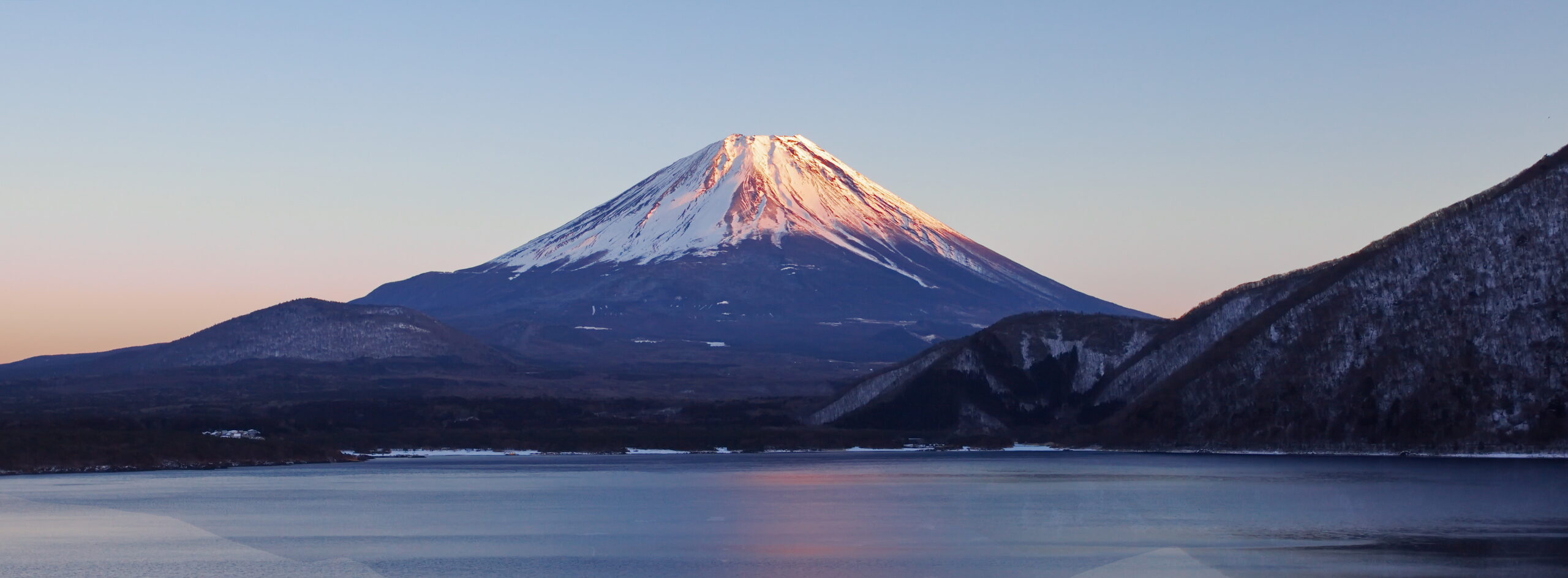
Complete These Logistics Before You Leave for the 5th Station.
The safest way to use this page is as an order-of-operations guide. Resolve the trail first, then the government entry process, then lodging and transport, and finally recheck volatile conditions.
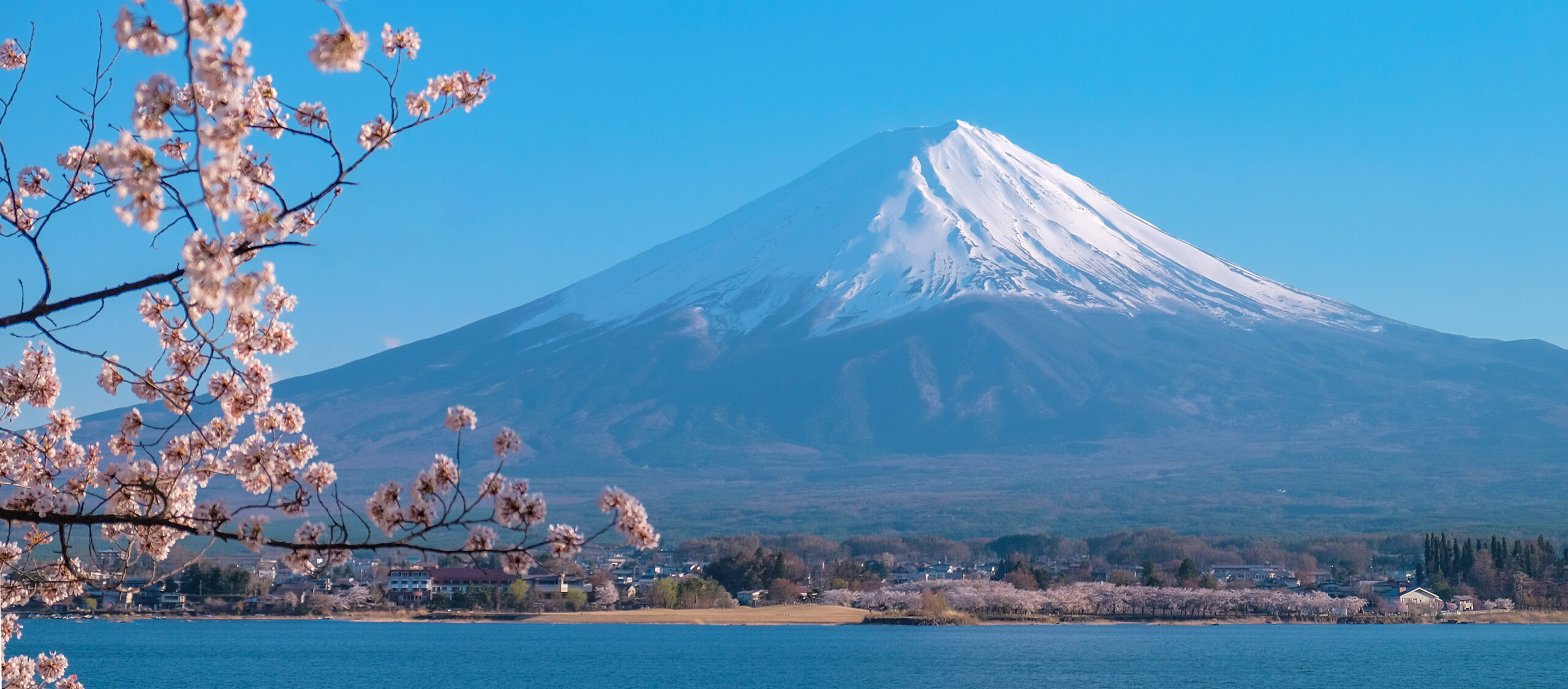
Government Entry, Hut Booking and Transportation Are Three Separate Reservations.
Treat them as one connected chain. If any link is wrong—route, date, hut, gate window or 5th Station transport—the climb can unravel before the first real ascent begins.
Verify Fuji Rules With the Official Climbing Portal.
Use Global Summit Guide to organize the decision. Use the prefectural/official Mount Fuji system to confirm what is legally and operationally in force for your actual date.
Yamanashi · Yoshida
2026 season, ¥4,000 hiking fee, 2 PM–3 AM restriction, daily capacity and Yoshida-specific requirements.
Open official Yoshida notice →Shizuoka · 3 Routes
FUJI NAVI registration, QR pass, pre-learning, ¥4,000 fee, restricted entry window and no daily cap.
Open official Shizuoka notice →Route Access
Official trailhead access, private-car restrictions, parking, buses and route-specific operational information.
Open official route comparison →Keep Each Question on the Page That Owns It.
This guide owns fees, reservations, entry procedures and trailhead logistics. Use the specialist pages below for route choice, operators and volatile current conditions.
Compare How Access Rules Change From Mountain to Mountain.
Fuji’s ¥4,000 entry system is relatively simple compared with expedition permits and national-park access systems elsewhere. These three guides provide useful contrast.
K2 Permits & Fees
See how expedition permitting, high-altitude logistics and government requirements differ from Fuji’s trail-entry model.
Read the K2 permit guide →Longs Peak Permits & Logistics
Compare Fuji with a U.S. national-park peak where access, parking and timed-entry rules create a different logistics problem.
Read the Longs Peak guide →Makalu Permits & Cost
Contrast Fuji with a major Himalayan expedition where permit administration is only one part of the full expedition budget.
Read the Makalu guide →Mount Fuji Fees & Reservation FAQ
These answers describe the completed 2026 system. For a future season, verify the official prefectural notices before relying on the same dates, fees or procedures.
How much did it cost to enter Mount Fuji in 2026?
The mandatory hiking fee was ¥4,000 per person, per climb for the four summit routes. This replaced older ¥1,000/¥2,000-era information that still appears on outdated pages around the web.
Did I need an advance reservation for the Yoshida Trail?
Advance booking was recommended. Yamanashi’s official FAQ said some capacity was retained for same-day registration, but climbers arriving without a reservation had less certainty if the daily controlled capacity became tight.
What was the Yoshida Trail daily limit?
The 2026 Yoshida system used a 4,000-climber daily limit for the controlled category, with mountain-hut guests excluded from the stated time and number restrictions.
Was FUJI NAVI required for every Mount Fuji route?
No. FUJI NAVI was Shizuoka Prefecture’s 2026 system for Fujinomiya, Gotemba and Subashiri. Yoshida used Yamanashi’s separate booking and gate system.
Did I need a mountain-hut reservation to climb Fuji?
Not for every daytime climb. However, entry during the restricted 2 PM–3 AM window required qualifying mountain-hut accommodation under the 2026 system. Hut booking was separate from the government entry registration.
Could I drive directly to every Mount Fuji 5th Station?
No. Seasonal private-vehicle restrictions affected Yoshida, Fujinomiya and Subashiri access. Gotemba did not use the same private-vehicle restriction system in 2026. Always check the current road and shuttle plan before departure.
Are the 2027 Mount Fuji rules the same?
Do not assume so. As of September 29, 2026, the 2026 season is closed and Shizuoka states that following-year information will be announced when decided. Use this page to understand the 2026 framework, then verify the official 2027 notices when published.
Was this helpful?
🏔Related cost guides
🧭Explore & compare
Global Summit Guide is an independent mountaineering resource founded in 2026. The team combines first-hand trekking and climbing experience with in-depth research and professional health and nutrition review to help climbers choose objectives, prepare properly, and stay safe.
Health, altitude, and nutrition content is reviewed by Taylor Ludlow (Registered Nurse) and Brigg Hoopes (Nutritionist).
What We Don't Know Yet
Mountain information changes quickly. This box explains the limits of what this page can responsibly promise.
- Permit availability, reservation windows, quotas, and official fee rules may change after this page is updated.
- Visa, passport, vaccination, border, insurance, and local transportation rules may change before your trip.
- Route conditions, snowpack, closures, and weather can change quickly after this page is updated.
- Permit rules, fees, quotas, and reservation windows may change between review cycles.
- Operator availability, pricing, guide ratios, and cancellation terms can change by season.
Verify current conditions with official land managers, guide services, local forecasts, and current route reports before booking or climbing.
Mountaineering, rock and ice climbing, glacier travel, and high-altitude activity are inherently dangerous and can result in serious injury or death. The information on Global Summit Guide is provided for general informational and educational purposes only and is not a substitute for professional instruction, qualified guiding, proper equipment, or your own judgment and experience.
Route conditions, weather, snowpack, permits, regulations, and hazards change constantly and may differ from what is described here. Details may be incomplete, out of date, or contain errors. Always verify current information with local authorities, certified guides, and official sources before making any decision in the mountains.
Nothing on this site is medical, legal, or financial advice. Our fitness, acclimatization, altitude, and nutrition content is general in nature; consult a qualified physician before beginning any strenuous exercise program or exposing yourself to high altitude.
You are solely responsible for your own safety and decisions. To the fullest extent permitted by law, Global Summit Guide and its team accept no liability for any loss, injury, damage, or expense arising from use of, or reliance on, this information. By using this site you acknowledge these risks and accept these terms.
Some links on this site may be affiliate links. If you buy through them we may earn a small commission at no extra cost to you; this never affects our recommendations.
Global Summit Guide recommendation path
Next Best Mountain to Research
Use these recommendations to continue the right planning path instead of stopping on one page.
Use current permit, weather, route, and operator information before booking or climbing.
Search Flights, Hotels & Rental Cars
Have the mountain or destination picked? Use Expedia to compare the flights, lodging and rental cars that fit your actual trip dates. For mountain travel, consider arriving early enough for delays and adding a buffer night after the climb before a fixed flight home.
Compare current flight, hotel and car options.
Affiliate disclosure: Global Summit Guide may earn a commission if you book through this link, at no additional cost to you.