
Last updated August 26, 2026
Peru Late-Dry-Season Hiking 2026: Crowds, Trail Conditions & September Tradeoffs
September is still one of Peru’s strongest broad trekking months—but 2026 is already showing why “dry season” is not the same as guaranteed dry trails. Use the evergreen Best Hikes in Peru guide to choose between the Inca Trail, Salkantay, Huayhuash, Santa Cruz, Ausangate and other routes. Use this dated brief for the question that changes faster: what is happening now, what should you book, and what should remain flexible?
Book the Capacity. Keep the Weather Decisions Flexible.
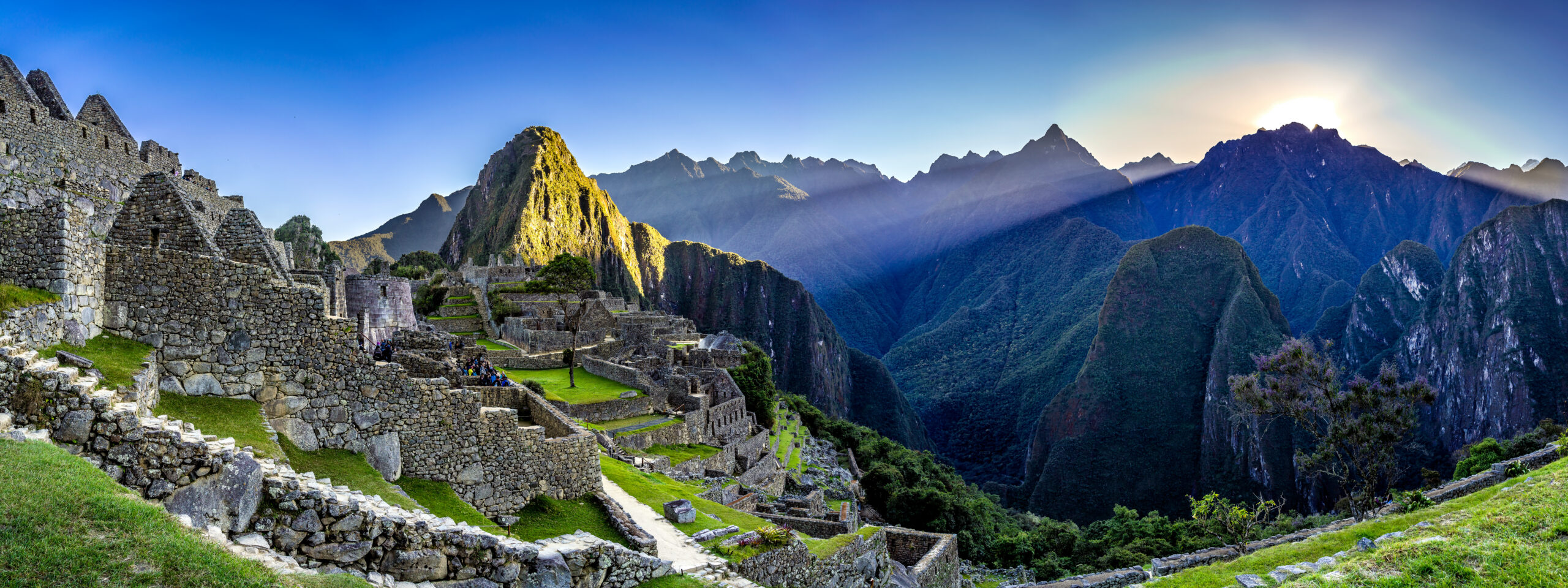
September is still a strong Peru hiking month, but 2026 is not giving travelers permission to become casual about conditions. Inca Trail Routes 1, 2 and 3 were temporarily suspended after heavy rain on August 17–18 affected sections of the network. Peru’s Culture authorities and SERNANP say those routes are scheduled to resume visitor entry on August 26 after technical evaluation, rehabilitation, cleaning and infrastructure work.
At the same time, Machu Picchu itself remains in its official 2026 high-season capacity period through November 2, when the maximum can reach 5,600 visitors per day. So September should not be sold as “crowd-free shoulder season.” It is better described as a late dry-season tradeoff: strong broad hiking timing, somewhat more transition-weather uncertainty, and continued pressure around the Machu Picchu system.
The best planning response is asymmetric: lock in the things with fixed capacity or scarce inventory, while preserving flexibility around daily trail sequence, exposed high-pass days and transport that can move when weather moves.
Five Signals That Matter on August 25
The point of a timely brief is not to retell the evergreen guide. It is to identify which current signals should change a September decision.
| Signal | Current official status | What it means for September | Decision |
|---|---|---|---|
| Inca Trail Routes 1–3 | Scheduled to resume Aug. 26 after Aug. 17–18 rainfall damage and rehabilitation | Late dry season has already produced enough rain to disrupt controlled routes | Verify again |
| Route 5 / Chachabamba | Maintained as an alternative during the temporary suspension | The network can have route-specific status rather than one blanket open/closed answer | Route-specific |
| Machu Picchu crowds | 2026 capacity can reach 5,600/day June 19–Nov. 2 | September remains inside official high season; “shoulder” does not mean quiet | Book capacity |
| Machu Picchu fire signal | SERNANP declared the early-August Cerro Poques wildfire liquidated Aug. 8 | Dry-season fire risk and later rainfall disruption can occur in the same month | Monitor locally |
| Huascarán / Huaraz season | SERNANP lists rainy season as Oct.–Apr. | September remains inside the late drier window, but high-mountain weather still needs route-level checks | Broadly favorable |
What to Book Now—and What to Leave Flexible
Late dry season rewards travelers who distinguish scarce inventory from weather-sensitive execution.
Machu Picchu Admission
September remains inside the 2026 high-season-capacity period. If Machu Picchu is non-negotiable, secure the correct official date/circuit rather than waiting for a perfect weather forecast.
Controlled Inca Trail Arrangements
The classic network is controlled access through authorized tourism operators. A reopening notice does not create walk-up flexibility. Fixed dates still deserve early coordination.
Hard-to-Replace Transport
Flights, train segments and key transfers that connect a fixed Machu Picchu date should be stabilized early enough that one missing link does not unravel the whole itinerary.
Day-Hike Sequence
If you have several acclimatization hikes around Cusco or Huaraz, do not assign the most exposed objective to a fixed day months in advance. Move the sequence around the current forecast.
High-Pass Timing
Ausangate, Huayhuash and Cordillera Blanca itineraries gain safety margin when a guide/operator can shift start times, camps or exposed pass timing around short weather windows.
One Contingency Day
A single uncommitted day near Cusco or Huaraz is more valuable in a transition period than another rushed sightseeing stop. It gives weather, transport or route access somewhere to move.
Pack Around the Real Forecast
Do not decide three weeks out that “dry season means no rain shell.” Final layers, insulation and waterproofing should respond to elevation-specific forecasts near departure.
Remote Route Micro-Conditions
Mud, snow, washouts, stream levels and trail repair are route-specific. Confirm them with the operator, land manager or current local source close to the trek.
Photo-Day Expectations
September can deliver brilliant high-Andes light, but cloud and transition weather are not booking defects. Treat photography as a bonus, not a guarantee built into the calendar.
The Tradeoff Is Not “Good Weather vs Bad Weather.” It Is Reliability vs Flexibility.
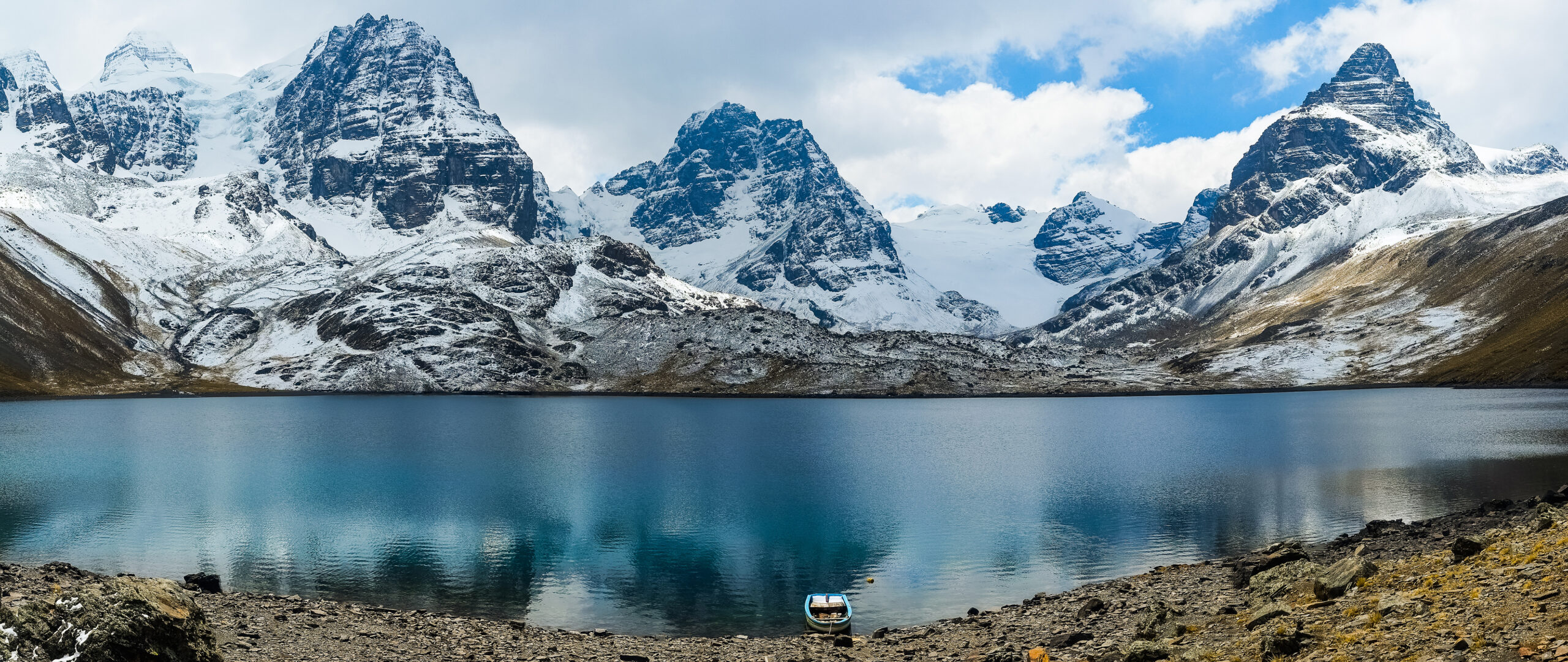
Peru’s high routes can still be excellent in September. The adjustment is to stop treating the calendar as a guarantee and start treating weather, altitude and route access as live variables.
Why September Can Be Better—and Worse—Than Peak Winter
The right traveler can prefer late dry season precisely because it is less binary than July or August.
Still Inside the Broad Hiking Window
SERNANP recommends April through October for Machupicchu visitation, and its Huascarán page lists the rainy season as October through April. September therefore remains squarely within Peru’s broad mountain-hiking window rather than being a marginal wet-season gamble.
Transition Weather Has More Voice
The August 17–18 rainfall event is a useful reality check: “dry season” describes a climatic pattern, not an immunity certificate. By late August and September, itinerary resilience matters more than a slogan.
Potentially Softer Demand Outside the Biggest Nodes
Some trekking corridors and secondary destinations may feel less compressed than peak July–August periods. But there is no current official dataset here that justifies promising empty trails, so plan for opportunity—not certainty.
Machu Picchu Is Still Officially High Season
The 2026 high-season-capacity window runs through November 2. That is the strongest reason not to market September as a low-crowd Machu Picchu secret.
High Andes Still Have Dry-Season Structure
Huaraz and the Cordillera Blanca remain in the late drier period before SERNANP’s listed October–April rainy season. Strong acclimatized hikers can still build serious alpine itineraries around that window.
Cold, Wind and Altitude Never Left
Late dry season does not make 4,500–5,000-metre passes warm. A sunny valley forecast can coexist with freezing nights, strong high-pass wind and rapid cloud build-up above camp.
September Can Feel Quieter Without Being “Low Season.”
Separate Machu Picchu capacity, trail groups, gateway-city traffic and remote-circuit solitude.
| Where | September crowd expectation | Why | Best tactic |
|---|---|---|---|
| Machu Picchu citadel | Still high-demand | Official high-season capacity runs through Nov. 2 | Book the exact circuit/date first |
| Classic Inca Trail | Controlled rather than spontaneous | Authorized-operator access and finite route structure | Do not wait for a 7-day forecast to secure the trip |
| Salkantay / Lares | Variable by operator/day | More flexible route systems but still tied to Cusco demand | Choose operator quality and itinerary fit over “secret route” claims |
| Huaraz day hikes | Can remain busy on famous routes | Laguna 69 and major trailheads concentrate demand | Start early and acclimatize instead of chasing empty trails |
| Huayhuash / remote circuits | Lower density, higher commitment | Longer travel and multi-day logistics filter demand | Do not confuse solitude with easier logistics |
Cusco and Huaraz Have Different September Risk Profiles
The current Inca Trail reopening matters a lot if your trip is Machu Picchu-centered. It matters much less if your trip is a Cordillera Blanca circuit.
Access + Capacity Are the First Decisions
The recent route suspension and planned reopening make official access the first question. After that comes capacity: Machu Picchu is still in its high-season period. This is the part of Peru where booking and live access notices have the most leverage over the itinerary.
Best for September: travelers who value Inca history, can lock the fixed components early and are willing to keep one flexible weather day.
Altitude + Mountain Weather Are the First Decisions
SERNANP lists Huascarán’s rainy season as October–April, so September still belongs to the late drier window. The main planning pressure is less about a Machu Picchu-style circuit ticket and more about acclimatization, operator/park requirements and route-level high-mountain conditions.
Best for September: hikers who care more about glaciated valleys, high passes and alpine trekking than a Machu Picchu finish.
A Peru Hiking Brief Should Not Be a Machu Picchu Brief With a Bigger Map.
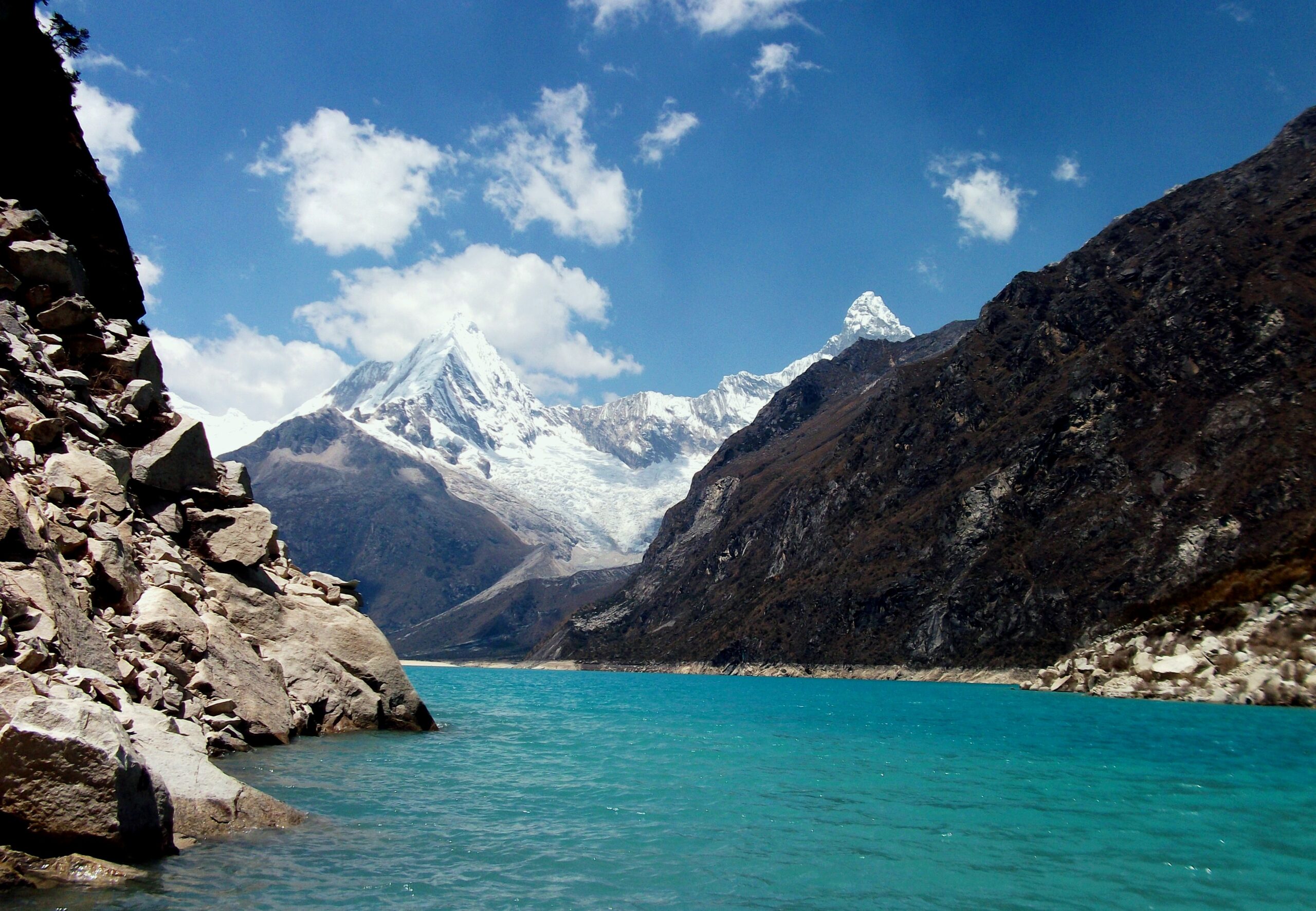
Late dry season around Huaraz is a different calculation: acclimatization, high passes, cold nights and mountain weather carry more weight than citadel capacity.
Use the Calendar for Strategy. Use the Forecast for Execution.
Season tells you what kind of trip is reasonable. The actual forecast tells you which day to use.
Peru Hiking Conditions & Trail Status
Use the dedicated conditions page for route-status updates that change too quickly to belong in the evergreen Peru ranking.
Check current Peru trail status → Deep recovery · WeatherHow to Read Mountain Weather
Late-dry-season decisions improve when you compare precipitation, wind, freezing level, cloud and thunderstorm timing instead of relying on a single weather icon.
Read the mountain-weather framework → Deep recovery · AltitudeAltitude Acclimatization Explained
Cusco, Huaraz and many Peru treks begin high enough that physiological readiness can matter before trail difficulty does. Build altitude time into the itinerary rather than treating it as lost vacation time.
Plan acclimatization →Check Three Times
7–14 days out: look for broader route/access problems. 48–72 hours: set your actual exposed-day sequence. Morning of: confirm local notices and the forecast before committing to a high pass or remote trail.
Calendar → forecast → same-day realitySeptember Weather Does Not Change the Acclimatization Problem
Cooler air and good trails can make hikers feel strong before their physiology has adapted.
| Trip style | Altitude reality | Late-season mistake | Better decision |
|---|---|---|---|
| Cusco + day hikes | Base already above 3,000 m | Arrive and immediately use Rainbow Mountain as an “easy test” | Use easier acclimatization days first |
| Classic Inca Trail | High pass above 4,000 m | Focus only on permit/crowd logistics | Protect pre-trek acclimatization time |
| Ausangate | Sustained very high terrain | Assume dry trails make the route forgiving | Prioritize sleeping-altitude progression and retreat options |
| Huaraz / Laguna 69 | Popular day destination around 4,600 m | Use it on the first day because it is “only a day hike” | Acclimatize in Huaraz before the marquee hike |
| Huayhuash | Repeated high passes | Rush the first two days to save vacation time | Build recovery and altitude margin into the circuit |
Choose the Peru Trip First. Then Separate Fixed Bookings From Live Conditions.
If Peru is only an idea, start with the evergreen ranking and choose Cusco, Huaraz or a specific circuit. If the mountain trip is already chosen, add it to My Climb and divide the plan into two columns: capacity-controlled decisions that need commitment and weather/access decisions that should stay flexible until close to departure.
Why This Brief Expires Quickly
This page intentionally owns a 2026 late-season decision window, not permanent Peru route advice.
Current sources checked
- DDC Cusco + SERNANP — Aug. 26 Inca Trail reopening notice
- DDC Cusco — Aug. 18 temporary suspension notice
- SERNANP — Machupicchu wildfire liquidated Aug. 8
- Peru Ministry of Culture — 2026 Machu Picchu capacity
- SERNANP — Machupicchu visiting season / Inca Trail framework
- SERNANP — Huascarán season and access framework
Editorial limits
- No crowd guarantee: official capacity can show demand pressure, but it does not prove how crowded every trail will feel on a specific September date.
- No Peru-wide closure claim: the current disruption is specific to the Inca Trail network around Machupicchu.
- No evergreen route duplication: trail rankings, itineraries, full permit systems and “best time” content belong to Best Hikes in Peru.
- No forecast prediction: this brief identifies late-season risk; it does not pretend to know the weather for your September trek weeks in advance.
Freshness rule: formal review by September 8, 2026. Correct material factual changes if needed. After the season, keep this page indexed as a dated archive rather than turning it into the evergreen Peru hiking owner.
Peru Late-Dry-Season Hiking FAQ
Short answers tied to the current 2026 season rather than permanent route advice.
Is September 2026 a good time to hike in Peru?
Yes. September remains one of Peru’s stronger broad trekking months, especially around Cusco and Huaraz, but it should be treated as late dry season rather than guaranteed dry weather. The August 2026 Inca Trail rainfall disruption is a reminder to preserve flexibility.
Are the Inca Trail routes open in late August 2026?
Peru’s Culture authorities and SERNANP announced that Inca Trail Routes 1, 2 and 3 are scheduled to resume visitor entry on August 26 after evaluation, cleaning and rehabilitation following August 17–18 rainfall impacts. Verify the official notice again before departure.
Will Machu Picchu be less crowded in September 2026?
Do not assume it will be quiet. Peru’s Ministry of Culture classifies June 19 through November 2, 2026 as a high-season period when capacity can reach 5,600 visitors per day. Individual time slots and circuits can still feel busy.
Should I book the Inca Trail now or wait for September weather?
Book capacity-controlled items when your dates are fixed. Keep weather-sensitive choices such as day-hike sequencing, high-pass timing and contingency days flexible until closer to travel.
Is September still dry season in Huaraz?
SERNANP lists the Huascarán National Park rainy season as October through April, so September remains part of the late drier window. That does not guarantee stable high-mountain weather on every route or pass.
What changed on the Inca Trail in August 2026?
Heavy rainfall on August 17–18 affected sections of the network. Authorities temporarily suspended access to Routes 1, 2 and 3 while evaluation, cleaning and rehabilitation were completed, with reopening scheduled for August 26.
Should I choose Cusco or Huaraz for September hiking?
Choose Cusco if Machu Picchu, Inca routes and Andean cultural landscapes are central. Choose Huaraz if the priority is alpine trekking, glacial valleys and high passes. The current Inca Trail disruption is specific to the Machupicchu network, not a nationwide closure.
When should I recheck Peru hiking conditions for a September trip?
Recheck official route, weather and access information within 7–14 days of departure and again in the final 48–72 hours. This brief is scheduled for a formal freshness review by September 8, 2026.
September Is Still a Yes—Just Not an Autopilot Yes.
Peru remains highly attractive for September trekking. The 2026 lesson is to secure the scarce pieces without turning the entire itinerary rigid. Book capacity. Protect acclimatization. Keep one weather day. Recheck the route. Then let the mountain—not the calendar label—make the final call.
Was this helpful?
Global Summit Guide is an independent mountaineering resource founded in 2026. The team combines first-hand trekking and climbing experience with in-depth research and professional health and nutrition review to help climbers choose objectives, prepare properly, and stay safe.
Health, altitude, and nutrition content is reviewed by Taylor Ludlow (Registered Nurse) and Brigg Hoopes (Nutritionist).
What We Don't Know Yet
Mountain information changes quickly. This box explains the limits of what this page can responsibly promise.
- Permit availability, reservation windows, quotas, and official fee rules may change after this page is updated.
- Weather, snowpack, avalanche risk, road access, and route conditions can change quickly and may be different on your climbing dates.
- Route conditions, trailhead access, crevasse exposure, stream crossings, and rescue access may vary from published planning guidance.
Verify current conditions with official land managers, guide services, local forecasts, and current route reports before booking or climbing.
Mountaineering, rock and ice climbing, glacier travel, and high-altitude activity are inherently dangerous and can result in serious injury or death. The information on Global Summit Guide is provided for general informational and educational purposes only and is not a substitute for professional instruction, qualified guiding, proper equipment, or your own judgment and experience.
Route conditions, weather, snowpack, permits, regulations, and hazards change constantly and may differ from what is described here. Details may be incomplete, out of date, or contain errors. Always verify current information with local authorities, certified guides, and official sources before making any decision in the mountains.
Nothing on this site is medical, legal, or financial advice. Our fitness, acclimatization, altitude, and nutrition content is general in nature; consult a qualified physician before beginning any strenuous exercise program or exposing yourself to high altitude.
You are solely responsible for your own safety and decisions. To the fullest extent permitted by law, Global Summit Guide and its team accept no liability for any loss, injury, damage, or expense arising from use of, or reliance on, this information. By using this site you acknowledge these risks and accept these terms.
Some links on this site may be affiliate links. If you buy through them we may earn a small commission at no extra cost to you; this never affects our recommendations.
Global Summit Guide recommendation path
Next Best Mountain to Research
Use these recommendations to continue the right planning path instead of stopping on one page.
Use current permit, weather, route, and operator information before booking or climbing.