
Last updated October 13, 2026
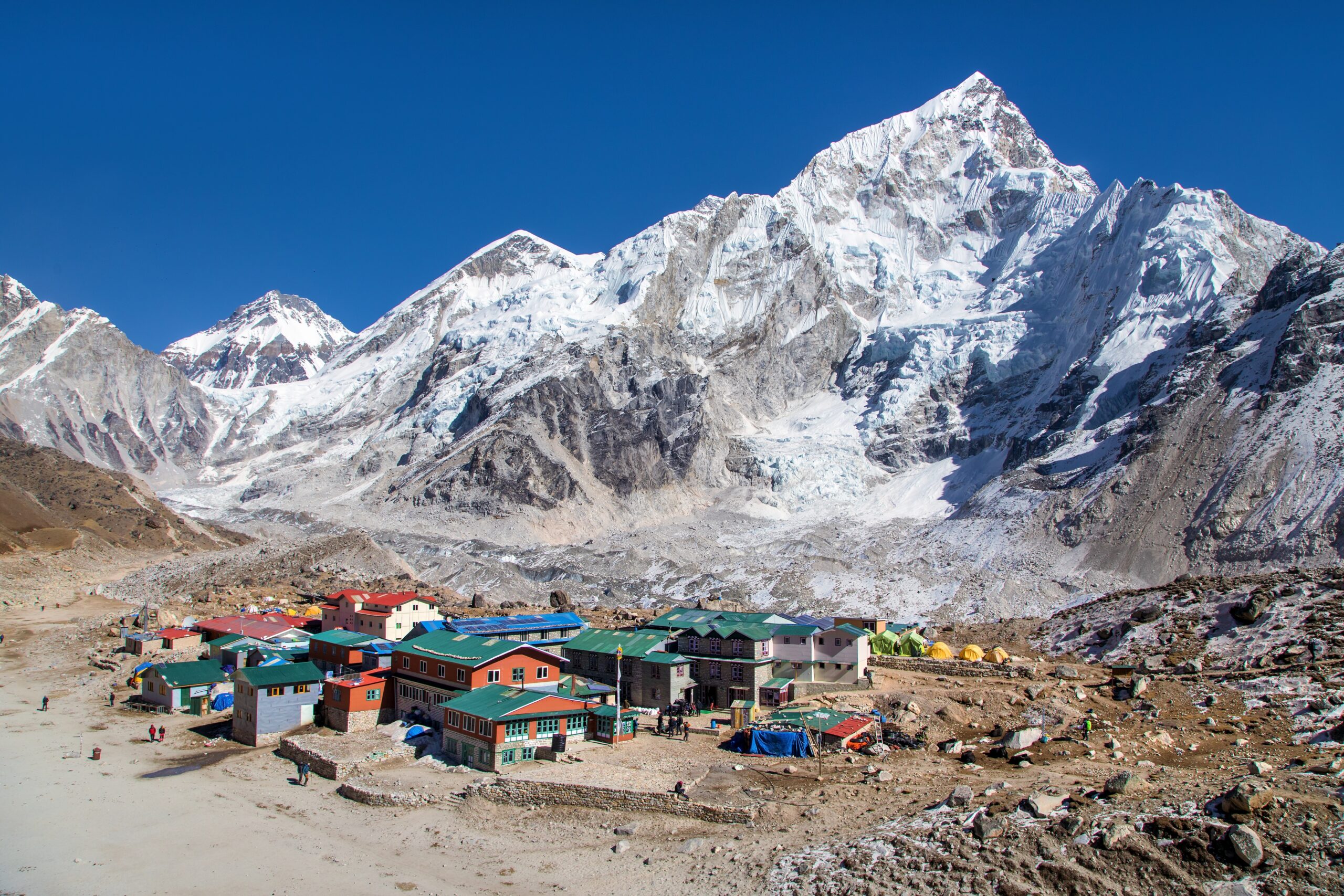
Help Global Summit Guide Understand Your Company.
Expedition and trekking operators can submit current company information for independent editorial consideration at no cost. Give us the evidence needed to understand who you are, where you operate, how your programs work and what climbers should verify before booking.
Submitting Information Is Free. Editorial Control Stays With GSG.
Global Summit Guide accepts factual company and program information because good operator research depends on current evidence. A submission may help us update an existing comparison, create or improve a company profile, correct factual errors or evaluate future coverage.
Submission does not buy publication, a favorable review, a methodology score, removal of documented criticism, a particular ranking position or advance approval of the final wording.
Choose the Right Door Before You Submit.
Editorial submission, sponsorship and referral partnership serve different purposes. One does not entitle a company to benefits in another.
Editorial Submission
Send factual information and supporting evidence for independent editorial consideration.
- No submission fee
- No guaranteed publication
- No guaranteed ranking
- Factual correction requests welcome
Sponsored Visibility
Qualified companies may purchase a separately labeled Sponsored Operator placement under a fixed written agreement.
- Clearly labeled advertising
- Fixed term and deliverables
- Paid links marked sponsored/nofollow
- No editorial influence
Referral / Travel Partner
Separate agreements can cover tracked referrals, traveler introductions and future direct trip inventory.
- Written attribution terms
- Contract-specific commissions
- Operator remains merchant of record
- No impact on rankings
Submit. Review. Verify. Decide.
Operator-supplied material can improve the evidence base, but GSG decides what to publish and how that evidence affects the final assessment.
Submit
Send company identity, destinations, programs and supporting information.
Review
We compare your submission with existing research and identify material gaps.
Verify
We may request documentation, consult public sources or interview company representatives.
Decide
Editorial staff determine whether, where and how the company merits coverage.
What to Include in an Operator Editorial Submission.
The more precise the evidence, the less likely your company is to be described using incomplete, outdated or purely marketing-level information.
Legal/operating name, headquarters or primary operating base, website, main contact and year established if verifiable.
Founders, owners, expedition directors and the people responsible for mountain operations.
Exact objectives and routes—not simply “Himalaya,” “Seven Summits” or “worldwide.”
How lead guides are assigned, nationality/local structure, guide roles and named leadership where possible.
IFMGA/UIAGM or national certifications where relevant, WFR/WFA/medical credentials, expedition history and technical qualifications.
Permits, concessions, protected-area authorizations, local business registrations or guiding permissions relevant to the destinations served.
Published or typical ratios by program, including what happens if a client turns around or descends.
Mountain days, rotations, rest schedules, pre-acclimatization requirements and any compressed-ascent protocols.
Emergency communication, oxygen where relevant, medical checks, rescue planning, turnaround authority and evacuation procedures.
Employment model, porter/high-altitude-worker systems, equipment, loads, insurance, welfare practices and third-party standards where applicable.
Day-by-day route programs or current trip PDFs for the mountains you want GSG to evaluate.
Published or quoted price, currency, support tier, key inclusions, exclusions, deposit terms and major add-on costs.
Current booking terms, force majeure treatment, transfers, refund rules, insurance expectations and client obligations.
Current-season results, departure history, guide/team reporting or other records that clarify the program. Avoid unsupported success-rate claims.
Identify the exact GSG URL, sentence or data point you believe is wrong, then provide evidence supporting the correction.
Logo and photographs you own or have permission to provide, with clear permission for GSG editorial use.
One Company Can Look Very Different Across Different Mountains.
The submission should explain the program mountain by mountain. Generic company claims are much less useful than destination-specific evidence.
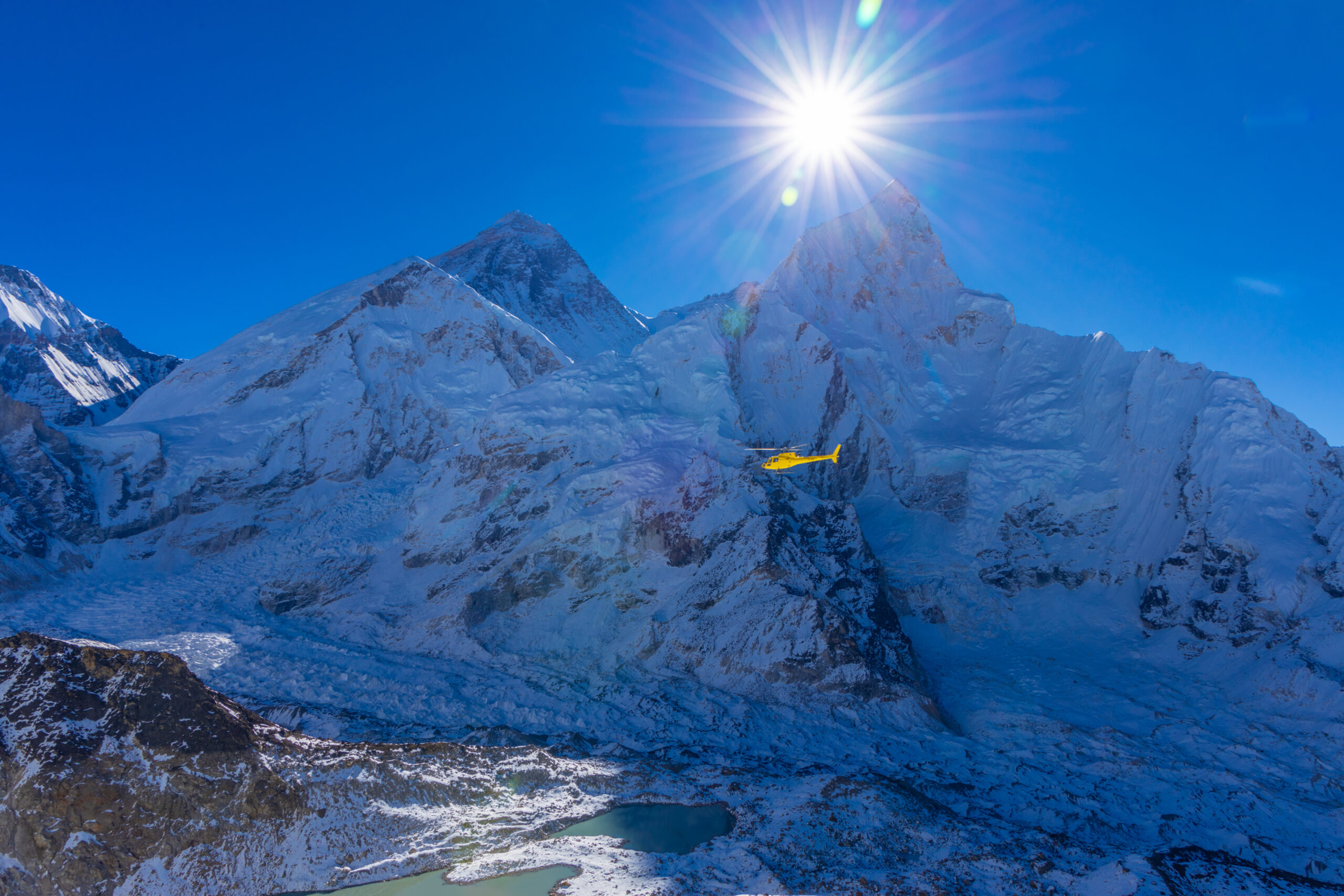
Oxygen, Guide Tiers & High-Altitude Staffing
For Everest, GSG needs evidence about oxygen systems, guide/support tiers, rotations, high-altitude workers, summit strategy and rescue structure.
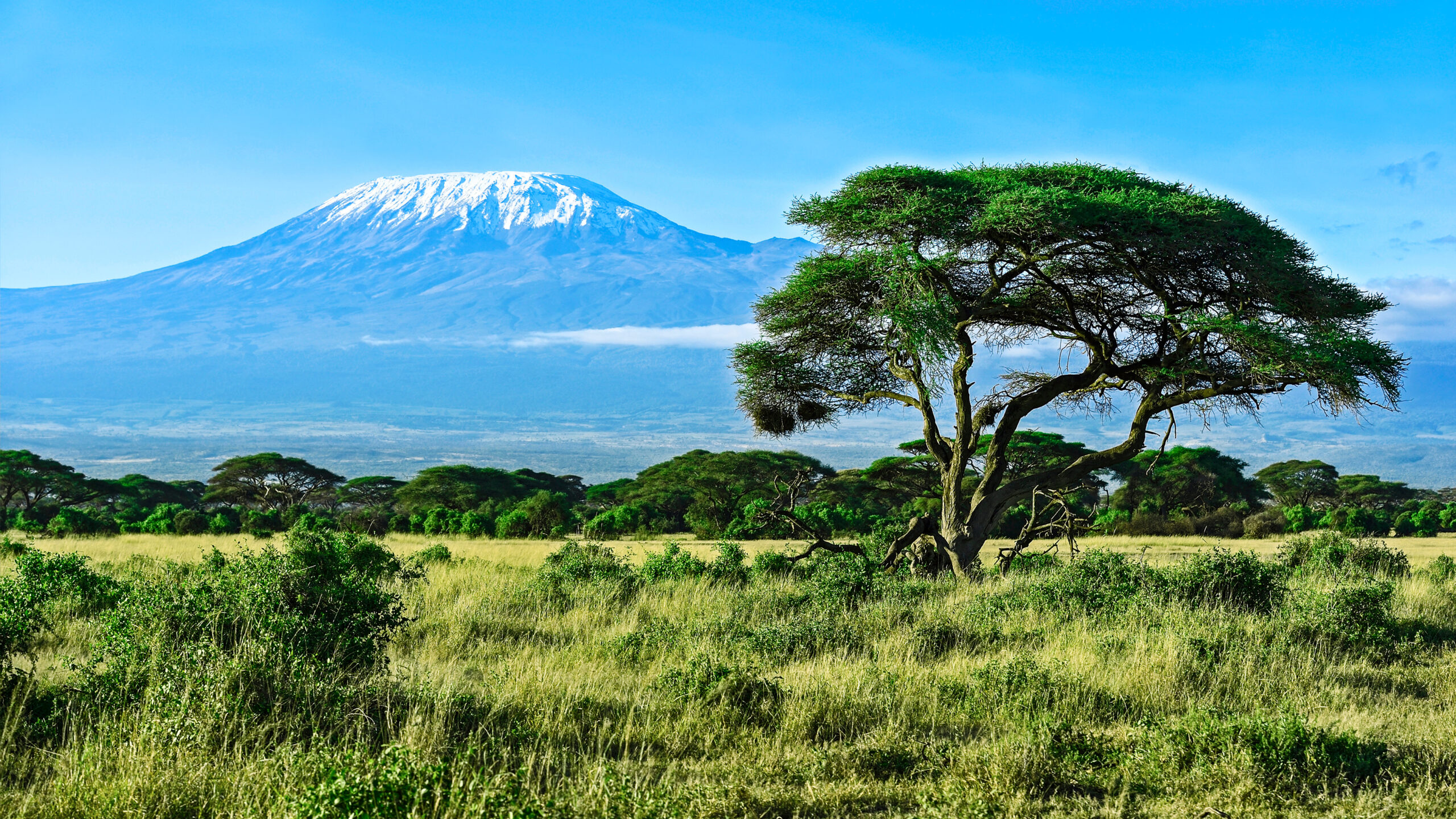
Route Length, Porter Welfare & Descent Systems
For Kilimanjaro, itinerary length, guide ratios, health monitoring, porter welfare and support for a sick or descending climber matter.
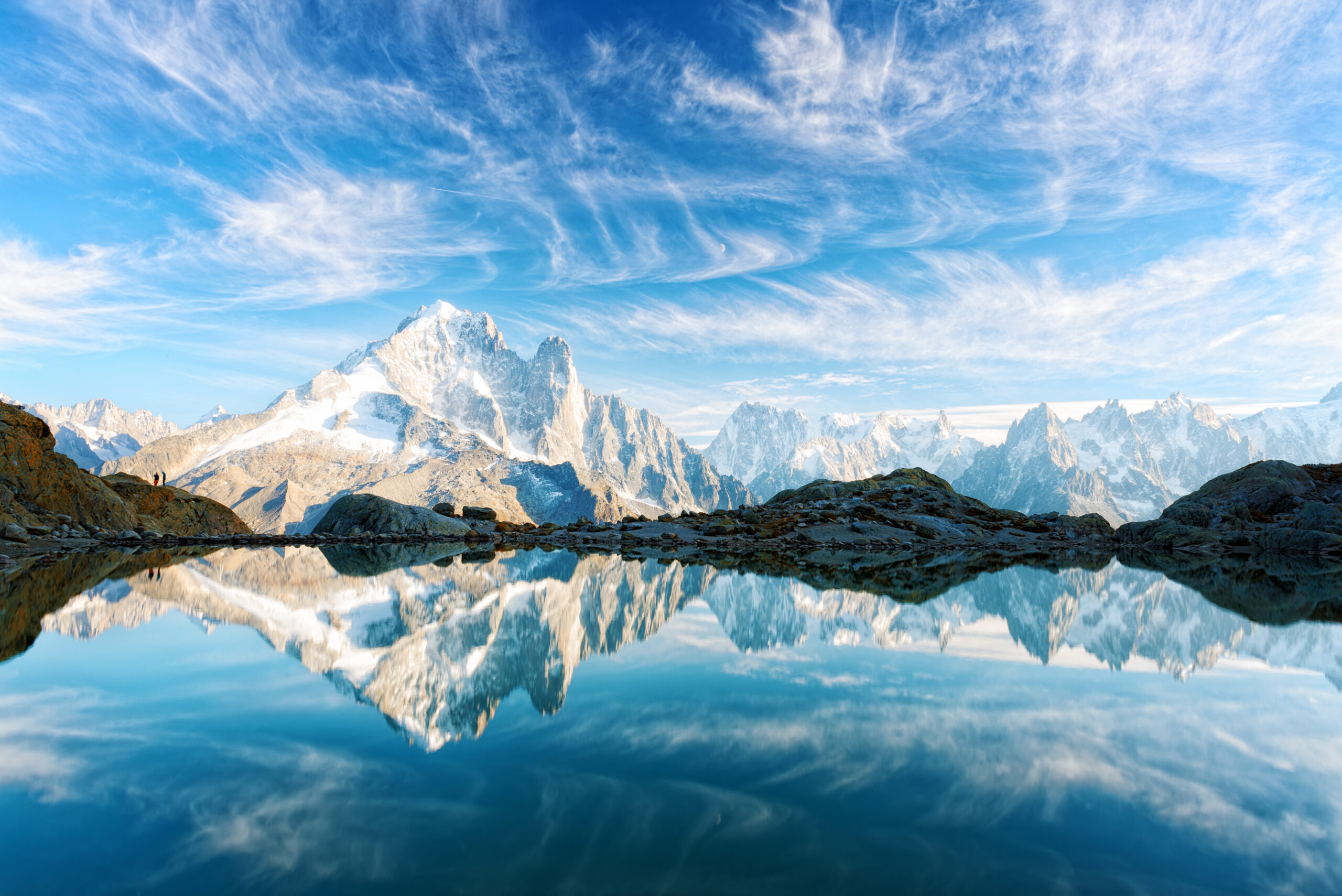
Guide Credentials, Ratios & Hut Logistics
For alpine guiding, private ratios, professional guide qualifications, conditions, hut planning and objective-hazard decisions become more central.
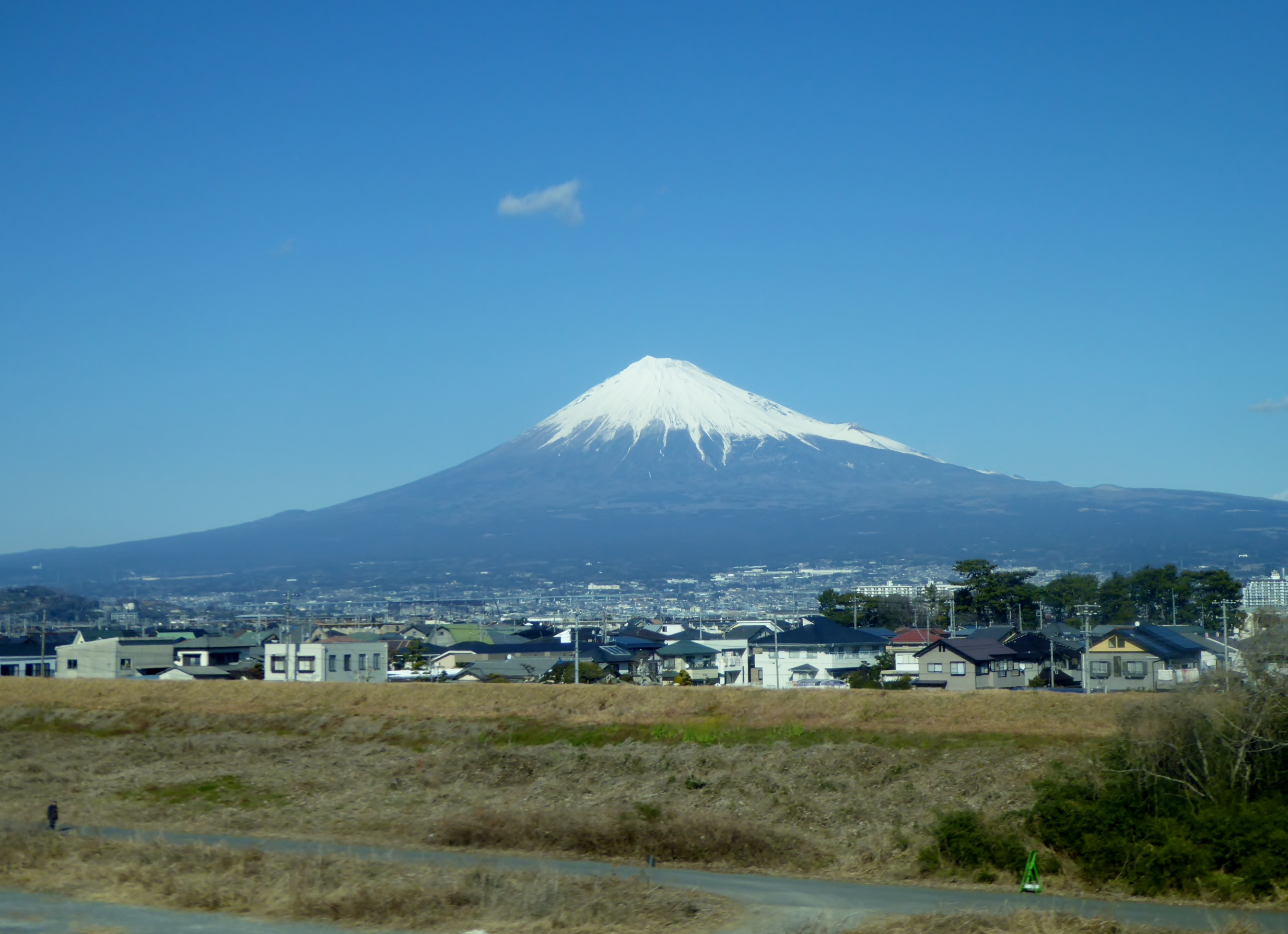
A Fuji Tour and an Everest Expedition Should Not Be Evaluated With the Same Checklist Weight.
GSG uses common editorial principles, but the evidence that matters most changes with the objective. A non-technical guided hike may emphasize access, logistics and group management; a major expedition may require far deeper evidence around guide systems, oxygen, rescue, staffing and acclimatization.
Use This Submission Template.
Copy the headings below into an email, attach the supporting documents that matter, and send the package to the GSG editorial team.
Operator Editorial Submission Template
Marketing Copy Alone Is Not Evidence.
GSG can quote or describe operator claims when clearly attributed, but unsupported promotional language does not become a verified editorial fact simply because it appears in a submission.
Unverifiable Superlatives
“Safest company,” “best guides,” “highest success rate” or similar claims without a clear definition, period and supporting evidence.
Selective Price Framing
A headline number without the route length, support tier, mandatory fees, major exclusions or date assumptions needed to compare the product.
Unlicensed Media
Do not send photographs, logos or testimonials that your company does not have permission to provide for editorial use.
Demanding Editorial Approval
Operators may correct factual errors. They do not approve GSG’s final ranking, verdict, criticism, pros/cons or wording.
Private Traveler Records
Do not send unnecessary passport copies, medical records, payment information or customer data as proof of company quality.
Pay-to-Play Requests
If you want paid visibility, use the sponsorship path. Payment cannot be attached to a request for a ranking or favorable editorial result.
If GSG Has Something Wrong, Show Us Exactly What Changed.
Good correction requests identify the URL, the exact sentence or table field, the corrected information, and the strongest available evidence. A factual correction can change our research. A disagreement with an editorial conclusion does not automatically make the conclusion factually wrong.
What Submission Can—and Cannot—Change.
Accurate operator information can materially improve research. Commercial pressure cannot.
Verified Facts
Current price, route, staffing, credentials, guide ratio, contract wording, authorization status or another factual point may be corrected when strong evidence supports the change.
Editorial Assessment
New evidence can affect how GSG understands strengths, weaknesses, unknowns and best-fit categories. The final judgment remains GSG’s.
Rank, Score or Verdict
Neither a free submission, sponsorship payment nor referral agreement creates a right to favorable placement, a particular score or positive editorial language.
Operator Submission FAQ.
The editorial path is intentionally simple: send useful evidence, allow independent verification, and keep commercial discussions separate.
Does it cost anything to submit my company for editorial consideration?
No. The editorial submission path is free. Payment is not required for GSG to review factual company or program information.
Does submission guarantee my company will be listed?
No. Global Summit Guide decides whether the company is relevant to an existing comparison, individual profile or future research project. Submission does not guarantee publication.
Can I choose my ranking position?
No. Operators cannot purchase or negotiate an editorial rank, score, verdict, best-fit category, pros/cons or recommendation.
Can I review the article before it is published?
GSG may ask an operator to verify specific factual questions, but operators do not receive editorial approval rights over final wording, ranking or conclusions.
Can I request a factual correction to an existing page?
Yes. Identify the exact GSG URL and statement you believe is incorrect and provide current evidence supporting the correction. Editorial disagreement by itself is not necessarily a factual error.
Should I send success-rate data?
You may submit it, but define the denominator, period, route, client population, treatment of turnarounds and source records. GSG will not present an unsupported marketing percentage as a verified universal success rate.
Can I submit photos and our logo?
Yes, if your company owns the media or has permission to provide it and you grant GSG permission to use it editorially. Clearly identify photographer/credit requirements when applicable.
What if I also want sponsorship or direct referrals?
Use the separate Sponsorship Policy and Operator Partner Program. Those are commercial relationships and do not alter the editorial submission or ranking process.
Give Us Better Evidence. We Will Make the Editorial Judgment.
Accurate company information improves the research. Payment does not improve the rank.
Was this helpful?
Global Summit Guide is an independent mountaineering resource founded in 2026. The team combines first-hand trekking and climbing experience with in-depth research and professional health and nutrition review to help climbers choose objectives, prepare properly, and stay safe.
Health, altitude, and nutrition content is reviewed by Taylor Ludlow (Registered Nurse) and Brigg Hoopes (Nutritionist).
What We Don't Know Yet
Mountain information changes quickly. This box explains the limits of what this page can responsibly promise.
- Guide-company prices, departure dates, guide ratios, included services, and cancellation rules can change without notice.
- Visa, passport, vaccination, border, insurance, and local transportation rules may change before your trip.
- Route conditions, snowpack, closures, and weather can change quickly after this page is updated.
- Permit rules, fees, quotas, and reservation windows may change between review cycles.
- Operator availability, pricing, guide ratios, and cancellation terms can change by season.
Verify current conditions with official land managers, guide services, local forecasts, and current route reports before booking or climbing.
Mountaineering, rock and ice climbing, glacier travel, and high-altitude activity are inherently dangerous and can result in serious injury or death. The information on Global Summit Guide is provided for general informational and educational purposes only and is not a substitute for professional instruction, qualified guiding, proper equipment, or your own judgment and experience.
Route conditions, weather, snowpack, permits, regulations, and hazards change constantly and may differ from what is described here. Details may be incomplete, out of date, or contain errors. Always verify current information with local authorities, certified guides, and official sources before making any decision in the mountains.
Nothing on this site is medical, legal, or financial advice. Our fitness, acclimatization, altitude, and nutrition content is general in nature; consult a qualified physician before beginning any strenuous exercise program or exposing yourself to high altitude.
You are solely responsible for your own safety and decisions. To the fullest extent permitted by law, Global Summit Guide and its team accept no liability for any loss, injury, damage, or expense arising from use of, or reliance on, this information. By using this site you acknowledge these risks and accept these terms.
Some links on this site may be affiliate links. If you buy through them we may earn a small commission at no extra cost to you; this never affects our recommendations.
Global Summit Guide recommendation path
Next Best Mountain to Research
Use these recommendations to continue the right planning path instead of stopping on one page.
Use current permit, weather, route, and operator information before booking or climbing.