
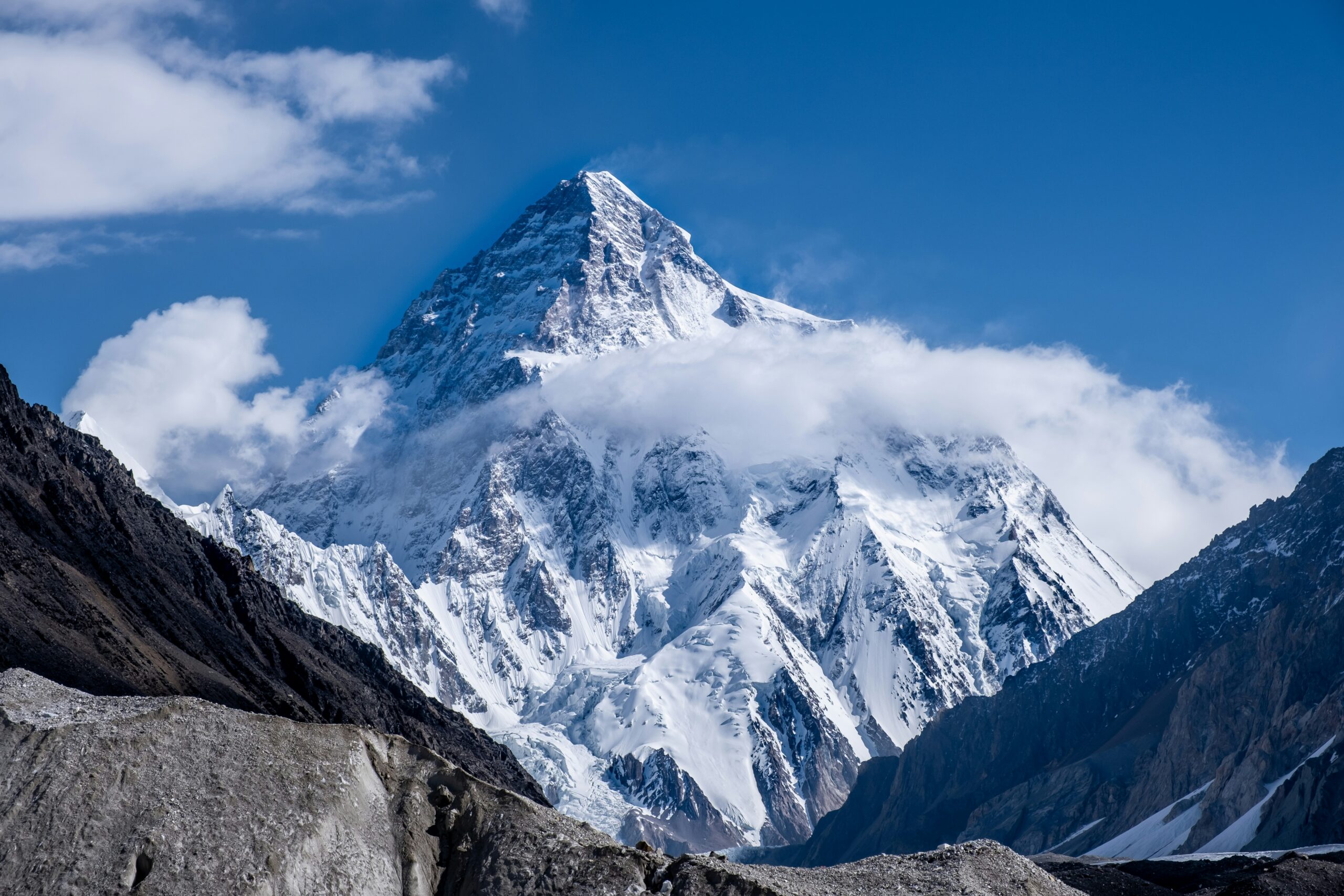
K2 2026 Season Tracker: No Summits as Karakoram Season Ends
K2’s 2026 summer season closed without a successful summit. High winds, fresh snow, unstable conditions, rockfall and slow upper-route progress repeatedly narrowed the usable window. A final late-July push was underway when the July 30 Broad Peak avalanche killed 10 climbers; K2 teams abandoned their summit plans and redirected people and resources toward the response.
Published July 11, 2026 · Final record reviewed September 4, 2026
K2 went unsummited in summer 2026.
By August 16, Gilgit-Baltistan reporting said the Karakoram summer climbing season had closed and that no climber had summited K2 or Gasherbrum I. Alan Arnette’s August 22 season wrap reached the same conclusion and estimated roughly 50 K2 attempts during an unusually quiet commercial season.
The zero does not describe one failed day. K2’s summit chance was progressively compressed by upper-mountain wind, repeated weather delays, fresh snow, unstable conditions, rockfall and slow route development. When a late push finally formed near the end of July, the Broad Peak disaster changed the priorities of the climbers still high in the Baltoro.
- Final outcome: no successful K2 summer summit.
- Primary line: Abruzzi Spur on the Pakistan side.
- Late route progress: ropes around 7,000 m by July 24.
- Summit plan: late-July push, then delayed toward Aug. 1.
- Decisive human event: July 30 Broad Peak avalanche and rescue/recovery response.
- Page status: final 2026 season archive.
How K2 2026 moved from rotations to a closed season
Filter the timeline to isolate route development, weather delays or the emergency response. Dates reflect contemporary reports rather than reconstructed hindsight.
A small K2 season settles into Base Camp
Commercial groups and Pakistani guides established themselves on the Abruzzi Spur in a quieter-than-normal season. Specialist reporting described far fewer large international teams than in recent years, with much of the commercial presence led by Nepali and Pakistani operators.
RouteLower rotations continue; fixed lines reach Camp 2
Teams continued acclimatization while weather held back faster progress. By July 16, reporting placed the fixed line at Camp 2 and described plans to extend toward Camp 3 when conditions allowed.
Route + weatherFixing moves above Camp 2
Imagine Nepal reported a rope-fixing team moving from Camp 2 toward the ice section below Camp 3. That was progress, but it still left the upper mountain to be completed before a commercial summit cycle could function.
RouteHigh winds stall the mountain near 7,000 metres
Alan Arnette reported ropes fixed to roughly 7,000 m, with another 2,000 m of rope cached at Camp 3. Around 50 climbers were estimated to be waiting for wind to ease. The season was approaching its normal summit period without a finished upper route.
Weather + routeA better forecast triggers the late summit push
ExplorersWeb reported a surprise move upward after a more optimistic forecast. July 31 was identified as the hoped-for summit date across K2, Broad Peak and Gasherbrum I.
Weather + routeThe forecast deteriorates again
Strong wind and poor weather forced another delay. ExplorersWeb shifted the earliest expected K2 summit to August 1, while Everest Chronicle reported the K2 team held at Camp 2 because of wind.
WeatherThe Broad Peak avalanche changes the entire Baltoro
An avalanche struck a 10-person team on neighboring Broad Peak. Search and rescue began, then transitioned toward recovery as the scale of the disaster became clear.
ResponseK2 summit pushes are abandoned
ExplorersWeb reported that most K2 teams had called off their summit efforts to help on Broad Peak. Later reporting said the remaining K2 team had been at Camp 3 when it learned of the avalanche and descended to assist.
Response + routeGilgit-Baltistan’s summer season is reported closed
Dawn reported that climbers had returned from the eight-thousanders and that no one had summited K2 or Gasherbrum I during the summer.
Final statusThe season wrap confirms the zero-summit result
Alan Arnette’s final Karakoram review recorded K2 as unsummited, described the season as unusually quiet and again highlighted rockfall, high winds and heavy snow.
Final statusThe numbers that can be stated cleanly
The best season archive separates confirmed results from estimates and avoids turning incomplete expedition reporting into fake precision.
Successful summits
Confirmed final summer result for K2 in 2026.
People attempting
Specialist estimate from Alan Arnette’s reporting, not an official government permit count.
Rope progress
Reported July 24, with additional rope cached at Camp 3 for the upper route.
Broad Peak deaths
Separate neighboring-mountain tragedy that directly ended remaining K2 summit plans; not K2 fatalities.
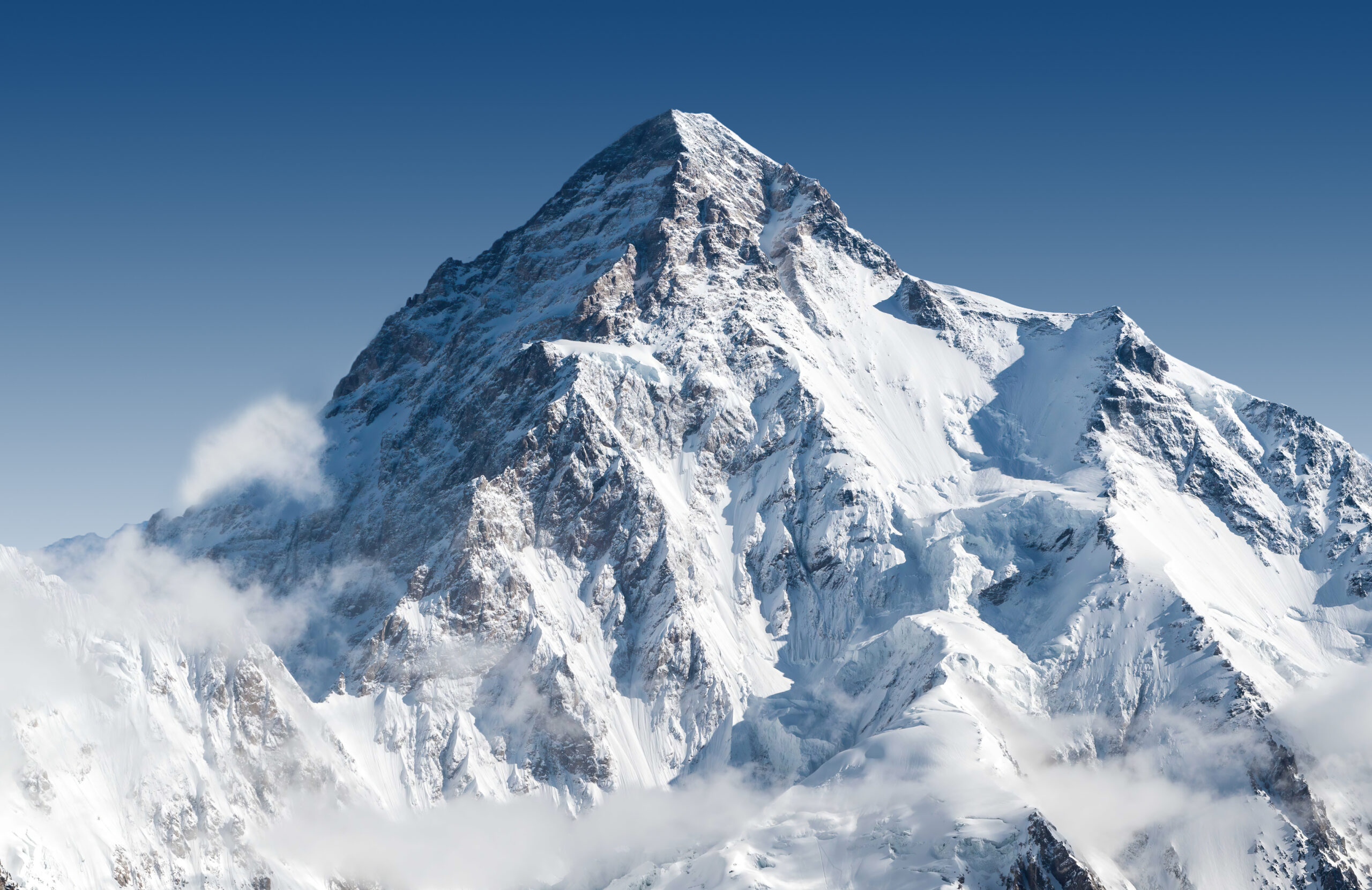
There was no single failure point
The more accurate explanation is cumulative. Each delay reduced the remaining margin until the final summit push was overtaken by a larger emergency.
Upper-mountain wind
High winds repeatedly stalled progress in July. A tolerable Base Camp day can still be unusable on the Black Pyramid, Shoulder, Bottleneck and summit ridge.
Fresh and unstable snow
Heavy snowfall and unstable snow were part of the wider Karakoram story. New loading does more than slow trail-breaking; it can change the acceptable hazard level on steep terrain.
Rockfall
Season reporting repeatedly mentioned rockfall. On K2, a prolonged wait can expose teams to objective hazards even before a summit push is underway.
Slow upper-route development
With ropes only around 7,000 m on July 24, the upper route still needed work as the calendar moved into K2’s central summit period.
A late summit commitment
The serious summit push did not begin until July 27. When the forecast deteriorated again, the hoped-for July 31 summit was pushed toward August 1.
The Broad Peak emergency
The July 30 avalanche changed the purpose of the climbers still in the area. K2 teams abandoned summit efforts and shifted toward the response on Broad Peak.
The mountain was active for weeks before the result became final
A season result compresses dozens of days into one number. K2 had real route work, rotations, high-camp movement and a late summit push even though no one reached 8,611 metres.
Teams spent July building acclimatization
Climbers moved between Base Camp and the lower Abruzzi Spur while the fixed-line system developed. That work matters because a summit bid cannot simply begin when a favorable forecast appears; the climber has to be physiologically and logistically ready before the window opens.
The route kept advancing despite delays
Camp 2 was established by mid-July, fixing moved toward Camp 3, and by July 24 ropes were reported around 7,000 m. The absence of a summit was therefore not an absence of effort. The problem was that route readiness and weather never aligned with enough remaining calendar.
Teams did commit upward
The July 27 forecast change triggered a genuine summit push. When the weather worsened, the target shifted from July 31 toward August 1. The push then ended for a different reason: the Broad Peak emergency required the same small high-altitude community to turn its attention elsewhere.
Seven things had to align. In 2026, they never all aligned at once.
K2 is often discussed as though the forecast alone decides the season. The actual summit system is a chain: a failure in any one link can consume the window.
Fixed lines
The upper route has to be established far enough for teams to move efficiently and descend on the same system.
Acclimatization
Climbers need enough prior rotations and recovery to use a short forecast break rather than beginning their preparation after it appears.
Wind
Upper-mountain wind can block progress even when lower camps are sunny and the forecast looks superficially favorable.
Snow stability
Fresh loading, deep snow and avalanche conditions can make a nominal weather window unusable or slow movement enough to erase it.
High-camp system
Tents, caches, oxygen and staff positions have to be intact and placed for the summit cycle being attempted.
Descent margin
A summit-day forecast is not enough. Teams need a complete ascent-and-descent window with enough reserve for delays above 8,000 m.
Emergency response
Mountaineering plans can be superseded by a rescue or recovery need. That is exactly what happened after the Broad Peak avalanche.
The chain never closed
By the time route, acclimatization and a possible forecast began to converge, weather remained marginal and the season was late. Then the Broad Peak disaster ended the remaining summit logic.
Commercial infrastructure helped K2 teams operate. It could not manufacture the missing margin.
The 2026 season is particularly useful because it shows the limits of systems that are sometimes mistaken for guarantees.
| Expedition system | What it can improve | What it cannot guarantee |
|---|---|---|
| Fixed ropes | Movement efficiency, route standardization and protection on known sections. | Stable snow, acceptable rockfall exposure or a complete upper route before the weather window closes. |
| Supplemental oxygen | Physiological margin for climbers using it and potentially faster movement at extreme altitude. | A safe route, low wind, viable snow or an acceptable descent window. |
| Forecasting | Better timing and recognition of broad atmospheric patterns. | Exact summit conditions, local snow stability or perfect agreement between forecast models and the mountain. |
| High-altitude staff | Route work, load carries, camp establishment and critical experience. | Removal of objective hazards or unlimited capacity when the same staff are needed for rescue elsewhere. |
| Satellite communications | Weather updates, team coordination and emergency contact when systems work. | Continuous connectivity. Pakistan’s mountain communications are less consistent than on Everest, and field updates can arrive late. |
| Long expedition schedule | More acclimatization and more chances to wait for a usable period. | An unlimited season. Route work, permits, staff commitments, weather and the calendar eventually create a hard end. |
The point is not that commercial support “failed” in 2026. The point is that support reduces some problems while leaving the mountain’s atmosphere, snowpack, rockfall and human emergencies outside anyone’s control.
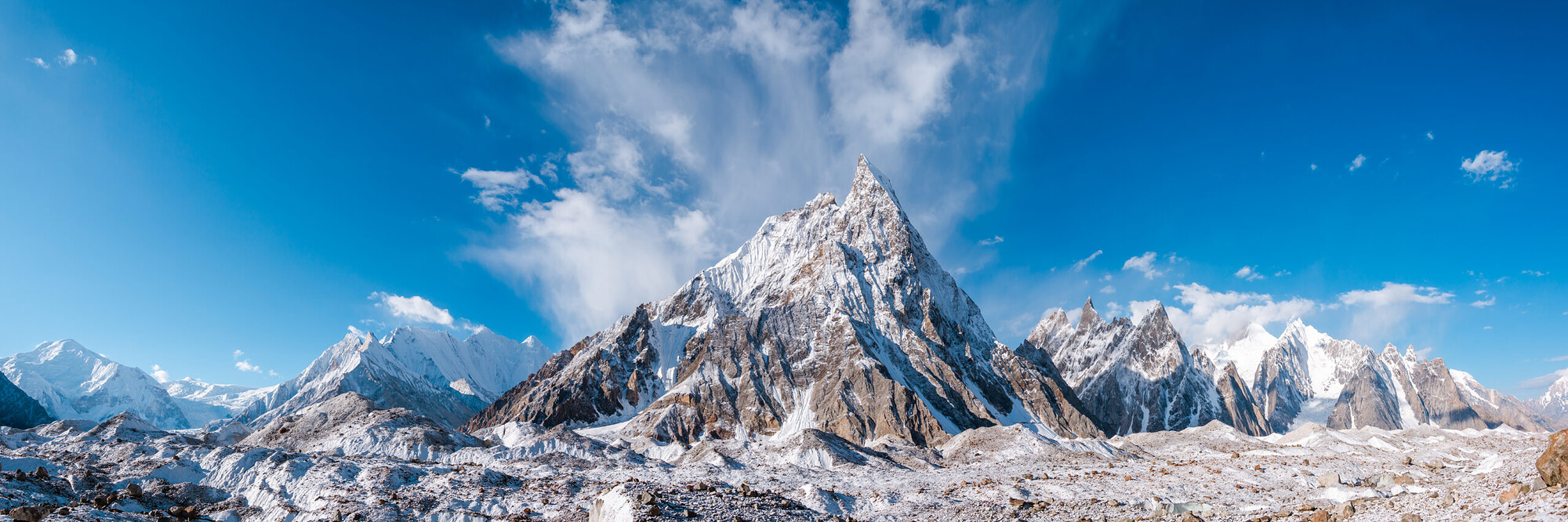
A weather window is not automatically a summit window.
A usable K2 summit window exists only when forecast, fixed lines, snow stability, team acclimatization, high camps, support, descent margin and human priorities all line up at once. In 2026, that complete combination never arrived.
How far did the 2026 K2 route develop?
This is route chronology, not a climbing tutorial. Elevations are approximate season reports and should not be treated as permanent route coordinates.
| Season point | Reported progress | Why it mattered |
|---|---|---|
| Early July | Teams established Base Camp and began Abruzzi Spur rotations. | The season was still in normal lower-mountain acclimatization. |
| July 11–16 | Fixed line reported around Camp 2. | Upper-route preparation remained behind the eventual summit phase. |
| July 17 | Fixing teams moved from Camp 2 toward the ice section below Camp 3. | Progress continued, but the upper mountain was not yet ready for a full commercial summit cycle. |
| July 24 | Ropes reported around 7,000 m; roughly 2,000 m of rope cached at Camp 3. | Teams had the material to continue once wind eased, but substantial upper work remained. |
| July 27–30 | Summit push began; weather forced delays. Some teams reached high camps. | The season finally entered its decisive summit cycle. |
| July 31 onward | K2 summit efforts abandoned as climbers assisted the Broad Peak response. | No second complete summit cycle followed before the summer season closed. |
How the Broad Peak tragedy affected K2
Broad Peak and K2 are separate mountains, but the expedition communities share the Baltoro, guides, workers, communications, rescue capacity and personal relationships.
The avalanche
An avalanche struck a 10-person international team on Broad Peak during its summit push. Later reporting confirmed that all 10 climbers died. Searchers faced difficult terrain, weather and recovery logistics.
This article does not reconstruct the avalanche or assign fault. That would require a separate evidence base and is not necessary to explain K2’s season.
The K2 response
ExplorersWeb reported that most K2 teams aborted summit pushes to help. Later accounts from climbers and season summaries described K2 guides descending and joining the Broad Peak search and recovery effort.
At that point, the K2 story changed from “Will the forecast produce a summit?” to “How can the climbing community respond to the disaster next door?”
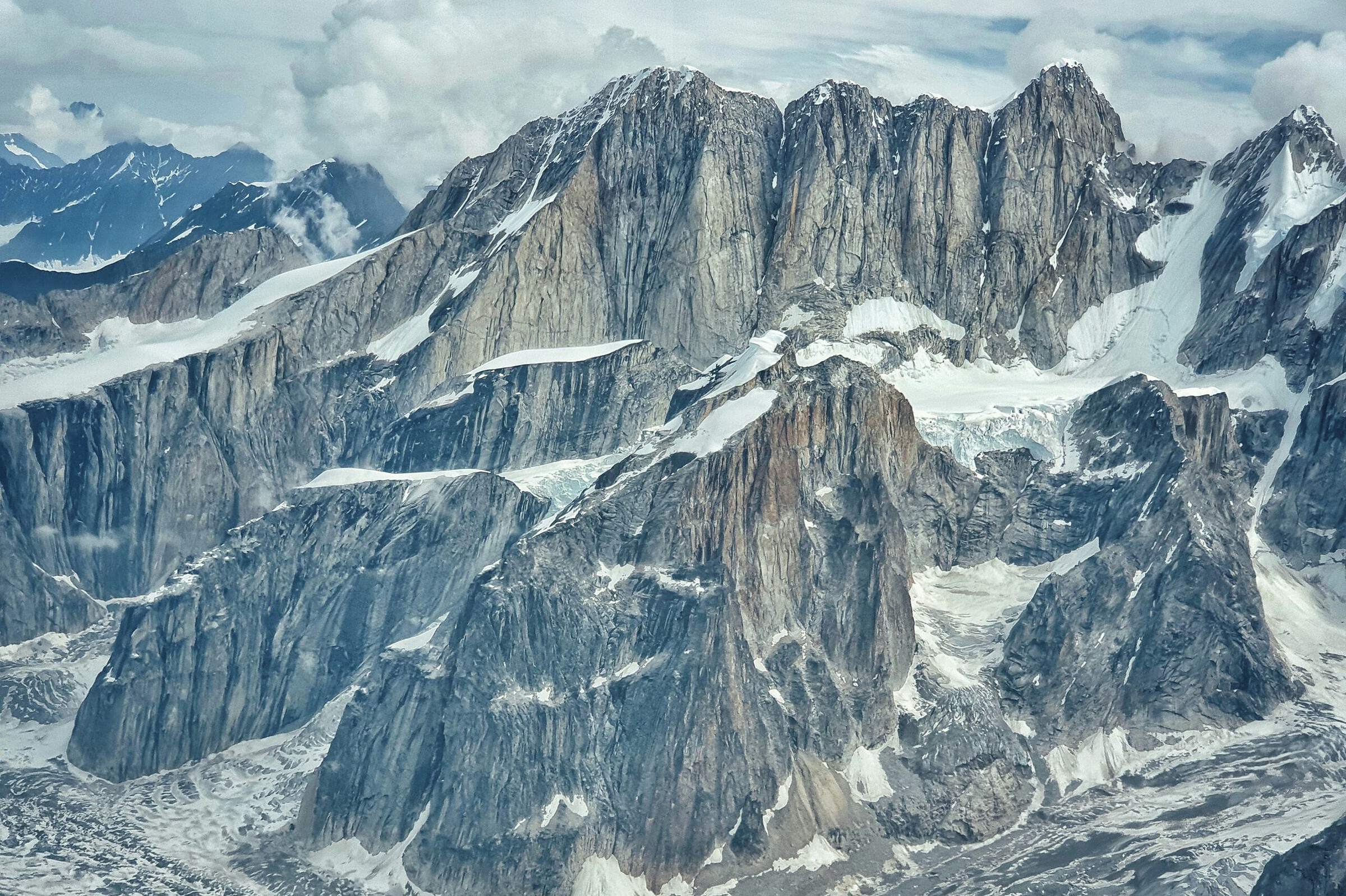
2026 was a difficult Karakoram season, but not every 8,000er had the same outcome
Placing K2 beside the other Pakistan eight-thousanders helps show why “bad Karakoram year” is too vague. Some peaks did see successful summits.
| Peak | 2026 summer result | Context |
|---|---|---|
| Nanga Parbat | Successful summits | Teams reached the summit earlier in the summer before the Baltoro season reached its late-July crisis. |
| Broad Peak | Successful summits before the later tragedy | The July 30 avalanche then killed 10 climbers and reshaped the closing weeks of the Karakoram season. |
| Gasherbrum II | Successful summits | Teams succeeded despite deep snow and repeated route work. |
| Gasherbrum I | No successful summit in final season reporting | Dawn and later season summaries grouped GI with K2 among the unsummited eight-thousanders. |
| K2 | No successful summit | Wind, snow, rockfall, slow route progress and the Broad Peak response closed the remaining opportunity. |
This table records whether successful summits were reported; it does not attempt to provide complete summit counts for every peak.
What K2 2026 shows—and what it does not
A zero-summit year is striking, but it should not be stretched into conclusions the season cannot support.
What 2026 does show
- Commercial infrastructure cannot manufacture a summit window.
- Slow rope fixing can compress the calendar even when teams are acclimatized.
- Wind, snow and rockfall can remain decisive despite modern forecasting and equipment.
- A late summit cycle leaves little room for a second complete attempt.
- Emergency response can correctly take priority over a summit objective.
- K2 season planning needs margin for descent, not merely a forecasted summit day.
What 2026 does not prove
- It does not prove K2 has become permanently unsummitable.
- It does not establish a new personal summit-success probability.
- It does not justify a new fatality rate using zero summits as a denominator.
- It does not mean every future late-July season will behave similarly.
- It does not make the 2026 snow or wind pattern a forecast for 2027.
- It does not turn Broad Peak fatalities into K2 fatalities.
Use 2026 as evidence, then return to current K2 planning
A completed season report is useful background. Future expedition decisions should come from current route, weather, access, operator and risk information.
Complete K2 Climbing Guide
Route, cost, permits, difficulty, progression and the complete expedition framework.
Open the guide → SeasonK2 Climbing Season & Access
The normal Karakoram calendar, permit system, route-readiness sequence and summit-window timing.
Study the season → WeatherK2 Weather by Month
Summit climatology, wind, temperature and why July is the central planning month without being a guarantee.
Open weather guide → Route decisionAbruzzi Spur vs Cesen
Compare the Pakistan-side route choices and their lower-mountain hazard tradeoffs.
Compare routes → Risk dataK2 Death Rate Explained
Separate deaths-to-summits ratios from personal attempt risk and keep 2026 in the correct denominator context.
Read the risk analysis → Outcome dataK2 Summit Success
Review long-term outcome data without letting one unusual season become the entire story.
Review summit data →Sources used to close the 2026 record
The final outcome is anchored to dated reporting published during and immediately after the Karakoram season.
Final season reporting
- Dawn · Aug. 16, 2026 — Gilgit-Baltistan closeout reporting: no K2 or Gasherbrum I summit.
- Alan Arnette · Aug. 22, 2026 — Karakoram season wrap, K2 attempt estimate and final outcome.
- ExplorersWeb · Jul. 31, 2026 — K2 teams abort summit pushes to assist Broad Peak response.
Route and summit-push chronology
- Alan Arnette · Jul. 24, 2026 — ropes around 7,000 m, additional rope at C3, strong winds.
- ExplorersWeb · Jul. 27, 2026 — late summit push and July 31 target.
- ExplorersWeb · Jul. 29, 2026 — worsening conditions delay K2 summit plans.
- Everest Chronicle · Jul. 30, 2026 — wind holds K2 team and pushes summit schedule.
K2 2026 Season FAQ
Did anyone summit K2 in 2026?
No. The 2026 Karakoram summer climbing season closed without a successful K2 summit. Dawn reported the season closed with no K2 summit, and later season summaries recorded the same final outcome.
Why was K2 not summited in 2026?
There was no single cause. High winds repeatedly delayed upper-mountain progress, fresh and unstable snow reduced the usable margin, rockfall remained a concern, and the late summit push was abandoned after the July 30 Broad Peak avalanche as K2 climbers redirected effort toward the response.
How far did climbers get on K2 in 2026?
By July 24, contemporary reporting placed fixed ropes around 7,000 metres with additional rope cached around Camp 3. During the final push, climbers reached high camps, including Camp 3, before the summit effort was abandoned.
How many people attempted K2 in 2026?
There is no single official public attempt count used here. Alan Arnette estimated roughly 50 people attempted K2 during the 2026 season. Treat that as a specialist estimate, not an official permit total.
What happened on Broad Peak and why did it affect K2?
On July 30, an avalanche on neighboring Broad Peak killed 10 climbers. K2 teams abandoned their summit pushes and joined or supported search and recovery efforts. The Broad Peak deaths are not K2 fatalities, but the disaster directly changed the final K2 summit push.
Was bad weather the only reason K2 had no summits?
No. Weather and mountain conditions compressed the season, but the decisive end to the remaining summit push came after the Broad Peak avalanche. The final result reflects a sequence of delays, route development, wind, snow, rockfall and the emergency response.
What route were teams climbing?
The supported commercial effort centered on the Abruzzi Spur on the Pakistan side. This archive summarizes route progress only; use the separate K2 route pages for climbing geography and alternatives.
Is this still a live K2 tracker?
No. The summer climbing season is closed, so this page is now a final historical archive of the 2026 K2 season rather than a live forecast or current conditions page.
Does zero summits mean K2 is becoming impossible?
No. One unsummited season is important evidence about how weather, route progress and timing can align badly, but it does not establish a permanent trend or predict the outcome of a future K2 season.
Where should I look for current K2 planning information?
Use the current K2 climbing guide for broad expedition planning, the K2 climbing-season page for the normal calendar and access, and the K2 weather guide for climatology. Keep this page as the dated record of 2026.
No summit. A season still worth studying.
K2’s 2026 summer ended without a successful summit. The useful lesson is not simply the zero: route progress, weather, snow, time, emergency response and judgment all have to line up on a mountain where weeks of investment can still end in a correct descent.