
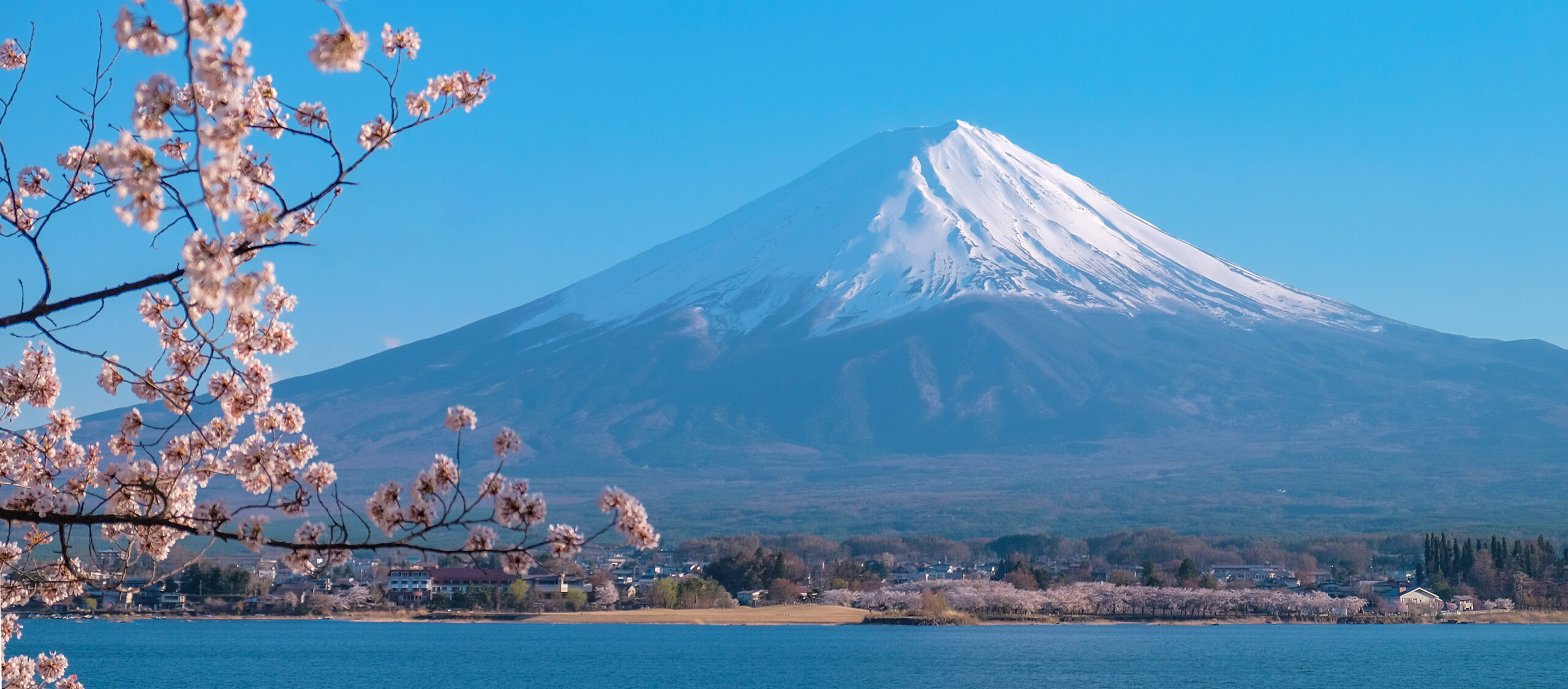
Mount Fuji climbing update
The most-climbed big mountain in the world, and the rules changed again for 2026. This page tracks the 4,000-yen fee now on every trail, the two reservation systems, season dates by trail, the gate hours and bullet-climbing ban, and the four routes compared. A single-mountain page in our Expedition Updates directory. Elevations in metres (feet).
More managed than the postcards. Your permit is now your trip plan.
For 2026, every one of the four official trails charges a 4,000-yen fee and requires an advance online reservation that produces a QR-code permit. The Yoshida trail has a hard daily cap of 4,000 climbers, and gates close from 2 PM to 3 AM to anyone without a mountain hut booking.
The season runs roughly July 1 to September 10, with the two Shizuoka trails opening July 10. Pick your date and trail, book the permit and a hut, and do it before you fly, because peak dates sell out.
Summit (12,388 ft)
The highest mountain in Japan, and a UNESCO World Heritage site.
Entry fee
Mandatory on all four trails in 2026, booked online in advance.
Climbing season
Roughly July 1 to September 10, when huts and buses run.
Mount Fuji is not an expedition peak. It is a non-technical hike that around 200,000 people do every short summer, and its near-perfect cone is one of the most recognizable mountains on earth. What makes it worth a status page is how much the access rules have changed, and how much stale information is still circulating. This page covers the current 2026 picture: fees, reservations, season dates, the four trails, and the safety rules. For the history, the deeper route detail, and the evergreen how-to, see our Mount Fuji climb guide.
What changed for 2026
This is the first season the rules look the same across the whole mountain.
Fuji’s access rules have tightened for three years running, in response to overtourism, litter, and unprepared hikers. The 2026 season is the point where those changes line up across all four trails. The headline is that the 4,000-yen fee, which started on the Yoshida trail, now applies to the three Shizuoka trails as well, and every route requires an online permit. If you read an older guide that says climbing Fuji is free, or that only the Yoshida side charges, or that you can simply turn up and walk, that information is out of date.
Fees and reservations
One fee, but two different booking systems depending on the trail.
The fee is the same everywhere, but the way you book differs by side of the mountain, and this trips people up. The Yoshida trail, on the Yamanashi side, uses the prefecture’s online reservation system and enforces a daily cap of 4,000 climbers, so it can sell out on busy dates. The three Shizuoka trails, Subashiri, Fujinomiya, and Gotemba, use the FUJI NAVI smartphone app, which walks you through a short mandatory safety course before it issues your permit. Either way you end up with a QR code that becomes your entry pass at the trailhead.
| Item | Cost | Notes |
|---|---|---|
| Entry fee | 4,000 yen per person | Mandatory on all four trails in 2026, booked and paid online in advance. |
| Mountain hut | 14,000 to 17,000 yen per person | Shared dorm space with dinner and a simple breakfast. Book well ahead. |
| Shuttle bus | around 3,900 yen round trip | Private cars are banned on the 5th Station access roads in season. |
| Cash on the mountain | Bring coins and notes | Huts and toilets are cash only; withdraw yen before you leave the city. |
Season dates by trail
A short window, and it is not the same date for every route.
The official 2026 season has the Yoshida and Subashiri trails opening July 1 and the Fujinomiya and Gotemba trails opening July 10, with all four closing September 10. Subashiri moved earlier this year, to July 1, to line up with Yoshida. These dates can shift if late snow or poor conditions delay the opening, so treat them as scheduled rather than guaranteed and confirm before booking flights. The busiest stretch is the Japanese school holidays from late July through August, and the Obon week in mid-August is the peak of the peak.
The four trails compared
Which route suits which climber.

| Trail | Side | 5th Station | Time up | Character |
|---|---|---|---|---|
| Yoshida | Yamanashi (north) | ~2,300 m | 5 to 7 hr | The most popular by far, with the most huts and the best transport from Tokyo and Kawaguchiko. Daily cap of 4,000 climbers. The practical choice for a first climb despite the crowds. |
| Subashiri | Shizuoka (east) | ~2,000 m | 5 to 7 hr | Quieter, with a forested lower section, and it merges with the Yoshida trail high up. Opens July 1 in 2026, aligned with Yoshida. |
| Fujinomiya | Shizuoka (south) | ~2,400 m | 4 to 6 hr | The shortest and steepest route, with the highest trailhead and the most direct line to the summit crater. Popular from the Shinkansen side. |
| Gotemba | Shizuoka (southeast) | ~1,400 m | 7 to 10 hr | The longest and hardest, with the lowest trailhead and the fewest huts. The route for fit, experienced hikers who want solitude. |
Gate hours and bullet climbing
The rule that most changes how you plan the climb.
Trailhead gates are open from 3 AM to 2 PM. Between 2 PM and 3 AM, entry is restricted to climbers who hold a mountain hut reservation. The target is bullet climbing, the practice of racing up and down through the night without resting, which leaves people exhausted, cold, and prone to altitude illness and accidents near the summit in the dark. The rule effectively means that if you want to be on the summit for sunrise, the safe and now the required way to do it is to climb partway, sleep in a hut, and finish in the early morning.
Altitude and safety
The most underestimated mountain in this directory.
At 3,776 m, Mount Fuji is high enough that altitude sickness is common, and people regularly underestimate it because it is a walk rather than a climb. Headache, nausea, and dizziness are frequent, and the summit can be cold, wet, and fiercely windy even in midsummer, when the valley below is hot.
Climb at a slow, steady pace, spend time acclimatizing at the 5th Station and a hut rather than rushing up, carry warm and waterproof layers and proper footwear, and turn around if altitude symptoms worsen. Our acclimatization guide covers the physiology. This page is educational and is not medical advice.
Huts and the sunrise
The goraiko, and why the hut booking is the linchpin.
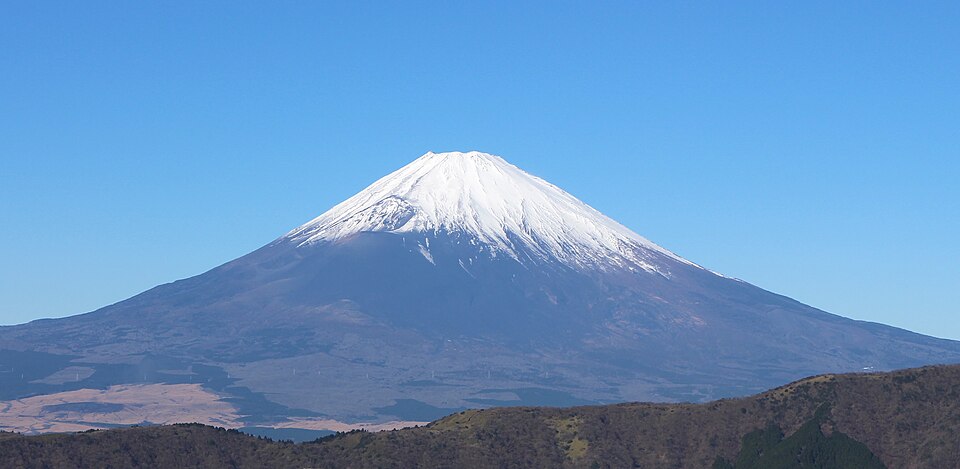
Mountain huts sit at intervals up all four trails, offering a shared dorm space, dinner, and a simple breakfast, usually for 14,000 to 17,000 yen a person. They are basic and crowded at peak times, and wake-up calls come as early as 1:30 AM so climbers can reach the summit for the sunrise, known as the goraiko. Booking a hut is close to essential in 2026: it is what lets you climb through the restricted overnight hours, and it turns a punishing single push into a paced, safer two-day trip. Reserve early, because the best dates around Obon sell out well ahead.
Weather and timing
A live look at conditions on the cone.
Fuji’s weather changes fast, and the summit can be in cloud, rain, or strong wind while the base is clear and warm. Only a portion of climbers get a clear sunrise on any given morning. The live map below shows current conditions; use it as background and rely on the hut staff and the official forecast on the day for the real picture.
Know before you go
The 2026 essentials in one place.
Before you climb
- Book the permit online first – all four trails require it; Yoshida via the Yamanashi system, the Shizuoka trails via the FUJI NAVI app.
- Reserve a mountain hut – it is what lets you climb the overnight hours for the sunrise, and it makes the climb safer.
- Pick your date off-peak if you can – avoid Obon in mid-August and weekends, when the Yoshida cap and crowds bite.
- Carry cash – huts and toilets are cash only; bring yen and 100-yen coins.
- Pack for cold and wet – waterproof layers, warm clothing, and proper footwear, whatever the forecast in the city.
- Respect the altitude – pace slowly, acclimatize, and turn back if symptoms worsen.
Japan’s other high peaks
Fuji’s neighbours across the Japan Alps, each with its own update page. Back to the full Expedition Updates dashboard.
Mount Fuji update FAQ
The questions climbers ask most about fees, reservations, and the season.
How much does it cost to climb Mount Fuji in 2026?
The mandatory entry fee is 4,000 yen per person, and in 2026 it applies to all four official trails, not just the Yoshida route. Once you add transport to the 5th Station, a mountain hut, meals, and any gear, a realistic all-in figure for an overnight climb runs roughly 26,000 to 41,000 yen, about 175 to 275 US dollars. The fee is paid online when you reserve, and huts and toilets on the mountain are cash only.
Do I need a reservation to climb Mount Fuji?
Yes. In 2026 all four trails require advance online registration and payment, which produces a QR-code permit you show at the trailhead. The Yoshida trail uses Yamanashi Prefecture’s booking system and has a daily cap of 4,000 climbers, so it can sell out on peak dates. The three Shizuoka trails, Subashiri, Fujinomiya, and Gotemba, use the FUJI NAVI app, which includes a short mandatory safety course before it issues your permit.
When is the 2026 Mount Fuji climbing season?
The Yoshida and Subashiri trails are scheduled to open July 1 and the Fujinomiya and Gotemba trails July 10, with all four closing September 10. Subashiri moved earlier to July 1 this year to align with Yoshida. Opening dates can shift if snow, weather, or trail conditions require, so confirm before you lock in flights. Climbing outside this window is strongly discouraged, because the huts close and transport stops.
What are the gate hours, and what is bullet climbing?
Trailhead gates are open from 3 AM to 2 PM. Entry between 2 PM and 3 AM is restricted to climbers who hold a mountain hut reservation. This targets bullet climbing, the practice of racing up and down overnight without resting in a hut, which leads to exhaustion, altitude illness, and accidents. To climb overnight for the sunrise, you need a hut booking, which is also the safer way to do it.
Which Mount Fuji trail should I choose?
For a first climb, the Yoshida trail is the practical pick, with the most huts, the best transport from Tokyo, and clear signage, though it is the busiest. Fujinomiya is the shortest and steepest and starts highest. Gotemba is the longest and hardest, with the fewest huts and the most solitude, suited to fit and experienced hikers. Subashiri is quieter and joins Yoshida high on the mountain.
How hard is Mount Fuji, and do I need experience?
It is a non-technical hike, but a serious one that people underestimate. At 3,776 m the altitude is real, and altitude sickness is common, the day is long, and the summit can be cold, wet, and windy even in midsummer. You do not need technical climbing skills, but you do need reasonable fitness, proper footwear, warm and waterproof layers, and a sensible pace. It is not a casual walk.
Can I climb Mount Fuji outside the official season?
It is strongly discouraged. Outside roughly July to early September the mountain huts are closed, the shuttle buses do not run, and there is snow and severe cold high up, which turns a manageable hike into a mountaineering undertaking with a real risk of serious accidents. The rules, staffing, and rescue support are all built around the official summer window.
How high is Mount Fuji and where is it?
Mount Fuji is 3,776 m (12,388 ft), the highest mountain in Japan and a UNESCO World Heritage cultural site. It straddles the border of Yamanashi and Shizuoka prefectures, about 100 km southwest of Tokyo, and its near-perfect cone is climbed by roughly 200,000 people each short summer season.
📋 How this update is built
This page is compiled by Travis Ludlow, Founder and Head of Research at Global Summit Guide, from the official Mount Fuji climbing site, the Yamanashi and Shizuoka prefectural rules, and current-season guidance, with sources named below. It was reviewed for safety by Dawson Ludlow, our Climbing and Mountaineering Lead (Wilderness First Aid), whose highest first-hand summit is Kilimanjaro.
Our team has not climbed Mount Fuji, so we report official rules and published guidance rather than personal experience, and we review this page through the summer season. Fuji’s rules have changed every year lately, so treat the figures here as current at the time of writing and confirm fees, dates, and reservation steps on the official site before you travel.
Sources and further reading
- Official Mount Fuji Climbing site (fujisan-climb.jp) – fees, reservations, and season dates.
- Yamanashi Prefecture – the Yoshida trail online reservation system and 4,000-climber daily cap.
- Shizuoka Prefecture FUJI NAVI app – registration and the safety course for the southern trails.
- Japan National Tourism Organization and prefectural climbing guidance.
- We report official rules and current-season guidance; our team has not climbed Mount Fuji.
Planning a Fuji climb?
Start with our Mount Fuji climb guide for the full how-to, check the timing in our best time to climb Fuji guide, and see where it fits for newer climbers in our best beginner mountains roundup. For flights and lodging around the Fuji Five Lakes and Tokyo, browse travel on Expedia.
Disclosure: the Expedia link above is a sponsored affiliate link. We may earn a commission at no extra cost to you.