
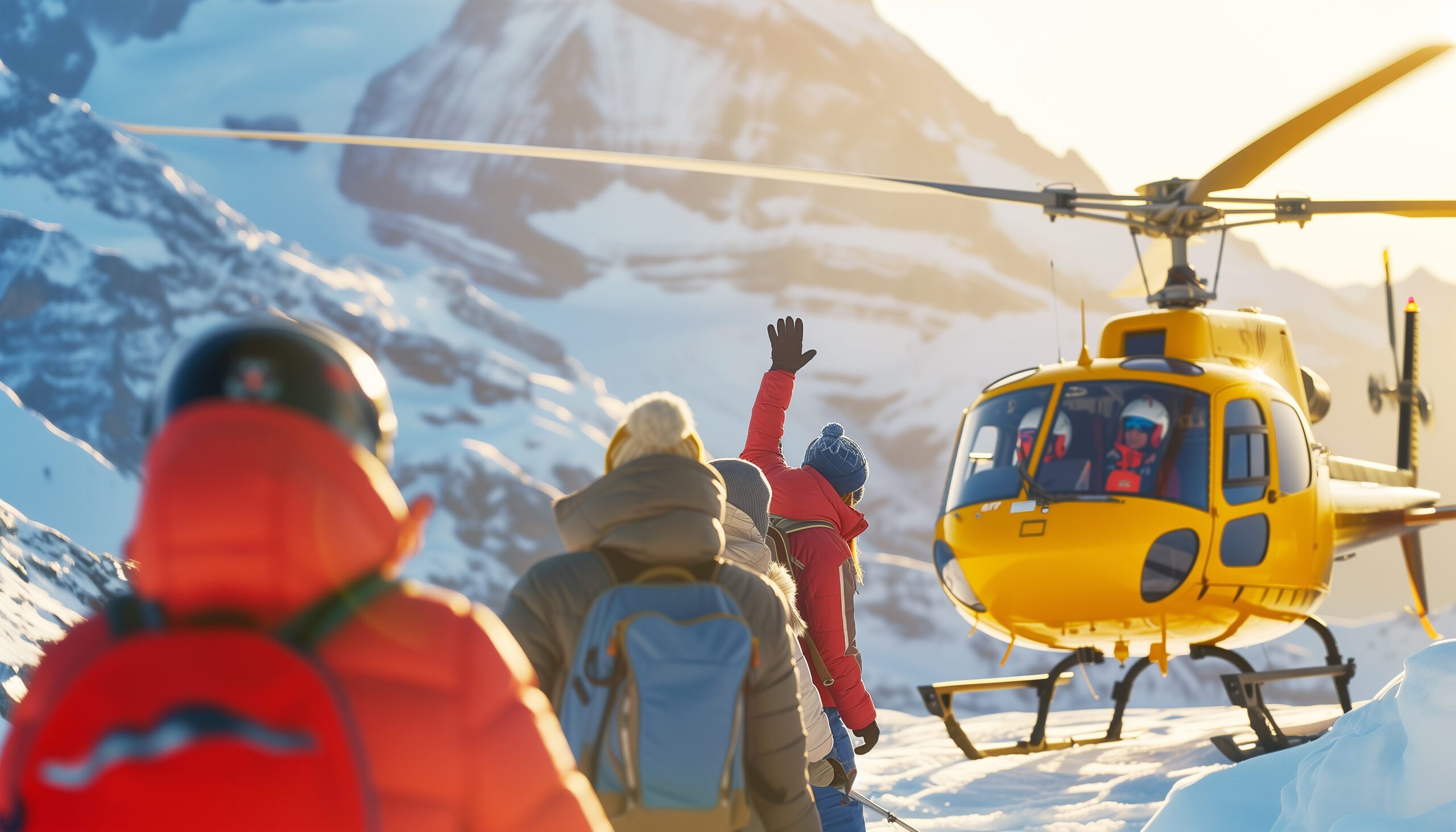
Mountain Climbing Insurance Decision Framework: Choose Coverage by Altitude & Activity
Choose the coverage specification before you compare providers. The right policy is the one that explicitly covers your highest altitude, your actual activity, your guide/route style, search-and-rescue needs and medical evacuation—not simply the policy with the biggest headline medical limit.
What Mountain Climbing Insurance Do You Need?
You need a policy that covers the highest altitude on the itinerary, the exact activity you will perform, search-and-rescue where applicable, medical evacuation, and any guide/route/technical-equipment conditions.
Do not start with a provider name. Start with the trip specification. Once you know what must be covered, compare policies that meet it.
Coverage Matrix by Mountain Objective
These are decision categories, not universal insurer altitude bands.
| Your objective | Coverage to verify first | Main trap |
|---|---|---|
| Day hiking / trekking | Activity inclusion + medical + evacuation | Assuming “hiking” automatically covers remote trekking |
| High-altitude trekking | Maximum altitude + evacuation + guide requirements | Buying cover only to sleeping altitude instead of highest pass/peak |
| Non-technical mountaineering | Mountaineering definition + crampons/axe + glacier travel | Policy covers trekking but excludes mountaineering equipment |
| Technical alpine climbing | Ropes + climbing grade + rock/ice + guide/route conditions | “Climbing” is covered only below a technical-grade threshold |
| 6,000–7,000 m expedition | High-altitude mountaineering + SAR + evacuation + expedition activity | Medical limit is high but rescue or altitude limit is not |
| 7,000–8,000+ m expedition | Explicit expedition approval for mountain, route and altitude | Assuming any generic adventure rider extends to extreme altitude |
The Fastest Way to Determine What You Need
How high will you actually go?
Use the highest summit, pass, camp or route point—not average altitude.
What activity does the policy call it?
Trekking, mountaineering, glacier travel, rock climbing and ice climbing may be different contract categories.
Is rescue covered?
Look specifically for search and rescue or mountain rescue and its own sublimit.
What conditions apply?
Guide, recognized route, solo travel, technical grade and equipment can change eligibility.
Can the insurer confirm the itinerary?
When wording is ambiguous, ask for written confirmation naming the mountain, route, altitude and activity.
Altitude: Insure the Highest Point, Not the Average
A policy may cover one activity only up to a specified altitude, or may apply different activity tiers at different elevations. The practical rule is simple: your maximum planned elevation needs to sit inside the policy’s covered range.
This matters even for trips that spend most nights much lower. A trekking itinerary can become ineligible if one pass, summit or side objective exceeds the policy limit.
Activity Wording: “Adventure” Is Not Specific Enough
| Your trip includes | Words to look for |
|---|---|
| Established trekking trail | Trekking / hiking at the required altitude |
| Glacier travel | Glacier travel / mountaineering / roped travel |
| Crampons or ice axe | Mountaineering equipment explicitly allowed |
| Roped rock climbing | Rock climbing / technical climbing and any grade limits |
| Technical ice | Ice climbing and any grade restrictions |
| Remote expedition | Expedition / remote mountaineering / named objective approval |
One current specialist mountaineering policy, for example, covers only named peaks/routes up to 6,500 m and excludes climbing above a stated technical grade. That illustrates why “mountaineering covered” is not enough by itself. citeturn584324search0
Search & Rescue Is Not Always the Same as Medical Evacuation
Some policies distinguish the operation that finds and extracts you from mountain terrain from the medical transport that moves you after rescue to appropriate care. Those can have different limits, definitions and approval procedures. citeturn584324search1turn584324search5
| Benefit | What it may mean | What to verify |
|---|---|---|
| Search & rescue | Locating / reaching / extracting you from terrain | Named benefit, limit, technical extraction and helicopter wording |
| Medical evacuation | Transport after medical need is established | Limit, destination rules, assistance approval |
| Repatriation | Return home after stabilization or covered event | Eligibility and transport conditions |
Exclusions That Can Defeat Otherwise Good Coverage
Hard ceiling
Your route exceeds the activity’s covered elevation.
Grade limit
The route is harder than the policy’s permitted climbing grade.
Licensed-guide requirement
The policy may cover the route only with a qualified guide/operator.
Recognized route only
Variants, new routes or exploratory lines may be excluded.
Independent travel
Some policies exclude solo climbing or trekking at certain tiers.
Assistance-center approval
A covered benefit may still require specified contact and coordination steps.
What to Ask the Insurer in Writing
Send one precise question
“Please confirm that this policy covers me while climbing [mountain] via [route], reaching [maximum altitude], using [ropes / crampons / glacier travel / technical climbing], with [guided / unguided] travel, including applicable search-and-rescue and medical evacuation benefits.”
Keep the reply
Save the policy certificate, activity schedule, exclusions, benefit table and written response together. A marketing page is not the contract.
Mountain Insurance Verification Checklist
| Check | What you need to confirm |
|---|---|
| Maximum altitude | Highest point is within covered limit |
| Activity | Exact trekking / mountaineering / climbing activity is included |
| Technical equipment | Ropes, crampons, ice axe and glacier travel are not excluded where relevant |
| Search & rescue | Named benefit and actual sublimit |
| Medical evacuation | Separate limit and coordination procedure |
| Guide requirement | Your guided/independent arrangement satisfies policy terms |
| Route restriction | Recognized route / technical-grade restrictions understood |
| Solo restriction | Solo travel allowed if applicable |
| Pre-existing conditions | Relevant medical declaration and waiver rules completed |
| Trip cancellation | Non-refundable expedition costs considered separately |
| Written confirmation | Ambiguous itinerary questions answered before purchase |
Now Compare Policies That Meet the Specification
Mountain Climbing Insurance: What You Actually Need
Compare providers and product structures after defining your required coverage.
Compare policies → High altitudeInsurance Above 6,000 m
Use the specialized comparison when your objective crosses into expedition altitude.
Compare 6,000 m+ cover → Deep recoveryMountain Weather
Weather and remoteness influence the rescue scenario the policy may need to handle.
Plan weather → Deep recoveryFrostbite Prevention
Understand cold-injury risk before choosing evacuation and expedition support.
Read safety guide → Deep recoveryAltitude Acclimatization
Match insurance planning with the real physiologic risk of the objective.
Read altitude guide → OperatorChoose an Expedition Operator
Ask the operator what minimum rescue or evacuation proof they require.
Choose operator → BudgetMountain Climbing Costs
Add insurance, cancellation and contingency protection to the real trip budget.
Build budget → JourneyMy Climb
Save the insurer, altitude limit, rescue number and confirmation notes with the climb plan.
Save insurance plan →How This Framework Is Designed
What we prioritize
- Exact activity eligibility before benefit size.
- Maximum altitude rather than average itinerary altitude.
- Search-and-rescue and medical evacuation as separate questions.
- Guide, route, solo and technical-grade restrictions.
- Written confirmation when policy wording is ambiguous.
What we intentionally avoid here
- Declaring one provider universally “best.”
- Hard-coding rapidly changing premiums.
- Using one altitude threshold for every insurer.
- Promising that a helicopter can reach every mountain location.
- Guaranteeing that any claim will be paid.
Mountain Climbing Insurance FAQ
Does regular travel insurance cover mountain climbing?
Sometimes for lower-risk hiking, but many policies restrict mountaineering, glacier travel, technical climbing or altitude. Read the actual activity schedule.
What altitude limit do I need?
Enough to cover the highest point on your itinerary—not just the average or sleeping altitude.
Is helicopter evacuation the same as search and rescue?
Not always. Some policies separate rescue/extraction from medical evacuation and apply different limits.
Do ropes or crampons affect coverage?
They can. Some policies use equipment, activity type or climbing grade to define technical mountaineering.
Does having a guide guarantee coverage?
No. A guide may be required, but other restrictions can still apply.
Should I use my operator’s recommended policy?
It can be a useful starting point, but still verify altitude, activity, rescue and evacuation terms yourself.
What should I ask before buying?
Ask the insurer to confirm your exact mountain, route, maximum altitude, technical activity and rescue/evacuation coverage in writing.
Where do I compare providers?
Use the separate Global Summit Guide mountain climbing insurance master guide after completing this framework.
Define the Risk First. Compare Providers Second.
Altitude, activity, rescue, evacuation and exclusions determine whether a policy fits the climb. Build that specification first, then shop only among policies that meet it.