Last updated October 9, 2026

Via Francigena vs St. Olav’s Ways: Which European Pilgrimage Should You Walk?
Choose the Via Francigena if you want a vast European journey through England, France, Switzerland and Italy toward Rome—or the freedom to choose one exceptional section such as Tuscany or the Great St Bernard crossing. Choose St. Olav’s Ways if you want a shorter full pilgrimage through Norway with smaller hostels, fewer walkers, long summer light and a real mountain chapter across Dovrefjell.
Choose Via Francigena for Scale. Choose St. Olav’s Ways for Solitude.
The Via Francigena is the bigger journey. The modern Canterbury-to-Rome line exceeds 2,000 km and is divided into more than 100 official stages. A full walk changes countries, languages, food cultures, landscapes and climate before finally entering Rome.
Gudbrandsdalsleden is the cleaner full-route commitment. Oslo to Trondheim is officially 643 km and about 32 days. The journey moves through forest, farms and Gudbrandsdalen before crossing Dovrefjell and finishing at Nidaros Cathedral.
The simplest distinction is: Via Francigena is a continental pilgrimage. St. Olav’s Ways is a concentrated Nordic pilgrimage.
This Is Not Italy vs Norway. It Is Continental Scale vs Nordic Concentration.
Both pilgrimages have medieval roots, modern waymarking, pilgrim credentials and a major sacred destination. Both also cross real mountain terrain.
Yet the planning problems are fundamentally different. Walking the entire Via Francigena from Canterbury to Rome can occupy a season of your life. Most travelers therefore select one country or one signature section.
Gudbrandsdalsleden is long enough to create the same repeated pilgrimage rhythm, but short enough that a prepared traveler can reasonably complete the entire Oslo-to-Trondheim journey in one extended trip.
That difference affects nearly everything: budget, season, language, transportation, lodging strategy, mental commitment and what “finishing the route” means.
Choose the Experience Before You Choose the Country.
Compare total scale, mountain terrain, season, lodging and pilgrimage culture before deciding.
Via Francigena vs St. Olav’s Ways
For St. Olav’s Ways, this comparison uses Gudbrandsdalsleden from Oslo to Trondheim as the benchmark full route.
| Factor | Via Francigena | St. Olav’s Ways |
|---|---|---|
| Benchmark route | Canterbury → Rome. | Gudbrandsdalsleden · Oslo → Trondheim. |
| Distance | More than 2,000 km. | 643 km. |
| Official structure | 102 stages Canterbury → Rome. | 32-day full route. |
| Countries | England, France, Switzerland, Italy and Vatican City. | Norway for Gudbrandsdalsleden; wider St. Olav network extends through Scandinavia. |
| Destination | St. Peter’s Basilica / Rome. | Nidaros Cathedral / Trondheim. |
| Full-route commitment | Roughly three months or more depending pace and rest days. | About one month. |
| Best-known mountain section | Great St Bernard Pass. | Dovrefjell. |
| Highest mountain terrain | Great St Bernard at about 2,469 m. | Dovrefjell plateau is lower but strongly exposed to Nordic weather. |
| Pilgrim density | Generally quiet compared with the Camino, but varies greatly by region. | Very quiet by major European pilgrimage standards. |
| Lodging style | Religious hospitality, pilgrim hostels, guesthouses, B&Bs and hotels. | Farm hostels, pilgrim houses, cabins, campsites and hotels. |
| Food | Huge cultural variety across four countries. | More self-catering and prearranged meals on quiet stages. |
| Best broad season | Spring through autumn, but Alpine snow controls the full-route crossing. | June 1–September 1 for Gudbrandsdalsleden. |
| Completion document | Testimonium in Rome. | Olav Letter in Trondheim. |
| Short qualifying walk | Final 100 km to Rome on foot. | Final 100 km to Trondheim; Berkåk gives 119 km. |
| Best reason to choose | Continental scale, cultural variety and Rome. | Solitude, Nordic landscape and a complete month-long route. |
St. Olav’s Ways
A 643 km full route is still a serious pilgrimage, but it fits into one long trip far more easily than Canterbury to Rome.
Via Francigena
Four countries, multiple languages, the Alps, medieval Tuscany and Rome create exceptional variety.
St. Olav’s Ways
Norway’s pilgrim culture is growing, but daily walker numbers remain small enough for genuine quiet.

The Via Francigena Can Be a Three-Month Pilgrimage—or One Excellent Week.
Its greatest planning advantage is modularity. Tuscany, the Alpine crossing and the final approach to Rome can each stand alone without pretending to be the entire Canterbury journey.
Via Francigena between San Gimignano and Colle di Val d’Elsa · Wolfgang Moroder / Wikimedia Commons · CC BY-SA.Europe Keeps Changing on the Francigena. Norway Deepens Slowly on St. Olav’s.
The emotional rhythm of these routes is almost opposite.

A Pilgrimage of Continual Reinvention.
England feels different from rural France. Lake Geneva feels different from Champagne. The Great St Bernard crossing changes the scale again, and Italy keeps changing from Aosta to the Po plain, the Apennines, Tuscany and Lazio.
It feels less like one national trail and more like a chain of regional pilgrimages held together by Rome.

A Pilgrimage That Becomes More Norwegian Every Week.
Gudbrandsdalsleden leaves medieval Oslo, settles into forest and farm country, reaches Lake Mjøsa and Gudbrandsdalen, climbs onto Dovrefjell and then descends toward Trondheim.
The landscape changes less dramatically than continental Europe, but the quieter repetition can create a stronger sense of withdrawal.
The Francigena Is Harder to Finish. St. Olav’s Can Be Harder to Improvise.
Neither is technically difficult hiking, but each creates different kinds of commitment.
| Difficulty factor | Via Francigena | St. Olav’s Ways |
|---|---|---|
| Total endurance | Much greater. Full Canterbury–Rome scale dominates the comparison. | 643 km is still major but substantially shorter. |
| Technical terrain | Non-technical walking on normal route. | Non-technical walking on normal route. |
| Main mountain problem | Great St Bernard snow and later Apennine passes. | Dovrefjell weather, snow, wind and exposure. |
| Heat | Can become significant in Italy and France. | Less dominant; cold and wet conditions matter more. |
| Cold-weather margin | Important in the Alps. | Important across a larger portion of the full route. |
| Service gaps | Vary substantially by country and region. | Can be meaningful where small hostels and rural services are sparse. |
| Stage flexibility | Strong in some Italian sections; less predictable across the entire route. | Rail helps many lower sections, but tiny lodging capacity can constrain stages. |
| Primary difficulty | Time + cumulative distance. | Weather + smaller infrastructure. |
A cold, windy Dovrefjell stage can demand more mountain judgment than many days in Tuscany. The Francigena wins the total-endurance comparison; St. Olav’s can win the environmental-difficulty comparison.

Dovrefjell Is Why St. Olav’s Is Not Simply a Scandinavian Country Walk.
The exposed plateau gives the pilgrimage its mountain chapter: little shelter, rapidly changing weather, lingering snow and a calendar controlled by conditions rather than city temperatures.
Pilgrimsleden, Dovrefjell · Jensens / Wikimedia Commons · public domain.Both Have a Mountain Gate. The Alps Are Higher; Norway Feels More Persistent.
These mountain sections control when a full-route itinerary is realistic.
Great St Bernard Pass
The route climbs from Switzerland toward the historic hospice at approximately 2,469 m before descending into Italy’s Aosta Valley.
- highest major point of the Canterbury–Rome route
- snow closes normal foot passage for much of the year
- summer public transport reaches the pass
- historic hospice reinforces the pilgrimage character
Dovrefjell Plateau
The elevations are lower than Great St Bernard, but the combination of latitude, exposure and Nordic weather makes Dovrefjell the route’s main seasonal constraint.
- snow can linger well into June
- wind and near-freezing summer conditions are possible
- service gaps are larger than in valley sections
- official guidance says not to cross on foot before June 10

St. Olav’s Ways Is Not Wilderness From Oslo to Trondheim.
Farm stays, churches, historic buildings and rural communities give Gudbrandsdalsleden cultural depth between the forest and mountain sections.
Ringebu Stave Church · KenSwe72 / Wikimedia Commons · CC0.Via Francigena Gives You More Calendar. St. Olav’s Gives You a Summer Window.
Full-route planning depends on the mountain crossings, not simply average temperatures at Rome or Oslo.
| Period | Via Francigena | St. Olav’s Ways |
|---|---|---|
| April–May | Excellent for many lowland/Italian sections; too early for normal Great St Bernard crossing. | Some low sections possible, but not the normal full-route season. |
| June | Excellent broadly; verify Alpine snow before committing to the pass. | Main season begins June 1; Dovrefjell should not be crossed before June 10. |
| July | Excellent in Alps; hot in lower Italy. | Excellent. Long daylight and full route services. |
| August | Alps strong; Italian heat and holiday demand can matter. | Excellent. Cooler late-month conditions possible. |
| September | Excellent in Tuscany and Italy; Alpine weather becomes more variable. | Early month possible, but hostels close and mountain weather deteriorates. |
| October | Excellent on many Italian sections; not a dependable Great St Bernard month. | Too late for a normal full Gudbrandsdalsleden plan. |
| Winter | Section walking possible; Alpine full-route continuity breaks. | Not the normal full pilgrimage season. |
Tuscany in spring or autumn can be excellent even when the Alpine crossing is impossible. Gudbrandsdalsleden’s narrower season matters more because most full-route walkers are trying to keep the 643 km journey continuous.
Via Francigena Varies by Country. St. Olav’s Varies by How Remote the Stage Becomes.
Neither has the uniform bed density of the Camino Francés.
| Daily-life factor | Via Francigena | St. Olav’s Ways |
|---|---|---|
| Pilgrim lodging | Religious accommodation, hostels, guesthouses and route-friendly hotels. | Farm stays, pilgrim hostels, cabins, campsites and hotels. |
| Consistency | Changes substantially between England, France, Switzerland and Italy. | One national planning system but many very small properties. |
| Booking | Useful everywhere; essential on thin stages and peak Italian sections. | Important because some pilgrim hostels have only a handful of beds. |
| Food | Major strength: enormous regional variety. | Self-catering and prearranged hostel meals become more important. |
| Public transport | Excellent in many sections, making section walking practical. | Rail parallels useful parts of Gudbrandsdalsleden and provides weather exits. |
| Luggage transfer | Available in many popular areas but not seamless for the whole continent. | Available in selected sections rather than as one route-wide system. |
| Improvisation | Highly variable by region. | Possible, but small hostel capacity rewards advance planning. |

Rome Gives the Francigena a Destination Big Enough for the Journey.
After more than 2,000 km from Canterbury, entering Rome and reaching St. Peter’s is not simply the end of another trail stage. The entire route has been oriented toward this city.
St. Peter’s Basilica · Wikimedia Commons.Norway Costs More Per Day. The Full Francigena Costs More Time.
Total-trip budget is driven as much by duration as by daily prices.
Budget in Countries, Not One Average.
- France and Italy offer many economical pilgrim options.
- Switzerland can raise the daily average substantially.
- Three months multiplies even modest food and bed costs.
- Transport is often useful when walking only selected sections.
Higher Daily Cost, Shorter Total Journey.
- Norwegian food and private lodging can be expensive.
- Simple pilgrim hostels and self-catering control the budget.
- One month keeps the total commitment more manageable.
- Advance planning reduces expensive last-minute alternatives.
Choose the Right Scale First.
- Do not compare 90 days with 32 days using daily cost alone.
- Section-walking the Francigena changes the equation completely.
- A one-week qualifying finish exists on both pilgrimage systems.
- Use simple pilgrim lodging before cutting food or safety gear.
Both Reward the Final 100 km—but They Are Different Traditions.
The matching number is useful for planning, not evidence that the certificate systems are interchangeable.
Via Francigena Testimonium
Pilgrims use the Via Francigena credential and collect stamps along the journey.
Walking at least the final 100 km toward Rome can qualify a pilgrim for the Testimonium when properly documented.
St. Olav’s Olav Letter
Pilgrims carry the St. Olav pilgrim passport and collect stamps on the road to Nidaros Cathedral.
Walking at least the final 100 km to Trondheim can qualify for the Olav Letter. Berkåk to Trondheim is the official 119 km / six-day Gudbrandsdalsleden option.
If work, health, family or budget does not permit a month—or three months— the final 100+ km can still give the journey a defined road, a sacred destination and a completion tradition.

St. Olav’s Starts Quietly Before Norway Becomes the Journey.
The Oslo start places the pilgrim in medieval history first. Forest, farms, Lake Mjøsa and Dovrefjell then gradually replace the capital as the road moves north.
Medieval Oslo ruins · Helge Høifødt / Wikimedia Commons · public domain.Both Reward Light Packing. Both Still Cross Real Mountain Country.
Do not confuse pilgrim lodging with urban walking conditions.
| Gear priority | Via Francigena | St. Olav’s Ways |
|---|---|---|
| Footwear | Comfort over huge cumulative mileage; wet grip for Alps and hill sections. | Wet-ground grip plus cushioning for road and forest miles. |
| Rain shell | Essential for a multi-country trip. | Essential in Norway. |
| Warm layer | Critical around Alpine stages. | Carry throughout the route; especially important on Dovrefjell. |
| Sun protection | Major issue in Italy and exposed lower routes. | Still useful, but cold/wet protection carries more weight. |
| Navigation | Official app + offline route data. | Official route map + GPX/offline backup. |
| Sleeping system | Depends on pilgrim lodging used. | Some simple hostels expect a sleeping bag or liner; verify bookings. |
| Trekking poles | Useful on Great St Bernard, Apennines and long descents. | Useful on wet slopes and Dovrefjell. |
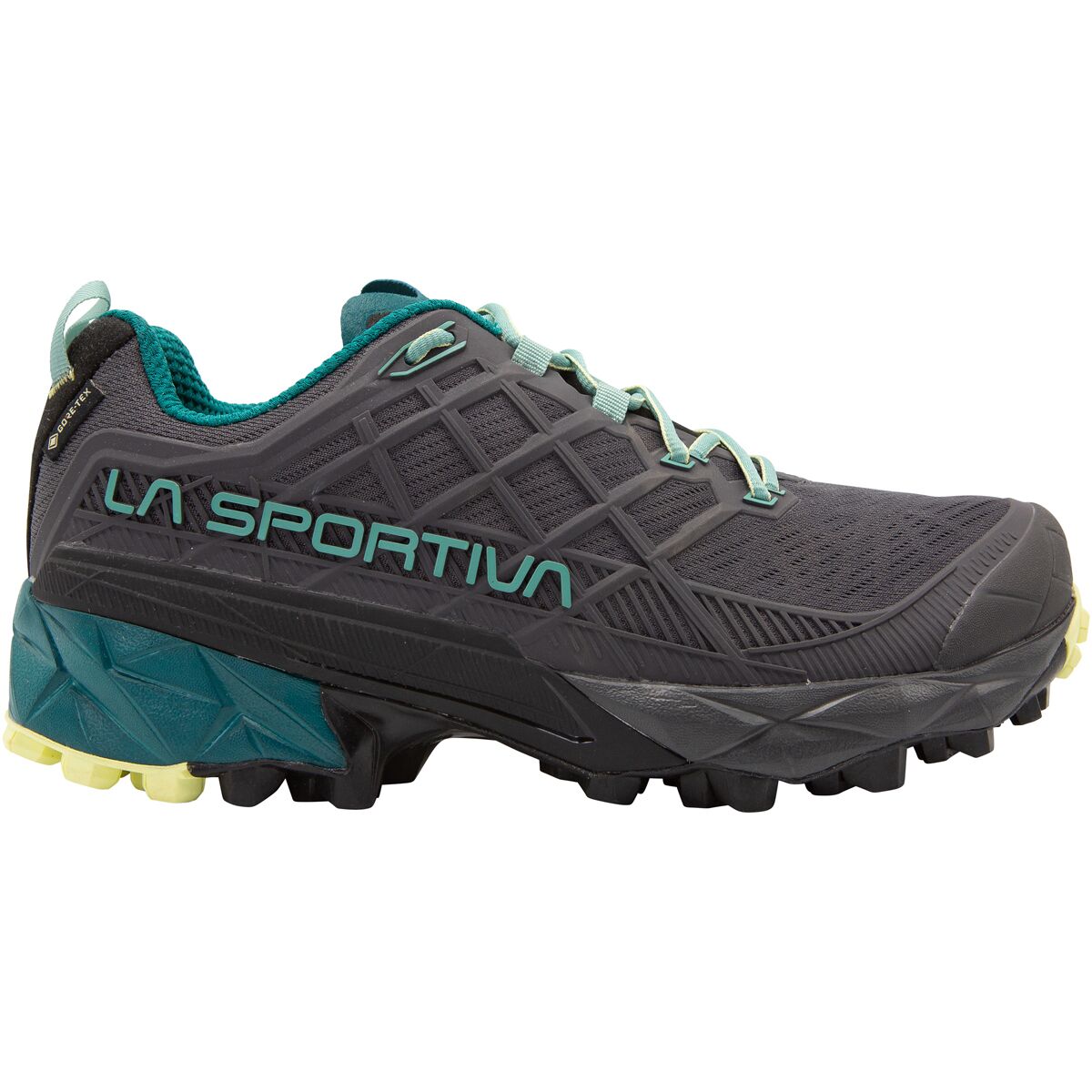
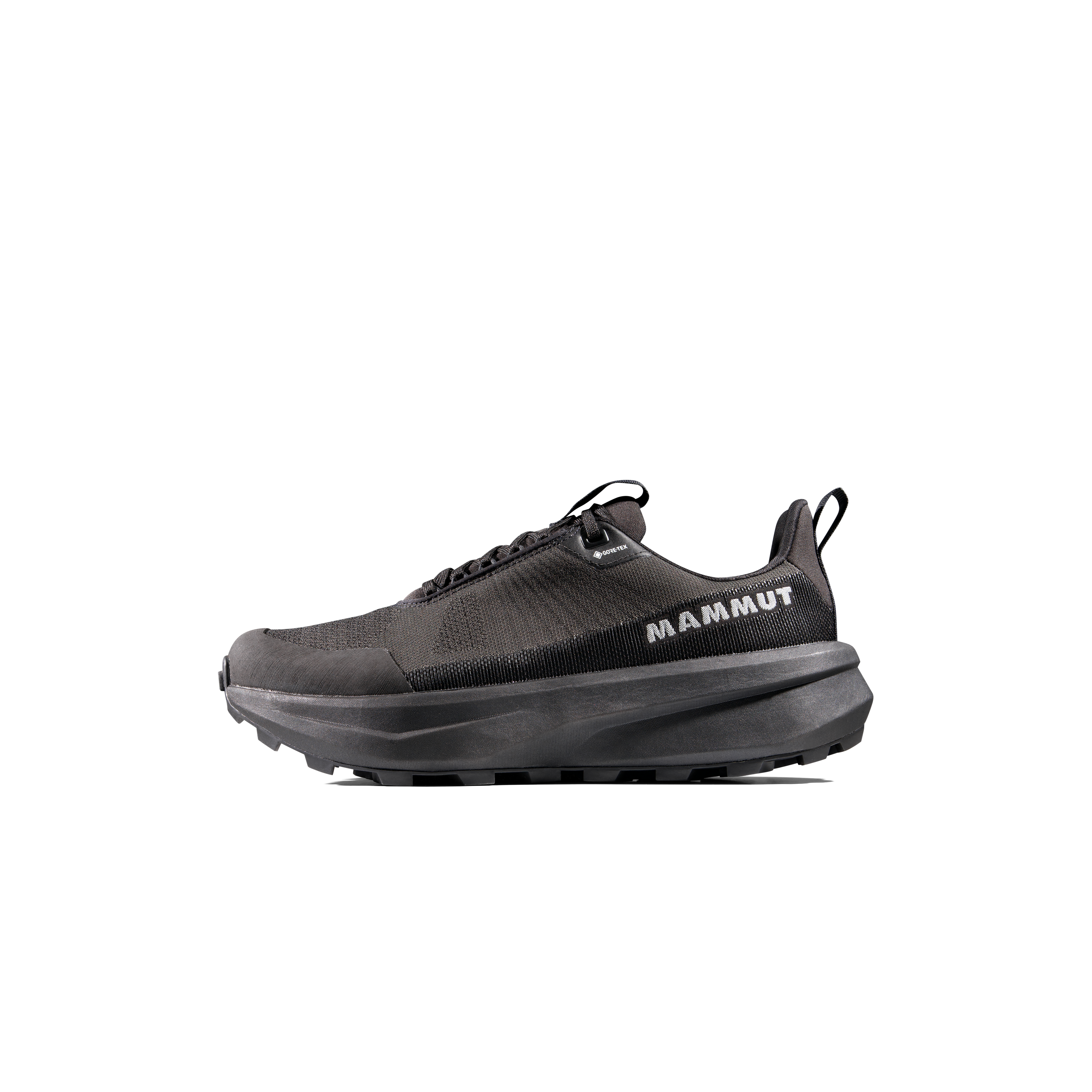
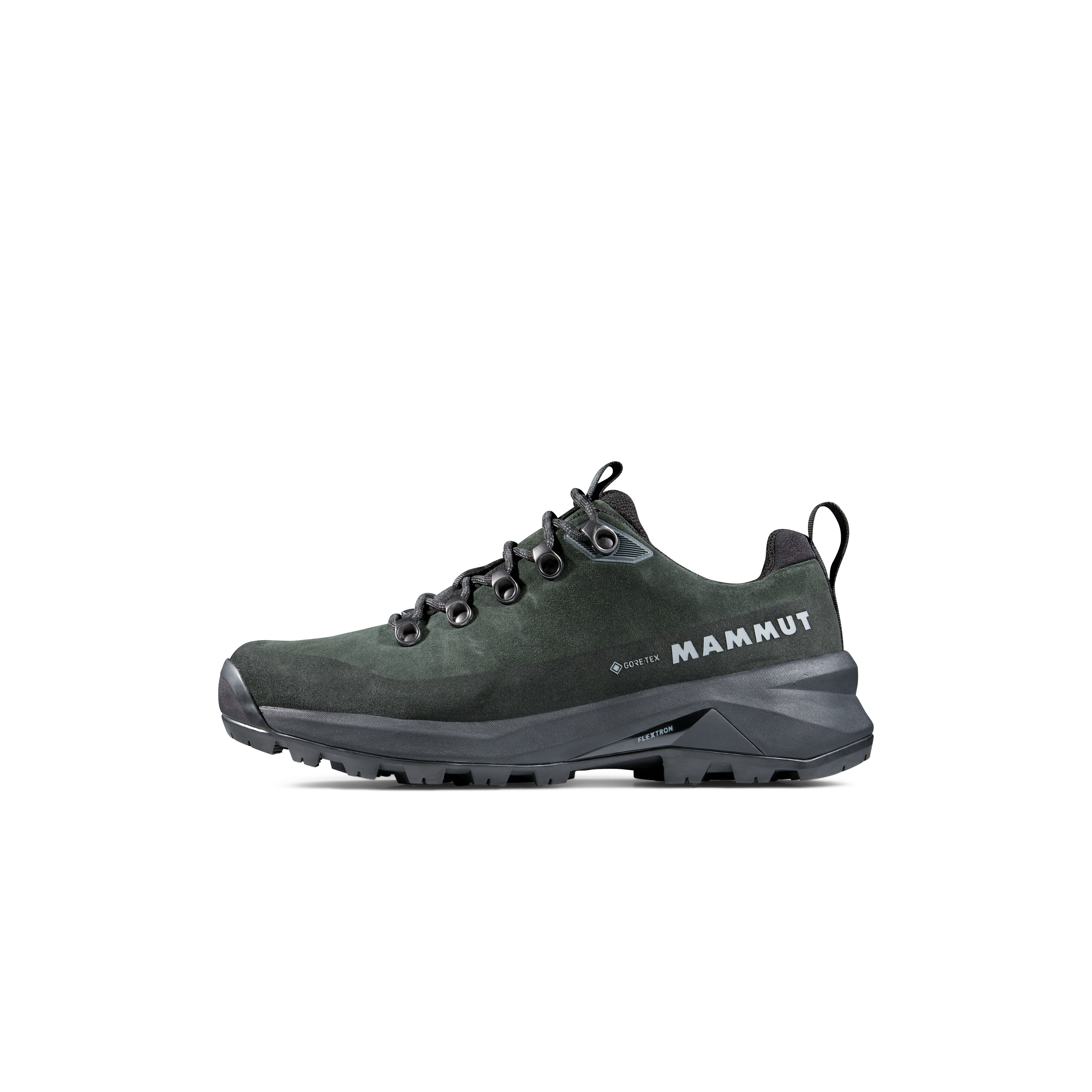
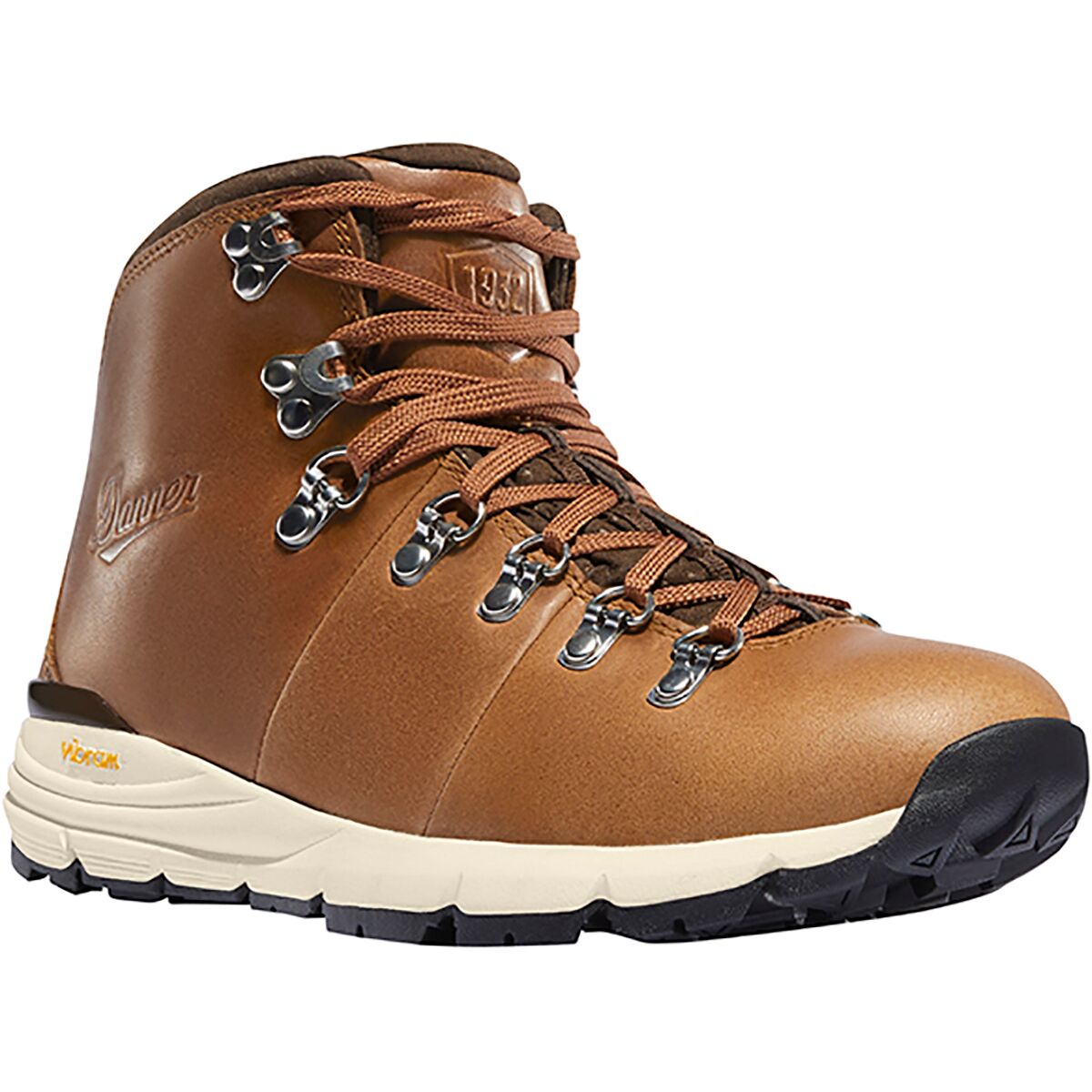
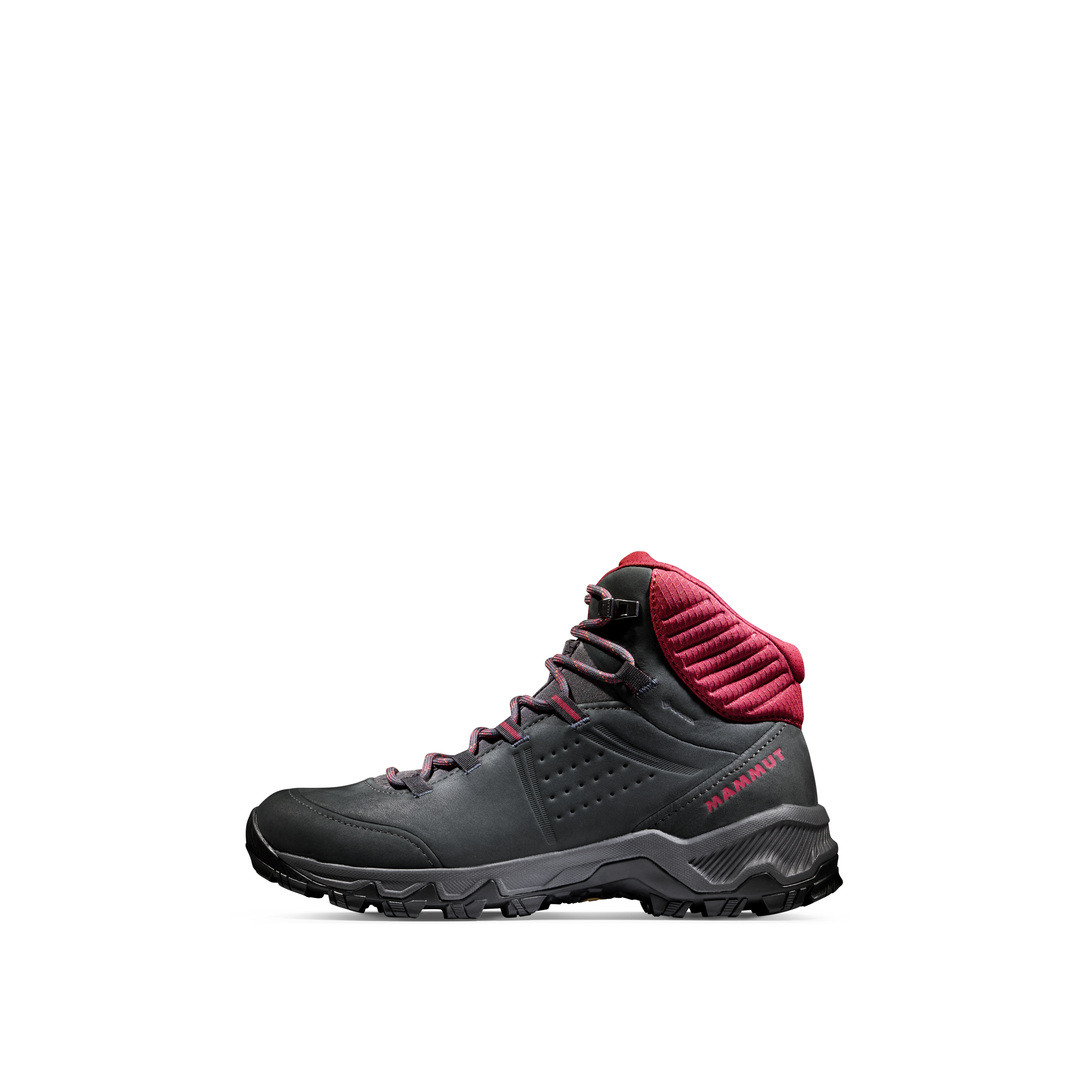
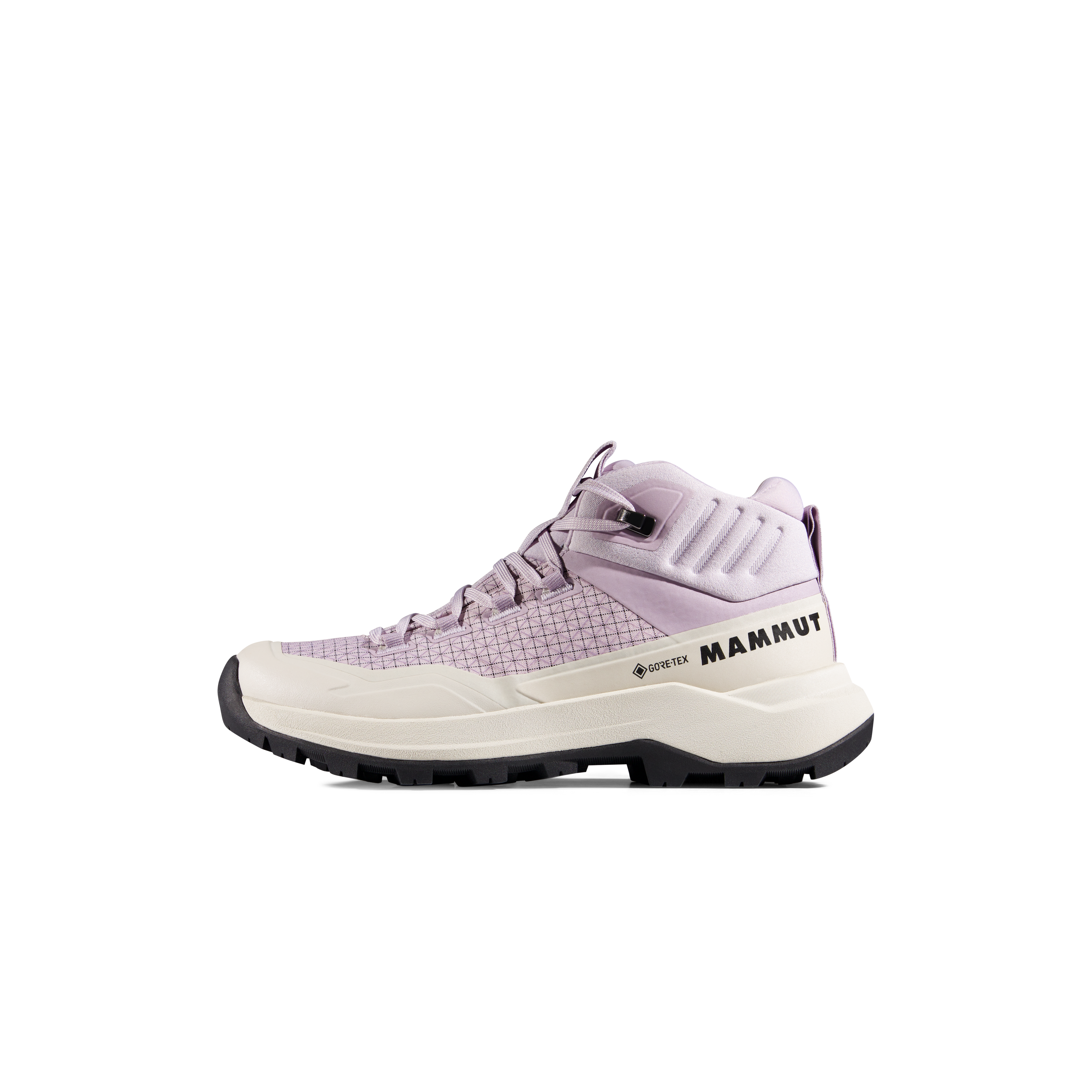
We may earn a commission if you buy through these links, at no extra cost to you. Affiliate disclosure
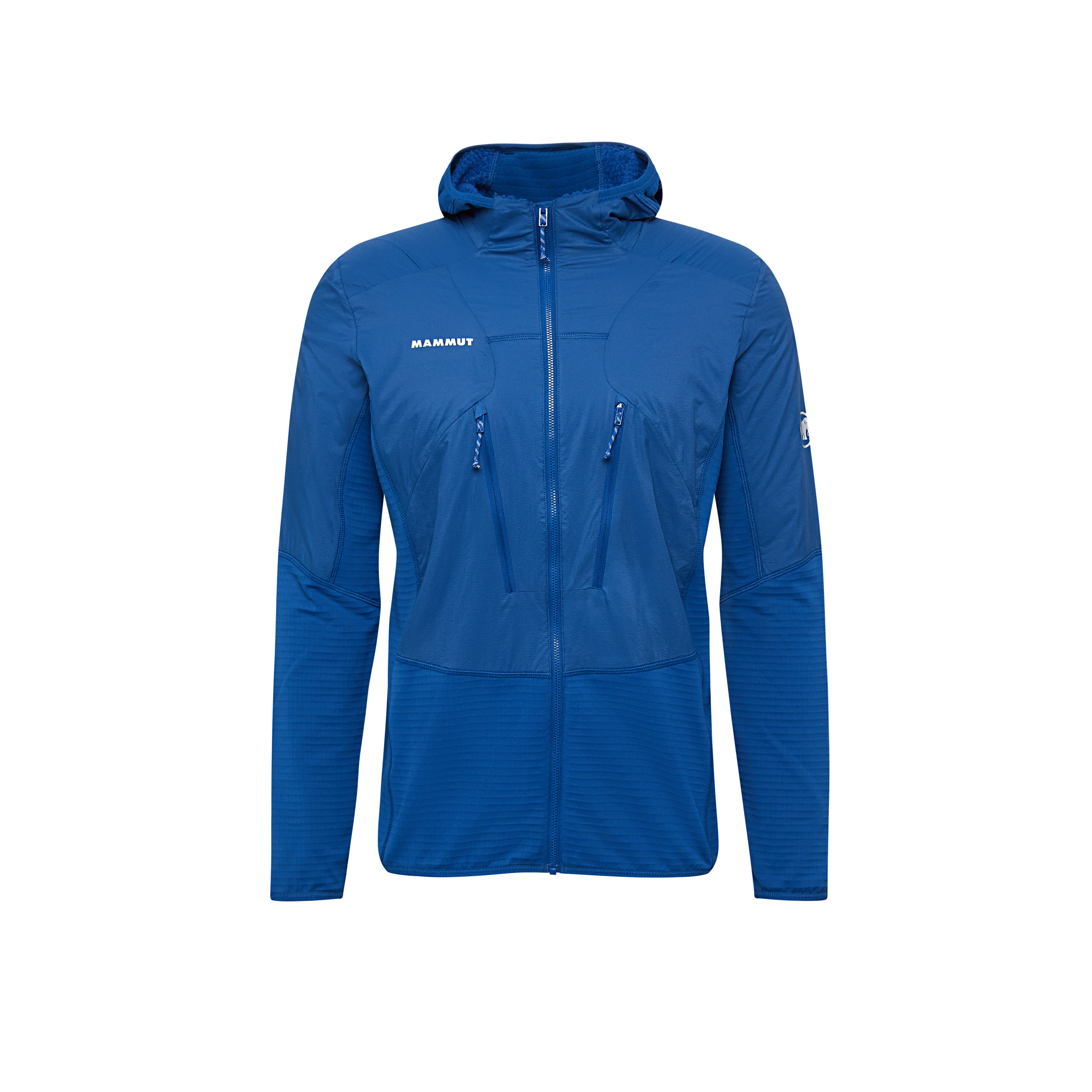
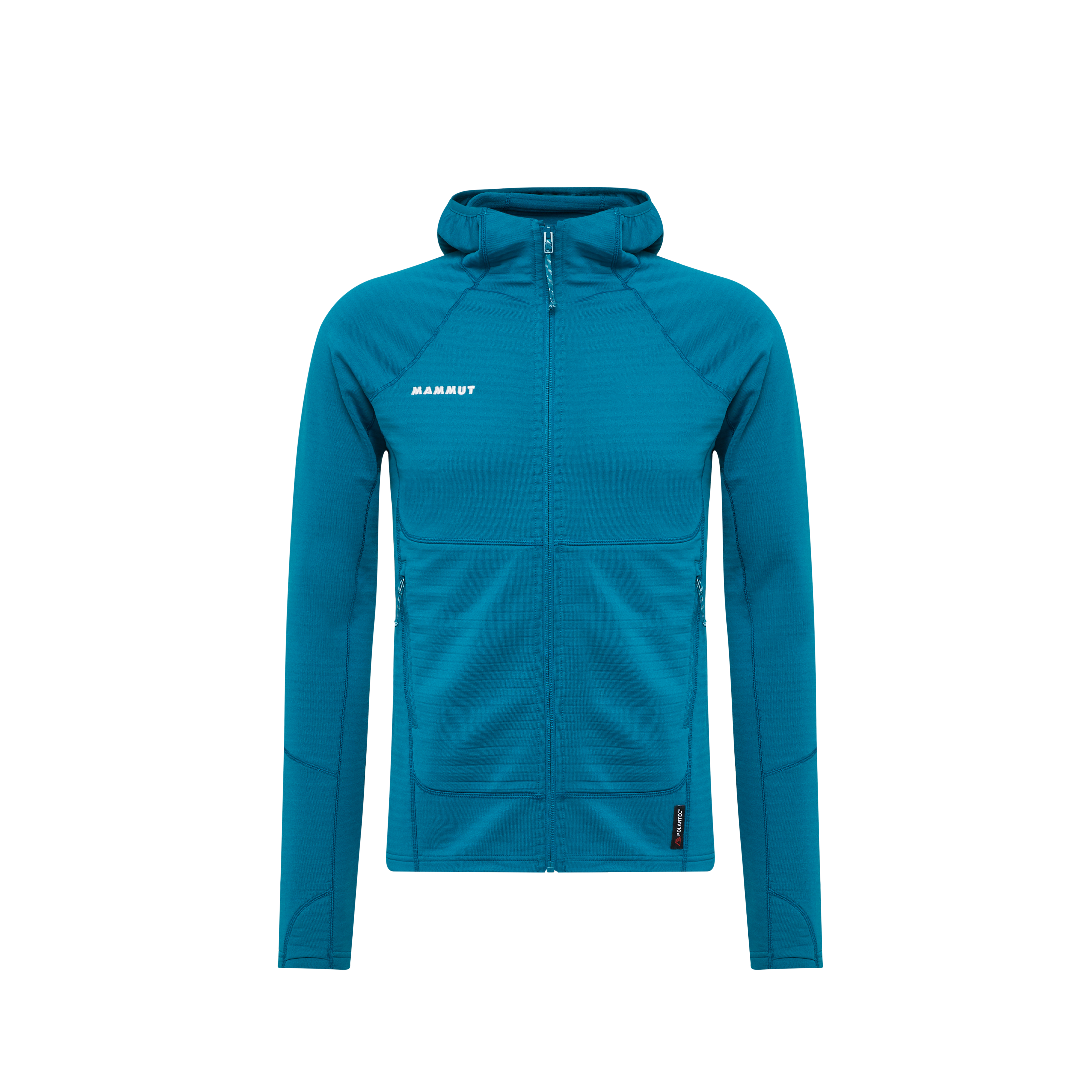
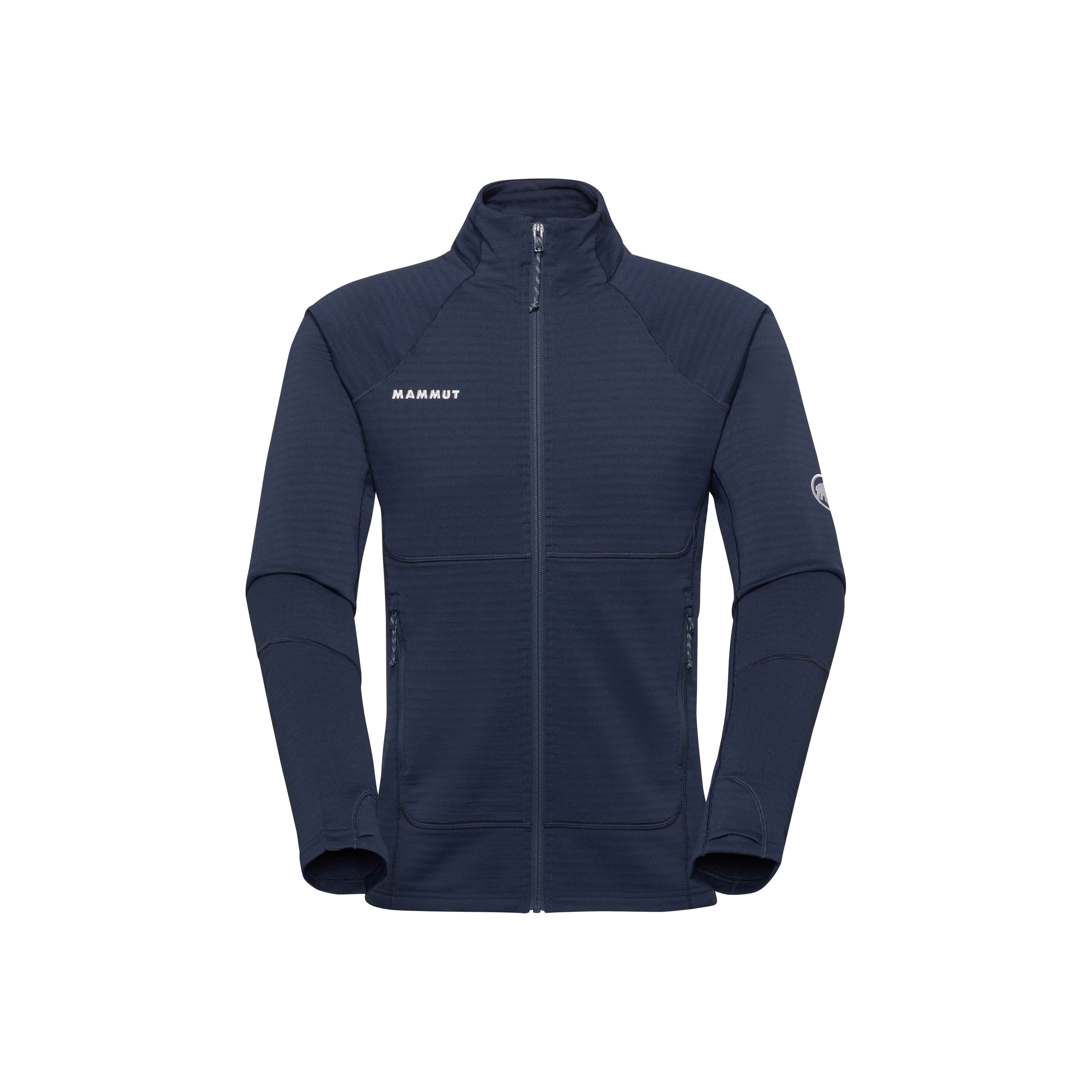
A Warm Midlayer Is More Important Than a Large Pilgrimage Wardrobe.
The Via Francigena can move from hot lowland walking into genuinely cold Alpine weather. Gudbrandsdalsleden can produce cold rain and wind even during the normal Norwegian summer season.
A simple fleece that works under a rain shell usually contributes more than duplicate town clothing that spends the entire pilgrimage riding in your pack.
Pack around the hardest environmental section, then keep the rest of the system as light as practical.



One Crosses Europe South to Rome. One Crosses Norway North to Trondheim.
These are orientation maps only. Use each pilgrimage authority’s current GPX and official route mapping for navigation.
Canterbury → Rome
England, France, Switzerland and Italy, with the Great St Bernard crossing forming the great Alpine hinge.
Oslo → Trondheim
Gudbrandsdalsleden moves north through Mjøsa, Gudbrandsdalen and Dovrefjell to Nidaros Cathedral.
Which European Pilgrimage Fits You?
Start with how much of your life you want the route to occupy.
You Want Europe to Keep Changing.
- You want a multi-country pilgrimage.
- Rome is the destination you care about.
- Tuscany is part of the attraction.
- You want the Great St Bernard crossing.
- You may complete the route over several trips.
- Food and cultural variety matter strongly.
You Want the Quieter Complete Route.
- You have four to five weeks.
- You want solitude more than a large pilgrim community.
- Norwegian farms and forests appeal to you.
- You want a real mountain plateau.
- Small hostels feel more attractive than dense services.
- June–August works for your travel calendar.
The Full Routes Do Not Fit Your Life.
- Tuscany gives one of Europe’s best pilgrimage sections.
- Great St Bernard delivers the Francigena’s mountain experience.
- Final 100+ km into Rome can earn the Testimonium.
- Berkåk → Trondheim is 119 km in about six days.
- A meaningful pilgrimage does not require walking every kilometre.
When variety matters most.
When quiet matters most.

Nidaros Gives a Month of Quiet Walking a Monumental Finish.
The pilgrimage reception, final passport stamp, Olav Letter and cathedral arrival give Gudbrandsdalsleden a finish every bit as intentional as the road toward Rome.
Nidaros Cathedral · Trondheim / Wikimedia Commons · CC BY-SA.Via Francigena vs St. Olav’s Ways FAQ
The practical questions that usually determine whether Rome or Trondheim is the better pilgrimage.
Which is longer, Via Francigena or St. Olav’s Ways?
Via Francigena is dramatically longer. The official Canterbury-to-Rome route exceeds 2,000 km and is divided into 102 stages. Gudbrandsdalsleden from Oslo to Trondheim is 643 km and about 32 days.
Which pilgrimage is better for a first long pilgrimage?
St. Olav’s Ways is easier to understand as one complete long route because the full Gudbrandsdalsleden takes about a month. For Via Francigena beginners, Global Summit Guide recommends starting with a section—especially Tuscany—unless Canterbury to Rome is specifically the objective.
Which pilgrimage is quieter?
St. Olav’s Ways is generally quieter. Norway recorded fewer than two thousand arrivals at the Trondheim pilgrim reception in 2025 across the route network. Long stretches of Gudbrandsdalsleden can feel very solitary.
Which route is harder?
Via Francigena is harder to complete in full because it requires more than 2,000 km of walking. St. Olav’s can be more environmentally demanding on specific stages because of cold, rain, wind and the exposed Dovrefjell plateau.
Which has the harder mountain crossing?
Great St Bernard is much higher, at roughly 2,469 m, and is the Via Francigena’s major Alpine crossing. Dovrefjell is lower but its northern latitude and variable weather make it the defining environmental challenge of Gudbrandsdalsleden.
When is the best time for St. Olav’s Ways?
Official guidance recommends Gudbrandsdalsleden primarily between June 1 and September 1. Pilgrims should not cross Dovrefjell on foot before June 10 because snow and meltwater can remain.
When is the best time for Via Francigena?
The answer depends on the section. Spring and autumn are excellent for Tuscany and Lazio, while a continuous journey across Great St Bernard requires a summer Alpine window.
Can I walk only part of the Via Francigena?
Yes. Section walking is one of the route’s greatest strengths. Tuscany, the Great St Bernard crossing and the final approach to Rome are all logical stand-alone pilgrimages.
Can I walk only part of St. Olav’s Ways?
Yes. The official Berkåk-to-Trondheim itinerary is 119 km in approximately six days and provides a complete short pilgrimage into Nidaros Cathedral.
What is the Via Francigena Testimonium?
It is a completion document associated with pilgrimage to Rome. Walkers who document at least the final 100 km on foot can qualify under the current system.
What is the Olav Letter?
The Olav Letter is the completion document issued to qualifying St. Olav pilgrims in Trondheim. Walkers document at least the final 100 km using the pilgrim passport and present it at the pilgrim reception.
Which would Global Summit Guide choose for a first trip?
If you want to complete an entire major European pilgrimage in one trip, Gudbrandsdalsleden is the cleaner choice. If Italy, Rome and cross-European variety are the primary attraction, start with a Via Francigena section and expand from there.
Choose the Pilgrimage Here. Verify the Mountain Sections Before Departure.
The core routes are historic and stable, but mountain snow, trail notices, accommodations, transportation and certificate procedures can change.
Once you choose the pilgrimage, move into the dedicated Global Summit Guide parent page and then the current official route authority.
Once You Choose Rome or Trondheim, Move Into the Route Guide.
This page owns the Via-Francigena-versus-St.-Olav decision. The parent pages own stages, maps, accommodation, credentials, mountain sections and current logistics.
Want Europe? Walk Toward Rome. Want Silence? Walk Toward Nidaros.
Choose the Via Francigena when the enormous scale is part of the dream: multiple countries, Alpine passes, Tuscany and a final arrival in Rome. Choose St. Olav’s Ways when you want a major pilgrimage you can realistically complete in about one month—with forests, farms, Dovrefjell, smaller pilgrim hostels and far more time alone.
Was this helpful?
Global Summit Guide is an independent mountaineering resource founded in 2026. The team combines first-hand trekking and climbing experience with in-depth research and professional health and nutrition review to help climbers choose objectives, prepare properly, and stay safe.
Health, altitude, and nutrition content is reviewed by Taylor Ludlow (Registered Nurse) and Brigg Hoopes (Nutritionist).
What We Don't Know Yet
Mountain information changes quickly. This box explains the limits of what this page can responsibly promise.
- Route conditions, trailhead access, crevasse exposure, stream crossings, and rescue access may vary from published planning guidance.
- Comparisons simplify complex decisions; the better mountain depends on current conditions, skills, timing, budget, and risk tolerance.
- Visa, passport, vaccination, border, insurance, and local transportation rules may change before your trip.
Verify current conditions with official land managers, guide services, local forecasts, and current route reports before booking or climbing.
Mountaineering, rock and ice climbing, glacier travel, and high-altitude activity are inherently dangerous and can result in serious injury or death. The information on Global Summit Guide is provided for general informational and educational purposes only and is not a substitute for professional instruction, qualified guiding, proper equipment, or your own judgment and experience.
Route conditions, weather, snowpack, permits, regulations, and hazards change constantly and may differ from what is described here. Details may be incomplete, out of date, or contain errors. Always verify current information with local authorities, certified guides, and official sources before making any decision in the mountains.
Nothing on this site is medical, legal, or financial advice. Our fitness, acclimatization, altitude, and nutrition content is general in nature; consult a qualified physician before beginning any strenuous exercise program or exposing yourself to high altitude.
You are solely responsible for your own safety and decisions. To the fullest extent permitted by law, Global Summit Guide and its team accept no liability for any loss, injury, damage, or expense arising from use of, or reliance on, this information. By using this site you acknowledge these risks and accept these terms.
Some links on this site may be affiliate links. If you buy through them we may earn a small commission at no extra cost to you; this never affects our recommendations.
Global Summit Guide recommendation path
Next Best Mountain to Research
Use these recommendations to continue the right planning path instead of stopping on one page.
Use current permit, weather, route, and operator information before booking or climbing.