Last updated October 6, 2026


Via Francigena vs Camino de Santiago: Which Pilgrimage Should You Walk?
Choose the Camino de Santiago for the easiest first pilgrimage, a stronger social community, denser pilgrim lodging and the ability to choose routes ranging from about one week to more than a month. Choose the Via Francigena for a quieter trans-European journey, changing countries and languages, Tuscany, the Great St Bernard Pass and the experience of walking toward Rome.
Walk the Camino First. Walk the Francigena When Crossing Europe Is Part of the Goal.
For most first-time long-distance pilgrims, the Camino de Santiago is easier to recommend. You can choose a route that matches your available time, albergues and food appear more consistently, and a large pilgrim community makes it easier to solve problems as they happen.
The Via Francigena rewards more independent planning. Canterbury to Rome is a 2,000+ km, multi-month journey through England, France, Switzerland and Italy, with different accommodation systems, long quiet sections and a genuine Alpine seasonal bottleneck.
If you want one month of classic pilgrimage, start with a Camino. If the idea of crossing Europe itself is the pilgrimage, the Francigena is the more ambitious experience.
Via Francigena vs Camino de Santiago
Via Francigena vs Camino de Santiago at a Glance
Camino figures vary by route. Francés is used here only as the full-length numerical benchmark.
| Factor | Via Francigena | Camino de Santiago | Edge |
|---|---|---|---|
| Structure | Historic Canterbury→Rome spine | Network of routes to Santiago | Different models |
| Full-route benchmark | 2,000+ km Canterbury→Rome | ≈780 km Camino Francés | Francigena much larger |
| Typical flagship duration | ≈3 months | ≈32–38 days on Francés | Camino easier to fit |
| Short-route choice | Sections work well | Exceptional range | Camino |
| Pilgrim lodging | Variable by country | Deep network | Camino |
| Social community | Quieter | Strong | Camino |
| Solitude | More common | Route-dependent | Francigena |
| Countries | England · France · Switzerland · Italy | Depends on Camino route | Francigena |
| Major mountain crossing | Great St Bernard ≈2,500 m | Depends on route | Francigena |
| Navigation / logistics | More independent planning | Usually easier | Camino |
| Best first pilgrimage | Good in selected sections | Excellent | Camino |
| Best continent-crossing experience | Excellent | Not the route’s core identity | Francigena |
| Destination | St Peter’s · Rome | St James · Santiago | Personal |
The Francigena Is a Continental Project. The Camino Lets You Choose the Size.
This is why a simple distance-vs-distance comparison can be misleading.
Canterbury to Rome Is 2,000+ km
Walking the complete historic route means crossing England, France, Switzerland and Italy before entering Vatican City.
Think in terms of a season of travel, not a conventional vacation.
One Week to Five Weeks+
The Camino Inglés, Portugués, Primitivo, Norte and Francés create legitimate pilgrimage choices at very different lengths.
That makes Santiago much easier to fit around available vacation time.

Canterbury Makes the Francigena Feel Like a Journey Across Europe From the First Day.
The route’s scale becomes obvious immediately: an English beginning, a Channel crossing, weeks through France, Switzerland, the Alps and then the long journey through Italy.
Francigena Is Usually Harder to Organize. Camino Difficulty Depends on the Route.
Most terrain on both systems is non-technical walking.
More Logistic Variation
Beds, languages, transport, costs and route character change as you cross countries.
One Serious Alpine Gate
Great St Bernard reaches about 2,500 m and is strongly constrained by snow season.
Long Cumulative Mileage
Terrain is generally manageable, but 30+ consecutive walking days expose pacing and foot-care mistakes.
More Repeated Climbing
Constant coastal ups and downs make it harder per day than Francés.
Strongest Hiking Character
Mountain terrain, weather and thinner stage options increase physical commitment.
Feet Decide the Trip
Repeated hard surfaces, swelling, hot spots and poor shoe fit end more pilgrimages than technical terrain does.
Use the Camino Hub Before Assuming Francés Is Your Best Santiago Route.
Portugués, Norte, Primitivo and Inglés solve very different time and terrain problems.

One Alpine Pass Controls the Timing of an Entire Canterbury-to-Rome Walk.
Official Via Francigena guidance says Great St Bernard is normally walkable only from roughly early June to early September because of snow.
Camino Gives You a Pilgrim Community. Francigena Gives You More Cultural Change.
This may matter more than distance.
A Moving Pilgrim Society
Yellow arrows, albergues, pilgrim menus, cafés, churches and repeated faces create a strong sense that almost everyone around you understands what the journey is.
A Pilgrimage Through Several Europes
Language, food, lodging, architecture and trail culture change repeatedly.
The route can feel less like a single pilgrim corridor and more like a continental journey held together by one historical thread.
Use this after choosing Santiago to build the actual route, starting point, lodging, stages and arrival.
Camino Has the More Consistent Pilgrim-Accommodation Network
This is one of the biggest first-pilgrimage advantages.
Albergues Shape the Day
Public, parochial, municipal, private and commercial pilgrim beds are built directly around established walking stages.
On major routes, an exhausted walker can often stop early without destroying the itinerary.
Accommodation Changes by Country
Pilgrim hostels, religious hospitality, gîtes, B&Bs, agriturismi and normal hotels all become part of the system.
Italy is relatively strong. France and Switzerland generally require more deliberate stage planning.

Tuscany Is Why Many Walkers Should Try the Francigena as a Section Before Crossing Europe.
Lucca, San Gimignano, Monteriggioni, Siena, Val d’Orcia and Radicofani produce a concentrated version of the route’s strongest cultural and landscape qualities.
Francigena Wins Continental Variety. Camino Gives You More Route Choice.
There is no single Camino landscape.
Alps
Great St Bernard creates the most clearly alpine chapter of either flagship journey.
Tuscany
Medieval hill towns, vineyards, wheat fields and cypress-lined roads are a defining visual payoff.
Cross-Spain Variety
Pyrenees, Rioja, Meseta, León and green Galicia make the classic Camino highly varied.
Atlantic Coast
Choose the Norte if ocean views matter more than the Francés social ecosystem.
Green Mountains
Asturias provides the strongest sustained hiking character of the major Camino routes.
One Journey vs Route Menu
Francigena changes because it crosses Europe. Camino lets you choose a route whose character already matches you.

The Camino’s Difficulty Comes From Thousands of Ordinary Steps.
Most pilgrims are not solving technical climbing problems. They are managing footwear, repetitive impact, swelling, hot spots, recovery and another 20–30 km tomorrow.
Most Pilgrims Need Comfortable Walking Shoes—not Mountaineering Boots.
Footwear should match repeated daily distance and surface, not the word “pilgrimage.”
Cushioning Matters on Roads, Gravel & Long Firm Surfaces
Much of the route uses lanes, agricultural tracks, gravel, historic roads and pavement.
A comfortable walking shoe, light hiking shoe or well-cushioned trail shoe can make more sense than a stiff traditional boot.
Great St Bernard, Cisa Pass and wet-season travel may justify more grip and protection.
Route Choice Changes the Ideal Shoe
Francés contains huge amounts of firm, non-technical walking. Many pilgrims do well in breathable, cushioned walking shoes or trail shoes.
Norte and Primitivo increase the value of deeper traction and stronger wet-terrain performance.
Heavy boots are not automatically safer simply because the walk is long.
Toe Room
Feet swell over long walking days. A shoe that feels perfectly snug at breakfast can become destructive by late afternoon.
Heel Security
Excess heel movement creates friction, especially during repeated climbs and descents.
Cushioning
Pavement and compacted gravel create repetitive impact that becomes significant after consecutive 20+ km days.
Breathability
Warm-weather pilgrims often benefit from faster drying and lower heat buildup.
Appropriate Grip
You need enough outsole for mud, stone and steep wet surfaces— without carrying unnecessary boot weight.
Proven Fit
Never make day one of a month-long pilgrimage the first serious test of new footwear.
Walking Shoes for Long Pilgrimage Days
Look for all-day cushioning, enough toe room for swelling, secure heel hold, breathable uppers and traction matched to your route. The best shoe is the one your feet can tolerate for hundreds of kilometres.
Affiliate disclosure: Global Summit Guide may earn a commission from qualifying purchases at no additional cost to you.
We may earn a commission if you buy through these links, at no extra cost to you. Affiliate disclosure
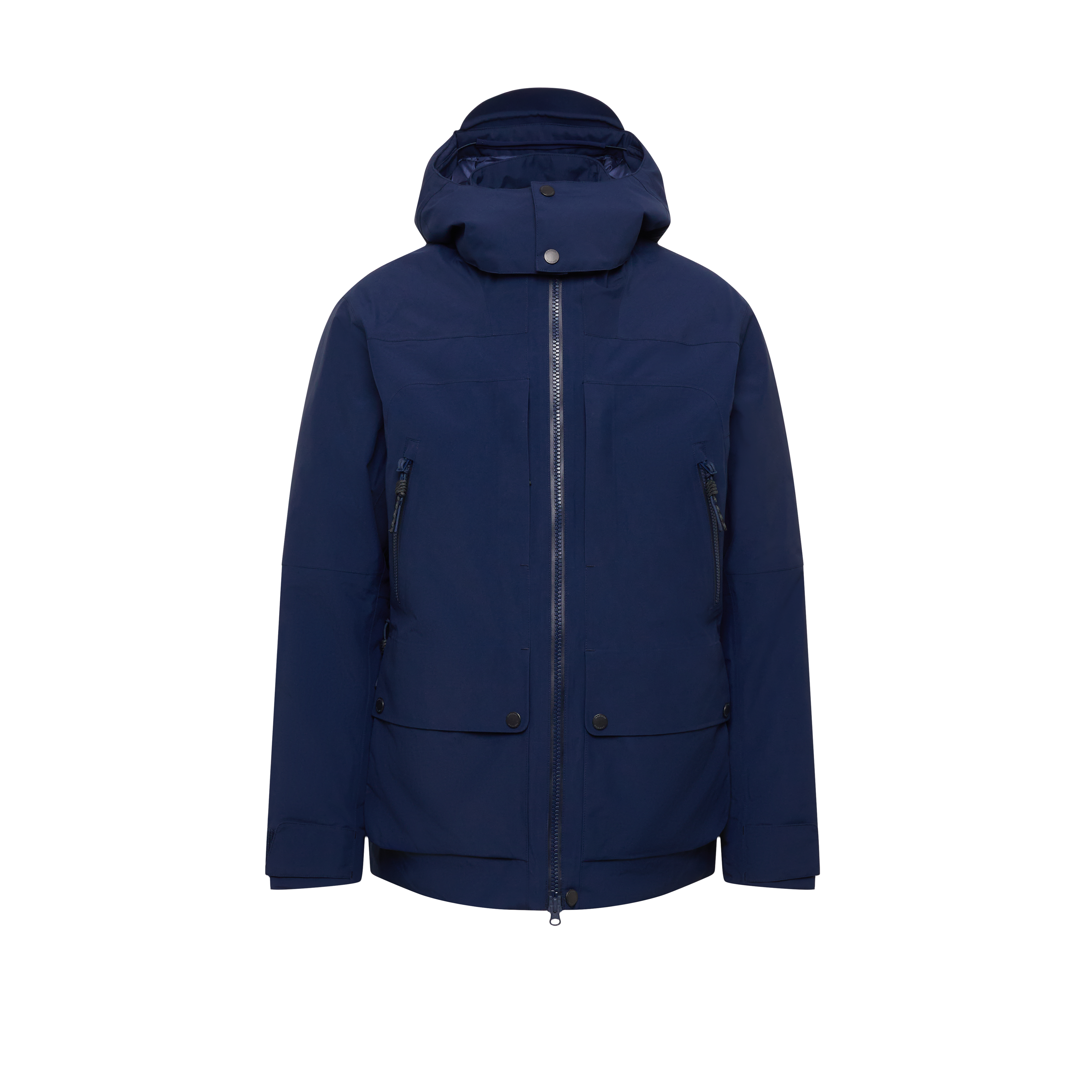
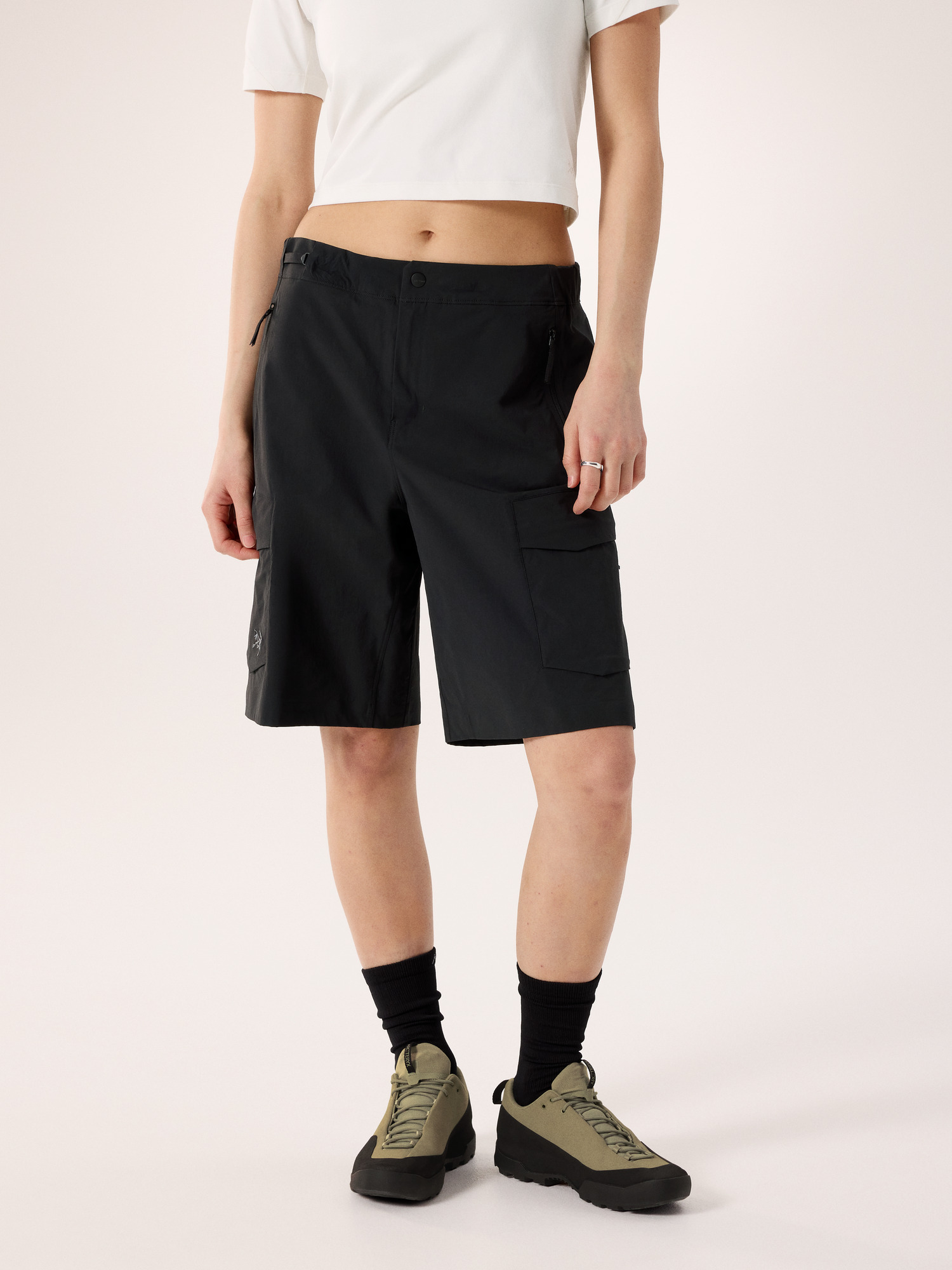
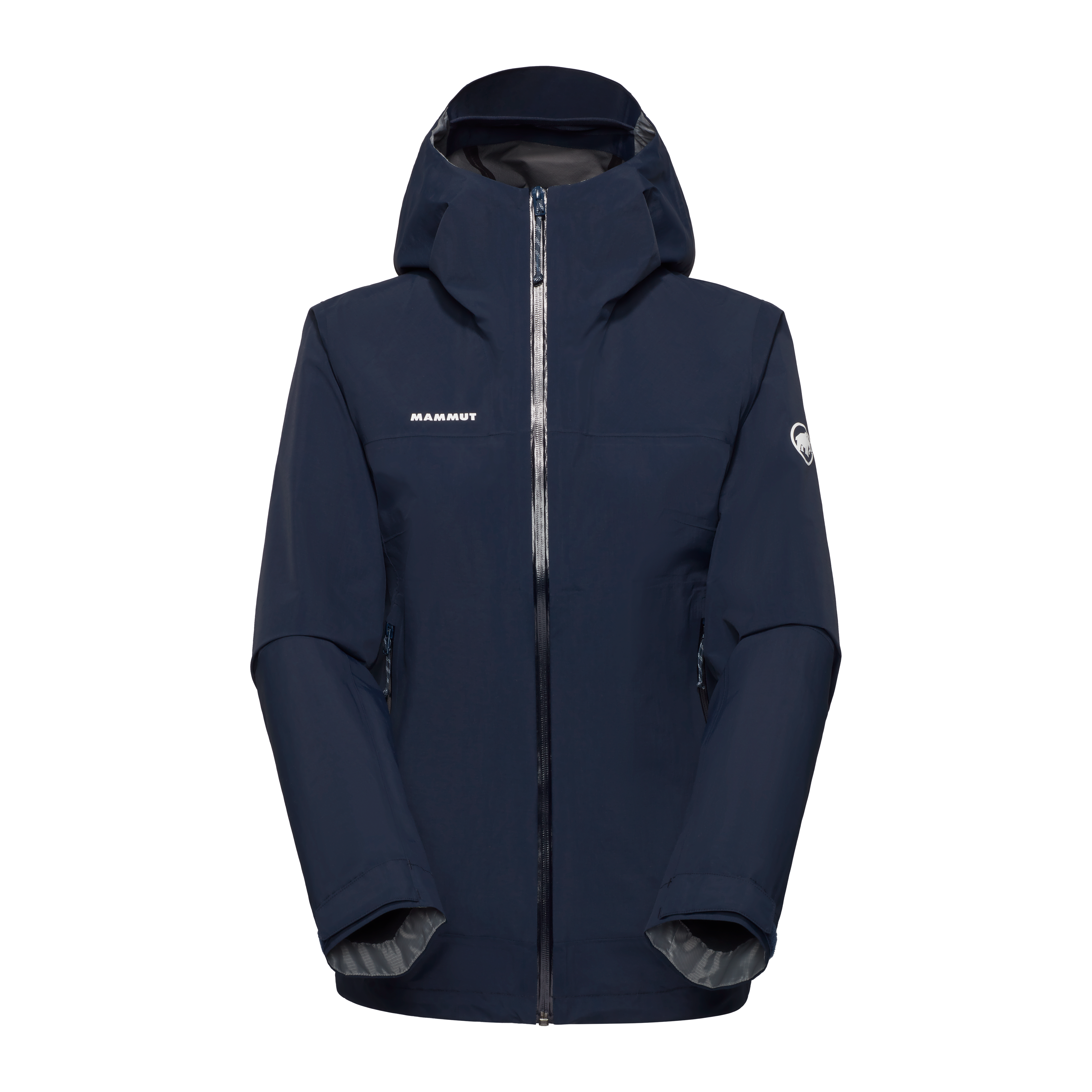
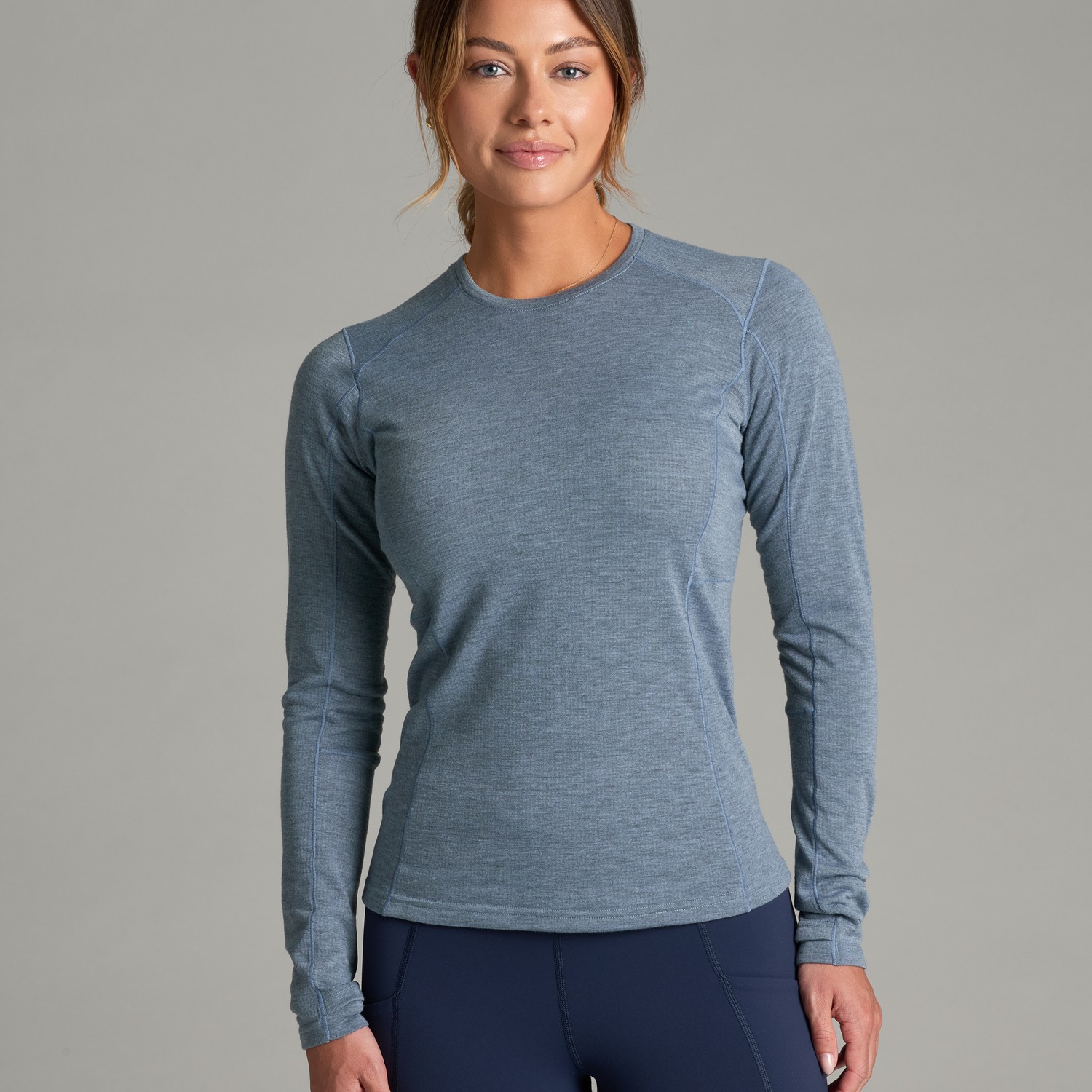
Use the same low-weight logic for shoes, socks, rain protection, pack weight and daily foot care.
Walking Shoes Should Now Be a Permanent GSG Footwear Category.
Use it across Camino, Via Francigena, Shikoku, St Olav’s and other long pilgrimage content instead of forcing hiking boots onto walking intent.
Camino Offers More Seasonal Flexibility. Francigena Must Solve the Alps.
A continuous Canterbury→Rome journey has to intersect Great St Bernard’s snow-free window.
| Period | Via Francigena | Camino de Santiago |
|---|---|---|
| April | Excellent lower sections; Alps generally too early | Good on many routes; mountain weather still matters |
| May | Strong lower-route month; Great St Bernard often still blocked | Excellent for many Camino routes |
| June | Strong full-route timing as Alpine access improves | Excellent |
| July | Alps workable; Po Valley and Italy heat become serious | Hot on Francés; Norte more defensible |
| August | Good Alpine access; southern heat significant | Busy; heat route-dependent |
| September | Strong if Great St Bernard remains safely open | Excellent |
| October | Excellent Tuscany/Lazio; too late for reliable Alpine crossing | Strong early on several routes |
| Winter | Section walking only; Alpine route unavailable | Possible on selected routes with reduced services |
The Francigena Usually Costs More as a Full Journey
Duration and accommodation mix overwhelm small differences in one night’s bed price.
Three-Month Scale
A 2,000+ km journey means more total nights, meals, laundry and transportation contingencies.
Switzerland Raises the Average
Accommodation and food can be materially more expensive than classic Camino budgets.
Dense Budget Infrastructure
Albergues, pilgrim menus and short-route choices make it easier to control total trip cost.

Rome Gives the Francigena a Destination With a Completely Different Emotional Weight.
Canterbury, Great St Bernard, Tuscany and Lazio make sense because the road eventually enters St Peter’s Square.
Testimonium and Compostela Reward Different Pilgrimage Traditions
Do not choose a route only to earn a certificate, but understand the rules before walking.
Testimonium
The traditional Rome completion certificate recognizes pilgrims who reach Rome after completing the required qualifying distance with the Via Francigena credential.
Current Via guidance uses 100 km on foot or 200 km by bicycle as the standard minimum.
Compostela
The Cathedral’s traditional certificate has its own religious/spiritual framework plus distance and credential requirements.
Current Pilgrim Office guidance requires at least two sellos per day through the final 100 km for walkers.
Choose the Pilgrimage by the Walker You Actually Are
This is the 8.1 decision section: a clear next move, not a vague conclusion.
This is my first long pilgrimage.
Deeper infrastructure and route choice reduce planning friction.
I want to cross several countries on foot.
That is central to the Via Francigena’s identity.
I want a strong social pilgrim community.
No major European system makes that easier than the Camino.
I want more quiet walking.
Large portions of the Francigena are substantially less crowded.
I have one week.
Camino Inglés or a qualifying final section gives the Camino system the stronger answer.
I want Tuscany.
Francigena wins immediately.
I want an Alpine pilgrimage crossing.
Great St Bernard is one of the defining experiences of the Via.
I want maximum stage flexibility.
Camino’s service density gives it the advantage.
Walking shoes and low pack weight are important to me.
Both reward lightweight systems, but shoe choice should be adapted to the exact section or Camino route.
Rome is the spiritual destination I want.
The destination answers the comparison.
Santiago is the destination I want.
Choose the Camino first, then choose which Camino.
Move Into the Canonical Route Guide.
Stop comparing once the destination, available time and route character line up.
Rome and Santiago Sit at the Ends of Very Different Pilgrimage Systems
This map is for continental orientation, not navigation.
Compare Rome and Santiago with Kumano Kodo, Shikoku, St Olav’s Ways and other major pilgrimage systems.

Santiago’s Power Comes From Thousands of Different Roads Converging on One Square.
Francés, Portugués, Norte, Primitivo and Inglés can feel completely different, yet all become part of the same pilgrimage when they reach the Cathedral.
Via Francigena vs Camino de Santiago FAQ
Direct answers to the questions most likely to decide the journey.
Which is better, Via Francigena or Camino de Santiago?
Camino de Santiago is usually the better first long pilgrimage because its major routes have denser pilgrim infrastructure, strong waymarking and more flexible route lengths. Via Francigena is better for walkers who want a quieter trans-European journey toward Rome.
Which is longer?
The historic Via Francigena journey from Canterbury to Rome exceeds 2,000 kilometres. The flagship Camino Francés benchmark from Saint-Jean-Pied-de-Port to Santiago is roughly 780 kilometres. Camino de Santiago itself is a network, not one fixed-distance trail.
How long does the Via Francigena take?
A full Canterbury-to-Rome pilgrimage is roughly a three-month-scale walking project. Many modern pilgrims instead choose Tuscany, the Alpine section or the final journey into Rome.
How long does the Camino de Santiago take?
It depends entirely on the route. A full Camino Francés commonly takes about 32–38 days, while the Camino Inglés can fit roughly one week and the Portugués or Primitivo can fit around two weeks.
Which pilgrimage is harder?
Via Francigena is usually harder logistically because it crosses multiple countries and contains less consistent pilgrim accommodation. Physical Camino difficulty depends on route: the Primitivo and Norte are generally harder per day than the Francés.
Does the Via Francigena cross the Alps?
Yes. Great St Bernard Pass reaches about 2,500 metres between Switzerland and Italy and is the major seasonal bottleneck on a continuous Canterbury-to-Rome journey.
When is Great St Bernard Pass open?
Official Via Francigena guidance says the pass is normally walkable from roughly early June to early September, depending on snow conditions.
Which has better pilgrim lodging?
Camino de Santiago generally has the stronger and more uniform pilgrim-accommodation network. Via Francigena lodging varies more by country and may rely more heavily on gîtes, religious hospitality, B&Bs and normal hotels.
Which is less crowded?
Via Francigena is usually quieter overall. Camino crowd levels vary significantly by route, season and proximity to Santiago.
Which is better for a first pilgrimage?
Camino de Santiago is the stronger default because the route network lets first-time pilgrims match the journey to their available time, preferred terrain and social expectations.
What shoes should I wear on the Via Francigena?
Many sections favor comfortable walking shoes, light hiking shoes or trail shoes rather than stiff mountaineering boots. Toe room, cushioning, heel security, breathability and route-appropriate grip matter more than footwear category alone. Alpine and wet sections may justify more protection.
What shoes should I wear on the Camino?
On non-technical routes such as much of the Francés, many pilgrims prefer cushioned walking shoes, trail shoes or light hiking shoes. Norte and Primitivo can justify more aggressive grip because of wet and hillier terrain.
Do I need waterproof walking shoes?
Not automatically. Waterproof footwear can help in sustained wet or cold conditions, but it can run warmer and dry more slowly. Match waterproofing to route, season and personal foot preference.
Can I earn a certificate on both pilgrimages?
Yes, but the systems differ. Via Francigena pilgrims reaching Rome can qualify for the Testimonium under its current distance and credential rules. Camino pilgrims can qualify for the Compostela when they meet the Cathedral’s current distance, credential stamp and pilgrimage-purpose requirements.
How many Camino stamps are needed?
The Pilgrim Reception Office currently requires at least two credential stamps per day through the final 100 kilometres for walkers seeking the Compostela.
What is the best short section of the Via Francigena?
Tuscany is the strongest all-around first Francigena section for many walkers. The final 100+ kilometres into Rome is the logical choice when arrival at St Peter’s and the Testimonium are the main goals.
What is the best Camino for beginners?
Camino Francés remains the easiest default because it has the deepest pilgrim infrastructure. Camino Portugués is a strong shorter alternative, and Camino Inglés is useful for a one-week-scale pilgrimage.
You Have Chosen the Pilgrimage. Now Choose the Route.
The comparison ends here. The canonical guides own the actual trip planning.
Sources Checked for the 2026 Comparison
Route geography changes slowly. Certificate, lodging and seasonal access rules deserve current-source checks.
Global Summit Guide · Via Francigena
Current GSG owner for Canterbury→Rome, Tuscany, Great St Bernard, accommodation, stages and Testimonium planning.
European Association of the Via Francigena Ways
Source for stage length, Great St Bernard seasonal access, route planning and official network information.
Global Summit Guide · Camino de Santiago
Current owner for route choice, Francés, Portugués, Norte, Primitivo, Inglés and general Camino planning.
Global Summit Guide · Camino Francés
Source for the ≈780 km Saint-Jean-Pied-de-Port benchmark and 32–38 / 33–38 day planning window.
Pilgrim’s Reception Office · Santiago
Current source for accepted credentials, final-distance requirements and sellos.
Via Francigena · Equipment Guidance
Long-distance pilgrimage footwear should be selected for surface, fit and repeated walking, not simply defaulted to heavy mountain boots.
Choose Santiago for the Pilgrim Network. Choose Rome for the Continental Journey.
The Camino de Santiago is the easier first answer because you can choose the route that fits your time, walking ability and desired level of community. Its infrastructure lets the pilgrimage stay focused on walking rather than constant logistics.
The Via Francigena asks for more. Canterbury to Rome means changing countries, changing accommodation systems, timing an Alpine pass and remaining adaptable over more than 2,000 kilometres. That added complexity is not a flaw. For the right pilgrim, it is the point.
First long pilgrimage? Camino. Want to cross Europe on foot toward Rome? Via Francigena.
Plan Via Francigena Choose a CaminoWas this helpful?
Global Summit Guide is an independent mountaineering resource founded in 2026. The team combines first-hand trekking and climbing experience with in-depth research and professional health and nutrition review to help climbers choose objectives, prepare properly, and stay safe.
Health, altitude, and nutrition content is reviewed by Taylor Ludlow (Registered Nurse) and Brigg Hoopes (Nutritionist).
What We Don't Know Yet
Mountain information changes quickly. This box explains the limits of what this page can responsibly promise.
- Comparisons simplify complex decisions; the better mountain depends on current conditions, skills, timing, budget, and risk tolerance.
- Visa, passport, vaccination, border, insurance, and local transportation rules may change before your trip.
- Route conditions, snowpack, closures, and weather can change quickly after this page is updated.
- Permit rules, fees, quotas, and reservation windows may change between review cycles.
- Operator availability, pricing, guide ratios, and cancellation terms can change by season.
Verify current conditions with official land managers, guide services, local forecasts, and current route reports before booking or climbing.
Mountaineering, rock and ice climbing, glacier travel, and high-altitude activity are inherently dangerous and can result in serious injury or death. The information on Global Summit Guide is provided for general informational and educational purposes only and is not a substitute for professional instruction, qualified guiding, proper equipment, or your own judgment and experience.
Route conditions, weather, snowpack, permits, regulations, and hazards change constantly and may differ from what is described here. Details may be incomplete, out of date, or contain errors. Always verify current information with local authorities, certified guides, and official sources before making any decision in the mountains.
Nothing on this site is medical, legal, or financial advice. Our fitness, acclimatization, altitude, and nutrition content is general in nature; consult a qualified physician before beginning any strenuous exercise program or exposing yourself to high altitude.
You are solely responsible for your own safety and decisions. To the fullest extent permitted by law, Global Summit Guide and its team accept no liability for any loss, injury, damage, or expense arising from use of, or reliance on, this information. By using this site you acknowledge these risks and accept these terms.
Some links on this site may be affiliate links. If you buy through them we may earn a small commission at no extra cost to you; this never affects our recommendations.
Global Summit Guide recommendation path
Next Best Mountain to Research
Use these recommendations to continue the right planning path instead of stopping on one page.
Use current permit, weather, route, and operator information before booking or climbing.