Last updated October 23, 2026
Tenzing (2026): The True Story of Everest’s First Summit
They reached Everest together—but history did not always remember them equally. The new film Tenzing tells the story of Sherpa climber Tenzing Norgay and New Zealander Edmund Hillary, whose rope team made the first confirmed ascent of Mount Everest on May 29, 1953. Behind their famous photograph lies a much larger story of years of failed attempts, unequal recognition, friendship, oxygen, the final Hillary Step and the people who made the summit possible.
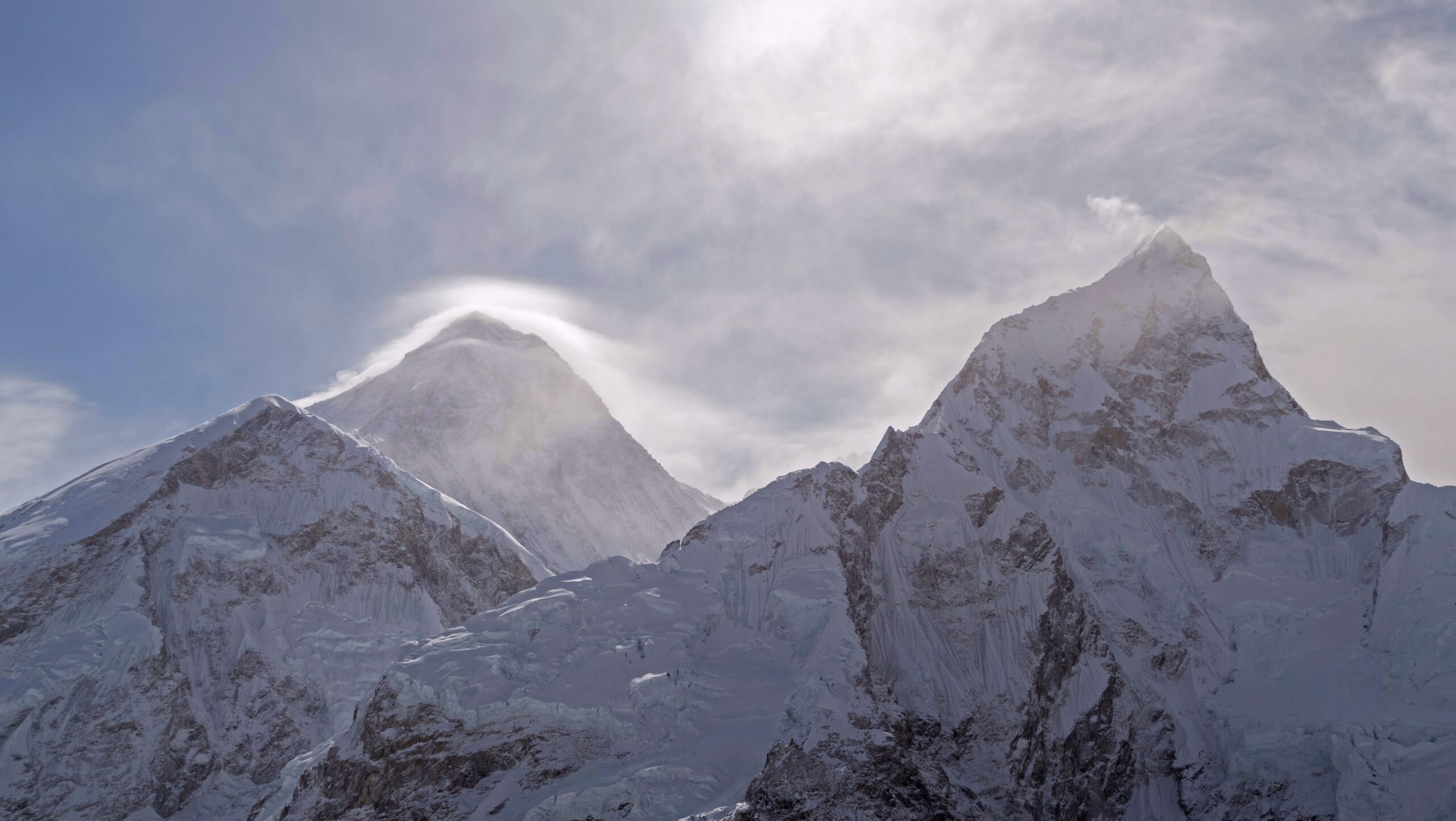
What is the movie Tenzing about?
Tenzing is a 2026 biographical adventure drama directed by Jennifer Peedom and written by Luke Davies. It places Tenzing Norgay at the center of the journey that ended with the first confirmed ascent of Mount Everest.
Genden Phuntsok plays Tenzing, Tom Hiddleston plays Edmund Hillary, Willem Dafoe plays expedition leader John Hunt, Caitríona Balfe plays Jill Henderson, and Thinley Lhamo appears as Dawa. The film depicts Tenzing’s determination to be recognized as a climber and partner—not merely someone carrying the expedition’s equipment—while exploring family, spirituality, class and collaboration.
The film opened in select theaters on October 9, 2026 and began streaming globally on Apple TV on October 16, 2026. It is not an upcoming release; it is available now in supported regions, subject to platform access.
Viewing availability and subscription terms can vary by region. GSG has no reported sponsorship or affiliate arrangement for these links.
Watch the official Tenzing trailer
Apple TV’s official September 2026 trailer introduces Tenzing’s dream, the social and personal obstacles surrounding the expedition, and the partnership that became mountaineering history.
As a dramatized feature, the movie is valuable for opening questions about the human story. For a precise reconstruction of the summit, compare its scenes with the expedition records below.
Official trailer embedded from Apple TV’s verified YouTube channel. Film images and footage belong to their respective rights holders.
Who first climbed Mount Everest—Tenzing or Hillary?
Edmund Hillary and Tenzing Norgay jointly completed the first confirmed ascent of Everest on May 29, 1953. They reached the summit as rope partners, and both are credited with the historic achievement.
When the public asked which man literally stepped onto the summit snow first, they initially resisted dividing credit. Tenzing later said that Hillary had taken the final step ahead of him. That detail does not make Tenzing secondary to the successful ascent; the shared result depended on both climbers, their work below the summit and a large expedition support network.
The word confirmed matters. George Mallory and Andrew Irvine disappeared near the summit in 1924, and whether either reached the top remains unproved. Explore our Mallory and Irvine 1924 mystery for that earlier unanswered question.
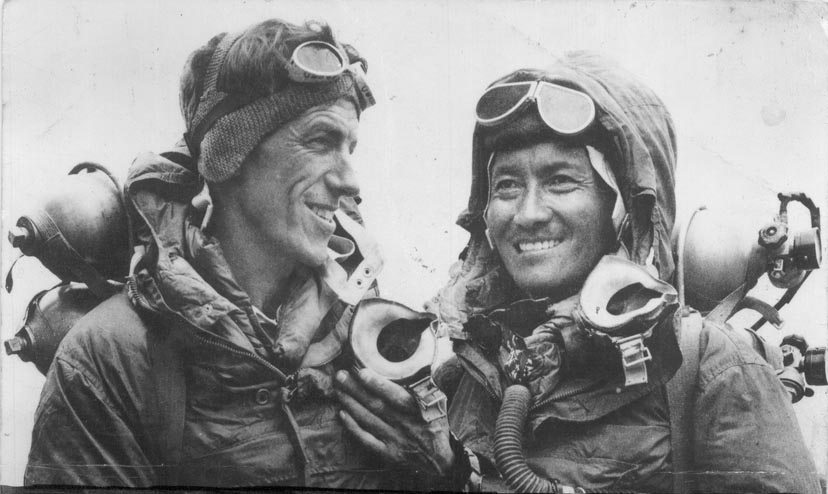
Tenzing Norgay: the mountaineer who knew Everest before 1953
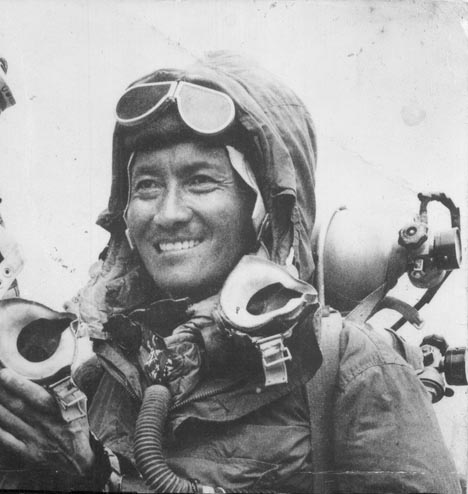
The movie begins from a crucial historical truth: 1953 was not Tenzing’s first chance at Everest. He had joined Himalayan expeditions since the 1930s, developing from porter into a skilled high-altitude mountaineer and sirdar, a leader of expedition Sherpa teams. Describing him simply as Hillary’s ‘porter’ obscures his independent experience and judgment.
Tenzing’s early life spanned the Himalayan Sherpa world and Darjeeling, India. Accounts of his birthplace and age have differed, so his story deserves more care than a simplified nationality label. Sherpa refers to a Himalayan ethnic community; it does not mean ‘porter’ as a job description.
In 1952, a year before the famous first ascent, Tenzing and Swiss climber Raymond Lambert reached roughly 8,600 meters on Everest’s southern route before turning back. This was an extraordinary high point at the time. Tenzing entered the 1953 expedition with more direct upper-mountain experience than most of his colleagues.
His achievement also carried spiritual significance. Everest is called Chomolungma in Tibetan traditions and Sagarmatha in Nepali. Apple’s description explicitly makes the difference between personal reverence and the language of ‘conquest’ a central theme in the film.
Edmund Hillary: a New Zealand beekeeper and gifted climber
Edmund Hillary, born in Auckland in 1919, came to Everest with mountaineering experience earned in New Zealand’s Southern Alps and Himalayan expeditions. The former beekeeper was physically strong, methodical and already proven at altitude before the 1953 push.
Hillary and Tenzing became an exceptionally effective partnership. On Everest their relationship mattered not because either man’s contribution was identical at each move, but because they could rely on each other when a mistake or failing oxygen system could be fatal.
After the ascent Hillary became a worldwide celebrity and was knighted. His later involvement in schools, hospitals and community projects in Nepal—through the Himalayan Trust he founded in 1961—became a major part of his legacy. Tenzing became a hero too, though recognition, honors and media portrayals reflected the era’s unequal social order.

The long road to the 1953 Everest expedition
Hillary and Tenzing’s success was built on decades of attempts and the expertise of expedition climbers, route makers and Himalayan communities.
Reconnaissance and unanswered questions
Early British expeditions approached Everest from Tibet. Mallory and Irvine vanished in 1924; the possibility of an unrecorded summit is still debated without proof.
Tenzing gains experience
Tenzing joined multiple Everest attempts and grew into a high-altitude leader, already familiar with expedition work long before 1953.
The southern route opens
British reconnaissance established the feasibility of a Nepal-side approach. Everest remained far from a straightforward climb.
Lambert and Tenzing set a high mark
Swiss teams advanced up the South Col route. Raymond Lambert and Tenzing reached around 8,600 m but did not summit.
John Hunt organizes the next attempt
The British expedition brought together international climbers and an extensive Sherpa and porter workforce to place teams in position.
First confirmed summit
After the first summit pair turned back, Hillary and Tenzing climbed the Southeast Ridge to the top and descended.
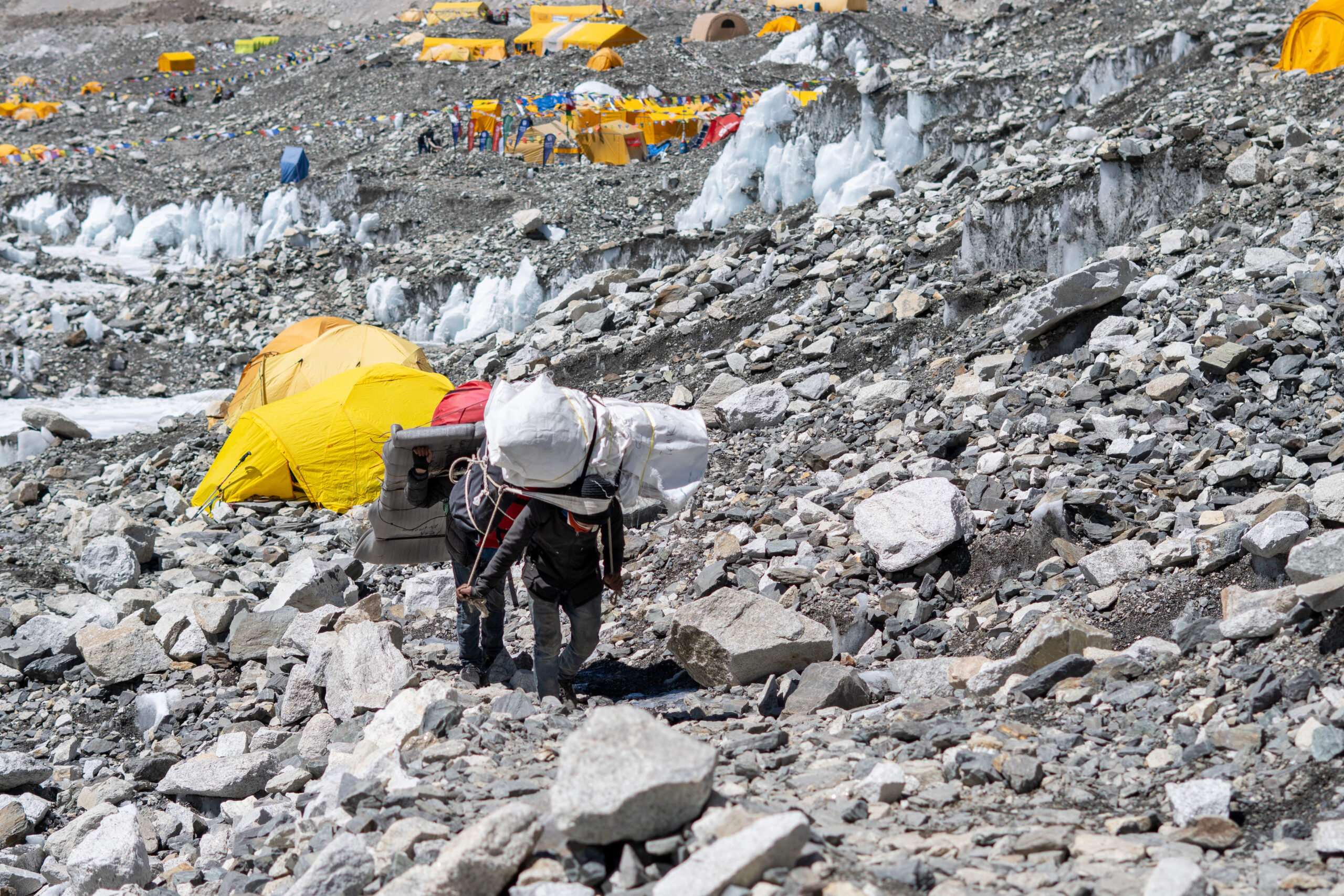
A summit built on many shoulders
The Royal Geographical Society’s account describes an intricate expedition with multiple support teams. Workers carried supplies and loads, established routes, set camps and helped move oxygen and equipment toward the high mountain. Tenzing’s leadership operated within that larger collective effort.
It is more precise to say that Hillary and Tenzing were the first confirmed summit climbers, not that the two alone ‘conquered’ Everest. The mountain was climbed through coordinated mountaineering work on every level.
Everest, May 26–29, 1953: the final push, step by step
Here is the documentary reconstruction, using the Royal Geographical Society, New Zealand History and National Geographic accounts. Times are historical reports, not contemporary route estimates.
May 26 · the first summit team turns back
Tom Bourdillon and Charles Evans reached Everest’s South Summit, but time, exhaustion and oxygen difficulties prevented the final summit. Their effort established a high route and offered the next team information.
May 28 · Hillary and Tenzing reach the high camp
With support from George Lowe, Alfred Gregory and Ang Nyima, Hillary and Tenzing established Camp IX near 8,500 m. The support climbers then descended, leaving the summit pair to spend a frigid night high on the Southeast Ridge.
4 a.m., May 29 · prepare in the cold
The pair woke and began preparing their equipment and open-circuit oxygen gear while high on the mountain.
6:30 a.m. · summit climb begins
Hillary and Tenzing left their high camp on oxygen, cut and kicked steps and made their way toward the South Summit.
About 9 a.m. · South Summit
After reaching the South Summit they faced the exposed summit ridge and a steep rock-and-ice obstacle not yet called the Hillary Step.
11:30 a.m. · Everest’s true summit
Hillary and Tenzing reached the top together as a rope team. They stayed about 15 minutes, documented the achievement and descended to their waiting colleagues.
What was the Hillary Step—and how did they climb it?

The Hillary Step was a steep rock barrier of approximately 12 meters (40 feet) near the top of the Southeast Ridge, just below Everest’s summit. In 1953 it blocked the only remaining way forward along the ridge.
Hillary found a narrow space between the rock and a vertical formation of snow and ice. He squeezed and climbed upward through the crack, using his crampons and body to make progress. Tenzing secured and supported the movement through the rope system and followed after Hillary had cleared the obstacle.
The climb was not simply a technical flourish. At nearly 8,800 meters, in the thin air, the pair faced fatigue, exposure, cold and an uncertain descent. They still had to continue along the ridge beyond the step to locate the actual summit.
Today the Hillary Step is associated with Everest queues and risk on the South Col route. Read the detailed Everest Crowding & Hillary Step guide.
Fifteen minutes on the roof of the world
At the summit, Hillary and Tenzing shook hands and embraced. The world’s highest point was not a spacious victory platform: they had little time and essential work left to do.
Hillary photographed Tenzing at the summit, standing with his ice axe and flags. There is no corresponding summit photograph of Hillary taken by Tenzing. Hillary also made observations and looked for possible evidence of Mallory and Irvine, whose last climb remained a mystery.
Accounts describe offerings left in the snow—gestures of faith and remembrance. Then the men started back down toward the high camp. Success depended as much on getting down alive as on touching the top.
As the pair descended they met fellow New Zealander George Lowe, who had provided crucial support on the summit attempt. Hillary’s earthy announcement to Lowe became one of the best-known lines in climbing history.
When the news reached Britain, it was publicized around the June 2, 1953 coronation of Elizabeth II. It quickly became an international story about athletic achievement, empire, national pride and the roles of Himalayan climbers.
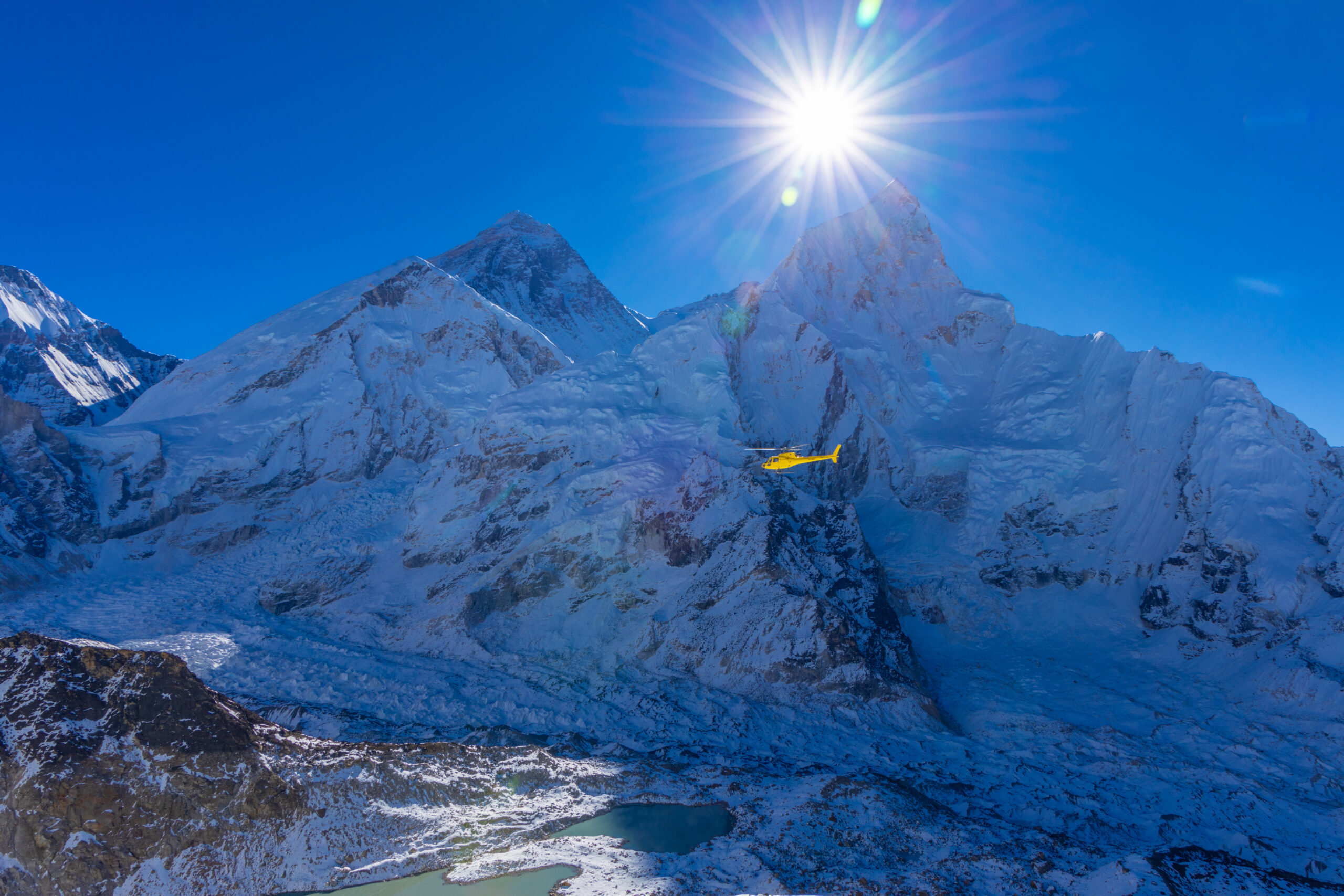
Who stepped on the summit first?
Tenzing later reported that Hillary went ahead in the last moments. Both men’s historical standing rests on the confirmed ascent they made together. Mountain climbers normally credit a roped summit team, not a one-step contest.
Why is the summit photograph only of Tenzing?
Hillary took the well-known photograph of Tenzing. The absence of a solo photograph of Hillary on top is not evidence he failed to reach the summit. Their accounts and the expedition record establish both climbers’ arrival.
What Tenzing gets right—and what viewers should verify
A feature film can reveal neglected perspectives without serving as a minute-by-minute expedition transcript. The distinctions below separate verified facts from plot framing described in Apple’s official synopsis.
The documented story
- Tenzing was an accomplished climber before he met Hillary; in 1952 he and Raymond Lambert reached around 8,600 m.
- Hunt led the British 1953 expedition with an extensive Sherpa, porter and climbing-support team.
- Bourdillon and Evans first reached the South Summit and turned back.
- Hillary and Tenzing reached the true summit at approximately 11:30 a.m. on May 29.
- Hillary negotiated the rock-and-ice obstacle later named the Hillary Step; Tenzing followed as his rope partner.
What the film foregrounds
Apple describes a story shaped by class, background and the effort to have Tenzing recognized as a climber. Dawa and Jill Henderson are important characters in its narrative; the film highlights a sacred relationship with Chomolungma and a developing partnership between Hillary and Tenzing. Such dialogue, interpersonal scenes and motives should be treated as dramatized unless independently documented.
The movie is best read as an interpretation of real events, not proof that every conversation or confrontation happened exactly as depicted.
Questions worth asking after the credits
- Does the film give Tenzing agency as an experienced mountaineer?
- How does it represent Sherpa team members beyond the two lead climbers?
- Are the fictionalized discussions about status presented as a modern interpretation, rather than primary evidence?
- Which part of the summit ridge feels most dangerous, and what does the historical expedition report say?
- Does the ending explain that the route had to be descended?
| Movie theme | Historical basis | Editorial assessment |
|---|---|---|
| Tenzing deserves climber credit | Decades of experience and 1952 high-altitude ascent | Strongly documented |
| Hillary & Tenzing as partners | The 1953 summit ascent and mutual accounts | Strongly documented |
| John Hunt’s organized expedition | Contemporary expedition records | Strongly documented |
| Relationships and dialogue | Apple’s narrative synopsis; not all scenes corroborated | Dramatization; verify individually |
| Hillary Step and summit | Climber reports and historical route accounts | Documented underlying event |
| Tenzing’s spiritual motivations | Sherpa/Himalayan cultural traditions, personal testimony, film framing | Respect tradition; avoid presenting private conversations as fact |
Why the story matters for Sherpa history
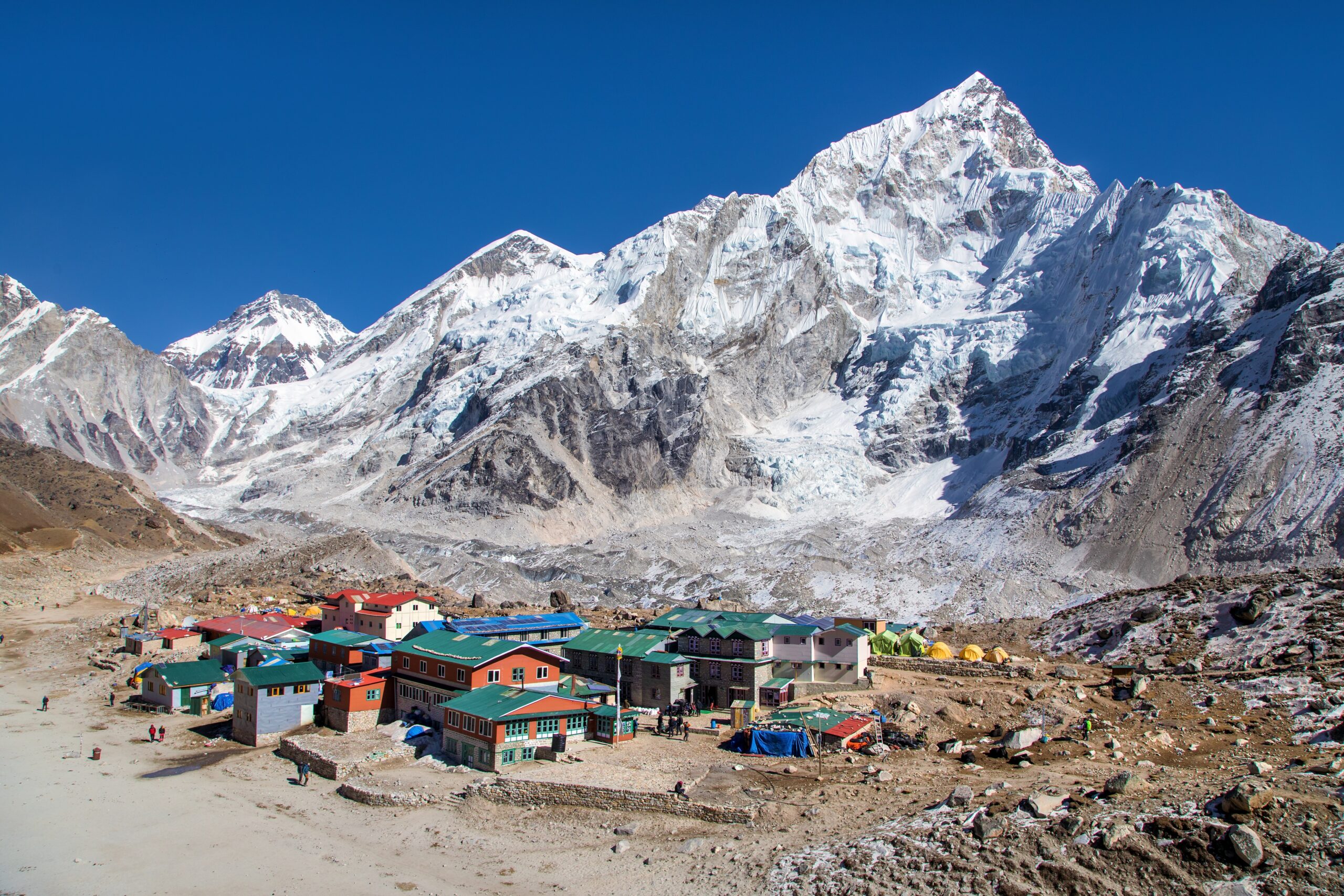
Much of Everest’s early English-language history centered on European expedition organizers and the summit climbers whose names appeared in newspapers. Sherpa communities supplied indispensable climbing expertise, labor and route knowledge, while bearing tremendous risk.
Tenzing’s ascent challenged the assumption that the expedition’s Himalayan workers occupied a lesser sporting role than Western climbers. He was an accomplished athlete, high-altitude expert and historic first ascender in his own right. That framing is central to why an appropriately researched film is timely.
The recognition debate should not obscure the individual voices and diversity of Sherpa people. Modern climbing teams include Sherpa expedition owners, guides, rope-fixing specialists, climbers, rescuers and community leaders; they are not a single background category.
Continue with What Do Sherpas Do on Everest? for the modern roles and the risks carried by the people who keep the climbing route functioning.
What climbing Everest looks like today
Everest is a radically different undertaking in 2026 than it was in 1953. Organized expeditions now use refined clothing, modern communications, route fixing and established logistics, but the South Col route still climbs through the dangerous Khumbu Icefall and enters the thin-air environment above 8,000 meters.
On many summit days, heavy concentrations of climbers can create waits on fixed ropes above the South Col. Changes in weather, oxygen delivery and a climber’s condition can transform a queue into a medical and operational hazard.
Do not use a movie, a historical summit narrative or footage of modern climbers as a substitute for current route guidance. For the contemporary route, compare our Everest climbing guide, Everest routes and Hillary Step and crowding coverage.

More movies, mysteries and real Everest stories
If Tenzing made you curious about the actual people and mountains behind the screen, continue through the Mountain Movies & True Climbing Stories hub. It separates filmed dramas from expedition history and organizes the next film features as they publish.
Everest (2015): the disaster behind the film
The movie depicts a different Everest chapter. Our factual 1996 account covers the storm, climbers, decisions and aftermath.
Read the 1996 Everest disaster →
The dedicated 2015 movie-versus-history review is planned; this link goes to existing historical reporting.
The missing Everest pioneers
Mallory and Irvine disappeared high on Everest. What is known, and could their climb change the meaning of “first confirmed ascent”?
The Summit: the true 2008 K2 story
What happened on K2’s upper slopes during a deadly expedition? Read the documented event rather than confusing it with the 1953 Everest first ascent.
Read K2’s 2008 disaster chronology →
A separate documentary analysis is planned.
Nims Purja and the fourteen eight-thousanders
Start with the real mountain list, then return to the hub for the planned 14 Peaks movie guide.
Tenzing, Edmund Hillary and the Hillary Step: FAQs
Where can I find more mountain movies based on true stories?
Start with the GSG Mountain Movies & True Climbing Stories collection. It covers Everest films, documentaries, survival accounts and the real events behind them, and clearly identifies planned articles.
Is the movie called Tinsing or Tenzing?
The official title is Tenzing (2026), named for Everest climber Tenzing Norgay. It is directed by Jennifer Peedom and stars Genden Phuntsok as Tenzing.
Where can I watch Tenzing (2026)?
Apple lists its global Apple TV streaming debut as October 16, 2026, following select theatrical screenings beginning October 9. Open the official Apple TV film page ↗. Regional availability and access terms vary.
Is Tenzing based on a true story?
Yes, it dramatizes the documented first confirmed summit of Everest on May 29, 1953. As with any biographical drama, dialogue and some scenes should not automatically be treated as literal historical records.
Who plays Edmund Hillary in Tenzing?
Tom Hiddleston portrays Edmund Hillary. Genden Phuntsok portrays Tenzing Norgay and Willem Dafoe portrays expedition leader John Hunt.
Who was the first person to climb Mount Everest?
Tenzing Norgay and Edmund Hillary reached the summit as rope partners on May 29, 1953, the first confirmed ascent. Tenzing later said Hillary stepped onto the summit moments before him; the historic achievement belongs to both.
What was the Hillary Step?
A roughly 12-meter (40-foot) rock obstacle on the Southeast Ridge just below the summit. Hillary worked his way through a crack beside a snow-and-ice formation, protected by the rope partnership with Tenzing.
Did Tenzing Norgay climb Everest before 1953?
He attempted Everest on multiple expeditions before his 1953 success. His 1952 Swiss expedition with Raymond Lambert reached approximately 8,600 meters, but did not reach the top.
Did Tenzing save Hillary on Everest?
Stories of mutual assistance are part of their partnership. Avoid reducing the entire ascent to a single disputed rescue anecdote. The climbers relied on one another on the mountain, and their credited result is joint.
Why is there no summit photograph of Hillary?
Hillary took the famous summit photograph of Tenzing. The summit record does not depend on there being a matching photo of Hillary; both men’s accounts confirm the arrival.
Did Mallory and Irvine climb Everest before Hillary and Tenzing?
The evidence does not establish a successful 1924 summit. Mallory and Irvine were last seen high on the mountain and did not return. Hillary and Tenzing retain credit for the first confirmed ascent.
Was Tenzing Hillary’s Sherpa or an equal climber?
He was a member of the Sherpa ethnic community and a highly accomplished high-altitude climber. On the 1953 summit ascent he was Hillary’s climbing partner; calling him only a porter misrepresents his status and experience.
Is the Hillary Step still intact?
Reports after the 2015 earthquake conflict about changes to its steep rock profile. The ridge exists but conditions and its form are not reliably summarized by claiming it definitely collapsed or definitely remains unchanged.
Sources, film details and photography credits
GSG distinguishes film publicity from historical testimony. The film synopsis and casting are sourced from Apple. Expedition dates, times, route and participants follow New Zealand History, Royal Geographical Society records, National Geographic and Smithsonian reporting. The text is an independent editorial feature, not an official Apple page.
- Apple Original Films — Tenzing official synopsis, cast and release ↗
- Apple press release, September 16, 2026 ↗
- Apple TV — official film listing and runtime ↗
- Royal Geographical Society — 1953 final assault timeline ↗
- New Zealand History — May 29, 1953 first confirmed summit ↗
- National Geographic — 1953 expedition, Hillary Step and first-on-summit question ↗
- Tenzing Norgay Sherpa Foundation — Tenzing’s life and career ↗
- Smithsonian — Everest ascent and legacy ↗
- Smithsonian — disputed post-earthquake Hillary Step reports ↗
Historic images
The historic portraits and Hillary Step photograph have individual Commons rights pages linked beside each image. Hillary/Tenzing archival images credited to the Jamling Tenzing Norgay collection are offered on Commons under CC BY-SA 3.0/GFDL terms; the Hillary Step 2010 photograph is CC BY-SA 4.0; the circa-1953 Hillary portrait is marked public domain in New Zealand on Commons. Check reuse obligations if you download, crop or modify a file. Captions deliberately distinguish historic and modern photos.
Contemporary Everest-region photos use existing assets identified in the GSG WordPress media library or the separately credited Wikimedia Commons images; GSG library assets remain under GSG’s own media rights arrangements. The embedded trailer is served by YouTube from Apple’s verified channel; no film stills or poster artwork are reproduced.

Behind the movie is a mountain—and a bigger human story
Watch Tenzing for a new perspective on the people who made Everest history, then follow the primary sources to understand the first confirmed ascent. If the final ridgeline captured your imagination, begin with the detailed Hillary Step and Everest route guides.
Explore the historical puzzle
Understand the mountain today
Was this helpful?
🏔Related peaks nearby
🧭Explore & compare
Global Summit Guide is an independent mountaineering resource founded in 2026. The team combines first-hand trekking and climbing experience with in-depth research and professional health and nutrition review to help climbers choose objectives, prepare properly, and stay safe.
Health, altitude, and nutrition content is reviewed by Taylor Ludlow (Registered Nurse) and Brigg Hoopes (Nutritionist).
What We Don't Know Yet
Mountain information changes quickly. This box explains the limits of what this page can responsibly promise.
- Route conditions, trailhead access, crevasse exposure, stream crossings, and rescue access may vary from published planning guidance.
- Comparisons simplify complex decisions; the better mountain depends on current conditions, skills, timing, budget, and risk tolerance.
- Visa, passport, vaccination, border, insurance, and local transportation rules may change before your trip.
Verify current conditions with official land managers, guide services, local forecasts, and current route reports before booking or climbing.
Mountaineering, rock and ice climbing, glacier travel, and high-altitude activity are inherently dangerous and can result in serious injury or death. The information on Global Summit Guide is provided for general informational and educational purposes only and is not a substitute for professional instruction, qualified guiding, proper equipment, or your own judgment and experience.
Route conditions, weather, snowpack, permits, regulations, and hazards change constantly and may differ from what is described here. Details may be incomplete, out of date, or contain errors. Always verify current information with local authorities, certified guides, and official sources before making any decision in the mountains.
Nothing on this site is medical, legal, or financial advice. Our fitness, acclimatization, altitude, and nutrition content is general in nature; consult a qualified physician before beginning any strenuous exercise program or exposing yourself to high altitude.
You are solely responsible for your own safety and decisions. To the fullest extent permitted by law, Global Summit Guide and its team accept no liability for any loss, injury, damage, or expense arising from use of, or reliance on, this information. By using this site you acknowledge these risks and accept these terms.
Some links on this site may be affiliate links. If you buy through them we may earn a small commission at no extra cost to you; this never affects our recommendations.
Global Summit Guide recommendation path
Next Best Mountain to Research
Use these recommendations to continue the right planning path instead of stopping on one page.
Use current permit, weather, route, and operator information before booking or climbing.