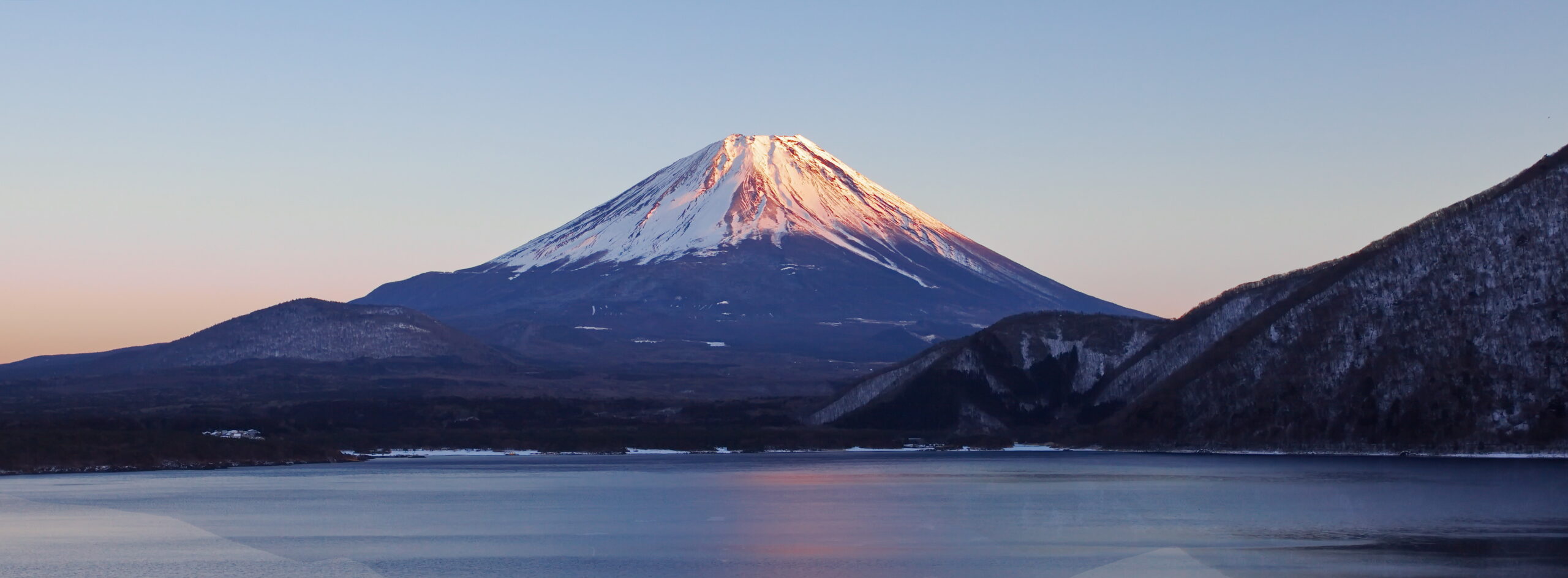
5 Mountains That Are Actually Harder Than They Look
The most dangerous mountains aren’t always the ones that look hardest. Some of the deadliest peaks on Earth are famous, photogenic, or sold as “walk-ups” — and that gentle reputation is exactly what gets people into trouble. Here are five mountains climbers routinely underestimate, and the hidden reasons each is tougher than it seems.
Reputation is not difficulty. A mountain can be famous, beautiful, or technically “easy” and still be lethal — because of altitude, weather, objective hazard, or sheer endurance. The five below all hide a hard mountain behind a gentle face, and underestimating them is the single biggest mistake climbers make on each.
📑 The Five
Why “Easy-Looking” Mountains Catch People Out
Climbers and hikers tend to judge a mountain by two things: how steep and technical it looks, and how famous it is. Both are misleading. A peak with no ropework can still sit at an altitude where the body fails; a gentle-looking glacier can hide crevasses; a postcard volcano can be raked by rockfall; a “bucket-list” tourist mountain can be brutally cold and crowded. The danger isn’t just the terrain — it’s the gap between what people expect and what the mountain actually delivers.
That gap is where accidents happen. Underestimation leads to the wrong gear, too few acclimatisation days, a forecast ignored, a turnaround time blown. None of the five mountains below is the “hardest” in the world — and that’s the point. They are dangerous precisely because they don’t look it. Read each alongside our mountain difficulty ratings guide, which exists to replace reputation with something measurable.
1. Mount Fuji — The Tourist Trap
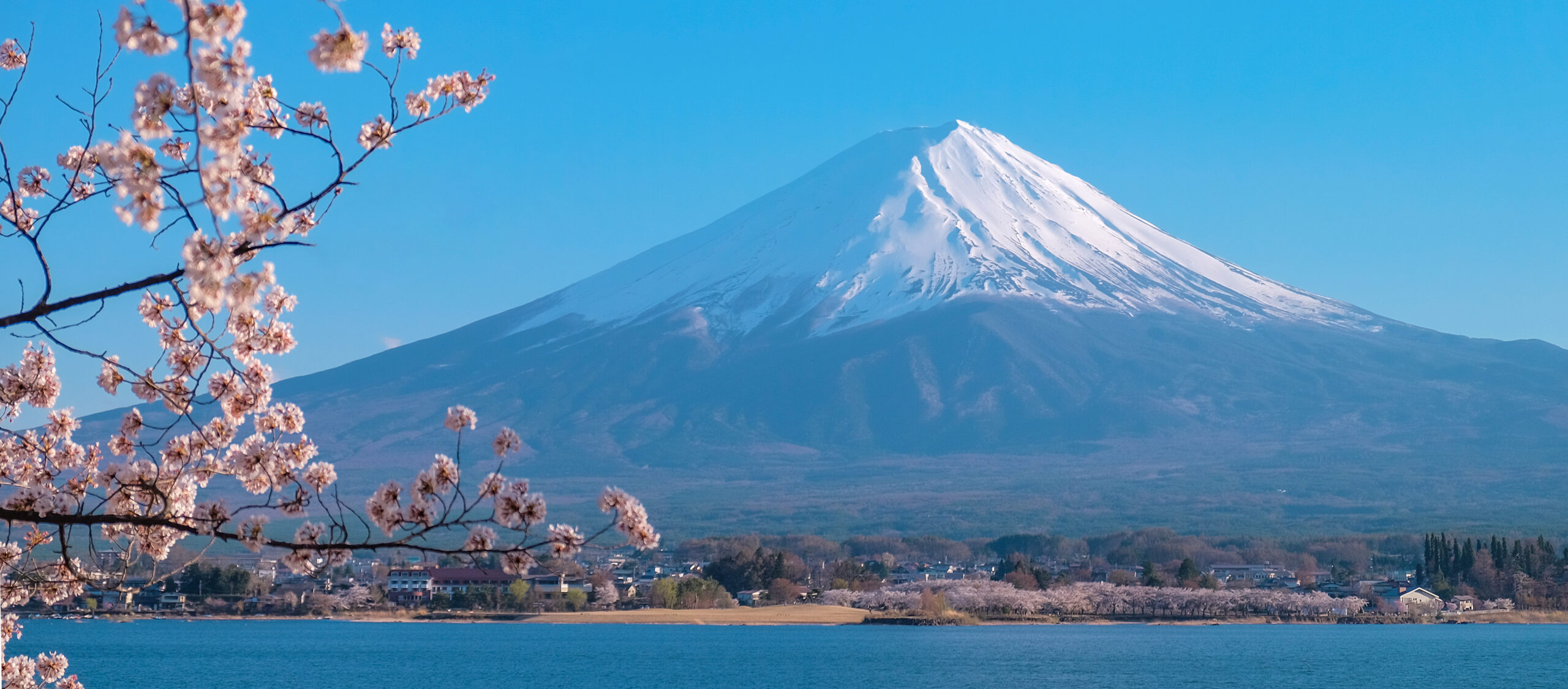
The reputation: Japan’s sacred icon, the most-climbed mountain on the planet, and a near-mandatory photo for visitors. Hundreds of thousands walk up it each summer, many with no mountain experience at all — it’s widely treated as a long but casual hike in trainers.
Why it’s actually harder: Fuji is non-technical, but at 3,776 m the altitude is high enough to make a meaningful share of climbers ill, and the summit is genuinely cold — below freezing with wind, even at the height of summer. The classic ascent is done overnight, to catch sunrise from the top, so people climb tired, in the dark, in the cold, on crowded trails where a slow queue can leave you stationary and chilling for hours. Every season brings altitude sickness, hypothermia, and exhaustion cases among the unprepared.
The reality check: the crowds and casualties got serious enough that Japan introduced a climbing fee and daily caps for 2026, along with gate hours to stop reckless overnight “bullet climbing.” Fuji rewards the same respect as any high mountain: warm layers, a head torch, a sensible pace, and ideally a night in a mountain hut to break the altitude gain. Treat it as a hike and it bites; treat it as a small mountain and it’s a wonderful climb. See our Fuji routes guide and best-time-to-climb guide, or the head-to-head in Fuji vs Kilimanjaro.
2. Mount Rainier — The Pretty Volcano
The reputation: a glorious, glaciated cone looming over Seattle — the kind of mountain that looks like a scenic weekend objective for any fit hiker, and draws huge numbers of day visitors to its meadows and viewpoints.
Why it’s actually harder: Rainier is a serious, heavily glaciated mountaineering climb, not a hike. Its standard routes cross crevassed glaciers that demand rope teams, crampons, and ice-axe skills; they’re exposed to rockfall and serac danger; and the weather can swing from sunshine to whiteout in an hour. The altitude (4,392 m) and the sheer vertical gain — over 2,700 m from the usual trailhead — wear climbers down. Tellingly, only around half of those who set out for the summit actually make it.
The reality check: Rainier is so genuinely demanding that it’s a recognised training ground for Denali and Everest — climbers use it to rehearse glacier travel and altitude before the world’s biggest peaks. That should tell you everything: a mountain elite expeditions use as practice is not a casual outing. Compare it honestly in Rainier vs Denali and check the odds in our Rainier summit success rate breakdown.
3. Mont Blanc — The Deadly “Walk-Up”
The reputation: the highest mountain in the Alps, and one routinely marketed as an accessible “walk-up” — a fit hiker’s trophy that can be bagged in a long weekend with a guide. Thousands attempt it every summer.
Why it’s actually harder: the popular Goûter route crosses the notorious Grand Couloir, a gully so frequently swept by rockfall that it has earned the grim nickname the “Couloir of Death.” Beyond it, the climb is a true high-alpine undertaking: glaciated terrain with hidden crevasses, altitude nearing 4,808 m, fast-moving storms that strand climbers, and heavy crowds that slow everything down at exactly the wrong moments. None of this is “technical” in the extreme sense — and yet people die here regularly.
The reality check: Mont Blanc has one of the highest death tolls of any mountain in the Alps, the accumulated price of so many under-prepared parties on an objectively hazardous route. The word “walk-up” does it a dangerous disservice. Anyone heading up should treat it as the serious glaciated climb it is — see our Goûter route conditions and the full expedition breakdown, and weigh it against its sharper neighbour in Mont Blanc vs Matterhorn.
4. Mount Kilimanjaro — The Altitude Trap
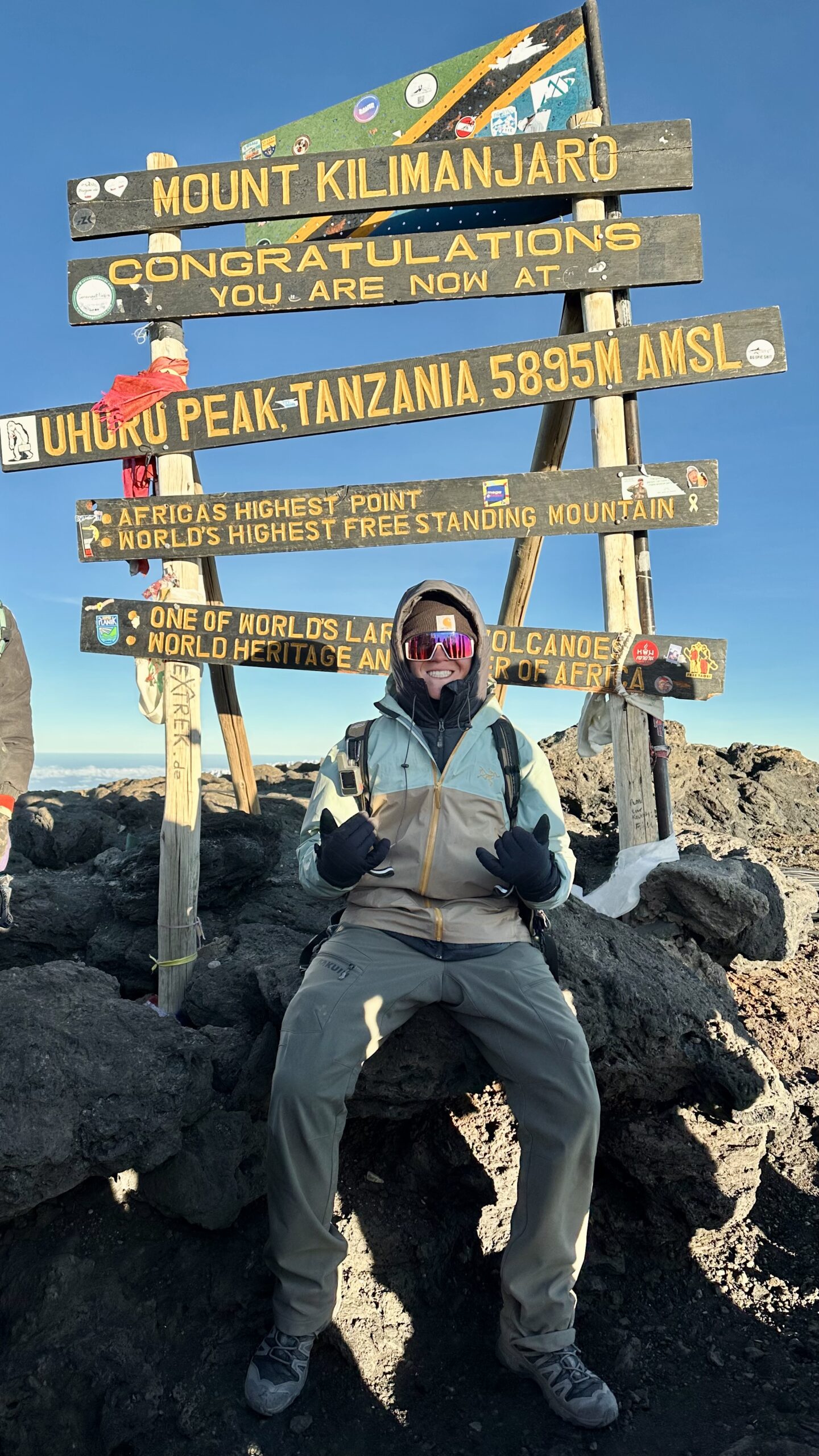
The reputation: the highest mountain in Africa and the world’s most famous “walk-up” — the big peak that, the story goes, anyone reasonably fit can climb because it needs no ropes, crampons, or technical skill. That reputation pulls in tens of thousands of trekkers a year.
Why it’s actually harder: the lack of technical difficulty is real — and almost beside the point. At 5,895 m, Kilimanjaro is high enough that altitude is the great equaliser, and it humbles the fit and unfit alike. A large share of climbers never reach the summit, plenty are evacuated with altitude sickness, and people genuinely die here each year from HACE and HAPE — the high-altitude brain and lung emergencies. The cruel twist is that strong, fit people sometimes fare worse, because they push too fast for their bodies to adapt.
The reality check: on Kilimanjaro, the variable that most predicts success isn’t fitness — it’s how many days you take to go up. Rushed five-day itineraries have far lower summit and safety rates than seven- or eight-day routes that build in acclimatisation. The mountain is absolutely climbable by ordinary people; it just demands respect for altitude that its “anyone can do it” billing actively discourages. Start with our Kilimanjaro climbing guide and understand the physiology in acclimatisation explained.
5. Aconcagua — “Non-Technical” ≠ Easy

The reputation: at 6,961 m, Aconcagua is the highest peak outside the Himalaya and Karakoram, and it’s famous as the highest non-technical mountain in the world — a summit you can reach, by the normal route, without ever roping up. To many that reads as “the easiest way to climb really high,” and the mountain draws crowds of climbers chasing their first big altitude.
Why it’s actually harder: “non-technical” describes the climbing, not the difficulty. Aconcagua is nearly 7,000 m — deep into serious altitude — and it sits in the path of brutal, sustained wind and cold, including the infamous Viento Blanco, a white-out storm that can pin or kill a team. Summit day is enormously long and punishing, and the summit success rate is often only around a third. People die on Aconcagua most years, frequently from altitude illness, cold, or exhaustion brought on by treating a near-7,000 m peak as a walk.
The reality check: Aconcagua may be the most dangerously underestimated mountain on this list, precisely because “non-technical” gets mistaken for “safe.” It demands genuine acclimatisation, real cold-weather kit, and the judgement to turn around in the wind. Get the full picture in our Aconcagua climbing guide, the odds in our success-rate analysis, and the conditions in normal route conditions.
The Common Thread
Line these five up and the pattern is impossible to miss. Three of them — Fuji, Kilimanjaro, Aconcagua — are non-technical, and it’s the altitude that does the damage. Two — Rainier and Mont Blanc — look like scenic outings but are real glaciated climbs with hidden, lethal hazards. In every case, the danger lives in the gap between a gentle reputation and a serious reality.
- Judge the mountain, not its fame. “Walk-up,” “non-technical,” and “bucket-list” tell you nothing about altitude, weather, or hazard.
- Respect altitude above all. On the non-technical giants, acclimatisation days beat fitness every time.
- Read the hidden hazards. Rockfall couloirs, crevasses, and storms kill more people on these peaks than hard climbing does.
- Use a real difficulty rating. Replace reputation with something measurable before you commit.
That last point is the whole reason difficulty ratings exist. Our Mountain Difficulty Ratings Guide breaks down how the grading systems actually work — technical grade, altitude, hazard, and commitment — so you can size up any peak honestly instead of trusting its reputation. If you take one link from this article, take that one.
How We Picked Them
Our method.
- Selection favoured mountains with a wide gap between public reputation and real difficulty – famous “walk-ups” and photogenic peaks that data and experience show to be seriously demanding.
- Informed by real search behaviour: these are peaks people actively compare and question (“is X harder than Y,” “non-technical mountain climbs”), confirming the reputation-versus-reality gap is real.
- Figures are approximate – summit success rates, fatality counts, and altitudes vary by source, route, and season; treat them as honest ballparks, not precise statistics.
- Research-based, with first-hand Kilimanjaro experience on the team. Last verified July 3, 2026.
Underrated Mountains FAQ
What is the most underrated difficult mountain?
Aconcagua. Billed as the highest non-technical peak on Earth, it’s widely read as ‘easy’ – but at nearly 7,000 m, with ferocious wind and a summit success rate often around a third, it kills several climbers a year. ‘Non-technical’ means no ropework, not low difficulty.
Is Kilimanjaro actually hard to climb?
Yes – harder than its ‘anyone can do it’ billing. It needs no technical skill, but at 5,895 m the altitude is the real test: many climbers don’t summit, evacuations are common, and deaths from HACE and HAPE happen yearly. Acclimatisation days matter more than fitness.
Why is Mont Blanc dangerous if it’s not technical?
Its standard Gouter route crosses the rockfall-raked Grand Couloir – the ‘Couloir of Death’ – and adds altitude near 4,800 m, crevasses, storms, and crowds. It has one of the highest death tolls of any Alpine mountain despite its accessible reputation.
Is Mount Fuji a hard climb?
Harder than tourists expect. It’s a non-technical walk, but at 3,776 m altitude affects many, the summit is freezing even in summer, the classic climb is overnight, and trails are crowded – which is why Japan added fees and caps for 2026.
What makes a mountain ‘harder than it looks’?
A gap between reputation and reality. A peak can look gentle, be a famous ‘walk-up,’ or carry no technical grade and still be deadly through altitude, weather, rockfall, crevasses, or endurance. Underestimating a mountain is itself a major hazard.
How do mountain difficulty ratings work?
They combine technical grade, altitude, objective hazard, and commitment into a comparable scale so you can judge a peak against your experience. Our Mountain Difficulty Ratings Guide explains the systems and compares the major peaks.
About the Author
Don’t Let a Mountain’s Reputation Fool You
The peaks that catch people out are rarely the scary-looking ones — they’re the friendly-sounding ones. Before you pick your next objective, judge it on the facts, not the postcard.
Read the Difficulty Ratings Guide → Which mountain should you climb? →Five Mountains That Look Easier Than They Really Are
None of these five is difficult for the same reason. Fuji compresses altitude into a short trip. Rainier hides glacier systems behind a scenic volcano. Mont Blanc combines an accessible grade with objective hazard. Kilimanjaro is an acclimatization problem. Aconcagua is an expedition problem.
| Mountain | Normal route | Grade / style | Typical duration | Elevation / gain | Key hidden hazard | Normal season | Permit / access reality | Guide need | Readiness standard |
|---|---|---|---|---|---|---|---|---|---|
|
Mount Fuji
High-altitude hike | Yoshida Trail is the infrastructure-heavy default for many first-time climbers. | Non-technical mountain trail. No rope or glacier skills in the official summer season. | Roughly 10–11 hours of ascent + descent movement for a one-day effort. Better first plan: 2 days with a mountain-hut night. | Summit: 3,776 m. Yoshida 5th Station: ~2,305 m. About 1,450 m net ascent. | Rapid altitude gain, summit cold/wind, fatigue and upper-mountain congestion. | Yoshida: July 1–September 10. Fujinomiya/Gotemba: July 10–September 10. | 2026 hiking fee: ¥4,000. Yoshida had a 4,000 climber/day cap and 2 PM–3 AM gate restriction unless staying in a hut. The three Shizuoka routes used the fee/time system but not the Yoshida 4,000-person cap. | Not universally required. Official Yoshida guidance recommends a guide for people without sufficient mountain knowledge or experience. | Comfortable with a long 8–12 hour mountain day, cold/wind layers, darkness, steep descent and sensible altitude pacing. |
|
Mount Rainier
Technical glacier climb | Disappointment Cleaver / Ingraham Direct system from Paradise via Camp Muir. | Technical glacier mountaineering. Rope-team travel, crampons and ice-axe systems are required. | Common first-attempt format: 3–4 days. High-camp summit round trip often takes roughly 8–12 hours. | Summit: 14,410 ft / 4,392 m. NPS states every summit route involves more than 9,000 ft / 2,740 m of gain and more than 10 miles of travel. | Crevasses, changing glacier route, rock/icefall, whiteout weather, altitude and descent fatigue. | Broadly spring through early summer for normal summit climbing. Route conditions determine the actual window. | 2026 climbing fee: $82 per person. Climbing permit required above 10,000 ft or on glaciers. Overnight climbs also require a wilderness permit. No timed-entry system anywhere in the park in 2026. | Guide not legally required. Independent teams need functional glacier rope travel, crevasse-rescue competence and route judgment. | Excellent fitness plus current crampon, axe, rope-team, glacier-navigation and crevasse-rescue skills. |
|
Mont Blanc
Alpine glacier climb | Goûter / Voie Normale via Tête Rousse and Goûter Refuge. | PD / PD+ normal-route reference. Moderate Alpine grade; serious objective hazard. | Normal summit phase: 2–3 days once prepared. Strong first-attempt program: 5–9 days including acclimatization and preparation. | Summit: about 4,806 m. Nid d’Aigle: 2,372 m. Roughly 2,430 m vertical from normal walking start to summit. | Grand Couloir rockfall, glacier terrain, crevasses, altitude, fast weather changes and exposed Bosses Ridge. | Broadly June–September. Heat-driven rockfall can materially change whether the Goûter is appropriate. | No universal summit royalty. Normal-route hut access is regulated with compulsory identity-linked reservations; reservation proof and ID should be carried. | Not universally mandatory. Independent ascent only makes sense for climbers already competent in glacier travel, crampons, navigation, self-arrest and alpine judgment. | Current glacier competence, long-day fitness, acclimatization, safe crampon movement and ability to make a conservative go/no-go decision. |
|
Kilimanjaro
High-altitude trek | Lemosho is the strongest default here because its longer schedule gives better acclimatization. | Non-technical trekking. No normal rope, glacier or rock-climbing requirement. | 7–8 days is the strong Lemosho planning range. Summit + descent day can become a 12–14 hour effort. | Uhuru Peak: 5,895 m. Lemosho western approach starts around 2,100 m, creating roughly 3,800 m of net altitude gain. | Altitude illness, poor recovery, cold and accumulated fatigue before a long summit night. | Most favorable broad windows: January–March and June–October. | Tanzania park/operator system applies. Kilimanjaro is not an independent solo trek; climbs use licensed operator/guide support. | Required guided operator structure. | Strong multi-day hiking fitness, disciplined pacing, ability to eat/sleep at altitude and willingness to use a conservative 7–8 day itinerary. |
|
Aconcagua
High-altitude expedition | Normal Route via Horcones and Plaza de Mulas. | Non-technical under normal summer conditions. That means no normal technical rope climbing; it does not mean easy. | Responsible expedition: roughly 18–21 days including acclimatization. | Summit: 6,961–6,962 m. Roughly 4,000 m net rise from the Horcones access area. | Extreme altitude, Viento Blanco, dry cold, exhaustion and a long descent after summit effort. | Core climbing window: December–February. | Climbing permit required. Current 2026/27 foreign Normal Route reference: $950 presale through September 15, 2026; $1,285 season price. | Strongly recommended for first attempts. Experienced independent teams should verify current park, service and permit rules before planning without a guide. | Prior evidence of functioning around 5,000–6,000 m, multi-week expedition fitness, cold/wind systems, load carrying and conservative altitude judgment. |
Three Details Matter Right Now
Difficulty is not static. Access rules, glacier routes and rockfall conditions can change the practical seriousness of even a familiar mountain.
The official climbing season ended September 10. The summit trails are now closed outside the designated season. The 4,000-person daily cap applied specifically to Yoshida; the Shizuoka trails did not use that same cap.
Glacier travel or climbing above 10,000 feet requires the climbing permit system, and overnight teams also need a wilderness permit. The park did not implement timed-entry reservations in 2026.
Tête Rousse and Goûter reopened after an August closure related to rockfall danger. FFCAM explicitly warns that administrative reopening does not mean the route is free of risk. Current conditions still control the decision.
Hides rapid altitude gain, freezing summit conditions and a very long mountain day.
Hides crevasses, rope-team systems and more than 9,000 feet of climbing.
Hides objective rockfall and glacier danger that fitness cannot remove.
Hides a 5,895-meter physiological problem that fitness alone cannot solve.
Hides expedition altitude, wind, cold and almost three weeks of cumulative stress.
If One of These Is Your Mountain, Go One Level Deeper
Do not stop at “harder than expected.” Open the route, condition or progression page that explains the exact variable you need to solve before booking.
Solve access + altitude
Pick the right trail, use the official season, and avoid compressing the climb purely to chase sunrise.
Solve glacier competence
The question is not whether you are a strong hiker. It is whether the team can move and respond safely on an active glacier.
Solve current conditions
PD/PD+ describes technical difficulty. It does not neutralize the Grand Couloir, glacier condition or weather.
Solve acclimatization
Technical equipment is not the bottleneck. Itinerary length, pacing and altitude response are the important decisions.
Solve expedition readiness
“No technical climbing” does not remove nearly 7,000 meters of altitude, extreme wind or multi-week expedition fatigue.
Four Checks That Matter More Than the Mountain’s Reputation
The five examples use different terrain, but the planning sequence is the same: understand the actual grade, confirm weather, match equipment to that terrain and model the complete trip rather than the summit photo.
Reputation Is a Starting Point — Not a Difficulty Rating
Use these comparisons to move from “that mountain looks doable” to an evidence-based decision about altitude, technical skills, objective hazard and progression.