Last updated October 9, 2026

St. Olav’s Ways vs Camino de Santiago: Which Pilgrimage Should You Walk?
Choose the Camino de Santiago if you want the world’s deepest pilgrim infrastructure, a large moving community and the freedom to change stages as you go. Choose St. Olav’s Ways if you want a quieter Nordic pilgrimage through farms, forests and mountain country where smaller hostels, colder weather and the Dovrefjell plateau make the journey feel more independent.
Walk the Camino for Community. Walk St. Olav’s Ways for Solitude.
The Camino de Santiago is the easier first long pilgrimage for most travelers. On the major routes, pilgrim lodging, cafés, grocery stores, luggage transfer, public transport and waymarking make it possible to change a stage without rebuilding the entire trip.
St. Olav’s Ways is the stronger choice when quiet, landscape and a smaller pilgrim culture are the reason you are going. Gudbrandsdalsleden crosses 643 kilometres from Oslo to Trondheim through forest, agricultural valleys, medieval churches, traditional farms and Dovrefjell before arriving at Nidaros Cathedral.
These are similar-length pilgrimages with very different social systems. The Camino surrounds the walker with infrastructure. St. Olav’s asks the walker to become more comfortable with space.
Neither “St. Olav’s Ways” Nor “Camino de Santiago” Is One Trail.
St. Olav’s Ways is the Norwegian pilgrimage network leading toward Nidaros Cathedral in Trondheim. The official Norwegian system currently lists nine historic routes, including Gudbrandsdalsleden, St. Olavsleden, Østerdalsleden, Tunsbergleden and the Coastal Pilgrim Route.
The Camino de Santiago is likewise a network: the Francés, Portugués, Norte, Primitivo, Inglés and other historic approaches eventually move toward Santiago de Compostela.
Comparing entire networks can become vague very quickly, so this page uses their clearest long-route benchmarks: Gudbrandsdalsleden for St. Olav’s Ways and the Camino Francés for Santiago.
That produces a useful surprise. These routes are actually close enough in total scale to compare. What separates them is not primarily distance. It is infrastructure, social density, climate and daily flexibility.
Compare the Pilgrimage System, Not Just the Kilometres.
Both can consume a month of your life. The difference is what surrounds you while you walk it.
St. Olav’s Ways vs Camino de Santiago
This table uses Gudbrandsdalsleden and the Camino Francés for full-route scale while flagging differences across each network.
| Factor | St. Olav’s Ways | Camino de Santiago |
|---|---|---|
| Main benchmark | Gudbrandsdalsleden · Oslo → Trondheim. | Camino Francés · Saint-Jean-Pied-de-Port → Santiago. |
| Benchmark distance | 643 km. | ≈780 km. |
| Full-route time | About 32 days. | About 32–38 days. |
| Destination | Nidaros Cathedral · Trondheim. | Cathedral of Santiago de Compostela. |
| Religious tradition | Christian pilgrimage associated with St. Olav. | Christian pilgrimage associated with St. James. |
| Trail network | Nine official Norwegian pilgrimage paths. | Multiple recognized routes from Spain, Portugal, France and beyond. |
| Social density | Low. Long periods of quiet walking are normal. | High on major routes, especially the Francés and final approaches. |
| Lodging density | Smaller pilgrim hostels, farm stays, cabins and hotels. | Dense albergue, pension, hotel and hostel system on major routes. |
| Advance booking | More important because small lodgings may have very few beds. | Route dependent; major Caminos permit more improvisation outside peak bottlenecks. |
| Mountain terrain | Dovrefjell materially changes the Gudbrandsdalsleden journey. | Varies by route; Francés includes Pyrenees and later mountain sections. |
| Main season | Primarily June–early September. | Much broader; route and climate determine the best month. |
| Food system | Some longer service gaps; hostel meals and self-catering matter. | Cafés, restaurants and stores are deeply integrated into major routes. |
| Luggage transfer | Available on selected stretches, not seamless network-wide. | Widely available on popular Camino routes. |
| Completion document | Olav Letter. | Compostela for qualifying pilgrims. |
| Walking threshold | Final 100 km to Trondheim for the Olav Letter. | At least 100 continuous km on foot on a recognized route into Santiago for Compostela eligibility. |
| Best for | Solitude, Nordic landscape, farms, forest and a smaller pilgrimage culture. | Community, infrastructure, route choice and flexible first-pilgrimage planning. |
Camino de Santiago
Dense services and lodging make it easier to learn how your body responds to long pilgrimage.
St. Olav’s Ways
Norway gives you more empty trail, intimate pilgrim lodging and fewer moving crowds.
Camino → St. Olav
Learn the pilgrimage rhythm in Spain, then take those skills into a quieter Nordic system.

St. Olav’s Ways Eventually Stops Feeling Like a Camino Comparison.
Once Gudbrandsdalsleden reaches Dovrefjell, snow, wind, sparse services and open mountain terrain become part of the pilgrimage. This is the section that gives the Norwegian journey its strongest physical identity.
Pilgrim path over Dovrefjell · Jensens / Wikimedia Commons · public domain.The Camino Creates a Moving Community. Norway Creates Space Around You.
Both routes build ritual through repetition. What changes is how many other people participate in that rhythm with you.

A Pilgrimage Through Hosts, Farms & Landscape.
Gudbrandsdalsleden begins in Oslo and gradually becomes more rural as it moves toward Lake Mjøsa, Lillehammer and Gudbrandsdalen.
Smaller accommodations make individual hosts more visible. A farm stay or six-bed pilgrim hostel can become part of the memory rather than simply the place you slept.

A Pilgrimage Built Around Repeated Encounters.
The Camino Francés creates a moving social system: walkers separate during the morning, cross paths at cafés, share albergues and often see the same people again days later.
Walking alone rarely means being socially isolated, particularly on the Francés and Portugués.
St. Olav’s Is More Mountain-Dependent. The Camino Is More Mileage-Dependent.
Neither benchmark requires technical climbing, but each places stress on the walker differently.
| Difficulty factor | Gudbrandsdalsleden | Camino Francés |
|---|---|---|
| Full distance | 643 km. | ≈780 km. |
| Technical level | Non-technical walking. | Non-technical walking. |
| Main physical problem | Long journey plus Norwegian weather and mountain terrain. | Repeated long days across more total kilometres. |
| Mountain crux | Dovrefjell reaches roughly 1,200 m on exposed plateau terrain. | Pyrenees opening plus later mountain sections before Galicia. |
| Surface | Asphalt, forest paths, farm tracks, fields and mountain trail. | Roads, dirt tracks, stone, farm lanes and trail. |
| Weather consequence | Higher on Dovrefjell and in exposed Nordic conditions. | Strongly route- and season-dependent; heat can dominate inland Spain. |
| Service gaps | Longer, particularly in mountain sections. | Generally short on popular routes. |
| Ease of stopping early | Train access helps much of Gudbrandsdalsleden, but not every stage. | Very strong on major Camino routes. |
| Difficulty edge | Harder environmental system. | Longer cumulative benchmark journey. |
Gudbrandsdalsleden is still a walking pilgrimage suitable for prepared hikers. Its extra seriousness comes from weather, accommodation spacing and the mountain plateau—not ropes, scrambling or mountaineering.

Gudbrandsdalsleden Begins With a Destination Already Measured.
Near the ruins of St. Hallvard’s Cathedral, the Oslo milestone points toward Nidaros. From that moment the pilgrimage is no longer an abstract month-long walk: Trondheim is 643 kilometres ahead.
Ruin Park, medieval Oslo · Helge Høifødt / Wikimedia Commons · public domain.This May Be the Biggest Difference Between the Two Pilgrimages.
Camino scale is measured in hundreds of thousands. St. Olav’s official organization still describes plenty of room for more pilgrims.
You can seek solitude on a quieter Camino route and find company at Norwegian pilgrim centers, but the baseline experience remains different. If meeting other walkers every day is essential to you, the Camino is the safer choice.
Spain Gives You Route Choices Across the Calendar. Norway Gives You a Summer Pilgrimage.
The Camino’s size creates seasonal alternatives. Gudbrandsdalsleden is constrained far more directly by Nordic weather.
| Calendar factor | St. Olav’s Ways | Camino de Santiago |
|---|---|---|
| Main season | June 1–September 1 is the core Gudbrandsdalsleden recommendation. | Varies by route; spring and autumn are excellent on many Caminos. |
| Early June | Dovrefjell may still be unsuitable or not fully operational. | Strong on many routes. |
| Mid-summer | Prime season with long daylight. | Busy; heat can become important inland. |
| August | Excellent, though mountain weather can always turn cold. | Very busy on popular routes; northern Caminos can be attractive. |
| September | Usable early, but services begin closing and snow risk rises. | One of the strongest Camino months. |
| Winter | Not the normal full-route pilgrimage system. | Possible on selected Camino routes with reduced services and weather tradeoffs. |
| Weather concern | Cold rain, wind, snow, meltwater and Dovrefjell exposure. | Heat, rain, snow on high sections and route-specific seasonal conditions. |
The main route guidance says not to cross on foot before June 10, while local Dovrefjell guidance can be more conservative as bridges, snowmelt and wild-reindeer considerations change. Mid-June or later gives a stronger planning margin.
The Camino’s Great Advantage Is That Ordinary Life Keeps Appearing Beside the Trail.
A café, pharmacy, grocery store, bus stop or alternative albergue can turn a difficult day into a manageable one. That flexibility is easy to underestimate until something goes wrong.
Camino Francés, A Castañeda · Simon Burchell / Wikimedia Commons · CC BY-SA 4.0.The Camino Lets You Improvise More. St. Olav’s Rewards Reservations.
Both traditions have pilgrim accommodation, but room inventory and service density are dramatically different.
| Daily-life factor | St. Olav’s Ways | Camino de Santiago |
|---|---|---|
| Pilgrim lodging | Farm hostels, simple cabins, pilgrim houses, campsites and hotels. | Public, parochial and private albergues plus pensions and hotels. |
| Bed inventory | Some pilgrim hostels have very few beds. | Often much deeper on major routes. |
| Booking strategy | Reserve ahead, especially where stages depend on one small hostel. | Hybrid booking often works: secure bottlenecks, leave ordinary stages flexible. |
| Food | Self-catering and prearranged meals become important on some stages. | Major routes pass frequent cafés, shops and restaurants. |
| Communal experience | Small groups and direct contact with hosts. | Large moving pilgrim community and repeated social encounters. |
| Camping | Useful option in Norway; rules and suitable sites still matter. | Not necessary for the standard Camino experience. |
| Luggage support | Exists on selected stages. | Extensive on the major Camino routes. |
| Cost pressure | Norwegian food and lodging make budget discipline more important. | Wide accommodation range generally provides more low-cost options. |
Both Use a Pilgrim Passport. Both Have a 100 km Walking Threshold. The Meaning Is Not Identical.
Certificate rules are useful planning constraints, but neither certificate should become the sole reason for the pilgrimage.
Olav Letter
Carry the Norwegian pilgrim passport and collect stamps along the route.
To receive the Olav Letter, walkers document at least the final 100 km of an official St. Olav route into Trondheim and present the passport in person at the pilgrim reception near Nidaros Cathedral.
Compostela
The Cathedral’s traditional Compostela has both route-documentation and pilgrimage-purpose requirements.
Current rules require at least 100 continuous kilometres on foot or horseback on a recognized route into Santiago. The final 100 km must be properly documented in the accepted pilgrim credential, with the traditional Compostela intended for those making the journey for Christian religious or spiritual reasons.
They belong to different traditions and different issuing bodies. Treat each certificate according to its own rules rather than assuming the Camino and St. Olav systems are interchangeable.

St. Olav’s Ways Has One of Europe’s Great Pilgrimage Arrivals.
Nidaros Cathedral stands over the burial place associated with St. Olav and has drawn pilgrims for nearly a thousand years. The scale of the building makes sense of the road that leads to it.
Nidaros Cathedral · Donatingpictures / Wikimedia Commons · CC BY-SA 4.0.In 2027, the Camino Side of This Comparison Changes.
2027 is a Jacobean Holy Year in Santiago. That increases the importance of crowd, lodging and timing decisions.

The Camino Will Have an Extra Reason to Be Busy.
The next Compostela Holy Year begins with the opening of Santiago Cathedral’s Holy Door on December 31, 2026 and continues through 2027.
That matters for this comparison because the Camino already finished 2025 with more than half a million recorded Compostelas. No trustworthy official total exists yet for how many pilgrims will arrive in 2027, so do not plan around unsupported forecasts.
What can be planned around is obvious: popular Camino lodging and Santiago itself will face unusually strong demand.
If your goal is quiet reflection rather than participating in the energy of a Holy Year, Norway offers an unusually strong contrast. If the Holy Year is part of why you want to walk, the Camino is the obvious choice—just book strategically.

The Camino Has a Walking Language Millions of Pilgrims Already Understand.
Shells, arrows, credentials, albergues and Santiago itself make the Camino easy to enter culturally. St. Olav’s smaller system asks a little more from the traveler—but rewards that effort with intimacy.
Camino scallop waymarker · JensKunstfreund / Wikimedia Commons · CC BY-SA 4.0.Pack Light for Both. Give Norway a Larger Weather Margin.
Neither pilgrimage requires technical mountain equipment. The gear difference is mostly about how much cold, rain and self-sufficiency the system must handle.
Wet Terrain + Cold Mountain Weather
- Proven footwear with wet-ground grip
- Reliable waterproof shell
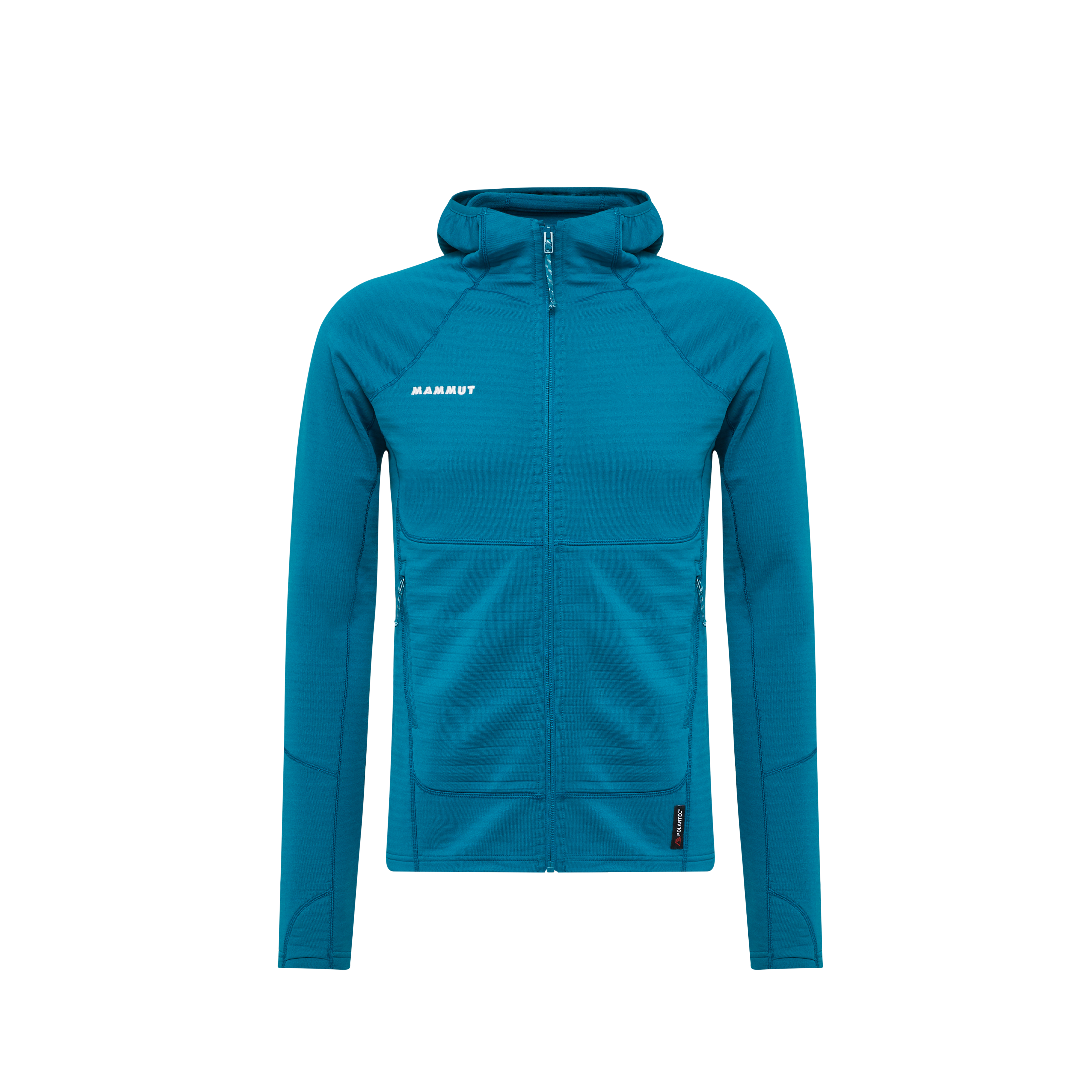
- Warm midlayer
- Hat and light gloves even in summer
- Pack liner or dry bags
- Navigation backup
- Food margin for longer service gaps
Foot Comfort + Low Pack Weight
- Proven shoes or light hikers
- Quality socks
- Blister system
- Light rain protection
- Sun protection
- Small repeatable clothing system
- Minimal unnecessary gear
Every Extra Item Walks Every Kilometer.
- Pack for the actual lodging plan.
- Do not carry wilderness gear simply because you own it.
- Test footwear before departure.
- Protect one completely dry sleep layer.
- Use luggage support if it keeps the pilgrimage sustainable.
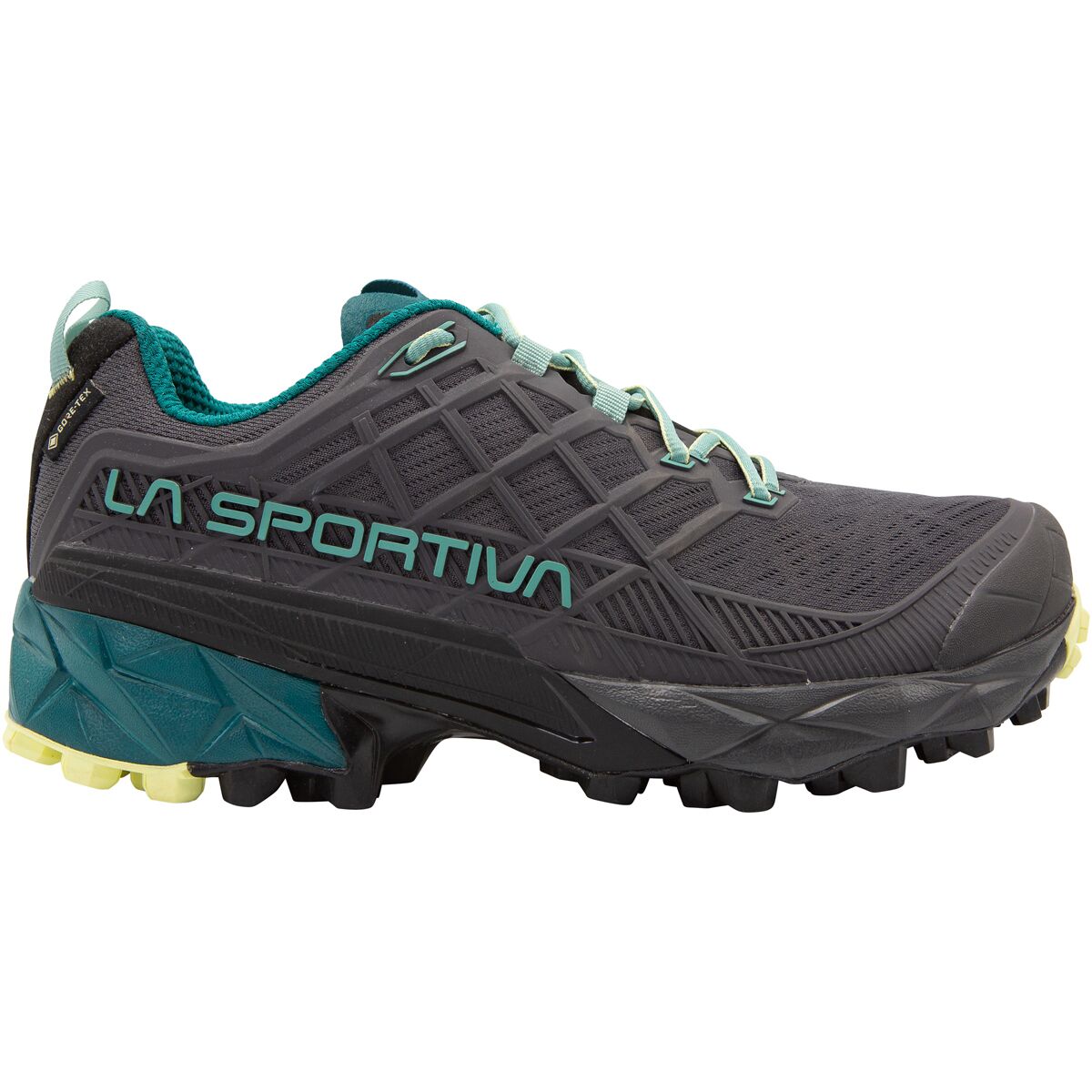
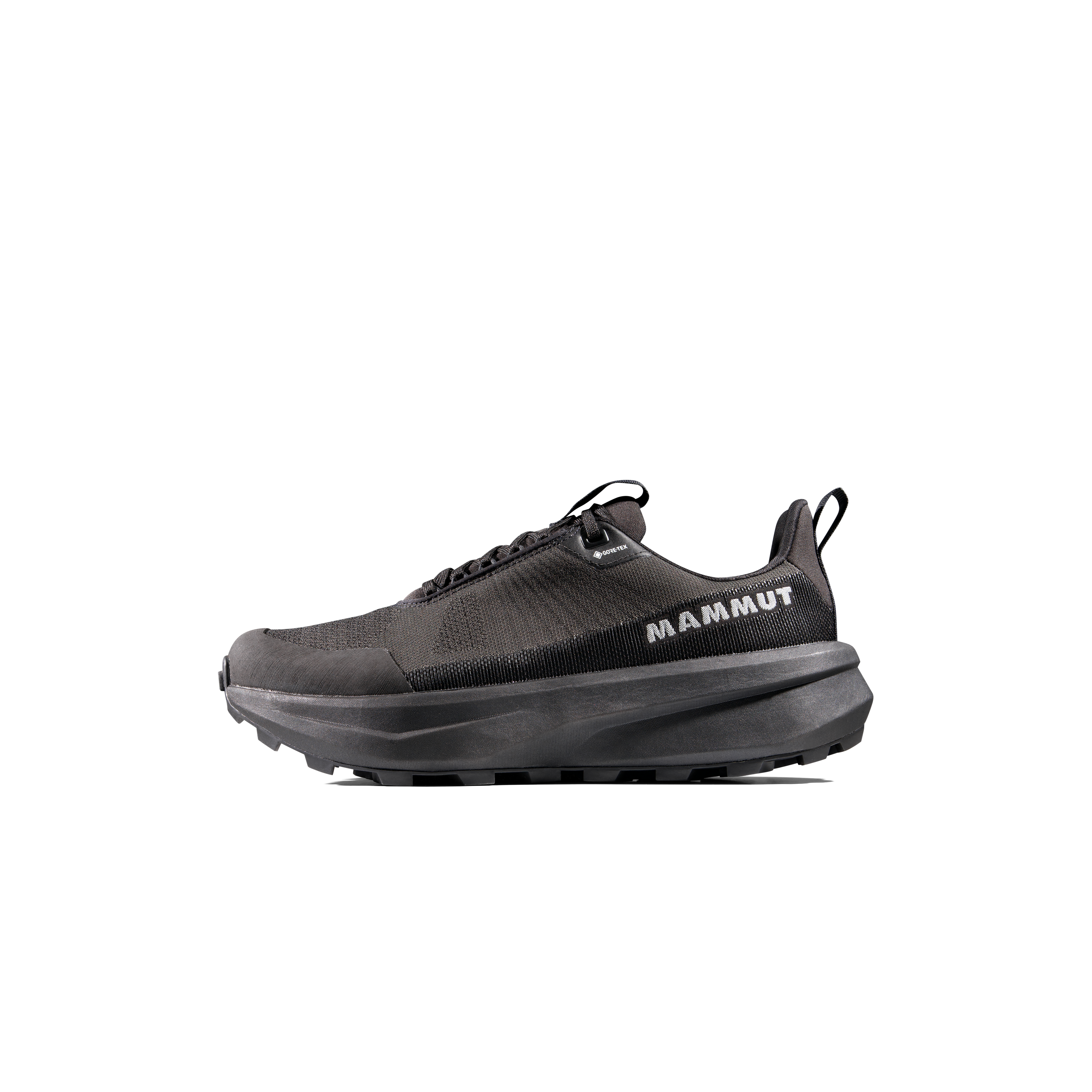
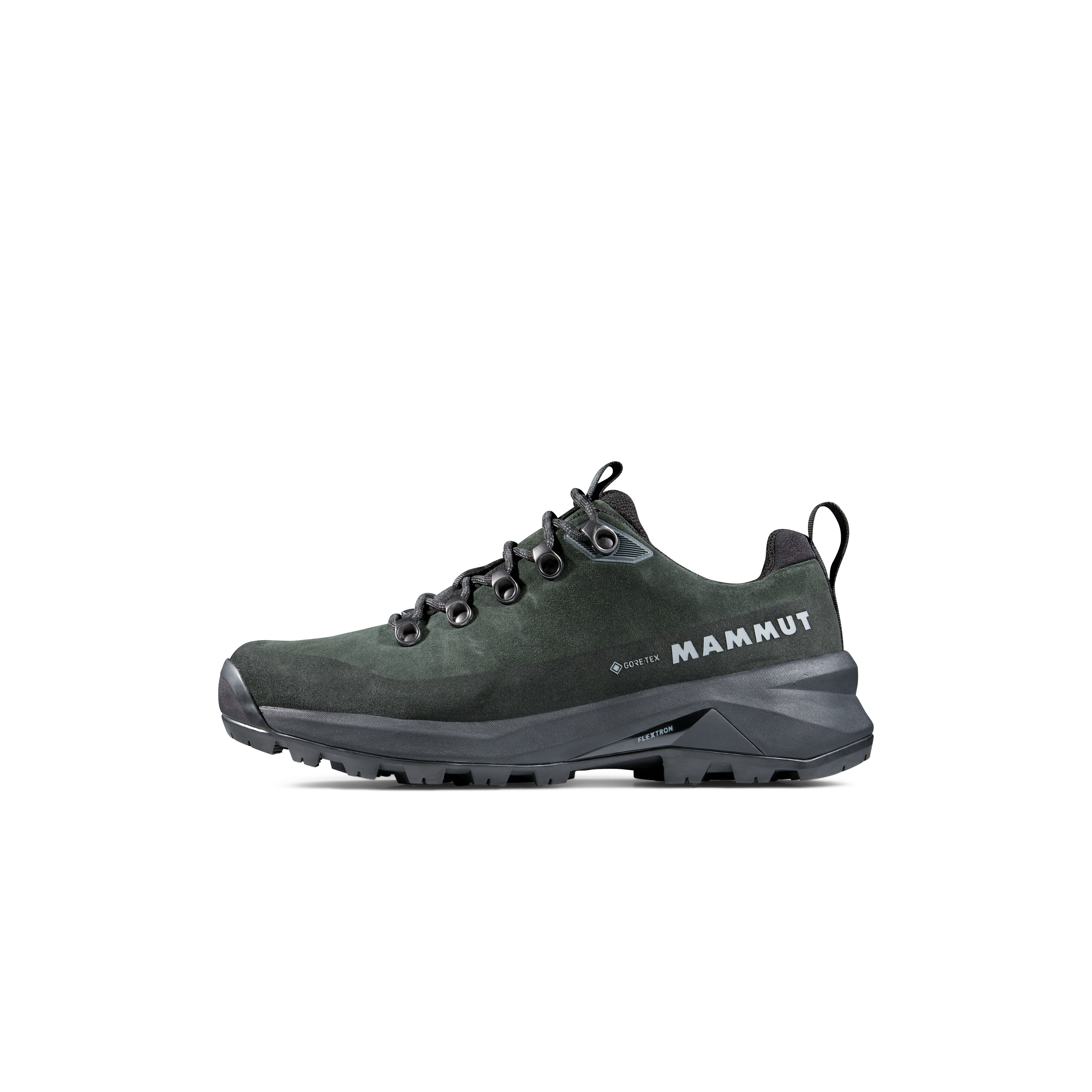
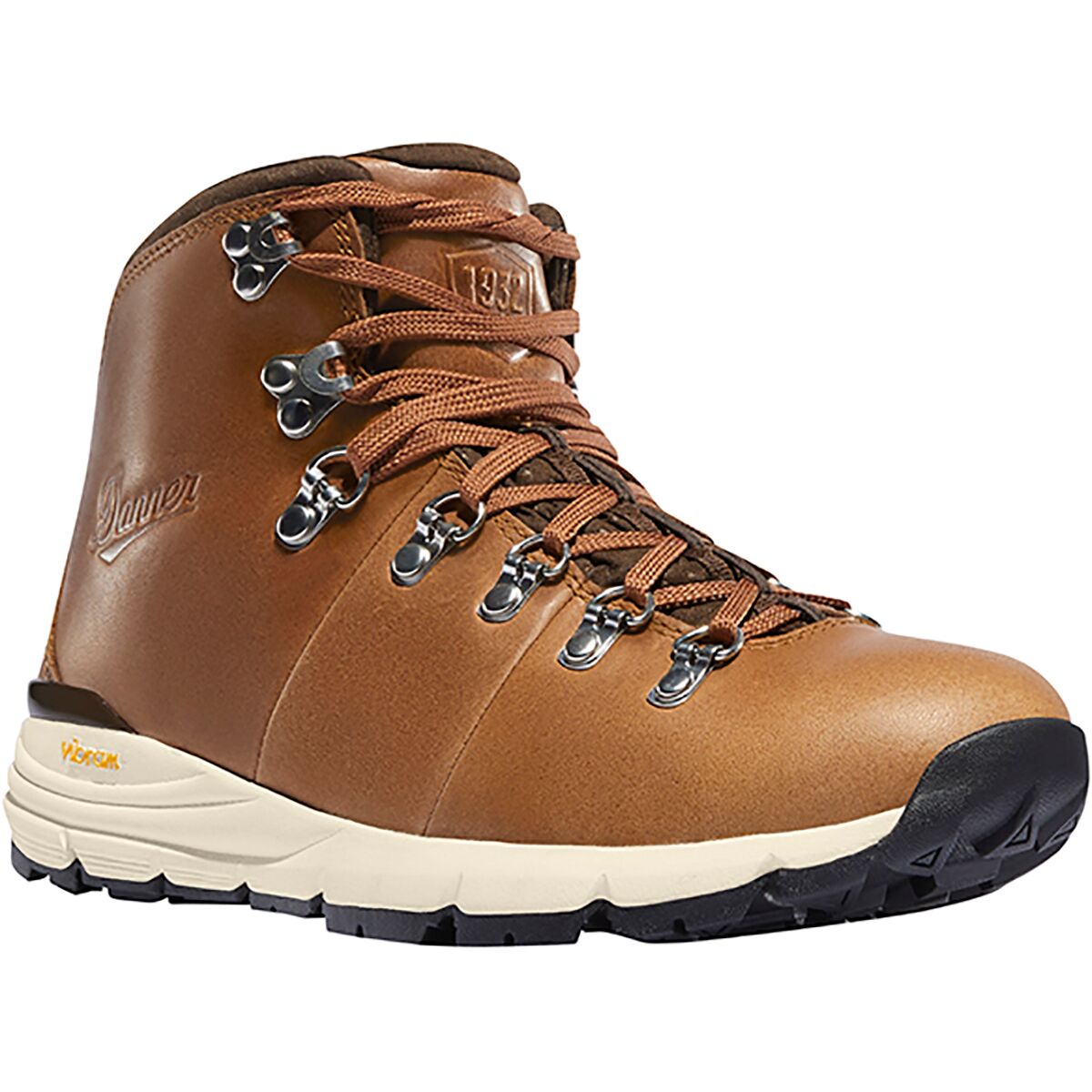
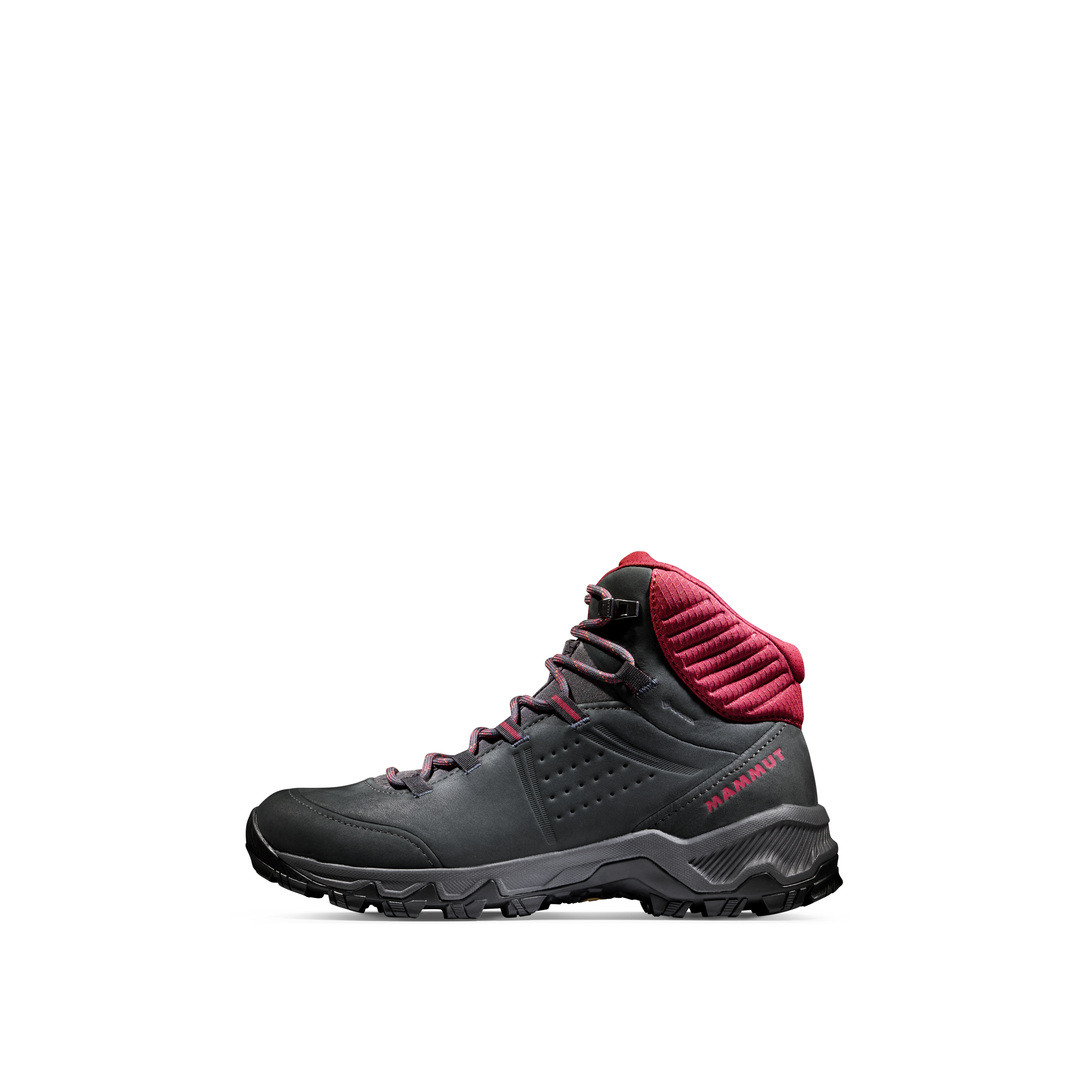
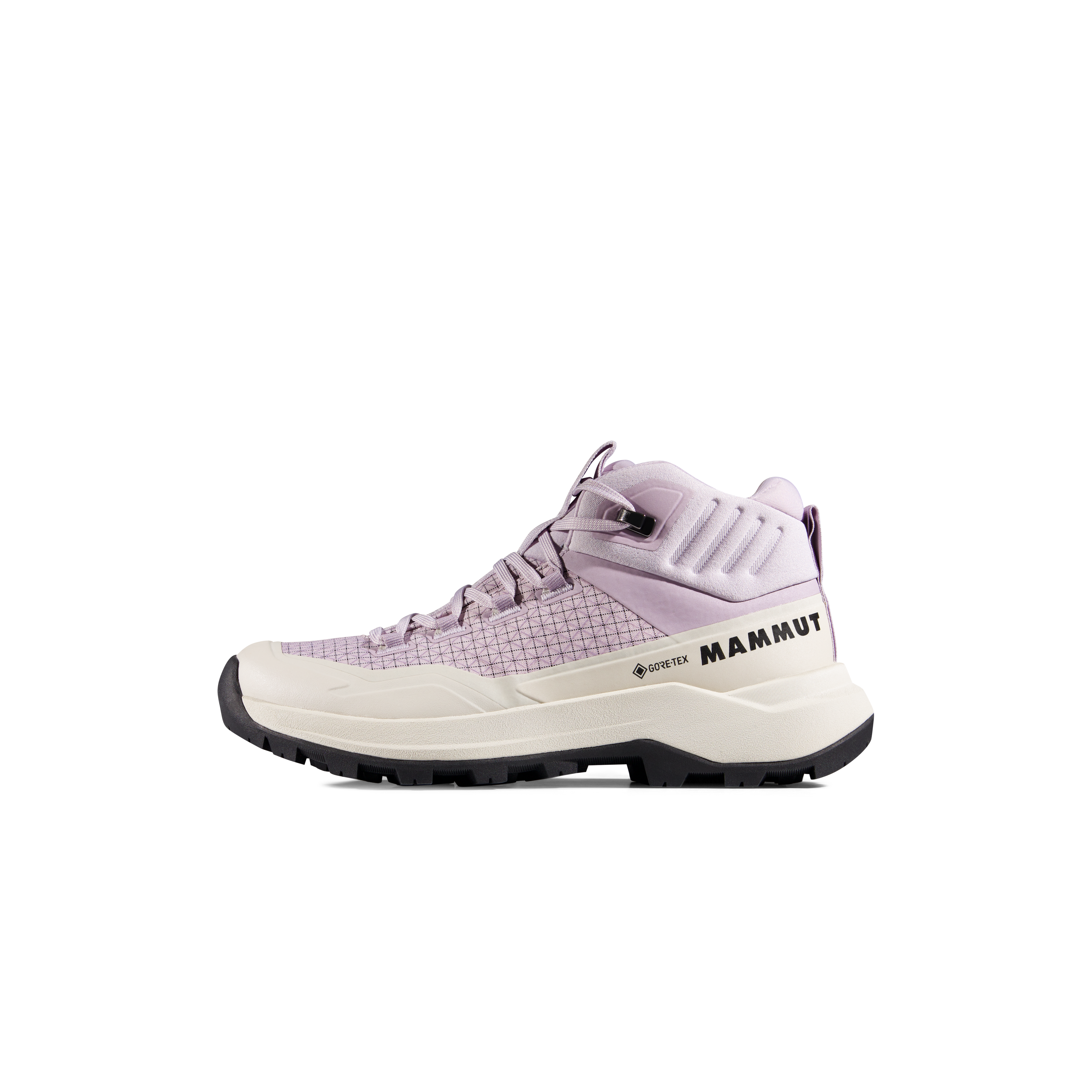
We may earn a commission if you buy through these links, at no extra cost to you. Affiliate disclosure

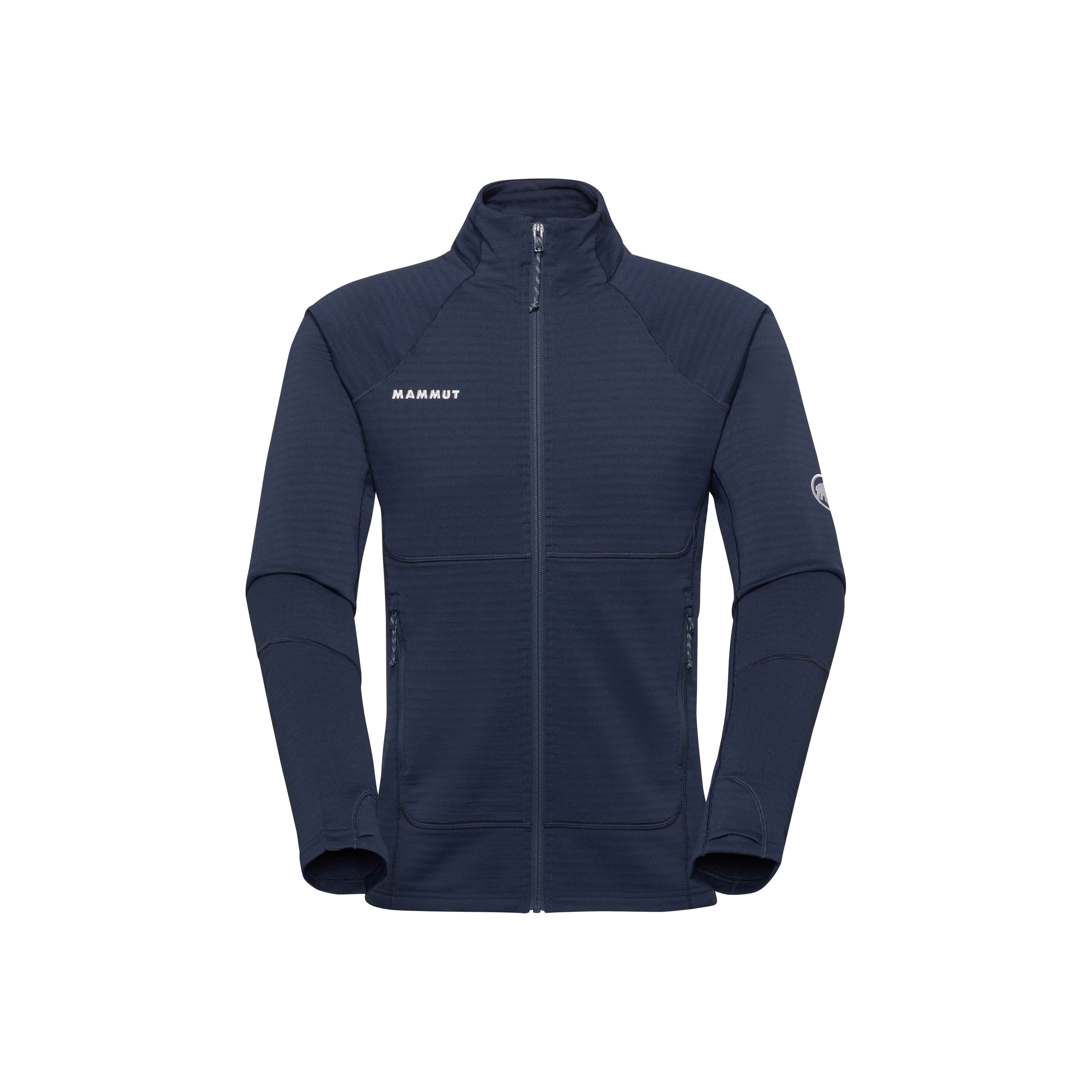
A Warm Layer Is Not an Optional “Just in Case” Item on Dovrefjell.
A comfortable day in Oslo does not tell you what the exposed Norwegian plateau will feel like several weeks later.
Even in the normal pilgrimage season, cold rain, wind and near-freezing mountain conditions are possible. A light warm layer that works beneath rain protection is far more useful than carrying duplicate casual clothing.
Camino walkers also need warmth on cool mornings and high sections, but the Nordic route gives this layer a larger safety role.
Dovrefjell pilgrim route · Jensens / Wikimedia Commons · public domain.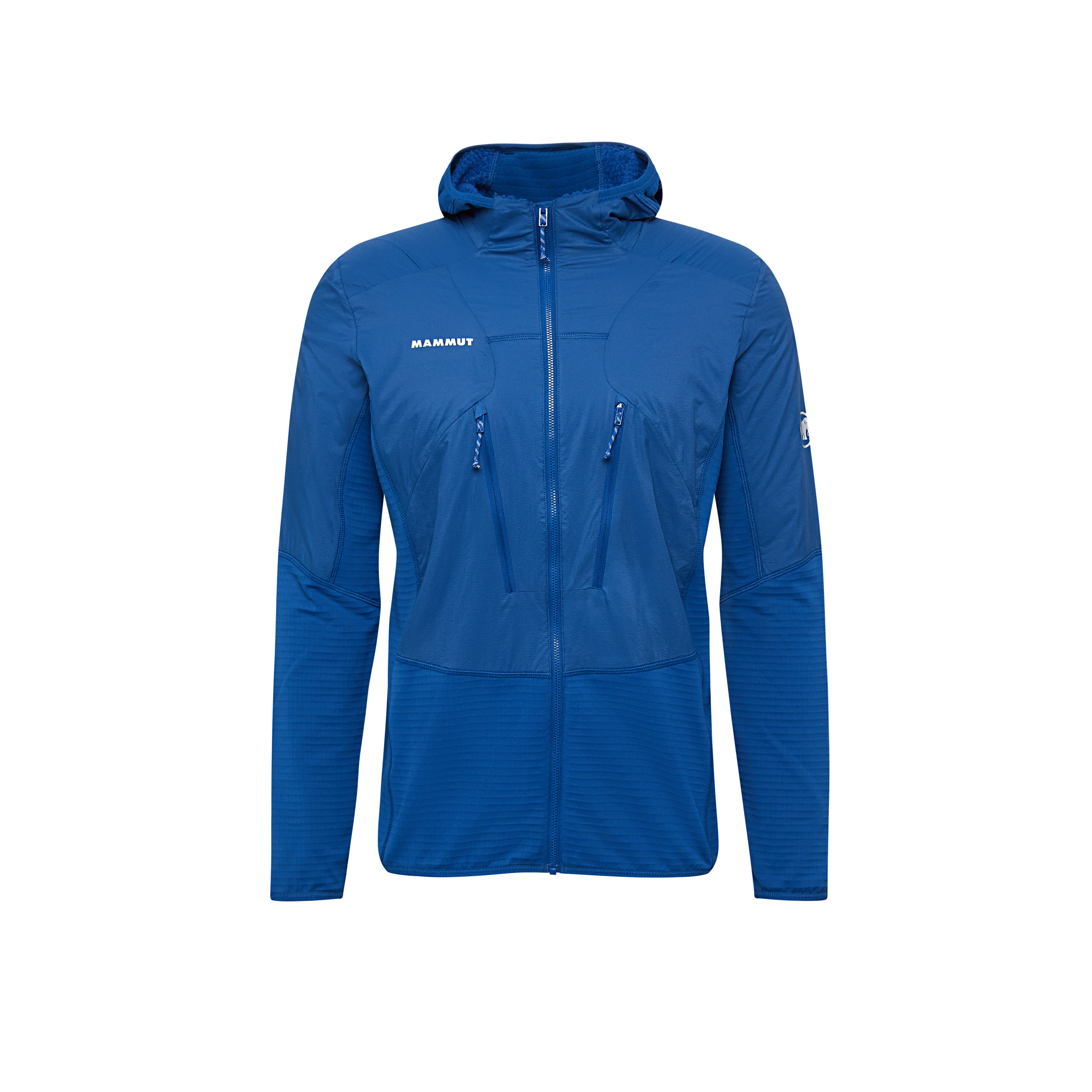



One Walks North Through Norway. One Crosses Toward Santiago.
These are orientation maps rather than navigation tracks. Use each official route authority for current route files and diversions.
Oslo → Trondheim
Gudbrandsdalsleden runs north through Mjøsa country, Gudbrandsdalen and Dovrefjell to Nidaros Cathedral.
Saint-Jean-Pied-de-Port → Santiago
The Camino Francés crosses the Pyrenees and northern Spain before entering Galicia and Santiago.
Which Pilgrimage Fits You?
Start with the social environment you want. Distance is less useful here than it first appears.
You Want the Quieter Journey.
- You value solitude rather than constant pilgrim company.
- Norwegian farms and forests are part of the attraction.
- You want a genuine mountain chapter on Dovrefjell.
- Small pilgrim hostels appeal to you.
- You are comfortable reserving key nights ahead.
- June–August fits your travel calendar.
You Want the Stronger First Pilgrimage.
- You want to meet other pilgrims easily.
- You value stage flexibility.
- You want a broad choice of route lengths.
- Albergue culture is part of the appeal.
- You want frequent cafés and food services.
- You may use luggage transfer.
A Month Away Is Not Realistic.
- Berkåk → Trondheim gives 119 km in about six days.
- Camino Inglés from Ferrol fits about five to six days.
- Tui → Santiago gives a compact Portuguese Camino.
- Short pilgrimage can still have a real beginning and destination.
- Do not force a full route into a calendar that cannot hold it.
When quiet matters most.
When flexibility matters most.

St. Olav’s Ways Connects Sacred History With Ordinary Rural Norway.
Medieval churches, farm hospitality and long valley stages give Gudbrandsdalsleden a different historical texture from Spain. The sacred road is embedded in the landscape rather than separated from it.
Ringebu Stave Church · KenSwe72 / Wikimedia Commons · CC0.St. Olav’s Ways vs Camino de Santiago FAQ
The questions that usually determine whether Norway or Spain is the better pilgrimage.
Is St. Olav’s Ways similar to the Camino de Santiago?
Yes in pilgrimage structure, but much less in daily experience. Both have historic Christian destinations, waymarked routes, pilgrim passports, completion traditions and long-distance walking. St. Olav’s Ways is far quieter, has smaller accommodation inventory and a shorter Nordic season.
Which is longer, St. Olav’s Ways or the Camino?
It depends on the routes compared. Gudbrandsdalsleden from Oslo to Trondheim is officially 643 km. The benchmark Camino Francés from Saint-Jean-Pied-de-Port to Santiago is roughly 780 km.
How long does Gudbrandsdalsleden take?
The official Norwegian route organization lists Oslo to Trondheim at 643 km and approximately 32 days. Pilgrims averaging around 20 km per day should also leave room for rest, weather and personal pace.
Which pilgrimage is better for beginners?
Camino de Santiago is the stronger first choice for most beginners because the major routes have denser accommodation, food, transport, luggage transfer and pilgrim services. Gudbrandsdalsleden remains suitable for prepared walkers, but requires more advance logistical discipline.
Which pilgrimage is quieter?
St. Olav’s Ways is dramatically quieter. The Norwegian route organization reported growing pilgrim numbers in 2025 but explicitly said overcrowding remains unlikely. Santiago issued more than half a million Compostelas in 2025.
What is the best time to walk St. Olav’s Ways?
Gudbrandsdalsleden is primarily a summer pilgrimage. Official guidance recommends roughly June 1 to September 1, with extra caution on Dovrefjell in early June. Mid-June through August is the strongest general full-route window.
Can you receive a certificate for walking St. Olav’s Ways?
Yes. Pilgrims who document at least the final 100 km to Trondheim in the pilgrim passport can receive the Olav Letter at the pilgrim reception near Nidaros Cathedral.
Is the Olav Letter the same as the Compostela?
No. They belong to different pilgrimage traditions and issuing bodies. Both use a 100 km walking threshold in important ways, but the Camino’s traditional Compostela has its own credential, route-continuity and Christian pilgrimage-purpose requirements.
Can I walk only the final 100 km of St. Olav’s Ways?
Yes. Berkåk to Trondheim is officially listed at 119 km and about six days, making it a particularly clean short Gudbrandsdalsleden pilgrimage that qualifies for the Olav Letter.
Is 2027 a special year for the Camino de Santiago?
Yes. 2027 is a Jacobean Holy Year because the Feast of Saint James, July 25, falls on a Sunday. Santiago’s Holy Door opens at the end of December 2026 and remains open through 2027. Pilgrims should expect unusually strong demand around the city and popular final stages.
Do I need to be religious to walk either pilgrimage?
No. Both modern route systems welcome walkers with religious, spiritual, cultural, historical and personal motivations. The important distinction is that specific religious certificates may have their own formal criteria.
Which would Global Summit Guide recommend walking first?
For most first-time long-distance pilgrims, walk a Camino route first because the support system is more forgiving. Walk St. Olav’s Ways first when solitude, Norway and the quieter pilgrim culture are specifically what you are seeking.
Choose the Pilgrimage Here. Verify the Route Before Departure.
Norwegian lodging, bridge installation, mountain conditions and seasonal services can change. Camino albergues, diversions, credential rules and Holy Year arrangements can also change.
Once you choose the pilgrimage, move into its dedicated Global Summit Guide parent page and current official route authority.
Primary Planning Sources
Global Summit Guide · St. Olav’s Ways → Global Summit Guide · Camino de Santiago → Pilegrimsleden · Official St. Olav Ways → Official Gudbrandsdalsleden → Official Pilgrim Passport & Olav Letter → Santiago Pilgrim Office · Compostela Rules → Santiago Pilgrim Office · Credencial →Once You Choose the Tradition, Move Into the Route.
This page owns the St. Olav-versus-Camino decision. The parent guides own the route choices, stages, lodging, credentials, maps and current logistics.

Want the Pilgrim Community? Walk to Santiago. Want More Silence? Walk to Nidaros.
Choose the Camino de Santiago for the stronger first pilgrimage: dense infrastructure, flexible stages, a huge pilgrim community and routes that can fit almost any calendar. Choose St. Olav’s Ways when the quieter road is the point: Norwegian farms, forests, Dovrefjell, smaller hostels and a month-long journey toward Nidaros Cathedral.
Was this helpful?
Global Summit Guide is an independent mountaineering resource founded in 2026. The team combines first-hand trekking and climbing experience with in-depth research and professional health and nutrition review to help climbers choose objectives, prepare properly, and stay safe.
Health, altitude, and nutrition content is reviewed by Taylor Ludlow (Registered Nurse) and Brigg Hoopes (Nutritionist).
What We Don't Know Yet
Mountain information changes quickly. This box explains the limits of what this page can responsibly promise.
- Comparisons simplify complex decisions; the better mountain depends on current conditions, skills, timing, budget, and risk tolerance.
- Visa, passport, vaccination, border, insurance, and local transportation rules may change before your trip.
- Route conditions, snowpack, closures, and weather can change quickly after this page is updated.
- Permit rules, fees, quotas, and reservation windows may change between review cycles.
- Operator availability, pricing, guide ratios, and cancellation terms can change by season.
Verify current conditions with official land managers, guide services, local forecasts, and current route reports before booking or climbing.
Mountaineering, rock and ice climbing, glacier travel, and high-altitude activity are inherently dangerous and can result in serious injury or death. The information on Global Summit Guide is provided for general informational and educational purposes only and is not a substitute for professional instruction, qualified guiding, proper equipment, or your own judgment and experience.
Route conditions, weather, snowpack, permits, regulations, and hazards change constantly and may differ from what is described here. Details may be incomplete, out of date, or contain errors. Always verify current information with local authorities, certified guides, and official sources before making any decision in the mountains.
Nothing on this site is medical, legal, or financial advice. Our fitness, acclimatization, altitude, and nutrition content is general in nature; consult a qualified physician before beginning any strenuous exercise program or exposing yourself to high altitude.
You are solely responsible for your own safety and decisions. To the fullest extent permitted by law, Global Summit Guide and its team accept no liability for any loss, injury, damage, or expense arising from use of, or reliance on, this information. By using this site you acknowledge these risks and accept these terms.
Some links on this site may be affiliate links. If you buy through them we may earn a small commission at no extra cost to you; this never affects our recommendations.
Global Summit Guide recommendation path
Next Best Mountain to Research
Use these recommendations to continue the right planning path instead of stopping on one page.
Use current permit, weather, route, and operator information before booking or climbing.