Last updated October 7, 2026


Pico de Orizaba vs Kilimanjaro: Which High-Altitude Summit Should You Climb First?
Kilimanjaro is higher—but technically easier. Pico de Orizaba is lower—but it is the real mountaineering climb. Kilimanjaro reaches 5,895 m / 19,341 ft on non-technical trekking routes. Orizaba reaches 5,636 m / 18,491 ft and adds crampons, ice axe, glacier movement and current ice-condition judgment. For many first-time high-altitude climbers, that makes the clean progression: Kilimanjaro first, Orizaba next.
Kilimanjaro Tests Altitude First. Orizaba Adds Mountaineering.
Choose Kilimanjaro first if you are primarily a hiker entering serious altitude for the first time. Its standard routes require no glacier travel, crampons, ice axe or rope work. That allows you to learn how your body responds near 6,000 metres without simultaneously learning a technical movement system.
Choose Pico de Orizaba when you are ready to add snow, ice and glacier skills. The summit is actually about 259 metres lower than Kilimanjaro, but its standard north-side objective moves from trekking into genuine mountaineering.
For a climber who eventually wants Rainier, Cotopaxi, Chimborazo, Denali or more technical expedition peaks, Orizaba usually teaches more new climbing skill. Kilimanjaro usually teaches the cleaner first altitude lesson.
Pico de Orizaba vs Kilimanjaro
Pico de Orizaba vs Kilimanjaro at a Glance
These mountains reach almost the same altitude class but ask for very different skill sets.
| Factor | Pico de Orizaba | Kilimanjaro | Decision |
|---|---|---|---|
| Elevation | 5,636 m / 18,491 ft | 5,895 m / 19,341 ft | Kilimanjaro is 259 m higher. |
| Country | Mexico | Tanzania | Different continents and travel models. |
| Summit style | Glacier mountaineering | High-altitude trekking | Fundamentally different objectives. |
| Technical demand | Moderate | Non-technical standard routes | Orizaba harder technically. |
| Crampons | Required when using the standard north glacier line | Not normally required on standard trekking routes | Orizaba |
| Ice axe | Standard mountaineering tool | Not normally required | Orizaba |
| Glacier travel | Yes on north-side standard objective | No on standard trekking routes | Orizaba |
| Rope skills | Relevant to normal mountaineering system | Not part of normal trek | Orizaba |
| Altitude | Very high | Very high and 259 m higher | Kilimanjaro |
| Main challenge | Altitude + ice technique | Altitude + acclimatization | Choose the skill you need. |
| Normal trip structure | Mexico acclimatization peaks + summit objective | 6–9 day supported trekking route | Both benefit from slower progression. |
| Load carrying | Varies by itinerary; climber carries mountaineering equipment | Porter-supported; climber normally carries daypack | Kilimanjaro is more supported. |
| Independent ascent | Possible for qualified climbers under current public system | Licensed operator structure required | Orizaba offers more independence. |
| Best broad season | Nov–Feb strongest default | Jan–Feb and Jun–Oct | Different calendar strengths. |
| Beginner fit | Prepared beginner mountaineer | Fit first-time high-altitude trekker | Kilimanjaro easier entry point. |
| Progression value | Adds technical snow and ice | Isolates altitude response | Kili → Orizaba is logical. |

Orizaba Is Where the Trekker Starts Becoming a Mountaineer.
Crampons, ice axe, secure snow-and-ice movement and glacier judgment enter the picture while the climber is still operating above 5,000 metres.
Which Is Harder: Pico de Orizaba or Kilimanjaro?
Orizaba is harder technically. Kilimanjaro is slightly harder as a pure altitude test.
Orizaba
Glacier movement, crampons, axe and secure movement on snow or hard ice.
Kilimanjaro
The summit is 259 metres higher and nearly touches the 5,900-metre mark.
Orizaba
Poor technique on firm ice can create serious fall consequences.
Kilimanjaro
Fit hikers can attempt standard routes without learning traditional mountaineering technique first.
See the Best Peaks to Climb After Kilimanjaro.
Orizaba is one path. Baker, Cotopaxi, Chimborazo and Aconcagua teach different next skills.

Kilimanjaro Removes Technical Climbing So Altitude Becomes the Lesson.
That is exactly why Kilimanjaro works so well as a first major high-altitude objective. If you struggle, the diagnosis is less confused by unfamiliar glacier systems.
Kilimanjaro Requires Trekking Skills. Orizaba Requires Mountaineering Skills.
This is the largest practical difference between the two mountains.
High-Altitude Trekking
- Multi-day hiking endurance
- Trekking poles
- Layer management
- Hydration and fueling
- Slow altitude pacing
- Cold summit-night management
- Long descent tolerance
Standard Kilimanjaro trekking routes do not require crampons, glacier ropes or an ice axe.
Introductory Glacier Mountaineering
- Crampon movement
- Ice axe use
- Snow / ice footwork
- Harness and rope-system familiarity
- Hard-ice judgment
- Fall-consequence awareness
- Alpine-start movement
The route is moderate by mountaineering standards, but it is not a trekking summit.
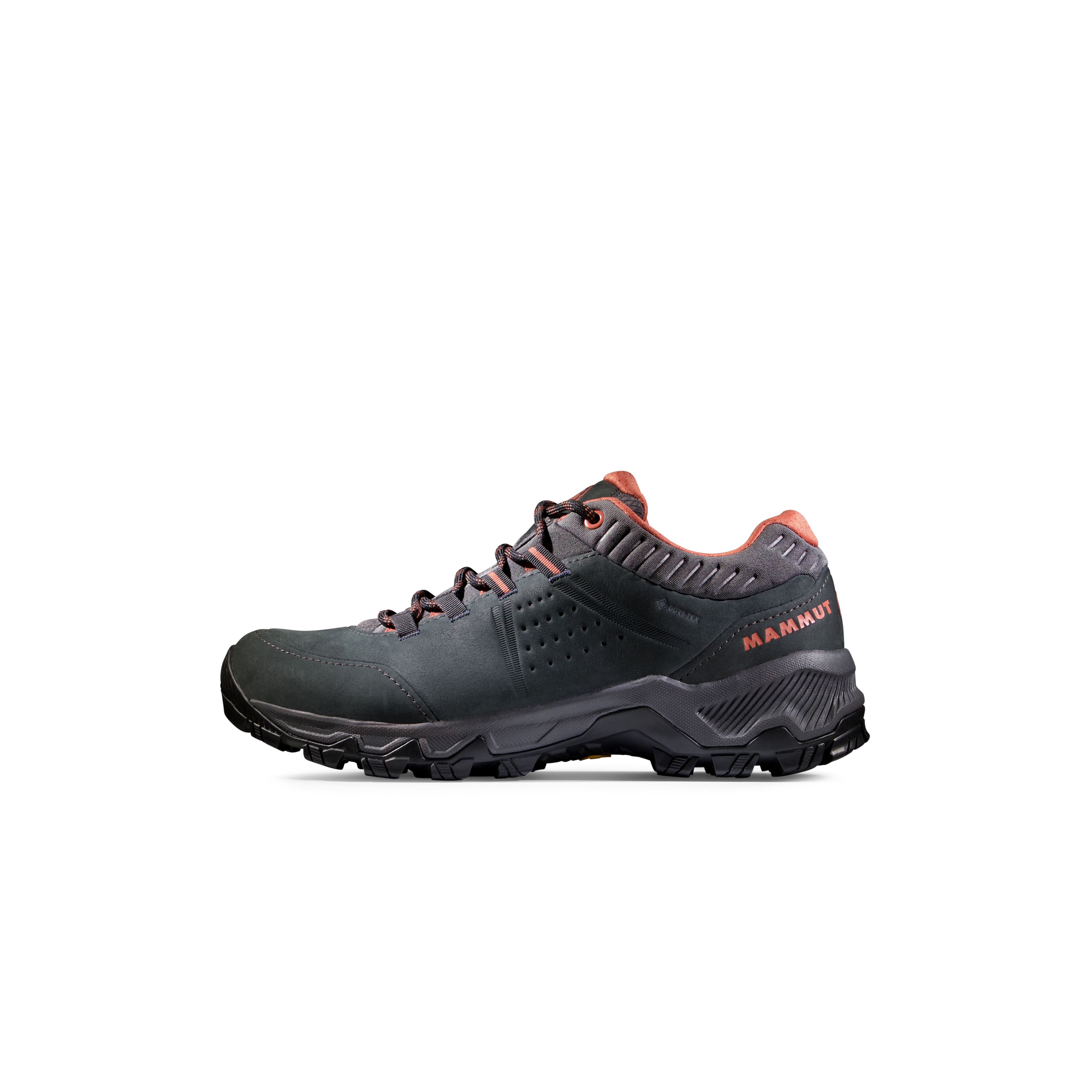
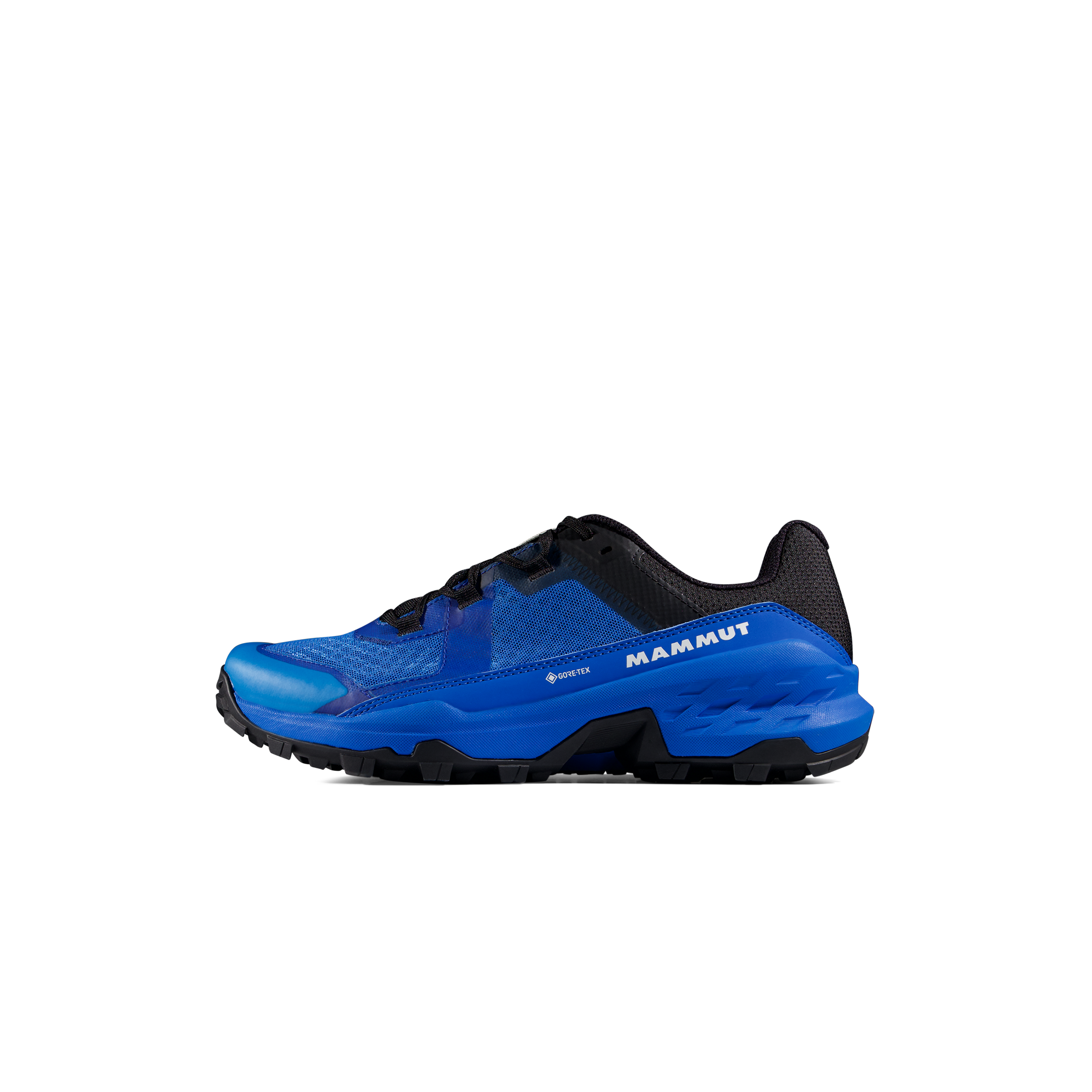
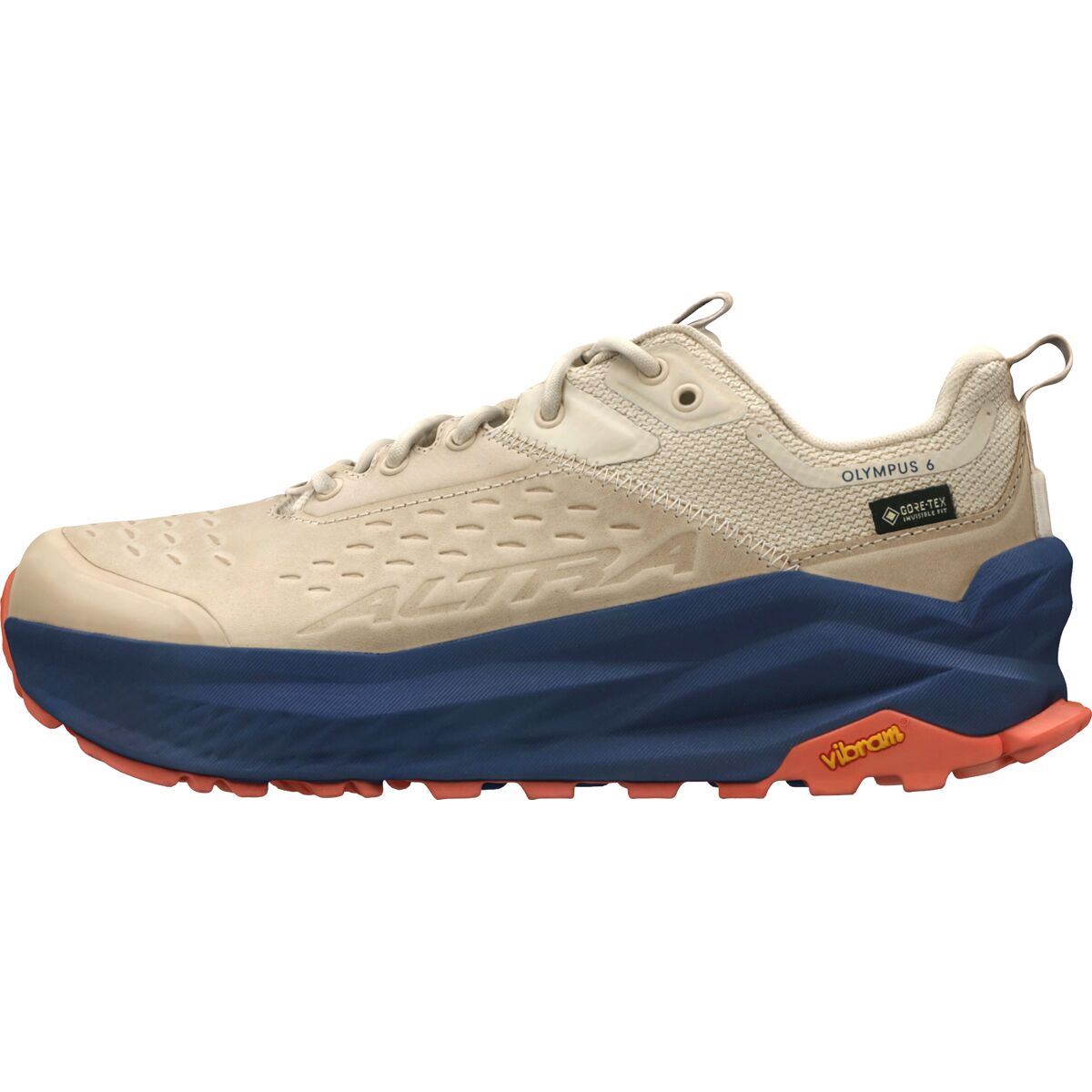
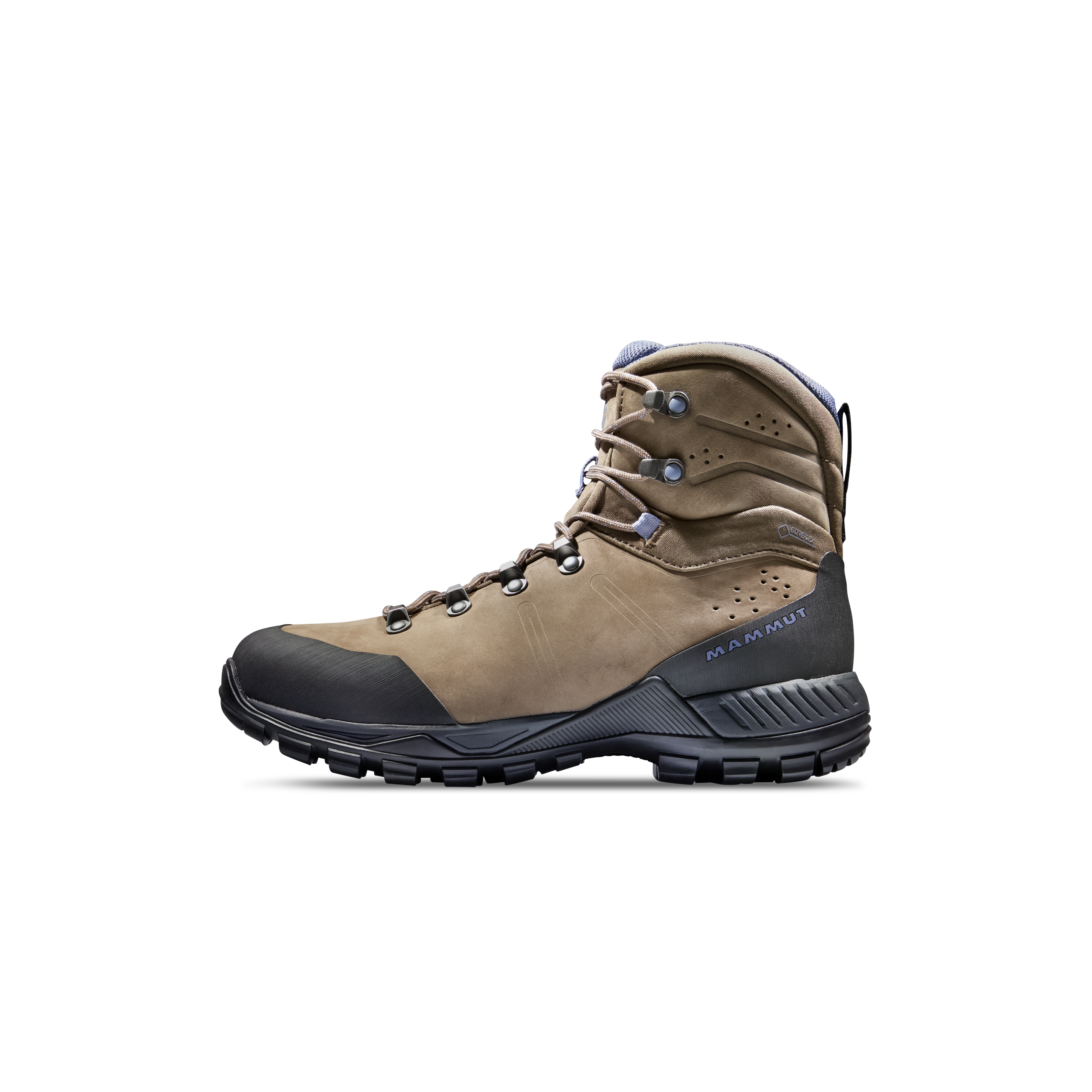
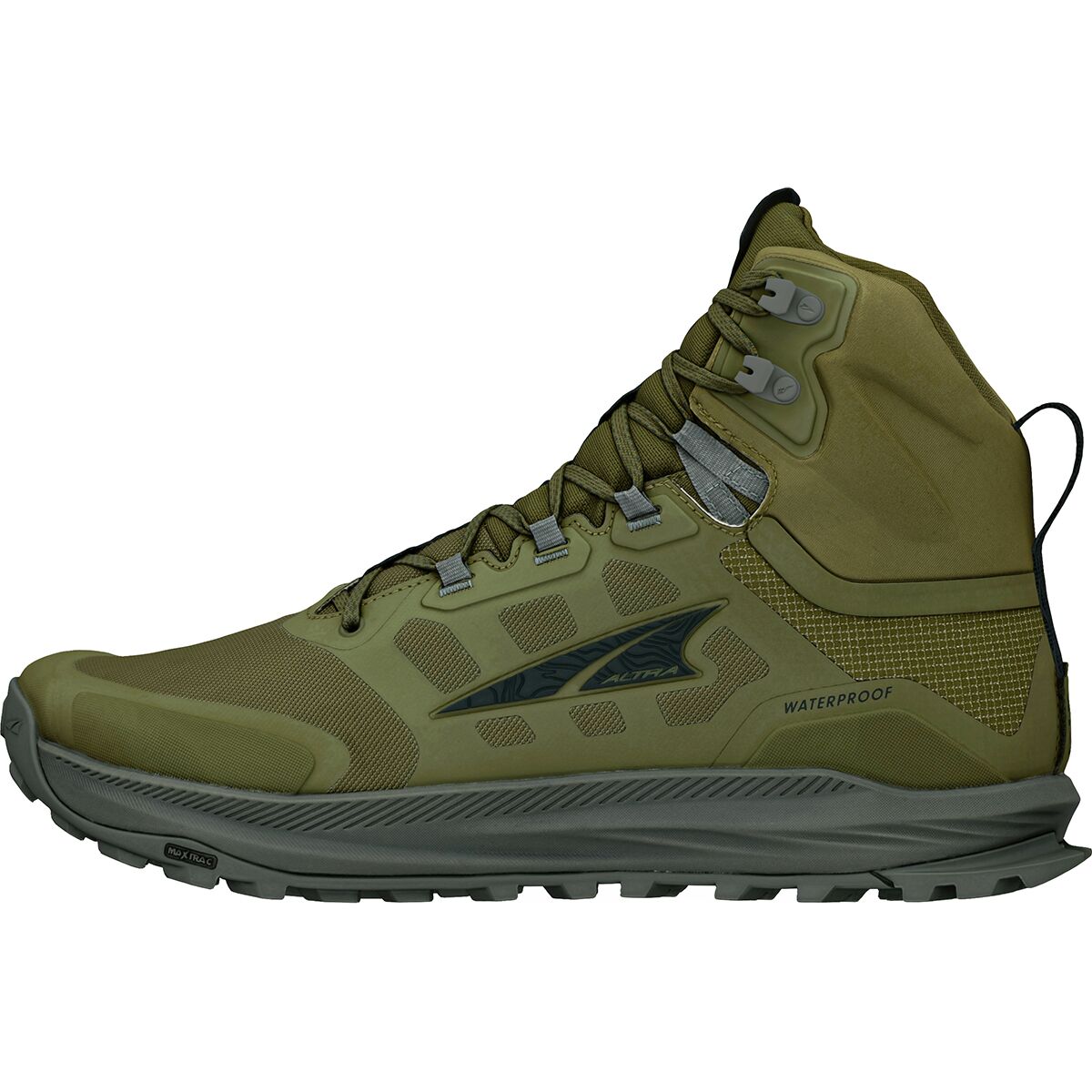
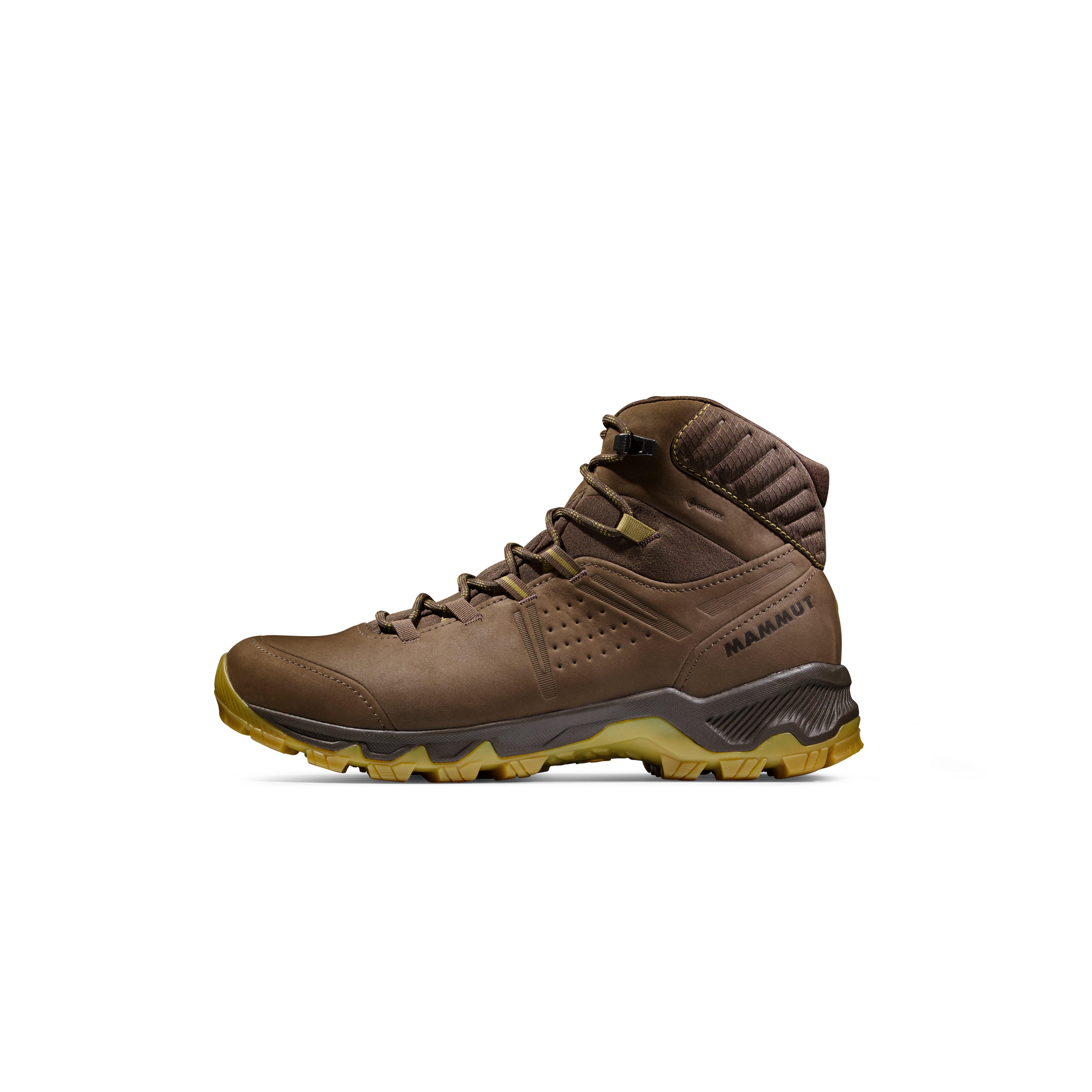
High-Altitude Hiking & Approach Footwear
Kilimanjaro puts extraordinary mileage into trekking footwear. Orizaba’s Mexico acclimatization peaks create the same need before mountaineering boots become relevant higher up.
Affiliate disclosure: Global Summit Guide may earn a commission from qualifying purchases at no additional cost to you.
High-Altitude Hiking & Approach Footwear
- AltraAltra Olympus Low GTX 2 Hiking Shoe – Women'sFrom $139.96
$209.95Check price at Back Country (opens in a new tab)
We may earn a commission if you buy through these links, at no extra cost to you. Affiliate disclosure

Orizaba Is Lower Than Kilimanjaro—but Not Low.
The technical gap should not hide the physiological reality: 5,636 metres is still a major altitude objective.
Kilimanjaro Is Higher—But Both Mountains Demand Real Acclimatization
A 259-metre difference matters less than the quality of the itinerary used to reach either summit.
5,895 m
The highest point in Africa gives a very clean first look at how your body performs close to 6,000 metres.
5,636 m
Slightly lower, but you are performing technical snow-and-ice movement while significantly hypoxic.
Days Matter More Than 259 m
A well-designed eight-day Kilimanjaro itinerary can be safer physiologically than a rushed Orizaba trip by someone flying directly from low elevation.
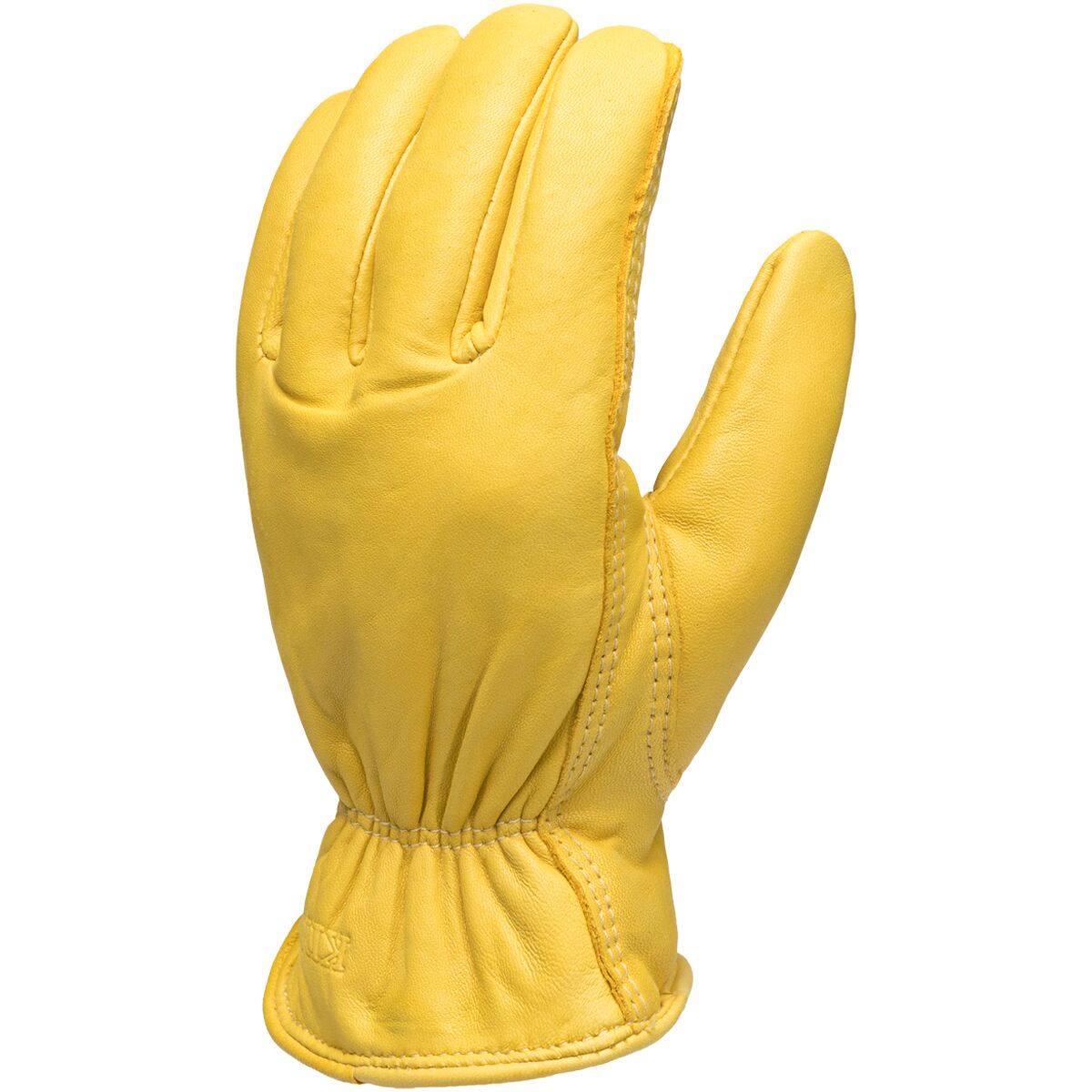
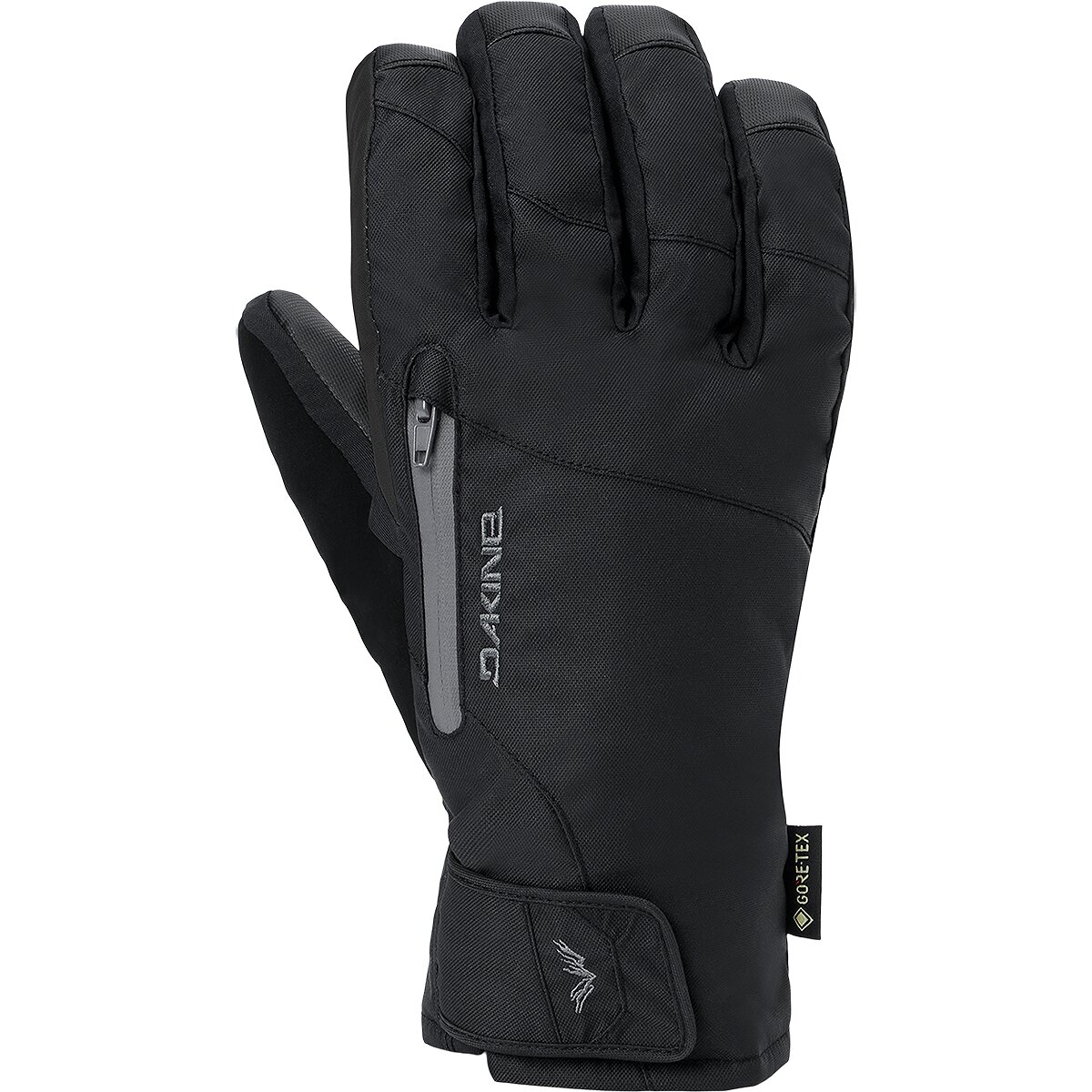
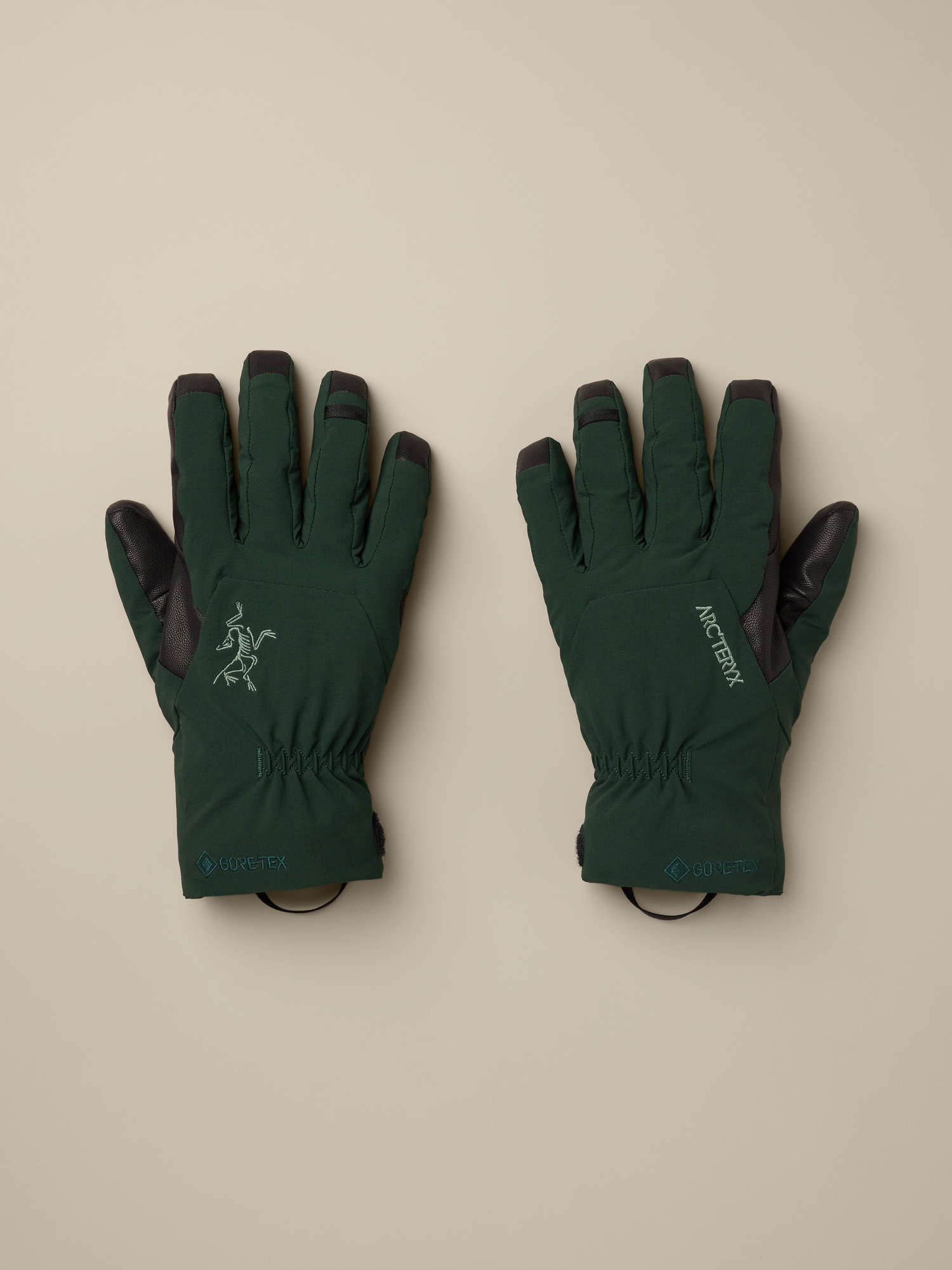
Cold Summit & Mountaineering Gloves
Both mountains can deliver very cold pre-dawn summit movement. Orizaba additionally requires enough dexterity to manage mountaineering equipment.
Cold Summit & Mountaineering Gloves




Seeing Glaciers on Kilimanjaro Is Not the Same as Climbing a Glacier.
Kilimanjaro’s summit ice is one of its defining visual features. But standard trekking routes do not use those glaciers as technical travel terrain. Orizaba does.
Kilimanjaro’s Summit Night Is Longer in the Mind. Orizaba’s Adds Technique.
Both mountains usually put their decisive work into the coldest, darkest part of the day.
Walk Slowly for Hours
- Very early start
- Steep volcanic trail
- Cold and wind
- Extremely slow pacing
- Nearly 5,900 m summit
- Long descent after Uhuru Peak
The movement is simple. The physiology and mental patience are not.
Move Well While Hypoxic
- Midnight-style alpine start
- Rock / scree approach
- Crampon transition
- Snow or hard ice
- Ice axe management
- Technical descent discipline
The altitude is slightly lower. The movement decisions are significantly more complex.
Orizaba teaches: can I keep climbing correctly high?
Should You Climb Kilimanjaro Before Pico de Orizaba?
For a strong hiker entering mountaineering: often yes.
Build Hiking Endurance First
Multi-hour uphill days, repeated hiking days, downhill durability and fueling habits should already be normal.
Use Kilimanjaro to Test Altitude
A seven- or eight-day route allows you to learn whether you eat, sleep, recover and move well near 6,000 metres.
Learn Snow and Glacier Skills Separately
Before Orizaba, practice crampon technique, ice axe use, rope-team systems and fall prevention through hands-on instruction.
Build Mexico Altitude
La Malinche and Iztaccíhuatl can rebuild altitude before the Orizaba summit attempt.
Climb Pico de Orizaba
Now combine altitude already understood with mountaineering technique that has already been practiced.
Choose the Next Missing Skill
Rainier for more complex glacier systems. Cotopaxi for a higher crevassed volcano. Chimborazo for the first step above 6,000 m. Aconcagua for expedition altitude.
Use the Four-Stage Orizaba Progression Plan.
Fitness, skills, altitude and summit preparation are separated into individual readiness gates.
Kilimanjaro Is a Supported Trek. Orizaba Feels More Like a Climbing Trip.
The logistical experience is almost as different as the technical experience.
Full Mountain Support
- Licensed operator structure
- Guides and assistant guides
- Porter team
- Cook / meal system
- Camp movement handled by crew
- Climber normally carries a daypack
You still have to walk every step. But the expedition is deliberately structured so the climber can concentrate on trekking and altitude.
Smaller Mountaineering Team
- Local 4WD access
- Piedra Grande staging
- Guide or small rope team
- Personal mountaineering gear
- More personal technical responsibility
- Independent climbing possible for qualified teams
The operation is generally smaller, faster and more climber-driven.
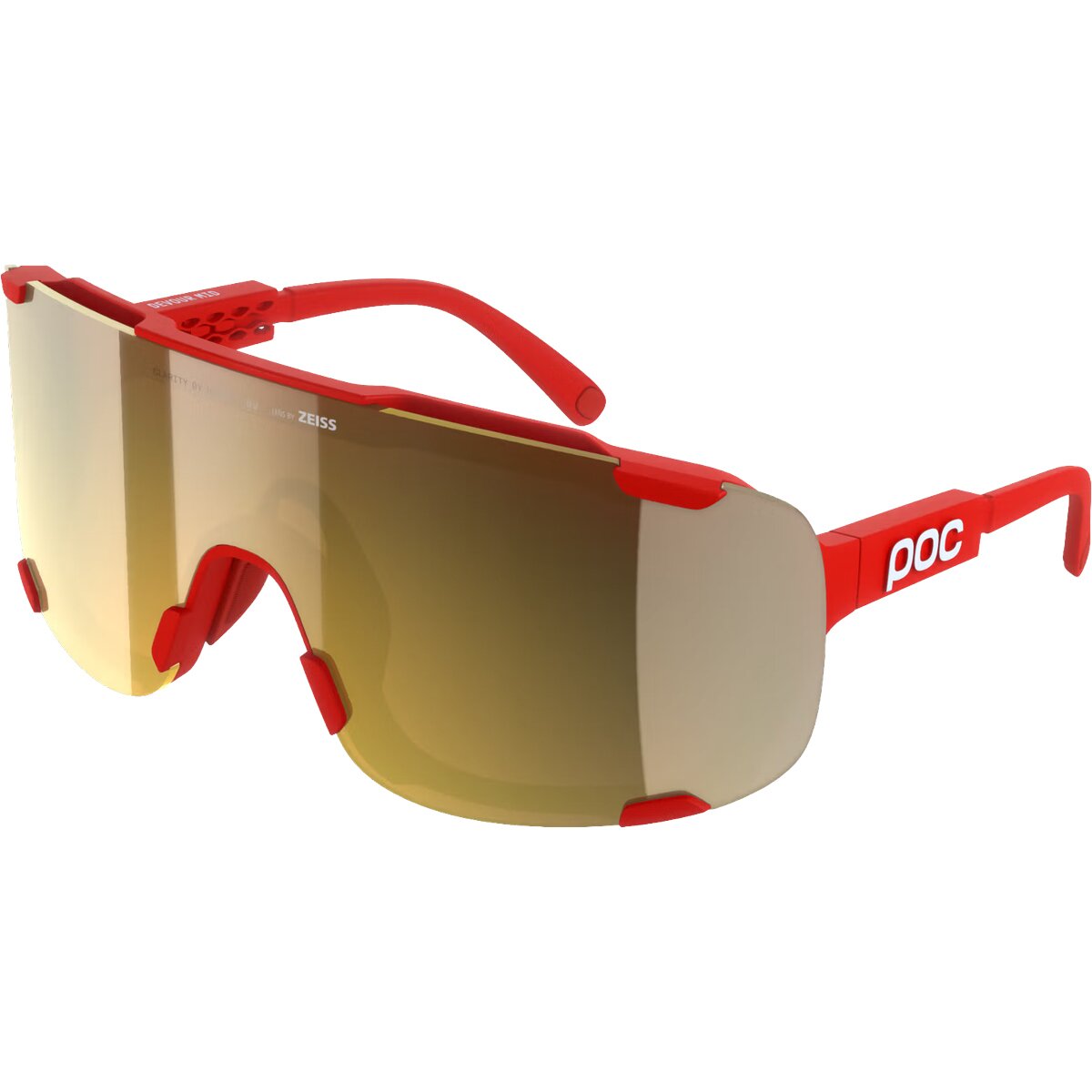
High-Altitude & Glacier Sunglasses
Kilimanjaro brings intense high-altitude UV. Orizaba adds direct reflection from snow and glacier ice. Good eyewear transfers cleanly between both objectives.
High-Altitude & Glacier Sunglasses
Orizaba Can Be Cheaper Locally. Kilimanjaro Has the Bigger Mandatory Support System.
Compare entire trips, not one operator’s headline mountain price.
Wide Pricing Range
Local Mexican operators often customize summit and acclimatization packages. Current international examples in GSG’s operator research include:
- CTSS · about $3,395
- RMI · about $4,300
- Mountain Trip · about $5,500 for published 2027 program
Direct local programs can cost substantially less, depending on itinerary and inclusions.
Support + Park Fees Drive the Budget
Current GSG research places Kilimanjaro climb packages broadly around $1,500–$7,500, with substantially different service levels.
A realistic total trip for many travelers is higher after:
- International flights
- Tips
- Hotels
- Insurance
- Personal gear
- Optional safari
International Mountain Travel Duffels
Both objectives involve international flights, rough mountain handling and gear organization. Kilimanjaro adds porter logistics. Orizaba adds 4WD mountain transport.
The Two Mountains Can Fit Into Consecutive Seasons
This makes Kilimanjaro → Orizaba a practical progression as well as a logical one.
January–February or June–October
Kilimanjaro is trekked year-round, but the drier periods are generally preferred.
- January–February
- June–October
- Route length matters greatly
- Weather remains variable at the summit
November–February Strongest Default
Current GSG planning favors November through February for the north-side glacier objective, with a wider commercial period from roughly October through March.
- Dry-season bias
- Cold Norte winds possible
- Hard ice can develop
- Fresh snow can hide hard surfaces
Kilimanjaro Is Mostly an Altitude Problem. Orizaba Adds Fall Consequence.
Similar elevation does not produce identical objective hazards.
Altitude + Exhaustion
- AMS
- HACE / HAPE
- Dehydration
- Cold summit night
- Long descent
- Poor acclimatization from short routes
- Over-pacing
Altitude + Ice
- AMS / HACE / HAPE
- Hard glacier ice
- Crampon slips
- Long-fall exposure
- Wind
- Fresh snow over hard surfaces
- Route / glacier change
Check High-Altitude, Rescue and Evacuation Coverage
Confirm altitude ceilings and mountaineering exclusions before either trip. Orizaba additionally requires checking whether glacier mountaineering is covered by the policy.
Choose Kilimanjaro or Orizaba by What You Need to Learn
The correct first mountain depends on your present skills, not which summit looks more impressive on paper.
You Need Your First Serious Altitude Test
- You are an experienced hiker but new to mountaineering.
- You have never been near 6,000 m.
- You do not yet have crampon or glacier skills.
- You want a heavily supported mountain.
- You want Africa’s highest summit.
- You are beginning a Seven Summits path.
You Need to Add Mountaineering to Altitude
- You already know how your body handles altitude.
- You have practiced crampon and ice-axe skills.
- You want your first glacier summit.
- You want a smaller climbing team.
- You are progressing toward Rainier or Cotopaxi.
- You want high altitude without a long expedition.
If you are starting from mountaineering: Orizaba may already be the more useful objective.
If you want both: Kilimanjaro → Orizaba is a very clean progression.
Put Pico de Orizaba Against Cotopaxi.
Cotopaxi is higher and adds a more complex crevasse-and-snow-bridge glacier system.
North America’s Highest Volcano vs Africa’s Highest Mountain
Similar summit elevations. Completely different mountain cultures, climates and operating systems.
Approx. 19.03° N, 97.27° W. Tlachichuca is the classic north-side logistics gateway.
Approx. 3.067° S, 37.356° E. Moshi and the Kilimanjaro region support one of the world’s largest high-altitude trekking industries.
Still Unsure? Solve the Underlying Progression Question.
These three pages answer the deeper problem instead of sending the visitor into another generic mountain list.
Pico de Orizaba vs Kilimanjaro FAQ
Direct answers to the decisions first-time high-altitude climbers actually face.
Which is higher, Pico de Orizaba or Kilimanjaro?
Kilimanjaro is higher. Uhuru Peak reaches 5,895 metres / 19,341 feet. Pico de Orizaba reaches 5,636 metres / 18,491 feet. Kilimanjaro is approximately 259 metres, or 850 feet, higher.
Which is harder, Pico de Orizaba or Kilimanjaro?
Pico de Orizaba is technically harder because its standard north route requires crampons, an ice axe and glacier mountaineering. Kilimanjaro is slightly harder purely from summit altitude because it reaches 259 metres higher.
Should I climb Kilimanjaro before Pico de Orizaba?
For many hikers entering mountaineering, yes. Kilimanjaro provides a serious altitude test without technical glacier systems. Pico de Orizaba can then add crampons, ice axe and snow-and-ice movement.
Can Pico de Orizaba be my first high-altitude mountain?
Yes, if you arrive with adequate fitness, proper acclimatization and competent snow-and-glacier skills. It is less suitable as a first big objective for someone who has never used crampons or an ice axe.
Is Kilimanjaro technical?
Standard Kilimanjaro routes are non-technical trekking routes. Climbers do not normally need ropes, crampons, an ice axe or glacier-travel skills. Altitude and acclimatization are the primary challenge.
Is Pico de Orizaba technical?
Pico de Orizaba’s standard north route is moderate glacier mountaineering. Climbers need crampon and ice-axe competence, and current hard-ice conditions can make secure movement and fall prevention especially important.
Does Kilimanjaro require crampons?
Crampons are not normally required on standard Kilimanjaro trekking routes. Climbers stay on trails rather than using the mountain’s glaciers as technical climbing terrain.
Does Pico de Orizaba require crampons?
Crampons are standard equipment for the north-side glacier route when snow and ice are present. Current route and surface conditions should be confirmed shortly before the climb.
Which mountain is better for a beginner?
Kilimanjaro is the better first choice for most fit hikers without mountaineering experience. Orizaba becomes appropriate once the climber has learned the technical skills required on snow and ice.
Which is better after Kilimanjaro?
Pico de Orizaba is one of the strongest practical progression peaks after Kilimanjaro because it keeps the climber in roughly the same altitude class while adding actual mountaineering technique.
Which is better preparation for Mount Rainier?
Pico de Orizaba is more directly relevant because it introduces crampons, ice axe and glacier movement. Rainier still involves larger and more complex crevassed glacier systems, so additional glacier training may be necessary.
Which is better preparation for Aconcagua?
Both offer useful altitude experience. Kilimanjaro reaches slightly higher and provides a clean altitude test. Orizaba adds mountaineering technique. Aconcagua then adds substantially more altitude, expedition duration and high-camp systems.
Which mountain costs more?
The answer depends on the operator model. Kilimanjaro requires a large licensed support system and significant park fees. Orizaba can be climbed through lower-cost local services or more expensive international programs. Compare full itineraries, acclimatization and travel costs rather than headline prices.
What is the best season for Kilimanjaro?
January through February and June through October are the main broad dry-season windows, though Kilimanjaro is climbed throughout the year.
What is the best season for Pico de Orizaba?
November through February is Global Summit Guide’s strongest current default window, with a wider commercial period extending approximately from October through March.
Can you climb Kilimanjaro independently?
No in the ordinary independent-climbing sense. Kilimanjaro operates through Tanzania’s licensed mountain-operator structure. Climbers enter through an authorized commercial support system.
Can you climb Pico de Orizaba independently?
Current public Mexican park guidance does not create the same mandatory commercial support structure as Kilimanjaro. Qualified climbers can plan independent-style ascents, although CONANP recommends authorized guiding and local logistical help is extremely useful.
First-Hand Kilimanjaro Context, Research-Based Orizaba Analysis
Global Summit Guide separates team experience from research synthesis instead of presenting every mountain as first-hand.
First-Hand Team Context
Global Summit Guide’s Kilimanjaro cluster includes first-hand Lemosho summit experience within the team.
Use that experience for pacing, route rhythm, camp experience and summit-night context.
Research-Based
The Orizaba side is built from current route documentation, operator information, Mexican park guidance and glacier research.
Do not convert research-based coverage into invented first-hand route claims.
Fast-Changing Inputs
- Orizaba glacier surface
- Piedra Grande road
- Kilimanjaro park fees
- Operator terms
- Weather
- Route access
- Insurance wording
Your Next Page Depends on Which Skill You Chose
A comparison page should end by moving the visitor directly into the next decision.
Kilimanjaro Teaches You Altitude. Orizaba Teaches You to Climb at Altitude.
Choose Kilimanjaro if you are a fit hiker who wants a first serious high-altitude summit without adding technical snow-and-glacier systems.
Choose Pico de Orizaba if you already possess the fundamental movement skills and want your first major summit where crampons, ice axe and glacier terrain actually matter.
If you ultimately want both, the clean progression for many developing climbers is: Kilimanjaro → technical training → Pico de Orizaba.
That progression changes only one major variable at a time: first altitude, then climbing skill at altitude.
Plan Kilimanjaro Plan Pico de Orizaba Compare More MountainsWas this helpful?
🏔Related peaks nearby
🧭Explore & compare
Global Summit Guide is an independent mountaineering resource founded in 2026. The team combines first-hand trekking and climbing experience with in-depth research and professional health and nutrition review to help climbers choose objectives, prepare properly, and stay safe.
Health, altitude, and nutrition content is reviewed by Taylor Ludlow (Registered Nurse) and Brigg Hoopes (Nutritionist).
What We Don't Know Yet
Mountain information changes quickly. This box explains the limits of what this page can responsibly promise.
- Comparisons simplify complex decisions; the better mountain depends on current conditions, skills, timing, budget, and risk tolerance.
- Route conditions, snowpack, closures, and weather can change quickly after this page is updated.
- Permit rules, fees, quotas, and reservation windows may change between review cycles.
- Operator availability, pricing, guide ratios, and cancellation terms can change by season.
- Your fitness, altitude response, risk tolerance, and experience level may change what is safe or realistic.
Verify current conditions with official land managers, guide services, local forecasts, and current route reports before booking or climbing.
Mountaineering, rock and ice climbing, glacier travel, and high-altitude activity are inherently dangerous and can result in serious injury or death. The information on Global Summit Guide is provided for general informational and educational purposes only and is not a substitute for professional instruction, qualified guiding, proper equipment, or your own judgment and experience.
Route conditions, weather, snowpack, permits, regulations, and hazards change constantly and may differ from what is described here. Details may be incomplete, out of date, or contain errors. Always verify current information with local authorities, certified guides, and official sources before making any decision in the mountains.
Nothing on this site is medical, legal, or financial advice. Our fitness, acclimatization, altitude, and nutrition content is general in nature; consult a qualified physician before beginning any strenuous exercise program or exposing yourself to high altitude.
You are solely responsible for your own safety and decisions. To the fullest extent permitted by law, Global Summit Guide and its team accept no liability for any loss, injury, damage, or expense arising from use of, or reliance on, this information. By using this site you acknowledge these risks and accept these terms.
Some links on this site may be affiliate links. If you buy through them we may earn a small commission at no extra cost to you; this never affects our recommendations.
Global Summit Guide recommendation path
Next Best Mountain to Research
Use these recommendations to continue the right planning path instead of stopping on one page.
Use current permit, weather, route, and operator information before booking or climbing.