Last updated October 24, 2026
Mountain Queen: Lhakpa Sherpa’s True Everest Story
Lucy Walker’s Mountain Queen documents Lhakpa Sherpa’s real tenth Everest summit on May 12, 2022—but the story has a major new chapter. On May 17, 2026, she summited Everest for an eleventh time, extending her women’s world record. The movie follows a Nepali mountaineer, mother and survivor working to reclaim her own story.
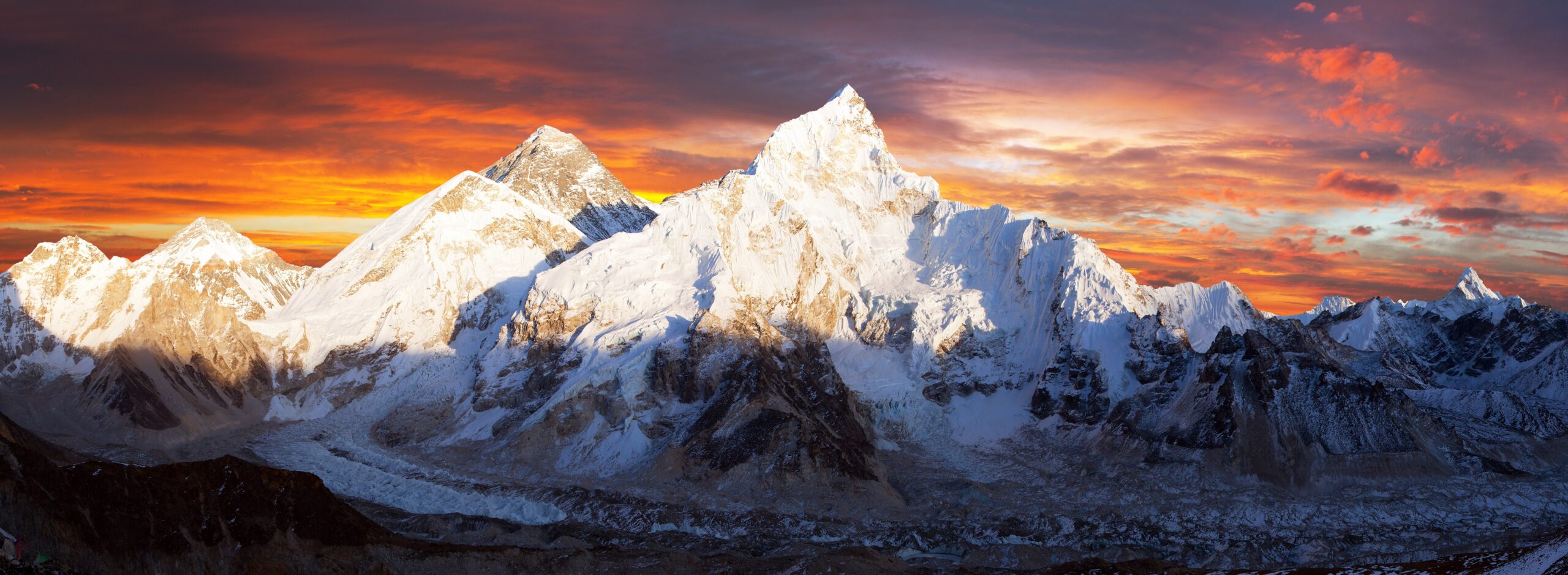
Is Mountain Queen a true story?
Yes. Mountain Queen: The Summits of Lhakpa Sherpa is a documentary, not a dramatized feature film. It uses actual filmed material from her 2022 expedition, personal interviews and family perspectives to examine the extraordinary climbing career and difficult life of Lhakpa Sherpa.
The Netflix film traces a woman who grew up with limited opportunities in rural Nepal, became the first Nepali woman to stand on Everest and return alive in 2000, later supported her family in Connecticut, and returned to the mountain to make her tenth summit in 2022.
What changed after the movie: Lhakpa summited Everest again in May 2026. The film is still historically accurate about its 2022 milestone, but its ten-summit framing is no longer the latest number. Guinness documented her eleventh ascent on May 17, 2026.
Guinness confirms the eleventh summit took place on May 17, 2026 at approximately 9:30 a.m. Nepal time. This article is updated through October 2026, beyond the film’s timeline.
Read this as two connected stories: what filmmaker Lucy Walker chose to show, and what the expedition record now establishes.
Official Mountain Queen trailer
Netflix released its official trailer on July 1, 2024. Watching the clip helps distinguish the documentary’s actual summit footage from the modern licensed location photography used on this independent GSG article.
Official Netflix trailer. If video embedding is blocked, watch it directly on Netflix’s YouTube channel. To stream the film, use the official Netflix film page.
What makes this film different?
Unlike a disaster reconstruction with actors, this story centers on a real Nepali climber and her family. Director Lucy Walker combines Everest expedition footage with life away from the mountain: work, parenting, past abuse and the determination to write a different future for her daughters.
Its most important question is not simply “Did she summit?” but “Why did climbing remain so vital when everyday life was difficult?”
GSG’s factual timeline below continues beyond the film. It is not sponsored by Netflix.
Who is Lhakpa Sherpa?
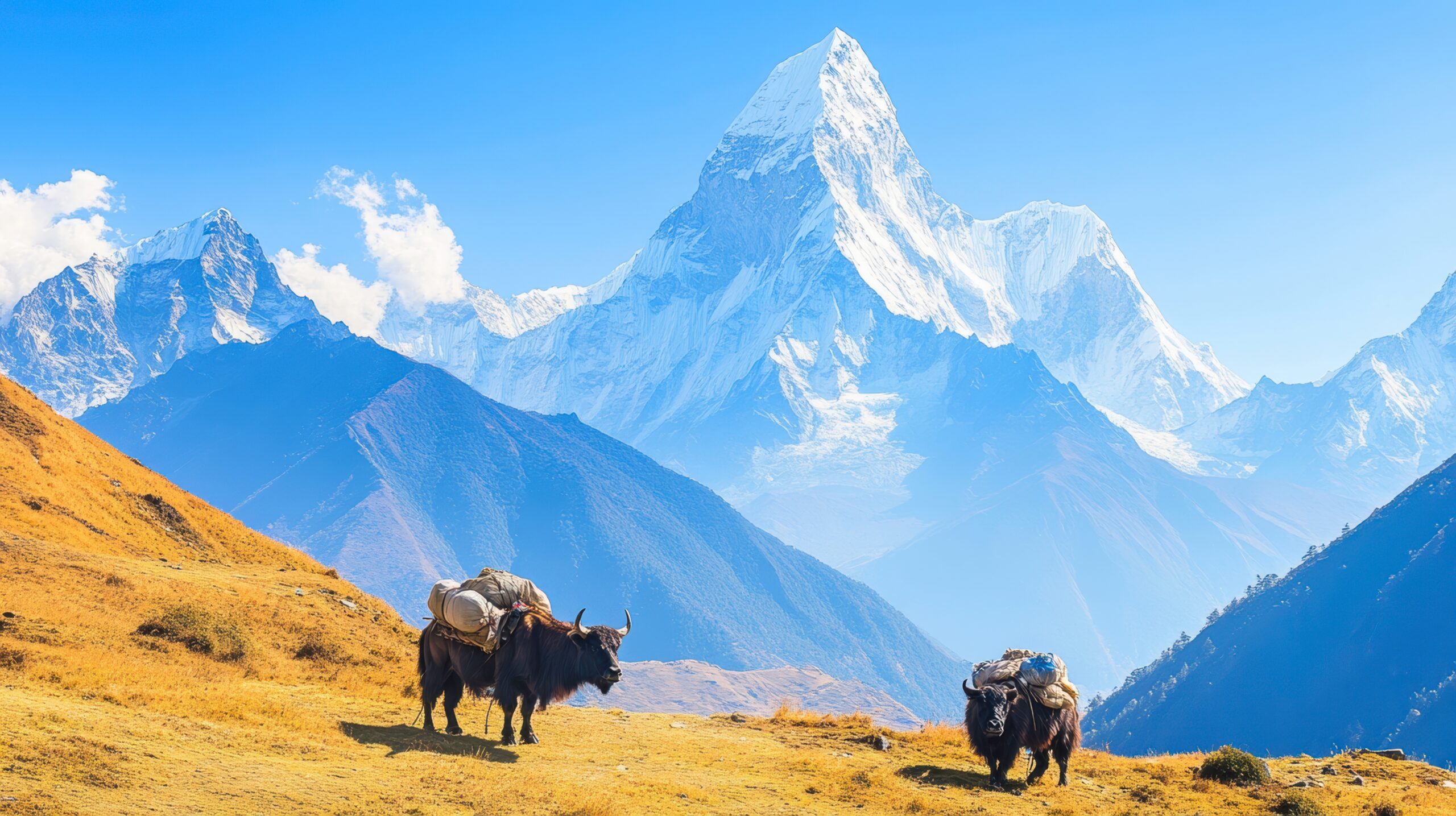
Lhakpa Sherpa grew up in Nepal’s Makalu region, in a family whose livelihood involved yaks and the mountains. She has described how expectations for girls restricted education and mountain work, while the landscape continued to draw her outward.
Rather than enter mountaineering through a well-financed expedition career, she began with labor and local experience in the Himalaya. Accounts of those early years describe her working around trekking and expedition parties despite social disapproval.
The word Sherpa can refer to an Indigenous Himalayan community as well as being used generically for expedition personnel. In Lhakpa’s name, it is a family/community name. The skill and judgment she built were her own—and were not the automatic consequence of an ethnicity.
Her achievement matters partly because the paid and unpaid labor surrounding Himalayan climbing has so often been celebrated less than the achievements of visiting clients. See GSG’s women in mountaineering research for the broader context.
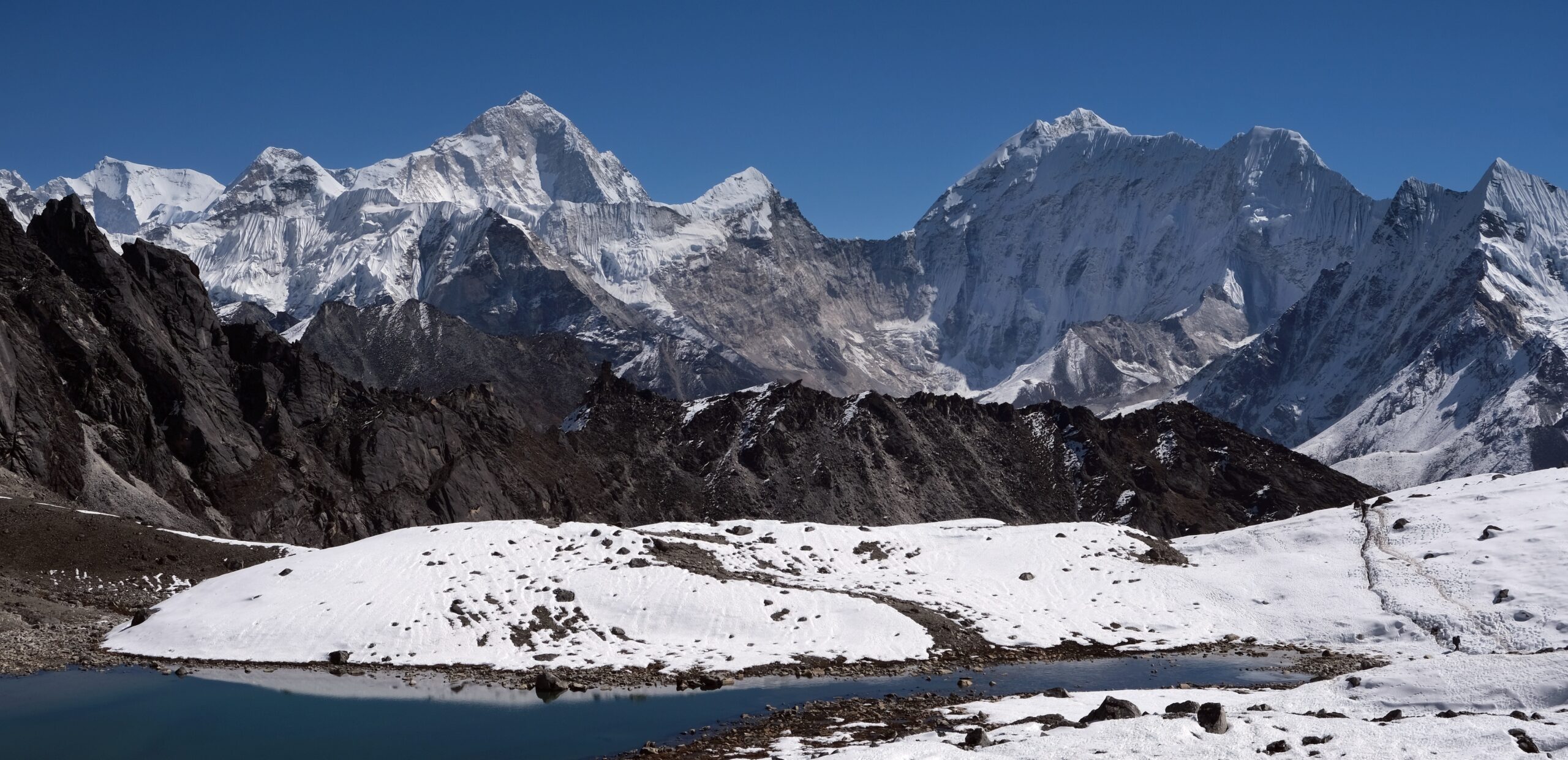
Eastern Nepal
She was raised in a mountain environment linked to the Makalu region, not in a wealthy Western climbing center.
May 18, 2000
Her first summit and successful descent made history for Nepali women.
Connecticut, USA
Years of raising her family and working jobs far from Everest are part of the documentary’s central story.
Who was the first Nepali woman to climb Everest?
There are two different firsts that should not be conflated.
Pasang Lhamu Sherpa
Reached Everest’s summit on April 22, 1993, but died on the descent. Her summit was historic even though she did not survive the expedition.
Lhakpa Sherpa
Summited on May 18, 2000 and descended successfully. That distinction is the one attached to the Mountain Queen film.
Junko Tabei
The Japanese climber became the first woman of any nationality to reach Everest’s summit on May 16, 1975.
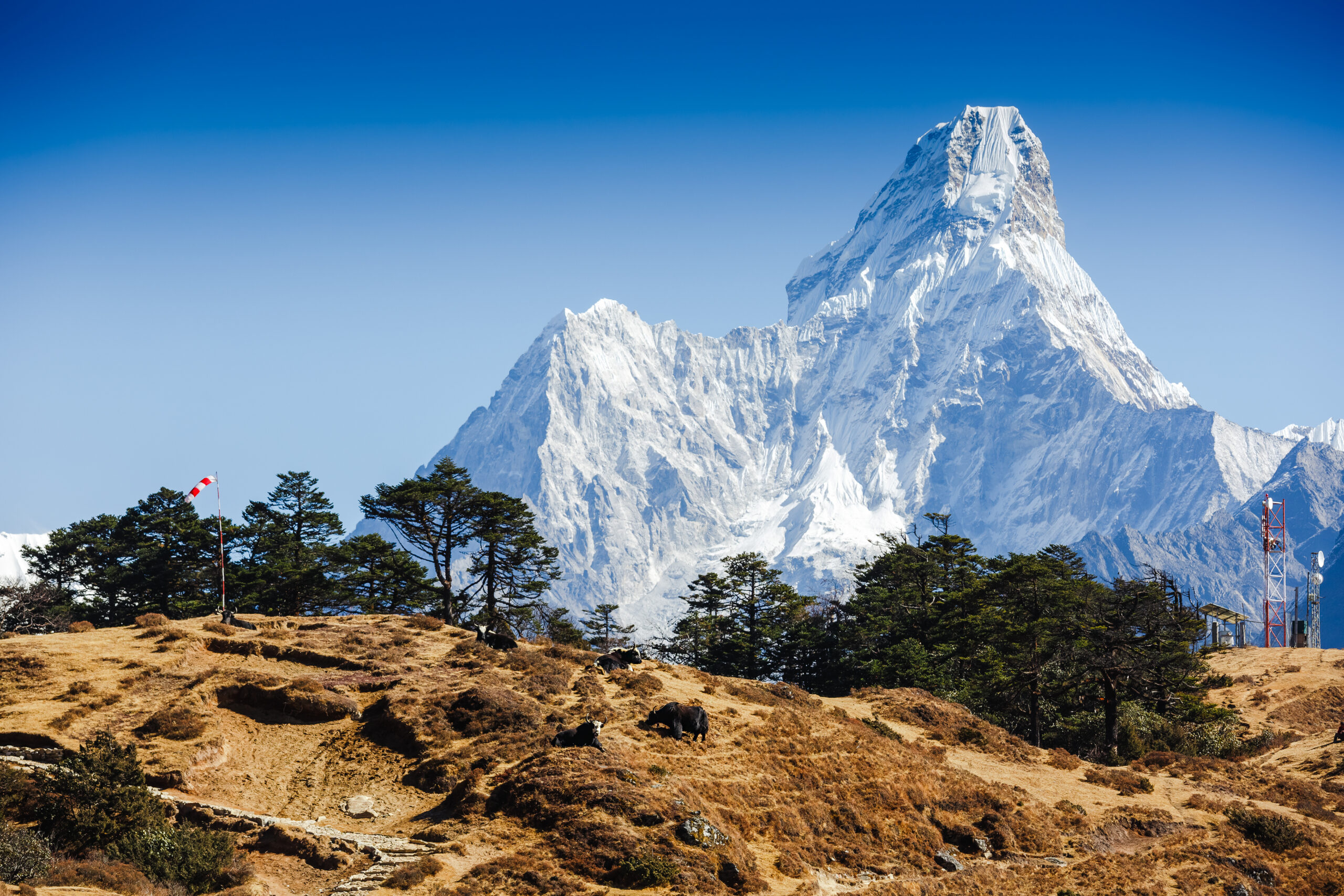
Lhakpa Sherpa’s 11 Everest summit dates, 2000–2026
This is the full reported and documented sequence—not eleven different peaks. Each numbered entry is a successful ascent of the same mountain: Mount Everest (8,848.86 m).
Showing 11 of 11 recorded Everest ascents.
| Number | Year | Summit date | Route side | Historical significance |
|---|---|---|---|---|
| 01 | 2000 | May 18 | South / Nepal | Breakthrough summit and successful descent |
| 02 | 2001 | May 23 | North / Tibet | Second Everest summit |
| 03 | 2003 | May 22 | North / Tibet | Third Everest summit; climbed in a family team |
| 04 | 2004 | May 20 | North / Tibet | Fourth summit |
| 05 | 2005 | June 2 | North / Tibet | Fifth summit |
| 06 | 2006 | May 11 | North / Tibet | Sixth summit before a lengthy gap |
| 07 | 2016 | May 20 | North / Tibet | Returned after roughly a decade away from successful Everest summits |
| 08 | 2017 | May 13 | North / Tibet | Eighth summit |
| 09 | 2018 | May 16 | North / Tibet | Ninth summit |
| 10 | 2022 | May 12 | South / Nepal | Tenth summit documented in the Netflix film |
| 11 | 2026 | May 17 | South / Nepal | Eleventh summit, confirmed by Guinness in June 2026 |
How these dates were checked: The first ten dates and north-versus-south details match Desnivel’s contemporary 2022 summit chronology. The May 17, 2026 ascent is documented by Guinness World Records. Some current secondary biographies incorrectly describe her 2022 route as a north-side ascent; the contemporary 2022 specialist chronology identifies Nepal’s south side.

Why count repeated summits?
Every summit push demands re-acclimatization, high-altitude judgment, weather interpretation, route teamwork and a safe descent. Even a familiar mountain can present different challenges each season.
Reaching the top does not conclude an expedition. Lhakpa’s 2000 historic distinction was successful return, and safe descent remains the objective for every subsequent climb.
What happened on Lhakpa Sherpa’s 2022 Everest climb?
The film follows her return to the Nepal side of Everest with the goal of a tenth confirmed summit. She climbed while seeking renewed purpose and a more secure future for her daughters.
Months of preparation and years of previous high-altitude experience informed decisions on weather, acclimatization, camp movement and the team’s progress.
The film places Lhakpa’s family story alongside the logistics of the expedition, including the presence of her daughter during part of the trip.
Lhakpa reached the summit for the tenth time. Guinness documented that achievement, and the film built its central expedition arc around it.
The film returns to her family and the difficult reality that extraordinary sporting achievement does not automatically guarantee financial security or public recognition.
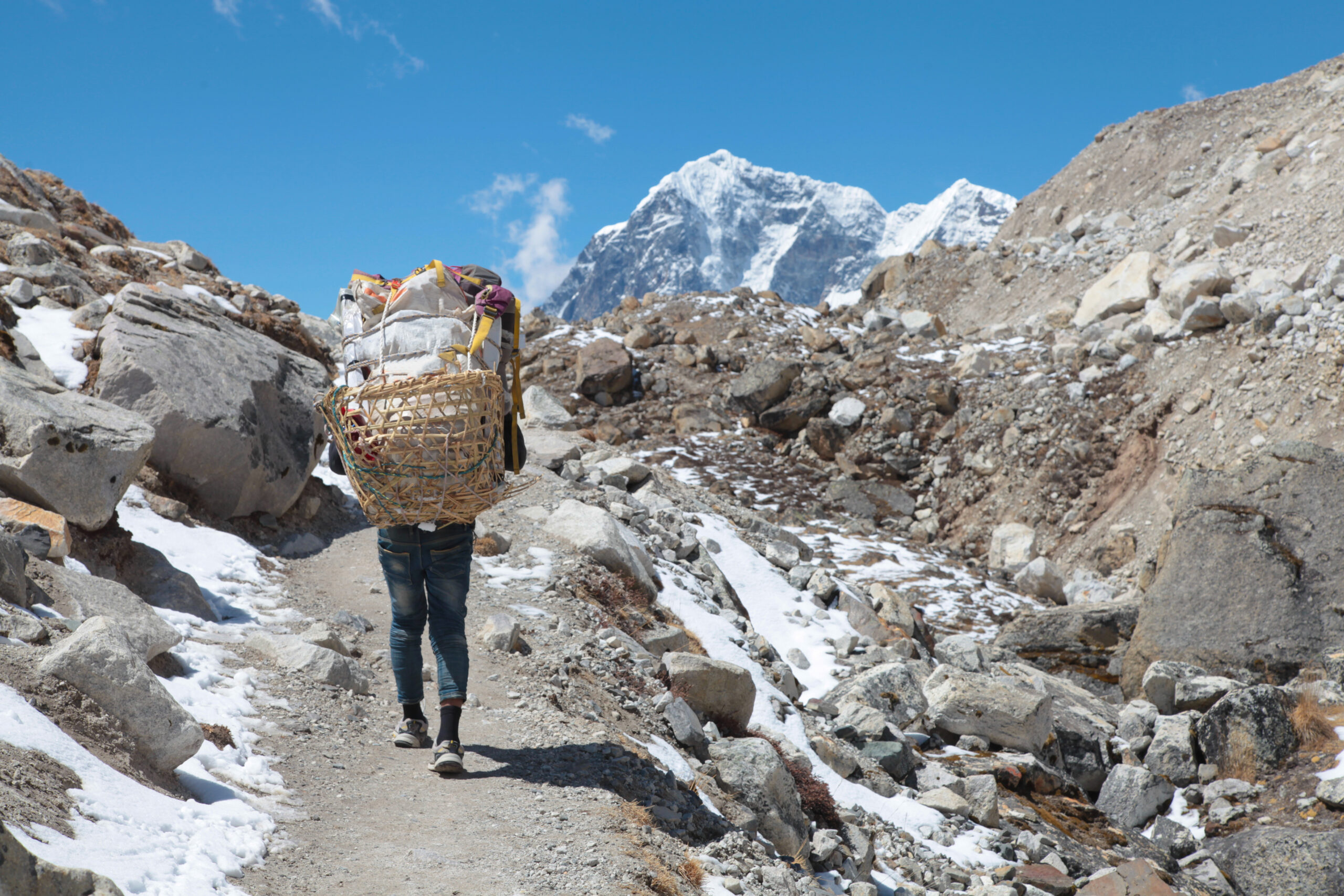
It was not an individual, unsupported solo climb
An Everest ascent relies on expedition infrastructure, staff, guides, route work, carrying teams, acclimatization and technical judgment. The documentary makes Lhakpa central for a good reason, but that should not erase the Nepali team and other people involved.
The anonymous porter pictured beside this section is illustrative of the larger labor system and is not identified as a participant in Lhakpa’s 2022 climb.
May 17, 2026: the eleventh Everest summit
On May 17, 2026, Lhakpa Sherpa stood on Everest’s summit for the eleventh time. Guinness later published confirmation, giving her a new recognized benchmark for the most Everest ascents by a woman.
Eleven Everest summits—not ten
Guinness reports that Lhakpa reached the summit at 9:30 a.m. local time on May 17, 2026. On the same day, fellow Nepali guide Kami Rita Sherpa recorded his 32nd Everest summit. The two records are different titles and should not be conflated.
Read Guinness’s official June 2, 2026 update ↗The 2024 documentary could not include this achievement. If you came to this page searching for Lhakpa’s “current record,” the answer is eleven as of October 2026. If you are asking how many times she had climbed Everest in the film, the answer is ten.
This distinction also means any older GSG article or movie catalog still showing “10 Everest summits” as her present record should be updated to **11**.

What does Mountain Queen show—and what came later?
The documentary centers the experiences of the real Lhakpa Sherpa. Its historical events are not scripted fiction, but its selection and sequencing of material reflect filmmaking decisions.
| Topic | What the 2024 film shows | Evidence-led context |
|---|---|---|
| Tenth summit | The 2022 expedition provides the film’s major climbing narrative. | Confirmed. She reached Everest for the 10th time on May 12, 2022. |
| Women’s Everest record | Ten climbs was an extraordinary world-leading achievement. | True for the film’s period. Guinness confirms eleven after May 17, 2026. |
| First Nepali woman | Emphasizes Lhakpa’s pioneering ascent and descent. | Precise wording matters. Pasang Lhamu reached the summit in 1993; Lhakpa first summited and survived in 2000. |
| Family and parenting | Interviews with Lhakpa and her daughters are central. | Their lived experience. The documentary shows perspectives of real participants, not actors portraying her daughters. |
| Abuse and recovery | Discusses her experiences of intimate partner violence and its consequences. | Personal testimony. Respect its seriousness; don’t treat the testimony as fabricated dramatic conflict. |
| Life after Everest | Ends with a portrait of perseverance and hope. | Not the end of the chronology. She also summited K2 in 2023 and Everest again in 2026. |
Lhakpa, Sunny and Shiny: the story the mountain record cannot tell
Part of what makes Mountain Queen memorable is that the summit count is never the entire measure of a life. The film follows Lhakpa’s experiences as a mother and immigrant in Connecticut and the effects of intimate partner violence on her family.
Her daughters Sunny and Shiny appear as real participants, not fictional characters. The documentary includes their perspectives on family life, identity and what her climbing represents to them. That makes the movie a family portrait as much as a sports documentary.
Lhakpa worked ordinary jobs, including at Whole Foods, while trying to finance climbing ambitions and maintain family stability. The contrast is the film’s central tension: being famous in mountaineering is not the same as having broad financial security or social support.
It is possible to admire her climbing while recognizing that domestic violence, poverty, and the struggle to raise children are not plot devices to be sensationalized. The documentary allows her to describe her own life rather than reducing her to either a record or a tragedy.
For direct statements from Lhakpa, Walker and her daughters, consult Netflix’s group interview.
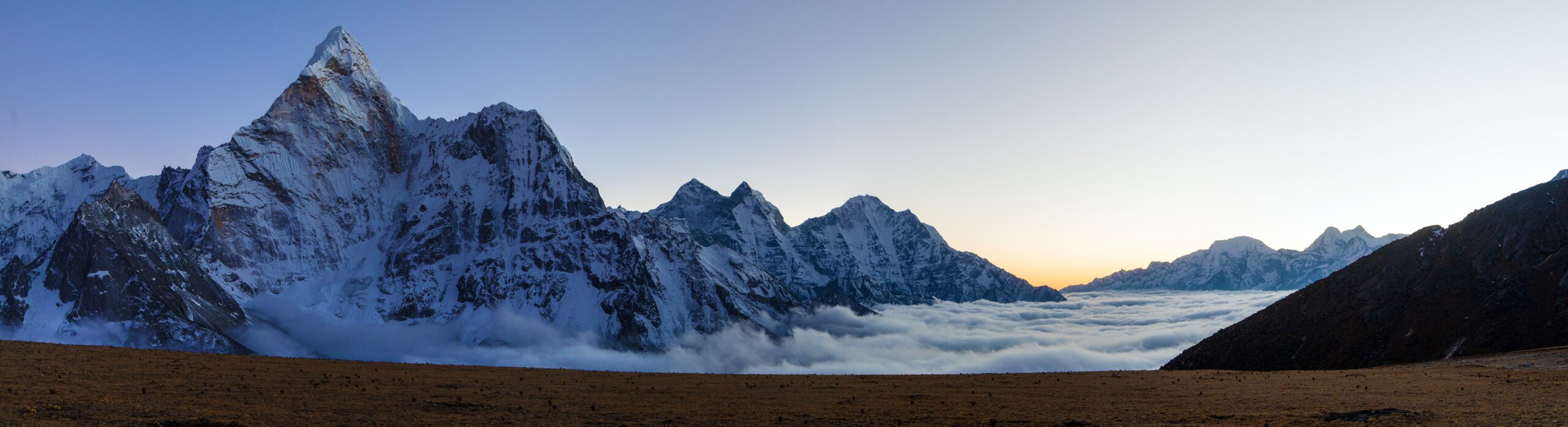
Did Lhakpa climb Everest from Nepal or Tibet?
Both. Her earlier summits included the north side in Tibet, while the film’s tenth summit in 2022 was on the south side via Nepal. The 2026 eleventh summit was also via Nepal.
Khumbu → South Col
The Nepal route includes Everest Base Camp, the Khumbu Icefall, Western Cwm, Lhotse Face and South Col before the southeast ridge.
Tibet → North Col
The northern route uses a different approach, camps and summit ridge, with different hazards and access policies. It should never be treated as the same itinerary.
Film footage has a place
A south-side 2022 photograph does not document earlier north-side ascents. This GSG article labels all modern mountain images by actual location.

The mountain is shared by two countries
Everest sits on the Nepal–China (Tibet) border. Nepal’s standard climbing route and the Tibetan route have different travel controls, rescue logistics and seasonal access. Rules can change abruptly.
Explore the full Everest climbing guide for route and risk distinctions. This film article is not a substitute for current permit, weather, rescue or expedition guidance.
Did Lhakpa Sherpa climb K2?
Yes. Lhakpa also climbed K2 in 2023, after the documentary’s 2022 Everest expedition. She discussed the K2 ascent in her 2024 interview with Netflix.
K2, at 8,611 m, is the world’s second-highest mountain. It presents a very different technical and logistical challenge from the standard Everest routes, including steep ground on the Abruzzi Spur and exposure beneath high seracs.
It is important not to confuse Lhakpa’s own K2 summit with the separate, extensively disputed 2023 Muhammad Hassan incident near K2’s Bottleneck involving multiple climbing teams. Lhakpa’s K2 ascent is one event; the wider mountain incident requires separate reporting and sourcing.
Read GSG’s K2 Bottleneck guide and K2 route guide for the actual terrain, hazards and documented chronology.
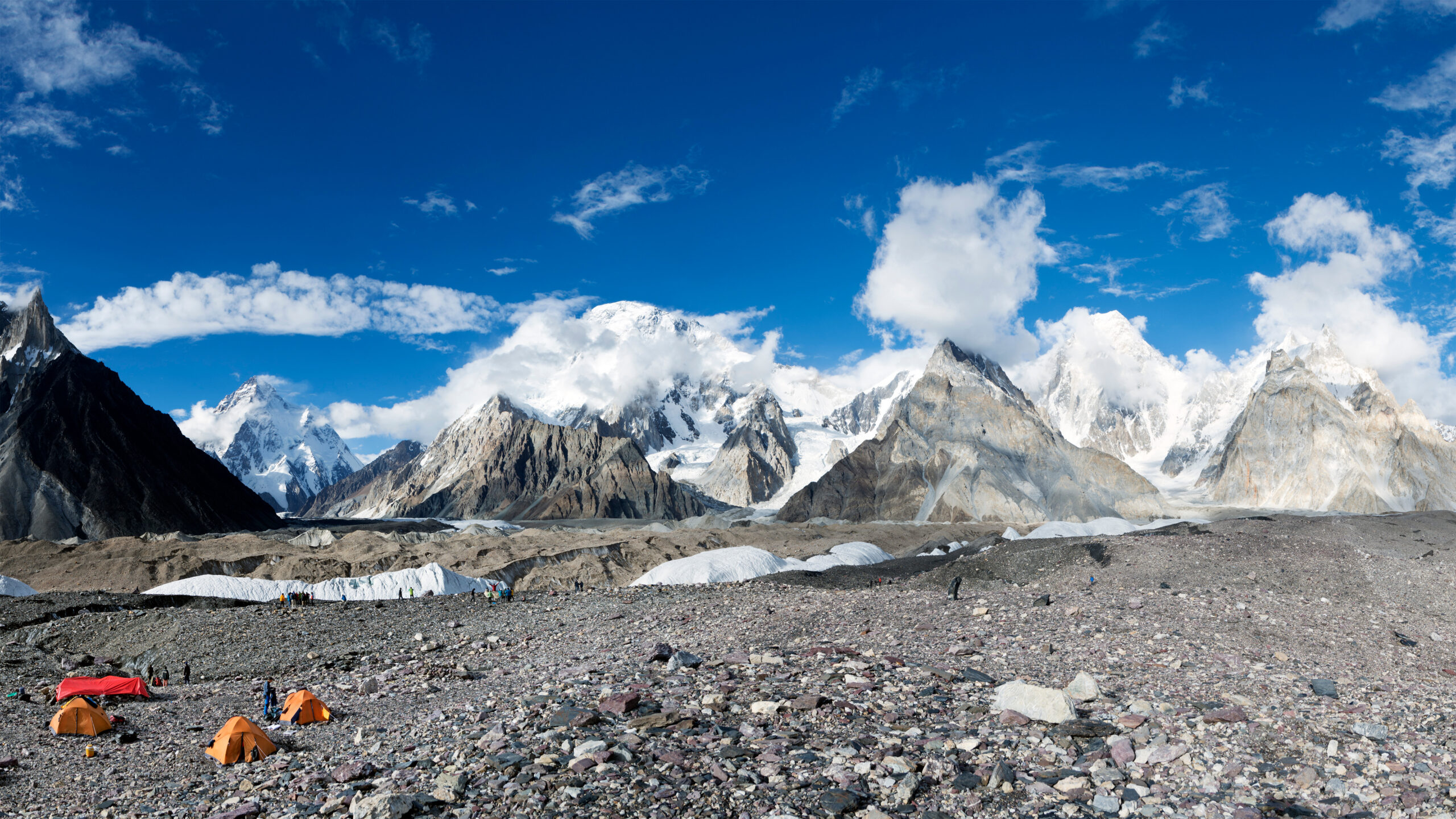
Why Lhakpa Sherpa’s record matters for women in mountaineering

The historical first and the recurring summit record both challenged expectations about who gets to become a recognized high-altitude climber.
Modern Everest expeditions depend on Nepali route setters, guides, porters, kitchen teams, high-altitude workers and rescuers. Lhakpa’s story illustrates how women within those mountain communities have had to overcome gender barriers as well as the physical risks of the peak.
Her story should not imply that every Sherpa works in climbing or that all Nepali climbers share a single background. Climbing experience, economic opportunity, professional expertise and personal goals vary considerably.
To go deeper into the topic, see women’s mountaineering participation and female-led operators. The longer story begins with Junko Tabei and Pasang Lhamu Sherpa, and it continues through many Nepali climbers whose roles are less widely reported.
Who made Mountain Queen, and did it win awards?
Director Lucy Walker followed Lhakpa and her family through interviews, daily life and the expedition. The film premiered at the Toronto International Film Festival in 2023 and was acquired by Netflix for distribution, before its July 2024 release.
Mountain Queen received a Peabody Award in the 2024 awards class. The recognition was announced after the documentary’s release and supports its standing as a serious nonfiction film, not a fictional sports biopic.
Critics praised the alternation of exhilarating summit footage and Lhakpa’s more difficult life away from Everest, though reviews also noted the inherent challenge of compressing so many experiences into a feature-length documentary.
See the official Peabody citation ↗ · Director Lucy Walker’s film page ↗
What can mountaineers learn from the real Mountain Queen?
Build experience gradually
Even a historic record holder relied on many years of climbing, route learning and on-mountain judgement.
Respect local expertise
Himalayan expeditions succeed through coordinated support, labor and skill, not by separating a famous summit from the people who helped make it possible.
Descend safely
First summits, tenth summits and eleventh summits share one essential requirement: the people on the route need to return home.
Inspired by the documentary? The next responsible step is not to book Everest tomorrow. Begin with first 6,000-meter summits, mountain guides and GSG’s guided-trips research—and assess your readiness for altitude, rope skills and expedition conditions.
Mountain Queen and Lhakpa Sherpa: FAQs
Is Mountain Queen based on a true story?
Yes. It is a documentary directed by Lucy Walker featuring the real Lhakpa Sherpa, her family and footage around her 2022 tenth Everest ascent.
How many times has Lhakpa Sherpa climbed Everest?
Eleven successful summits as of October 2026. The eleventh was May 17, 2026, verified by Guinness World Records.
Why does the documentary say she summited Everest ten times?
Because the film chronicles her 2022 tenth ascent and was released in 2024, before the eleventh ascent in May 2026.
When did Lhakpa Sherpa climb Everest for the first time?
On May 18, 2000; she also descended safely, making her the first Nepali woman to do both.
Was Lhakpa the first Nepali woman to reach Everest’s summit?
No. Pasang Lhamu Sherpa was the first Nepali woman to reach the summit, on April 22, 1993, but died on the descent. Lhakpa became the first Nepali woman to summit and return alive in 2000.
Who directed Mountain Queen?
Lucy Walker directed Mountain Queen: The Summits of Lhakpa Sherpa.
When did Mountain Queen come out?
The documentary received a limited U.S. theatrical release on July 26, 2024 and began streaming on Netflix on July 31, 2024.
Where can I watch Mountain Queen?
The official streaming destination is Netflix. Availability depends on country and current licensing.
Did Lhakpa climb Everest from the north or south?
Both. Her 2000, 2022 and 2026 Everest ascents were from the south / Nepal side. Most of her intervening Everest summits were via the north / Tibet side.
Did Lhakpa Sherpa also summit K2?
Yes. She summited K2 in 2023, after the 2022 Everest expedition documented in Mountain Queen.
Are the mountain photographs in this article from the documentary?
No. They are individually credited contemporary photographs of the real Nepal Himalayan region and K2, not screenshots from Netflix. See the official trailer for original film footage.
Is Mountain Queen a dramatization like Everest (2015)?
No. Mountain Queen is a nonfiction documentary with real participants and expedition footage; Everest (2015) is a dramatized feature film based on historic events.
Does the film discuss domestic violence?
Yes. It includes Lhakpa Sherpa’s testimony and family perspectives about intimate partner violence and its effects. This is serious personal history, not staged entertainment.
Did Mountain Queen win a Peabody Award?
Yes. It won a Peabody Award in the 2024 award class, as documented by the Peabody Awards organization.
Sources, image credits and corrections policy
GSG distinguishes the documentary’s 2022 narrative from later historical achievements. Dates, Everest summit counts, film release details and the “first Nepali woman” wording were checked against primary organizations and contemporary specialist mountaineering reporting. Source publication dates matter: Netflix’s 2024 copy cannot incorporate the 2026 record.
- Guinness World Records: “King and Queen of Everest” (June 2, 2026) ↗
- Guinness: Lhakpa Sherpa’s tenth Everest summit, May 12, 2022 ↗
- Netflix Media Center: official film synopsis and release dates ↗
- Netflix Tudum: Lhakpa and Lucy Walker interview (July 31, 2024) ↗
- Netflix Tudum: official documentary background (July 31, 2024) ↗
- Desnivel: ten 2000–2022 Everest summit dates and route sides ↗
- Kathmandu Post: Nepali women on Everest, Pasang Lhamu and Lhakpa (May 15, 2026) ↗
- Director Lucy Walker: Mountain Queen film page ↗
- Peabody Awards: Mountain Queen award citation ↗
- Netflix official Mountain Queen trailer ↗
- Netflix official viewing page ↗
Photographs and editorial labeling
Every embedded photo was sourced from GSG’s existing licensed media library and depicts a real mountain or regional scene named in the accompanying caption. None is presented as filming from 2022 or a photograph of Lhakpa’s family, unless explicitly identified by an original source. The only film imagery appears through Netflix’s own official trailer embed. GSG has no editorial relationship with Netflix.
- everest: GSG media library / licensed Adobe Stock — original media link ↗
- yak: GSG media library / licensed Adobe Stock — original media link ↗
- makalu: GSG media library / licensed Adobe Stock — original media link ↗
- trail: GSG media library / licensed Adobe Stock — original media link ↗
- cholatse: GSG media library / licensed Adobe Stock — original media link ↗
- porter: GSG media library / licensed Adobe Stock — original media link ↗
- k2: GSG media library / licensed Adobe Stock — original media link ↗
- amadablam: GSG media library / licensed Adobe Stock — original media link ↗
- thamserku: GSG media library / licensed Adobe Stock — original media link ↗
- taboche: GSG media library / licensed Adobe Stock — original media link ↗
- amphu: GSG media library / licensed Adobe Stock — original media link ↗
Last editorial fact check: October 24, 2026. Mountaineering achievements and records can change; for the current world-record title, verify directly with Guinness.
Ten summits in the film. Eleven in real life.
If Mountain Queen moved you, begin with the history—then explore the people and peaks behind the cameras. Lhakpa Sherpa’s story connects the Everest record book with the often-unseen lives behind expedition success.
Was this helpful?
🏔Related peaks nearby
🧭Explore & compare
Global Summit Guide is an independent mountaineering resource founded in 2026. The team combines first-hand trekking and climbing experience with in-depth research and professional health and nutrition review to help climbers choose objectives, prepare properly, and stay safe.
Health, altitude, and nutrition content is reviewed by Taylor Ludlow (Registered Nurse) and Brigg Hoopes (Nutritionist).
What We Don't Know Yet
Mountain information changes quickly. This box explains the limits of what this page can responsibly promise.
- Route conditions, trailhead access, crevasse exposure, stream crossings, and rescue access may vary from published planning guidance.
- Comparisons simplify complex decisions; the better mountain depends on current conditions, skills, timing, budget, and risk tolerance.
- Visa, passport, vaccination, border, insurance, and local transportation rules may change before your trip.
Verify current conditions with official land managers, guide services, local forecasts, and current route reports before booking or climbing.
Mountaineering, rock and ice climbing, glacier travel, and high-altitude activity are inherently dangerous and can result in serious injury or death. The information on Global Summit Guide is provided for general informational and educational purposes only and is not a substitute for professional instruction, qualified guiding, proper equipment, or your own judgment and experience.
Route conditions, weather, snowpack, permits, regulations, and hazards change constantly and may differ from what is described here. Details may be incomplete, out of date, or contain errors. Always verify current information with local authorities, certified guides, and official sources before making any decision in the mountains.
Nothing on this site is medical, legal, or financial advice. Our fitness, acclimatization, altitude, and nutrition content is general in nature; consult a qualified physician before beginning any strenuous exercise program or exposing yourself to high altitude.
You are solely responsible for your own safety and decisions. To the fullest extent permitted by law, Global Summit Guide and its team accept no liability for any loss, injury, damage, or expense arising from use of, or reliance on, this information. By using this site you acknowledge these risks and accept these terms.
Some links on this site may be affiliate links. If you buy through them we may earn a small commission at no extra cost to you; this never affects our recommendations.
Global Summit Guide recommendation path
Next Best Mountain to Research
Use these recommendations to continue the right planning path instead of stopping on one page.
Use current permit, weather, route, and operator information before booking or climbing.