
Last updated September 30, 2026
Inca Trail Permit & Booking Calendar: 2027 Dates, Fees & How to Book
Planning the Inca Trail for 2027 starts with one fact: Peru has not yet published the official 2027 sales-opening date. The 2026 season opened on November 17, 2025 at 8:00 a.m. Peru time, while the sales system itself is changing again in September 2026. This page separates confirmed rules from planning assumptions so you can be ready without inventing a date.
When Do 2027 Inca Trail Permits Open?
No official 2027 opening date has been published in the Ministry of Culture or DDC Cusco sources reviewed for this September 29 update. Do not build a trip around a travel-blog date that Peru has not announced.
The best official precedent is the 2026 cycle: reservations and sales opened November 17, 2025 at 8:00 a.m. Peru time through Tu Boleto. Peru specifically moved that cycle earlier so travelers and operators could plan farther ahead.
There is another important change. On September 22, 2026, the Ministry began a 30-day pilot of direct sale with confirmed payment. The initial checkout window is 15 minutes instead of the former three-hour reservation hold, and travel agencies continue participating in Inca Trail purchases.
The Inca Trail is a regulated high-altitude trek with limited road access. Review rescue, evacuation and travel-protection arrangements after your date is confirmed.
Partnership disclosure: Global Summit Guide is a Global Rescue Safe Travel Partner. Commercial relationships do not determine editorial conclusions.What Is Confirmed—and What Is Still Waiting for Peru.
A useful permit calendar should make uncertainty obvious. The only defensible 2027 status today is “not yet announced,” paired with the official 2026 precedent and a clear monitoring plan.
| Planning item | Current status | Confirmed reference | What you should do now |
|---|---|---|---|
| 2027 Inca Trail sales opening | Not announced | No 2027 date found in official Culture/DDC notices reviewed Sep. 29, 2026 | Choose your preferred trek month, shortlist three start dates and have an operator ready before November. |
| 2026 sales precedent | Confirmed | Opened Nov. 17, 2025 at 8:00 a.m. Peru time | Begin checking official sources in early November 2026; do not assume the same date will repeat. |
| Tu Boleto purchase mechanics | Pilot changing | 30-day direct-sale pilot began Sep. 22, 2026; initial payment window 15 minutes | Expect the final 2027 checkout process to be confirmed after the pilot; keep payment method and traveler data ready. |
| February 2027 | Plan on closure | Annual February maintenance closure; 2026 closure Feb. 1–28, reopening Mar. 1 | Do not target a February Classic or Short Inca Trail start unless Peru formally changes the annual closure rule. |
| Machu Picchu entry after Inca Trail | Agency-linked | Dedicated Route 3-B spaces for Inca Trail arrivals must be reserved and paid through authorized agencies | Confirm that the operator quote identifies the Machu Picchu entry arrangement attached to your trek. |
An Inca Trail Reservation Is a Controlled Route Entry.
The Inca Trail is not a normal trailhead where you arrive with a national-park pass. The protected road network has route-specific capacity, visitor identification requirements and regulated tourism operations.
For travelers continuing from the network into Machu Picchu, current rules also reserve limited Machu Picchu spaces specifically for Inca Trail arrivals. Those spaces are tied to the authorized-agency process rather than being something you should assume is automatically interchangeable with any public Machu Picchu ticket.
This is why the permit date should be the anchor of the trip. Build flights, Cusco acclimatization, Sacred Valley time and the rest of the itinerary around the confirmed trek start—not the other way around.
How to Book the Inca Trail Without Creating a Permit Problem.
The September 2026 technology change affects how quickly payment is completed, but it does not eliminate the role of authorized travel agencies for Inca Trail travelers.
Choose the route before the operator package.
Decide whether you want the multi-day Classic Inca Trail or the shorter Route 5 / km 104 approach. The inventory, physical demands and itinerary are different.
Give the agency three acceptable start dates.
Peak-season flexibility can matter more than having one perfect date. Rank your first, second and third choice before inventory opens.
Use the exact identity document you will travel with.
Provide the operator the precise name and passport or approved identity information requested for the official booking. Review every character before payment.
Be ready to pay immediately.
The current September 2026 pilot gives the buyer an initial maximum of 15 minutes to complete payment before unpaid inventory is released back into the system. Peru may adjust this window after the pilot.
Confirm the Machu Picchu entry attached to the trek.
Current rules provide limited Route 3-B spaces for travelers arriving from the Inca Trail, reserved and paid through authorized agencies. Make the operator show you what is included.
Save the confirmation and recheck the operating rules.
Keep the operator confirmation, traveler names, trek date and included admissions together. Before buying nonrefundable travel, verify the agency’s change, cancellation and refund rules rather than assuming the permit is freely movable.

The Permit Protects a Historic Road Network—Not Just a Famous Finish Line.
Once your start date is secured, the planning problem changes from “Can I get in?” to acclimatization, weather, packing, operator execution and arriving healthy enough to enjoy the trail.
Route Capacity Explains Why “500 Permits” Is Too Simple.
Peru’s current regulation sets route-level capacity, while the September 2026 pilot announcement also describes a network-wide daily admission figure. Do not add every route ceiling together and call the result public tourist inventory.
500 Users / Day Each
RM 294-2025-MC sets a regulatory capacity of 500 daily users for each of Routes 1, 2, 3 and 4. Route operating status can still differ.
250 Users / Day
The shorter Chachabamba / km 104 route has a separate 250-user daily capacity and is the main alternative for travelers wanting a shorter Inca Trail experience.
100 Users / Day
The regulation assigns Route 6 a 100-user daily capacity. Its role and sale status have changed over time, so verify current availability rather than assuming every regulated route is on sale.
Do Not Publish One “2027 Permit Price” Yet.
Peru has not yet published a 2027 tariff that can be treated as final for this page. More importantly, the official government references currently visible online do not display the same traveler amounts, so the responsible answer is to show the discrepancy instead of pretending one number is settled.
| Official reference | Classic / Routes 1–3 | Short / Route 5 | How to use it |
|---|---|---|---|
| Ministry of Culture TUSNE 2025 | General S/292 · Student S/147 · Minor S/135 | General S/222 · Student S/112 · Minor S/105 | Legal tariff reference, but not a confirmed 2027 schedule. |
| Mincetur current resource inventory | General S/300 · Student S/150 · Minor S/75 | General S/228 · Student S/114 · Minor S/57 | Current tourism-inventory display; verify against the sales platform before payment. |

Use a Sellout Plan Before You Need One.
The strongest booking strategy is not “book earlier” in the abstract. It is deciding in advance which compromises you are willing to make if the Classic route or exact day is unavailable.
| Option | Permit / reservation issue | What changes | Use it when… |
|---|---|---|---|
| Move the Classic Inca Trail date | Same regulated trail system | Your Peru trip shifts around the permit | The four-day experience is the non-negotiable priority. |
| Route 5 / Short Inca Trail | Separate 250-user route capacity | Shorter trekking experience from the km 104 side | You want an Inca Trail approach but cannot secure the longer itinerary. |
| Salkantay alternative | Not the same Inca Trail permit inventory | Different trek, higher mountain terrain, separate logistics | The multi-day Andean trek matters more than walking the regulated classic route. |
| Machu Picchu without an Inca Trail trek | Machu Picchu ticket capacity still applies | Train / road logistics replace the protected trail entry | Seeing Machu Picchu is the priority and trail inventory is unavailable. |

The Classic Trail Still Climbs to Roughly 4,200 Metres.
Once the reservation is confirmed, protect acclimatization days in Cusco or the Sacred Valley. A sold-out permit creates urgency; altitude should not.
February Is a Maintenance Closure, Not a Sold-Out Month.
Peru closes the protected Inca Trail network during February for conservation, maintenance and risk work. In 2026 the network closed February 1–28 and reopened March 1.
Do Not Target the Inca Trail
No amount of early booking turns an official maintenance closure into available trail inventory.
Reopening Is Not Dry Season
The trail may reopen March 1 while wetter-season conditions remain. Reopening and ideal weather are separate questions.
Verify the Current Notice
Maintenance, landslides, fire or heavy rain can create route-specific operational changes outside the normal February closure.
What to Do Between Now and Your Trek.
This timeline is intentionally built around confirmed tasks rather than a fabricated release day.
Choose Route + Operator
Pick Classic vs Short Inca Trail, collect traveler passport data and identify three acceptable trek dates.
Watch Official Sources
Check DDC Cusco, Ministry of Culture and Tu Boleto frequently. The 2026 cycle opened Nov. 17, but 2027 remains unannounced.
Pay Fast, Verify Twice
Have payment ready and review traveler identity information before the operator finalizes the purchase.
Build Around the Permit
Lock Cusco acclimatization, flights, lodging, transport and the rest of Peru only after the trail start is confirmed.
Reconfirm Documents
Check operator meeting details, permit names, Machu Picchu entry, luggage limits and any current route advisories.
Check Trail Conditions
Review Peru weather, recent rain, route status and transportation disruptions rather than relying on seasonal averages.
Final Operating Check
Confirm pickup, route status and local weather with the operator while keeping independent official sources in view.
Carry the Right ID
Travel with the identity document required for the booking and follow the agency’s current check-in instructions.
Shift From Permit Hunting to Trek Preparation.
The Inca Trail is a multi-day high-altitude hike with stone stairs, wet-weather potential, strong sun and long descents. Use the confirmed date to drive training and gear testing.
Broken-In Hiking Shoes
Prioritize proven fit and traction over heavy footwear by default. The trail’s long stone descents punish poorly fitted shoes.
Waterproof Shell
Dry-season planning does not remove cloud-forest rain. Carry a shell that has already been tested under a pack.
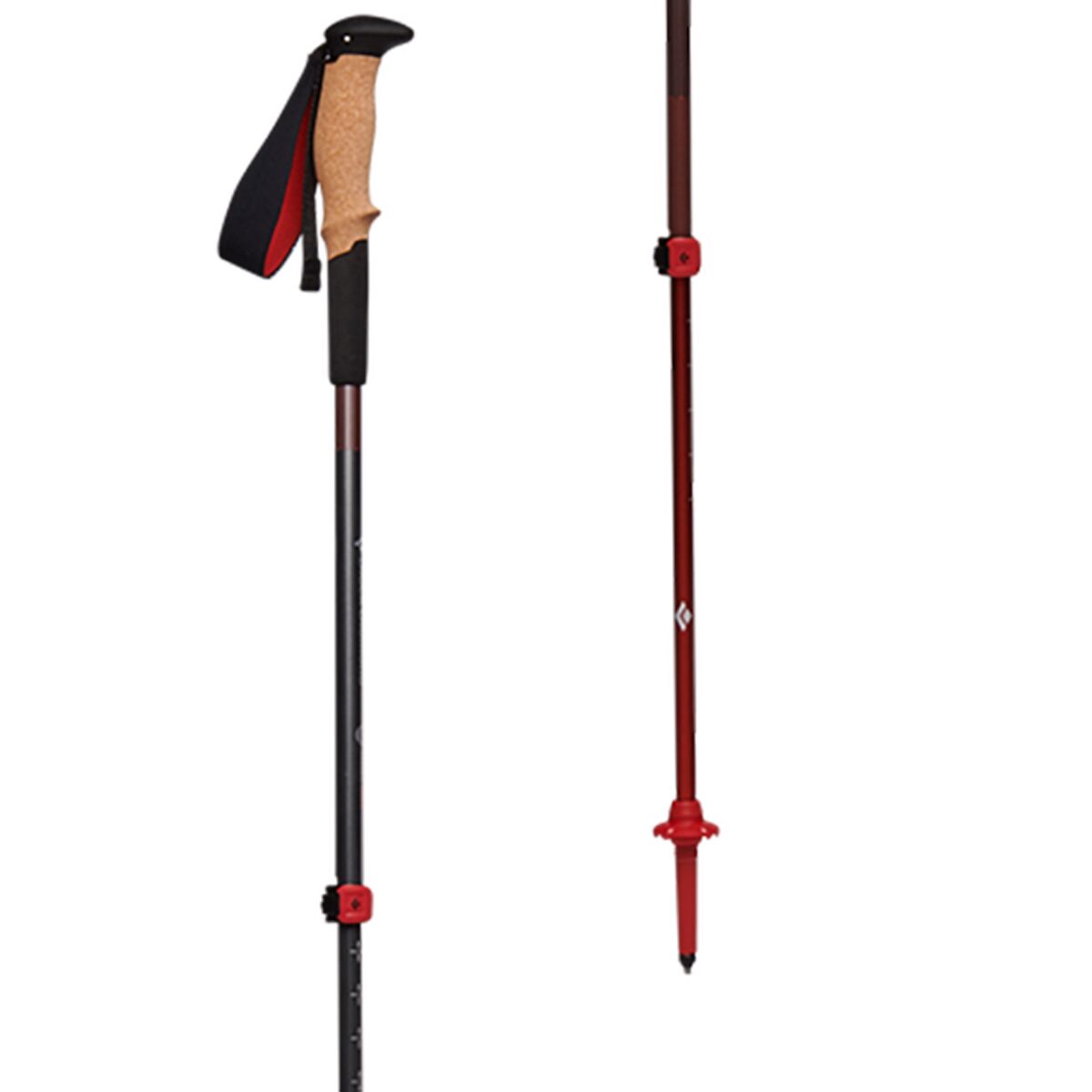
Trekking Poles
Useful on repeated stair descents and for conserving legs over consecutive days; confirm local tip/protection requirements.
Inca Trail Trekking Gear
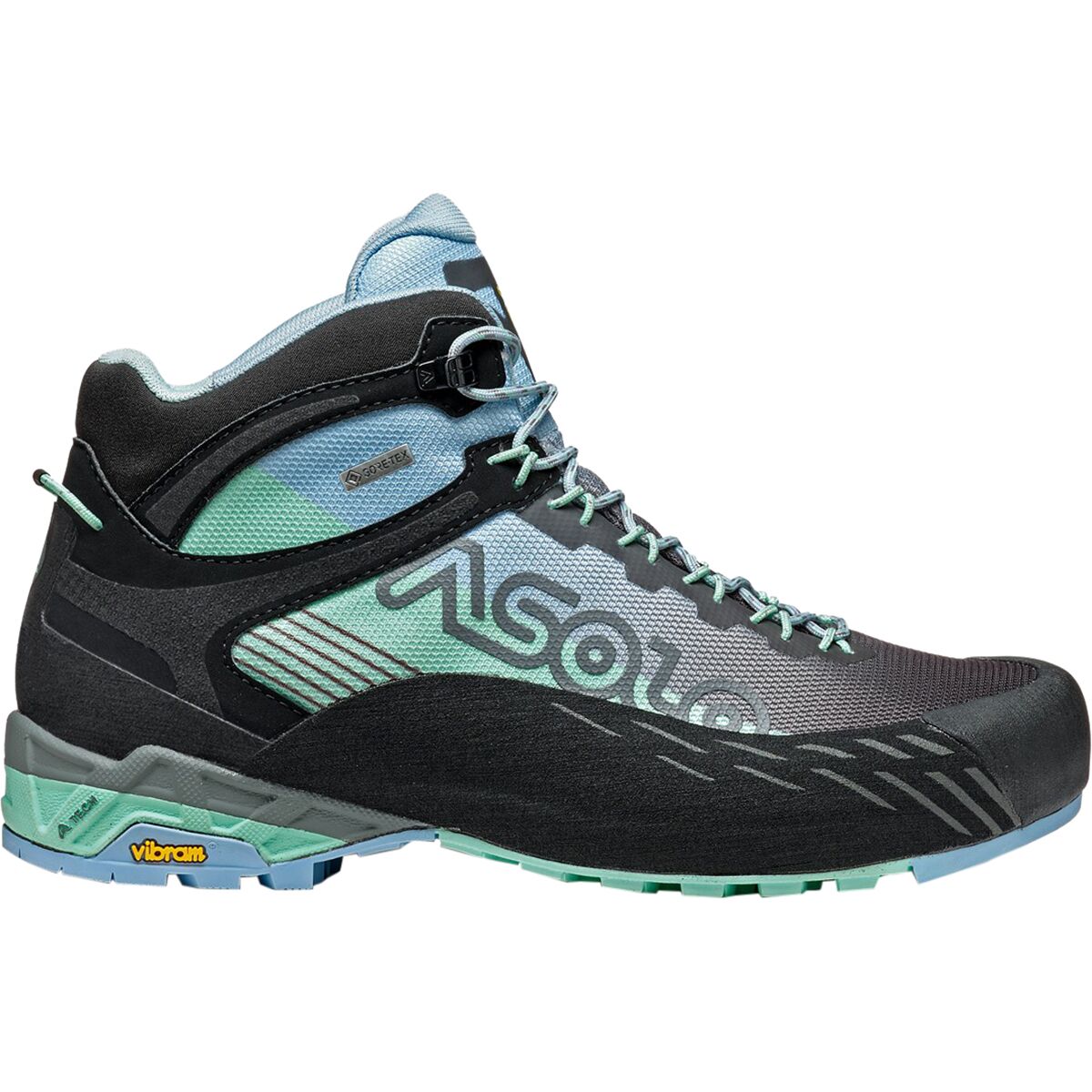
- AsoloAsolo Eldo Mid GV Hiking Boot – Women'sFrom $104.47
$189.95Check price at Back Country (opens in a new tab)


We may earn a commission if you buy through these links, at no extra cost to you. Affiliate disclosure
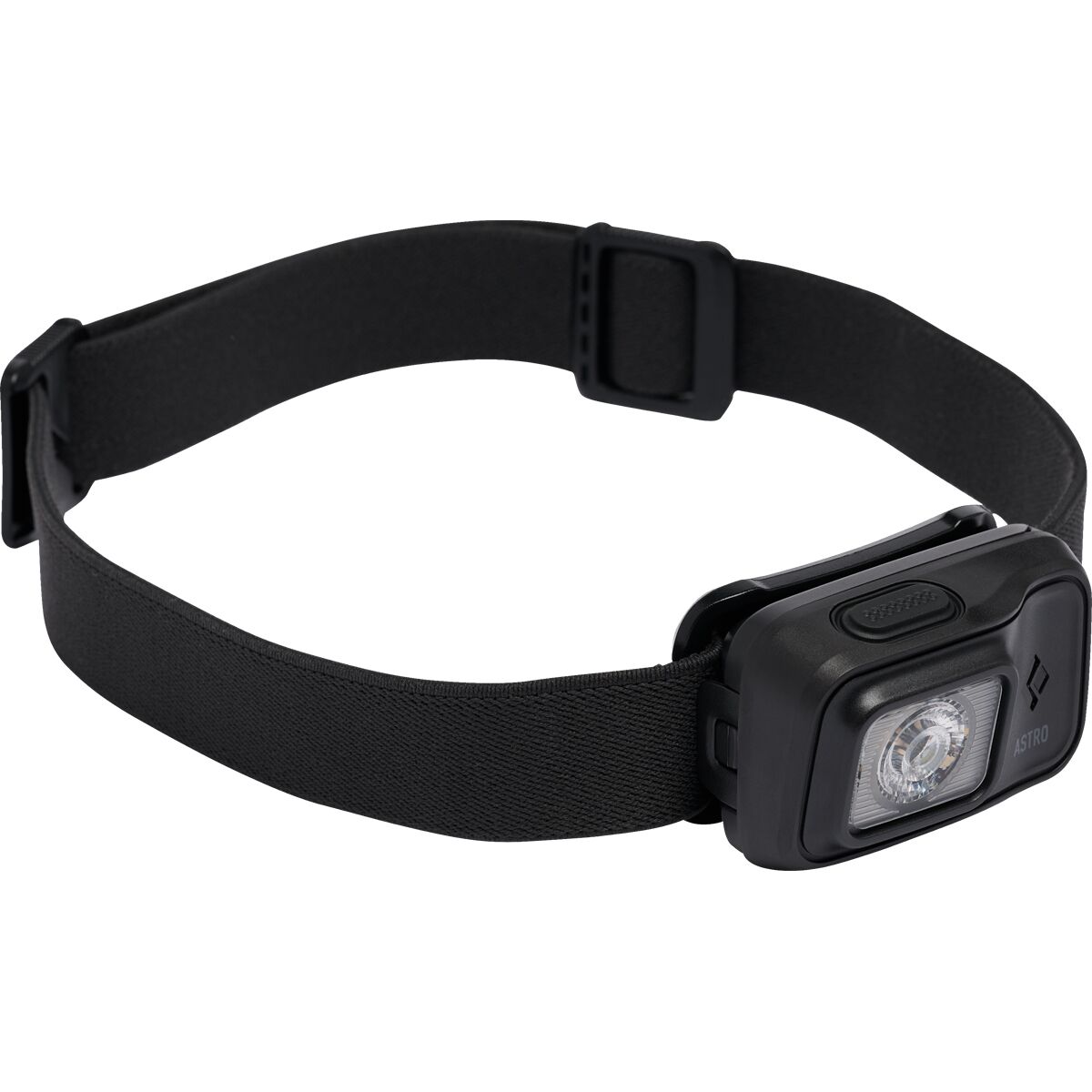
High-Altitude Trail Essentials
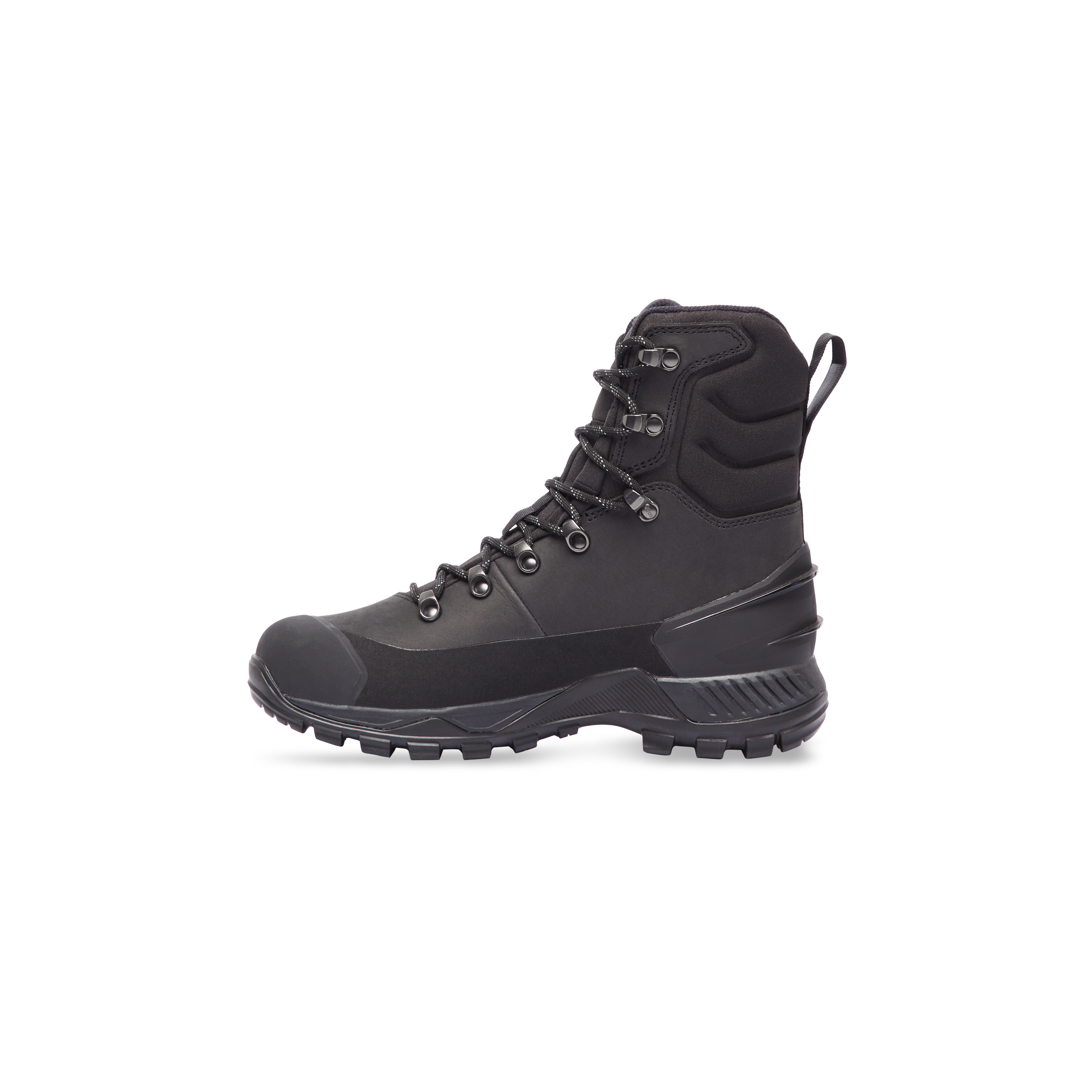
- Black DiamondBlack Diamond Pursuit Shock Trekking Poles$113.97
$189.95Check price at Back Country (opens in a new tab)


Three Landscapes the Permit Gives You Access To.
The protected network moves through high passes, cloud forest and major archaeological sites before reaching the Machu Picchu system.


Inca Trail & Machu Picchu Planning Map
The classic network approaches Machu Picchu from the west through protected Andean terrain. The common Classic Inca Trail begins around the km 82 / Piskacucho side, while the shorter Route 5 uses the km 104 / Chachabamba access.
The map is an orientation tool, not a permit-availability map. Route status and inventory must come from the official sales system and your authorized agency.
Machu Picchu marker: approximately 13.1631° S, 72.5450° W.
Three Planning Problems to Solve Before Departure.
The permit determines whether you can start. These three resources help answer whether you are ready for the conditions around that start date.
Keep the Permit Page Focused on Inventory. Use the Route Guides for the Trek.
This page owns Inca Trail release dates, booking rules, route capacity, permit fees and reservation strategy. The route page owns the four-day trekking experience. The Peru hub owns broader trek selection.
Use Peru’s Sources for the Date That Can Change Your Trip.
Commercial operator pages are useful for package details. The release date, sales process, capacity and annual closure should be checked against Peru’s official sources.
Ministry of Culture · 2026 Sales Opening
Official notice confirming Nov. 17, 2025 opening and the 8:00 a.m. Inca Trail release time for the 2026 cycle.
Open official notice →DDC Cusco · Sep. 2026 Direct-Sale Pilot
Current 30-day pilot replacing the three-hour hold with confirmed payment and an initial 15-minute checkout window.
Open current sales update →Ministry Transparency · Route Capacity
RM 294-2025-MC sets daily route capacities of 500 users for Routes 1–4, 250 for Route 5 and 100 for Route 6.
Open capacity regulation →Ministry Culture · Inca Trail / Machu Picchu Link
RM 306-2025-MC explains the limited Machu Picchu Route 3-B spaces reserved for Inca Trail arrivals through authorized agencies.
Open Route 3-B rule →Ministry Culture · February Reopening
Official February 2026 maintenance report and March 1 reopening announcement for the Inca Trail network.
Open maintenance notice →Official Fee References · Verify at Release
The Ministry TUSNE and Mincetur inventory currently show different traveler amounts, so the page intentionally does not call either one the 2027 tariff.
Open Ministry TUSNE →Open Mincetur inventory →
Inca Trail Permit Questions for 2027
These answers are written to stay useful while the 2027 sales calendar is still pending. Update the release-date answers immediately when Peru publishes the official cycle.
When do 2027 Inca Trail permits go on sale?
As of September 29, 2026, no official 2027 opening date has been found in the Ministry of Culture or DDC Cusco notices reviewed for this page. The 2026 sales cycle opened November 17, 2025 at 8:00 a.m. Peru time. Use that only as a reason to monitor official channels in November 2026, not as a guaranteed 2027 release date.
Is there an Inca Trail permit lottery?
The current official process is not described as a lottery. It is a capacity-controlled reservation and sales system through Tu Boleto, with travel agencies continuing to participate in Inca Trail purchases.
Can I book an Inca Trail permit myself?
For the Inca Trail, authorized agencies remain involved in the purchase process. Current rules also require the limited Machu Picchu spaces for Inca Trail arrivals to be reserved and paid through authorized agencies. Work with an authorized trek operator rather than treating the permit like a stand-alone self-service wilderness permit.
How much does an Inca Trail permit cost?
A verified 2027 tariff is not yet available for this page. Official government references currently display different amounts: the Ministry of Culture 2025 TUSNE lists S/292 general, S/147 student and S/135 minor for Routes 1–3, while Mincetur’s current resource inventory displays S/300, S/150 and S/75 for a classic Inca Trail entry. Route 5 references also differ. Verify the tariff actually charged for 2027 rather than treating either older/current display as final.
How many Inca Trail permits are available each day?
Current route-capacity regulation lists 500 users daily for each of Routes 1–4, 250 for Route 5 and 100 for Route 6. Those are regulatory route ceilings, not a simple count of public tourist tickets. The September 2026 direct-sale pilot notice also describes an overall network admission figure of 750 visitors per day. Actual sellable traveler inventory depends on route operations, staff, temporary restrictions and the sales system.
Is the Inca Trail closed in February?
Yes. The network closes during February for annual conservation and maintenance. In 2026 the closure ran February 1 through February 28 and the network reopened March 1.
What if Classic Inca Trail permits sell out?
First check whether moving your Classic start date works. If not, Route 5 from the km 104 / Chachabamba side offers a shorter Inca Trail option with separate capacity. Salkantay is another multi-day Peru trek that does not use the same Classic Inca Trail inventory, though Machu Picchu admission still needs its own planning.
How far in advance should I choose an operator?
Choose and vet an operator before the 2027 inventory release, especially if you want a peak dry-season date. You do not need to pretend the sales date is known; you do want the operator, traveler details, acceptable dates and payment plan ready when the official calendar is published.
Where should I check for the official 2027 date?
Check Peru’s Ministry of Culture, the Dirección Desconcentrada de Cultura de Cusco and the Tu Boleto platform. Global Summit Guide should update this page as soon as the official 2027 sales notice appears.
Was this helpful?
Global Summit Guide is an independent mountaineering resource founded in 2026. The team combines first-hand trekking and climbing experience with in-depth research and professional health and nutrition review to help climbers choose objectives, prepare properly, and stay safe.
Health, altitude, and nutrition content is reviewed by Taylor Ludlow (Registered Nurse) and Brigg Hoopes (Nutritionist).
What We Don't Know Yet
Mountain information changes quickly. This box explains the limits of what this page can responsibly promise.
- Permit availability, reservation windows, quotas, and official fee rules may change after this page is updated.
- Visa, passport, vaccination, border, insurance, and local transportation rules may change before your trip.
- Route conditions, snowpack, closures, and weather can change quickly after this page is updated.
- Permit rules, fees, quotas, and reservation windows may change between review cycles.
- Operator availability, pricing, guide ratios, and cancellation terms can change by season.
Verify current conditions with official land managers, guide services, local forecasts, and current route reports before booking or climbing.
Mountaineering, rock and ice climbing, glacier travel, and high-altitude activity are inherently dangerous and can result in serious injury or death. The information on Global Summit Guide is provided for general informational and educational purposes only and is not a substitute for professional instruction, qualified guiding, proper equipment, or your own judgment and experience.
Route conditions, weather, snowpack, permits, regulations, and hazards change constantly and may differ from what is described here. Details may be incomplete, out of date, or contain errors. Always verify current information with local authorities, certified guides, and official sources before making any decision in the mountains.
Nothing on this site is medical, legal, or financial advice. Our fitness, acclimatization, altitude, and nutrition content is general in nature; consult a qualified physician before beginning any strenuous exercise program or exposing yourself to high altitude.
You are solely responsible for your own safety and decisions. To the fullest extent permitted by law, Global Summit Guide and its team accept no liability for any loss, injury, damage, or expense arising from use of, or reliance on, this information. By using this site you acknowledge these risks and accept these terms.
Some links on this site may be affiliate links. If you buy through them we may earn a small commission at no extra cost to you; this never affects our recommendations.
Global Summit Guide recommendation path
Next Best Mountain to Research
Use these recommendations to continue the right planning path instead of stopping on one page.
Use current permit, weather, route, and operator information before booking or climbing.