
Last updated October 2, 2026
Hardest Hikes in Nepal Himalaya: 8 Extreme Treks Compared
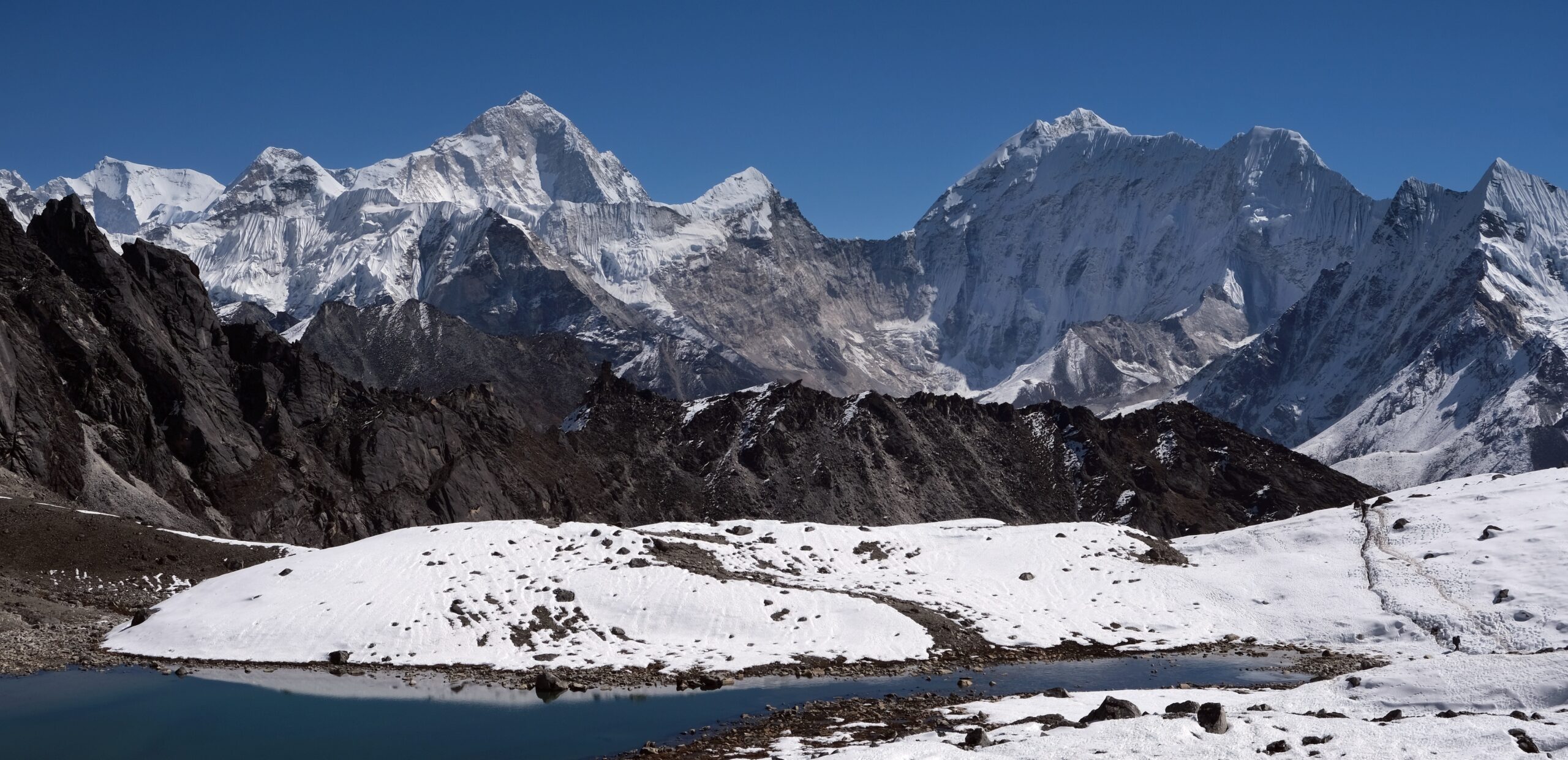
Nepal’s hardest treks are not simply the highest. Some are difficult because of three 5,000-meter passes; others because they spend weeks beyond road access, require camping logistics, cross glacial terrain or leave very few easy bailout options. This guide compares eight of Nepal’s most demanding trekking objectives by altitude, remoteness, duration and commitment.
What Is the Hardest Trek in Nepal?
The full Great Himalaya Trail High Route is the hardest trekking-scale objective in Nepal because it combines months of travel, multiple remote regions, major logistics and repeated high passes. It belongs closer to an expedition than a normal vacation trek.
Among shorter established circuits, Dhaulagiri Circuit is one of the hardest because it combines camping, glacial moraine, French Pass at about 5,360 meters, Dhampus Pass above 5,200 meters and long stretches with minimal infrastructure.
If you want the hardest route that still functions primarily as a teahouse trek, Everest Three Passes is one of the clearest answers: Kongma La, Cho La and Renjo La all exceed 5,300 meters, and the complete loop typically takes around 18–21 days.
8 Hardest Hikes & Treks in Nepal Himalaya
The “difficulty” column is an editorial trekking assessment, not a technical climbing grade. Weather, snow, itinerary length and personal acclimatization can move any route up or down substantially.
| Route | Typical duration | High point / key pass | Style | Main difficulty | Overall commitment |
|---|---|---|---|---|---|
| Great Himalaya Trail High Route | 100–150+ days | Multiple 5,000m+ crossings | Expedition-scale | Duration + logistics + remoteness | Extreme |
| Dhaulagiri Circuit | 16–20 days | French Pass ~5,360m | Camping expedition | Glacial terrain + two high passes | Extreme |
| Kanchenjunga Circuit | 20–24 days | Pang Pema ~5,140m | Remote teahouse / supported | Length + restricted-area remoteness | Very high |
| Upper Dolpo Circuit | 18–25 days | Multiple ~5,000m passes | Remote / mixed camping | Isolation + permits + logistics | Very high |
| Makalu Base Camp | 18–22 days | Base camp ~4,870m | Remote teahouse / supported | Relentless gain/loss + remoteness | Very high |
| Everest Three Passes | 18–21 days | Kongma La 5,535m | Teahouse | Three passes above 5,300m | Very high |
| Manaslu Circuit | 13–16 days | Larkya La ~5,160m | Teahouse | Long pass day + restricted area | High |
| Nar Phu + Kang La | 12–16 days | Kang La ~5,320m | Teahouse / restricted | Altitude + isolation + pass crossing | High |
What Actually Makes a Nepal Trek “Hard”?
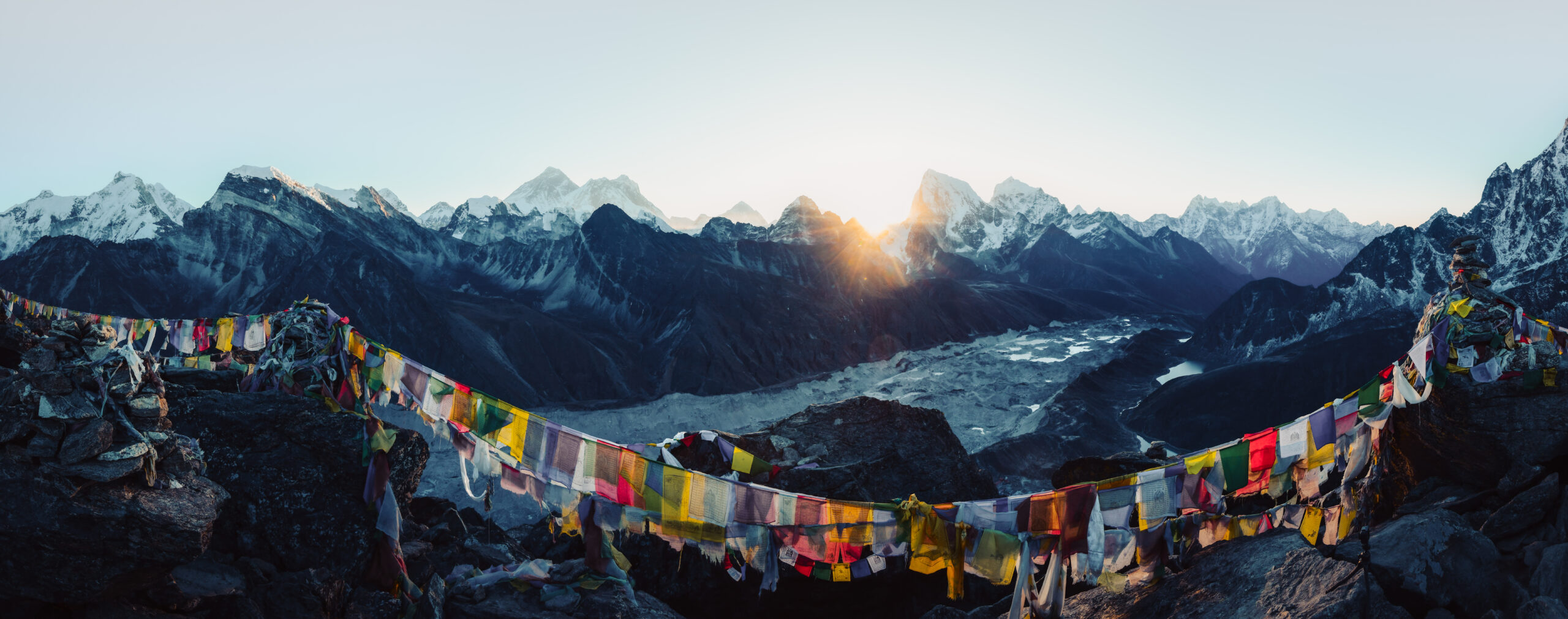
A trek can be hard without being technical. We use five separate dimensions so a remote 4,800-meter route is not automatically treated as easier than a crowded 5,400-meter pass.
How long the route stays high and how many major passes it crosses.
Distance from roads, airstrips and easy evacuation.
How many consecutive days the body must keep working.
Permits, guides, camping, food and transport complexity.
Snow, moraine, rough trail and exposed high-pass travel.
Nepal’s Hardest Treks, Route by Route
Great Himalaya Trail High Route
The GHT High Route is not simply a long trek—it is a trans-Nepal expedition. Weather systems change, resupply strategy matters, permits vary by region, and multiple high crossings demand sustained acclimatization rather than one big pass day.
Why it is hardest: everything compounds. A minor foot problem, illness or delayed permit in week two can affect a trip that still has months remaining.
Dhaulagiri Circuit
Dhaulagiri is one of Nepal’s clearest expedition-style treks. French Pass, Dhampus Pass, glacial moraine and the Hidden Valley create a very different experience from a classic lodge-to-lodge route.
Why it is hard: fewer comfortable bailout points, more camping logistics and two serious high passes. The terrain and support model are closer to an expedition than a conventional trek.
Kanchenjunga Circuit
Kanchenjunga combines huge scale with remoteness. The approach is long, infrastructure is thinner than in the Khumbu, and the trek typically commits you to more than three weeks of continuous movement.
Why it is hard: duration, isolation and limited logistical redundancy. This is a route where patience and consistency matter as much as one strong pass day.
Upper Dolpo Circuit
Upper Dolpo is difficult because it removes many conveniences trekkers take for granted. Long transport chains, restricted-area rules, sparse settlements and repeated high crossings create a true remote-travel problem.
Why it is hard: remoteness more than technicality. If weather, illness or transport disrupts the plan, options are limited.
Makalu Base Camp
Makalu Base Camp does not need a 5,500-meter pass to feel hard. The route repeatedly gains and loses elevation through steep valleys before entering increasingly remote high country beneath Makalu.
Why it is hard: relentless vertical gain and loss, long duration and fewer easy exits than Everest or Annapurna.
Everest Three Passes
The Khumbu’s hardest standard teahouse circuit crosses Kongma La, Cho La and Renjo La, while often adding Everest Base Camp, Kala Patthar and Gokyo. The route repeatedly climbs above 5,300 meters instead of building toward one single high point.
Why it is hard: repeated pass days at extreme trekking altitude. It is easier logistically than Dhaulagiri—but harder physiologically than many remote circuits.
Manaslu Circuit
Manaslu is a strong bridge between classic teahouse trekking and truly remote Himalayan travel. The lower valley is comparatively gradual, but the upper route culminates in a long Larkya La crossing with substantial altitude and weather exposure.
Why it is hard: one major pass day layered onto a remote, restricted-area circuit. It is strenuous without requiring full expedition-style camping.
Nar Phu Valley via Kang La
Nar Phu adds isolation and Tibetan-influenced high-country villages to the Annapurna region, then crosses Kang La at roughly 5,320 meters before dropping toward Ngawal and the main Annapurna corridor.
Why it is hard: altitude and pass exposure combined with restricted-area logistics, but in a shorter package than Upper Dolpo or Kanchenjunga.


Altitude-Hard vs Logistics-Hard vs Endurance-Hard
This is the distinction most generic “hardest treks” lists miss. The hardest route for you depends on which type of difficulty is most likely to break your plan.
Everest Three Passes
Repeated crossings above 5,300m create sustained physiological stress.
Dhaulagiri Circuit
Camping, moraine, glacial terrain and limited infrastructure.
Great Himalaya Trail
Months of cumulative fatigue, weather and logistics.
Upper Dolpo / Kanchenjunga
Long travel chains and fewer easy rescue or exit options.
Teahouse Hard vs Expedition Hard
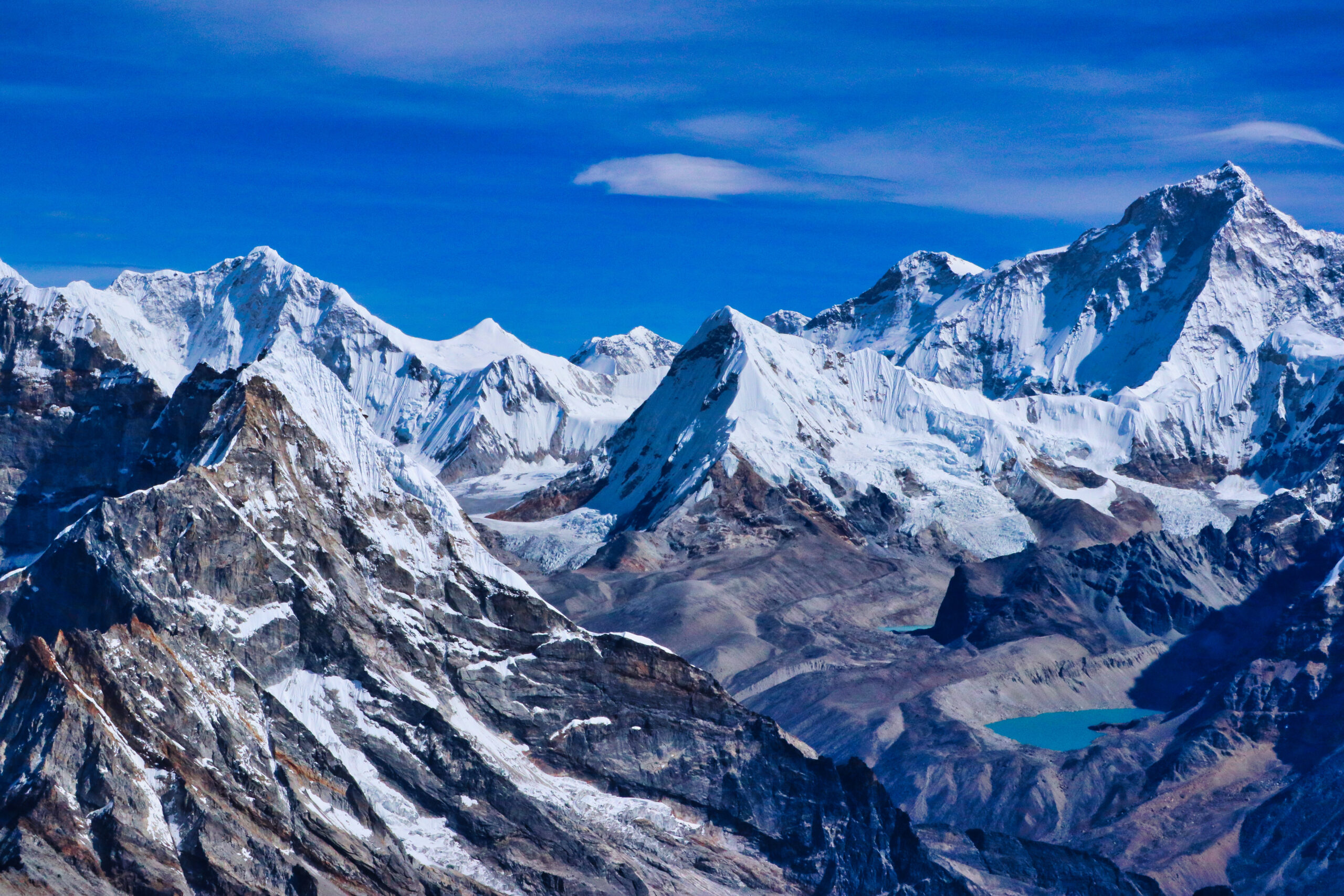
A hard trek with a hot meal and lodge every night is a fundamentally different problem from a remote circuit where crew, food and camp systems travel with you.
Teahouse-dominant difficulty
Everest Three Passes → Manaslu → Nar Phu
You still face altitude and hard pass days, but villages, lodges and more frequent human contact lower the logistical burden.
Expedition-style difficulty
Makalu → Kanchenjunga → Dhaulagiri → GHT
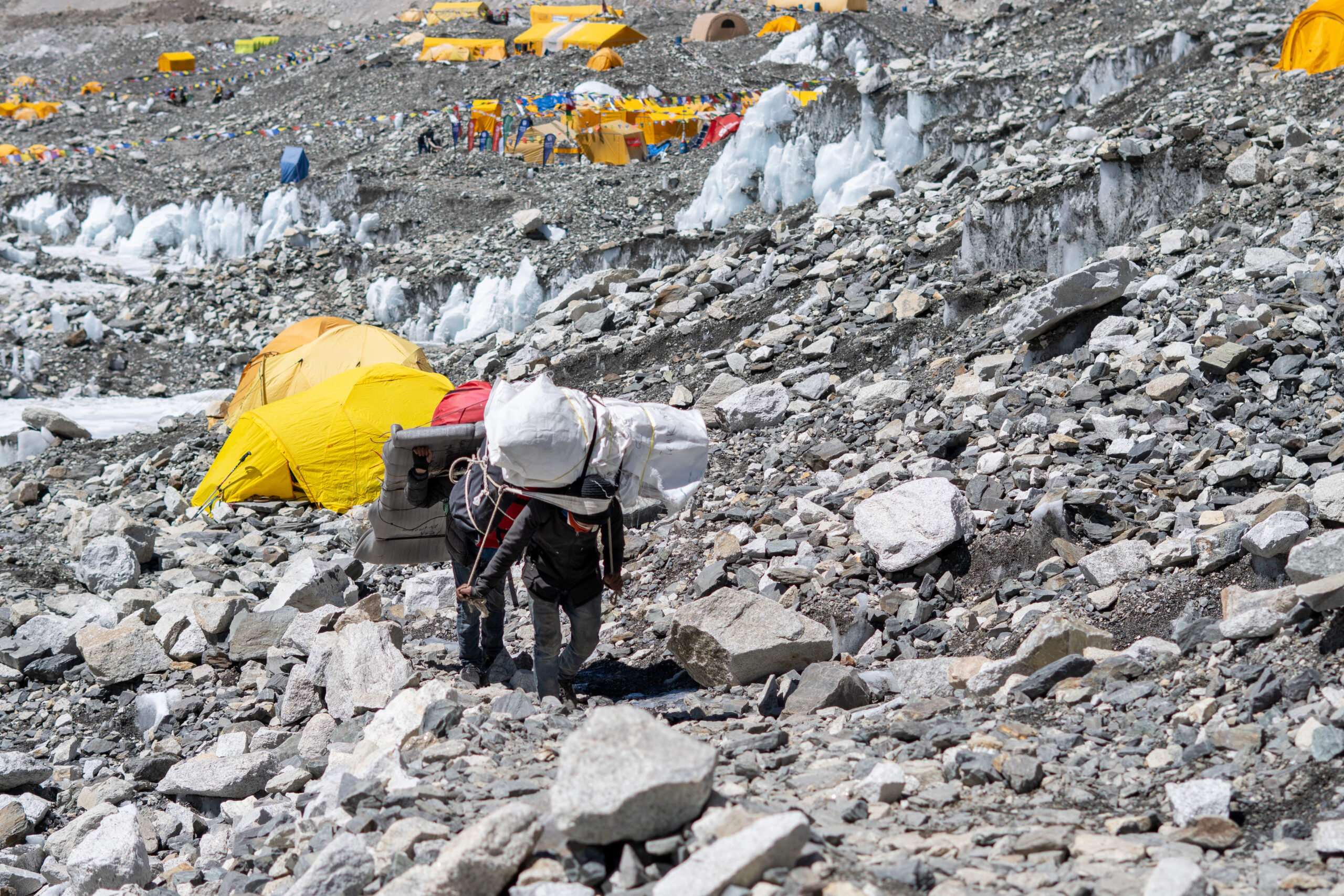
Food, camps, crew, resupply, transport and evacuation become part of the challenge rather than background services.
Many of Nepal’s Hardest Treks Cross Restricted Areas
Restricted-area permits
Manaslu, Upper Dolpo, Nar Phu and parts of the far east/west use special permit systems. These commonly require arrangements through a registered trekking agency and specific guide/group conditions.
Rules change by region
Nepal’s general trekking, TIMS and guide rules are not identical everywhere. A route can cross conservation areas, national parks and restricted zones on the same trip.
Verify before paying
Use the Nepal Tourism Board and Department of Immigration as the final authority for current permit and restricted-area requirements rather than relying on an old itinerary PDF.

A Hard Nepal Trek Is a Bad Place to Discover Your First Weakness
Fitness matters, but so do altitude experience, recovery, descending strength and the ability to function for two or three weeks when sleep and appetite are imperfect.
Before Three Passes
Have prior multi-day hiking experience and preferably previous trekking above 4,000 meters. You should know how your body reacts to altitude before stacking three 5,300m+ passes.
Before Dhaulagiri / Dolpo
Be comfortable with long expedition-style trips, basic camp routines, cold mornings, limited amenities and multiple consecutive hard days without an easy exit.
Before the GHT
Treat it as an expedition project. Nutrition, footwear durability, resupply, permits, guide/crew continuity and seasonal timing become as important as cardiovascular fitness.
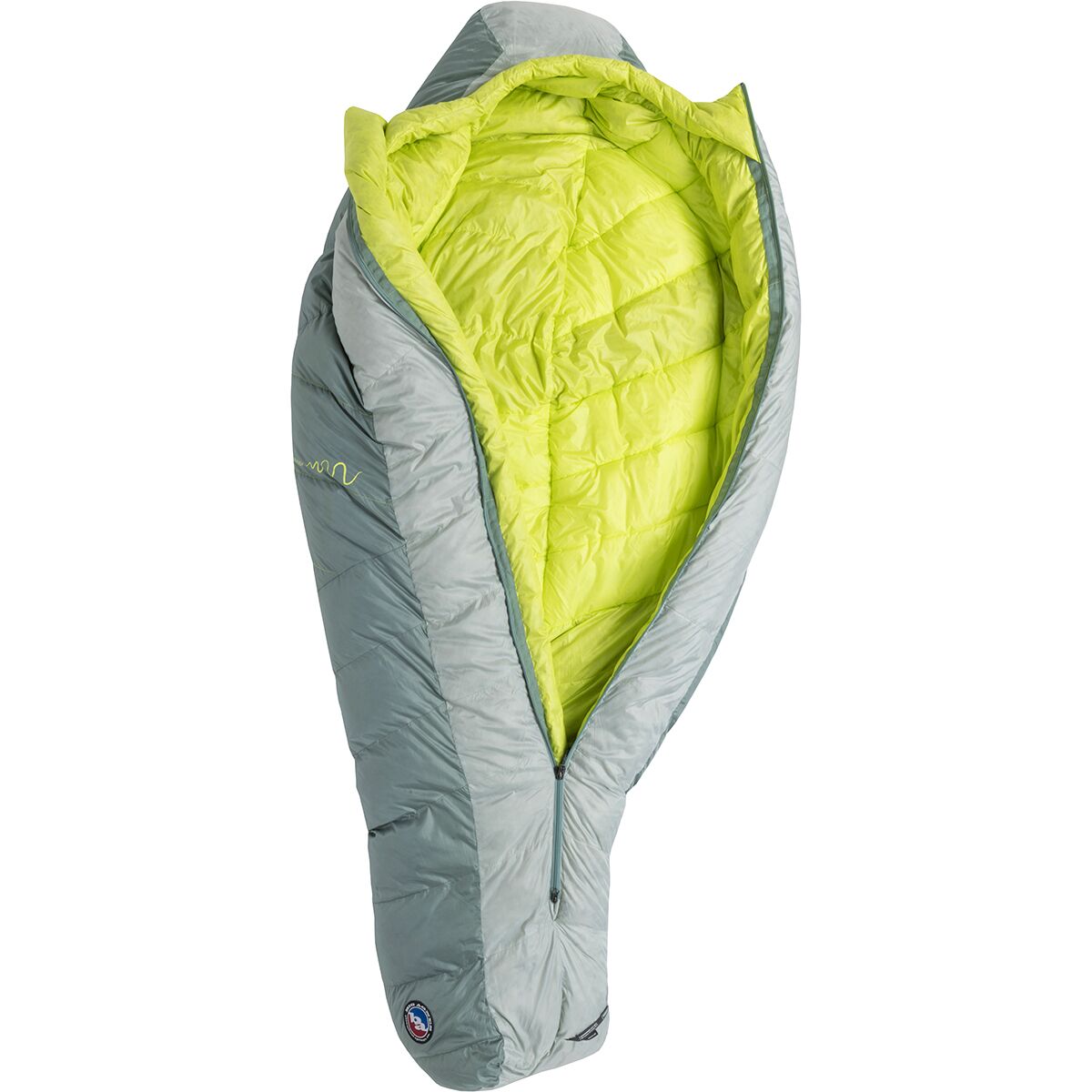
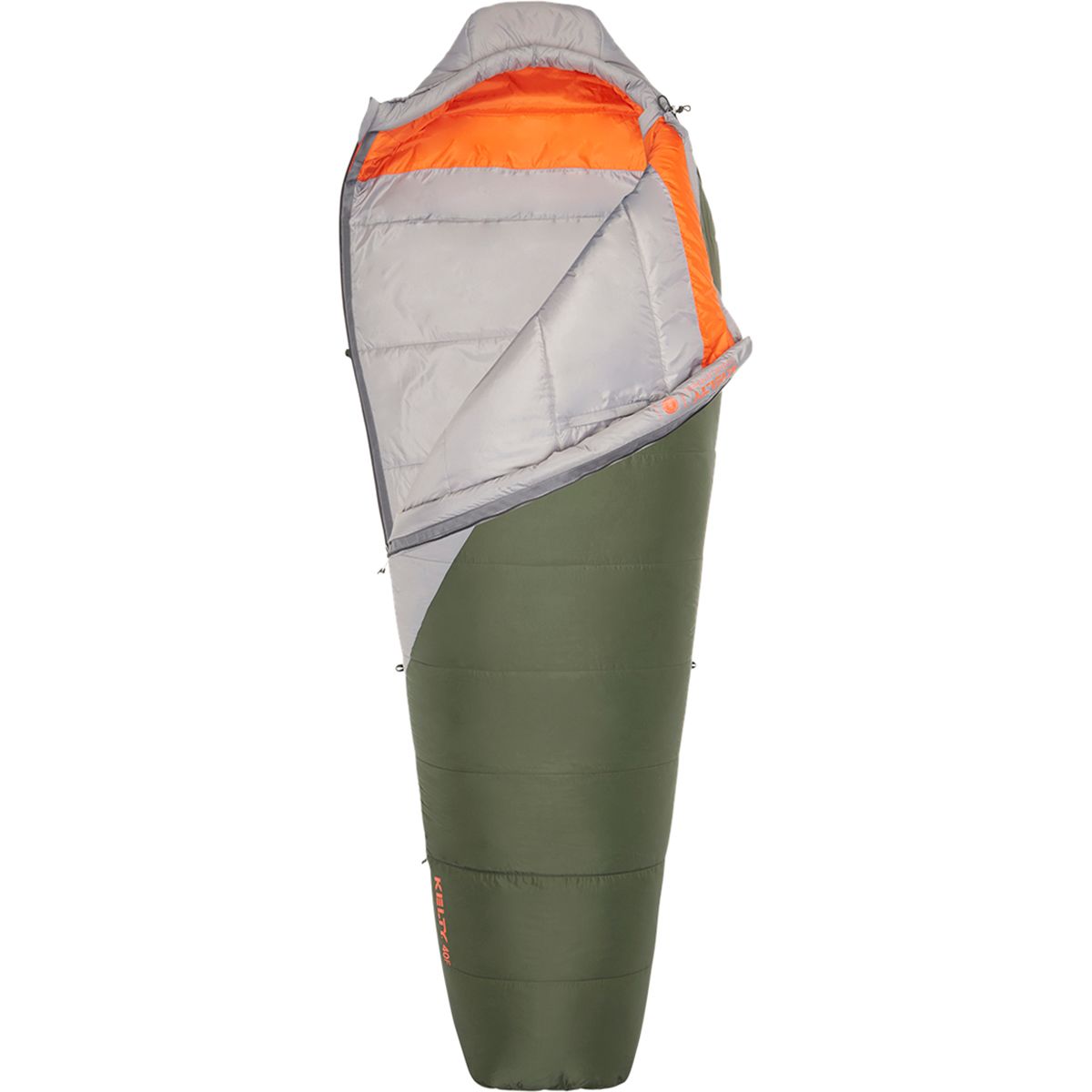
High-altitude trekking gear:
Nepal High-Altitude Trekking Gear
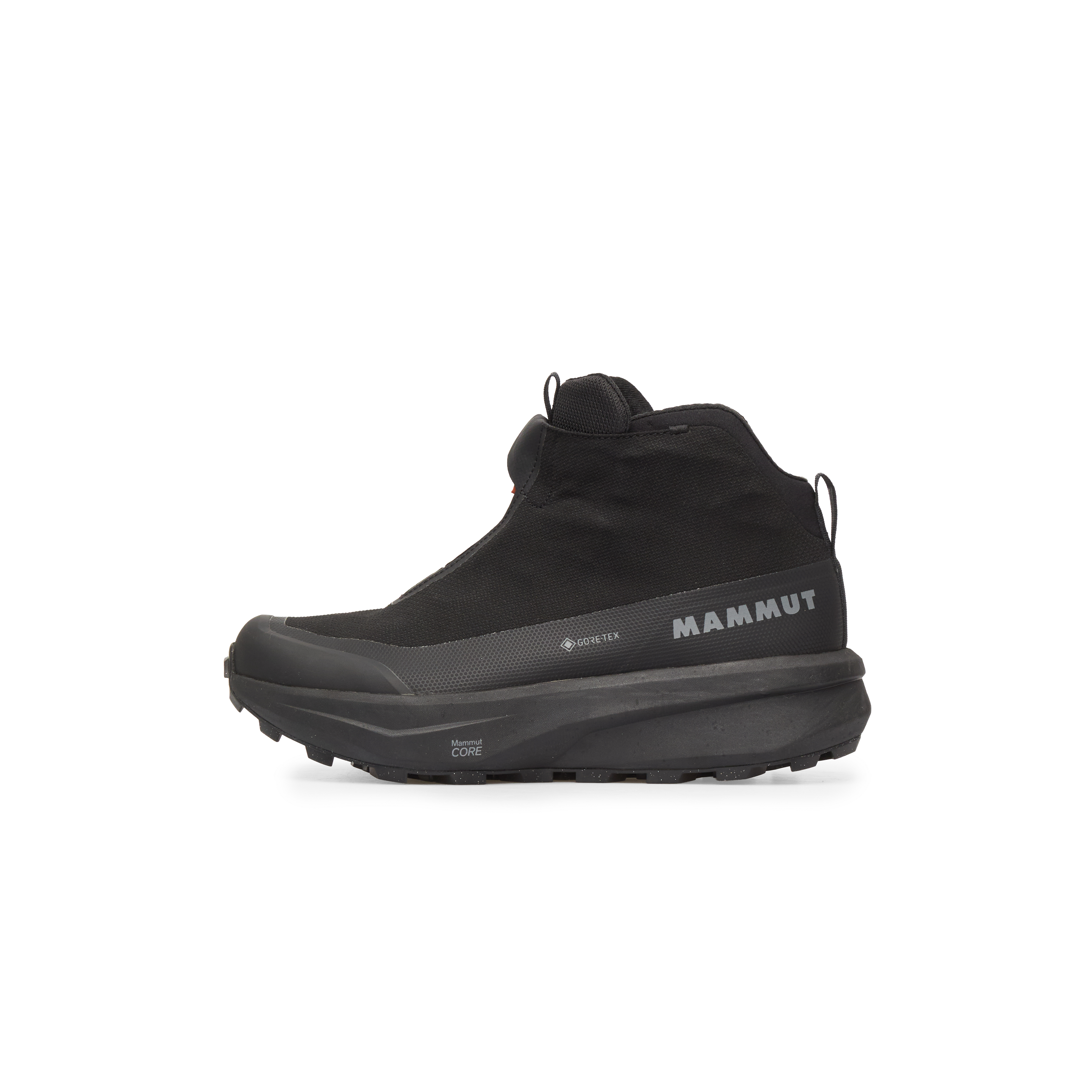

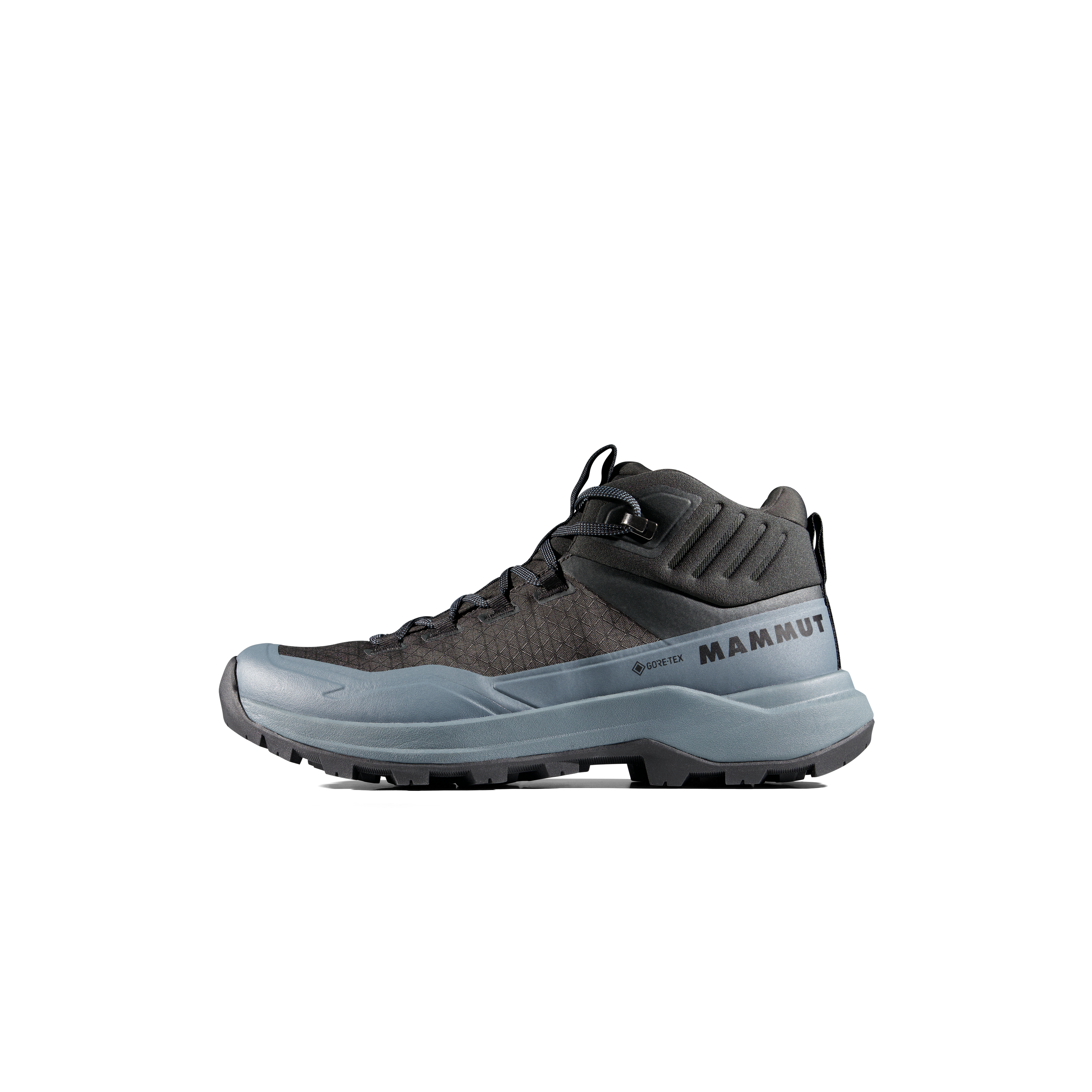
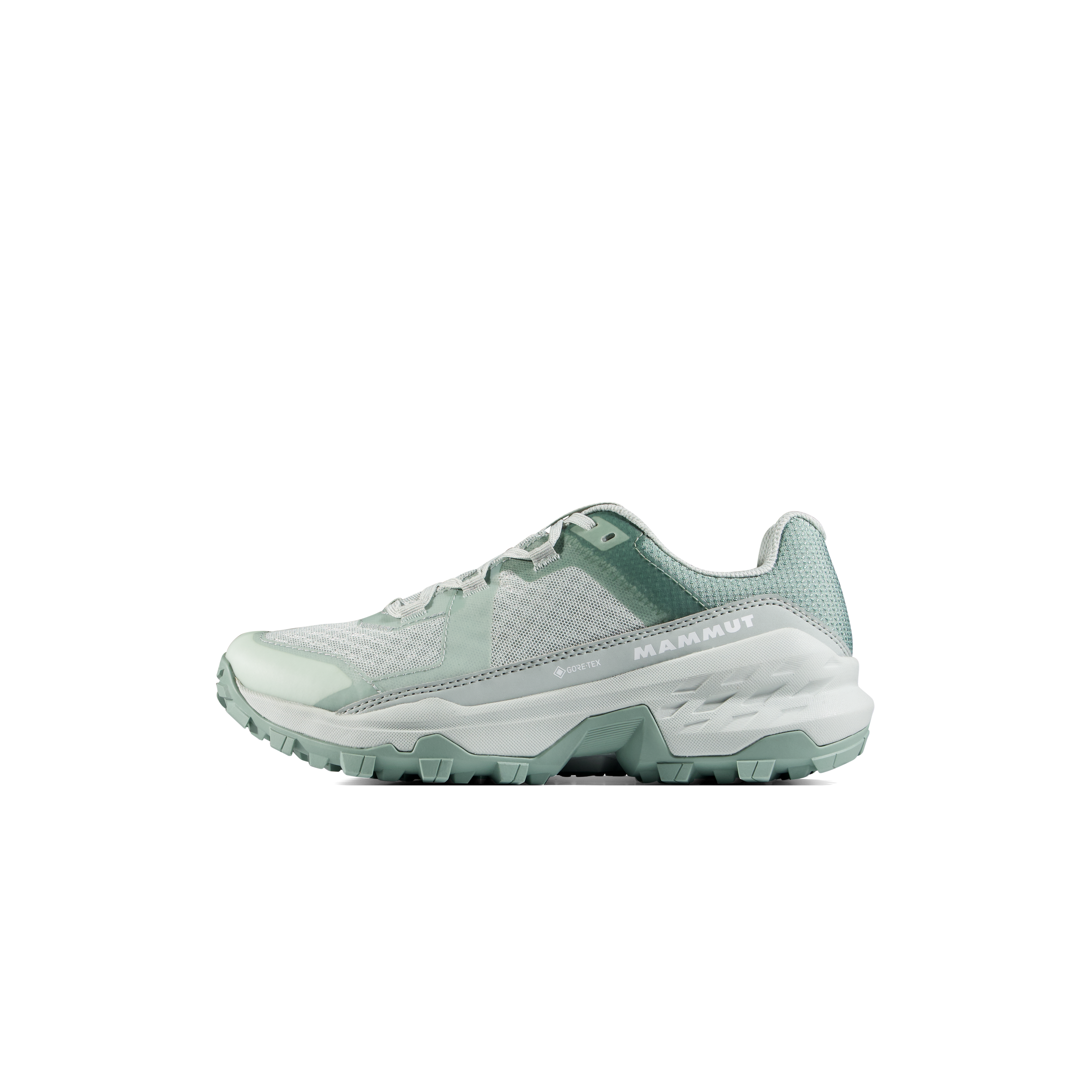
We may earn a commission if you buy through these links, at no extra cost to you. Affiliate disclosure
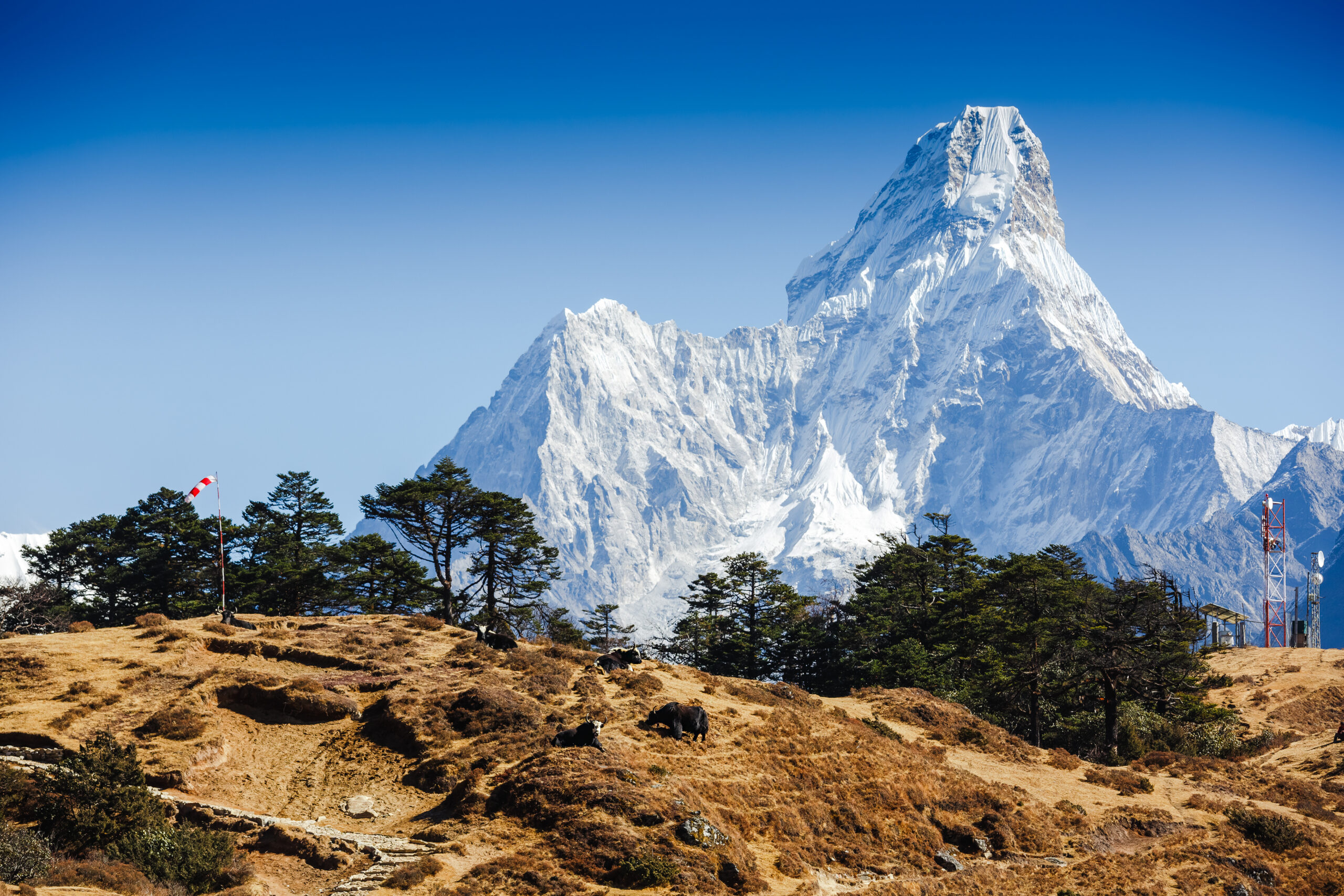
Cold-pass and remote-route extras:
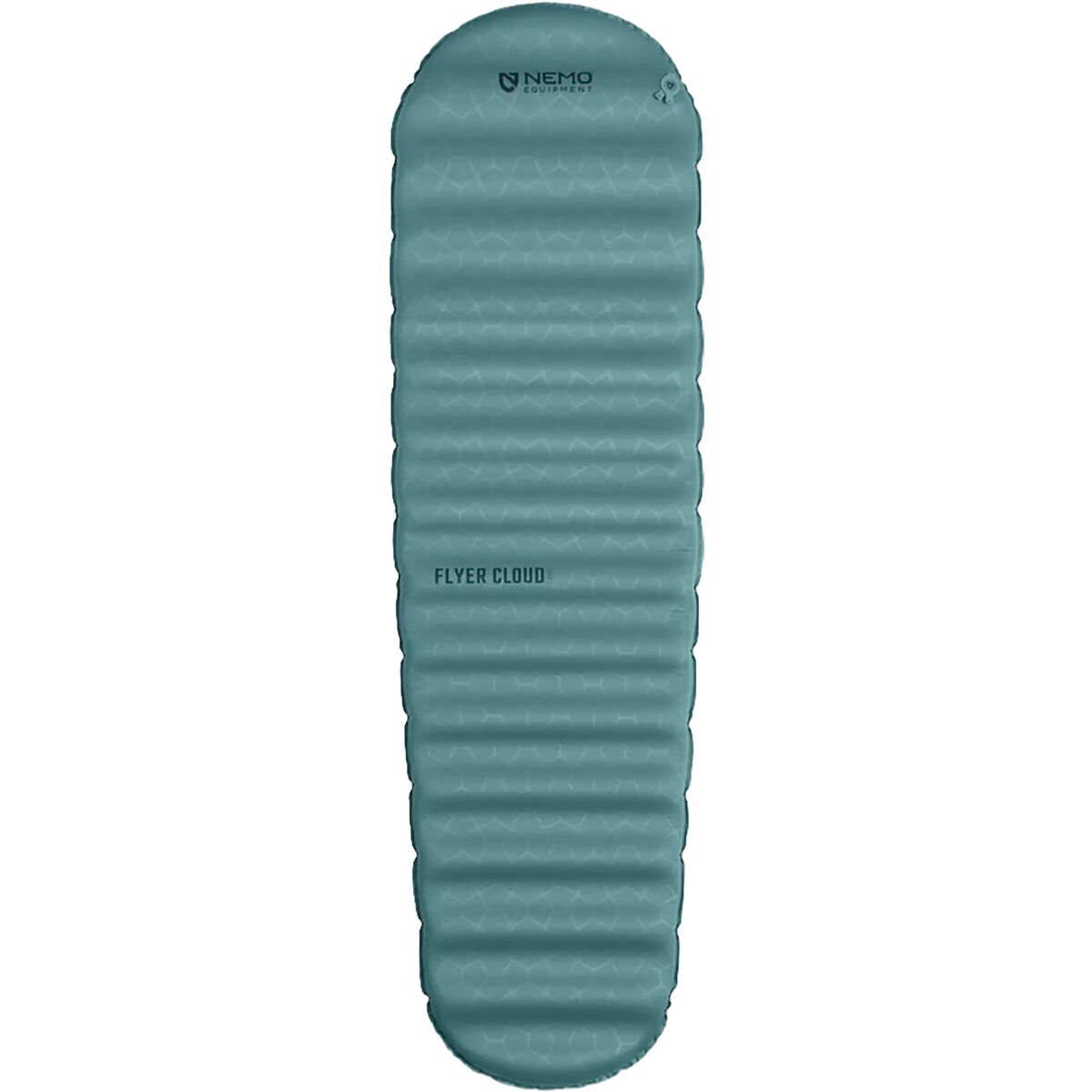
Remote Nepal Trek Essentials
- NEMO Equipment Inc.NEMO Equipment Inc. Flyer Cloud Sleeping PadFrom $159.95
$189.95Check price at Back Country (opens in a new tab)
Which Hard Nepal Trek Fits Your Experience?
First serious high-pass trek
Manaslu Circuit is the cleanest step up: remote enough to feel substantial, but with improving teahouse infrastructure and one defining high pass.
Hardest teahouse challenge
Everest Three Passes gives you repeated altitude exposure and huge scenery without full camping logistics.
Expedition progression
Dhaulagiri Circuit is the better test if your long-term goal is remote expedition trekking rather than comfortable lodge-based travel.
Remoteness first
Upper Dolpo or Kanchenjunga fit trekkers who value isolation and cultural depth more than famous viewpoints.
Big vertical days
Makalu Base Camp suits strong trekkers who handle relentless climbing and descending well.
Ultimate project
Great Himalaya Trail High Route belongs after multiple remote Nepal treks, not before them.
Where Nepal’s Hardest Treks Sit
The routes stretch from Kanchenjunga in the far east to Upper Dolpo in western Nepal, with Everest, Makalu, Manaslu, Annapurna/Nar Phu and Dhaulagiri between them.
Regional orientation only. Individual trekking routes cover large areas and should be navigated with detailed route maps and current local guidance.
Build the Rest of Your Nepal Trek
Hardest Nepal Trek Questions
What is the hardest trek in Nepal?
The full Great Himalaya Trail High Route is the most committing trekking-scale objective because of its duration, logistics and repeated remote high crossings. Among shorter circuits, Dhaulagiri is one of the hardest established options.
What is the hardest teahouse trek in Nepal?
Everest Three Passes is one of the clearest answers. It typically takes 18–21 days and crosses Kongma La, Cho La and Renjo La, all above 5,300 meters.
Is Manaslu harder than Annapurna Circuit?
For many trekkers, yes. Manaslu is more remote, uses restricted-area permits and culminates in the long Larkya La crossing. Annapurna has more developed infrastructure and easier bailout options.
Do I need mountaineering skills?
Not for the standard versions of these trekking routes in normal conditions, but snow, ice and glacier sections can require traction and experienced local guidance. Technical peaks and climbing variants are outside the scope of this page.
Which hard Nepal trek should I do first?
Manaslu Circuit is a sensible step into remote high-pass trekking for fit hikers with some altitude experience. Everest Three Passes is a stronger next step if you want repeated 5,300-meter crossings.
How We Compared These Routes
We compared routes by maximum altitude, number of high-pass days, duration, remoteness, trekking infrastructure, permit complexity and ease of retreat. Current route figures were checked against recent Nepal trekking guides and current operator information, while permit rules should always be reconfirmed with Nepal’s official tourism and immigration authorities.
- Everest Three Passes: recent 2026 sources consistently describe an 18–21 day circuit with Kongma La 5,535m, Cho La 5,420m and Renjo La 5,360m.
- Dhaulagiri Circuit: current 2026 guides describe a 16–20 day camping-style trek crossing French Pass around 5,360m and Dhampus Pass above 5,200m.
- Manaslu Circuit: current 2026 route guides commonly describe a 13–16 day trek crossing Larkya La around 5,100–5,160m.
Verification date: October 2, 2026. Snow, landslides, air access, permit rules and local trail conditions can change quickly in Nepal.
Was this helpful?
🏔Related peaks nearby
🧭Explore & compare
Global Summit Guide is an independent mountaineering resource founded in 2026. The team combines first-hand trekking and climbing experience with in-depth research and professional health and nutrition review to help climbers choose objectives, prepare properly, and stay safe.
Health, altitude, and nutrition content is reviewed by Taylor Ludlow (Registered Nurse) and Brigg Hoopes (Nutritionist).
What We Don't Know Yet
Mountain information changes quickly. This box explains the limits of what this page can responsibly promise.
- Route conditions, trailhead access, crevasse exposure, stream crossings, and rescue access may vary from published planning guidance.
- Comparisons simplify complex decisions; the better mountain depends on current conditions, skills, timing, budget, and risk tolerance.
- Visa, passport, vaccination, border, insurance, and local transportation rules may change before your trip.
Verify current conditions with official land managers, guide services, local forecasts, and current route reports before booking or climbing.
Mountaineering, rock and ice climbing, glacier travel, and high-altitude activity are inherently dangerous and can result in serious injury or death. The information on Global Summit Guide is provided for general informational and educational purposes only and is not a substitute for professional instruction, qualified guiding, proper equipment, or your own judgment and experience.
Route conditions, weather, snowpack, permits, regulations, and hazards change constantly and may differ from what is described here. Details may be incomplete, out of date, or contain errors. Always verify current information with local authorities, certified guides, and official sources before making any decision in the mountains.
Nothing on this site is medical, legal, or financial advice. Our fitness, acclimatization, altitude, and nutrition content is general in nature; consult a qualified physician before beginning any strenuous exercise program or exposing yourself to high altitude.
You are solely responsible for your own safety and decisions. To the fullest extent permitted by law, Global Summit Guide and its team accept no liability for any loss, injury, damage, or expense arising from use of, or reliance on, this information. By using this site you acknowledge these risks and accept these terms.
Some links on this site may be affiliate links. If you buy through them we may earn a small commission at no extra cost to you; this never affects our recommendations.
Global Summit Guide recommendation path
Next Best Mountain to Research
Use these recommendations to continue the right planning path instead of stopping on one page.
Use current permit, weather, route, and operator information before booking or climbing.