Last updated October 8, 2026


GR20 vs Tour du Mont Blanc: Which European Trek Should You Choose?
Choose the GR20 for difficulty. Choose the Tour du Mont Blanc for the better-supported journey. GR20 crosses roughly 180 km / 112 mi of Corsica in 16 rugged mountain stages. TMB circles the Mont Blanc massif for roughly 170 km / 105 mi through France, Italy and Switzerland. The mileage is almost the same. The terrain is not.
GR20 Is Harder. Tour du Mont Blanc Is Easier to Live With.
GR20 is the stronger choice if the difficulty itself is part of what you want. It packs roughly 12,000 metres of climbing into about 180 kilometres, but numbers still understate it. Northern Corsica repeatedly demands movement across granite slabs, boulder fields, scree, exposed ridges and terrain where hands become part of hiking.
Tour du Mont Blanc is the stronger choice for most first-time European hut trekkers. It is still strenuous: nearly 170 kilometres and roughly 10,000 metres of cumulative ascent. But the classic summer route generally stays on non-technical walking trails with villages, staffed refuges, hotels, transport, food and luggage-transfer options.
If TMB feels like a difficult Alpine walking holiday, GR20 feels more like a continuous mountain challenge that happens to have refuges.
The 2026 Staffed Refuge Season Has Ended
PNRC refuges were staffed from May 16 through October 4, 2026. The classic supported season is therefore over. Late-season travel means colder weather, shorter days, possible early snow and reduced mountain services. Verify future refuge dates directly with PNRC.
2027 Refuge Booking Opens October 15
The official TMB system opens participating refuge and gîte bookings for summer 2027 on October 15, 2026. Popular nights can sell quickly. If your dates are fixed, start with the hardest-to-secure beds and build the itinerary around them.
GR20 vs Tour du Mont Blanc
GR20 vs Tour du Mont Blanc at a Glance
Similar distance. Very different trail texture, accommodation and margin for error.
| Factor | GR20 | Tour du Mont Blanc | Winner |
|---|---|---|---|
| Location | Corsica · France | France · Italy · Switzerland | Different experiences. |
| Route type | Point-to-point traverse | Circuit | TMB simpler return logistics. |
| Distance | ≈180 km / 112 mi | ≈170 km / 105 mi | Nearly tied. |
| Total climbing | ≈12,000 m commonly cited | ≈10,000 m | GR20 |
| Classic structure | 16 official stages | 10–11 classic stages | TMB faster to complete. |
| Typical duration | ≈15–16 days | 7–11 days | TMB easier vacation fit. |
| Highest route point | ≈2,600 m on modern Cintu section | 2,537 m Grand Col Ferret | Altitude effectively similar. |
| Technical hiking | Frequent rough, hand-assisted terrain | Generally ordinary mountain hiking on classic route | GR20 harder. |
| Exposure | Frequent in northern half | Moderate on classic route; higher variants can add more | GR20 |
| Trail surface | Granite · boulders · slabs · scree | Dirt · stone trail · pasture · forest · cols | TMB easier underfoot. |
| Accommodation | Simple refuges + designated bivouac | Refuges + gîtes + hotels + villages | TMB |
| Wild camping | Prohibited; designated refuge-area bivouac only | Rules vary by country / municipality | Neither should be planned casually. |
| Food | Basic refuge food / shops + carry backup | Frequent refuge meals, villages and restaurants | TMB |
| Luggage transfer | Limited / poor fit for full route | Widely available on road-accessible stages | TMB |
| Public transport | Useful at Vizzavona but more fragmented overall | Excellent Alpine gateway and valley systems | TMB |
| Best first hut trek | No | Yes for fit hikers | TMB |
| Best challenge | Experienced mountain hiker | Strong hiker wanting comfort + scenery | Depends on goal. |

The GR20 Earns Its Reputation Mile by Mile.
The north repeatedly replaces comfortable footpath with granite, boulders, steep passes and awkward descents. Fitness matters. Movement skill matters too.
Which Is Harder: GR20 or Tour du Mont Blanc?
GR20. The margin is large enough that this should not be treated as a coin flip.
GR20
Slabs, boulders, scree and hand-assisted movement slow progress repeatedly.
GR20
Roughly 12,000 metres is commonly cited across the complete crossing.
TMB
Better meals, showers, hotels and villages can improve recovery.
TMB
More exits, transport and itinerary repair options reduce logistical pressure.

TMB Is Strenuous Without Making Every Step Technical.
Repeated 1,000-metre climbing days still demand excellent endurance. The difference is that most of those metres happen on conventional mountain walking terrain.
The Trails Feel More Different Than Their Statistics Suggest
Both cross serious mountain country. Only one repeatedly feels like a scramble.
Move Through the Mountain
- Granite slabs
- Boulder fields
- Scree
- Steep passes
- Hand-assisted movement
- Protected sections
- Long rocky descents
- Real exposure in places
A strong runner or smooth-trail thru-hiker can still be humbled because efficient movement on broken terrain is a separate skill.
Walk Through the Alps
- Established footpaths
- Pastures
- Forest trail
- Rocky passes
- Long climbs
- Long descents
- Optional harder variants
- Frequent village connections
The classic route normally requires mountain-hiking competence, not scrambling, ropes or glacier skills.
Long-Distance Hiking Footwear
GR20 places a premium on grip, edging and secure movement over rock. TMB places a premium on all-day comfort through repeated climbs and long descents. On either route, do not begin with new shoes.
Affiliate disclosure: Global Summit Guide may earn a commission from qualifying purchases at no additional cost to you.
Long-Distance Hiking Footwear
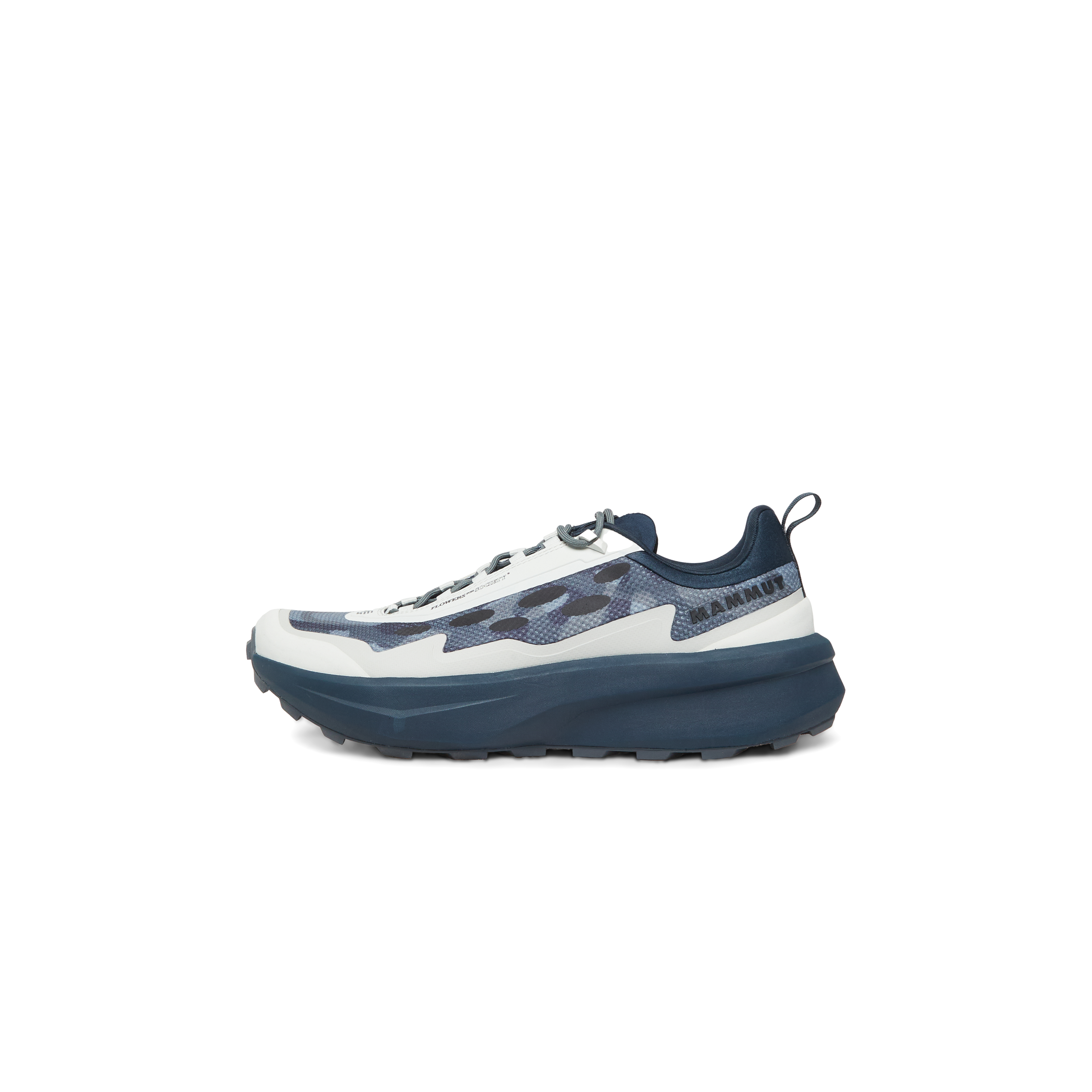
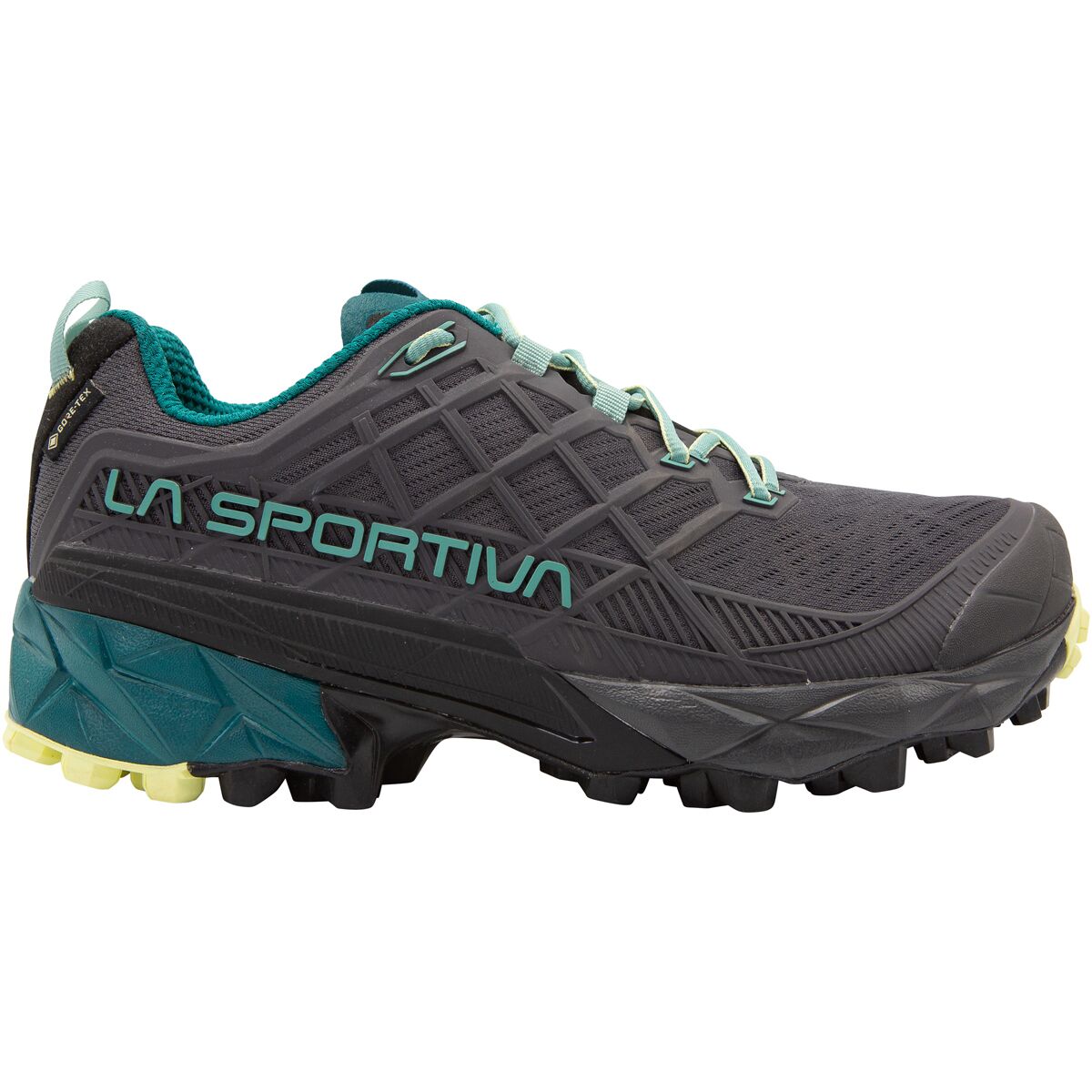
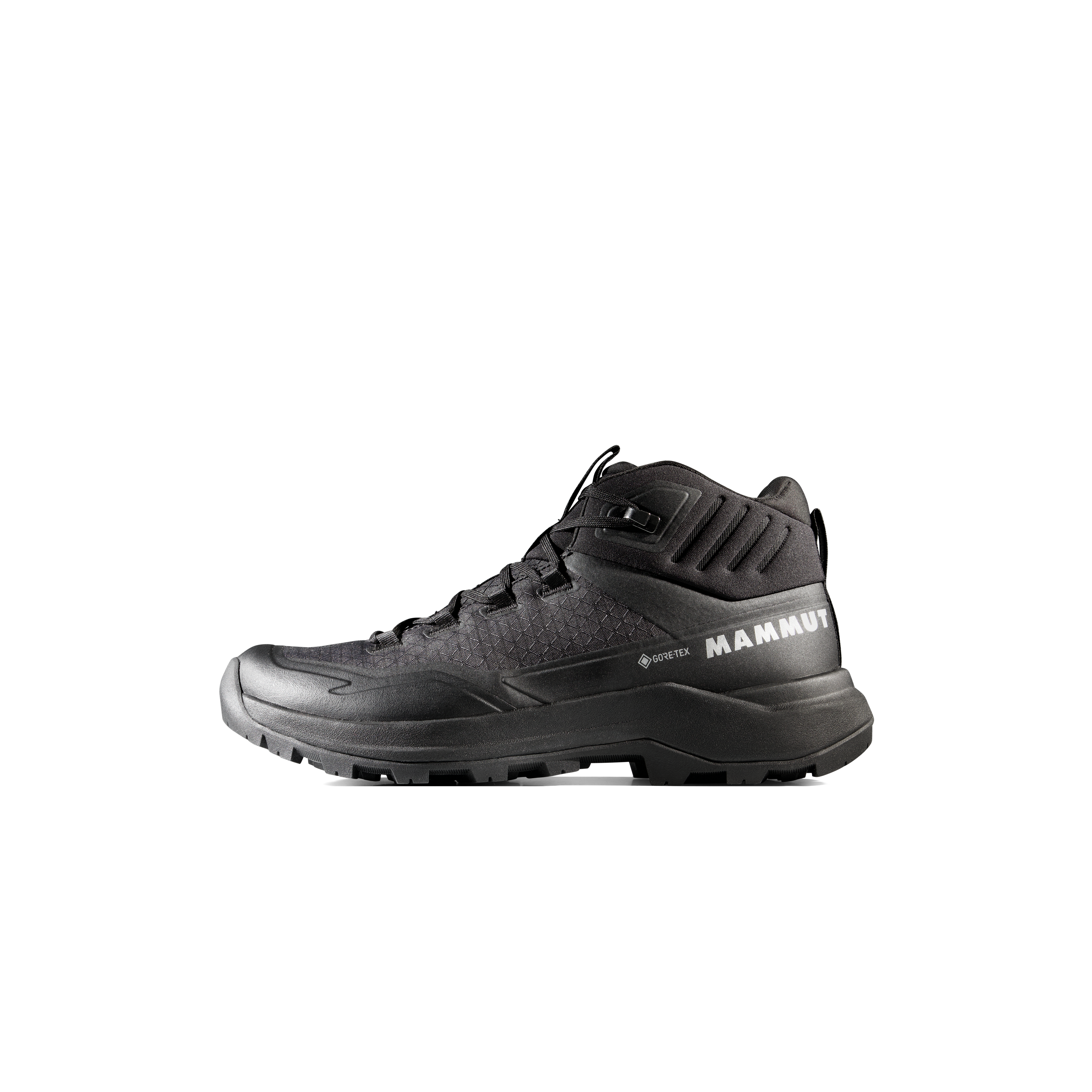
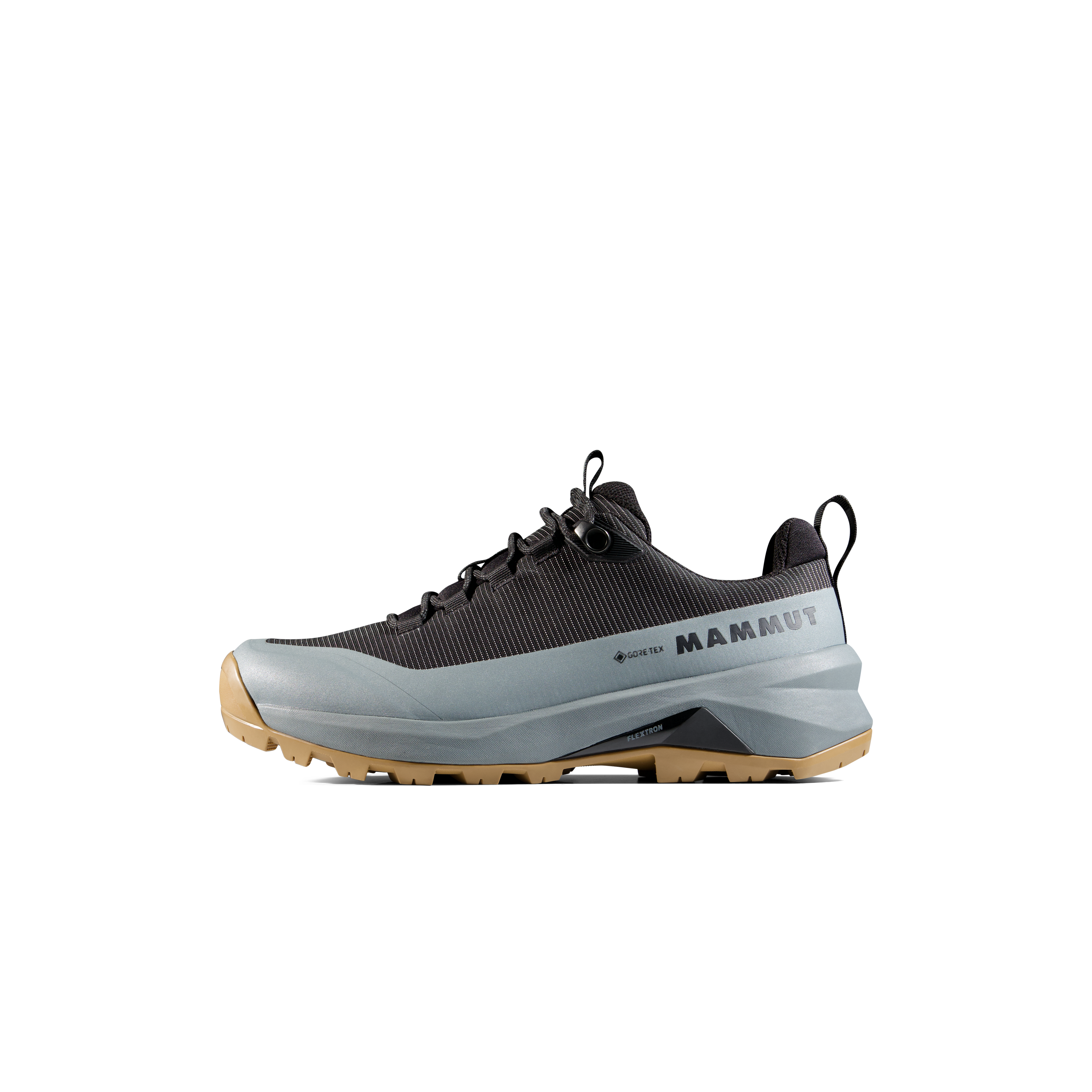
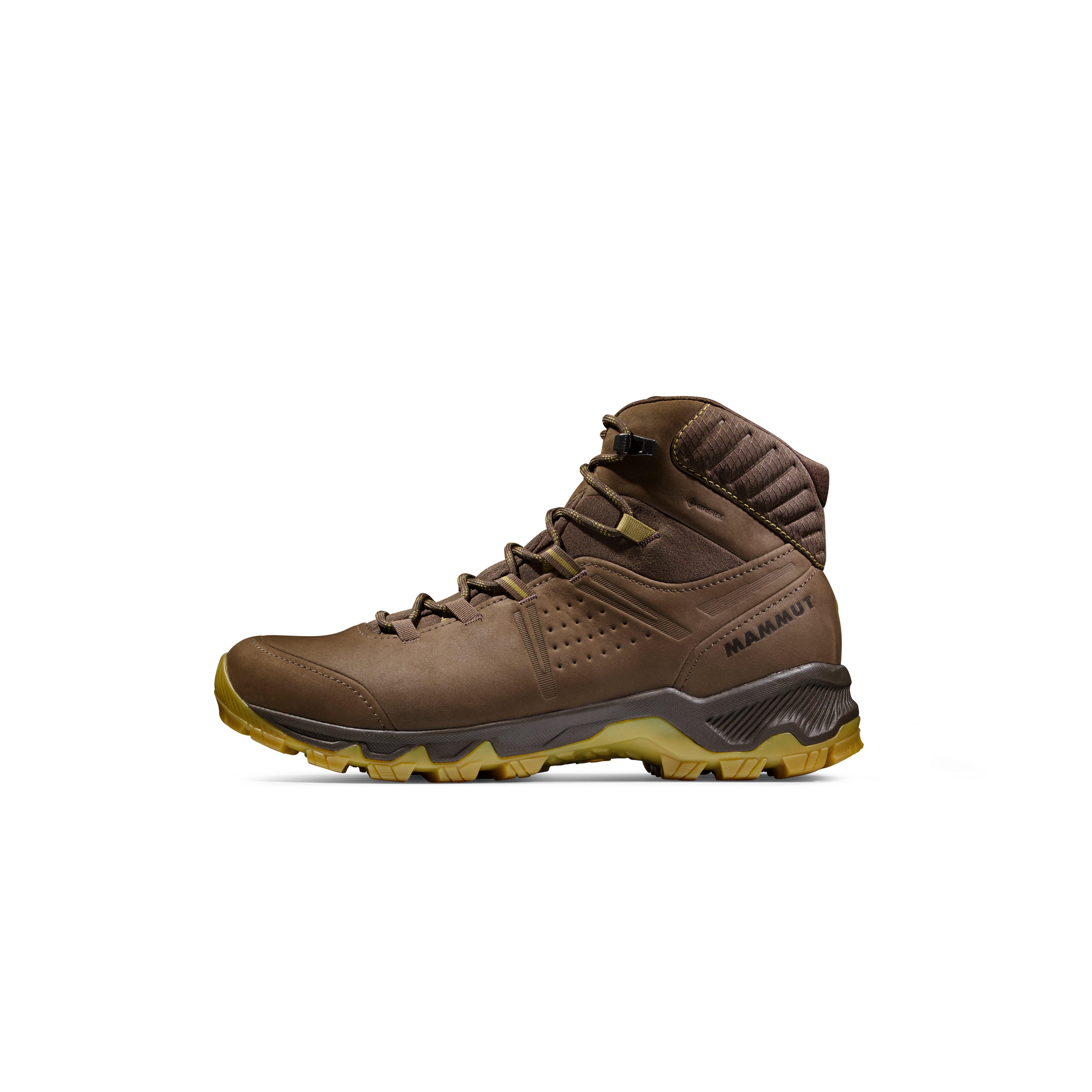
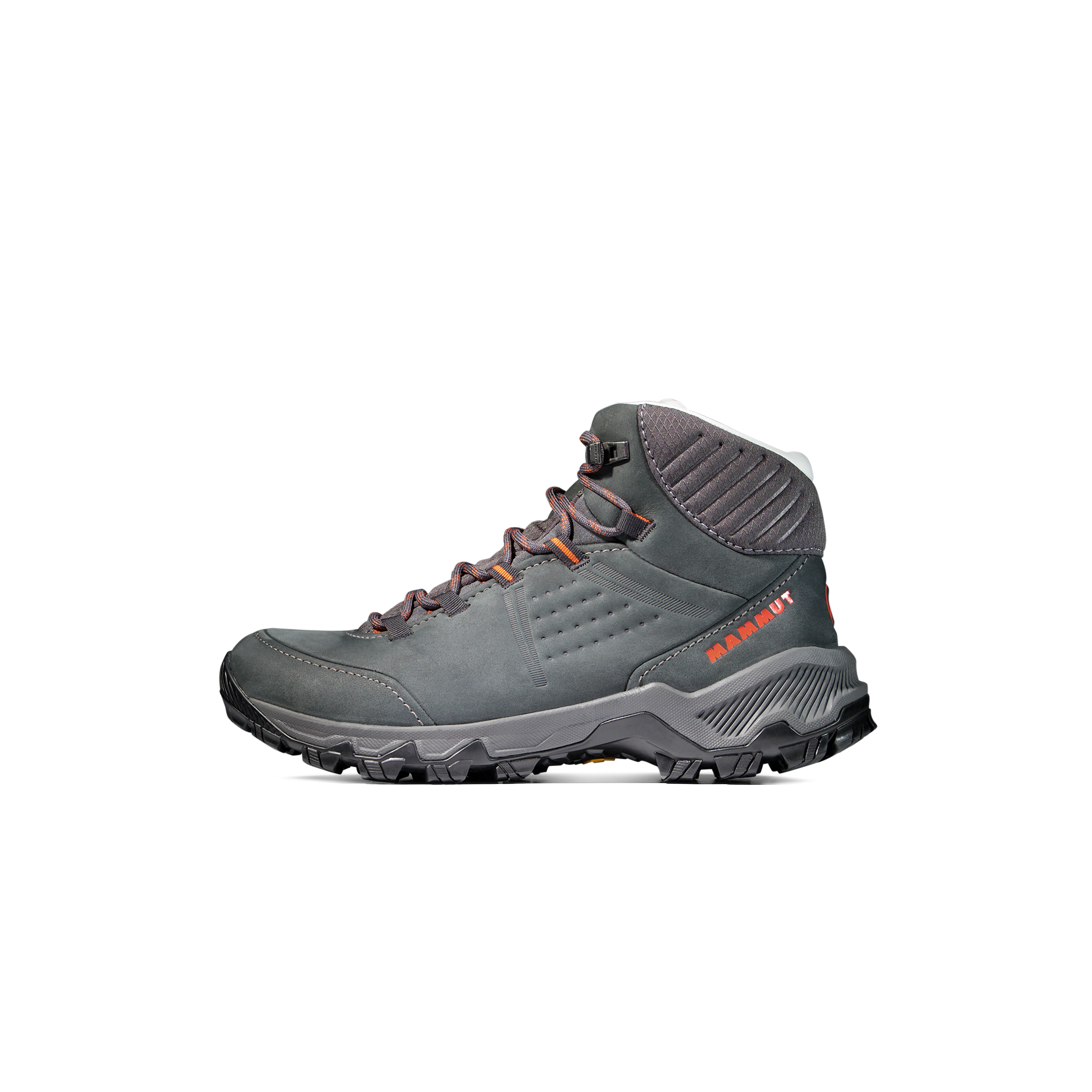
We may earn a commission if you buy through these links, at no extra cost to you. Affiliate disclosure

GR20 Is Not Sixteen Days of Bare Rock.
Lakes, forest, pozzines and high pastoral country repeatedly interrupt the granite. That variety is part of what makes the difficulty worthwhile.
TMB Has a Tourism System. GR20 Has a Mountain-Shelter System.
Both use huts. That sentence hides a major difference in how the trek feels.
Refuges Support the Crossing
PNRC refuges are deliberately simple. Expect combinations of:
- Shared sleeping areas
- Designated bivouac space
- Rental tents
- Basic showers
- Cooking areas
- Small food shops
- Optional meals in staffed season
The refuge makes the crossing possible. It does not turn GR20 into a hotel-to-hotel vacation.
Refuges Meet Alpine Tourism
TMB can combine:
- High mountain refuges
- Gîtes
- Dormitories
- Private rooms
- Hotels
- Restaurants
- Village supermarkets
- Luggage transfers
A night at Bonatti can sit inside the same journey as a hotel and restaurant dinner in Courmayeur.

A Great TMB Night Can Be Part Mountain Hut, Part Alpine Vacation.
Rifugio Bonatti captures the attraction: finish the hiking day high above Val Ferret, eat inside, sleep under a roof and begin tomorrow’s stage already in the mountains.
GR20 Reservations Control Where You May Sleep. TMB Reservations Often Control Your Entire Itinerary.
Neither famous trek should be approached as a fully spontaneous July walk.
PNRC Overnight Reservations Were Mandatory
During the staffed 2026 season, advance reservation applied to:
- Refuge bunks
- Rental tents
- Designated bivouac spaces
- Your own tent at participating refuge sites
Wild bivouacking outside the designated system is prohibited.
The 2026 staffed season ended October 4. Verify 2027 arrangements with PNRC rather than assuming identical dates.
Booking Opens October 15, 2026
The official TMB platform says member refuges and gîtes open for summer 2027 on October 15.
- Book popular nights first.
- Build surrounding stages around those beds.
- Check individual opening dates.
- June and September need extra scrutiny.
- Some accommodations book outside the central system.
TMB has more lodging. It also has enormous international demand.
Compare Tour du Mont Blanc With Alta Via 1.
TMB emphasizes three-country variety and flexible logistics. Alta Via 1 emphasizes Dolomite scenery and deeper rifugio immersion.

The Southern GR20 Is Easier Than the North—not Easy.
Forest, plateaus and smoother stretches provide relief, but Bavella brings granite and mountain terrain back into the decision.
GR20 Is Usually Cheaper on the Mountain. TMB Lets You Spend Much More on Comfort.
Compare equivalent trip styles. A bivouac-based GR20 and hotel-upgraded TMB are not remotely the same product.
Low-Cost Shelter, Basic Services
- Refuge bunk: €20
- Own-tent bivouac: €12
- Rental tent · 1: €27
- Rental tent · 2: €39
PNRC planning figures also put breakfast and packed lunch around €10 each and dinner around €20. Buying all daily meals can therefore cost more than the bed.
Private accommodations and future seasons may use different pricing.
Higher Cost, Higher Comfort Ceiling
- Dormitory half-board: ≈€65–€95/night
- 7–10 day direct-booked lodging: ≈€500–€900
- Private rooms cost more.
- Hotels can cost substantially more.
- Luggage transfer adds another service layer.
Town lunches, drinks, local transport, baggage service and hotel upgrades can raise the total rapidly.
Comfort-per-euro winner: probably TMB. The higher nightly rate often buys half-board meals, stronger facilities, easier resupply and more recovery options.

TMB’s High Point Is a Pass, Not a Technical Crux.
The climb is sustained and weather-exposed, but in normal summer conditions the classic trail remains a hiking route. Wind, cloud and early-season snow can still change the day quickly.
Both Have Short Mountain Seasons—but Corsica Adds Heat, Fire and Water to the Usual Alpine Problems.
July is not simply “better weather” on either trek.
June–September Is the Core Window
- May: lingering high snow possible.
- June: long days, improving conditions.
- July: snow mostly gone; heat and storms rise.
- August: heat, dry sources and fire risk.
- September: cooler and often excellent.
- October: colder, shorter days, support closes.
PNRC fire closures can override a refuge reservation. Water planning is also a real route issue.
Late June–Early September Is the Easiest Planning Window
- June: snow may remain on high passes.
- July: strong infrastructure, busy.
- August: busiest period.
- Early September: cooler, often excellent.
- Late September: refuge closures and early snow.
Summer thunderstorms and freezing level matter more than the weather report down in Chamonix.
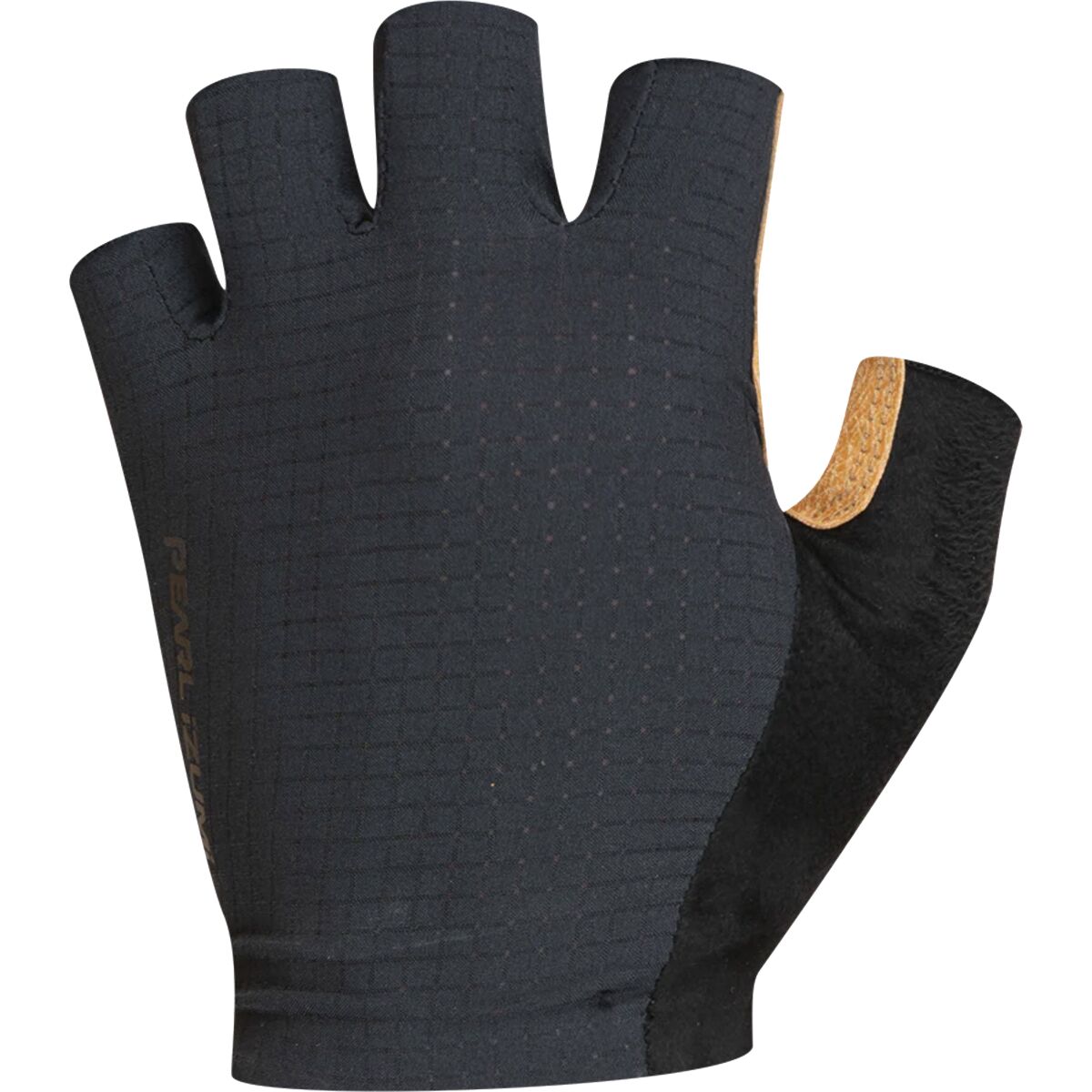
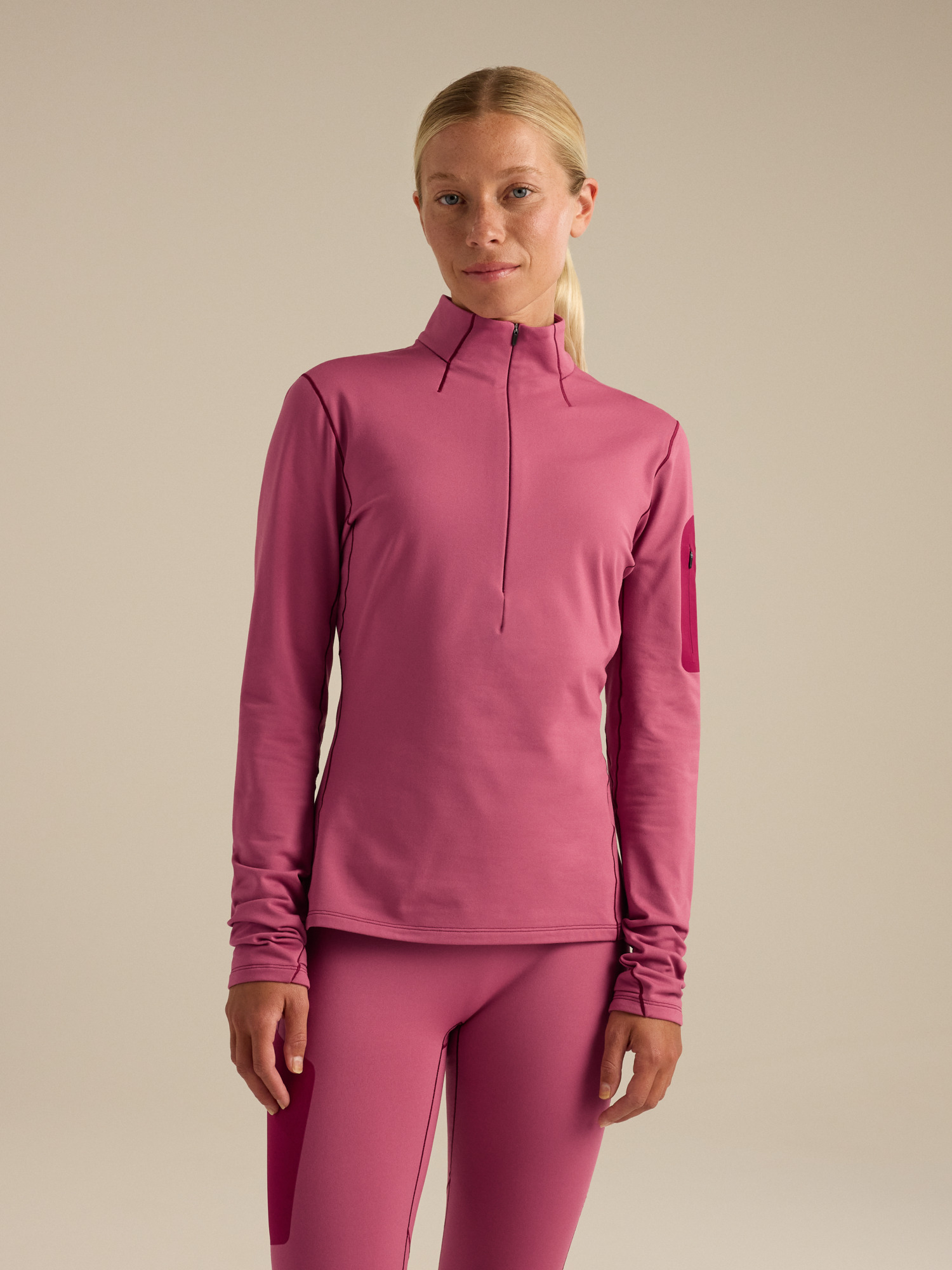
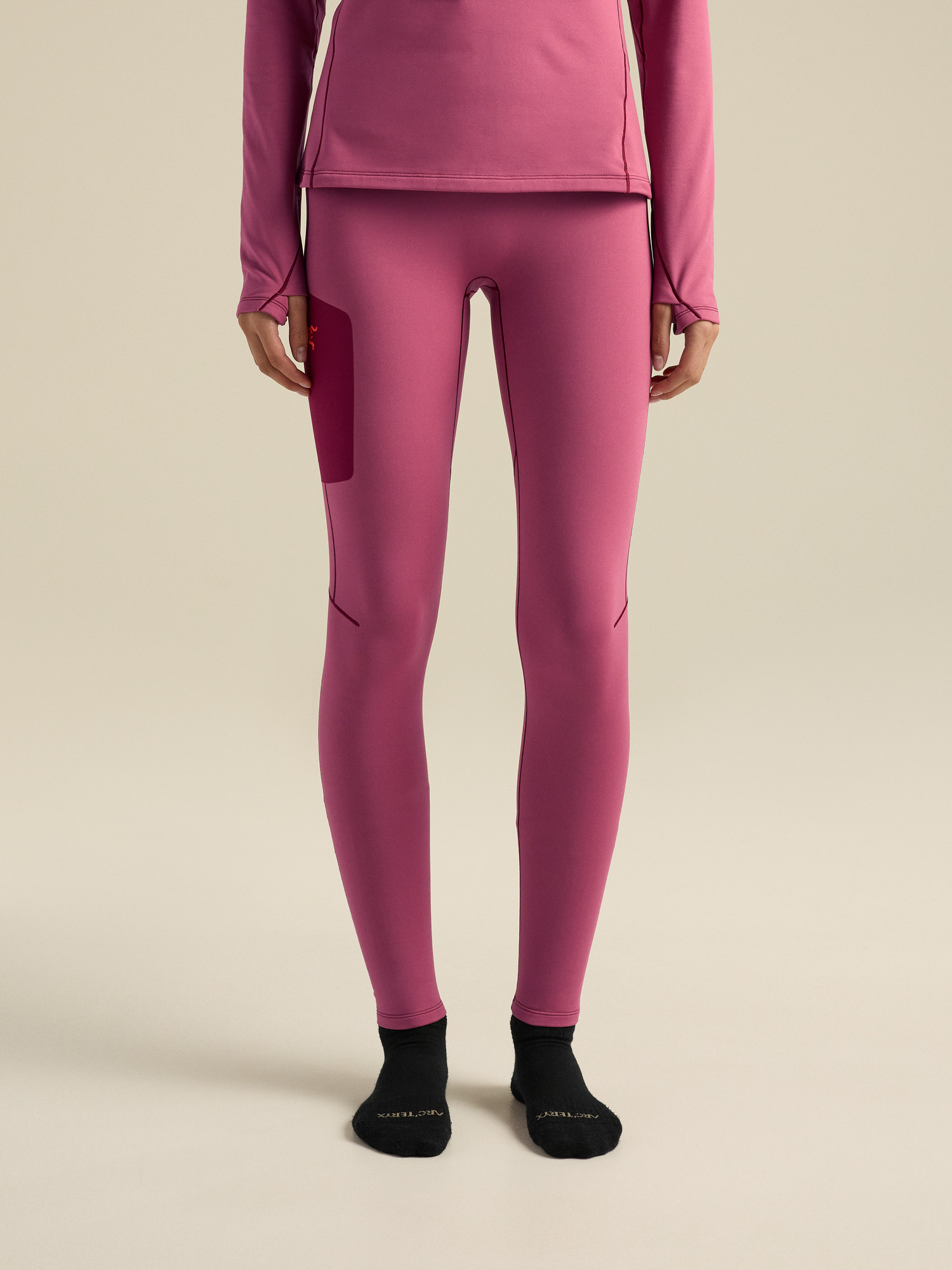
Mountain Layers for European Treks
Mediterranean Corsica can still be cold high on the GR20. A warm Chamonix afternoon says very little about conditions on a windy TMB pass. Carry insulation and rain protection on both routes.
Mountain Layers for European Treks
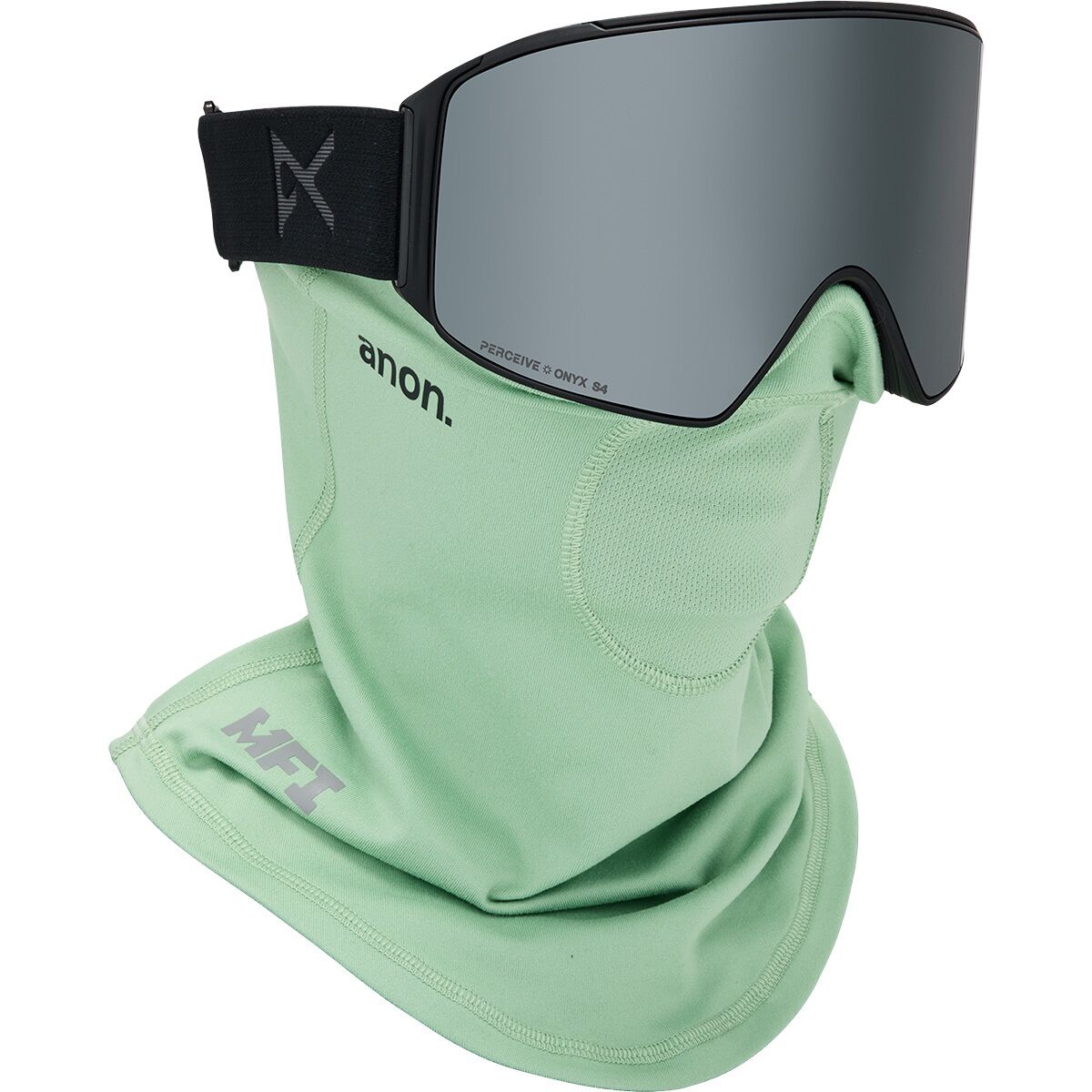
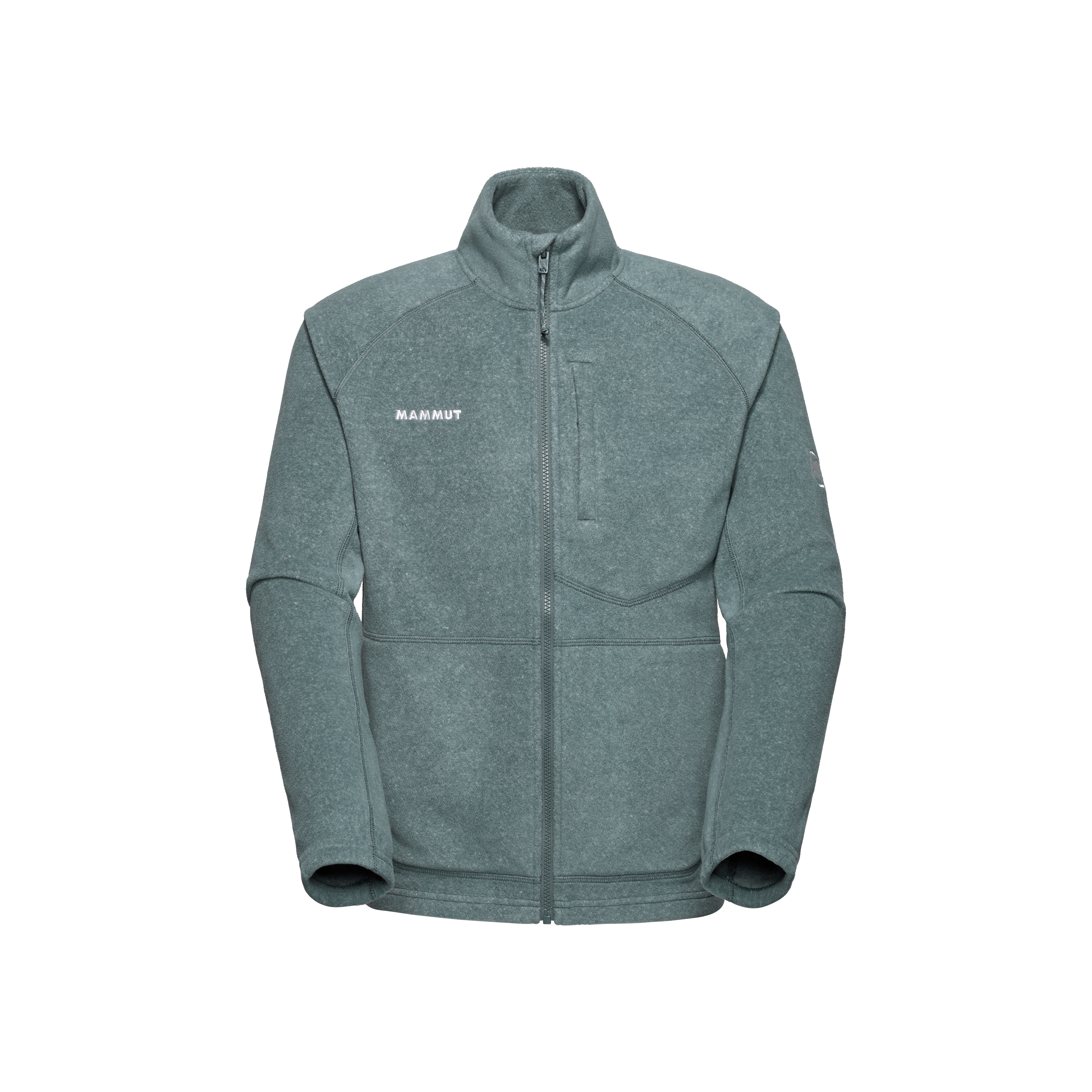

Pack Weight Matters More on GR20 Because Every Extra Kilo Moves Across Harder Ground
Both routes reward disciplined packing. GR20 punishes excess weight faster.
Light but Mountain-Capable
Carry enough for weather, sleeping, water treatment and route independence— but remember every kilogram travels over slabs, boulders and steep descents.
35–45 L Is a Useful Baseline
GSG’s current TMB guide uses the official planning framework of roughly 35–45 litres and about 8–12 kg for a refuge trek.
TMB + Luggage Transfer
Where road access permits, luggage services let hikers walk with a daypack. Remote refuges may still require carrying overnight essentials.
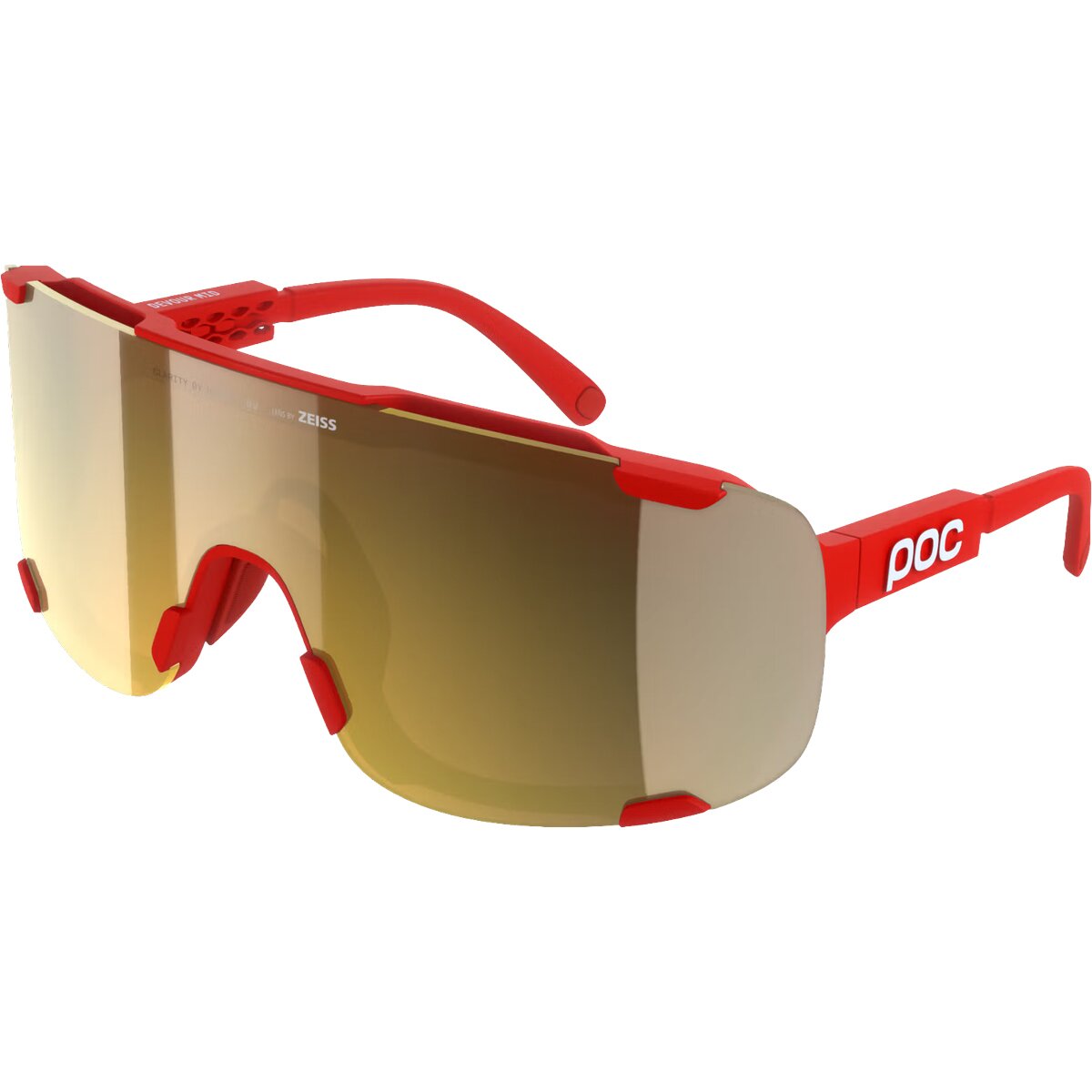
Mountain Sunglasses
Both routes spend long periods above trees on exposed ridges, cols and open slopes. Sunglasses belong in the daily-access part of the pack, not buried at the bottom.
Mountain Sunglasses
Should You Hike Tour du Mont Blanc Before GR20?
For many hikers, yes. It is one of the cleaner European trekking progressions.
Tour du Mont Blanc
TMB teaches:
- Back-to-back mountain days
- 1,000 m climbing days
- Long descents
- Refuge rhythm
- Mountain weather
- Pack management
- Foot care
- Recovery while still hiking tomorrow
GR20
GR20 keeps those demands and adds:
- Rougher footing
- More scrambling
- Greater exposure
- More careful water planning
- Simpler shelter system
- Fewer comfort fallbacks
- More days
- Greater cumulative technical fatigue
TMB is not mandatory. Experienced backpackers with strong scrambling and mountain-terrain skills may already be ready for GR20.
Walker’s Haute Route Is Another Excellent Next Step.
It adds longer high-pass days, rougher terrain and more navigation while keeping the Alpine hut model.
Choose the Trail by the Trip You Want to Live Every Day
Both are famous. Fame is not a useful selection criterion.
You Want the Harder Mountain Journey
- You are an experienced mountain hiker.
- You enjoy scrambling.
- Exposure does not dominate your decision-making.
- You move confidently on rough rock.
- You are comfortable with simpler refuges.
- You can manage water and backup food.
- You want roughly two weeks on trail.
- Challenge is a major reason for going.
You Want the Stronger All-Around Vacation
- This is your first major Alpine trek.
- You want refuges plus villages.
- You value good meals and recovery.
- You want 7–11 days rather than 16.
- You want easy public-transport access.
- You may use luggage transfer.
- You want France, Italy and Switzerland in one trip.
- You want difficulty without constant scrambling.
Trail Essentials Under $60
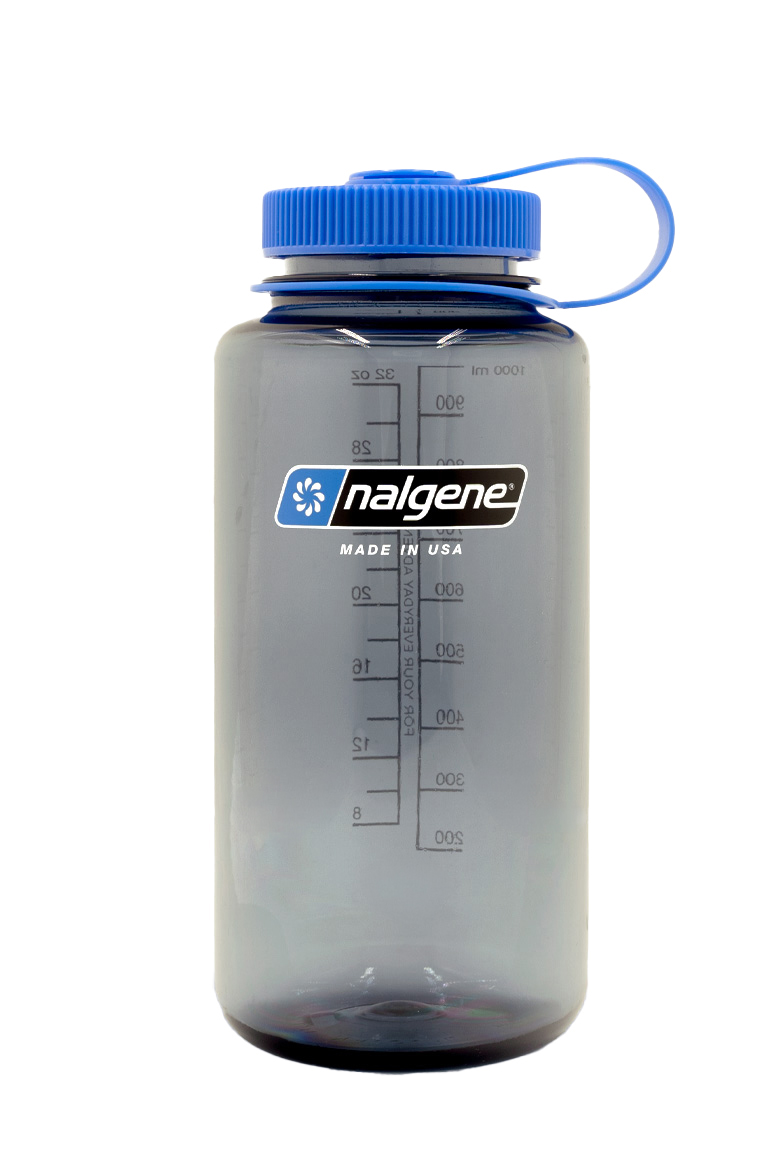
Headlamp, hydration and foot-care backups are inexpensive compared with the trip itself and useful on both routes. On GR20, a delayed technical stage makes spare light particularly valuable.
Trail Essentials Under $60


An Island Traverse vs a Three-Country Alpine Circuit
The route geometry explains much of the transport difference.
Point-to-point from Calenzana in the northwest through Vizzavona to Conca in the southeast.
A circuit around the Mont Blanc massif, traditionally beginning and ending near Les Houches.
Go Deeper on the Decision That Matters
Full routes, reservations and first-trek suitability belong on their dedicated owners.
GR20 vs Tour du Mont Blanc FAQ
Direct answers to the questions most likely to decide between the two.
Which is harder, GR20 or Tour du Mont Blanc?
GR20 is harder overall. It has more cumulative climbing, rougher terrain, more scrambling, greater exposure, simpler refuge infrastructure and typically requires around 15–16 days rather than TMB’s usual 7–11 days.
Which trail is longer?
GR20 is slightly longer on the standard planning figures. GR20 is roughly 180 kilometres / 112 miles. Tour du Mont Blanc is roughly 170 kilometres / 105 miles. Exact GPS totals vary with variants.
Which has more elevation gain?
GR20 is commonly measured at roughly 12,000 metres of total ascent. The Tour du Mont Blanc accumulates close to 10,000 metres. Route variants can change both figures.
Is GR20 technical?
GR20 is still a hiking route, but sections involve scrambling, hand-assisted movement, steep slabs, scree, exposed terrain and occasional protected passages. It is substantially more technical underfoot than the classic TMB.
Is Tour du Mont Blanc technical?
The classic TMB is non-technical in normal summer conditions. It does not normally require ropes, glacier travel or climbing equipment. Certain higher variants are rougher and snow can materially change conditions.
Which is better for beginners?
Tour du Mont Blanc. Fit hikers can use its mature refuge network, villages, public transport, food access and luggage-transfer services to learn hut-to-hut trekking without adding GR20-level rough terrain.
Should I hike TMB before GR20?
For many hikers, yes. TMB teaches multi-day mountain recovery, pack management, high-pass weather and refuge logistics. Before progressing to GR20, add specific training on scrambling and rough rocky terrain.
How long does GR20 take?
The official PNRC structure uses 16 stages. Around 15–16 days is a sensible classic planning range, although strong experienced hikers sometimes combine stages.
How long does Tour du Mont Blanc take?
Most hikers take about 7–11 days. Ten or eleven days is a strong first-time format because it leaves more recovery and weather margin than a compressed seven-day circuit.
Do you need to book GR20 refuges?
During the 2026 staffed season, PNRC required advance overnight reservations for refuge bunks, park rental tents and designated bivouac spaces, including hikers bringing their own tent. Future-season rules should be rechecked.
Do you need to book TMB refuges?
Advance booking is strongly recommended and often essential during peak season. The official TMB system says participating accommodation for summer 2027 opens on October 15, 2026.
Can you wild camp on GR20?
No. PNRC prohibits wild bivouacking along the route. Camping is restricted to designated refuge and authorized bivouac areas.
Which has better food?
Tour du Mont Blanc offers more variety. Refuges, gîtes, hotels, towns, supermarkets and restaurants create many food options. GR20 refuges can provide meals and basic supplies, but hikers should carry more backup food and not expect Alpine-resort variety.
Which is cheaper?
GR20 is generally cheaper for basic mountain accommodation. PNRC’s 2026 refuge bunk was €20 and own-tent bivouac €12. Official TMB guidance currently uses roughly €65–€95 per night for dormitory half-board.
Which has better scenery?
That is a preference question. GR20 emphasizes Corsican granite, island ridges, lakes and Mediterranean mountain landscapes. TMB emphasizes glaciers, enormous Alpine peaks, flower meadows, high cols and the Mont Blanc massif from three countries.
Which trail has better logistics?
Tour du Mont Blanc. Geneva access, Chamonix, Les Houches, Courmayeur, buses, lifts, village lodging and luggage services give TMB one of the strongest logistics systems of any major mountain trek.
The Stable Comparison Is Easy. The Booking Details Need Freshness.
GR20 will remain the rougher trek. Refuge seasons, prices, snow, fire closures and available beds can change every year.
Parc Naturel Régional de Corse
Current GSG GR20 research uses PNRC for stage times, refuge rules, booking, camping restrictions, water warnings and seasonal operations.
Official Tour du Mont-Blanc System
Current route, booking and accommodation planning are checked against the official Tour du Mont-Blanc organization and reservation platform.
Live Variables
- Snow
- Thunderstorms
- Fire closures
- Water sources
- Refuge opening dates
- Bridge / trail damage
- Transport operation
Once You Choose the Style, Open the Page That Owns the Planning
The comparison should end the selection problem and begin the actual trip plan.
Hike TMB for the Journey. Hike GR20 for the Challenge.
Tour du Mont Blanc is the stronger choice for most hikers: spectacular Alpine scenery, almost 10,000 metres of climbing, three countries, great refuges, villages, restaurants, transport and enough flexibility to repair a difficult day.
GR20 is the stronger choice when that level of comfort sounds like something you deliberately want to give up. It is rougher, longer in days, more technical underfoot, more exposed and less forgiving.
The difference between these routes is only about 10 kilometres of headline distance. That is the least important 10 kilometres in the comparison. GR20 is the harder trek. TMB is the better first one.
Plan GR20 Plan Tour du Mont Blanc Compare More TreksWas this helpful?
🏔Related peaks nearby
🧭Explore & compare
Global Summit Guide is an independent mountaineering resource founded in 2026. The team combines first-hand trekking and climbing experience with in-depth research and professional health and nutrition review to help climbers choose objectives, prepare properly, and stay safe.
Health, altitude, and nutrition content is reviewed by Taylor Ludlow (Registered Nurse) and Brigg Hoopes (Nutritionist).
What We Don't Know Yet
Mountain information changes quickly. This box explains the limits of what this page can responsibly promise.
- Comparisons simplify complex decisions; the better mountain depends on current conditions, skills, timing, budget, and risk tolerance.
- Visa, passport, vaccination, border, insurance, and local transportation rules may change before your trip.
- Route conditions, snowpack, closures, and weather can change quickly after this page is updated.
- Permit rules, fees, quotas, and reservation windows may change between review cycles.
- Operator availability, pricing, guide ratios, and cancellation terms can change by season.
Verify current conditions with official land managers, guide services, local forecasts, and current route reports before booking or climbing.
Mountaineering, rock and ice climbing, glacier travel, and high-altitude activity are inherently dangerous and can result in serious injury or death. The information on Global Summit Guide is provided for general informational and educational purposes only and is not a substitute for professional instruction, qualified guiding, proper equipment, or your own judgment and experience.
Route conditions, weather, snowpack, permits, regulations, and hazards change constantly and may differ from what is described here. Details may be incomplete, out of date, or contain errors. Always verify current information with local authorities, certified guides, and official sources before making any decision in the mountains.
Nothing on this site is medical, legal, or financial advice. Our fitness, acclimatization, altitude, and nutrition content is general in nature; consult a qualified physician before beginning any strenuous exercise program or exposing yourself to high altitude.
You are solely responsible for your own safety and decisions. To the fullest extent permitted by law, Global Summit Guide and its team accept no liability for any loss, injury, damage, or expense arising from use of, or reliance on, this information. By using this site you acknowledge these risks and accept these terms.
Some links on this site may be affiliate links. If you buy through them we may earn a small commission at no extra cost to you; this never affects our recommendations.
Global Summit Guide recommendation path
Next Best Mountain to Research
Use these recommendations to continue the right planning path instead of stopping on one page.
Use current permit, weather, route, and operator information before booking or climbing.