Last updated October 11, 2026
15 Most Famous Mountains in the World
Discover the mountains that define adventure, geography and culture: Everest, Fuji, the Matterhorn, Kilimanjaro, K2 and ten more unforgettable summits.
Explore real mountain photography from the Global Summit Guide library, compare their heights and locations, and discover which peaks are hiking objectives and which require advanced mountaineering.
What Are the World’s Most Famous Mountains?
Mount Everest, Mount Fuji, the Matterhorn and Kilimanjaro are among the most recognizable mountains on Earth. K2, Mont Blanc, Denali, Aconcagua and Mount Rainier are also globally important for mountaineering and geography.
This is an editorial ranking based on recognition, distinctive appearance, cultural importance and climbing history. It is not a survey-based popularity ranking.
| # | Mountain | Location | Elevation |
|---|---|---|---|
| 1 | Everest | Nepal / China | 8,848.86 m |
| 2 | Fuji | Japan | 3,776 m |
| 3 | Matterhorn | Switzerland / Italy | 4,478 m |
| 4 | Kilimanjaro | Tanzania | 5,895 m |
| 5 | K2 | Pakistan / China | 8,611 m |
| 6 | Mont Blanc | France / Italy | About 4,806 m |
| 7 | Denali | Alaska, USA | 6,190 m |
| 8 | Aconcagua | Argentina | 6,961 m |
| 9 | Rainier | Washington, USA | 4,392 m |
| 10 | Elbrus | Russia | 5,642 m |
| 11 | Whitney | California, USA | 4,421 m |
| 12 | Aoraki / Mount Cook | New Zealand | 3,724 m |
| 13 | Table Mountain | South Africa | About 1,086 m |
| 14 | Olympus | Greece | 2,918 m |
| 15 | Vinson Massif | Antarctica | 4,892 m |
Mount Everest
The world’s highest summit above sea level is perhaps the most universally recognized mountain. Everest became an icon of mountaineering following the 1953 ascent by Edmund Hillary and Tenzing Norgay.
The standard commercial routes still require prolonged acclimatization, technical preparation and extreme-altitude support. The mountain’s international reputation should not obscure its very real hazards.
Compare Everest Expedition Operators →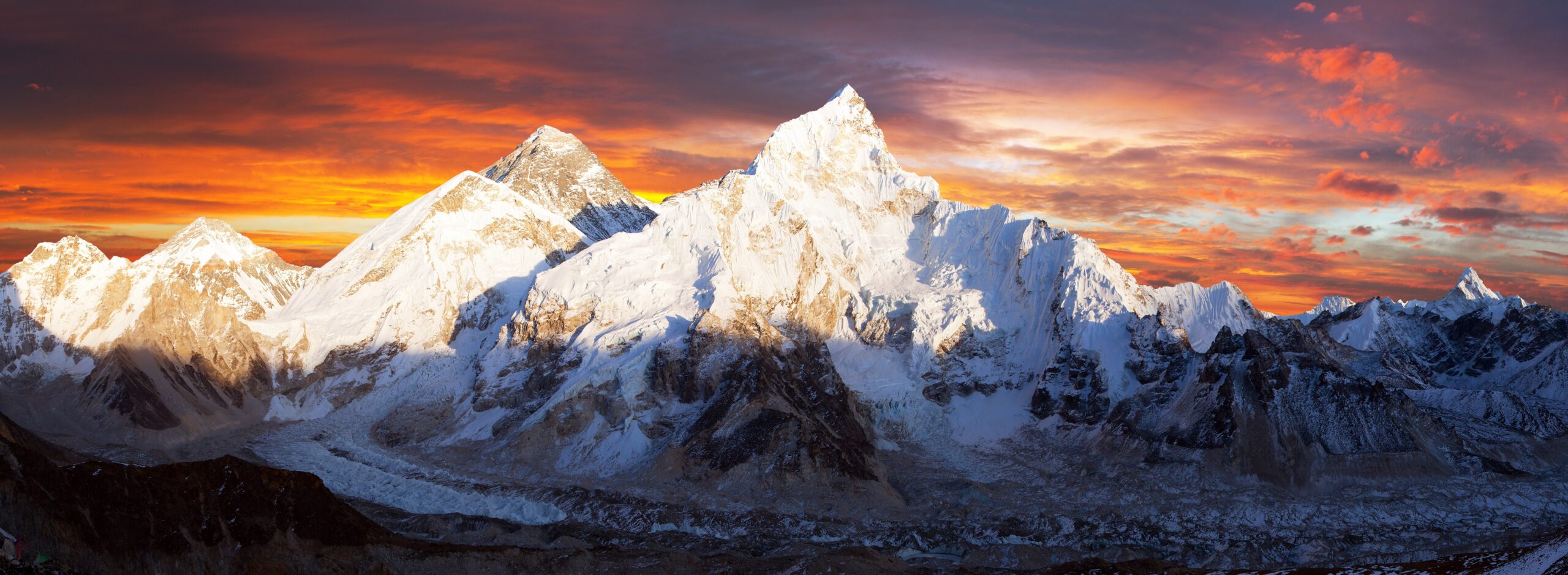
Mount Fuji
Fuji’s nearly symmetrical volcanic cone has shaped Japanese art and culture for centuries. Its snow-capped outline makes it recognizable even to people who have never visited Japan.
The official climbing season offers established summit routes, but weather, altitude, overnight logistics and current access rules all require planning.
Complete Mount Fuji Guide →
Matterhorn
The Matterhorn’s dramatic pyramid rises above Zermatt and Cervinia. Its outline has become a visual shorthand for the European Alps.
The 1865 first ascent cemented its place in mountaineering history. Modern standard routes still demand confident movement on exposed rock, route-finding and technical judgment.
Compare Matterhorn Guides →
Mount Kilimanjaro
Kilimanjaro is Africa’s highest mountain and one of the Seven Summits. Its broad volcanic massif rises above East African plains and has become an international trekking landmark.
Standard summit routes are generally nontechnical, but altitude, cold temperatures and itinerary length make acclimatization central to success.
Complete Kilimanjaro Guide →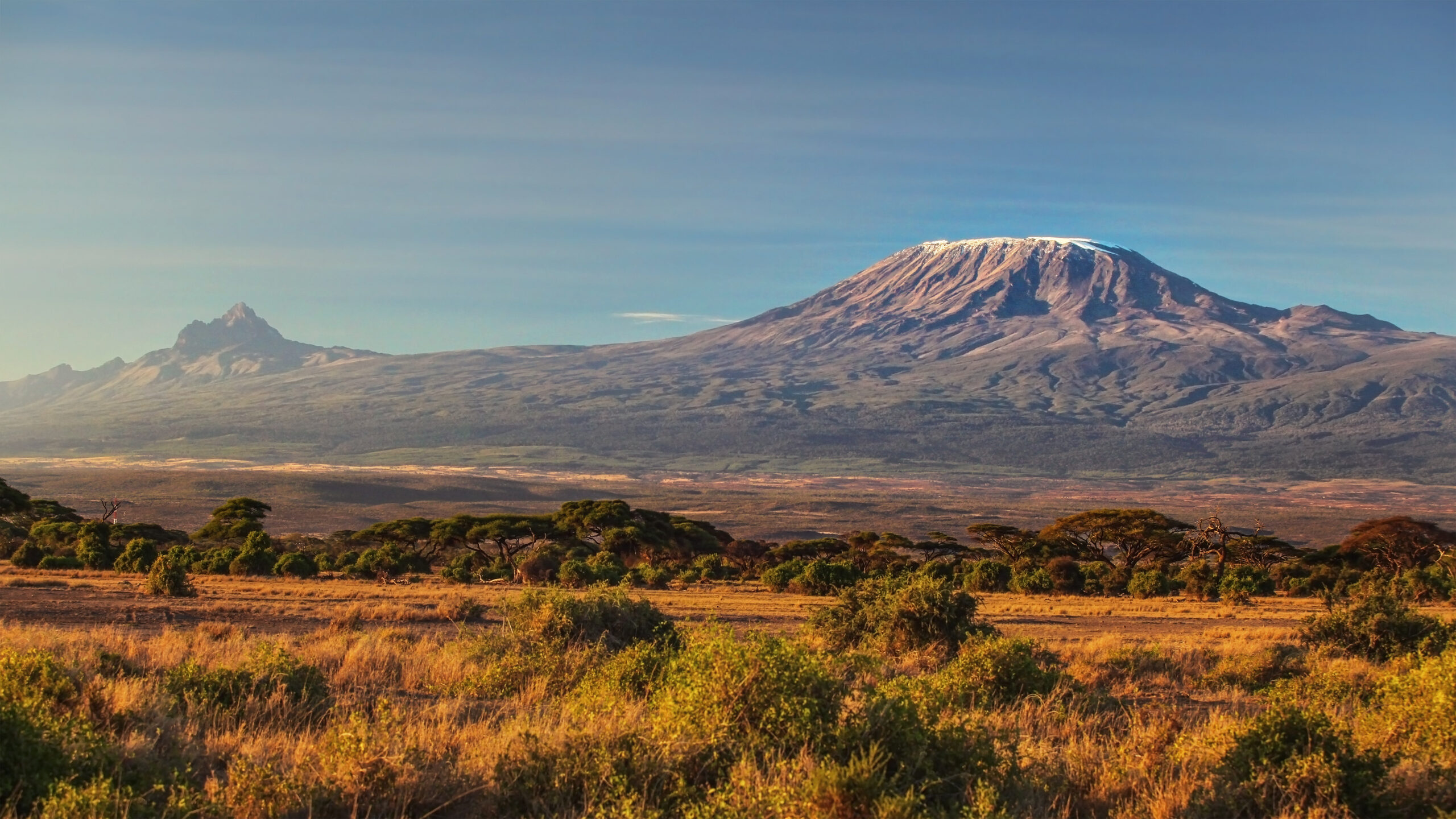
K2
K2 is Earth’s second-highest mountain, known for its steep ridges, formidable technical climbing and remote setting. The Karakoram summit is one of the defining objectives of high-altitude mountaineering.
Its commonly used routes combine extreme altitude with consequential technical and objective hazards. K2 is not a beginner expedition.
Compare K2 Expedition Operators →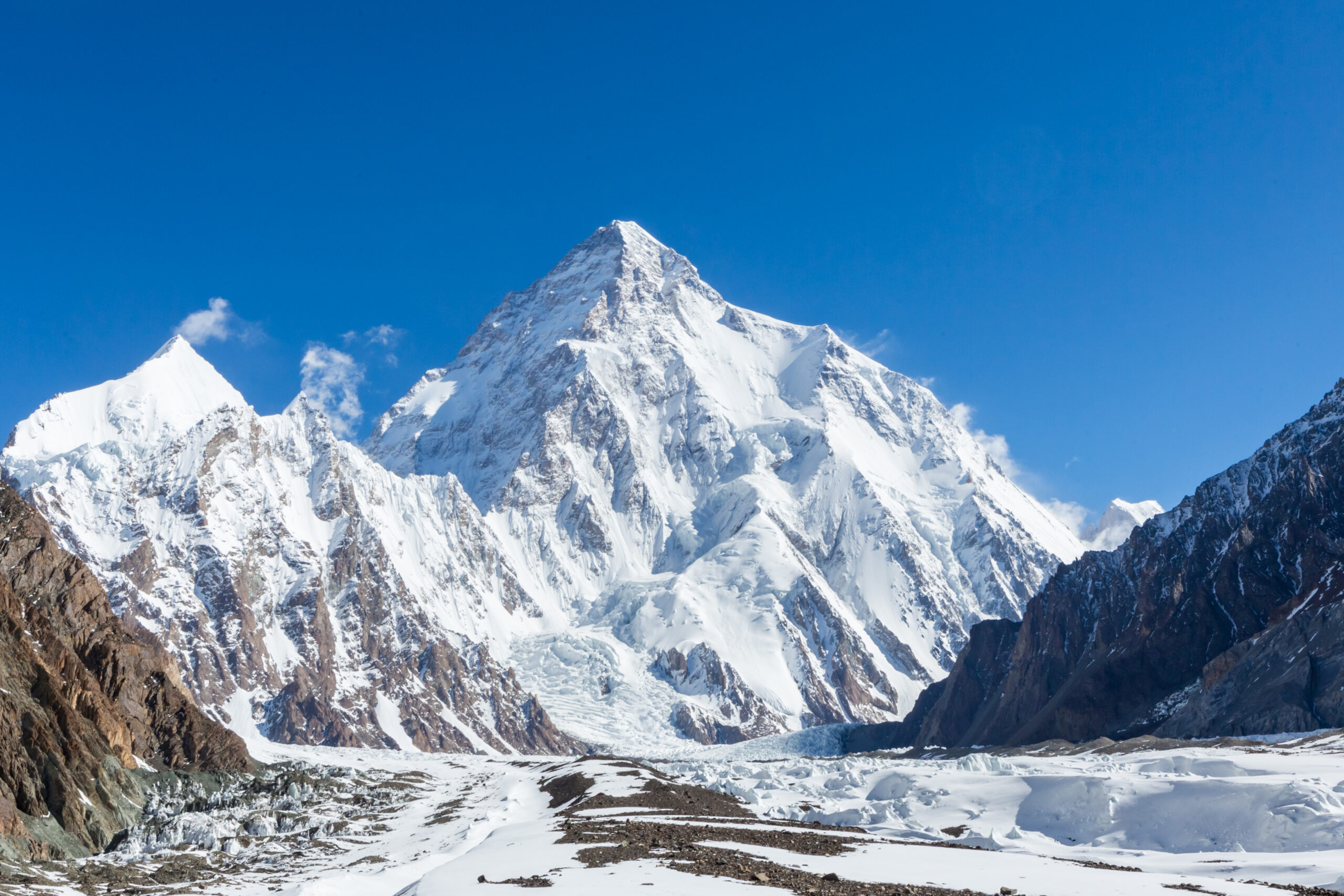
Mont Blanc
Mont Blanc is the highest mountain in the Alps and a foundational location in European alpinism. Its 1786 first ascent is a defining milestone in mountaineering history.
The standard routes involve snow and glacier travel, acclimatization, rockfall or other route hazards, and careful hut and access planning.
Compare Mont Blanc Guides →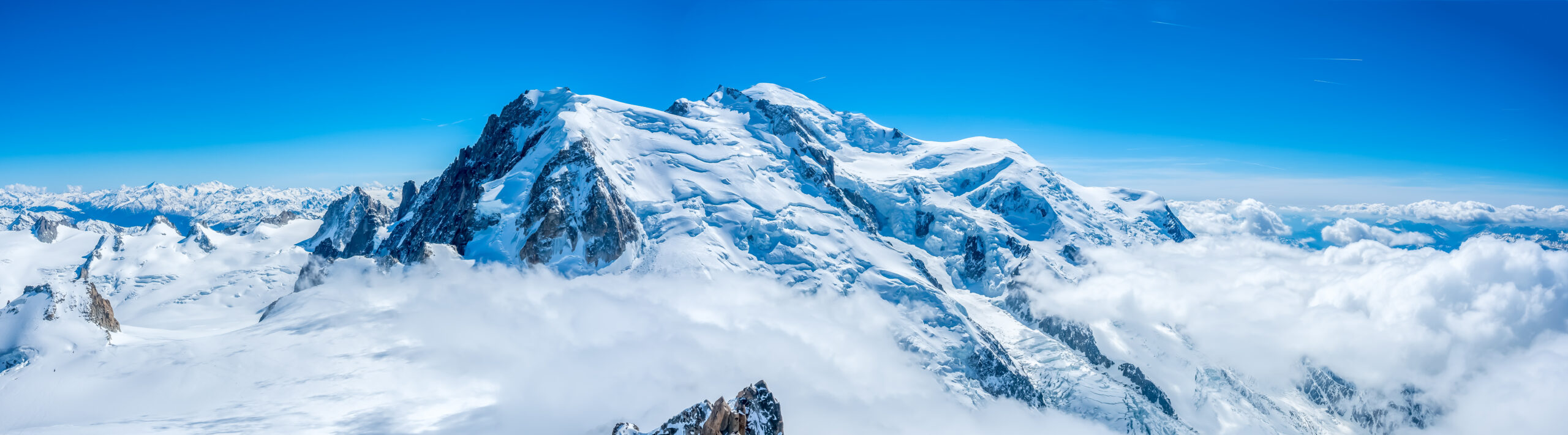
Denali
Denali is North America’s highest mountain, famous for its immense vertical presence above the Alaska Range and its severe expedition conditions.
The West Buttress combines glacier travel, expedition camping, load hauling, cold management and challenging weather windows.
Compare Denali Guides →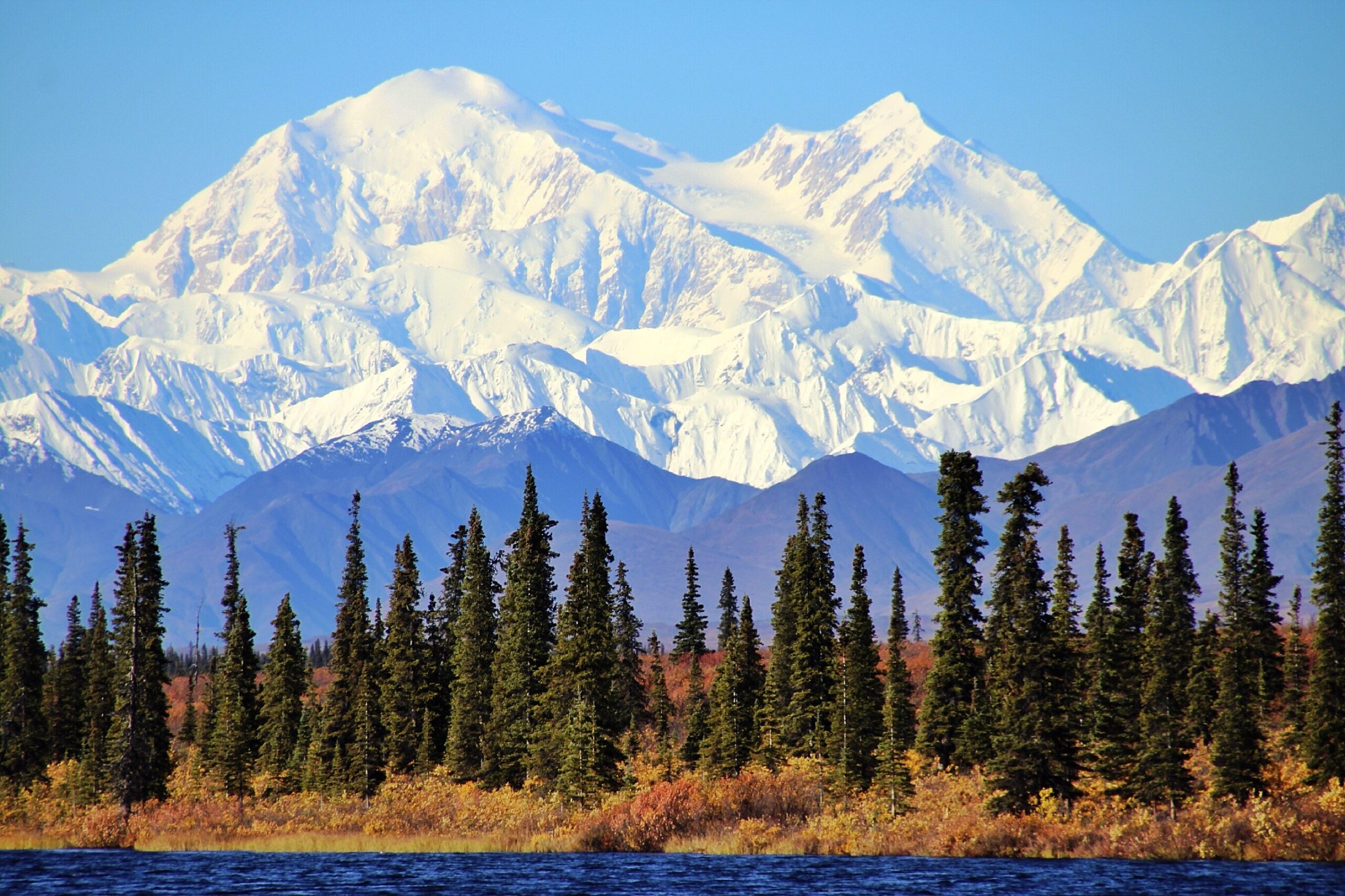
Aconcagua
Aconcagua is the highest summit in the Americas and the highest mountain outside Asia. Its high-Andes setting and Seven Summits status make it one of the world’s major mountaineering objectives.
Its Normal Route is often considered nontechnical under favorable conditions, but the altitude, weather and expedition workload remain substantial.
Compare Aconcagua Operators →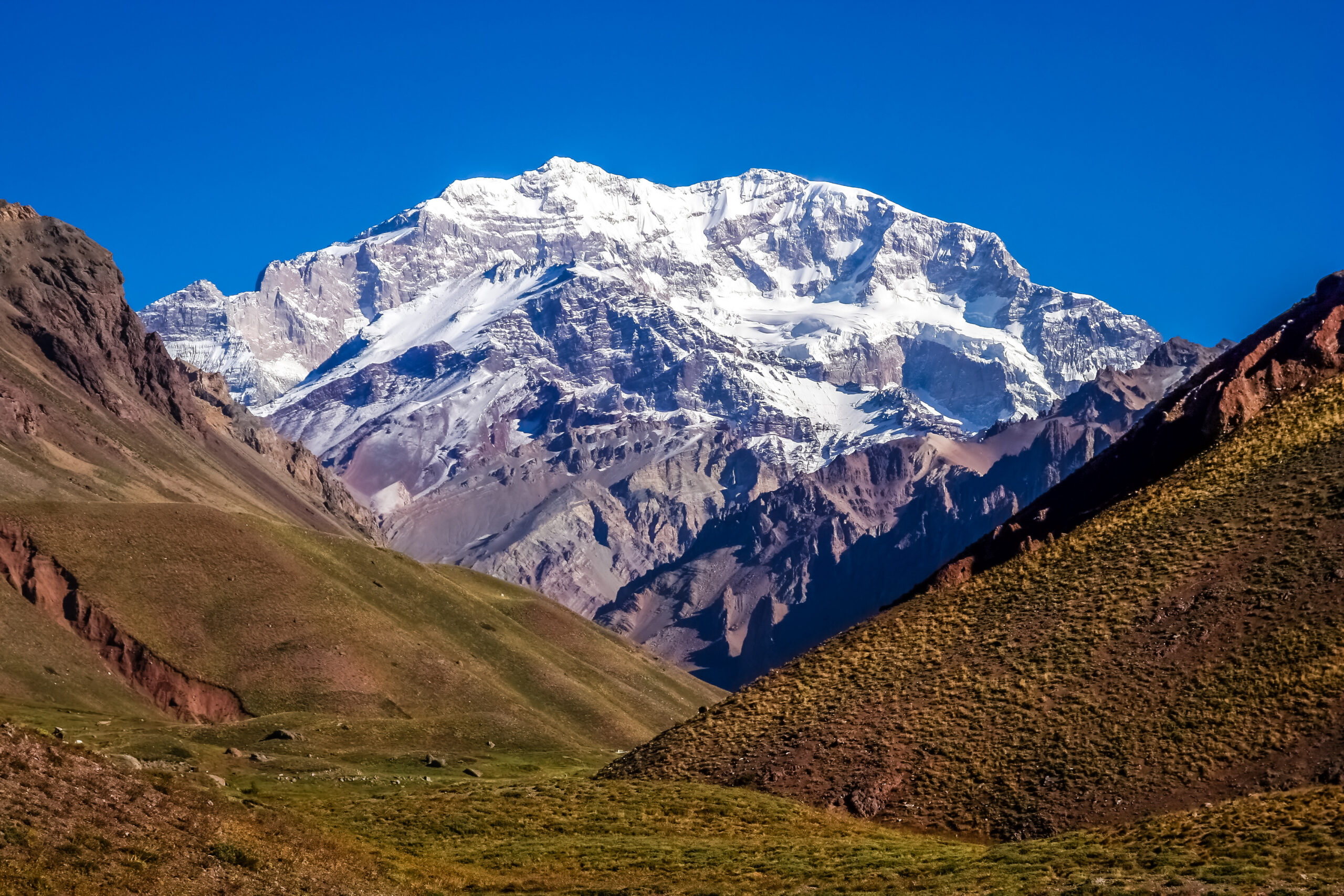
Mount Rainier
Rainier is a defining visual landmark of the Pacific Northwest. The heavily glaciated volcano dominates the skyline and is a well-known training ground for alpine climbers.
Its standard summit routes require mountaineering equipment, technical glacier travel and sound decisions about weather and crevasse hazards.
Compare Rainier Guides →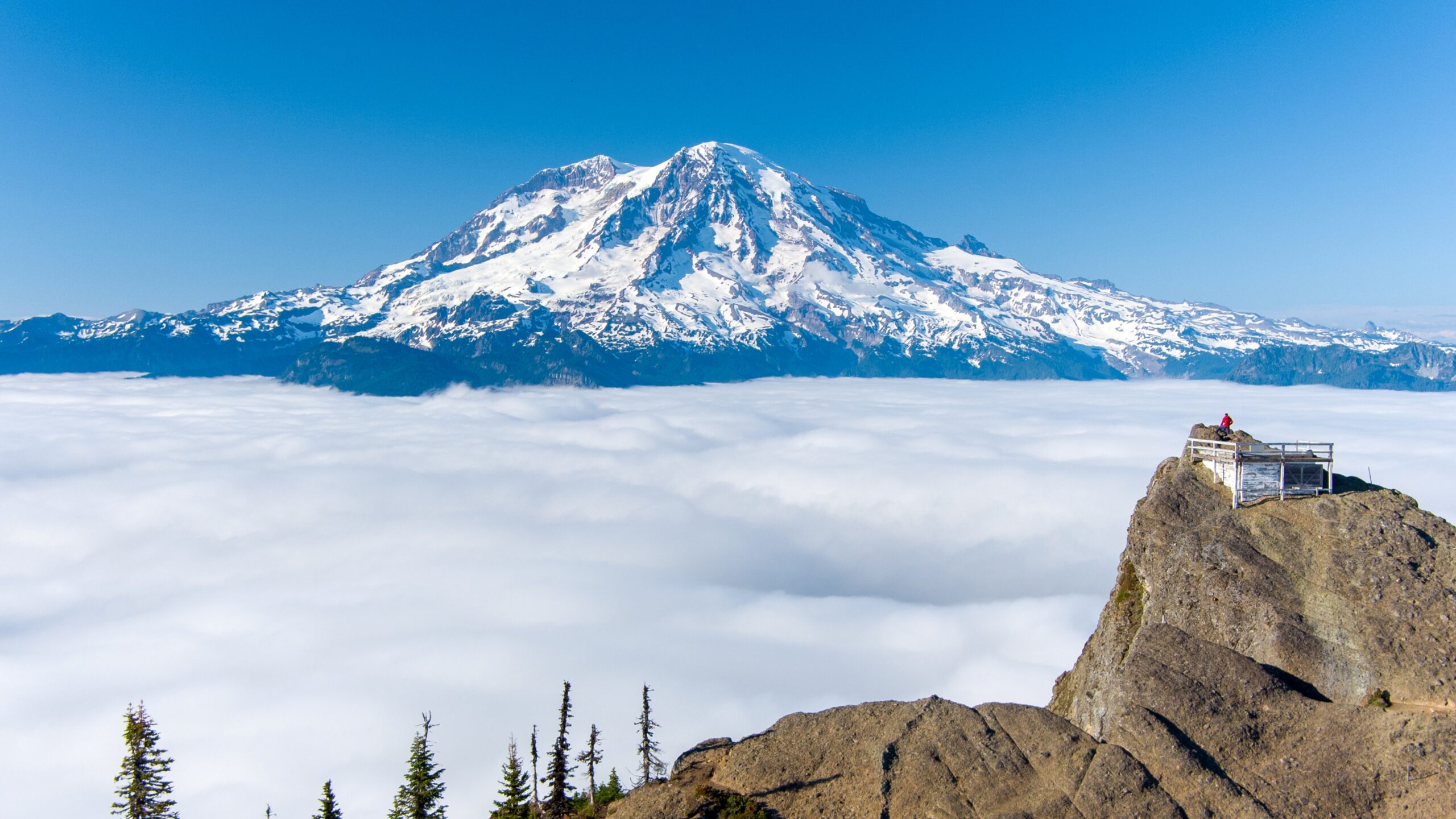
Mount Elbrus
The twin-summited volcano is commonly considered Europe’s highest mountain in Seven Summits lists. Its geographic distinction makes Elbrus globally recognized among highpoint climbers.
The common routes involve snow travel, severe weather exposure, altitude and mountain-specific access challenges.
Compare Elbrus vs Mont Blanc →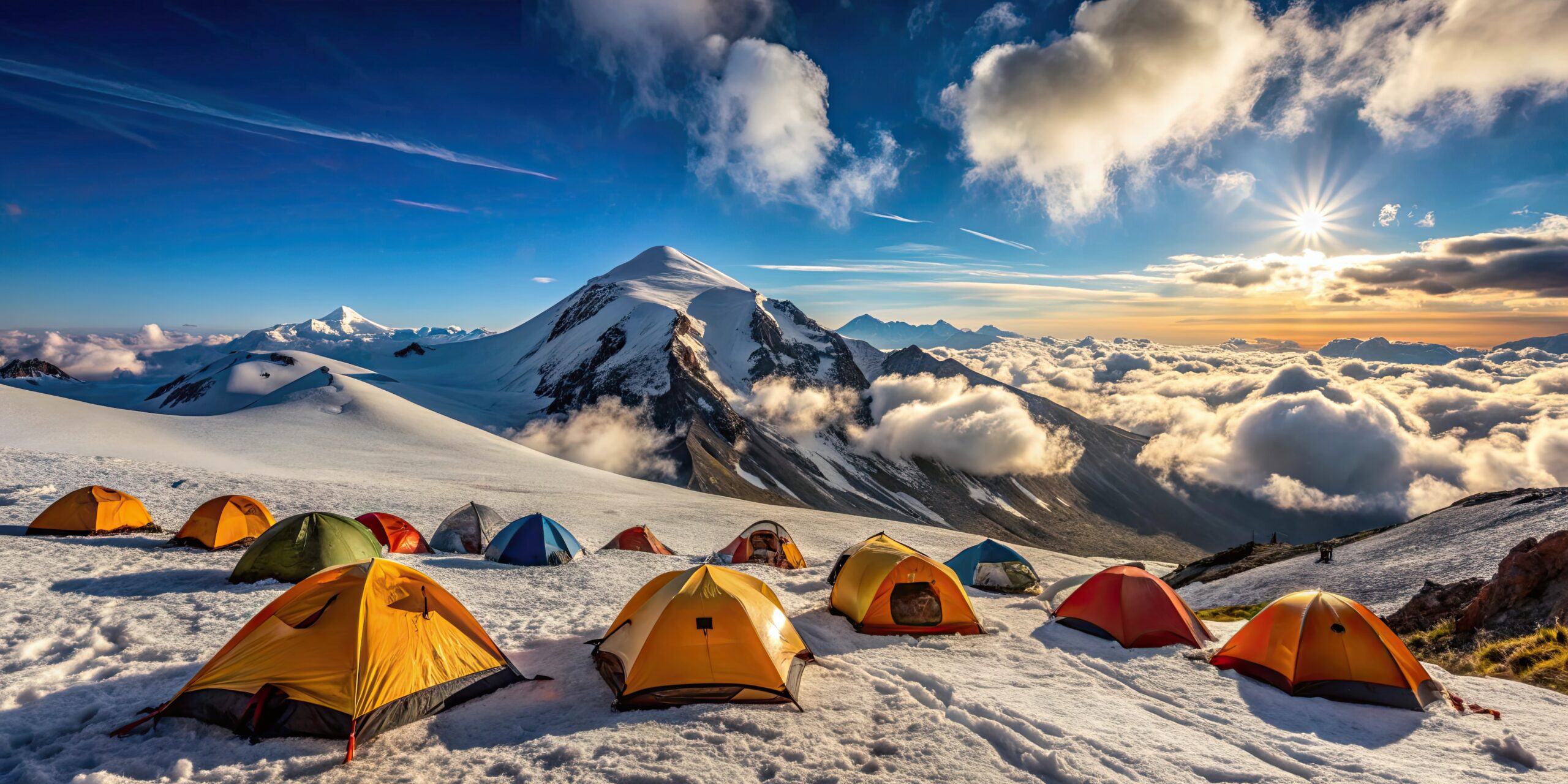
Mount Whitney
The highest mountain in the contiguous United States is a celebrated long-distance hiking summit with striking views above the eastern Sierra Nevada.
The standard trail is nontechnical in suitable dry conditions, but altitude, distance, permits and seasonal snow can complicate the climb.
Mount Whitney Guide →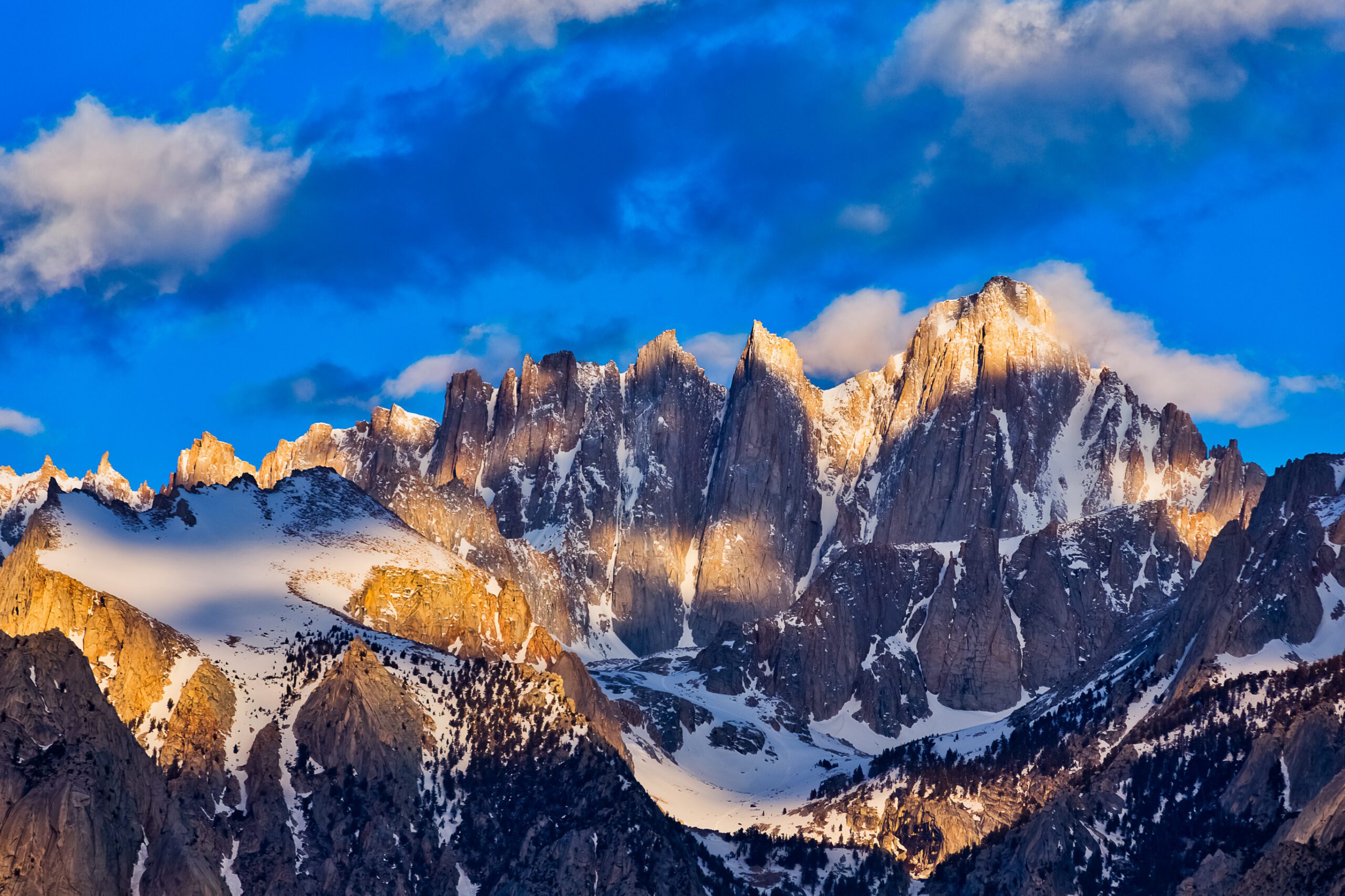
Aoraki / Mount Cook
Aoraki / Mount Cook is New Zealand’s highest mountain and a landmark of the Southern Alps. It is culturally important to Ngāi Tahu and central to the country’s technical alpine climbing history.
Its summit routes demand strong glacier and alpine skills, experienced judgment and careful attention to unstable mountain conditions.
Compare Aoraki Guides →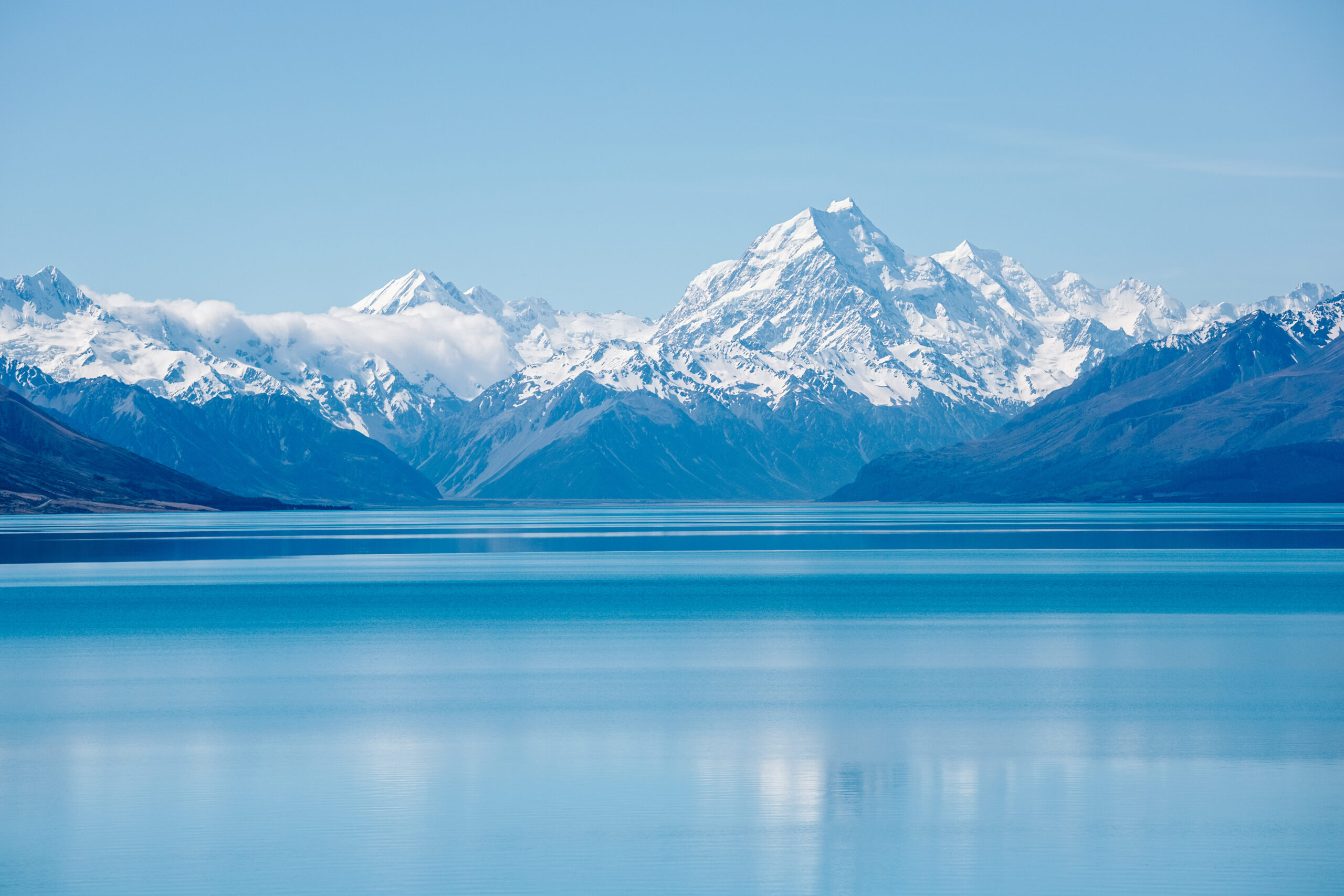
Table Mountain
Table Mountain’s distinctive flat profile dominates Cape Town and is one of Africa’s most recognizable landmarks. Its location makes it a celebrated destination for hikers and sightseers.
Visitors can use different hiking routes or the cableway, subject to current operation, weather and access conditions.
Explore African Mountains →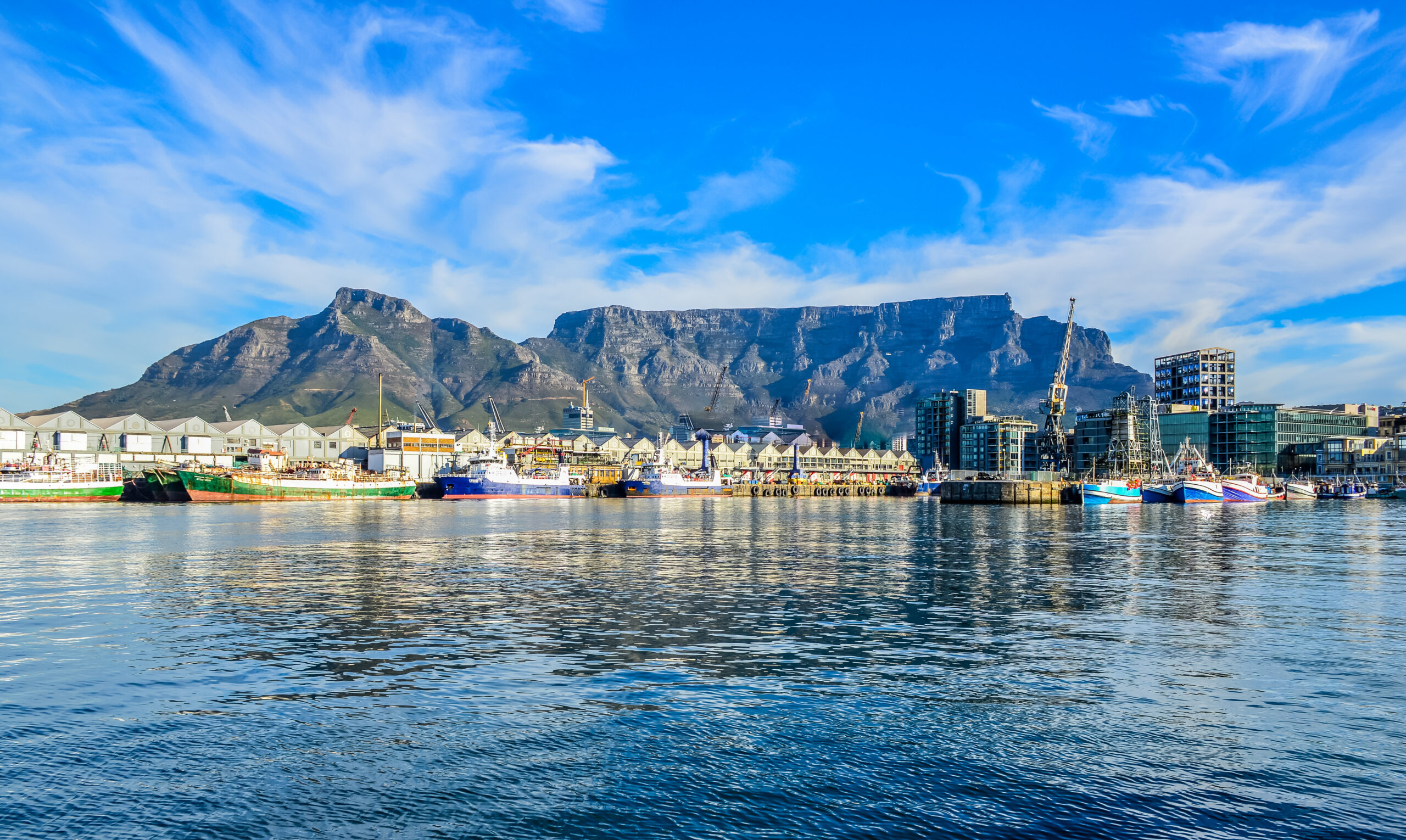
Mount Olympus
Olympus is legendary as the mythological home of the ancient Greek gods. Its cultural fame extends well beyond the world of mountain climbing.
Routes across the massif range from hiking to exposed scrambling. The highest summit, Mytikas, is a more serious objective than the lower trails.
Mountains in Europe Guide →
Mount Vinson
Vinson Massif contains Antarctica’s highest summit. It is one of the Seven Summits and is famous for its remote polar setting.
An expedition to Vinson involves specialized Antarctic logistics, severe weather preparedness, remote camping and significant travel and expedition costs.
Explore Seven Summits →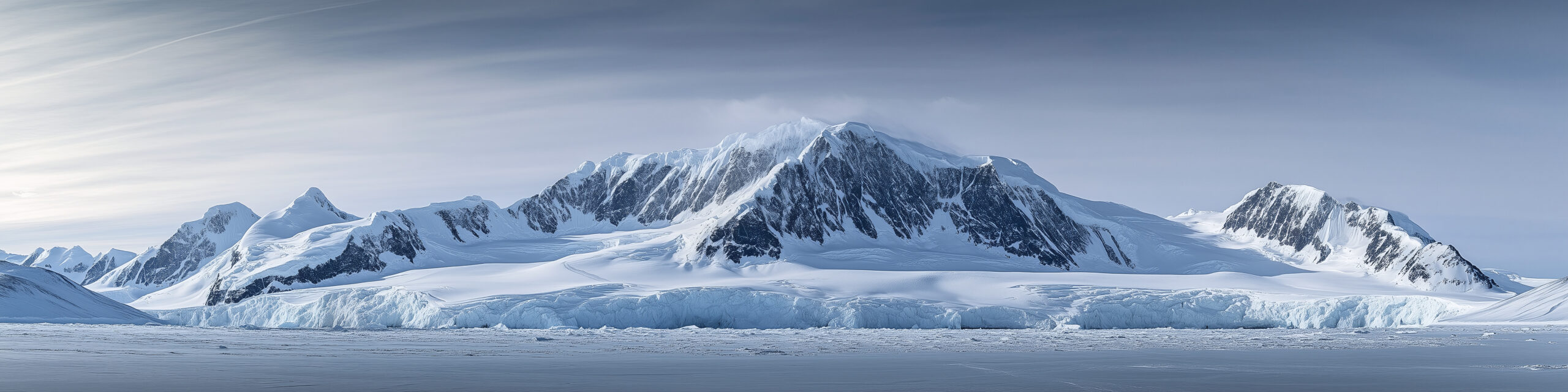
Which Famous Mountains Can You Actually Climb?
Famous mountains offer very different experiences. Some have scenic hiking trails; others require technical mountaineering or multi-week expeditions.
Scenic Mountain Visits
Fuji, Table Mountain, Olympus and the European Alps all offer ways to experience a mountain without attempting its most difficult summit route.
Serious Trekking Summits
Kilimanjaro, Whitney and Aconcagua have nontechnical standard routes in suitable conditions, but still demand preparation and careful judgment.
Technical Expeditions
Everest, K2, Denali, Matterhorn and Rainier involve specialized skills or extreme expedition challenges.
Questions About the World’s Most Recognizable Mountains
What is the most famous mountain in the world?
Mount Everest is a strong candidate because it is the highest mountain above sea level and internationally recognized for its climbing history. No official worldwide ranking of mountain fame exists.
What is Japan’s most famous mountain?
Mount Fuji is Japan’s highest summit and a widely recognized cultural symbol, known for its volcanic shape and long history in Japanese art.
Which famous mountains are part of the Seven Summits?
The mountains in this selection that belong to commonly used Seven Summits lists include Everest, Kilimanjaro, Denali, Aconcagua, Elbrus and Vinson. The Australia/Oceania summit convention determines the remaining member.
Are the most famous mountains also the hardest to climb?
No. Fame and elevation are separate from climbing difficulty. The specific route, season, exposure, weather and required skills determine the nature of a climb.
Can beginners visit these mountains?
Yes. Several have suitable visitor areas or hiking routes, but visiting a mountain does not imply its summit is suitable for beginners. Research the exact route and local restrictions.
Explore 500 Mountains Around the World.
From the famous Seven Summits to lesser-known alpine peaks, Global Summit Guide helps you discover mountain objectives, compare difficulty and plan your next adventure.
Was this helpful?
Global Summit Guide is an independent mountaineering resource founded in 2026. The team combines first-hand trekking and climbing experience with in-depth research and professional health and nutrition review to help climbers choose objectives, prepare properly, and stay safe.
Health, altitude, and nutrition content is reviewed by Taylor Ludlow (Registered Nurse) and Brigg Hoopes (Nutritionist).
What We Don't Know Yet
Mountain information changes quickly. This box explains the limits of what this page can responsibly promise.
- Comparisons simplify complex decisions; the better mountain depends on current conditions, skills, timing, budget, and risk tolerance.
- Route conditions, snowpack, closures, and weather can change quickly after this page is updated.
- Permit rules, fees, quotas, and reservation windows may change between review cycles.
- Operator availability, pricing, guide ratios, and cancellation terms can change by season.
- Your fitness, altitude response, risk tolerance, and experience level may change what is safe or realistic.
Verify current conditions with official land managers, guide services, local forecasts, and current route reports before booking or climbing.
Mountaineering, rock and ice climbing, glacier travel, and high-altitude activity are inherently dangerous and can result in serious injury or death. The information on Global Summit Guide is provided for general informational and educational purposes only and is not a substitute for professional instruction, qualified guiding, proper equipment, or your own judgment and experience.
Route conditions, weather, snowpack, permits, regulations, and hazards change constantly and may differ from what is described here. Details may be incomplete, out of date, or contain errors. Always verify current information with local authorities, certified guides, and official sources before making any decision in the mountains.
Nothing on this site is medical, legal, or financial advice. Our fitness, acclimatization, altitude, and nutrition content is general in nature; consult a qualified physician before beginning any strenuous exercise program or exposing yourself to high altitude.
You are solely responsible for your own safety and decisions. To the fullest extent permitted by law, Global Summit Guide and its team accept no liability for any loss, injury, damage, or expense arising from use of, or reliance on, this information. By using this site you acknowledge these risks and accept these terms.
Some links on this site may be affiliate links. If you buy through them we may earn a small commission at no extra cost to you; this never affects our recommendations.
Global Summit Guide recommendation path
Next Best Mountain to Research
Use these recommendations to continue the right planning path instead of stopping on one page.
Use current permit, weather, route, and operator information before booking or climbing.