Last updated October 23, 2026
Everest (2015): Movie vs. True Story
Yes, Everest (2015) is based on the real May 10–11, 1996 climbing disaster. Rob Hall, Scott Fischer, Beck Weathers and the deadly storm were real. But the film compresses events, leaves out part of the tragedy, and portrays at least one rescue conversation that an eyewitness disputes. Here is what happened, what the movie changes, and whose voices matter.
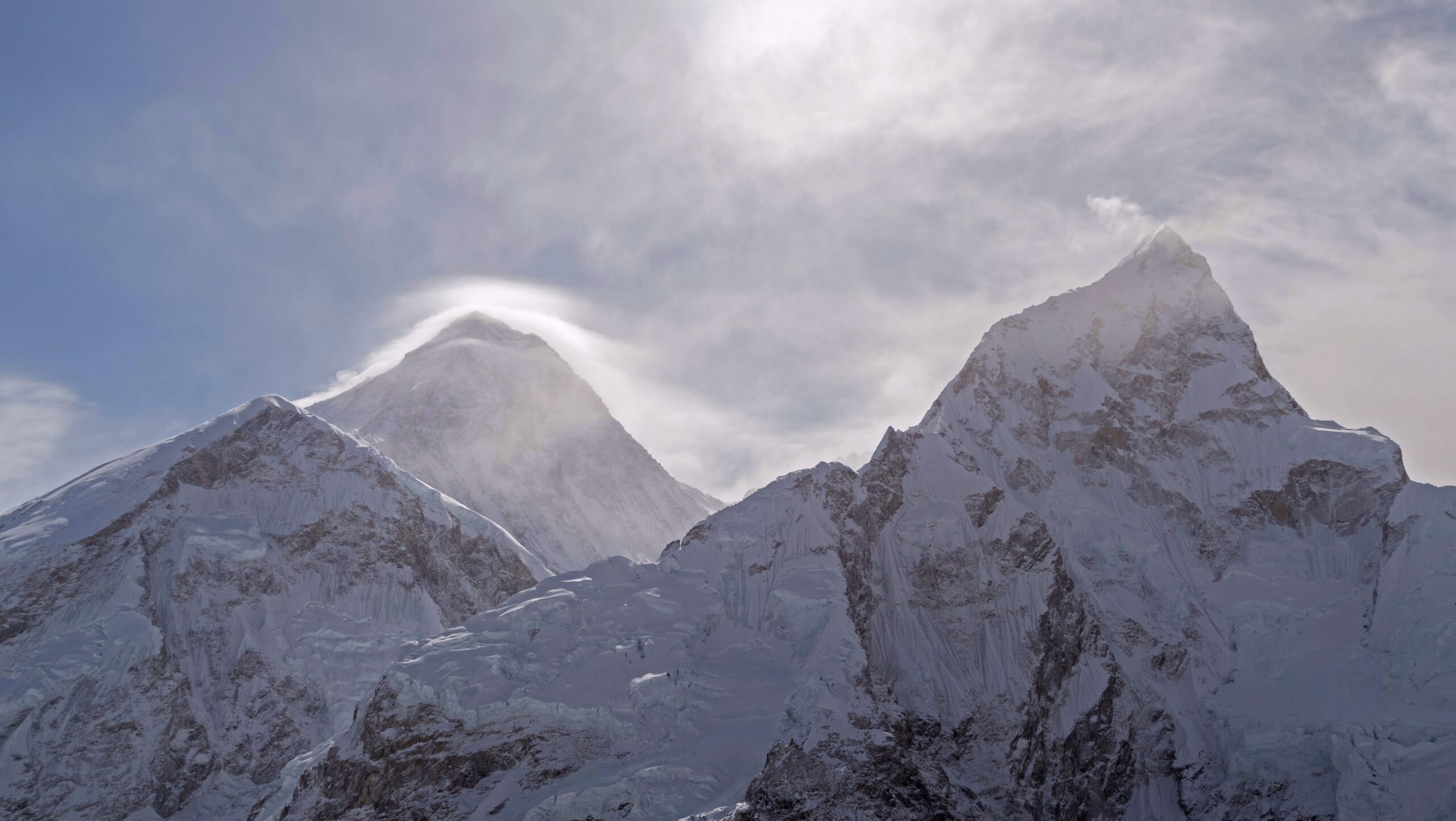
How true is the movie Everest?
The principal people, expeditions and storm are historical facts. The film’s broad account is recognizable, but it is a dramatized feature rather than a complete record. Individual conversations, motives and exact sequences should be checked against firsthand testimony.
On May 10, 1996, members of two commercial teams led by Rob Hall (Adventure Consultants) and Scott Fischer (Mountain Madness) attempted Everest’s summit from the Nepal side. Delays high on the Southeast Ridge, fatigue, insufficient margin and a severe storm contributed to a deadly descent. Five climbers died on the south side; three climbers on the north side also died amid the wider May 10–11 disaster.
The film focuses on the south-side groups. For the full historical record, including names, disputed decisions and the north-side losses, see GSG’s 1996 Everest disaster investigation. This article instead examines the movie’s accuracy and storytelling choices.
Watch the official Everest (2015) trailer
Official trailer uploaded by Universal Pictures UK. If embedding is unavailable, watch it directly on YouTube. Trailer scenes are dramatizations, not 1996 documentary footage.
A gripping film with a necessarily selective viewpoint
Director Baltasar Kormákur follows commercial expeditions toward the summit as leadership decisions, oxygen logistics, rope bottlenecks and weather become critical. The cast recreates identifiable people, but the motion picture cannot show every witness perspective—or every climber on the mountain.
For an alternative visual record, David Breashears’s PBS FRONTLINE documentary Storm Over Everest incorporates survivor interviews, including Sherpa voices. That documentary is not the same film as Everest (2015).
Actual climbers and teams
Hall and Fischer led separate paid expeditions up Everest’s southern route.
Late descent into danger
The storm struck when exhausted groups were still above the South Col.
North-side deaths
Three Indian expedition members were lost on Everest’s Tibetan side and receive little focus in the movie.
Who played whom? The people behind the movie
The names in the credits represent actual climbers, guides, expedition staff and families. The performances convey emotion; they should not be treated as a verbatim transcript.
| Real person | Actor | Historical role | What to know |
|---|---|---|---|
| Rob Hall | Jason Clarke | Adventure Consultants leader | New Zealand guide; died after being stranded high on the mountain |
| Scott Fischer | Jake Gyllenhaal | Mountain Madness leader | American guide; died high on the descent |
| Beck Weathers | Josh Brolin | Adventure Consultants client | Survived after being presumed dead |
| Doug Hansen | John Hawkes | Adventure Consultants client | Died high on the mountain after summit attempt |
| Yasuko Namba | Naoko Mori | Adventure Consultants client | Japanese climber; died in the storm |
| Jon Krakauer | Michael Kelly | Journalist on Hall’s team | Survived, reported the disaster and disputed elements of the film |
| Anatoli Boukreev | Ingvar E. Sigurðsson | Mountain Madness guide | Organized rescues during the storm; actions debated in later books |
| Jan Arnold | Keira Knightley | Hall’s wife | Her communications with Hall feature in the drama |
Scott Fischer was more than a movie character
Fischer was a respected and experienced American alpinist. Jake Gyllenhaal portrays him as the leader of Mountain Madness, one of the teams caught in the 1996 storm. The historical record contains more about Fischer’s decisions, exhaustion and descent than the film can convey.
Accounts from climbers on his expedition differ on some details. A fair retelling distinguishes clear records from later reconstructions made by survivors in extreme conditions.

What actually happened on Everest in May 1996?
The sequence below is an evidence-led overview, not a precise minute-by-minute reconstruction. Some individual movements and radio reports remain disputed.
Several teams converge
Expeditions acclimatize along the Khumbu route and prepare a summit attempt via the South Col. Sherpa climbers and staff support route preparation, camps and movement of supplies.
Climbers stage at Camp IV
Members of Hall’s and Fischer’s teams gather at the South Col for the final summit push. Oxygen capacity, climbing speed and weather become decisive constraints.
Summit push and growing delays
Teams climb upward through the Balcony, South Summit and Hillary Step sector. Fixing and congestion delays contribute to late summits and increasingly narrow descent margins.
The storm arrives
Snow, wind, darkness and deteriorating visibility overtake tired climbers; some are stranded high while others lose their way near the South Col.
Rescues and deaths
Boukreev and others search for stranded people in severe conditions. Hall and Fischer die, as do Doug Hansen, Yasuko Namba and Andy Harris on the south side; three climbers also die on the Tibetan side.
Beck Weathers survives and is evacuated
After being left for dead, Weathers reaches camp and is later helped down. A risky helicopter evacuation on May 13, piloted by Madan K. C., takes Weathers and Makalu Gau to safety.
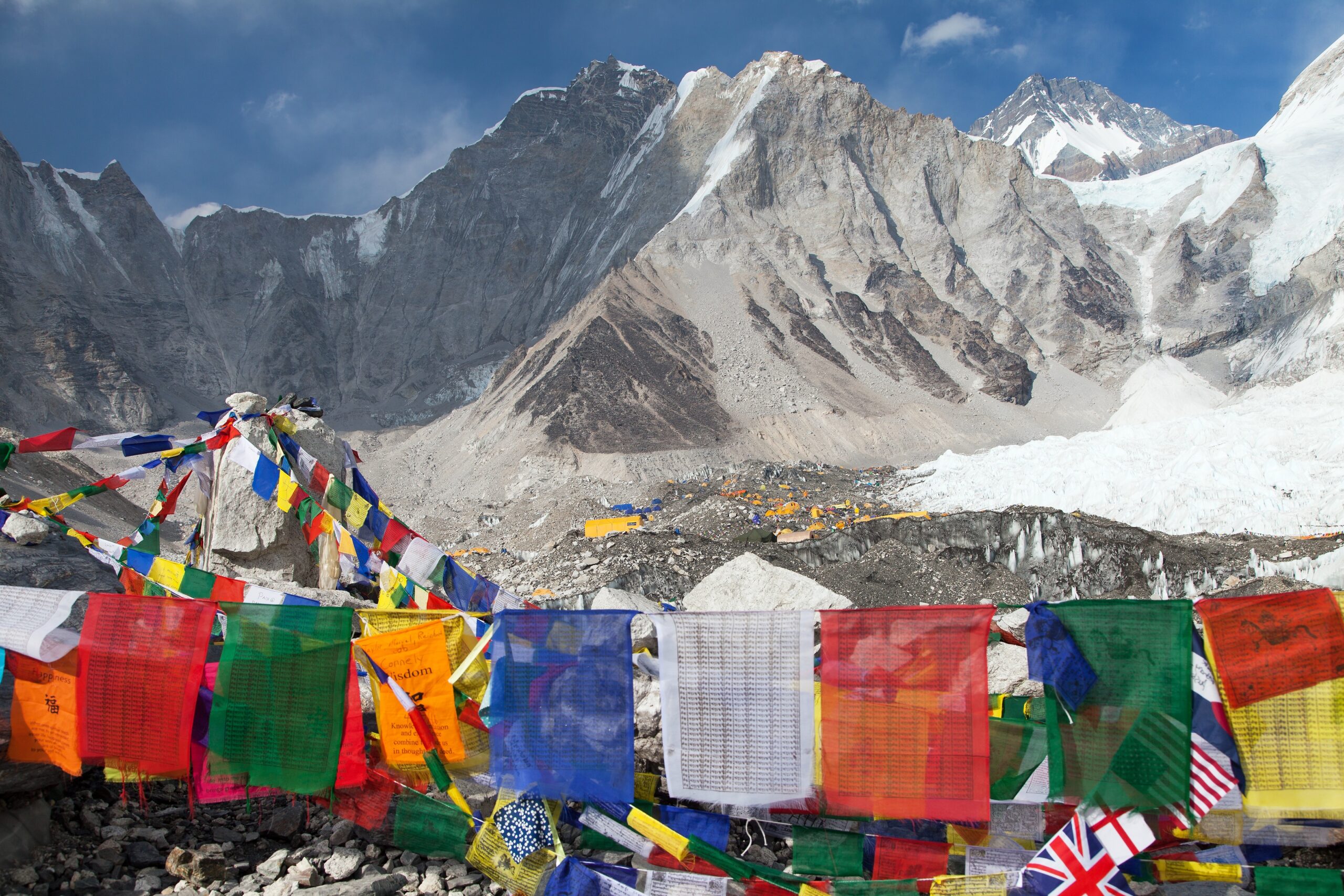
Why the campsite mattered
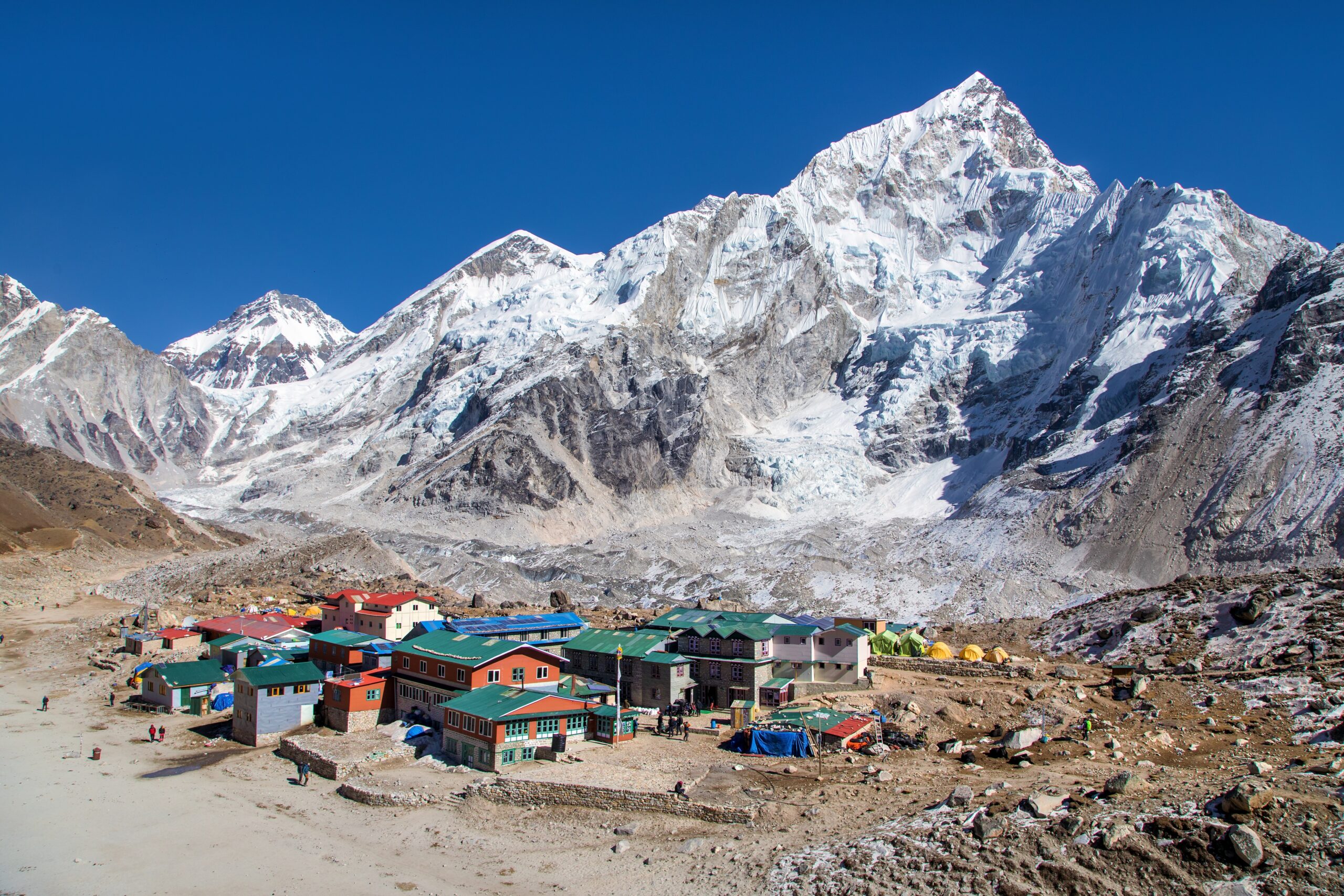
Climbing Everest through the Nepal side requires weeks of support below the final summit slopes. Camp IV on the South Col is far above the colorful base-camp environment shown here. Much of what unfolded in May 1996 depended on teams moving between distant camps, exhausted in very thin air.
Our Everest routes guide explains the geographic progression behind the film.
Everest movie vs. real events: what is accurate?
This is the key distinction for viewers: the film’s large-scale narrative is supported, but some individual scenes are dramatized or challenged. Select a topic to see the evidence.
| Story point | Movie’s treatment | Best evidence-based conclusion |
|---|---|---|
| The storm | A catastrophic turn during descent | Historical fact. The storm and loss of life are extensively documented. |
| Rob Hall and Scott Fischer | Both expedition leaders die | Historical fact. Their circumstances were complex and not all last movements are certain. |
| Beck Weathers | Remarkable survival after being presumed dead | Historical fact. The later high-altitude evacuation and help of Nepali rescuers also deserve attention. |
| Fixed-rope delays / timing | Delay contributes to the disaster | Broadly supported. Their precise weighting against weather, fatigue, oxygen and decisions remains debated. |
| Krakauer rescue scene | Boukreev asks him to help; Krakauer declines | Directly disputed. Krakauer said the depicted conversation never happened. |
| Sherpa contributions | Some shown, film focused on Western leads | Incomplete perspective. Nepali guides and workers contributed materially to climbing operations and rescues. |
| Eight deaths | Primarily south-side tragedy | Incomplete scope. Five losses on south-side teams and three on north-side Indian expedition. |
| Dialogue and private moments | Dramatically reconstructed scenes | Not transcripts. Treat uncorroborated private dialogue as cinematic interpretation. |
Accurate core, simplified cause and effect
The storm, summit delays and high-altitude crisis were real. The film necessarily makes a series of decisions feel more linear than the surviving record allows. PBS survivor interviews and the Himalayan Database are stronger for chronology than scripted dialogue.
The scene Jon Krakauer rejected
In the movie, Boukreev asks Krakauer to join a search and Krakauer appears to refuse, citing snow blindness. Krakauer publicly stated that this conversation never took place. Director Kormákur said the intention was to dramatize why climbers could not participate in rescues, not to portray malice.
The rescuers and support teams deserve their own account
The real 1996 expeditions involved Ang Dorje, Lopsang Jangbu and many other Sherpa climbers and staff. Their presence and rescue support were vital. This is not merely a story of the two Western team leaders. PBS includes interviews with Sherpa survivors and its rescue record identifies their contributions.
Editorial rule: an apparent factual match does not prove that the film recreated a precise exchange or hour exactly.
What caused the 1996 Everest disaster?
No single explanation accounts for every death. The disaster involved several interacting factors: delays, altitude, severe weather, logistical margins, decision-making and rescue limitations.
Late summit progress
Delays near steep sections narrowed the time available for returning below exposed terrain.
Limited supplies
Supplemental oxygen logistics mattered more as return journeys stretched into worsening conditions.
Rapid deterioration
The storm brought wind, snowfall and loss of visibility during an already long descent.
Decision strain
At extreme altitude, low oxygen impairs physical performance and can compromise judgment.
Shared bottlenecks
Several parties using a narrow route faced fixed-line and passing constraints.
Limited help above 8,000 m
Even capable rescuers face enormous danger and uncertainty at these elevations.
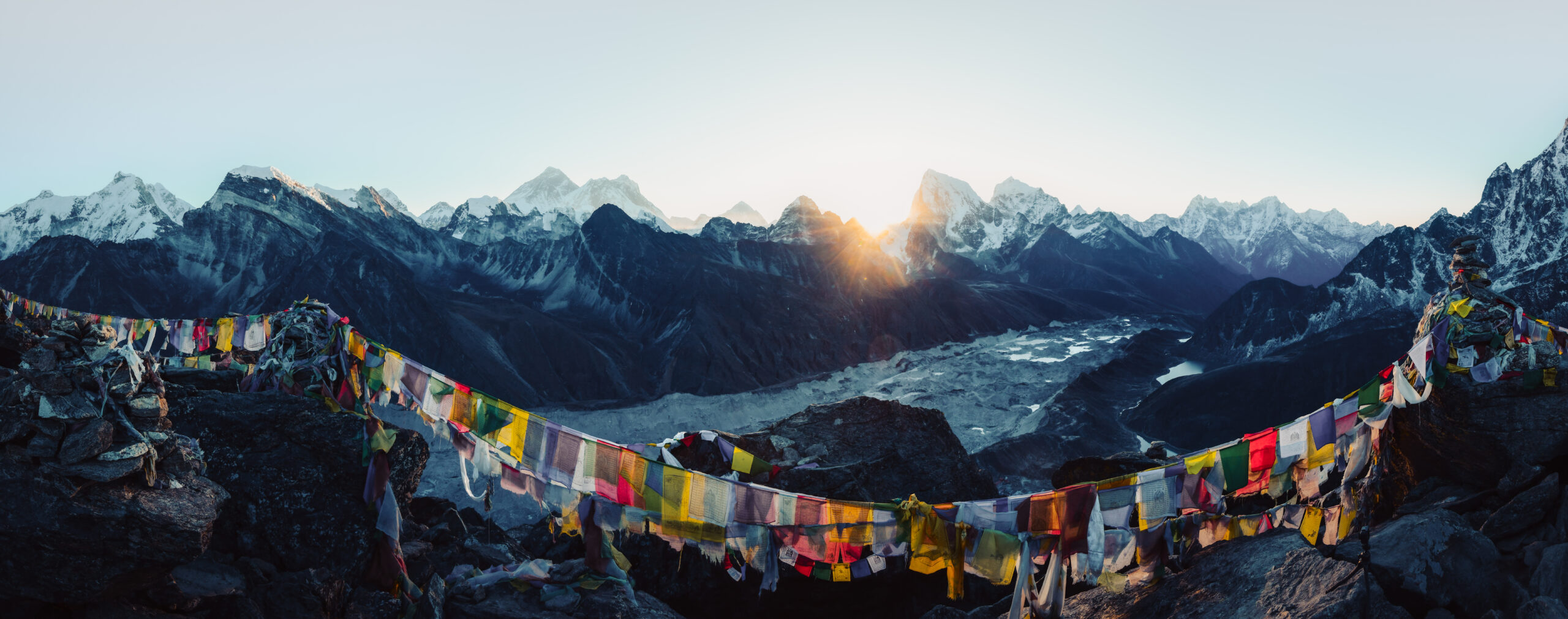
The summit was never the finish line
The central hazard was being high on the mountain too late with too little margin. The oxygen-depleted summit environment can turn a small delay into a cascading emergency; good weather at the start offers no guarantee of a safe descent.
Beck Weathers: the survival story inside the film
Beck Weathers, a physician from Texas and a client on Hall’s team, was temporarily unable to descend safely because of vision problems. He became caught in the storm, was presumed dead, then regained consciousness and returned toward camp with devastating frostbite.
He survived with assistance from many others. After difficult movement down the mountain, a helicopter evacuation by Nepali pilot Madan K. C. on May 13 helped get Weathers and Taiwanese climber Makalu Gau to safety. This rescue depended on more people than one cinematic hero.
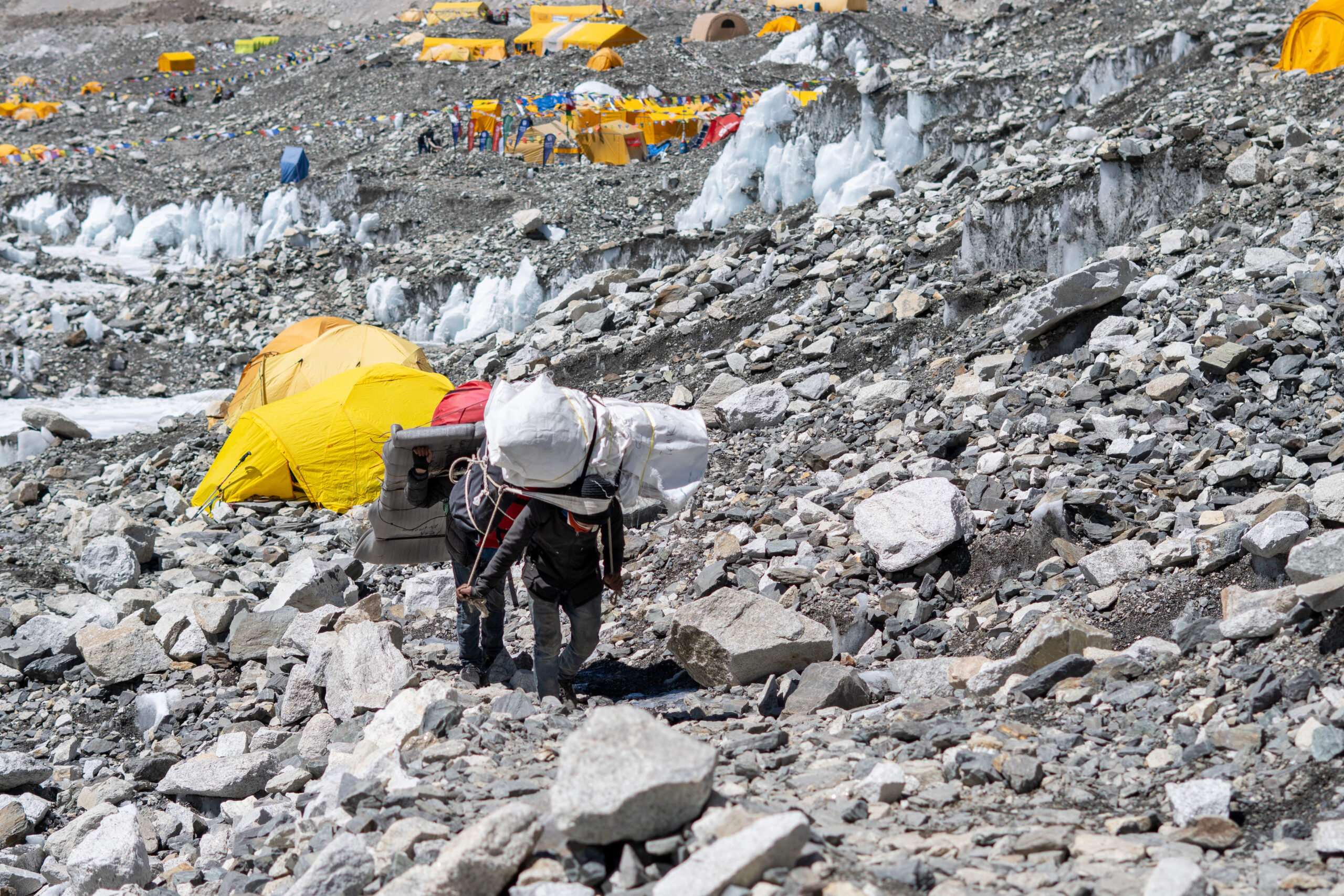
Was the Hillary Step a real bottleneck in 1996?

Yes. The Hillary Step was an exposed, rocky obstacle near the top of Everest’s Southeast Ridge. It became associated with time-consuming passage on summit days. Reports from 1996 describe delays around high sections of the route, including rope and crowding problems.
The accompanying Commons photo is from 2010, not the 1996 storm. Climbers reported changes in the feature after the 2015 earthquake; accounts and later route conditions differ, so this historical photograph should not be used as a current conditions guide.
What the film leaves out about Sherpa climbers
The 1996 tragedy cannot be understood only through Western clients and guides. Sherpa expedition staff supported rope work, oxygen and camp operations, climber movement and evacuation.
PBS lists Ang Dorje Sherpa as climbing sirdar for Adventure Consultants and names other Sherpa climbers and staff on Hall’s team. Lopsang Jangbu Sherpa played a major role on Fischer’s side. Survivor interviews show the larger network of climbers who took risks and aided others after the storm.
The film does not provide an equal-length biography of each Nepali climber. For context, pair this page with GSG’s What Do Sherpas Do on Everest? and Tenzing (2026): the first confirmed Everest summit story. The 1953 ascent and 1996 disaster are separate historical events.
Into Thin Air vs. The Climb vs. the film
| Work | Perspective | How to use it |
|---|---|---|
| Everest (2015) | Historical drama | Accessible emotional introduction; not definitive evidence for every scene. |
| Into Thin Air (Jon Krakauer, 1997) | Eyewitness reporting and interpretation | Crucial firsthand account with disputed interpretations. |
| The Climb (Anatoli Boukreev & G. Weston DeWalt, 1997) | Guide’s rebuttal and account | Additional participant perspective; not an uncontested last word. |
| Storm Over Everest (PBS FRONTLINE) | Multiple survivor interviews, including Sherpas | Useful cross-check against competing single-author narratives. |
| Himalayan Database / PBS NOVA 1996 dispatches | Expedition records and contemporary reporting | Best starting points for names, routes, dates and primary-time references. |
Could any one eyewitness have known everything?
Not in a storm across multiple altitude zones, tents, radio channels and routes. People were sometimes unconscious, separated or struggling to see. The story is strongest when contemporary records and contrasting firsthand testimony are read side by side.
Where was Everest (2015) filmed?
The movie used footage from Nepal, the Italian Alps and studio locations in Europe. That combination captures a compelling mountain environment, but not every on-screen cliff or base camp frame represents the literal 1996 filming location.
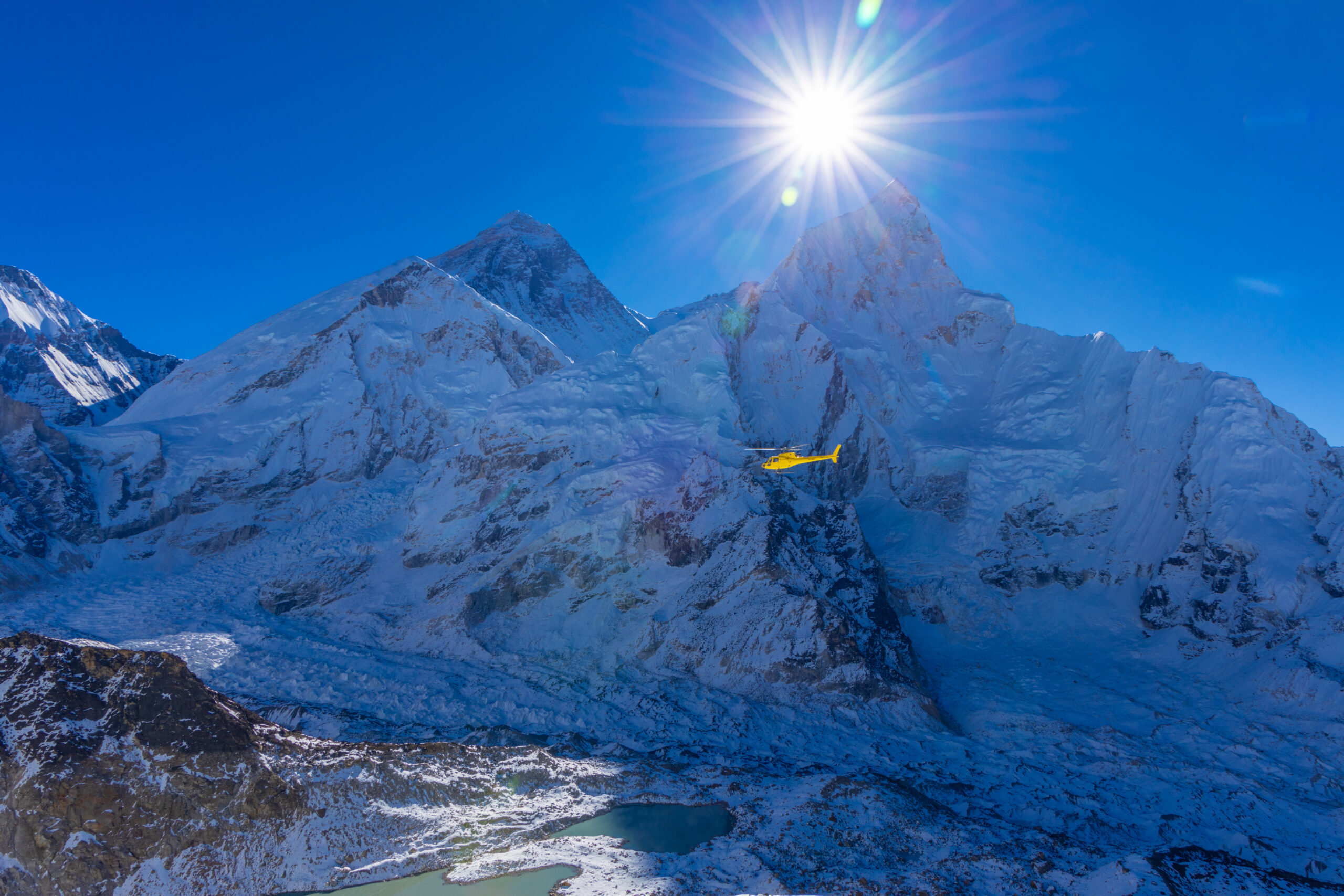
Universal’s official trailer description confirms filming in Nepal, the Italian Alps, Cinecittà Studios in Rome and Pinewood Studios in the United Kingdom. For viewers who want the real terrain, the southern Everest expedition route begins in the Khumbu region, proceeds through Base Camp and the Khumbu Icefall, and continues to the upper mountain.
Visiting Everest Base Camp is a separate trekking objective; it does not require attempting the 8,849-meter summit. Our Everest parent climbing guide explains the mountain, and Everest route guide explores the South Col geography in detail.
Everest (2015) movie and true-story FAQs
Is Everest (2015) based on a true story?
Yes. The film dramatizes the May 10–11, 1996 Everest climbing disaster, particularly Adventure Consultants and Mountain Madness on the Nepal side.
Did eight people die as the movie says?
Eight climbers died in the broader May 10–11 disaster: five on Everest’s southern side, where the film focuses, and three from the Indo-Tibetan Border Police expedition on the northern side.
Did Rob Hall and Scott Fischer really die on Everest?
Yes. Hall and Fischer were the leaders of the two commercial teams depicted in the film and both died during the 1996 disaster.
Did Beck Weathers really survive after being left for dead?
Yes. He returned to camp after being presumed dead, received help down the mountain and was later evacuated by helicopter.
Was Jon Krakauer actually asked to help in a rescue and refused?
Krakauer disputed that particular scene, saying the film’s conversation with Boukreev never happened. The director characterized it as a dramatic way of showing the helplessness of exhausted climbers.
Was the Hillary Step real?
Yes, it was a narrow, exposed rock-and-snow obstacle high on the Southeast Ridge; the configuration has reportedly changed since the 1996 climb.
Is Everest (2015) based directly on Into Thin Air?
The filmmakers used multiple accounts, but the motion picture is not a direct screenplay adaptation of Krakauer’s book.
Who played Rob Hall, Scott Fischer and Beck Weathers?
Jason Clarke played Hall, Jake Gyllenhaal played Fischer and Josh Brolin played Weathers.
Is Everest (2015) a documentary?
No. It is a dramatized feature film. Storm Over Everest from PBS FRONTLINE is a different documentary featuring extensive survivor interviews.
Did Sherpas participate in rescue efforts in 1996?
Yes. Nepali guides and staff were crucial to expedition operations and rescue efforts; their roles are better documented in broader survivor testimony than in the film alone.
Where can I see photos taken in 1996?
Explore the original NOVA/PBS Expedition ’96 archive. These historic images remain with their publishers because they are not automatically available for republication.
Where can I watch the official trailer?
Use Universal Pictures UK’s official Everest trailer or the embed on this page.
Sources, film credits and image licenses
This feature draws a clear line between an entertainment film, later recollections and historical expedition records. It does not claim to settle disputed questions of culpability. All 1996 archival links below lead to the publisher; images embedded here are modern GSG-licensed photographs or explicitly credited Commons images, not movie stills.
Film and cast
Disputed portrayal and rescue
Photography attribution
- Seven modern Everest/Khumbu photographs: Global Summit Guide licensed media library
- Historical Scott Fischer image (1984): Wes Krause, Wikimedia Commons, CC BY-SA 3.0
- Hillary Step (2010): Debasish Biswas / derivative MagentaGreen, Wikimedia Commons, CC BY-SA 4.0 (edited version)
No commercial movie still or unlicensed 1996 expedition photograph has been embedded.
From the movie to the real mountains and people
Start with the 1996 eyewitness record, then compare how a different Everest film tells a very different chapter of the mountain’s history. The mountains are the same; the people and consequences are not.
Was this helpful?
🏔Related peaks nearby
🧭Explore & compare
Global Summit Guide is an independent mountaineering resource founded in 2026. The team combines first-hand trekking and climbing experience with in-depth research and professional health and nutrition review to help climbers choose objectives, prepare properly, and stay safe.
Health, altitude, and nutrition content is reviewed by Taylor Ludlow (Registered Nurse) and Brigg Hoopes (Nutritionist).
What We Don't Know Yet
Mountain information changes quickly. This box explains the limits of what this page can responsibly promise.
- Route conditions, trailhead access, crevasse exposure, stream crossings, and rescue access may vary from published planning guidance.
- Comparisons simplify complex decisions; the better mountain depends on current conditions, skills, timing, budget, and risk tolerance.
- Visa, passport, vaccination, border, insurance, and local transportation rules may change before your trip.
Verify current conditions with official land managers, guide services, local forecasts, and current route reports before booking or climbing.
Mountaineering, rock and ice climbing, glacier travel, and high-altitude activity are inherently dangerous and can result in serious injury or death. The information on Global Summit Guide is provided for general informational and educational purposes only and is not a substitute for professional instruction, qualified guiding, proper equipment, or your own judgment and experience.
Route conditions, weather, snowpack, permits, regulations, and hazards change constantly and may differ from what is described here. Details may be incomplete, out of date, or contain errors. Always verify current information with local authorities, certified guides, and official sources before making any decision in the mountains.
Nothing on this site is medical, legal, or financial advice. Our fitness, acclimatization, altitude, and nutrition content is general in nature; consult a qualified physician before beginning any strenuous exercise program or exposing yourself to high altitude.
You are solely responsible for your own safety and decisions. To the fullest extent permitted by law, Global Summit Guide and its team accept no liability for any loss, injury, damage, or expense arising from use of, or reliance on, this information. By using this site you acknowledge these risks and accept these terms.
Some links on this site may be affiliate links. If you buy through them we may earn a small commission at no extra cost to you; this never affects our recommendations.
Global Summit Guide recommendation path
Next Best Mountain to Research
Use these recommendations to continue the right planning path instead of stopping on one page.
Use current permit, weather, route, and operator information before booking or climbing.